Dermatoscope and Magnifiers
 Diagnostic Kits
 Vital Signs Monitors
 Stethoscopes and Accessories
 Otoscopes, Ophthalmoscopes, and Retinoscopes
 Reflex Hammers and Neurological Tools
 Scales and Measuring Devices
 Spirometers and Pulmonary Function Tests
 Electrosurgical Units and Accessories
 Cutting Instruments
 Grasping and Holding Instruments
 Hemostatic Instruments
 Specialized Surgical Sets
 Single-Use Procedure Trays and Packs
 Surgical Drapes, Gowns, and Covers
 Tissue Unifying Instruments
 Radiation Protection
 X-Ray Machines and Accessories
 Ultrasound Systems and Probes
 MRI and CT Scanners
 Radiology Consumables
 Bone Densitometers
 Fluoroscopy Equipment
 Imaging Tables and Positioning Aids
 Microscopes and Accessories
 Centrifuges and Separators
 Analyzers
 Incubators and Ovens
 Pipettes, Dispensers, and Lab Glassware
 Refrigerators, Freezers, and Storage Units
 Lab Consumables
 Sterilizers and Autoclaves for Lab Use
 Multi-Parameter Monitors
 Ventilators and Respiratory Support Devices
 Defibrillators and AEDs
 Infusion Pumps and IV Systems
 Patient Warmers and Cooling Devices
 Central Monitoring Stations
 Accessories
 Anesthesia Machines and Workstations
 Oxygen Concentrators and Delivery Systems
 Nebulizers and Inhalers
 CPAP/BiPAP Machines
 Airway Management
 Anesthesia Masks, Circuits, and Bags
 Humidifiers and Heaters
 Respiratory Therapy Accessories
 First Aid Kits and Cabinets
 Emergency Resuscitation Equipment
 Trauma Supplies
 Emergency Carts and Crash Carts
 Burn Care Products
 Bleeding Control
 Automated External Defibrillators (AEDs)
 Transport and Evacuation
 Wheelchairs and Accessories
 Walkers, Crutches, and Canes
 Prosthetics and Orthotics
 Physical Therapy Equipment
 Transfer Devices
 Bathroom Safety
 Orthopedic Traction and Tables
 Hot/Cold Therapy Packs and Units
 Beds and Mattresses
 Chairs and Stools
 Tables
 Cabinets and Storage
 Privacy Screens & Curtains
 Stands and Racks
 Linens and Textiles
 Lighting
 Autoclaves and Sterilizers
 Ultrasonic Cleaners
 Disinfectant Solutions and Wipes
 Sterilization Pouches, Wraps, and Indicators
 Instrument Trays and Containers
 UV and Ozone Disinfection Devices
 Washer Disinfectors
 Wound Care
 Gloves
 Masks and Respirators
 Catheters and Tubing
 Swabs, Applicators, and Sponges
 Incontinence Products
 Personal Protective Equipment (PPE)
 Dental Chairs and Units
 Handpieces and Burs
 Instruments
 Consumables
 Sterilization for Dental Use
 Orthodontic Supplies
 Endodontic Tools
 Slit Lamps and Tonometers
 Lensometers and Phoropters
 Ophthalmic Surgical Instruments
 Eyewear Frames and Lenses
 Contact Lens Supplies
 Vision Testing Charts and Devices
 Eye Care Consumables
 Laser Systems for Eye Care
 ENT Exam Chairs and Tables
 Endoscopes
 Audiometers and Hearing Tests
 ENT Instruments
 Nasal and Throat Packs
 Hearing Aids and Accessories
 Otology Supplies
 Fetal Dopplers and Monitors
 Delivery Beds and Tables
 Gynecological Instruments
 Neonatal Incubators and Warmers
 Breast Pumps and Accessories
 Contraceptive Devices
 Maternity Supports and Pads
 Neonatal Consumables
 Cystoscopes and Urethroscopes
 Dialysis Machines and Supplies
 Urological Catheters and Bags
 Lithotripters
 Prostate Treatment Devices
 Urinary Incontinence Products
 Kidney Stone Management Tools
 Consumables & Disposables
 EEG and EMG Machines
 Neurosurgical Instruments
 Nerve Stimulators
 Headrests and Positioning Aids
 Lumbar Puncture Kits
 Seizure Monitoring Devices
 Consumables
 Rehabilitation for Neurological Conditions
 ECG Machines and Accessories
 Holter Monitors
 Stress Test Systems
 Pacemakers and Defibrillator Accessories
 Vascular Access Devices
 Cardiac Catheters and Guidewires
 Blood Flow Meters
 Consumables
 Orthopedic Instruments
 Casts, Splints, and Padding
 Joint Replacement Supplies
 Prosthetic Limbs and Components
 Bone Grafts and Substitutes
 Traction Devices
 Orthopedic Braces and Supports
 Rehabilitation Aids for Orthopedics
 Home Oxygen Therapy
 Hospital Beds for Home Use
 Mobility Aids
 Bathroom and Daily Living Aids
 Wound Care for Home
 Monitoring Devices
 Enteral Feeding Pumps and Tubes
 Hand Sanitizers and Dispensers
 Face Shields and Goggles
 Isolation Gowns and Suits
 Biohazard Waste Containers
 Air Purifiers and HEPA Filters
 Surface Disinfectants
 Sharps Containers
 Protective Barriers
 Cardiovascular & Endurance Training
 Strength Training & Weightlifting
 Functional Training & Core Conditioning
 Physical Therapy & Rehabilitation
 Sports & Outdoor Recreation
 Gym Flooring & Facility Equipment
 Fitness Monitoring & Accessories
 Kids & Novelties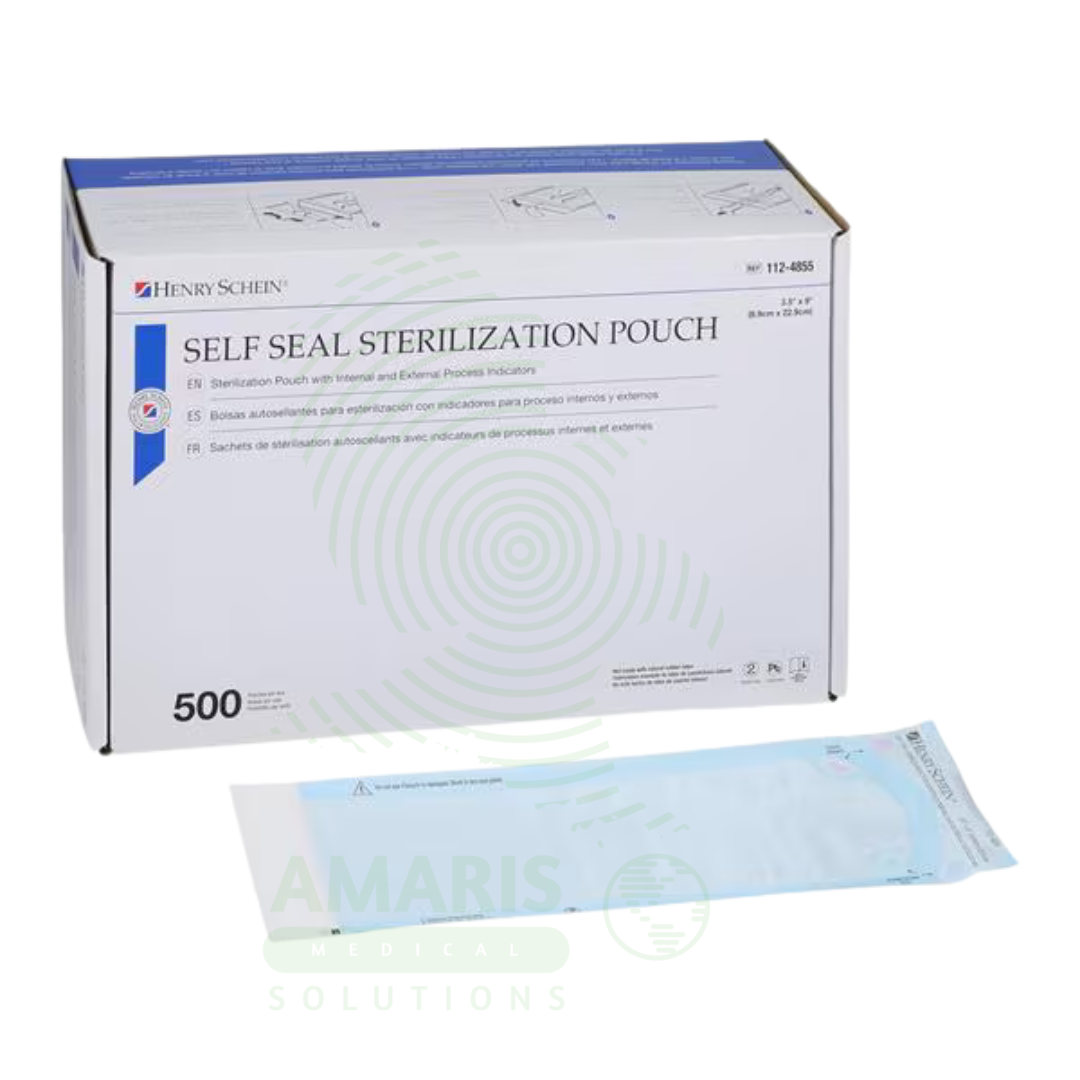
Sterilization Pouches
$1.00
WhatsApp Order
Sterilization Pouches are disposable, flexible packages used to enclose individual instruments or small sets for sterilization and to maintain their sterility until use. Constructed with a transparent plastic side for visibility and a porous paper/Tyvek side for sterilant penetration, they are sealed by the user to create a microbial barrier. Correct usage requires loading clean, dry items, creating a complete seal, labeling, and inspecting the pouch for integrity after sterilization. Any compromise (tear, wetness, broken seal) invalidates sterility. They are an essential consumable in sterile processing, enabling safe, organized, and traceable packaging for a wide range of medical devices.
Description
Sterilization Pouches
PRIMARY CLINICAL & DIAGNOSTIC USES
1. Packaging of Individual Small Instruments for Sterilization
-
Primary Use: Packages and protects single or small sets of instruments prior to steam or low-temperature sterilization, allowing sterilant penetration while creating a post-sterilization microbial barrier.
-
How it helps: For the sterile processing technician and dental assistant, the sterilization pouch is the final package that ensures a clean instrument stays clean—a sealed environment that allows steam or gas to reach the instrument during the cycle, then closes tightly to keep contaminants out afterward. For the patient, opening a sealed pouch just before a procedure provides visible assurance that the instrument about to be used has been protected since sterilization, reducing anxiety about infection risk.
2. Maintenance of Sterility During Storage and Transport
-
Primary Use: After the sterilization cycle, the sealed pouch provides a durable, dust- and moisture-resistant barrier that maintains the sterility of its contents until the point of use, provided the pouch remains intact and dry.
-
How it helps: For the clinic nurse preparing for procedures, pouches allow instruments to be sterilized in advance and stored until needed—on shelves, in procedure carts, or in code carts—always ready but always protected. For the patient receiving an injection, a suture, or a minor procedure, the unopened pouch represents a chain of sterility that extends from the autoclave to the examination room.
3. Packaging of Single-Use Procedural Kits
-
Primary Use: Used to assemble and sterilize small, ready-to-use kits for procedures such as suture removal, venipuncture, urinary catheterization, or wound dressing changes.
-
How it helps: For the clinic or hospital unit, pre-assembled pouches mean that when a procedure is needed, everything required is together, sterile, and ready—no gathering individual components, no wondering if something is missing. For the patient, a pre-packaged kit means their procedure starts promptly, with all components sterile and at hand.
4. Identification and Organization
-
Primary Use: Pouches provide a clear surface for labeling with essential information: contents, sterilizer load/cycle number, expiration date, and operator initials, ensuring traceability and proper stock rotation.
-
How it helps: For the sterile processing quality manager and clinic staff, labeled pouches create an auditable trail from sterilizer to patient—allowing recall if a cycle is compromised, ensuring outdated pouches are removed, and confirming that the right instrument is in the right place. For the patient, this traceability means that if a question ever arises about instrument processing, the answer can be found, supporting both safety and accountability.
SECONDARY & SUPPORTIVE USES
1. Packaging for Implantable Devices: Specific, high-integrity pouches are used for packaging small, single-use implantable devices such as screws, pins, and mesh that are sterilized within the healthcare facility. For the patient receiving an implant, the integrity of the pouch directly impacts the sterility of the device entering their body, making proper packaging a critical safety step.
2. Packaging for Ophthalmic and Microsurgical Instruments: Delicate and expensive instruments used in eye surgery and other micro-procedures require protected packaging that prevents damage during handling. For the patient undergoing delicate eye surgery, the surgeon’s ability to perform depends on instruments that arrive at the sterile field undamaged—protected by appropriate packaging.
3. Dental Instrument Processing: Sterilization pouches are the standard packaging method in dental practices for individual or small sets of instruments between patient uses. For every dental patient, the sealed pouch opened before their procedure provides assurance that the instruments entering their mouth have been properly sterilized and protected.
KEY PRODUCT FEATURES
1. BASIC IDENTIFICATION ATTRIBUTES
-
Device Type: A disposable, flexible package consisting of two layers: a transparent plastic film (for viewing) and a porous, sterilant-permeable paper or synthetic material (for sterilant entry and air removal).
-
Common Names: Sterilization pouch, peel pouch, sterilization envelope.
-
Core Components & Design:
-
Paper/Spunbond Side: The porous, breathable side, typically made of medical-grade paper or a Tyvek-like spunbonded olefin. This side allows steam, gas, or plasma to enter and air/moisture to exit during sterilization.
-
Transparent Film Side: A clear plastic film (often polyester or polypropylene) that is impervious to microbes but allows visual inspection of the contents without opening.
-
Seal: The pouch is sealed on three sides during manufacturing, with one end open for loading. The open end is sealed by the user with a heat sealer or via an adhesive strip (self-seal pouches).
-
Internal Sterilization Indicator: Most pouches have a printed chemical indicator (often a stripe or pattern) on the inside that changes color upon exposure to sterilant, verifying the sterilant penetrated the package.
-
External Process Indicator: Many have an external indicator that changes with heat, providing a visual check that the package has been through a sterilization process.
-
2. TECHNICAL & PERFORMANCE PROPERTIES
-
Sterilant Compatibility: Pouches are designed for specific sterilization methods:
-
Steam Autoclave Pouches: Use paper/plastic combos that can withstand high heat and moisture.
-
Low-Temperature Pouches: Made of materials compatible with EtO, hydrogen peroxide plasma, or ozone (often all-plastic or special Tyvek/film combos).
-
-
Pore Size and Microbial Barrier: The porous side must have a pore size small enough to act as a microbial barrier (typically <0.3 µm) after sterilization, while still allowing sterilant molecules to pass.
-
Seal Strength: The user-applied seal must be strong enough to withstand handling and storage without peeling open or delaminating.
-
Tear-Notch: Many pouches feature a notch at the corner to facilitate aseptic opening at the point of use.
3. PHYSICAL & OPERATIONAL PROPERTIES
-
Sizes: Available in a vast range of widths and lengths to accommodate items from a single dental bur to large surgical forceps or sets of instruments.
-
Presentation: Supplied in rolls, stacks, or dispenser boxes.
4. SAFETY & COMPLIANCE ATTRIBUTES
-
Regulatory Status: Classified as a Class I or II medical device (as a sterile barrier system).
-
Biocompatibility: Materials must be non-toxic and non-shedding.
-
Compliance Standards: Must meet standards for sterile barrier systems (e.g., ISO 11607, ANSI/AAMI ST77).
5. STORAGE & HANDLING ATTRIBUTES
-
Storage (Unused): Store in a clean, dry, climate-controlled area in original packaging to protect from dust, moisture, and physical damage.
-
Packaging Procedure (CRITICAL):
-
Content Preparation: Instruments must be clean, dry, and cool.
-
Loading: Place item(s) fully inside the pouch, ensuring they do not puncture the material or rest on the sealing area.
-
Sealing: Create a secure seal ≥6mm (1/4 inch) wide using a validated heat sealer at the correct temperature/time, or firmly close the adhesive strip.
-
Labeling: Label on the plastic side with indelible ink before sterilization, including contents, date, and sterilizer ID.
-
-
Post-Sterilization Handling:
-
Inspect each pouch. If wet, torn, perforated, or with an unreacted internal indicator, the contents are not sterile and must be reprocessed.
-
Store sterilized pouches in a clean, dry, enclosed cabinet. Shelf life is event-related (based on integrity) unless a specific expiration date is validated.
-
6. LABORATORY & CLINICAL APPLICATIONS
-
Primary Application: The universal packaging material for small to medium-sized items in hospital sterile processing departments (CSSD), dental clinics, outpatient surgery centers, and veterinary practices.
-
Clinical Role: The final, critical step in the sterilization process that creates a portable, identifiable, and protected sterile unit, enabling safe aseptic presentation at the point of care.
SAFETY HANDLING PRECAUTIONS
1. SAFETY PRECAUTIONS
-
Package Integrity is Paramount: Never use a package that is wet, torn, punctured, or has a compromised seal. The sterility of the contents cannot be guaranteed.
-
Correct Loading: Ensure instruments are completely within the pouch and not touching the sealing area, as this will prevent a proper seal.
-
Proper Sealing: For heat seals, ensure the sealer jaws are clean and the seal is complete, with no gaps or wrinkles. For self-seal pouches, ensure the adhesive is fully engaged.
-
Aseptic Opening: At the point of use, open the pouch by peeling at the notch or corners without touching the sterile contents or the inner surface of the pouch. The opened pouch becomes a sterile field.
-
Shelf Life Awareness: Follow facility policy for shelf life. Inspect packages before each use, regardless of date.
2. FIRST AID MEASURES
-
Use of a Compromised Package: If a non-sterile item from a compromised package is used on a patient, follow the facility's exposure control and incident reporting protocol immediately.
-
Puncture Injury: If a sharp instrument punctures the pouch during handling, the item is contaminated. Repackage and reprocess it. Provide first aid for any personal injury.
3. FIRE FIGHTING MEASURES
-
Flammability: Paper and plastic components are combustible.
-
Extinguishing Media: Use water, CO2, or foam as appropriate for the surrounding fire.
Related products
Arthroscopic Accessories
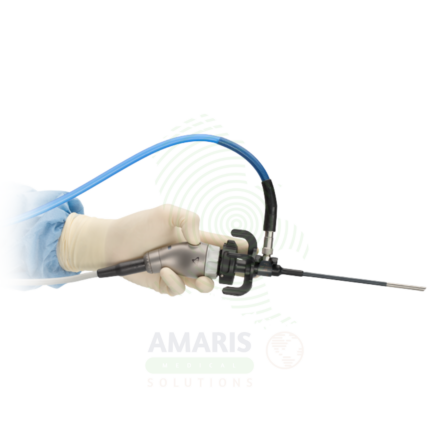
Arthroscopic accessories encompass a range of ancillary equipment essential for minimally invasive joint surgery, including fluid management systems, powered shaver blades, radiofrequency probes, suturing systems, and specimen retrieval devices. These accessories enable efficient tissue resection, precise repair, and thorough debris removal through small portals, supporting the full range of arthroscopic procedures. Essential for orthopedic surgery, they contribute to the safety, efficiency, and success of arthroscopic interventions.
Autoclave Machine
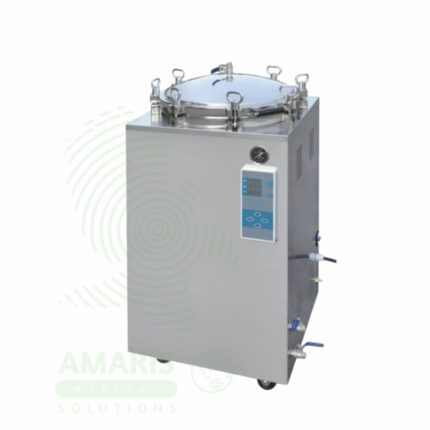
An Autoclave Machine is a pressurized steam sterilizer used to destroy all microbial life, including resistant bacterial spores, on medical, surgical, and laboratory items. It is the most reliable method for sterilizing heat- and moisture-stable materials such as surgical instruments, wrapped packs, textiles, and laboratory media. Effective sterilization depends on the correct combination of steam, pressure, temperature, and time, validated by rigorous physical, chemical, and biological monitoring. Safe operation requires strict adherence to loading guidelines, use of appropriate cycles (especially for liquids), and extreme caution due to high heat and pressure hazards. It is an indispensable piece of capital equipment for any facility requiring guaranteed sterility.
Biohazard Paper
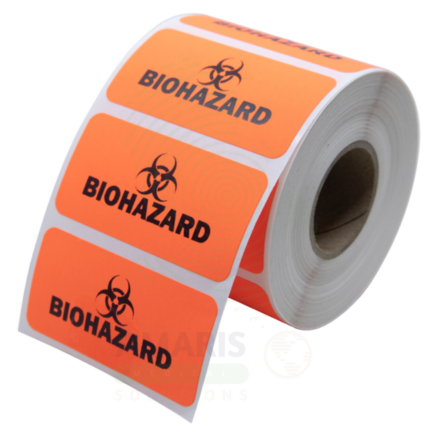
Biohazard Paper encompasses a range of specialty paper and non-woven medical-grade materials used for sterilization processing, biohazard containment, and infection control applications. Sterilization wrap (CSR wrap) and peel pouches serve as FDA-cleared Class II sterile barrier systems for terminal sterilization of surgical instruments and medical devices, requiring strict single-use protocols and validated performance per ISO 11607. Absorbent bench liners provide disposable, fluid-resistant work surface protection in laboratories and procedure areas. Biohazard specimen bags enable safe transport of non-liquid clinical specimens. Distinct from red biohazard waste bags (plastic film), true "biohazard paper" products are characterized by controlled porosity, microbial filtration efficiency (≥99.97%), sterilant permeability, and low-linting construction. Critical safety imperatives include absolute prohibition of sterilization wrap reuse, visual integrity inspection before use, and appropriate disposal of contaminated materials as regulated medical waste.
Endoscope Storage Cabinet
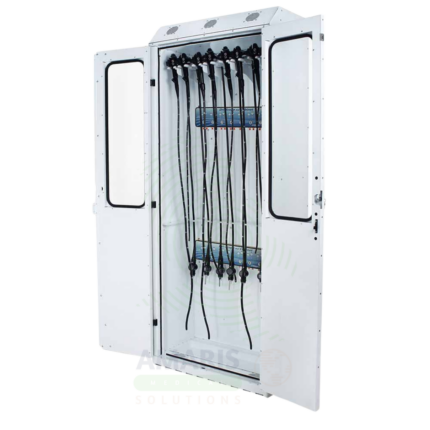
An Endoscope Storage Cabinet is a specialized storage system designed to maintain the sterility of flexible endoscopes after high-level disinfection. Featuring vertical hanging racks to prevent damage, HEPA-filtered air circulation to prevent recontamination, and drying systems to inhibit microbial growth, it protects expensive endoscopes while ensuring they are ready for patient use. Essential for gastroenterology, pulmonology, and urology departments, it supports infection prevention, equipment longevity, and efficient workflow.
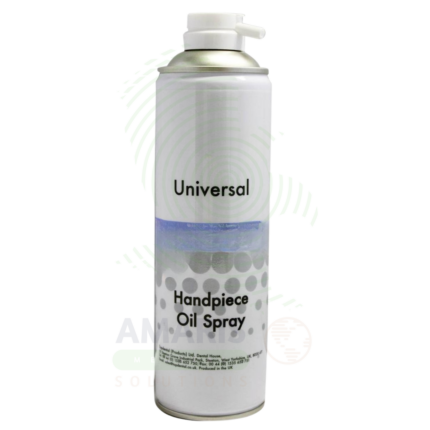
Handpiece Spray
Handpiece Spray is a specialized aerosol lubricant essential for the daily maintenance and sterilization of dental handpieces. Its primary function is to lubricate internal turbines and bearings, reducing friction, preventing wear, and ensuring optimal performance and longevity. Applied directly into the handpiece's air inlet and distributed by running the handpiece without a bur, it must be used after every cleaning and before each autoclave cycle as per the manufacturer's strict instructions. Using the correct lubricant is critical to prevent damage and maintain warranty compliance. It is a fundamental, non-negotiable consumable in dental infection control and equipment care protocols.
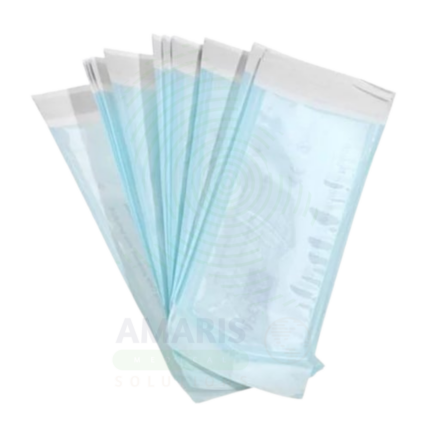
Self seal sterilization pouch
A Self Seal Sterilization Pouch is a single-use, peelable packaging device designed for enclosing medical and surgical instruments during steam or ethylene oxide sterilization. Constructed from medical-grade sterilization paper (porous side allowing sterilant penetration) and clear polyester/polypropylene film (allowing visual identification of contents), each pouch features a self-adhesive closure strip that eliminates the need for heat sealers or adhesive tape. A Type 1 chemical process indicator printed on the pouch changes color upon exposure to sterilization conditions, providing immediate visual confirmation of processing. For the sterile processing technician, self seal pouches offer convenient, reliable packaging that reduces preparation time while ensuring seal integrity. For the patient, proper packaging in validated sterilization pouches ensures that surgical instruments, forceps, scissors, and other reusable devices are sterile when used—reducing the risk of surgical site infections and procedure-related complications.
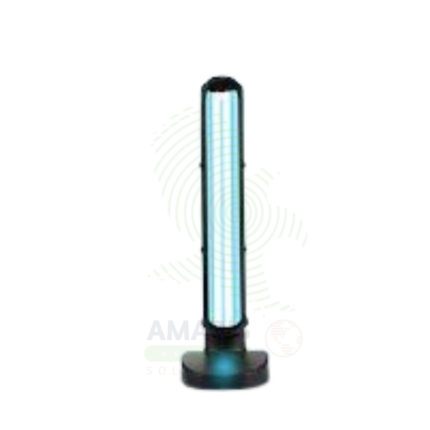
Ultraviolet Lamp
An Ultraviolet Lamp is a germicidal device that emits UV-C radiation to inactivate microorganisms by damaging their DNA and RNA, preventing replication. Used for surface disinfection in patient rooms, operating rooms, and isolation rooms, air disinfection in occupied spaces, and water purification in healthcare facilities, UV lamps provide an additional layer of infection prevention beyond manual cleaning. Available in various configurations including mobile units, ceiling-mounted fixtures, and integrated systems, they reduce healthcare-associated infections and protect patients, staff, and the environment.