Dermatoscope and Magnifiers
 Diagnostic Kits
 Vital Signs Monitors
 Stethoscopes and Accessories
 Otoscopes, Ophthalmoscopes, and Retinoscopes
 Reflex Hammers and Neurological Tools
 Scales and Measuring Devices
 Spirometers and Pulmonary Function Tests
 Electrosurgical Units and Accessories
 Cutting Instruments
 Grasping and Holding Instruments
 Hemostatic Instruments
 Specialized Surgical Sets
 Single-Use Procedure Trays and Packs
 Surgical Drapes, Gowns, and Covers
 Tissue Unifying Instruments
 Radiation Protection
 X-Ray Machines and Accessories
 Ultrasound Systems and Probes
 MRI and CT Scanners
 Radiology Consumables
 Bone Densitometers
 Fluoroscopy Equipment
 Imaging Tables and Positioning Aids
 Microscopes and Accessories
 Centrifuges and Separators
 Analyzers
 Incubators and Ovens
 Pipettes, Dispensers, and Lab Glassware
 Refrigerators, Freezers, and Storage Units
 Lab Consumables
 Sterilizers and Autoclaves for Lab Use
 Multi-Parameter Monitors
 Ventilators and Respiratory Support Devices
 Defibrillators and AEDs
 Infusion Pumps and IV Systems
 Patient Warmers and Cooling Devices
 Central Monitoring Stations
 Accessories
 Anesthesia Machines and Workstations
 Oxygen Concentrators and Delivery Systems
 Nebulizers and Inhalers
 CPAP/BiPAP Machines
 Airway Management
 Anesthesia Masks, Circuits, and Bags
 Humidifiers and Heaters
 Respiratory Therapy Accessories
 First Aid Kits and Cabinets
 Emergency Resuscitation Equipment
 Trauma Supplies
 Emergency Carts and Crash Carts
 Burn Care Products
 Bleeding Control
 Automated External Defibrillators (AEDs)
 Transport and Evacuation
 Wheelchairs and Accessories
 Walkers, Crutches, and Canes
 Prosthetics and Orthotics
 Physical Therapy Equipment
 Transfer Devices
 Bathroom Safety
 Orthopedic Traction and Tables
 Hot/Cold Therapy Packs and Units
 Beds and Mattresses
 Chairs and Stools
 Tables
 Cabinets and Storage
 Privacy Screens & Curtains
 Stands and Racks
 Linens and Textiles
 Lighting
 Autoclaves and Sterilizers
 Ultrasonic Cleaners
 Disinfectant Solutions and Wipes
 Sterilization Pouches, Wraps, and Indicators
 Instrument Trays and Containers
 UV and Ozone Disinfection Devices
 Washer Disinfectors
 Wound Care
 Gloves
 Masks and Respirators
 Catheters and Tubing
 Swabs, Applicators, and Sponges
 Incontinence Products
 Personal Protective Equipment (PPE)
 Dental Chairs and Units
 Handpieces and Burs
 Instruments
 Consumables
 Sterilization for Dental Use
 Orthodontic Supplies
 Endodontic Tools
 Slit Lamps and Tonometers
 Lensometers and Phoropters
 Ophthalmic Surgical Instruments
 Eyewear Frames and Lenses
 Contact Lens Supplies
 Vision Testing Charts and Devices
 Eye Care Consumables
 Laser Systems for Eye Care
 ENT Exam Chairs and Tables
 Endoscopes
 Audiometers and Hearing Tests
 ENT Instruments
 Nasal and Throat Packs
 Hearing Aids and Accessories
 Otology Supplies
 Fetal Dopplers and Monitors
 Delivery Beds and Tables
 Gynecological Instruments
 Neonatal Incubators and Warmers
 Breast Pumps and Accessories
 Contraceptive Devices
 Maternity Supports and Pads
 Neonatal Consumables
 Cystoscopes and Urethroscopes
 Dialysis Machines and Supplies
 Urological Catheters and Bags
 Lithotripters
 Prostate Treatment Devices
 Urinary Incontinence Products
 Kidney Stone Management Tools
 Consumables & Disposables
 EEG and EMG Machines
 Neurosurgical Instruments
 Nerve Stimulators
 Headrests and Positioning Aids
 Lumbar Puncture Kits
 Seizure Monitoring Devices
 Consumables
 Rehabilitation for Neurological Conditions
 ECG Machines and Accessories
 Holter Monitors
 Stress Test Systems
 Pacemakers and Defibrillator Accessories
 Vascular Access Devices
 Cardiac Catheters and Guidewires
 Blood Flow Meters
 Consumables
 Orthopedic Instruments
 Casts, Splints, and Padding
 Joint Replacement Supplies
 Prosthetic Limbs and Components
 Bone Grafts and Substitutes
 Traction Devices
 Orthopedic Braces and Supports
 Rehabilitation Aids for Orthopedics
 Home Oxygen Therapy
 Hospital Beds for Home Use
 Mobility Aids
 Bathroom and Daily Living Aids
 Wound Care for Home
 Monitoring Devices
 Enteral Feeding Pumps and Tubes
 Hand Sanitizers and Dispensers
 Face Shields and Goggles
 Isolation Gowns and Suits
 Biohazard Waste Containers
 Air Purifiers and HEPA Filters
 Surface Disinfectants
 Sharps Containers
 Protective Barriers
 Cardiovascular & Endurance Training
 Strength Training & Weightlifting
 Functional Training & Core Conditioning
 Physical Therapy & Rehabilitation
 Sports & Outdoor Recreation
 Gym Flooring & Facility Equipment
 Fitness Monitoring & Accessories
 Kids & Novelties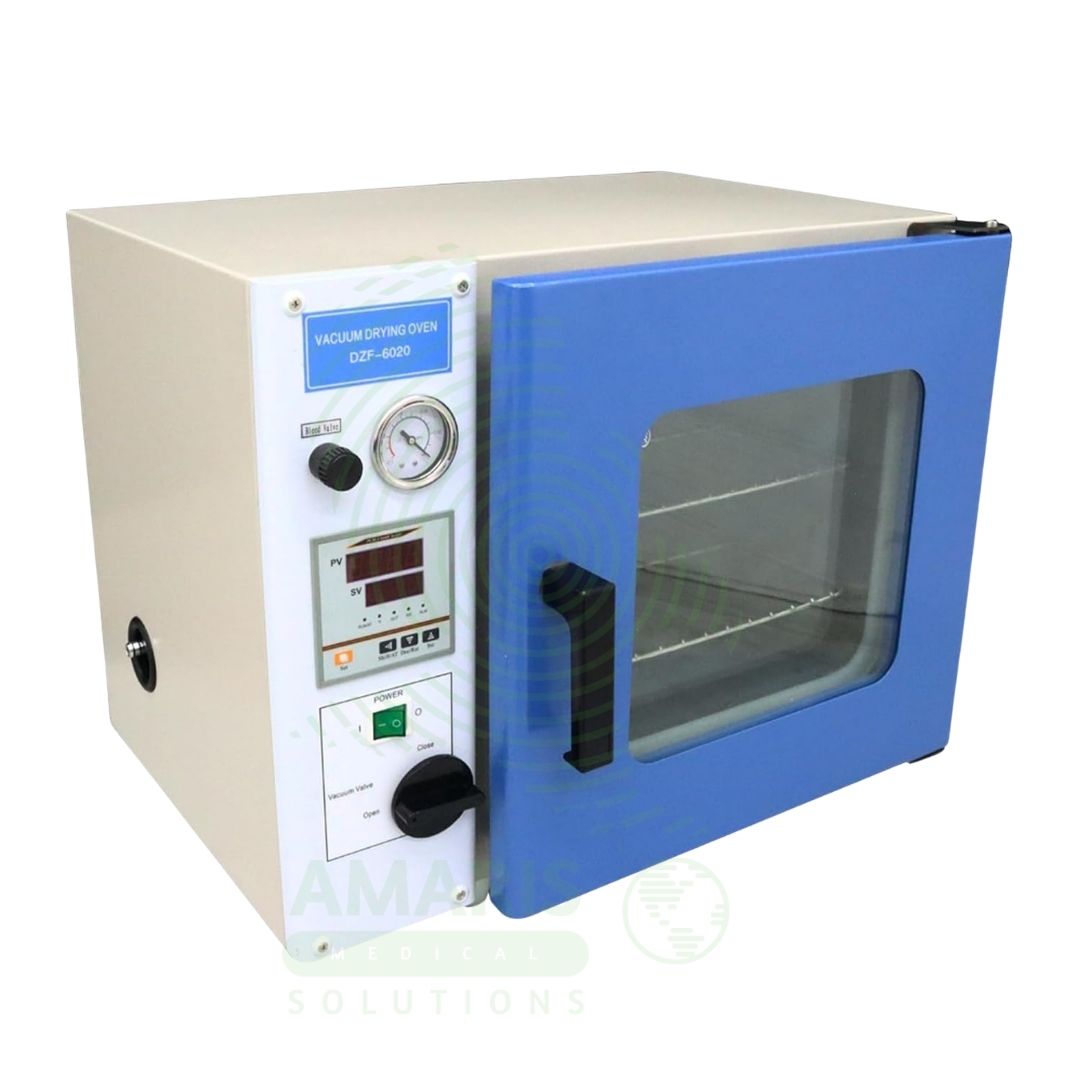
Drying Oven
$1.00
WhatsApp Order
A Drying Oven is a forced-air heated cabinet used for dry heat sterilization of moisture-sensitive items and for thoroughly drying laboratory glassware and samples. Operating at high temperatures (up to 250°C), it is the method of choice for sterilizing powders, oils, and glass. Its key feature is uniform temperature distribution via a mechanical fan, which is essential for effective sterilization. Critical safety protocols include using extreme caution for thermal burns, never loading flammable materials, and allowing proper cooling. It is a vital piece of equipment in sterile processing and analytical laboratories where the complete absence of moisture is required.
Description
Drying Oven
PRIMARY CLINICAL & DIAGNOSTIC USES
1. Sterilization of Heat-Stable, Non-Aqueous Materials
-
Primary Use: Provides dry heat sterilization for materials that would be damaged by moist steam, such as glassware (pipettes, Petri dishes, test tubes), powders, oils, greases, and certain sharp instruments, operating at higher temperatures (160-180°C) for longer periods than autoclaves.
-
How it helps: For the laboratory technician and sterile processing professional, the drying oven offers a sterilization method for items that cannot tolerate moisture—anhydrous powders that would clump, oils that would emulsify, sharp instruments that might corrode. For the patient receiving a medication compounded with sterile powders, or undergoing a procedure with sterile instruments, the drying oven ensures that items requiring anhydrous sterilization are rendered free of all microbial life, protecting them from infection.
2. Dehydration of Samples and Laboratory Glassware
-
Primary Use: Thoroughly dries cleaned glassware, ceramic, and metal equipment after washing to prevent spotting and water contamination in sensitive procedures, and removes moisture from clinical or environmental samples prior to analysis.
-
How it helps: For the laboratory scientist preparing for critical experiments, the drying oven ensures that glassware emerging from the wash cycle is completely dry—free from water spots that could interfere with spectrophotometry, free from moisture that could degrade sensitive reagents. For the researcher performing dry weight determinations on tissues, soils, or filters, the oven’s consistent temperature removes all moisture, providing accurate mass measurements that reflect true sample composition.
3. Heat Treatment and Curing
-
Primary Use: Anneals glassware to relieve stress, cures resins or adhesives used in lab equipment repair, and bakes on ceramic or polymer coatings.
-
How it helps: For the laboratory glassblower and equipment specialist, the drying oven provides controlled heat treatment that strengthens glass, prevents spontaneous breakage, and ensures repairs bond properly. For the researcher relying on custom glassware or repaired equipment, proper annealing and curing means their apparatus will perform reliably under experimental conditions, without catastrophic failure that could ruin months of work.
4. Evaporation of Solvents
-
Primary Use: Gently evaporates solvents from samples in open containers, though this is typically done in fume hoods.
-
How it helps: For the analytical chemist preparing samples for analysis, controlled evaporation concentrates analytes to detectable levels while removing interfering solvents. For the environmental scientist measuring pollutants, or the toxicologist screening for drugs, this gentle evaporation ensures that trace compounds are preserved and concentrated, enabling detection at clinically or environmentally relevant concentrations.
SECONDARY & SUPPORTIVE USES
1. Incubation at Elevated Temperatures: For the microbiologist studying thermophilic organisms or conducting biochemical reactions requiring temperatures above standard incubator ranges (55-80°C), the drying oven serves as a high-temperature incubator. For researchers exploring extremophile biology or developing heat-stable enzymes, this capability expands the experimental possibilities beyond conventional equipment.
2. Preparation of Laboratory Reagents: For the chemist preparing anhydrous compounds or drying chemical salts, the drying oven removes bound water to create reagents with precisely known compositions. For the researcher conducting moisture-sensitive reactions or preparing standards for analytical chemistry, properly dried reagents ensure experimental success and accurate results.
3. Quality Control Testing: For the medical device manufacturer and quality assurance professional, the drying oven assesses the effects of dry heat on device components, simulating sterilization conditions or accelerated aging. For patients who depend on medical devices that must withstand sterilization, or that must maintain integrity throughout their usable life, this testing ensures that products meet specifications and perform reliably when needed.
KEY PRODUCT FEATURES
1. BASIC IDENTIFICATION ATTRIBUTES
-
Device Type: An electrically heated, insulated cabinet that uses convection to circulate hot, dry air for sterilization, drying, and heat treatment.
-
Designation: Often called a "hot air oven" or "dry heat sterilizer."
-
Core Types by Airflow:
-
Gravity-Convection Oven: Relies on natural air currents; heat rises from the bottom, creating uneven temperature zones. Less expensive but less uniform.
-
Forced-Air (Mechanical-Convection) Oven: Uses a fan to actively circulate air, providing rapid heat transfer and exceptional temperature uniformity (±1-2°C throughout the chamber). This is the standard for sterilization and critical drying.
-
-
Core Components:
-
Insulated Chamber: Double-walled with high-temperature insulation (e.g., mineral wool). Interior is stainless steel or aluminum.
-
Heating Elements: Electric heating coils.
-
Circulation Fan: For forced-air models.
-
Digital Controller: Microprocessor-based PID controller for precise temperature setting and stability.
-
Temperature Sensor: Thermocouple or RTD.
-
Timer: For automated cycle control.
-
Vent: Often includes an adjustable vent to allow moisture vapor to escape during drying cycles.
-
Door: Insulated door with a high-temperature gasket.
-
2. TECHNICAL & PERFORMANCE PROPERTIES
-
Temperature Range: Typically from ambient +10°C to 250°C or higher. Sterilization cycles are standardized at 160°C for 120 minutes, 170°C for 60 minutes, or 180°C for 30 minutes.
-
Temperature Uniformity: Critical for sterilization. Forced-air ovens can achieve uniformity within ±1°C to ±5°C of setpoint.
-
Heat Recovery Time: Time to return to setpoint after door opening.
-
Chamber Volume: Ranges from small 20L benchtop models to large 500L+ floor-standing cabinets.
3. PHYSICAL & OPERATIONAL PROPERTIES
-
Construction: Robust, often with stainless steel exterior and interior for durability and cleanability.
-
Shelving: Multiple adjustable, perforated wire shelves for optimal air circulation.
4. SAFETY & COMPLIANCE ATTRIBUTES
-
Regulatory Status: When used for sterilization, it is a Class II medical device. For general drying, it is Class I laboratory equipment.
-
Over-Temperature Protection: Independent redundant thermostat (often called a "hi-limit" controller) that cuts power if the primary controller fails.
-
Safety Certification: Should have electrical safety certifications (e.g., CE, UL).
-
Validation: Sterilization ovens require validation (IQ/OQ/PQ) and routine monitoring with biological indicators (Bacillus atrophaeus spores) and chemical indicators.
5. STORAGE & HANDLING ATTRIBUTES
-
Storage: The oven itself is a fixed piece of equipment. Processed items are stored in clean, dry conditions.
-
Placement: Place on a stable, level, heat-resistant surface with ample clearance for ventilation. Keep away from flammable materials.
-
Loading: Do not overload. Arrange items to allow free air circulation around them. Do not place items directly on the chamber floor; use shelves.
-
Cleaning: Regularly vacuum or wipe out the interior to remove dust and debris. Spills should be cleaned immediately.
-
Calibration: Temperature should be calibrated at least annually using NIST-traceable probes placed in multiple locations within the chamber.
6. LABORATORY & CLINICAL APPLICATIONS
-
Primary Application: Essential in hospital Central Sterile Supply Departments (CSSD) for processing specific heat-stable items, in microbiology and chemistry laboratories for drying glassware, and in pharmaceutical industries for sterilizing powders and oils.
-
Clinical Role: Provides a critical alternative to steam sterilization for moisture-sensitive instruments and materials, and ensures moisture-free conditions for accurate analytical procedures.
SAFETY HANDLING PRECAUTIONS
1. SAFETY PRECAUTIONS
-
Extreme Heat Hazard: ALL external and internal surfaces become extremely hot during operation and for a long time after. Always use high-temperature thermal mitts. Post clear warning signs.
-
Fire Hazard: NEVER use to dry or heat flammable, combustible, or explosive materials (e.g., organic solvents, nitrocellulose). Know the auto-ignition temperature of materials placed inside.
-
Proper Loading: Use only heat-stable materials (glass, metal, certain plastics). Plastics like polypropylene may be okay at lower temperatures; polystyrene will melt.
-
Ventilation: Ensure the room is well-ventilated, especially when drying items that release moisture or odors.
-
Cooling: Allow items and the oven to cool significantly before handling. Sudden temperature changes can cause glass to shatter.
2. FIRST AID MEASURES
-
Thermal Burn: Immediately cool the affected area with cool (not cold) running water for at least 20 minutes. Remove constrictive items. Seek medical attention for anything more than a minor superficial burn.
-
Fire Inside Oven: DO NOT OPEN THE DOOR. Opening feeds oxygen to the fire. Turn off the heat and unplug the oven if safe. Allow it to cool while contained. Use a fire extinguisher through vents if possible, or let it smother. For a large fire, evacuate and call emergency services.
-
Electrical Fault: If the unit sparks, smokes, or smells of burning, turn off and unplug immediately. Do not use until inspected by a qualified technician.
3. FIRE FIGHTING MEASURES
-
Flammability: Insulation, wiring, and plastic components are combustible.
-
Extinguishing Media: For an electrical fire involving the oven itself, use a CO2 (Class C) fire extinguisher. For fires involving contents, use an appropriate extinguisher based on the fuel. Do not use water on an electrical fire.
Related products
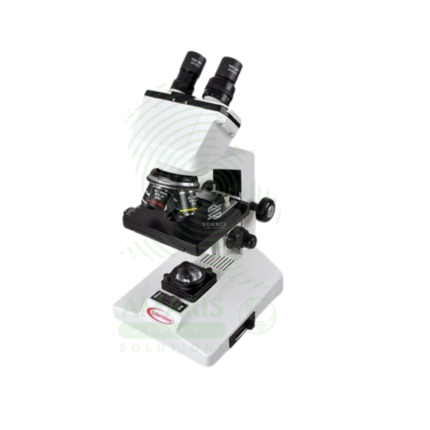
Binocular Microscope
A Binocular Microscope is a high-precision, compound optical instrument fundamental to clinical diagnostics. Featuring dual eyepieces for comfortable viewing and a suite of parfocal objective lenses (4x, 10x, 40x, 100x oil), it provides magnifications from 40x to 1000x. Its integrated LED illumination, mechanical stage, and Abbe condenser enable the detailed examination of stained blood films, tissue sections, microbiological specimens, and cytological preparations. As the primary tool for pathologists and laboratory scientists, it is indispensable for definitive diagnoses in hematology, histopathology, microbiology, and urinalysis, demanding skilled operation and meticulous maintenance for optimal performance.
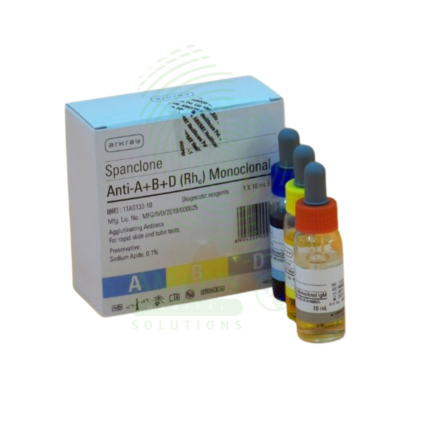
Blood Grouping kit
A Blood Grouping Kit is a Class II medical device (FDA-cleared/CE-marked) containing monoclonal antibodies (Anti-A, Anti-B, Anti-D) and control reagents for determining ABO blood group and Rh factor by agglutination method. The kit includes color-coded reagent vials, reaction cards or slides, mixing sticks, lancets, and capillary pipettes. Test time 2-5 minutes (slide method) or 15-30 minutes (tube method). Interpretation based on agglutination pattern: Anti-A positive = group A; Anti-B positive = group B; both positive = group AB; both negative = group O; Anti-D positive = Rh positive; Anti-D negative = Rh negative. Primary clinical applications include pre-transfusion compatibility testing, prenatal and neonatal testing (Rh incompatibility prevention), preoperative blood typing, blood donor screening, and emergency blood typing. Critical safety precautions include refrigerated storage (2-8°C), proper disposal of lancets in sharps containers, universal precautions for blood samples, and confirmation with reverse typing when possible. Essential kit for transfusion medicine, obstetrics, surgery, and emergency care.
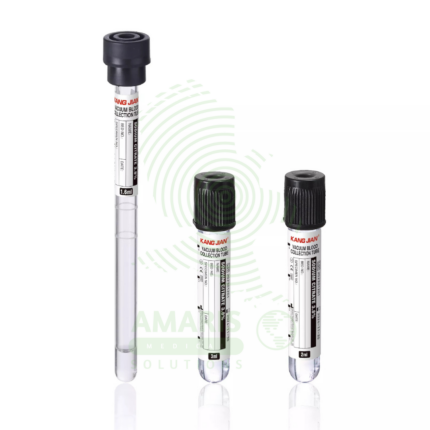
ESR Tubes Glass
ESR Tubes Glass are specialized glass tubes (300 mm length, 2.55 mm bore diameter, graduated 0-200 mm in 1 mm intervals) meeting ICSH and CLSI Westergren specifications for measuring erythrocyte sedimentation rate, a non-specific marker of inflammation. Used with citrated or diluted EDTA blood, filled to exactly 200 mm, placed vertically in Westergren stand, and read at 60 minutes. Primary clinical applications include determination of ESR for diagnosing and monitoring inflammatory conditions (infections, autoimmune disorders, malignancies), monitoring disease activity in rheumatoid arthritis, assessment of temporal arteritis and polymyalgia rheumatica, evaluation of infection and inflammatory response, screening for occult inflammatory conditions, and monitoring chronic inflammatory diseases (SLE, IBD, vasculitis). Critical safety precautions include handling glass tubes carefully to avoid breakage (sharps hazard), proper disposal in sharps containers as biohazardous waste, ensuring vertical alignment and constant temperature (18-25°C), reading at exactly 60 minutes, and avoiding air bubbles and vibration. Essential consumable for reference Westergren ESR testing in clinical laboratories.
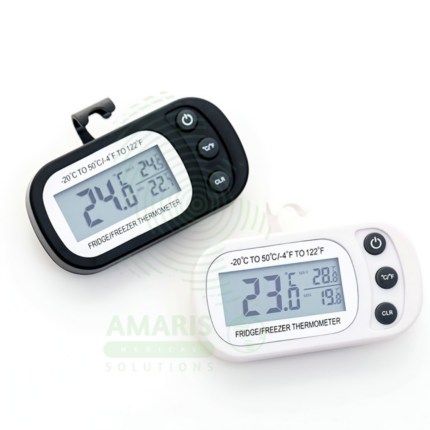
Fridge Thermometer
A Fridge Thermometer is a precision temperature monitoring device designed for continuous use inside medical and laboratory refrigerators and freezers. Its primary role is to safeguard the potency of vaccines, medications, and biological samples by ensuring storage temperatures remain within a critical specified range (e.g., +2°C to +8°C). Available in analog or digital formats, accurate models with memory functions are essential for compliance with cold chain protocols, requiring daily monitoring, logging, and regular calibration. It is a fundamental quality control tool in pharmacies, clinics, immunization centers, and laboratories.
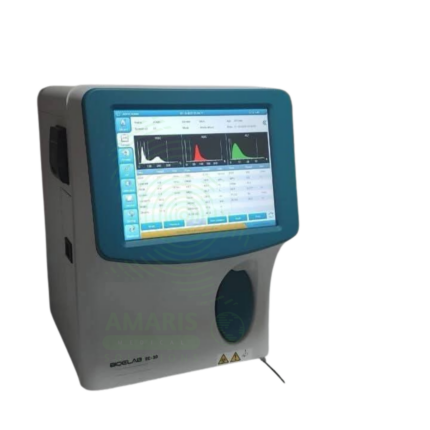
Hematology Analyzer
A Hematology Analyzer is a compact, automated benchtop analyzer designed to perform Complete Blood Counts (CBC) with a 3-part white blood cell differential. Utilizing impedance and photometric methods, it delivers rapid, precise results for red blood cells, white blood cells, platelets, and key indices from a small blood sample. Ideal for physician offices, small clinics, and satellite laboratories, it enables in-house hematology testing with walk-away operation. Its automated flagging system highlights abnormal results that require further manual smear review. As a core instrument for initial hematological screening, it combines efficiency with essential diagnostic capability for routine patient management.
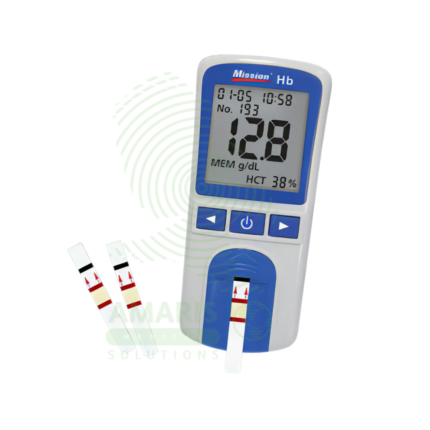
Hemoglobin Meter
A Hemoglobin Meter is a Class II medical device (FDA-cleared, CE-marked) for quantitative point-of-care measurement of hemoglobin concentration in capillary or venous blood, providing results in 5-60 seconds from a 5-20 µL sample. The meter uses photometric, electrochemical, or conductivity technology to measure hemoglobin, with accuracy ±0.3-0.5 g/dL compared to reference methods. Features include backlit LCD display, memory storage for 100-1000 results, USB/Bluetooth connectivity for data transfer, and compatibility with single-use disposable cuvettes or test strips. Primary clinical applications include anemia screening and diagnosis (WHO criteria), preoperative assessment and surgical planning, antenatal care and maternal health monitoring, malaria-endemic region screening, chronic disease management (CKD, IBD, cancer), nutritional assessment and intervention programs, and blood donor screening. Critical safety precautions include single-use lancets, proper hand hygiene, correct sample application, quality control with control solutions, proper cuvette storage (protect from heat, light, humidity), and never using expired cuvettes. Essential point-of-care device for hemoglobin testing in hospitals, clinics, community health programs, and blood donation centers.
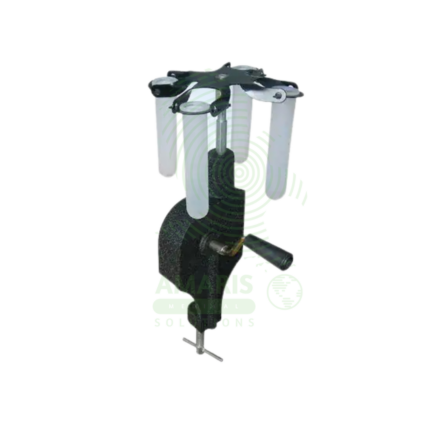
Manual Centrifuge
A Manual Centrifuge (hand-powered) is a non-electric mechanical device for separating fluids based on density, designed for use in field clinics, remote health posts, and developing world settings where electricity is unavailable or unreliable. Operated by hand crank, pull-cord, or foot pedal, achieving speeds of 1,000-4,000 RPM and RCF up to 1,500 x g. Accepts standard blood collection tubes (2-5 mL), microhematocrit tubes, and small centrifuge tubes. Primary clinical applications include separation of serum/plasma for basic diagnostic testing, urine sediment concentration for microscopy, microhematocrit determination for anemia screening, concentration of parasites for malaria and other vector-borne disease diagnosis, field epidemiology and outbreak investigation, veterinary medicine in rural settings, and teaching in resource-limited institutions. Critical safety precautions include meticulous balancing of tubes by weight (absolutely essential), never exceeding maximum rated speed, using appropriate PPE (no aerosol containment), regular inspection of gears and rotor for wear, and proper training of operators. Essential equipment for basic laboratory capabilities in low-resource and field settings.