Dermatoscope and Magnifiers
 Diagnostic Kits
 Vital Signs Monitors
 Stethoscopes and Accessories
 Otoscopes, Ophthalmoscopes, and Retinoscopes
 Reflex Hammers and Neurological Tools
 Scales and Measuring Devices
 Spirometers and Pulmonary Function Tests
 Electrosurgical Units and Accessories
 Cutting Instruments
 Grasping and Holding Instruments
 Hemostatic Instruments
 Specialized Surgical Sets
 Single-Use Procedure Trays and Packs
 Surgical Drapes, Gowns, and Covers
 Tissue Unifying Instruments
 Radiation Protection
 X-Ray Machines and Accessories
 Ultrasound Systems and Probes
 MRI and CT Scanners
 Radiology Consumables
 Bone Densitometers
 Fluoroscopy Equipment
 Imaging Tables and Positioning Aids
 Microscopes and Accessories
 Centrifuges and Separators
 Analyzers
 Incubators and Ovens
 Pipettes, Dispensers, and Lab Glassware
 Refrigerators, Freezers, and Storage Units
 Lab Consumables
 Sterilizers and Autoclaves for Lab Use
 Multi-Parameter Monitors
 Ventilators and Respiratory Support Devices
 Defibrillators and AEDs
 Infusion Pumps and IV Systems
 Patient Warmers and Cooling Devices
 Central Monitoring Stations
 Accessories
 Anesthesia Machines and Workstations
 Oxygen Concentrators and Delivery Systems
 Nebulizers and Inhalers
 CPAP/BiPAP Machines
 Airway Management
 Anesthesia Masks, Circuits, and Bags
 Humidifiers and Heaters
 Respiratory Therapy Accessories
 First Aid Kits and Cabinets
 Emergency Resuscitation Equipment
 Trauma Supplies
 Emergency Carts and Crash Carts
 Burn Care Products
 Bleeding Control
 Automated External Defibrillators (AEDs)
 Transport and Evacuation
 Wheelchairs and Accessories
 Walkers, Crutches, and Canes
 Prosthetics and Orthotics
 Physical Therapy Equipment
 Transfer Devices
 Bathroom Safety
 Orthopedic Traction and Tables
 Hot/Cold Therapy Packs and Units
 Beds and Mattresses
 Chairs and Stools
 Tables
 Cabinets and Storage
 Privacy Screens & Curtains
 Stands and Racks
 Linens and Textiles
 Lighting
 Autoclaves and Sterilizers
 Ultrasonic Cleaners
 Disinfectant Solutions and Wipes
 Sterilization Pouches, Wraps, and Indicators
 Instrument Trays and Containers
 UV and Ozone Disinfection Devices
 Washer Disinfectors
 Wound Care
 Gloves
 Masks and Respirators
 Catheters and Tubing
 Swabs, Applicators, and Sponges
 Incontinence Products
 Personal Protective Equipment (PPE)
 Dental Chairs and Units
 Handpieces and Burs
 Instruments
 Consumables
 Sterilization for Dental Use
 Orthodontic Supplies
 Endodontic Tools
 Slit Lamps and Tonometers
 Lensometers and Phoropters
 Ophthalmic Surgical Instruments
 Eyewear Frames and Lenses
 Contact Lens Supplies
 Vision Testing Charts and Devices
 Eye Care Consumables
 Laser Systems for Eye Care
 ENT Exam Chairs and Tables
 Endoscopes
 Audiometers and Hearing Tests
 ENT Instruments
 Nasal and Throat Packs
 Hearing Aids and Accessories
 Otology Supplies
 Fetal Dopplers and Monitors
 Delivery Beds and Tables
 Gynecological Instruments
 Neonatal Incubators and Warmers
 Breast Pumps and Accessories
 Contraceptive Devices
 Maternity Supports and Pads
 Neonatal Consumables
 Cystoscopes and Urethroscopes
 Dialysis Machines and Supplies
 Urological Catheters and Bags
 Lithotripters
 Prostate Treatment Devices
 Urinary Incontinence Products
 Kidney Stone Management Tools
 Consumables & Disposables
 EEG and EMG Machines
 Neurosurgical Instruments
 Nerve Stimulators
 Headrests and Positioning Aids
 Lumbar Puncture Kits
 Seizure Monitoring Devices
 Consumables
 Rehabilitation for Neurological Conditions
 ECG Machines and Accessories
 Holter Monitors
 Stress Test Systems
 Pacemakers and Defibrillator Accessories
 Vascular Access Devices
 Cardiac Catheters and Guidewires
 Blood Flow Meters
 Consumables
 Orthopedic Instruments
 Casts, Splints, and Padding
 Joint Replacement Supplies
 Prosthetic Limbs and Components
 Bone Grafts and Substitutes
 Traction Devices
 Orthopedic Braces and Supports
 Rehabilitation Aids for Orthopedics
 Home Oxygen Therapy
 Hospital Beds for Home Use
 Mobility Aids
 Bathroom and Daily Living Aids
 Wound Care for Home
 Monitoring Devices
 Enteral Feeding Pumps and Tubes
 Hand Sanitizers and Dispensers
 Face Shields and Goggles
 Isolation Gowns and Suits
 Biohazard Waste Containers
 Air Purifiers and HEPA Filters
 Surface Disinfectants
 Sharps Containers
 Protective Barriers
 Cardiovascular & Endurance Training
 Strength Training & Weightlifting
 Functional Training & Core Conditioning
 Physical Therapy & Rehabilitation
 Sports & Outdoor Recreation
 Gym Flooring & Facility Equipment
 Fitness Monitoring & Accessories
 Kids & Novelties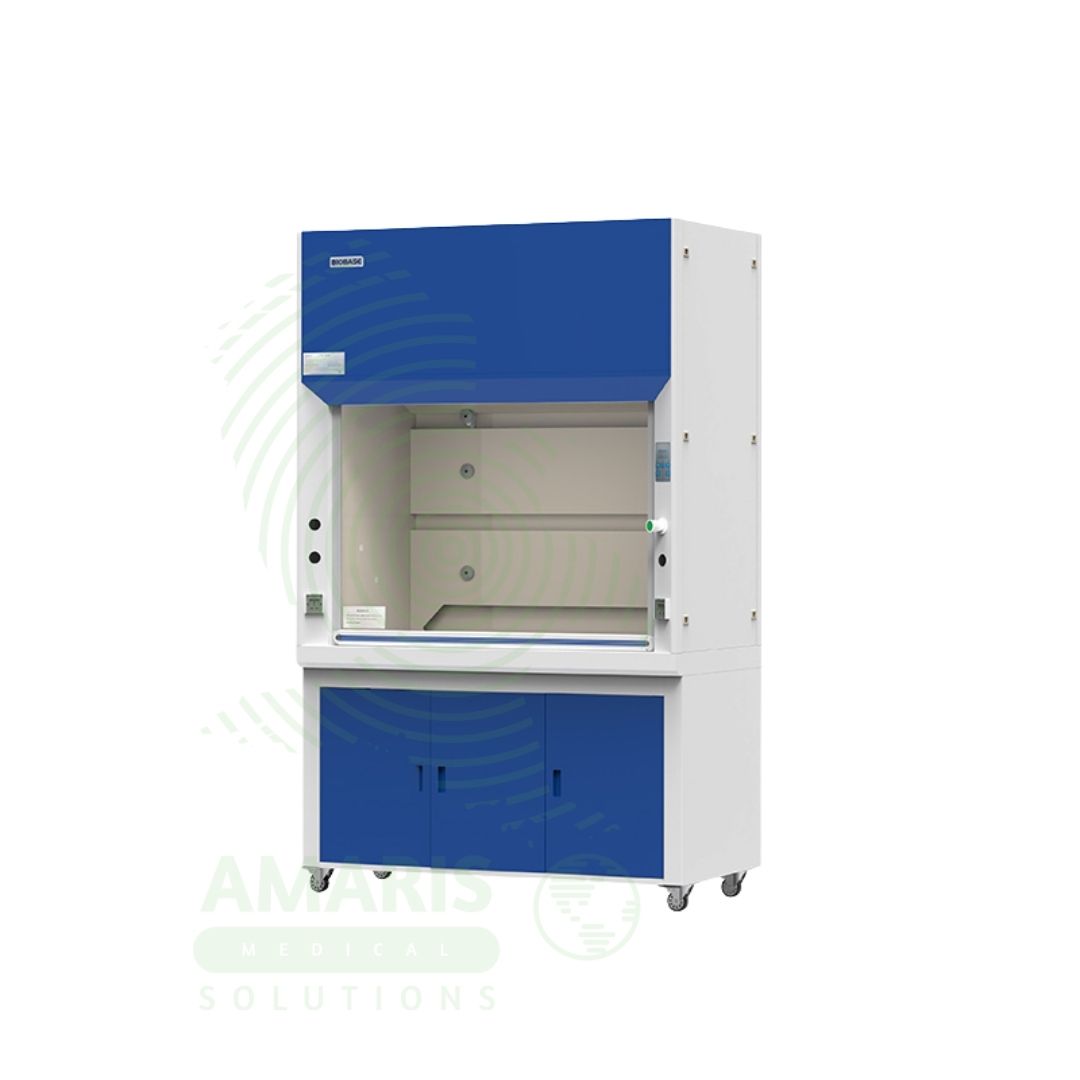
Fume Hood
$1.00
WhatsApp Order
A Fume Hood is a ventilated enclosure designed to capture and exhaust hazardous chemical vapors, gases, and particulates to protect laboratory personnel. It operates by maintaining a consistent inward face velocity (80-120 fpm) to contain contaminants. Critical safety practices include working at the proper sash height, keeping equipment well inside the hood, and ensuring annual performance certification. It is distinct from biological safety cabinets and laminar flow hoods and must never be used for biological hazards unless specifically designed as a ducted enclosure for such use. It is an essential safety device in any laboratory handling chemicals.
Description
Fume Hood
PRIMARY CLINICAL & DIAGNOSTIC USES
1. Containment and Exhaust of Hazardous Chemical Vapors and Aerosols
-
Primary Use: Protects laboratory personnel from exposure to toxic, flammable, corrosive, or odorous chemicals by capturing and exhausting harmful vapors, gases, and particulates generated during procedures such as chemical mixing, dispensing, heating, and digestion.
-
How it helps: For the laboratory scientist and clinical technician, the fume hood is the primary safety barrier between themselves and the hazardous materials they handle daily—drawing vapors away from their breathing zone, containing spills, and exhausting toxins safely outside. For everyone who works in the laboratory, from the newest trainee to the most experienced researcher, the fume hood provides the confidence to work with dangerous chemicals knowing that inhalation risks are minimized and exposure is controlled.
2. Chemical Sample Preparation
-
Primary Use: Used in clinical chemistry, toxicology, and pathology laboratories for procedures involving strong acids, organic solvents, or formaldehyde during sample digestion, extraction, or derivatization prior to analysis.
-
How it helps: For the toxicologist preparing samples for drug screening, the pathologist handling formalin-fixed tissues, or the chemist digesting samples with nitric acid, the fume hood encloses these hazardous procedures, allowing essential diagnostic work to proceed safely. For the patients whose diagnoses depend on accurate toxicology results, tissue pathology, or chemical analyses, the fume hood enables the laboratory work that provides those answers while protecting the professionals who perform it.
3. Perchloric Acid Handling
-
Primary Use: Specialized “perchloric acid hoods” with wash-down features are used to prevent the accumulation of explosive perchlorate crystals.
-
How it helps: For the chemist working with perchloric acid—a powerful oxidizing agent that forms explosive crystals over time—a dedicated perchloric acid hood with integrated wash-down systems provides an additional layer of safety beyond standard fume containment. For laboratory personnel handling this particularly hazardous material, specialized hood design prevents the accumulation of dangerous residues that could lead to catastrophic explosions.
4. Radioisotope Work
-
Primary Use: Used for handling low to moderate levels of radioactive materials, often with specific liners and filters.
-
How it helps: For the researcher or clinical laboratory professional working with radioactive tracers in research or certain diagnostic applications, the fume hood provides containment for both chemical and radiological hazards. For the laboratory worker and the environment, this dual protection ensures that radioactive materials are handled safely, with appropriate filtration preventing release of airborne radioactive particles.
SECONDARY & SUPPORTIVE USES
1. Control of Nuisance Odors: For procedures that generate unpleasant but not highly toxic vapors, the fume hood maintains a comfortable work environment by exhausting odors before they can permeate the laboratory. For everyone working in shared laboratory spaces, this odor control contributes to a more pleasant and professional work environment.
2. Emergency Containment: In the event of a spill of volatile chemicals, the fume hood provides an immediately available containment location—allowing laboratory personnel to place spilling containers inside and close the sash while planning proper cleanup. For the laboratory worker facing a chemical spill, having a fume hood nearby provides a safe immediate response option that contains vapors and prevents wider contamination.
3. Equipment Enclosure: For analytical instruments that generate heat or fumes during operation, enclosure within a fume hood vents these byproducts safely outside, protecting both equipment and personnel. For the laboratory relying on sensitive instruments that must operate continuously, proper ventilation ensures both instrument function and worker safety.
KEY PRODUCT FEATURES
1. BASIC IDENTIFICATION ATTRIBUTES
-
Device Type: A ventilated enclosure with a movable front sash (window) and an exhaust system designed to capture and remove airborne chemical hazards from the operator's breathing zone.
-
Designation: Often categorized by its construction and special features.
-
Core Types:
-
Ducted (Conventional) Fume Hood: Connected to a dedicated blower and exhaust duct that discharges contaminants to the outside atmosphere. The most effective and common type.
-
Ductless (Recirculating) Fume Hood: Uses internal fans to draw air through activated carbon or HEPA filters and recirculates it back into the lab. Only suitable for specific, known chemicals where filter saturation can be accurately monitored. Not for general or unknown chemical use.
-
Auxiliary Air Hood: Supplies conditioned outside air to the hood's face to reduce the volume of conditioned room air exhausted, saving energy.
-
Walk-in Hood: For large equipment or procedures.
-
-
Core Components:
-
Enclosure (Baffle): The interior workspace, typically made of chemical-resistant materials (fiberglass, epoxy resin, stainless steel).
-
Sash: The movable front window (usually safety glass). Can be vertical, horizontal, or combination.
-
Airfoil Sill: A curved entry at the bottom front to improve airflow into the hood.
-
Baffles: Adjustable openings at the rear that control the distribution of exhaust airflow.
-
Exhaust Blower: Creates negative pressure to draw air into the hood.
-
Face Velocity Monitor: A critical gauge or digital readout indicating the speed of air entering the hood face (measured in feet per minute, fpm).
-
Work Surface: A chemical-resistant bench.
-
2. TECHNICAL & PERFORMANCE PROPERTIES
-
Face Velocity: The average speed of air entering the fully open sash. Standard operating range is 80-120 feet per minute (fpm). Too low (<80 fpm) compromises containment; too high (>120 fpm) can cause turbulence and reduce containment.
-
Containment: Ability to prevent the escape of contaminants.
-
Airflow Visualization: Smoke testing is used to verify proper containment.
-
Noise Level.
3. PHYSICAL & OPERATIONAL PROPERTIES
-
Construction: Designed to withstand chemical spills and corrosion.
-
Sizes: Standard widths are 4, 6, and 8 feet.
4. SAFETY & COMPLIANCE ATTRIBUTES
-
Regulatory Status: Considered a piece of laboratory safety equipment.
-
Certification: Must be performance tested and certified at least annually per standards (e.g., ASHRAE 110, ANSI/AIHA Z9.5). Certification includes face velocity measurements, smoke containment tests, and tracer gas containment tests.
-
Alarms: Should have a visible/audible alarm to indicate low face velocity.
5. STORAGE & HANDLING ATTRIBUTES
-
Storage: Fixed laboratory furniture. Chemicals should not be stored permanently inside as they block airflow and can corrode surfaces.
-
Placement: Located away from doors, traffic, and supply air vents to prevent cross-drafts that disrupt containment.
-
Daily Check: Verify the face velocity indicator is in the green "safe" range before each use.
-
Cleaning: Decontaminate the work surface after each use. Spills must be cleaned immediately using appropriate PPE.
6. LABORATORY & CLINICAL APPLICATIONS
-
Primary Application: A fundamental engineering control in hospital laboratories (chemistry, pathology, toxicology), research laboratories, and industrial quality control labs where hazardous chemicals are used.
-
Clinical Role: Protects laboratory staff from chronic and acute chemical exposures, preventing occupational illness and injury, and is essential for regulatory compliance (OSHA).
SAFETY HANDLING PRECAUTIONS
1. SAFETY PRECAUTIONS
-
Work at Proper Sash Height: Always work with the sash at or below the marked safe operating height (often indicated by arrows). Never remove your head from inside the hood while contaminants are present.
-
Maintain Clear Work Zone: Keep all equipment and containers at least 6 inches inside the hood face. Do not block the rear baffles or the front airfoil.
-
Minimize Traffic and Movements: Rapid movements near the hood face can draw contaminants out. Keep the lab door closed.
-
Do Not Use for Perchloric Acid or Radioisotopes unless it is a specially designed hood for that purpose.
-
Never Evaporate Solvents in a ductless fume hood unless explicitly validated for that solvent.
-
Waste Disposal: Do not use the fume hood as a disposal mechanism for evaporating wastes.
2. FIRST AID MEASURES
-
Chemical Spill inside Hood: If contained within the hood, close the sash if safe to do so. Wear appropriate PPE (apron, gloves, goggles) and clean using spill kits. For large spills, evacuate and call for assistance.
-
Chemical Exposure (Inhalation/Splash): Move to fresh air. Remove contaminated clothing. Flush eyes/skin with water for 15 minutes. Seek immediate medical attention. Bring the chemical's Safety Data Sheet (SDS).
-
Loss of Containment/Alarm: If the face velocity alarm sounds or you suspect a release (e.g., smell), immediately stop work, close the sash, and evacuate the area. Notify your supervisor and facility safety officer.
3. FIRE FIGHTING MEASURES
-
Flammability: Hoods often handle flammable solvents. Electrical components and accumulated residues are combustible.
-
Extinguishing Media: For a small fire inside the hood, if safe, close the sash to contain it and use a CO2 or dry chemical extinguisher. For a larger fire, activate the fire alarm, evacuate, and let the fire department handle it. Do not use water on solvent fires.
Related products
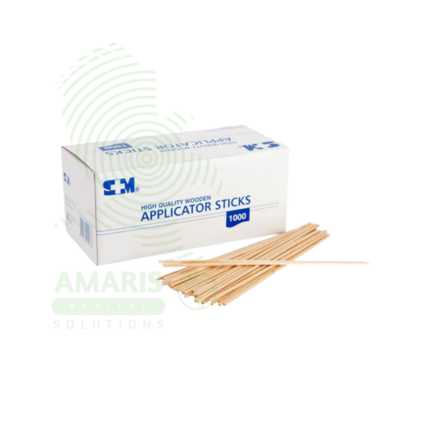
Applicator Sticks
Applicator Sticks are single-use medical devices with absorbent tips (cotton, rayon, flocked polyester) on wood, plastic, or paper shafts for collecting clinical specimens (throat, nasal, wound, cervical, urethral, rectal) for microbiological culture, rapid testing, and molecular diagnostics. Sterile individually wrapped or non-sterile bulk formats. Flocked swabs provide >90% specimen release for PCR testing. Primary applications include specimen collection for infection diagnosis, wound care and antiseptic application, gynecological sampling (Pap smears, STI testing), eye/ear specimen collection, laboratory slide preparation, and forensic evidence collection. Critical precautions include single-use only, sterile technique, proper collection method, and biohazard disposal. Essential consumable in all clinical settings.
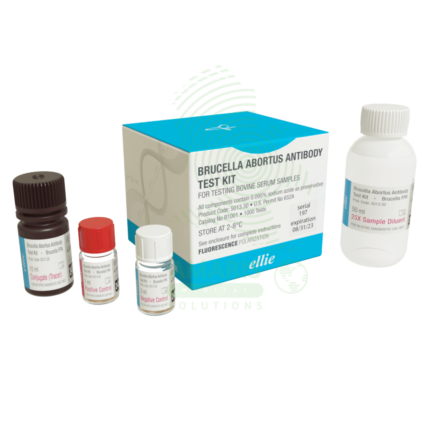
Brucella Set
A Brucella Set is a comprehensive serological test system (Class II medical device, CE-marked/FDA-cleared) for qualitative and quantitative detection of antibodies against Brucella species (B. abortus, B. melitensis, B. suis, B. canis) using multiple methodologies including tube agglutination, slide agglutination, and 2-mercaptoethanol (2-ME) testing. The set includes killed, stained Brucella antigens, positive and negative controls, dilution tubes, reaction cards, and 2-ME reagent for IgM/IgG differentiation. Diagnostic titer ≥1:160 or fourfold rise confirms brucellosis. Primary clinical applications include diagnosis of brucellosis in endemic regions (undulant fever, night sweats, arthralgia), fever of unknown origin investigation, occupational health screening in high-risk workers (veterinarians, farmers, slaughterhouse workers), diagnosis of focal complications (sacroiliitis, spondylitis, meningitis, endocarditis), treatment monitoring (fourfold decline indicates response), outbreak investigation, and public health surveillance. Critical safety precautions include handling all samples in biosafety cabinet (Brucella is highly infectious via aerosol), 2-ME reagent toxicity (use fume hood), awareness of prozone phenomenon (serial dilutions essential), cross-reactions with other Gram-negative bacteria, and mandatory reporting to public health authorities. Essential test for brucellosis diagnosis in endemic regions and occupational health settings.
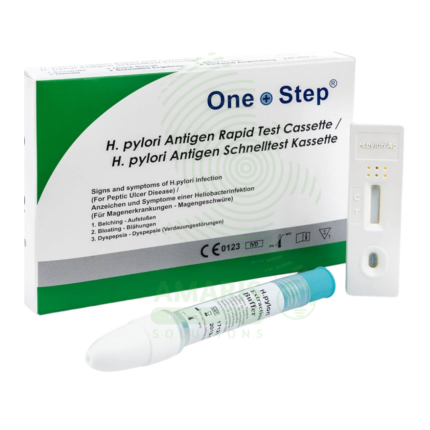
H.pylori test kits (Antigen)
H.pylori test kits (Antigen) are Class II medical devices (FDA-cleared/CE-marked) for rapid immunochromatographic or enzyme immunoassay detection of Helicobacter pylori antigens in stool specimens, enabling non-invasive diagnosis of active infection and post-treatment eradication confirmation. Test principles use monoclonal or polyclonal antibodies specific to H. pylori antigens, producing visible results in 10-20 minutes (rapid tests) or 1-2 hours (EIA). Sensitivity 90-98%, specificity 92-99% compared to gold standard methods. Primary clinical applications include rapid diagnosis of H. pylori infection in patients with dyspepsia, initial screening in uncomplicated dyspepsia (test-and-treat strategy), confirmation of active infection before therapy, post-treatment eradication confirmation (4-6 weeks after therapy), pediatric testing (preferred non-invasive method), screening in high-risk populations (family history of gastric cancer), and monitoring in patients with peptic ulcer disease or MALT lymphoma. Critical safety precautions include mandatory washout period (4 weeks off antibiotics, 2 weeks off PPIs) to avoid false negatives, proper specimen handling (universal precautions), refrigerated storage of kits (2-30°C), quality control verification, and disposal as biohazardous waste. Essential non-invasive tool for H. pylori management in gastroenterology and primary care.
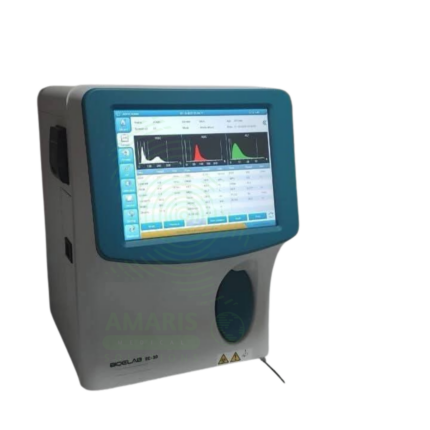
Hematology Analyzer
A Hematology Analyzer is a compact, automated benchtop analyzer designed to perform Complete Blood Counts (CBC) with a 3-part white blood cell differential. Utilizing impedance and photometric methods, it delivers rapid, precise results for red blood cells, white blood cells, platelets, and key indices from a small blood sample. Ideal for physician offices, small clinics, and satellite laboratories, it enables in-house hematology testing with walk-away operation. Its automated flagging system highlights abnormal results that require further manual smear review. As a core instrument for initial hematological screening, it combines efficiency with essential diagnostic capability for routine patient management.
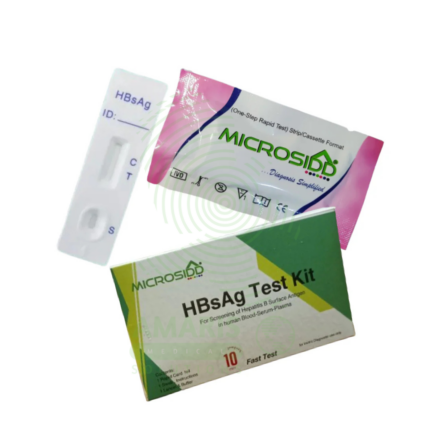
Hepatitis B Test Kit
The Hepatitis B Test Kit is an in vitro diagnostic device for the detection of Hepatitis B virus markers in human blood samples, available in rapid, ELISA, and molecular formats. It detects specific antigens (HBsAg) and antibodies (anti-HBc, anti-HBs) to diagnose acute and chronic infection, monitor treatment response, screen blood donations, and determine immunity status. With high sensitivity (>98%) and specificity (>99%), it provides results in 15 minutes to 4 hours depending on format. Essential applications include prenatal screening to prevent mother-to-child transmission, evaluation of acute hepatitis, pre-immunosuppression screening, and occupational health testing. All patient samples must be handled with universal precautions, and testing must include appropriate quality controls.
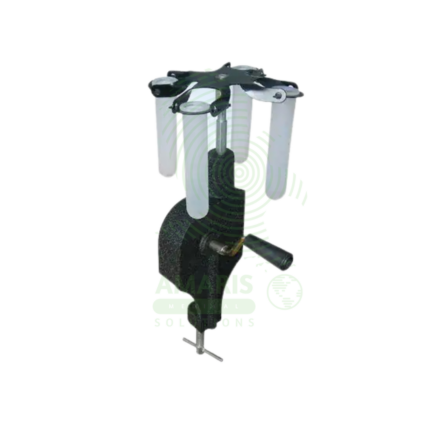
Manual Centrifuge
A Manual Centrifuge (hand-powered) is a non-electric mechanical device for separating fluids based on density, designed for use in field clinics, remote health posts, and developing world settings where electricity is unavailable or unreliable. Operated by hand crank, pull-cord, or foot pedal, achieving speeds of 1,000-4,000 RPM and RCF up to 1,500 x g. Accepts standard blood collection tubes (2-5 mL), microhematocrit tubes, and small centrifuge tubes. Primary clinical applications include separation of serum/plasma for basic diagnostic testing, urine sediment concentration for microscopy, microhematocrit determination for anemia screening, concentration of parasites for malaria and other vector-borne disease diagnosis, field epidemiology and outbreak investigation, veterinary medicine in rural settings, and teaching in resource-limited institutions. Critical safety precautions include meticulous balancing of tubes by weight (absolutely essential), never exceeding maximum rated speed, using appropriate PPE (no aerosol containment), regular inspection of gears and rotor for wear, and proper training of operators. Essential equipment for basic laboratory capabilities in low-resource and field settings.
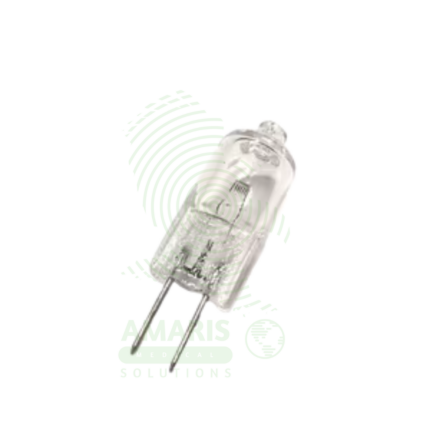
Microscope Bulb
A Microscope Bulb is a specialized halogen or LED lamp that serves as the essential illumination source for clinical and laboratory microscopes. Providing the bright, stable, and color-corrected light required for diagnostic visualization of specimens, it is a critical consumable component. Its technical specifications—voltage, wattage, base type, and filament alignment—must precisely match the microscope model. Proper handling (using gloves to avoid oil contamination) and adherence to safety protocols (allowing cooling, disconnecting power) are crucial for safe replacement and optimal bulb lifespan. Maintaining spares is vital to prevent operational downtime in diagnostic laboratories.