Dermatoscope and Magnifiers
 Diagnostic Kits
 Vital Signs Monitors
 Stethoscopes and Accessories
 Otoscopes, Ophthalmoscopes, and Retinoscopes
 Reflex Hammers and Neurological Tools
 Scales and Measuring Devices
 Spirometers and Pulmonary Function Tests
 Electrosurgical Units and Accessories
 Cutting Instruments
 Grasping and Holding Instruments
 Hemostatic Instruments
 Specialized Surgical Sets
 Single-Use Procedure Trays and Packs
 Surgical Drapes, Gowns, and Covers
 Tissue Unifying Instruments
 Radiation Protection
 X-Ray Machines and Accessories
 Ultrasound Systems and Probes
 MRI and CT Scanners
 Radiology Consumables
 Bone Densitometers
 Fluoroscopy Equipment
 Imaging Tables and Positioning Aids
 Microscopes and Accessories
 Centrifuges and Separators
 Analyzers
 Incubators and Ovens
 Pipettes, Dispensers, and Lab Glassware
 Refrigerators, Freezers, and Storage Units
 Lab Consumables
 Sterilizers and Autoclaves for Lab Use
 Multi-Parameter Monitors
 Ventilators and Respiratory Support Devices
 Defibrillators and AEDs
 Infusion Pumps and IV Systems
 Patient Warmers and Cooling Devices
 Central Monitoring Stations
 Accessories
 Anesthesia Machines and Workstations
 Oxygen Concentrators and Delivery Systems
 Nebulizers and Inhalers
 CPAP/BiPAP Machines
 Airway Management
 Anesthesia Masks, Circuits, and Bags
 Humidifiers and Heaters
 Respiratory Therapy Accessories
 First Aid Kits and Cabinets
 Emergency Resuscitation Equipment
 Trauma Supplies
 Emergency Carts and Crash Carts
 Burn Care Products
 Bleeding Control
 Automated External Defibrillators (AEDs)
 Transport and Evacuation
 Wheelchairs and Accessories
 Walkers, Crutches, and Canes
 Prosthetics and Orthotics
 Physical Therapy Equipment
 Transfer Devices
 Bathroom Safety
 Orthopedic Traction and Tables
 Hot/Cold Therapy Packs and Units
 Beds and Mattresses
 Chairs and Stools
 Tables
 Cabinets and Storage
 Privacy Screens & Curtains
 Stands and Racks
 Linens and Textiles
 Lighting
 Autoclaves and Sterilizers
 Ultrasonic Cleaners
 Disinfectant Solutions and Wipes
 Sterilization Pouches, Wraps, and Indicators
 Instrument Trays and Containers
 UV and Ozone Disinfection Devices
 Washer Disinfectors
 Wound Care
 Gloves
 Masks and Respirators
 Catheters and Tubing
 Swabs, Applicators, and Sponges
 Incontinence Products
 Personal Protective Equipment (PPE)
 Dental Chairs and Units
 Handpieces and Burs
 Instruments
 Consumables
 Sterilization for Dental Use
 Orthodontic Supplies
 Endodontic Tools
 Slit Lamps and Tonometers
 Lensometers and Phoropters
 Ophthalmic Surgical Instruments
 Eyewear Frames and Lenses
 Contact Lens Supplies
 Vision Testing Charts and Devices
 Eye Care Consumables
 Laser Systems for Eye Care
 ENT Exam Chairs and Tables
 Endoscopes
 Audiometers and Hearing Tests
 ENT Instruments
 Nasal and Throat Packs
 Hearing Aids and Accessories
 Otology Supplies
 Fetal Dopplers and Monitors
 Delivery Beds and Tables
 Gynecological Instruments
 Neonatal Incubators and Warmers
 Breast Pumps and Accessories
 Contraceptive Devices
 Maternity Supports and Pads
 Neonatal Consumables
 Cystoscopes and Urethroscopes
 Dialysis Machines and Supplies
 Urological Catheters and Bags
 Lithotripters
 Prostate Treatment Devices
 Urinary Incontinence Products
 Kidney Stone Management Tools
 Consumables & Disposables
 EEG and EMG Machines
 Neurosurgical Instruments
 Nerve Stimulators
 Headrests and Positioning Aids
 Lumbar Puncture Kits
 Seizure Monitoring Devices
 Consumables
 Rehabilitation for Neurological Conditions
 ECG Machines and Accessories
 Holter Monitors
 Stress Test Systems
 Pacemakers and Defibrillator Accessories
 Vascular Access Devices
 Cardiac Catheters and Guidewires
 Blood Flow Meters
 Consumables
 Orthopedic Instruments
 Casts, Splints, and Padding
 Joint Replacement Supplies
 Prosthetic Limbs and Components
 Bone Grafts and Substitutes
 Traction Devices
 Orthopedic Braces and Supports
 Rehabilitation Aids for Orthopedics
 Home Oxygen Therapy
 Hospital Beds for Home Use
 Mobility Aids
 Bathroom and Daily Living Aids
 Wound Care for Home
 Monitoring Devices
 Enteral Feeding Pumps and Tubes
 Hand Sanitizers and Dispensers
 Face Shields and Goggles
 Isolation Gowns and Suits
 Biohazard Waste Containers
 Air Purifiers and HEPA Filters
 Surface Disinfectants
 Sharps Containers
 Protective Barriers
 Cardiovascular & Endurance Training
 Strength Training & Weightlifting
 Functional Training & Core Conditioning
 Physical Therapy & Rehabilitation
 Sports & Outdoor Recreation
 Gym Flooring & Facility Equipment
 Fitness Monitoring & Accessories
 Kids & Novelties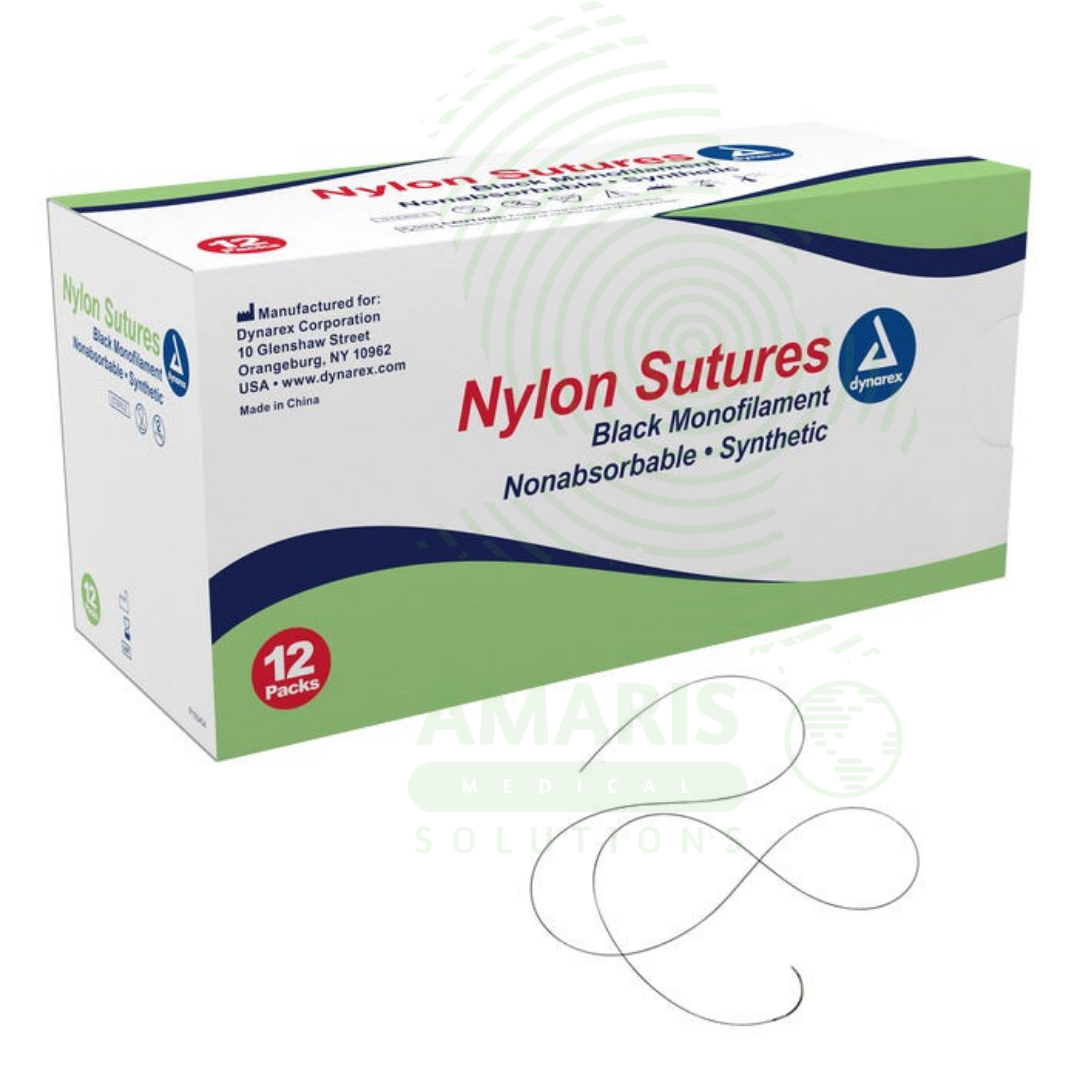
Nylon Sutures
$1.00
WhatsApp Order
Nylon Sutures are non-absorbable, monofilament synthetic sutures used primarily for skin closure, ophthalmic surgery, plastic surgery, and cardiovascular procedures. The monofilament structure provides low tissue reactivity and smooth passage through tissue, while high tensile strength ensures reliable wound support throughout healing. Available in sizes ranging from fine microsutures to larger gauges, nylon sutures are typically removed after healing is complete. Proper knot technique with multiple throws is essential for knot security. Essential for procedures where cosmetic outcome and minimal tissue reaction are critical.
Description
Nylon Sutures
PRIMARY CLINICAL & DIAGNOSTIC USES
1. Skin Closure in General Surgery
-
Primary Use: Provides non-absorbable monofilament sutures for closing skin incisions in general surgical procedures. Nylon’s low tissue reactivity and high tensile strength make it ideal for skin closure where cosmetic outcome is important and suture removal is planned.
-
How it helps: For the surgeon closing an incision, nylon sutures provide the strength and handling characteristics needed for precise skin closure—allowing for accurate wound edge approximation, minimal tissue reaction, and a fine cosmetic result. For the patient, nylon sutures mean their incision will heal with minimal scarring and the sutures will be removed once healing is complete.
2. Ophthalmic Surgery and Corneal Suturing
-
Primary Use: Fine-gauge nylon sutures (10-0, 11-0) are used extensively in ophthalmic surgery for corneal transplantation, cataract surgery wound closure, and retinal detachment repair. The monofilament design minimizes tissue drag and reduces risk of infection.
-
How it helps: For the ophthalmologist performing delicate eye surgery, nylon sutures provide the precision and handling needed for microsurgical wound closure—allowing for accurate tissue approximation in the cornea and sclera with minimal tissue reaction. For the patient, these fine sutures mean their vision can be restored with minimal scarring and optimal healing.
3. Plastic and Reconstructive Surgery
-
Primary Use: Used for skin closure in plastic and reconstructive procedures where cosmetic outcome is paramount. The monofilament structure reduces tissue trauma and minimizes the risk of suture tracking, resulting in improved cosmetic results.
-
How it helps: For the plastic surgeon performing facial reconstruction or cosmetic procedures, nylon sutures provide the fine handling and low tissue reactivity needed for optimal cosmetic outcomes—allowing for precise wound edge approximation and minimal scarring. For the patient, this means their surgical incisions heal with the best possible cosmetic result.
4. Neurological and Neurosurgical Procedures
-
Primary Use: Used for dural closure and nerve repair in neurosurgical procedures. The non-absorbable nature provides long-term support for dural repairs, while the monofilament design minimizes tissue reaction around neural structures.
-
How it helps: For the neurosurgeon performing delicate neural repairs, nylon sutures provide the strength and handling needed for precise tissue approximation while minimizing trauma to delicate neurological structures. For the patient, this precision means better preservation of nerve function and reduced risk of post-operative complications.
5. Cardiovascular and Vascular Surgery
-
Primary Use: Used for vascular anastomoses and prosthetic graft fixation where non-absorbable suture material is required for long-term strength and stability.
-
How it helps: For the cardiovascular surgeon performing bypass procedures or vascular repairs, nylon sutures provide the tensile strength and knot security needed for life-sustaining anastomoses—ensuring that critical vascular repairs maintain integrity for the long term. For the patient, this means their vascular repairs remain stable and functional.
SECONDARY & SUPPORTIVE USES
1. Dermatologic Surgery: Used for closing excisions and repairs in dermatologic procedures where cosmetic outcome is important.
2. Oral and Maxillofacial Surgery: Used for intraoral and facial wound closure where non-absorbable sutures are indicated.
3. Pediatric Surgery: Used for skin closure in children where suture removal is planned after healing.
4. Trauma and Emergency Surgery: Used for laceration repair and wound closure in emergency settings.
5. Veterinary Surgery: Used in animal surgeries for skin closure, vascular repairs, and other applications requiring non-absorbable sutures.
6. Research and Laboratory: Used in research settings requiring surgical procedures on laboratory animals.
KEY PRODUCT FEATURES
1. BASIC IDENTIFICATION ATTRIBUTES
-
Device Type: Non-absorbable, monofilament synthetic suture material made from nylon polymer.
-
Designation: Nylon Sutures, Monofilament Nylon, Ethilon, Dermalon, Nylon Surgical Sutures.
-
Structure: Monofilament; single-strand construction reduces tissue drag and bacterial harboring.
-
Absorption: Non-absorbable; retains tensile strength indefinitely; encapsulated by fibrous tissue rather than degraded.
-
Key Properties:
-
Low Tissue Reactivity: Minimal inflammatory response compared to other suture materials.
-
High Tensile Strength: Maintains strength throughout the wound healing period.
-
Smooth Surface: Low coefficient of friction; passes through tissue easily.
-
Memory: Moderate memory; may require careful knot tying to prevent loosening.
-
2. TECHNICAL & PERFORMANCE PROPERTIES
-
Suture Sizes: Available from fine (10-0, 9-0, 8-0) for microsurgery to larger (2-0, 0, 1) for general surgery.
-
Tensile Strength: High initial tensile strength; maintains significant strength for extended periods.
-
Knot Security: Requires multiple throws (typically 5-6) for secure knot placement.
-
Sterility: Ethylene oxide or gamma irradiation sterilized.
-
Packaging: Packaged in sterile peel-open pouches or inner foil packs.
3. PHYSICAL & OPERATIONAL PROPERTIES
-
Color: Dyed (blue or black) for visibility in tissue; undyed for applications where visibility is not required.
-
Construction: Monofilament; smooth surface.
-
Packaging: Packaged with or without attached needles; various needle types available.
-
Shelf Life: Typically 5 years from date of manufacture.
4. SAFETY & COMPLIANCE ATTRIBUTES
-
Regulatory Status: Class II medical device regulated by FDA.
-
Biocompatibility: Meets USP and ISO standards for surgical sutures.
-
Sterility: Validated sterilization process.
5. STORAGE & HANDLING ATTRIBUTES
-
Storage: Store in cool, dry locations; protect from moisture and extreme temperatures.
-
Shelf Life: Check expiration date; do not use after expiration.
-
Handling: Handle with care; avoid crushing or crimping suture material.
-
Sterility Maintenance: Do not use it if the package is opened, damaged, or wet.
6. LABORATORY & CLINICAL APPLICATIONS
-
Primary Application: Skin closure, ophthalmic surgery, plastic surgery, cardiovascular anastomoses, and neurosurgical repairs.
-
Clinical Role: Essential non-absorbable suture for procedures requiring long-term wound support and optimal cosmetic outcomes.
SAFETY HANDLING PRECAUTIONS
1. SAFETY PRECAUTIONS
-
Knot Security: Use appropriate number of throws (minimum 5-6) to ensure knot security; monofilament nylon has greater tendency to loosen than braided sutures.
-
Needle Selection: Select appropriate needle type and size for tissue being sutured.
-
Tissue Handling: Use gentle handling to avoid crushing tissue; smooth passage minimizes trauma.
-
Sterility: Ensure suture package integrity before use.
-
Suture Removal: Plan for suture removal when healing is complete; nylon is non-absorbable.
-
Contraindications: Not indicated for internal use where permanent foreign body is undesirable; alternative suture materials may be preferred for buried sutures.
2. FIRST AID MEASURES
-
Needlestick Injury: If needlestick occurs, follow institutional protocol for sharps injury; report incident.
-
Suture Reaction: If unusual tissue reaction occurs, remove sutures and assess; alternative closure methods may be indicated.
3. FIRE FIGHTING MEASURES
-
Flammability: Nylon is combustible; may melt when exposed to high heat.
-
Extinguishing Media: Use water, foam, or CO₂ as appropriate for surrounding materials.
Related products
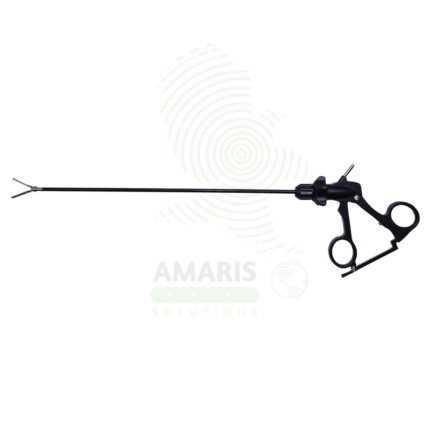
Laparoscopic Instrument
Laparoscopic Instruments are specialized surgical tools designed for use through small incisions during minimally invasive abdominal and pelvic procedures. Available in grasping, cutting, dissecting, hemostatic, and suturing configurations, they enable surgeons to perform complex operations with precision while minimizing patient trauma. With shaft diameters of 3-12 mm and lengths optimized for abdominal access, these instruments allow for the full range of surgical techniques through small incisions, resulting in reduced post-operative pain, shorter hospital stays, and faster recovery.
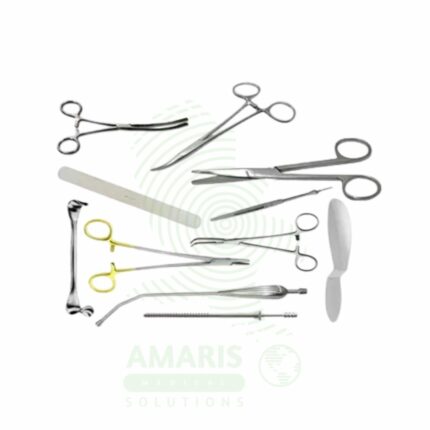
Laparotomy Set
A Laparotomy Set is a sterile instrument tray containing comprehensive instruments for abdominal surgical procedures requiring laparotomy. The set includes instruments for abdominal incision, exposure, dissection, hemostasis, and closure, supporting a wide range of intra-abdominal surgeries including exploration, bowel resection, biliary procedures, and tumor removal. Essential for general surgery, trauma surgery, and oncologic surgery operating rooms, it ensures that all necessary instruments are sterile, organized, and immediately available for safe and effective abdominal surgery.
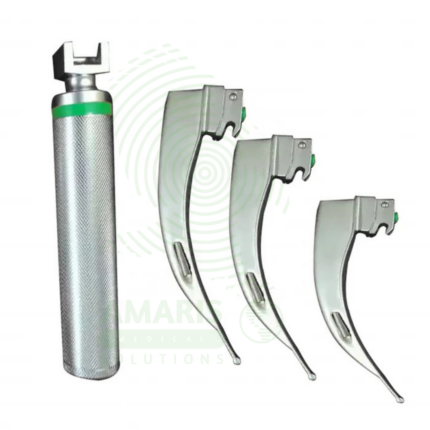
Macintosh Fiber Optic Laryngoscope
A Macintosh Fiber Optic Laryngoscope is a rigid laryngoscope with curved Macintosh blade (sizes 0-4, 70-160 mm) incorporating an integrated fiber optic light bundle that transmits bright, focused illumination (2,000-10,000+ Lux) from a handle-mounted LED or xenon bulb to the blade tip for enhanced visualization during tracheal intubation. The curved blade design allows indirect epiglottis elevation by placing the tip in the vallecula, requiring less force and neck extension than straight blades. Features stainless steel reusable blades, ergonomic handles with knurled grip, ISO standard hook-on fittings, and steam autoclave compatibility. Primary clinical applications include routine and emergency tracheal intubation during general anesthesia, difficult airway management with improved illumination, cervical spine precautions (minimal neck movement), teaching and training (enhanced visualization for instructors), rapid sequence intubation, neonatal and pediatric intubation (sizes 0-2), and oral/maxillofacial surgery. Class II medical device requiring FDA clearance. Critical safety considerations include pre-use light check (dark spots indicate broken fibers), appropriate blade size selection, proper lifting technique (not levering on teeth), battery verification, fiber optic care (avoid sharp bending), and backup device availability.
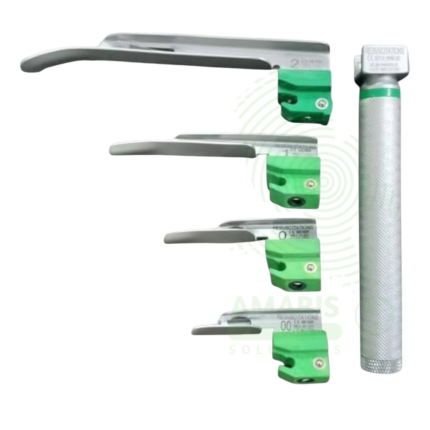
Miller Fiber Optic Laryngoscope
A Miller Fiber Optic Laryngoscope is a rigid laryngoscope with straight Miller blade (sizes 0-4, 70-160 mm) incorporating an integrated fiber optic light bundle that transmits bright, focused illumination (2,000-10,000+ Lux) from a handle-mounted LED or xenon bulb to the blade tip for enhanced visualization during tracheal intubation. The straight blade design allows direct elevation of the epiglottis rather than the indirect vallecula technique, making it particularly useful for pediatric/neonatal intubation, patients with floppy or prominent epiglottis, anterior airways, and difficult airways requiring direct epiglottic control. Features stainless steel reusable blades, ergonomic handles with knurled grip, ISO standard hook-on fittings, and steam autoclave compatibility. Primary clinical applications include direct epiglottis elevation for tracheal intubation (especially pediatric and neonatal), difficult airway management with fiber optic illumination, patients with prominent or floppy epiglottis, cervical spine precautions, anterior airway management, teaching and training (straight blade technique), and neonatal resuscitation. Class II medical device requiring FDA clearance. Critical safety considerations include pre-use light check (dark spots indicate broken fibers), appropriate blade size selection (especially critical in pediatrics), proper lifting technique (direct epiglottic lift, not levering on teeth), pediatric fragility awareness, battery verification, fiber optic care (avoid sharp bending), and backup device availability.
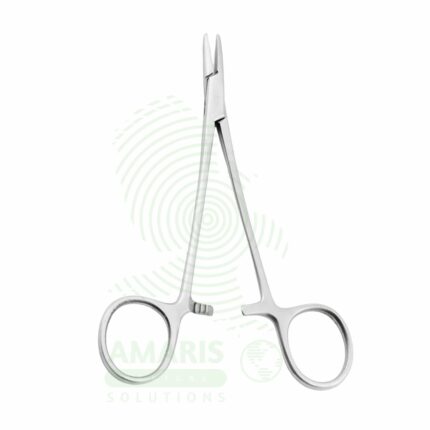
Needle Holders
Needle Holders are surgical instruments used to grasp, hold, and guide suture needles during wound closure and tissue approximation. Featuring serrated jaws with a locking ratchet mechanism, they provide secure needle control while allowing the surgeon to focus on precise suture placement. Available in various sizes and configurations including Mayo-Hegar for general surgery, Castroviejo for microsurgery, and Olsen-Hegar with integrated scissors. Made from surgical-grade stainless steel, often with tungsten carbide inserts for enhanced durability, they are essential instruments in all surgical specialties. Proper selection, handling, and regular inspection are critical for safe and effective use.
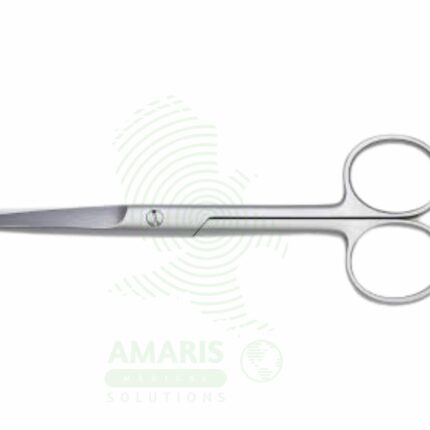
Surgical Scissors
Surgical Scissors are precision cutting instruments used for tissue dissection, suture cutting, wound debridement, and material cutting during surgical and medical procedures. Available in various configurations including Mayo scissors for heavy tissue, Metzenbaum scissors for delicate dissection, suture scissors for suture removal, and bandage scissors for dressing changes. Made from surgical-grade stainless steel, they are designed for repeated sterilization and use. Proper selection, handling, and maintenance are essential for safe and effective use.
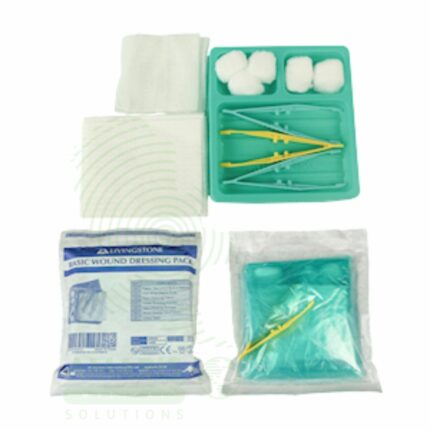
Wound Dressing Set
A Wound Dressing Set is a sterile, single-use convenience kit containing all components necessary for sterile wound dressing changes. The set includes sterile drapes, gauze sponges, sterile gloves, antiseptic solution, cotton applicators, tape, and disposal bag. Used in hospitals, clinics, emergency departments, and home healthcare settings, it ensures consistent aseptic technique for post-operative wound care, chronic wound management, trauma wound dressing, and central line site care. Proper sterile technique and disposal are essential for safe and effective use.