Dermatoscope and Magnifiers
 Diagnostic Kits
 Vital Signs Monitors
 Stethoscopes and Accessories
 Otoscopes, Ophthalmoscopes, and Retinoscopes
 Reflex Hammers and Neurological Tools
 Scales and Measuring Devices
 Spirometers and Pulmonary Function Tests
 Electrosurgical Units and Accessories
 Cutting Instruments
 Grasping and Holding Instruments
 Hemostatic Instruments
 Specialized Surgical Sets
 Single-Use Procedure Trays and Packs
 Surgical Drapes, Gowns, and Covers
 Tissue Unifying Instruments
 Radiation Protection
 X-Ray Machines and Accessories
 Ultrasound Systems and Probes
 MRI and CT Scanners
 Radiology Consumables
 Bone Densitometers
 Fluoroscopy Equipment
 Imaging Tables and Positioning Aids
 Microscopes and Accessories
 Centrifuges and Separators
 Analyzers
 Incubators and Ovens
 Pipettes, Dispensers, and Lab Glassware
 Refrigerators, Freezers, and Storage Units
 Lab Consumables
 Sterilizers and Autoclaves for Lab Use
 Multi-Parameter Monitors
 Ventilators and Respiratory Support Devices
 Defibrillators and AEDs
 Infusion Pumps and IV Systems
 Patient Warmers and Cooling Devices
 Central Monitoring Stations
 Accessories
 Anesthesia Machines and Workstations
 Oxygen Concentrators and Delivery Systems
 Nebulizers and Inhalers
 CPAP/BiPAP Machines
 Airway Management
 Anesthesia Masks, Circuits, and Bags
 Humidifiers and Heaters
 Respiratory Therapy Accessories
 First Aid Kits and Cabinets
 Emergency Resuscitation Equipment
 Trauma Supplies
 Emergency Carts and Crash Carts
 Burn Care Products
 Bleeding Control
 Automated External Defibrillators (AEDs)
 Transport and Evacuation
 Wheelchairs and Accessories
 Walkers, Crutches, and Canes
 Prosthetics and Orthotics
 Physical Therapy Equipment
 Transfer Devices
 Bathroom Safety
 Orthopedic Traction and Tables
 Hot/Cold Therapy Packs and Units
 Beds and Mattresses
 Chairs and Stools
 Tables
 Cabinets and Storage
 Privacy Screens & Curtains
 Stands and Racks
 Linens and Textiles
 Lighting
 Autoclaves and Sterilizers
 Ultrasonic Cleaners
 Disinfectant Solutions and Wipes
 Sterilization Pouches, Wraps, and Indicators
 Instrument Trays and Containers
 UV and Ozone Disinfection Devices
 Washer Disinfectors
 Wound Care
 Gloves
 Masks and Respirators
 Catheters and Tubing
 Swabs, Applicators, and Sponges
 Incontinence Products
 Personal Protective Equipment (PPE)
 Dental Chairs and Units
 Handpieces and Burs
 Instruments
 Consumables
 Sterilization for Dental Use
 Orthodontic Supplies
 Endodontic Tools
 Slit Lamps and Tonometers
 Lensometers and Phoropters
 Ophthalmic Surgical Instruments
 Eyewear Frames and Lenses
 Contact Lens Supplies
 Vision Testing Charts and Devices
 Eye Care Consumables
 Laser Systems for Eye Care
 ENT Exam Chairs and Tables
 Endoscopes
 Audiometers and Hearing Tests
 ENT Instruments
 Nasal and Throat Packs
 Hearing Aids and Accessories
 Otology Supplies
 Fetal Dopplers and Monitors
 Delivery Beds and Tables
 Gynecological Instruments
 Neonatal Incubators and Warmers
 Breast Pumps and Accessories
 Contraceptive Devices
 Maternity Supports and Pads
 Neonatal Consumables
 Cystoscopes and Urethroscopes
 Dialysis Machines and Supplies
 Urological Catheters and Bags
 Lithotripters
 Prostate Treatment Devices
 Urinary Incontinence Products
 Kidney Stone Management Tools
 Consumables & Disposables
 EEG and EMG Machines
 Neurosurgical Instruments
 Nerve Stimulators
 Headrests and Positioning Aids
 Lumbar Puncture Kits
 Seizure Monitoring Devices
 Consumables
 Rehabilitation for Neurological Conditions
 ECG Machines and Accessories
 Holter Monitors
 Stress Test Systems
 Pacemakers and Defibrillator Accessories
 Vascular Access Devices
 Cardiac Catheters and Guidewires
 Blood Flow Meters
 Consumables
 Orthopedic Instruments
 Casts, Splints, and Padding
 Joint Replacement Supplies
 Prosthetic Limbs and Components
 Bone Grafts and Substitutes
 Traction Devices
 Orthopedic Braces and Supports
 Rehabilitation Aids for Orthopedics
 Home Oxygen Therapy
 Hospital Beds for Home Use
 Mobility Aids
 Bathroom and Daily Living Aids
 Wound Care for Home
 Monitoring Devices
 Enteral Feeding Pumps and Tubes
 Hand Sanitizers and Dispensers
 Face Shields and Goggles
 Isolation Gowns and Suits
 Biohazard Waste Containers
 Air Purifiers and HEPA Filters
 Surface Disinfectants
 Sharps Containers
 Protective Barriers
 Cardiovascular & Endurance Training
 Strength Training & Weightlifting
 Functional Training & Core Conditioning
 Physical Therapy & Rehabilitation
 Sports & Outdoor Recreation
 Gym Flooring & Facility Equipment
 Fitness Monitoring & Accessories
 Kids & Novelties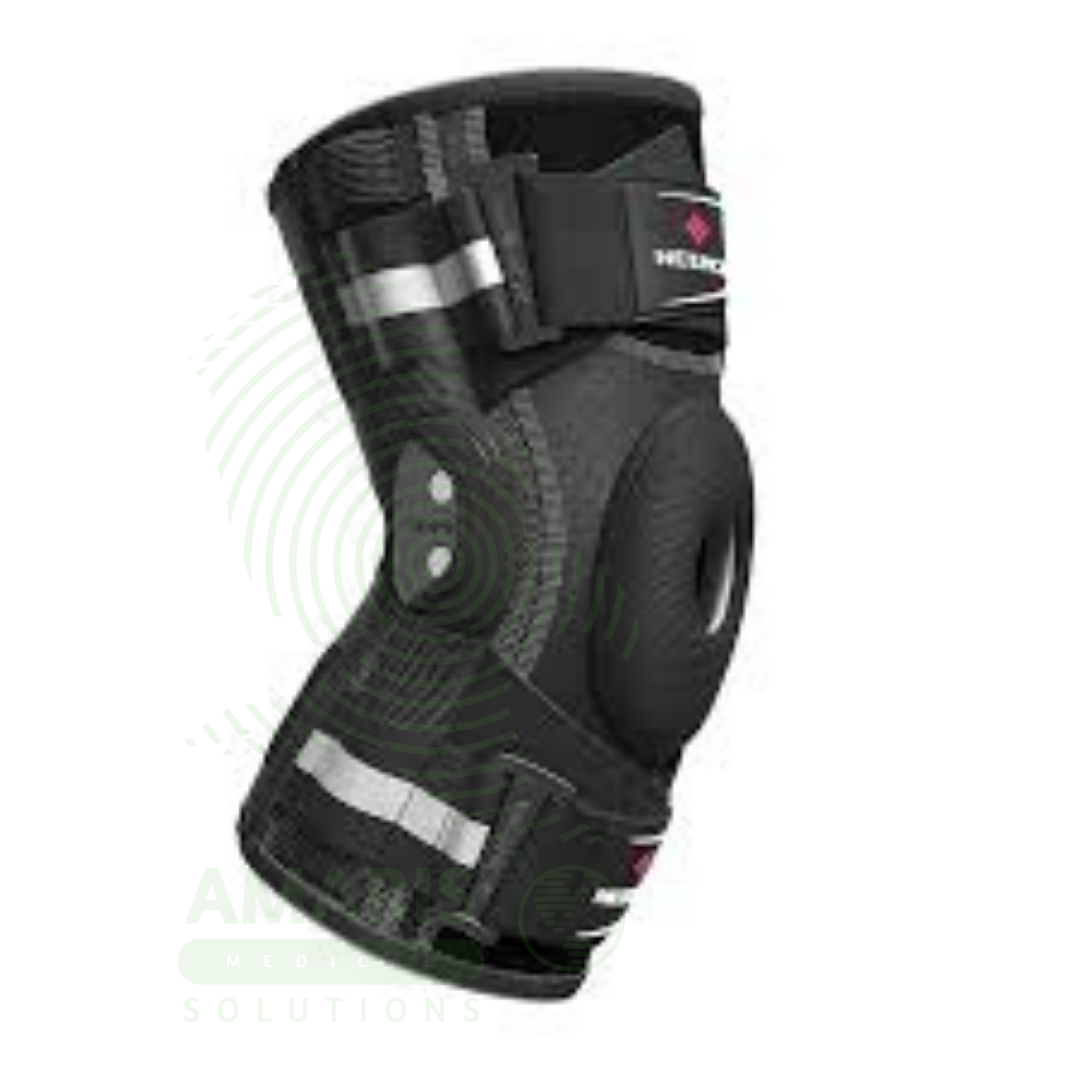
Hinged & Stabilizer Knee Braces
$1.00
WhatsApp Order
Hinged & Stabilizer Knee Braces are rigid or semi-rigid orthotic devices featuring side hinges, designed to provide mechanical stability, control motion, and protect the knee joint. They are essential for post-operative rehabilitation (e.g., after ACL reconstruction), managing chronic ligament instability, treating acute sprains, and, in the form of unloader braces, alleviating pain from osteoarthritis. Their effectiveness relies on a precise fit with proper hinge alignment, an adjustable strapping system, and selection of the correct brace type for the specific clinical indication. They are a cornerstone of non-surgical and post-surgical knee management.
Description
Hinged & Stabilizer Knee Braces
PRIMARY CLINICAL & DIAGNOSTIC USES
1. Post-Operative Rehabilitation and Protection
-
Primary Use: Provides controlled stability following knee ligament reconstruction, meniscus repair, or other surgical procedures, protecting the surgical repair from damaging forces and guiding the rehabilitation protocol by allowing adjustable range-of-motion settings.
-
How it helps: For the orthopedic surgeon and physical therapist managing post-operative recovery, the hinged knee brace is the external protector of their internal work—holding the knee in safe alignment, preventing the hyperextension and rotational forces that could tear a healing graft, and providing adjustable range-of-motion locks that enforce the rehabilitation protocol. For the patient emerging from ACL reconstruction or meniscus repair, the brace provides the security that allows them to begin moving their knee immediately, protecting the surgery while preventing the stiffness that comes from complete immobilization.
2. Management of Ligament Instability
-
Primary Use: Provides mechanical stability for knees with chronic ligament laxity or deficiency, allowing individuals to maintain activity levels by reducing episodes of “giving way” and controlling anterior-posterior and medial-lateral instability.
-
How it helps: For the sports medicine physician and orthopedic specialist managing patients who are not surgical candidates or who choose non-operative management, a well-fitted hinged brace can provide the external stability that compensates for internal ligament deficiency. For the athlete with an ACL-deficient knee who wants to continue playing, or the active individual whose knee “gives way” with daily activities, a stabilizing brace can mean the difference between continued function and progressive disability.
3. Treatment of Acute Ligament Sprains and Tears
-
Primary Use: Used as an initial conservative management tool for moderate to severe sprains to immobilize or restrict motion, reduce stress on healing tissues, and manage pain and swelling.
-
How it helps: For the emergency physician and primary care provider managing an acute MCL or LCL sprain, a hinged brace provides the graduated support that acute injuries need—immobilizing initially to allow inflammation to subside, then allowing progressively more motion as healing occurs. For the patient with a painful, swollen knee from a recent injury, the brace provides immediate relief by stabilizing the joint and preventing the movements that aggravate damaged tissues.
4. Patellofemoral Pain Syndrome and Maltracking
-
Primary Use: Certain hinged stabilizers incorporate patellar buttress pads or straps to help centralize the kneecap, reduce lateral tracking, and alleviate pain associated with patellofemoral dysfunction.
-
How it helps: For the physical therapist and sports medicine provider treating patients with anterior knee pain, a brace with patellar stabilization features can provide immediate symptom relief by guiding the kneecap through its proper tracking path and reducing the friction that causes pain. For the patient whose knee pain limits stair climbing, squatting, or prolonged sitting, a well-designed brace can make these activities possible again by controlling the patellar movement that their muscles cannot.
5. Osteoarthritis Management
-
Primary Use: A specific subset of hinged braces designed with a valgus or varus correction mechanism to “unload” the arthritic compartment of the knee, reducing pain and improving function by shifting weight away from the damaged cartilage.
-
How it helps: For the rheumatologist and orthopedic surgeon managing knee osteoarthritis, unloader braces offer a non-surgical intervention that can significantly reduce pain by mechanically shifting load from the worn compartment to healthier tissue. For the patient with medial compartment arthritis who faces the prospect of joint replacement, a well-fitted unloader brace can provide years of pain relief and improved function, delaying or even avoiding the need for surgery.
SECONDARY & SUPPORTIVE USES
1. Prophylactic Use in Sports: Used by athletes returning to high-risk sports post-injury or those with a history of instability to provide added confidence and protection against re-injury during cutting, pivoting, and jumping activities. For the athlete whose sport demands rapid direction changes, a brace can provide both mechanical protection and psychological confidence.
2. Post-Dislocation and Post-Reduction Stabilization: Provides immobilization and stability following a patellar dislocation or a knee joint dislocation that has been reduced, protecting the joint capsule and supporting structures during healing. For the patient who has experienced the trauma of dislocation, the brace provides the stability needed to prevent recurrence.
3. Management of Knee Hyperextension: Braces with hyperextension stops are used to prevent the knee from locking back into a damaging, hyperextended position during gait or activity. For the patient with ligamentous laxity or neurological conditions that allow hyperextension, a brace that blocks this motion protects the joint from cumulative damage.
4. Functional Support for Osteochondral Defects or Osteonecrosis: Helps offload specific areas of damaged bone or cartilage within the joint, potentially slowing progression and managing symptoms. For the patient with focal cartilage damage, offloading the affected area can reduce pain and preserve function.
5. Conservative Trial Prior to Surgery: Used to assess whether providing external stability can sufficiently improve a patient’s symptoms and function, potentially delaying or avoiding the need for surgical intervention. For the patient uncertain about surgery, a trial of bracing provides valuable information about whether mechanical support can adequately address their symptoms.
KEY PRODUCT FEATURES
1. BASIC IDENTIFICATION ATTRIBUTES
-
Type: Durable, external orthotic device for knee stabilization.
-
Designation: Typically categorized by function: Rehabilitative (post-op, adjustable), Functional (for instability), or Unloader/Offloader (for OA). The "Hinged/Stabilizer" designation indicates the presence of rigid side hinges.
-
Common Variants:
-
Hinged Knee Stabilizer (Universal): Single-hinged or polycentric hinged braces with straps, providing general support and mild to moderate stability.
-
Functional ACL/PCL Brace: Rigid frame with dual uprights, hinges, and sophisticated strapping systems to control anterior/posterior tibial translation.
-
Post-Operative/Rehab Brace: Larger, often with adjustable range-of-motion dials to lock the knee or allow progressive increases in flexion/extension.
-
Unloader/Offloader Brace: Features a three-point pressure system to apply a valgus or varus corrective force, shifting load away from the affected joint compartment.
-
2. TECHNICAL & PERFORMANCE PROPERTIES
-
Material:
-
Frame/Uprights: Aerospace-grade aluminum, carbon fiber, or composite plastics for a blend of high strength and low weight.
-
Hinges: Metal (steel, aluminum) polycentric or single-axis hinges that mimic knee kinematics. May include dial locks or adjustable stop-screws.
-
Cuffs/Pads: Closed-cell foam, silicone, or gel padding with breathable, moisture-wicking fabric covers for comfort and to prevent migration.
-
-
Stability Mechanism: Stability is achieved through a combination of rigid structural components, hinge design, and advanced strapping systems that anchor the brace to the thigh and calf, creating a stable lever arm.
3. PHYSICAL & OPERATIONAL PROPERTIES
-
Adjustability: Critical feature. Includes adjustable thigh and calf circumference via straps/Velcro, adjustable hinge placement for joint line alignment, and often adjustable range-of-motion (ROM) stops or dials.
-
Fit and Sizing: Must be precisely sized by measuring thigh circumference, calf circumference, and leg length. Improper sizing drastically reduces effectiveness and can cause skin issues or slippage.
-
Weight and Profile: Modern designs prioritize lightweight, low-profile construction to improve patient compliance and allow use under or over clothing.
4. SAFETY & COMPLIANCE ATTRIBUTES
-
Regulatory Status: Typically Class I medical devices; some advanced functional braces may be Class II.
-
Biocompatibility: All skin-contact materials must be non-irritating and hypoallergenic.
-
Latex-Free: Standard.
5. STORAGE & HANDLING ATTRIBUTES
-
Storage: Store in a cool, dry place. Keep hinges free of sand or grit. Avoid leaving in hot cars.
-
Cleaning & Disinfection:
-
Straps and Padding: Hand wash with mild detergent and lukewarm water. Air dry thoroughly. Do not machine dry, as heat can degrade Velcro and foam.
-
Frame and Hinges: Wipe with a damp cloth. Do not submerge. For disinfection, use a disinfectant wipe compatible with plastics/metals, ensuring no liquid enters hinge mechanisms.
-
-
Replacement: A durable medical equipment (DME) item intended for long-term use by a single patient. Components like straps and pads may wear out and are often replaceable. Inspect periodically for cracks in the frame, hinge play, or worn straps.
6. LABORATORY & CLINICAL APPLICATIONS
-
Primary Application: A key intervention in orthopedics, sports medicine, and physical rehabilitation for managing instability, protecting surgical outcomes, and modifying joint biomechanics in arthritis.
-
Prescription vs. OTC: Simple stabilizers may be OTC. Advanced functional, rehabilitative, and unloader braces are typically prescribed and custom-fitted by a medical professional (orthotist, physician, therapist).
SAFETY HANDLING PRECAUTIONS
1. SAFETY PRECAUTIONS
-
Proper Fit and Alignment (CRITICAL): The hinges must be aligned precisely with the natural axis of the knee joint. An improperly aligned brace is ineffective and can cause skin breakdown or alter gait.
-
Skin Integrity: Inspect skin under cuffs and straps regularly for signs of pressure, chafing, or allergic reaction. Proper donning and strap tension are essential.
-
Circulation and Sensation: Ensure straps are not overtightened, which could impair circulation or cause peroneal nerve compression at the fibular head.
-
Activity Level: The brace must be matched to the patient's activity level and specific instability. A low-level stabilizer is insufficient for high-impact sports; an advanced functional brace is required.
2. FIRST AID MEASURES
-
If Causing Numbness or Severe Pain: Immediately loosen all straps. If symptoms persist after removal, seek medical advice.
-
Skin Breakdown: Discontinue use. Clean the area with mild soap and water, apply a protective dressing, and consult a healthcare provider. Do not reapply the brace over open wounds.
3. FIRE FIGHTING MEASURES
-
Flammability: Fabric, foam, and plastic components are combustible.
-
Extinguishing Media: Use water, foam, or CO₂ as appropriate for the surrounding fire.
Related products
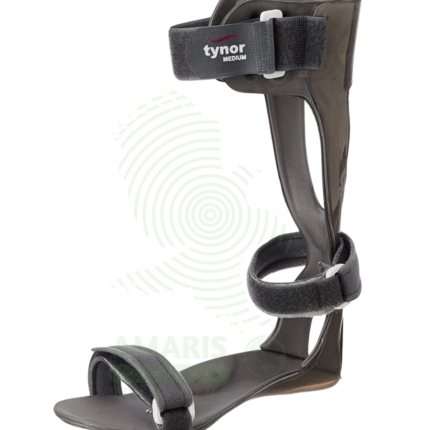
AFO & Drop Foot Splint
An AFO & Drop Foot Splint is a custom-fabricated brace that stabilizes the ankle and foot to correct foot drop and improve walking safety. By maintaining the foot at a 90-degree angle, it prevents toes from dragging during the swing phase of gait, thereby preventing trips and falls. Essential for patients with neurological conditions (stroke, MS, cerebral palsy), peripheral nerve injuries, or post-surgical instability, it is a prescription device meticulously crafted by an orthotist to provide specific levels of support, flexibility, and control. Daily skin checks and proper footwear are imperative for safe and effective long-term use.
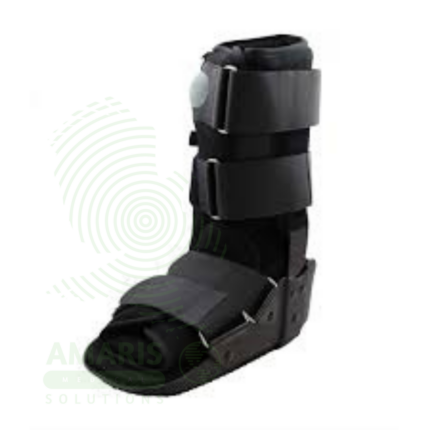
Ankle Walkers (Fixed/Air)
Ankle Walkers (Fixed/Air) are rigid, boot-like orthotic devices designed to immobilize the foot and ankle. Serving as a modern alternative to short leg casts, they are used for treating stable fractures, severe sprains, post-operative conditions, and for offloading diabetic foot ulcers. The "Fixed" type uses foam padding, while the "Air" type incorporates adjustable air bladders for a custom fit and superior swelling management. Both types feature a rocker-bottom sole to facilitate walking and multiple straps for secure immobilization. Daily skin inspection and proper fit are critical for safe and effective use, especially for patients with compromised sensation.
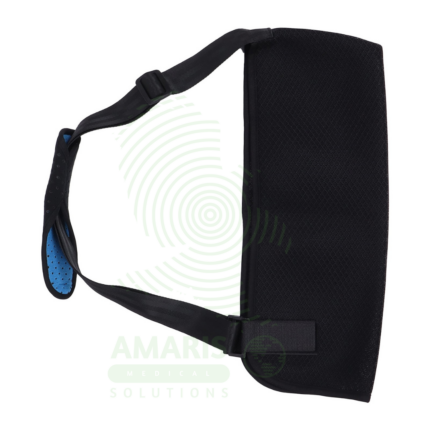
Arm Sling
An Arm Sling is a fundamental supportive device used to elevate, immobilize, and protect the injured upper limb. By cradling the forearm and transferring weight to the neck and opposite shoulder, it provides stability for fractures, dislocations, and post-operative conditions of the shoulder, arm, elbow, or wrist. Proper application is critical: the elbow must be bent at 90 degrees, the hand elevated above the elbow, and the wrist supported to prevent swelling and nerve complications. Available in standard, shoulder immobilizer, and collar-and-cuff designs, it is an essential tool for pain management, healing facilitation, and patient comfort across all clinical settings.
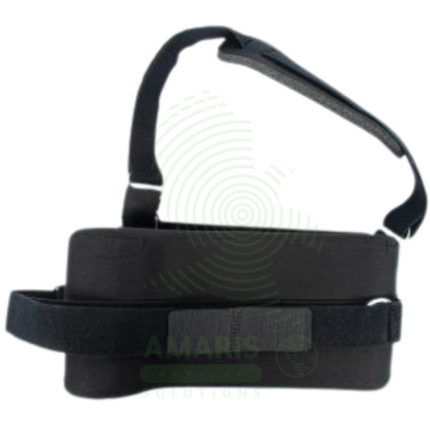
Arm Sling With Swathe
An Arm Sling With Swathe is a two-piece shoulder immobilization system used for complete immobilization following shoulder surgery, shoulder dislocation, proximal humerus fractures, and clavicle fractures. The sling supports the arm while the swathe wraps around the body to secure the arm against the chest, preventing abduction, external rotation, and other movements that could compromise healing. Used in orthopedic surgery, emergency departments, and post-operative care settings, it provides essential protection during the critical healing phase. Proper positioning, skin integrity monitoring, and circulation checks are essential for safe and effective use.
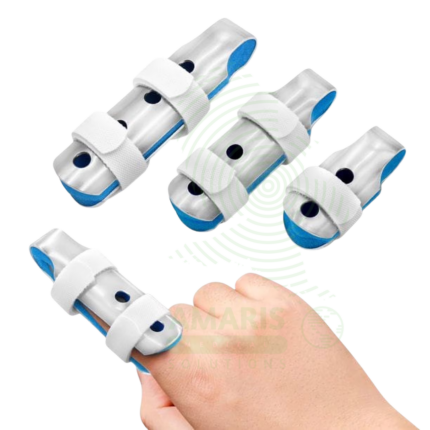
Finger Splints
Finger Splints are orthotic devices designed to immobilize, support, and protect injured or diseased fingers and thumbs. Used for treating fractures, dislocations, tendon injuries (like mallet or boutonnière deformity), joint instability, and arthritis, they promote proper healing and alignment by restricting harmful movement. Available in various forms—including rigid aluminum foam, custom thermoplastic, and soft buddy straps—they are essential tools in emergency care, orthopedics, and hand therapy. Correct application with careful attention to skin integrity and circulation is paramount for safe and effective treatment.
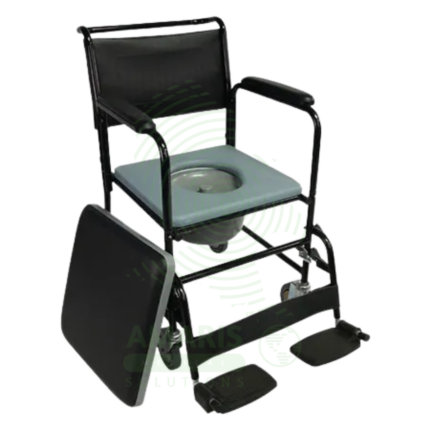
Orthopedic Commode Chair
An Orthopedic Commode Chair is a specialized hybrid device designed for patients with lower limb injuries or surgeries requiring non-weight-bearing status. It combines an extended-frame orthopedic wheelchair with an elevating leg rest and a commode seat, allowing for simultaneous fracture management (leg elevation/immobilization), pressure sore prevention (heel off-loading), and safe, hygienic toileting without dangerous transfers. Its use mandates the constant engagement of anti-tip levers due to a high risk of backwards tipping and requires careful navigation of its substantial length.
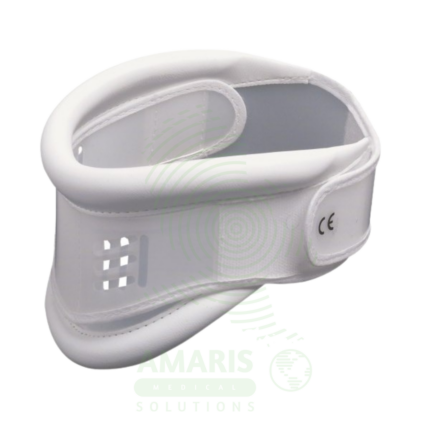
Rigid Cervical Collar
A Rigid Cervical Collar is a cervical orthosis used to immobilize the cervical spine following trauma, surgery, or instability. Composed of a rigid plastic shell with foam padding, it restricts flexion, extension, rotation, and lateral bending to protect the spinal cord from injury during healing. Used in emergency departments, trauma centers, operating rooms, and pre-hospital settings, it is essential for spinal motion restriction protocols. Proper sizing, skin integrity monitoring, and neurological assessment are critical for safe and effective use.