Dermatoscope and Magnifiers
 Diagnostic Kits
 Vital Signs Monitors
 Stethoscopes and Accessories
 Otoscopes, Ophthalmoscopes, and Retinoscopes
 Reflex Hammers and Neurological Tools
 Scales and Measuring Devices
 Spirometers and Pulmonary Function Tests
 Electrosurgical Units and Accessories
 Cutting Instruments
 Grasping and Holding Instruments
 Hemostatic Instruments
 Specialized Surgical Sets
 Single-Use Procedure Trays and Packs
 Surgical Drapes, Gowns, and Covers
 Tissue Unifying Instruments
 Radiation Protection
 X-Ray Machines and Accessories
 Ultrasound Systems and Probes
 MRI and CT Scanners
 Radiology Consumables
 Bone Densitometers
 Fluoroscopy Equipment
 Imaging Tables and Positioning Aids
 Microscopes and Accessories
 Centrifuges and Separators
 Analyzers
 Incubators and Ovens
 Pipettes, Dispensers, and Lab Glassware
 Refrigerators, Freezers, and Storage Units
 Lab Consumables
 Sterilizers and Autoclaves for Lab Use
 Multi-Parameter Monitors
 Ventilators and Respiratory Support Devices
 Defibrillators and AEDs
 Infusion Pumps and IV Systems
 Patient Warmers and Cooling Devices
 Central Monitoring Stations
 Accessories
 Anesthesia Machines and Workstations
 Oxygen Concentrators and Delivery Systems
 Nebulizers and Inhalers
 CPAP/BiPAP Machines
 Airway Management
 Anesthesia Masks, Circuits, and Bags
 Humidifiers and Heaters
 Respiratory Therapy Accessories
 First Aid Kits and Cabinets
 Emergency Resuscitation Equipment
 Trauma Supplies
 Emergency Carts and Crash Carts
 Burn Care Products
 Bleeding Control
 Automated External Defibrillators (AEDs)
 Transport and Evacuation
 Wheelchairs and Accessories
 Walkers, Crutches, and Canes
 Prosthetics and Orthotics
 Physical Therapy Equipment
 Transfer Devices
 Bathroom Safety
 Orthopedic Traction and Tables
 Hot/Cold Therapy Packs and Units
 Beds and Mattresses
 Chairs and Stools
 Tables
 Cabinets and Storage
 Privacy Screens & Curtains
 Stands and Racks
 Linens and Textiles
 Lighting
 Autoclaves and Sterilizers
 Ultrasonic Cleaners
 Disinfectant Solutions and Wipes
 Sterilization Pouches, Wraps, and Indicators
 Instrument Trays and Containers
 UV and Ozone Disinfection Devices
 Washer Disinfectors
 Wound Care
 Gloves
 Masks and Respirators
 Catheters and Tubing
 Swabs, Applicators, and Sponges
 Incontinence Products
 Personal Protective Equipment (PPE)
 Dental Chairs and Units
 Handpieces and Burs
 Instruments
 Consumables
 Sterilization for Dental Use
 Orthodontic Supplies
 Endodontic Tools
 Slit Lamps and Tonometers
 Lensometers and Phoropters
 Ophthalmic Surgical Instruments
 Eyewear Frames and Lenses
 Contact Lens Supplies
 Vision Testing Charts and Devices
 Eye Care Consumables
 Laser Systems for Eye Care
 ENT Exam Chairs and Tables
 Endoscopes
 Audiometers and Hearing Tests
 ENT Instruments
 Nasal and Throat Packs
 Hearing Aids and Accessories
 Otology Supplies
 Fetal Dopplers and Monitors
 Delivery Beds and Tables
 Gynecological Instruments
 Neonatal Incubators and Warmers
 Breast Pumps and Accessories
 Contraceptive Devices
 Maternity Supports and Pads
 Neonatal Consumables
 Cystoscopes and Urethroscopes
 Dialysis Machines and Supplies
 Urological Catheters and Bags
 Lithotripters
 Prostate Treatment Devices
 Urinary Incontinence Products
 Kidney Stone Management Tools
 Consumables & Disposables
 EEG and EMG Machines
 Neurosurgical Instruments
 Nerve Stimulators
 Headrests and Positioning Aids
 Lumbar Puncture Kits
 Seizure Monitoring Devices
 Consumables
 Rehabilitation for Neurological Conditions
 ECG Machines and Accessories
 Holter Monitors
 Stress Test Systems
 Pacemakers and Defibrillator Accessories
 Vascular Access Devices
 Cardiac Catheters and Guidewires
 Blood Flow Meters
 Consumables
 Orthopedic Instruments
 Casts, Splints, and Padding
 Joint Replacement Supplies
 Prosthetic Limbs and Components
 Bone Grafts and Substitutes
 Traction Devices
 Orthopedic Braces and Supports
 Rehabilitation Aids for Orthopedics
 Home Oxygen Therapy
 Hospital Beds for Home Use
 Mobility Aids
 Bathroom and Daily Living Aids
 Wound Care for Home
 Monitoring Devices
 Enteral Feeding Pumps and Tubes
 Hand Sanitizers and Dispensers
 Face Shields and Goggles
 Isolation Gowns and Suits
 Biohazard Waste Containers
 Air Purifiers and HEPA Filters
 Surface Disinfectants
 Sharps Containers
 Protective Barriers
 Cardiovascular & Endurance Training
 Strength Training & Weightlifting
 Functional Training & Core Conditioning
 Physical Therapy & Rehabilitation
 Sports & Outdoor Recreation
 Gym Flooring & Facility Equipment
 Fitness Monitoring & Accessories
 Kids & Novelties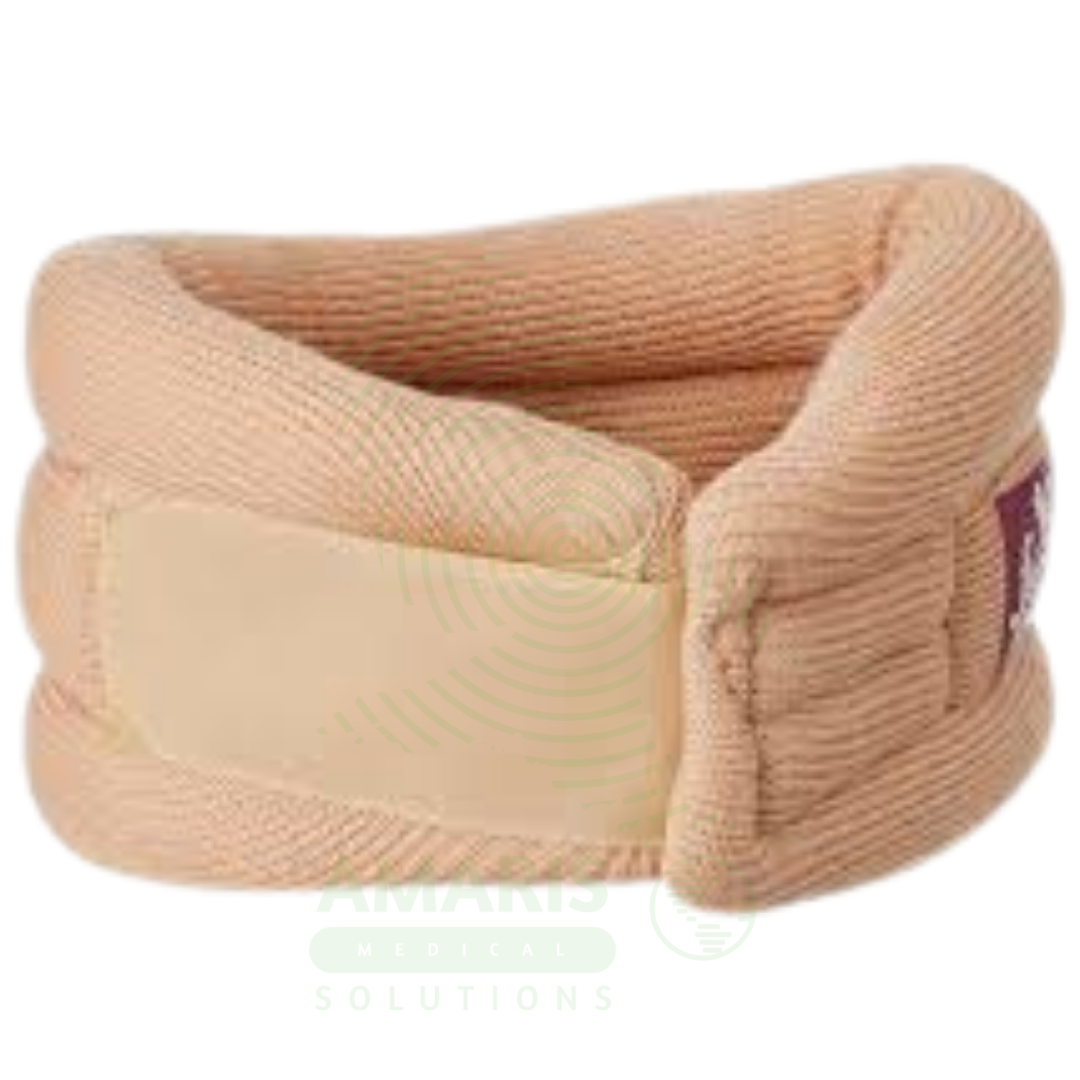
Pediatric Soft Cervical Collar
$1.00
WhatsApp Order
A Pediatric Soft Cervical Collar is a lightweight, foam cervical orthosis designed specifically for children, providing gentle support and comfort for acute cervical strain, whiplash injuries, muscle spasms, and chronic cervical conditions. The soft foam construction retains body heat to help relax tense muscles while providing proprioceptive feedback for postural awareness. Available in pediatric sizes with adjustable Velcro closure for customized fit. Not indicated for cervical spine trauma, fractures, or instability requiring rigid immobilization. Used in pediatric primary care, emergency departments, physical therapy, and occupational therapy settings for symptomatic relief of acute and chronic neck conditions in children.
Description
Pediatric Soft Cervical Collar
PRIMARY CLINICAL & DIAGNOSTIC USES
1. Support for Acute Cervical Strain in Children
-
Primary Use: Provides soft, comfortable support for the neck in pediatric patients following acute cervical strain, minor whiplash injuries, and soft tissue injuries. The collar limits painful range of motion while allowing some functional movement, providing support during the acute inflammatory phase.
-
How it helps: For the pediatrician and emergency physician, the pediatric soft cervical collar offers a gentle, non-pharmacological intervention for acute neck pain in children—providing support that reduces muscle spasm, limits painful movement, and gives both the child and parents reassurance during the initial healing phase. For the child with acute neck strain, the collar provides comfort and security, helping them rest and recover without fear of worsening their injury.
2. Management of Cervical Muscle Spasms in Pediatric Patients
-
Primary Use: Used to reduce muscle spasm in the cervical region in children by providing gentle support and restricting painful movement. The warmth provided by the collar can help relax tense muscles and reduce spasm-associated pain.
-
How it helps: For the pediatric physical therapist and primary care provider managing children with cervical muscle spasms, a soft collar provides gentle support that interrupts the pain-spasm cycle—reducing muscle tension while allowing the child to maintain functional movement and participate in daily activities. For the child experiencing painful neck muscle spasms, the collar provides relief and allows them to return to normal activities with less discomfort.
3. Post-Surgical Support Following Minor Pediatric Cervical Procedures
-
Primary Use: Provides light support following minor cervical procedures, cervical injections, or after removal of a rigid collar in pediatric patients, offering comfort and reminding the child to limit excessive neck movement while healing progresses.
-
How it helps: For the pediatric spine specialist and post-operative care team, a soft collar provides transitional support after removal of a rigid collar—allowing the child to gradually increase movement while still having a reminder to protect the healing cervical spine. For the child transitioning from rigid immobilization, the soft collar provides comfort and confidence during the return to normal activity, and helps parents feel reassured that their child’s neck remains protected.
4. Comfort for Degenerative or Congenital Cervical Conditions
-
Primary Use: Used by children with chronic cervical conditions including Klippel-Feil syndrome, Down syndrome with cervical instability, juvenile arthritis, or other congenital or acquired cervical disorders during acute flare-ups to provide comfort and support.
-
How it helps: For the pediatric rheumatologist and pediatric orthopedist managing children with chronic cervical conditions, a soft collar provides symptomatic relief during acute exacerbations—reducing pain by supporting the neck and limiting movement that aggravates inflamed joints and soft tissues. For the child with chronic neck issues, the collar offers comfort during flare-ups, allowing them to continue daily activities with reduced pain and giving parents a tool to help manage their child’s symptoms.
5. Proprioceptive Feedback for Postural Awareness in Children
-
Primary Use: Provides sensory feedback that reminds the child to maintain proper head and neck posture, serving as a proprioceptive cue for children with poor postural habits contributing to chronic neck pain or for children with sensory processing disorders.
-
How it helps: For the pediatric occupational therapist and physical therapist addressing postural dysfunction, a soft collar can serve as a temporary tool to increase awareness of head and neck position—providing sensory feedback that helps the child recognize and correct forward head posture. For the child working to improve posture, the collar serves as a gentle reminder to maintain proper alignment, supporting long-term postural habits.
SECONDARY & SUPPORTIVE USES
1. Heat Retention for Muscle Relaxation: The foam construction retains body heat, providing gentle warmth that can help relax tense cervical muscles in children.
2. Transitional Support After Rigid Collar Removal: Used as a step-down device for children transitioning from rigid cervical immobilization to unsupported movement.
3. Sleep Support: Provides comfortable support for children who experience neck pain during sleep or who have difficulty maintaining comfortable sleeping positions.
4. Post-Injection Support: Used for comfort following cervical epidural steroid injections, nerve blocks, or trigger point injections in pediatric patients.
5. Chronic Pain Management: Provides symptomatic relief for children with chronic neck pain conditions during periods of increased symptoms.
6. Sensory Integration: May be used as a proprioceptive input tool for children with sensory processing disorders under occupational therapy guidance.
KEY PRODUCT FEATURES
1. BASIC IDENTIFICATION ATTRIBUTES
-
Product Type: A soft, foam cervical orthosis designed specifically for pediatric patients providing light support and comfort for the neck.
-
Designation: Pediatric Soft Cervical Collar, Children's Neck Support, Soft Foam Neck Collar, Pediatric Cervical Support, Child's Neck Brace.
-
Key Components:
-
Foam Core: Soft, open-cell foam for comfort and support, sized for smaller neck circumference.
-
Cover: Soft, breathable fabric (cotton, polyester, or blend) that may be removable for washing; hypoallergenic options available.
-
Closure: Velcro or hook-and-loop closure for easy application, removal, and adjustability.
-
Contour: Anatomically shaped to fit under the chin and around the neck of a child; smaller dimensions than adult versions.
-
2. TECHNICAL & PERFORMANCE PROPERTIES
-
Support Level: Provides light, comfortable support; does not provide rigid immobilization.
-
Material: Polyurethane or polyethylene foam; breathable, hypoallergenic fabric cover.
-
Sizing: Available in pediatric sizes based on age range and neck circumference (infant, toddler, child, adolescent).
-
Closure: Adjustable Velcro straps for customized fit.
-
Washability: Some models have removable, machine-washable covers.
3. PHYSICAL & OPERATIONAL PROPERTIES
-
Construction: Soft foam construction with fabric cover; lightweight for child's comfort.
-
Weight: Very lightweight to minimize burden on children.
-
Application: Easy to apply and remove by parent, caregiver, or older child.
-
Adjustability: Velcro closure allows for adjustment to achieve comfortable fit as the child grows.
4. SAFETY & COMPLIANCE ATTRIBUTES
-
Regulatory Status: Class I medical device.
-
Biocompatibility: Materials safe for prolonged skin contact; hypoallergenic options available.
-
Latex-Free: Available in latex-free options.
-
Flammability: Materials meet flammability standards for medical devices.
-
Choking Hazard: No small parts; designed for pediatric safety.
5. STORAGE & HANDLING ATTRIBUTES
-
Storage: Store in a clean, dry location.
-
Cleaning: Wipe with mild soap and water; removable covers may be laundered per manufacturer instructions.
-
Inspection: Regularly inspect for foam compression, fabric wear, or closure damage; replace if support is compromised.
6. LABORATORY & CLINICAL APPLICATIONS
-
Primary Application: Support for acute cervical strain, whiplash, muscle spasm, and chronic conditions in pediatric patients.
-
Clinical Role: Used in pediatric primary care, pediatric emergency departments, physical therapy, occupational therapy, and home care settings.
SAFETY HANDLING PRECAUTIONS
1. SAFETY PRECAUTIONS
-
Proper Use: Does not provide rigid immobilization; not appropriate for suspected fracture, instability, or neurological compromise in children.
-
Skin Integrity: Monitor child's skin for irritation, particularly in warm or humid conditions; ensure collar is not too tight; inspect under chin and behind neck.
-
Not for Trauma: Soft collars are not indicated for cervical spine trauma, fractures, or dislocations in children; rigid collars are required for spinal immobilization.
-
Supervision: Young children should be supervised while wearing a collar to ensure they do not attempt to remove or adjust it inappropriately.
-
Washing: Follow manufacturer instructions for cleaning; ensure the collar is dry before reapplication.
-
Fit: Ensure proper fit; collar should be snug but not constrictive; child should be able to swallow comfortably and breathe normally.
2. FIRST AID MEASURES
-
Skin Irritation: If skin irritation develops, remove collar; clean area; allow skin to breathe; consider padding or different collar material; consult provider.
-
Difficulty Swallowing: If a child experiences difficulty swallowing, loosen or remove collar; evaluate fit; ensure not too tight; contact provider.
-
Increased Pain: If child's neck pain worsens with collar use, discontinue use; consult healthcare providers.
-
Child Anxiety: If a child is anxious about wearing a collar, provide reassurance; consider explaining its purpose in age-appropriate terms; allow supervised breaks as directed.
3. FIRE FIGHTING MEASURES
-
Flammability: Foam and fabric components are combustible.
-
Extinguishing Media: Use water, foam, or CO₂ as appropriate for surrounding materials.
Related products
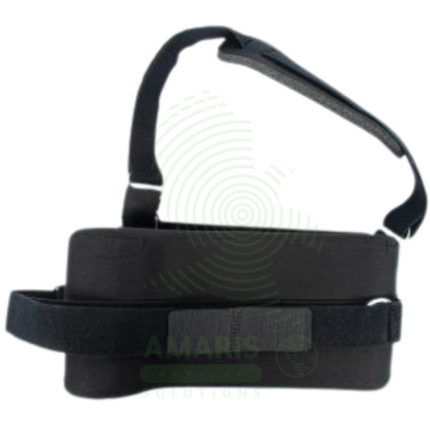
Arm Sling With Swathe
An Arm Sling With Swathe is a two-piece shoulder immobilization system used for complete immobilization following shoulder surgery, shoulder dislocation, proximal humerus fractures, and clavicle fractures. The sling supports the arm while the swathe wraps around the body to secure the arm against the chest, preventing abduction, external rotation, and other movements that could compromise healing. Used in orthopedic surgery, emergency departments, and post-operative care settings, it provides essential protection during the critical healing phase. Proper positioning, skin integrity monitoring, and circulation checks are essential for safe and effective use.
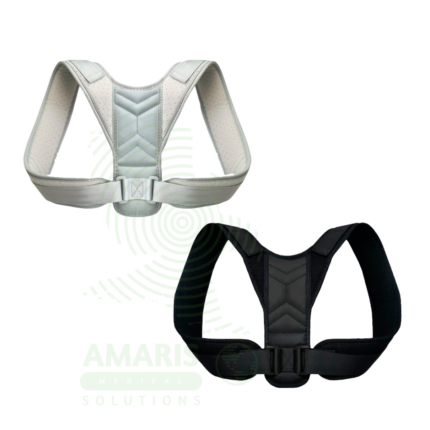
Clavicle Support
A Clavicle Support is a figure-eight style brace designed to immobilize and support the clavicle and shoulder girdle following clavicle fractures, acromioclavicular joint injuries, and clavicle surgery. The support retracts the shoulders, maintaining proper alignment of the fractured bone ends during healing. Used in orthopedic clinics, emergency departments, and sports medicine settings, it provides external stabilization that reduces pain, prevents displacement, and supports healing. Proper fit, skin integrity monitoring, and circulation checks are essential for safe and effective use.
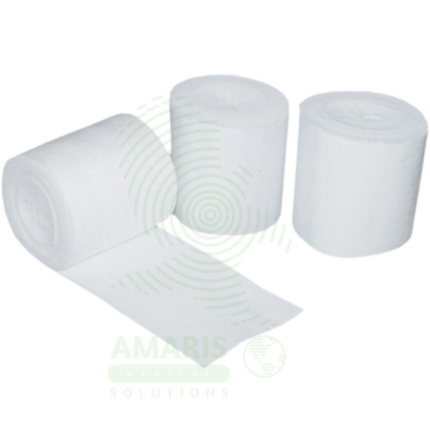
Orthopedic Padding
Orthopedic Padding is a soft, cushioning material applied directly to the skin as an essential protective layer underneath casts, splints, and braces. Its primary functions are to prevent skin breakdown by distributing pressure, absorb moisture, and provide comfort during immobilization. Available in rolls of cotton, synthetic, or foam, its correct, wrinkle-free application is a critical safety step in fracture management and orthopedic bracing, directly impacting patient tolerance and preventing complications like pressure ulcers.
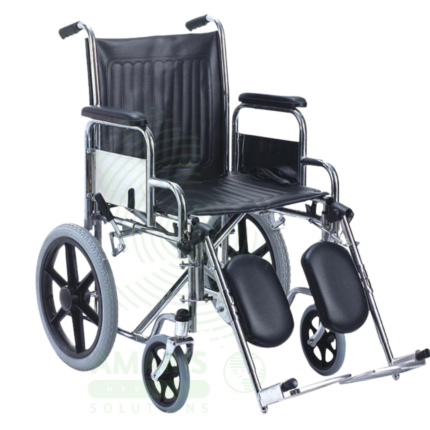
Orthopedic Wheelchair
An Orthopedic Wheelchair is a specialized manual wheelchair with an extended frame and elevating leg rests, designed to support patients who must keep one or both lower limbs in a straight, non-weight-bearing position. It is primarily used for managing lower limb fractures, post-operative recovery (e.g., hip replacements), and conditions requiring heel-off-loading to prevent pressure sores. Its key safety consideration is a heightened risk of tipping backwards due to the forward weight of the extended leg, requiring cautious use, engagement of anti-tip levers, and awareness of its increased length during navigation.
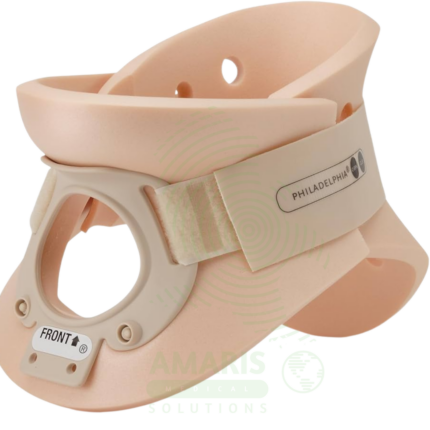
Philadelphia Cervical Collar
The Philadelphia Cervical Collar is a rigid, two-piece cervical orthosis designed for cervical spine immobilization following trauma, surgery, or instability. Composed of rigid plastic shells with removable foam padding, it restricts flexion, extension, rotation, and lateral bending to protect the spinal cord during healing. Used in emergency departments, trauma centers, operating rooms, and pre-hospital settings, it is a standard device for spinal motion restriction. Proper sizing, skin integrity monitoring, and neurological assessment are critical for safe and effective use.
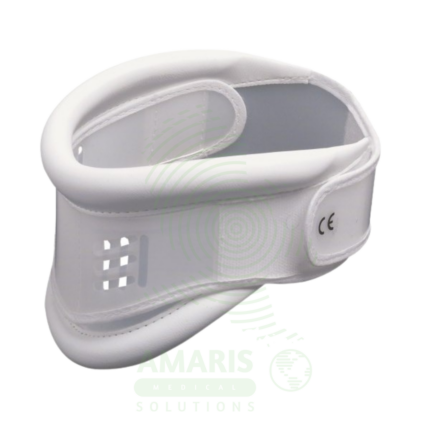
Rigid Cervical Collar
A Rigid Cervical Collar is a cervical orthosis used to immobilize the cervical spine following trauma, surgery, or instability. Composed of a rigid plastic shell with foam padding, it restricts flexion, extension, rotation, and lateral bending to protect the spinal cord from injury during healing. Used in emergency departments, trauma centers, operating rooms, and pre-hospital settings, it is essential for spinal motion restriction protocols. Proper sizing, skin integrity monitoring, and neurological assessment are critical for safe and effective use.
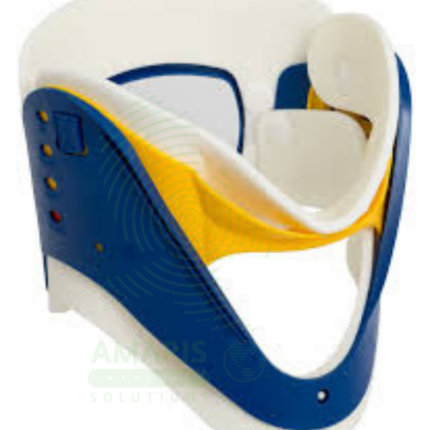
Various Cervical Collars
Various Cervical Collars are orthotic devices used to restrict neck movement and support the head. They range from soft foam collars for mild pain and postural reminder to rigid, adjustable collars (e.g., Philadelphia, Aspen) for post-traumatic or post-surgical immobilization. Their primary function is to protect the cervical spine, manage pain, and promote healing. Safety and effectiveness are entirely dependent on correct professional selection, sizing, and fitting, coupled with vigilant skin care to prevent pressure injuries.