Dermatoscope and Magnifiers
 Diagnostic Kits
 Vital Signs Monitors
 Stethoscopes and Accessories
 Otoscopes, Ophthalmoscopes, and Retinoscopes
 Reflex Hammers and Neurological Tools
 Scales and Measuring Devices
 Spirometers and Pulmonary Function Tests
 Electrosurgical Units and Accessories
 Cutting Instruments
 Grasping and Holding Instruments
 Hemostatic Instruments
 Specialized Surgical Sets
 Single-Use Procedure Trays and Packs
 Surgical Drapes, Gowns, and Covers
 Tissue Unifying Instruments
 Radiation Protection
 X-Ray Machines and Accessories
 Ultrasound Systems and Probes
 MRI and CT Scanners
 Radiology Consumables
 Bone Densitometers
 Fluoroscopy Equipment
 Imaging Tables and Positioning Aids
 Microscopes and Accessories
 Centrifuges and Separators
 Analyzers
 Incubators and Ovens
 Pipettes, Dispensers, and Lab Glassware
 Refrigerators, Freezers, and Storage Units
 Lab Consumables
 Sterilizers and Autoclaves for Lab Use
 Multi-Parameter Monitors
 Ventilators and Respiratory Support Devices
 Defibrillators and AEDs
 Infusion Pumps and IV Systems
 Patient Warmers and Cooling Devices
 Central Monitoring Stations
 Accessories
 Anesthesia Machines and Workstations
 Oxygen Concentrators and Delivery Systems
 Nebulizers and Inhalers
 CPAP/BiPAP Machines
 Airway Management
 Anesthesia Masks, Circuits, and Bags
 Humidifiers and Heaters
 Respiratory Therapy Accessories
 First Aid Kits and Cabinets
 Emergency Resuscitation Equipment
 Trauma Supplies
 Emergency Carts and Crash Carts
 Burn Care Products
 Bleeding Control
 Automated External Defibrillators (AEDs)
 Transport and Evacuation
 Wheelchairs and Accessories
 Walkers, Crutches, and Canes
 Prosthetics and Orthotics
 Physical Therapy Equipment
 Transfer Devices
 Bathroom Safety
 Orthopedic Traction and Tables
 Hot/Cold Therapy Packs and Units
 Beds and Mattresses
 Chairs and Stools
 Tables
 Cabinets and Storage
 Privacy Screens & Curtains
 Stands and Racks
 Linens and Textiles
 Lighting
 Autoclaves and Sterilizers
 Ultrasonic Cleaners
 Disinfectant Solutions and Wipes
 Sterilization Pouches, Wraps, and Indicators
 Instrument Trays and Containers
 UV and Ozone Disinfection Devices
 Washer Disinfectors
 Wound Care
 Gloves
 Masks and Respirators
 Catheters and Tubing
 Swabs, Applicators, and Sponges
 Incontinence Products
 Personal Protective Equipment (PPE)
 Dental Chairs and Units
 Handpieces and Burs
 Instruments
 Consumables
 Sterilization for Dental Use
 Orthodontic Supplies
 Endodontic Tools
 Slit Lamps and Tonometers
 Lensometers and Phoropters
 Ophthalmic Surgical Instruments
 Eyewear Frames and Lenses
 Contact Lens Supplies
 Vision Testing Charts and Devices
 Eye Care Consumables
 Laser Systems for Eye Care
 ENT Exam Chairs and Tables
 Endoscopes
 Audiometers and Hearing Tests
 ENT Instruments
 Nasal and Throat Packs
 Hearing Aids and Accessories
 Otology Supplies
 Fetal Dopplers and Monitors
 Delivery Beds and Tables
 Gynecological Instruments
 Neonatal Incubators and Warmers
 Breast Pumps and Accessories
 Contraceptive Devices
 Maternity Supports and Pads
 Neonatal Consumables
 Cystoscopes and Urethroscopes
 Dialysis Machines and Supplies
 Urological Catheters and Bags
 Lithotripters
 Prostate Treatment Devices
 Urinary Incontinence Products
 Kidney Stone Management Tools
 Consumables & Disposables
 EEG and EMG Machines
 Neurosurgical Instruments
 Nerve Stimulators
 Headrests and Positioning Aids
 Lumbar Puncture Kits
 Seizure Monitoring Devices
 Consumables
 Rehabilitation for Neurological Conditions
 ECG Machines and Accessories
 Holter Monitors
 Stress Test Systems
 Pacemakers and Defibrillator Accessories
 Vascular Access Devices
 Cardiac Catheters and Guidewires
 Blood Flow Meters
 Consumables
 Orthopedic Instruments
 Casts, Splints, and Padding
 Joint Replacement Supplies
 Prosthetic Limbs and Components
 Bone Grafts and Substitutes
 Traction Devices
 Orthopedic Braces and Supports
 Rehabilitation Aids for Orthopedics
 Home Oxygen Therapy
 Hospital Beds for Home Use
 Mobility Aids
 Bathroom and Daily Living Aids
 Wound Care for Home
 Monitoring Devices
 Enteral Feeding Pumps and Tubes
 Hand Sanitizers and Dispensers
 Face Shields and Goggles
 Isolation Gowns and Suits
 Biohazard Waste Containers
 Air Purifiers and HEPA Filters
 Surface Disinfectants
 Sharps Containers
 Protective Barriers
 Cardiovascular & Endurance Training
 Strength Training & Weightlifting
 Functional Training & Core Conditioning
 Physical Therapy & Rehabilitation
 Sports & Outdoor Recreation
 Gym Flooring & Facility Equipment
 Fitness Monitoring & Accessories
 Kids & Novelties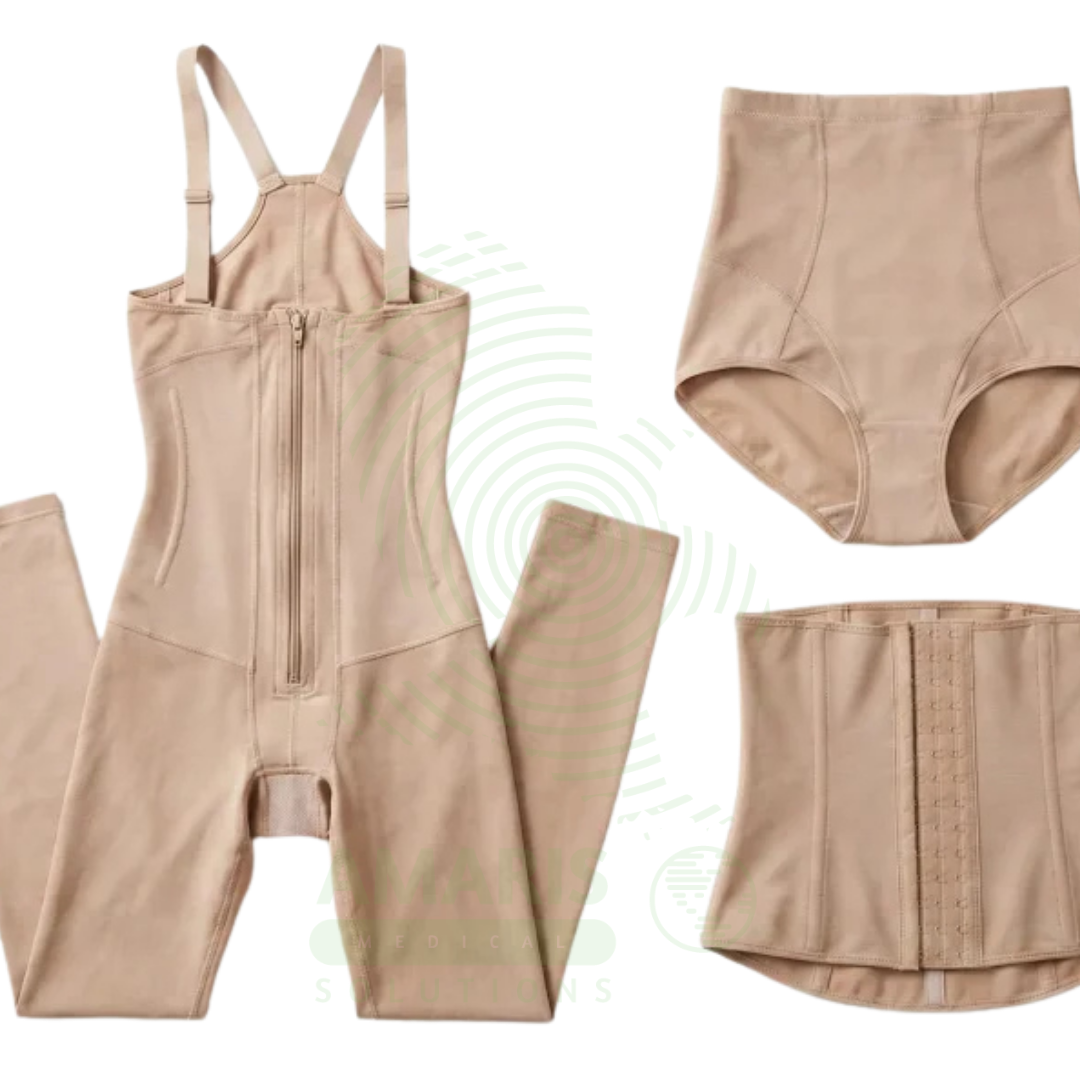
Compression Garments
$1.00
WhatsApp Order
Compression Garments are specialized elastic apparel designed to apply controlled, graduated pressure to limbs or other body areas. As a core medical therapy, they are used to treat and manage lymphedema, chronic venous insufficiency, venous ulcers, and to improve burn scar outcomes. Their function is based on a precise pressure gradient that assists venous and lymphatic return, reduces swelling, and supports tissue. Medical-grade compression requires professional fitting, a prescription for higher classes, and is contraindicated in patients with significant arterial disease. Proper donning, daily skin care, and regular replacement are essential for safety and therapeutic effectiveness.
Description
Compression Garments
PRIMARY CLINICAL & DIAGNOSTIC USES
1. Management of Lymphedema and Chronic Edema
-
Primary Use: Provides graduated external compression to a limb affected by lymphedema, reducing swelling by facilitating lymphatic and venous return, preventing fluid accumulation, and improving tissue health to reduce the risk of cellulitis.
-
How it helps: For the lymphedema therapist and vascular specialist, compression garments are the cornerstone of lifelong disease management—providing the external support that substitutes for a compromised lymphatic system, keeping swelling controlled, and preventing the recurrent infections that threaten limb health. For the patient living with lymphedema after cancer treatment or from primary causes, these garments are not optional accessories but essential medical devices that allow them to function, reduce the heaviness and discomfort of fluid accumulation, and protect them from life-threatening infections.
2. Treatment of Venous Insufficiency and Venous Ulcers
-
Primary Use: Essential for managing chronic venous diseases, including varicose veins, post-thrombotic syndrome, and active venous ulcers, by improving venous blood flow, reducing venous hypertension, decreasing pain and heaviness, and creating a healing environment for ulcers.
-
How it helps: For the wound care specialist and vascular nurse, compression garments are the foundation upon which venous ulcer healing depends—without adequate compression, the venous hypertension that caused the ulcer will prevent healing regardless of wound care products used. For the patient with a painful, slow-healing venous ulcer, properly fitted compression garments provide the mechanical correction that allows their body to heal, reducing pain, controlling swelling, and often preventing recurrence.
3. Deep Vein Thrombosis Prophylaxis and Post-Thrombotic Syndrome
-
Primary Use: Used to prevent DVT in at-risk patients and is a cornerstone of treatment for post-thrombotic syndrome to manage swelling, pain, and skin changes following a DVT.
-
How it helps: For the hospitalist and surgical team ordering DVT prophylaxis, compression garments provide a mechanical intervention that reduces venous stasis in patients who cannot yet ambulate, complementing pharmacological prevention. For the patient who has survived a DVT only to face the chronic pain and swelling of post-thrombotic syndrome, compression garments offer the best defense against progressive venous damage and the debilitating symptoms that follow.
4. Burn and Scar Management
-
Primary Use: Specialized compression garments are used on healed burns and hypertrophic scars to apply constant, uniform pressure, helping flatten and soften scars, reduce itching and discomfort, and improve cosmetic and functional outcomes.
-
How it helps: For the burn surgeon and occupational therapist, compression garments are critical to optimizing scar outcomes—applying the sustained pressure that prevents raised, red, contracting scars that limit movement and cause cosmetic disfigurement. For the burn survivor already traumatized by their injury, compression garments worn during the long healing process mean their scars heal flatter, softer, and less noticeable, improving both function and self-image.
5. Management of Orthostatic Intolerance and POTS
-
Primary Use: Full-length compression garments help improve venous return and increase blood volume in the upper body, reducing symptoms like dizziness, lightheadedness, and tachycardia upon standing in patients with dysautonomia.
-
How it helps: For the cardiologist and autonomic disorder specialist managing patients with POTS, compression garments provide a mechanical intervention that counters the gravitational pooling that triggers symptoms—improving cerebral blood flow and reducing the heart rate surge that leaves patients exhausted and debilitated. For the patient whose life has been limited by postural tachycardia, properly fitted compression can mean the difference between being bedbound and being able to stand, walk, and engage in daily activities.
SECONDARY & SUPPORTIVE USES
1. Post-Surgical Recovery: Used following procedures like liposuction, abdominoplasty, or varicose vein surgery to reduce swelling, improve contouring, support healing tissues, and minimize bruising. For the post-surgical patient, compression garments accelerate healing and improve cosmetic outcomes.
2. Athletic Performance and Recovery: Used by athletes to improve blood flow, reduce muscle oscillation, and decrease perceived muscle soreness during and after exercise. For the competitive athlete, compression garments may provide the marginal gains in recovery that translate to improved performance.
3. Pregnancy-Related Venous Issues: Provides support for varicose veins, leg swelling, and aching legs during pregnancy. For the expectant mother carrying the extra weight and circulatory demands of pregnancy, compression stockings can make the difference between comfortable mobility and disabling leg pain.
4. Lipedema Management: Used as part of complex decongestive therapy to manage pain, swelling, and bruising associated with lipedema. For the patient with lipedema, compression garments provide relief from the tenderness and easy bruising that characterize this often-misdiagnosed condition.
5. Prevention of Dependent Edema: For individuals who stand or sit for prolonged periods, compression stockings help prevent leg swelling and discomfort. For the traveler on long flights or the worker on their feet all day, compression garments provide relief and prevent the uncomfortable swelling that follows prolonged immobility.
KEY PRODUCT FEATURES
1. BASIC IDENTIFICATION ATTRIBUTES
-
Type: A specialized, elastic garment designed to apply controlled pressure to a body part.
-
Designation: Named by body part and compression class: Medical Compression Stockings (Thigh-high, Knee-high), Arm Sleeves, Gauntlets, Body Shapers, Face Masks, Burn Garments.
-
Common Variants:
-
Graduated Compression Garments: The gold standard for medical use. Pressure is highest at the extremity (ankle/wrist) and gradually decreases proximally (up the leg/arm). This gradient assists fluid return.
-
Anti-Embolism Stockings (TED Hose): Designed for non-ambulatory, bedridden patients to prevent DVT. Provide uniform, non-graduated compression.
-
Circular Knit: Seamless garments with consistent elasticity in all directions. Common for standard medical stockings.
-
Flat Knit: Made from panels sewn together, providing higher rigidity and pressure, and can be custom-made for severe lymphedema or misshapen limbs.
-
2. TECHNICAL & PERFORMANCE PROPERTIES
-
Material: Typically a blend of nylon, spandex (Lycra), rubber, and sometimes cotton for breathability. Medical-grade garments have specific elasticity and durability standards.
-
Compression Level (Class): Defined by the amount of pressure exerted at the ankle (in mmHg). This is a critical medical specification:
-
Class 1 (Mild): 15-20 mmHg. For mild varicose veins, minor swelling, fatigue.
-
Class 2 (Moderate): 20-30 mmHg. For moderate varicose veins, post-thrombotic syndrome, moderate edema, after surgery.
-
Class 3 (Firm): 30-40 mmHg. For severe varicose veins, severe edema, post-thrombotic syndrome with ulceration, management of lymphedema.
-
Class 4 (Extra Firm): 40-50+ mmHg. For severe lymphedema, elephantiasis. Often custom-made.
-
-
Pressure Gradient: The decrease in pressure from distal to proximal (e.g., 30 mmHg at ankle, 20 mmHg at calf, 10 mmHg at thigh).
3. PHYSICAL & OPERATIONAL PROPERTIES
-
Fit and Sizing: Must be professionally sized by measuring circumferences at specific points (e.g., ankle, calf, thigh) and leg length. Improper fit renders the garment ineffective and can be harmful.
-
Donning and Doffing: Can be difficult due to high compression. Use of special rubber gloves, a silk liner, or a donning frame is often necessary.
-
Durability: Medical garments lose compression over time (typically 3-6 months with daily wear) and must be replaced to maintain therapeutic efficacy.
4. SAFETY & COMPLIANCE ATTRIBUTES
-
Regulatory Status: Class I medical device when intended for medical purposes (e.g., treating venous insufficiency).
-
Prescription: Medical-grade compression (Class 2 and above) typically requires a physician's prescription and professional fitting.
-
Contraindications: Absolute contraindications include severe peripheral arterial disease (ABI <0.5), uncompensated heart failure, and severe peripheral neuropathy. Relative contraindications include skin infections, dermatitis, and severe limb deformity.
5. STORAGE & HANDLING ATTRIBUTES
-
Storage: Keep in a cool, dry place away from direct sunlight, which can degrade elastic fibers.
-
Cleaning: Hand wash daily in lukewarm water with mild soap. Rinse thoroughly. Gently squeeze out water—do not wring. Lay flat on a towel to air dry. Never machine wash, tumble dry, or iron.
-
Replacement: Replace every 3-6 months with daily use, or immediately if they develop holes, runs, or become loose and no longer provide adequate compression.
6. LABORATORY & CLINICAL APPLICATIONS
-
Primary Application: A fundamental, non-invasive therapy in vascular medicine, lymphedema therapy, wound care, burn rehabilitation, and post-operative care.
-
Custom vs. Ready-Made: Ready-made garments suffice for most standard limbs. Custom garments are required for severe lymphedema, unusual limb shapes, or for full torso/face compression for burns.
SAFETY HANDLING PRECAUTIONS
1. SAFETY PRECAUTIONS
-
Proper Medical Assessment (CRITICAL): A vascular assessment, including Ankle-Brachial Index (ABI) measurement, is mandatory before prescribing compression for the legs to rule out significant arterial disease, where compression could cause ischemia.
-
Skin Inspection: Inspect skin under the garment daily for irritation, redness, or breakdown. Keep skin clean, dry, and moisturized (but ensure moisturizer is fully absorbed before donning).
-
Correct Donning: Wrinkles or rolled-down tops can create tourniquet-like bands of high pressure, cutting off circulation and damaging skin.
-
Monitor for Complications: Discontinue use and seek medical advice if pain, numbness, tingling, discoloration (bluish or white toes), or increased swelling occurs.
2. FIRST AID MEASURES
-
If Causing Severe Pain or Numbness: Remove the garment immediately. If symptoms do not resolve quickly, seek medical attention, as this may indicate arterial compromise or nerve compression.
-
Skin Irritation or Rash: Remove garment. Wash skin with mild soap and water. Allow skin to air out. Consult a doctor if rash persists; a different material or inner liner may be needed.
3. FIRE FIGHTING MEASURES
-
Flammability: Synthetic fabric blends are combustible.
-
Extinguishing Media: Use water, foam, or CO₂ as appropriate for the surrounding fire.
Related products
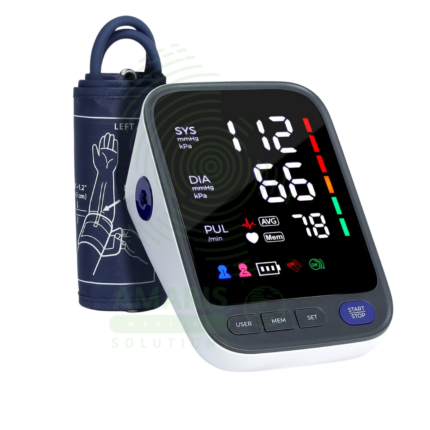
Bluetooth Blood Pressure Machine
A Bluetooth Blood Pressure Machine is an automatic oscillometric blood pressure monitor with integrated wireless technology that transmits readings from patient homes to smartphones and healthcare providers. Measures systolic (60-260 mmHg) and diastolic (40-200 mmHg) pressure with clinical accuracy (≤±3 mmHg) validated per AAMI/ESH/ISO 81060-2 standards. Features intelligent cuff inflation, movement detection, irregular heartbeat flagging, and multi-user memory (60-200 readings). Bluetooth 4.0-5.0 LE connectivity enables automatic data synchronization with companion apps for trend analysis, medication tracking, and secure provider sharing. Primary clinical applications include remote patient monitoring for hypertension management, medication adherence and efficacy tracking, gestational hypertension and preeclampsia surveillance, post-operative BP monitoring, pediatric hypertension follow-up, and clinical trial data collection. Class II medical device requiring FDA clearance. Critical safety considerations include proper cuff size selection, correct measurement conditions (rest, positioning, bare arm), movement restriction during measurement, irregular heartbeat interpretation limitations, and regular calibration verification.
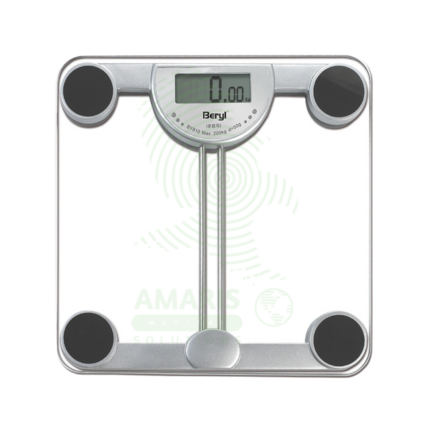
Digital Bathroom Weighing Scale
A Digital Bathroom Weighing Scale is a Class I medical device (for health monitoring) using strain gauge sensor technology (four high-precision sensors, accuracy ±0.1-0.3 kg) to measure body weight in home settings. Features include tempered glass, stainless steel, or ABS plastic platform (30-35 cm square), backlit LCD display with large numerals, auto-on/off, low battery indicator, overload warning, and weight capacity 150-200 kg (330-440 lbs) standard, with bariatric models to 300 kg (660 lbs). Measurement units switchable between kg, lb, and st. Primary clinical applications include home weight monitoring for chronic disease management (congestive heart failure fluid detection, chronic kidney disease), obesity and weight management programs, bariatric surgery pre- and post-operative monitoring, diabetes management and metabolic health, pregnancy weight gain tracking, geriatric nutritional status monitoring (detecting malnutrition), and pediatric growth monitoring. Critical safety considerations include use on hard, level surface (not carpet), consistent weighing conditions (same time, minimal clothing), inspection of glass platform for cracks, staying within weight capacity, and recognition that rapid weight gain >2-3 kg in 24-48 hours may indicate fluid overload requiring medical attention. Essential tool for home-based chronic disease management and health monitoring.
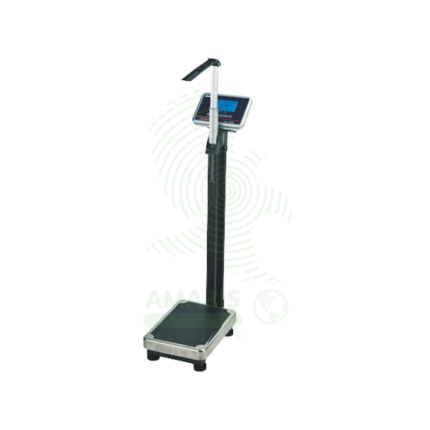
Digital Weighing Scale With Height
A Digital Weighing Scale With Height is a Class I medical device combining precision electronic load cell technology (accuracy ±0.1 kg, capacity 200-500 kg) with integrated mechanical or electronic height measurement (range 60-220 cm, accuracy ±2-5 mm) for comprehensive anthropometric assessment in clinical settings. Features include backlit LCD display with automatic BMI calculation, tare function for wheelchair weighing, hold function for unsteady patients, data output options (USB/Bluetooth/RS-232) for EMR integration, locking casters for mobility, and AC power with battery backup. Primary clinical applications include comprehensive anthropometric assessment in primary care, pediatric growth monitoring, adult obesity screening and weight management, bariatric surgery pre- and post-operative assessment, geriatric nutritional status monitoring, oncology chemotherapy dosing (BSA calculation), and clinical research. Critical safety considerations include locking casters before patient use, verifying zero before each measurement, providing step assistance for mobility-impaired patients, staying within weight capacity, and regular calibration verification with certified test weights. Essential digital equipment for efficient, accurate, and documented anthropometric assessment in modern clinical practice.
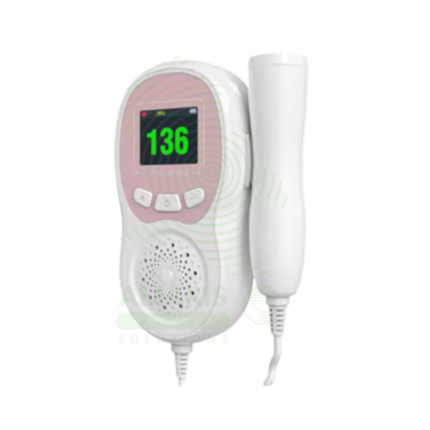
Fetoheart Sonic Aid Doppler (home use)
A Fetoheart Sonic Aid (Doppler) for Home Use is a consumer-grade, FDA-cleared handheld ultrasound device (2-3 MHz) that enables expectant parents to detect and listen to fetal heart sounds in the home environment from approximately 16 weeks gestation. Features include compact lightweight design (100-250g), simple controls, digital heart rate display (50-210 bpm), built-in speaker, headphone jack, and AA battery or USB rechargeable power. Continuous wave Doppler technology provides real-time audio of fetal heart sounds for maternal reassurance and bonding. Primary applications include maternal reassurance and emotional bonding between prenatal visits, confirmation of fetal activity, supplemental monitoring for high-risk pregnancies under provider guidance, and family involvement in the pregnancy experience. Critical safety information includes FDA-mandated labeling that device is for reassurance only (not medical diagnosis), optimal use after 16 weeks, limitation to 5–10-minute sessions, recognition that inability to detect heartbeat may not indicate a problem, and requirement to continue regular prenatal care. Not a substitute for professional medical evaluation; seek immediate care for bleeding, pain, fluid leakage, or decreased fetal movement.
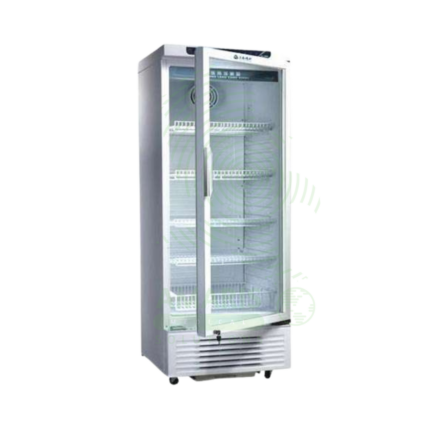
Medical Freezer
A Medical Freezer is a Class I medical device designed for safe, temperature-controlled frozen storage of plasma, vaccines, pharmaceuticals, laboratory reagents, and research specimens at sub-zero temperatures. Available in standard medical freezers (-15°C to -25°C) for plasma and frozen vaccines, low-temperature freezers (-30°C to -40°C) for specialized biologics, and ultra-low temperature freezers (-60°C to -86°C) for long-term research sample storage. Features include microprocessor controls with digital displays, audible and visual alarms for high/low temperature, power failure, and door/lid ajar, continuous temperature monitoring capabilities, and optional chart recorders or remote monitoring. Available in upright or chest configurations with capacities from 50 L to 800+ L. Primary clinical applications include frozen plasma storage for blood banks (AABB standards, -18°C or colder), frozen vaccine storage for immunization programs (CDC/WHO guidelines, -15°C to -25°C), pharmaceutical storage (USP <795>/<797>), laboratory reagent and specimen preservation, microbiological culture storage, research and biobanking sample storage (-80°C), and clinical trial material storage. Essential equipment for hospitals, blood banks, clinical laboratories, research facilities, and pharmacies requiring reliable, monitored frozen storage for critical medical and research products.
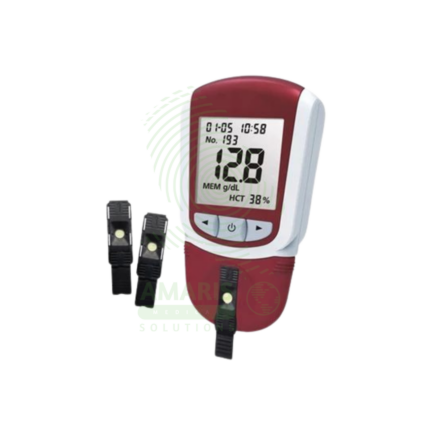
Mission Plus HB Machine
The Mission Plus HB Machine is a portable, battery-operated hemoglobin meter (Class II medical device, FDA-cleared/CE-marked) using photometric technology to measure hemoglobin concentration in capillary or venous blood within 5-15 seconds. Features include backlit LCD display, memory storage for 100-500 results, simple one-button operation, and disposable single-use cuvettes (5-20 µL sample volume). Accuracy ±0.3 g/dL compared to reference methods, measurement range 4-24 g/dL. Primary clinical applications include rapid anemia screening in outpatient clinics, preoperative assessment, antenatal care and maternal health monitoring, malaria-endemic region screening, chronic disease management (CKD, IBD, cancer), nutritional assessment and intervention programs, and blood donor screening. Critical safety precautions include single-use lancets, proper hand hygiene, correct sample application, quality control with control solutions, proper cuvette storage (protect from heat, light, humidity), and never using expired cuvettes. Essential point-of-care device for hemoglobin testing in diverse healthcare settings.
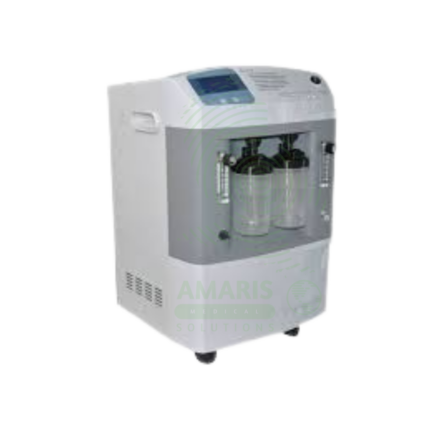
Oxygen Concentrator
An Oxygen Concentrator is a Class II medical device that delivers 90-95% pure supplemental oxygen to patients with chronic hypoxemia using pressure swing adsorption (PSA) technology to concentrate oxygen from room air. Available as stationary/home units (10-30 kg, 0.5-10 L/min continuous flow) for long-term oxygen therapy (LTOT) and portable/ambulatory units (1-10 kg, 0.5-3 L/min pulse-dose or continuous flow) for active patients requiring mobility. Features include oxygen purity monitoring with alarms, digital flow control, hour meters, washable filters, and (for portable units) rechargeable batteries, FAA approval for travel, and pulse-dose delivery to conserve oxygen. Primary clinical indications include COPD, pulmonary fibrosis, cystic fibrosis, and other chronic respiratory conditions with resting, exertional, or nocturnal hypoxemia (PaO2 ≤55 mmHg or SpO2 ≤88%). Essential for home-based oxygen therapy, enabling patients to maintain independence, reduce hospitalizations, and improve quality of life. Critical safety precautions include NO SMOKING in the oxygen environment, keeping away from heat sources and open flames, proper electrical safety, regular filter cleaning, and having backup oxygen for power outages.