Dermatoscope and Magnifiers
 Diagnostic Kits
 Vital Signs Monitors
 Stethoscopes and Accessories
 Otoscopes, Ophthalmoscopes, and Retinoscopes
 Reflex Hammers and Neurological Tools
 Scales and Measuring Devices
 Spirometers and Pulmonary Function Tests
 Electrosurgical Units and Accessories
 Cutting Instruments
 Grasping and Holding Instruments
 Hemostatic Instruments
 Specialized Surgical Sets
 Single-Use Procedure Trays and Packs
 Surgical Drapes, Gowns, and Covers
 Tissue Unifying Instruments
 Radiation Protection
 X-Ray Machines and Accessories
 Ultrasound Systems and Probes
 MRI and CT Scanners
 Radiology Consumables
 Bone Densitometers
 Fluoroscopy Equipment
 Imaging Tables and Positioning Aids
 Microscopes and Accessories
 Centrifuges and Separators
 Analyzers
 Incubators and Ovens
 Pipettes, Dispensers, and Lab Glassware
 Refrigerators, Freezers, and Storage Units
 Lab Consumables
 Sterilizers and Autoclaves for Lab Use
 Multi-Parameter Monitors
 Ventilators and Respiratory Support Devices
 Defibrillators and AEDs
 Infusion Pumps and IV Systems
 Patient Warmers and Cooling Devices
 Central Monitoring Stations
 Accessories
 Anesthesia Machines and Workstations
 Oxygen Concentrators and Delivery Systems
 Nebulizers and Inhalers
 CPAP/BiPAP Machines
 Airway Management
 Anesthesia Masks, Circuits, and Bags
 Humidifiers and Heaters
 Respiratory Therapy Accessories
 First Aid Kits and Cabinets
 Emergency Resuscitation Equipment
 Trauma Supplies
 Emergency Carts and Crash Carts
 Burn Care Products
 Bleeding Control
 Automated External Defibrillators (AEDs)
 Transport and Evacuation
 Wheelchairs and Accessories
 Walkers, Crutches, and Canes
 Prosthetics and Orthotics
 Physical Therapy Equipment
 Transfer Devices
 Bathroom Safety
 Orthopedic Traction and Tables
 Hot/Cold Therapy Packs and Units
 Beds and Mattresses
 Chairs and Stools
 Tables
 Cabinets and Storage
 Privacy Screens & Curtains
 Stands and Racks
 Linens and Textiles
 Lighting
 Autoclaves and Sterilizers
 Ultrasonic Cleaners
 Disinfectant Solutions and Wipes
 Sterilization Pouches, Wraps, and Indicators
 Instrument Trays and Containers
 UV and Ozone Disinfection Devices
 Washer Disinfectors
 Wound Care
 Gloves
 Masks and Respirators
 Catheters and Tubing
 Swabs, Applicators, and Sponges
 Incontinence Products
 Personal Protective Equipment (PPE)
 Dental Chairs and Units
 Handpieces and Burs
 Instruments
 Consumables
 Sterilization for Dental Use
 Orthodontic Supplies
 Endodontic Tools
 Slit Lamps and Tonometers
 Lensometers and Phoropters
 Ophthalmic Surgical Instruments
 Eyewear Frames and Lenses
 Contact Lens Supplies
 Vision Testing Charts and Devices
 Eye Care Consumables
 Laser Systems for Eye Care
 ENT Exam Chairs and Tables
 Endoscopes
 Audiometers and Hearing Tests
 ENT Instruments
 Nasal and Throat Packs
 Hearing Aids and Accessories
 Otology Supplies
 Fetal Dopplers and Monitors
 Delivery Beds and Tables
 Gynecological Instruments
 Neonatal Incubators and Warmers
 Breast Pumps and Accessories
 Contraceptive Devices
 Maternity Supports and Pads
 Neonatal Consumables
 Cystoscopes and Urethroscopes
 Dialysis Machines and Supplies
 Urological Catheters and Bags
 Lithotripters
 Prostate Treatment Devices
 Urinary Incontinence Products
 Kidney Stone Management Tools
 Consumables & Disposables
 EEG and EMG Machines
 Neurosurgical Instruments
 Nerve Stimulators
 Headrests and Positioning Aids
 Lumbar Puncture Kits
 Seizure Monitoring Devices
 Consumables
 Rehabilitation for Neurological Conditions
 ECG Machines and Accessories
 Holter Monitors
 Stress Test Systems
 Pacemakers and Defibrillator Accessories
 Vascular Access Devices
 Cardiac Catheters and Guidewires
 Blood Flow Meters
 Consumables
 Orthopedic Instruments
 Casts, Splints, and Padding
 Joint Replacement Supplies
 Prosthetic Limbs and Components
 Bone Grafts and Substitutes
 Traction Devices
 Orthopedic Braces and Supports
 Rehabilitation Aids for Orthopedics
 Home Oxygen Therapy
 Hospital Beds for Home Use
 Mobility Aids
 Bathroom and Daily Living Aids
 Wound Care for Home
 Monitoring Devices
 Enteral Feeding Pumps and Tubes
 Hand Sanitizers and Dispensers
 Face Shields and Goggles
 Isolation Gowns and Suits
 Biohazard Waste Containers
 Air Purifiers and HEPA Filters
 Surface Disinfectants
 Sharps Containers
 Protective Barriers
 Cardiovascular & Endurance Training
 Strength Training & Weightlifting
 Functional Training & Core Conditioning
 Physical Therapy & Rehabilitation
 Sports & Outdoor Recreation
 Gym Flooring & Facility Equipment
 Fitness Monitoring & Accessories
 Kids & Novelties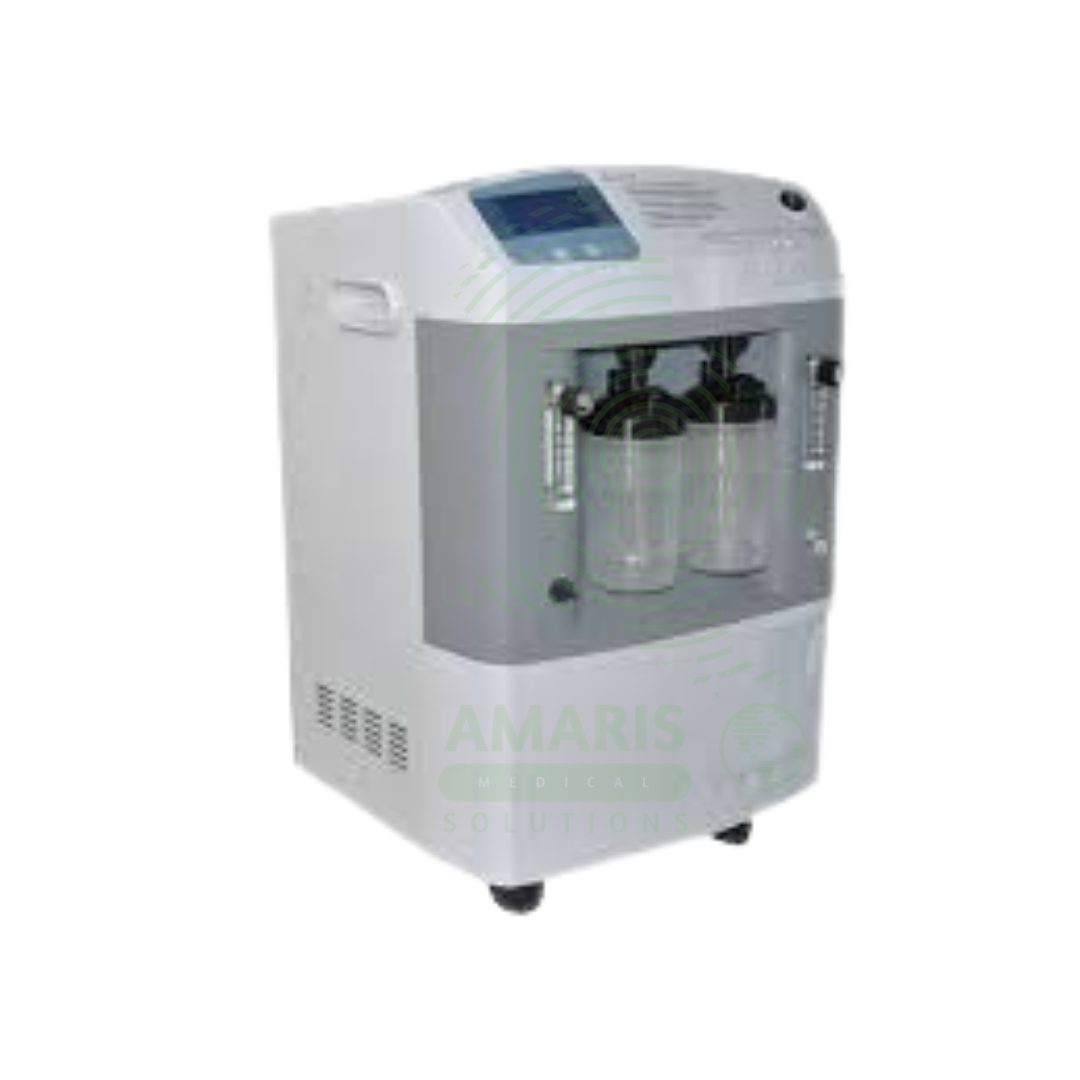
Oxygen Concentrator
$1.00
WhatsApp Order
An Oxygen Concentrator is a Class II medical device that delivers 90-95% pure supplemental oxygen to patients with chronic hypoxemia using pressure swing adsorption (PSA) technology to concentrate oxygen from room air. Available as stationary/home units (10-30 kg, 0.5-10 L/min continuous flow) for long-term oxygen therapy (LTOT) and portable/ambulatory units (1-10 kg, 0.5-3 L/min pulse-dose or continuous flow) for active patients requiring mobility. Features include oxygen purity monitoring with alarms, digital flow control, hour meters, washable filters, and (for portable units) rechargeable batteries, FAA approval for travel, and pulse-dose delivery to conserve oxygen. Primary clinical indications include COPD, pulmonary fibrosis, cystic fibrosis, and other chronic respiratory conditions with resting, exertional, or nocturnal hypoxemia (PaO2 ≤55 mmHg or SpO2 ≤88%). Essential for home-based oxygen therapy, enabling patients to maintain independence, reduce hospitalizations, and improve quality of life. Critical safety precautions include NO SMOKING in the oxygen environment, keeping away from heat sources and open flames, proper electrical safety, regular filter cleaning, and having backup oxygen for power outages.
Description
Oxygen Concentrator
PRIMARY CLINICAL & DIAGNOSTIC USES
1. Long-Term Oxygen Therapy (LTOT) for Chronic Hypoxemia
-
Primary Use: Provides a continuous, reliable source of supplemental oxygen for patients with chronic respiratory conditions causing persistent low blood oxygen levels (COPD, pulmonary fibrosis, cystic fibrosis).
-
How it helps: For the pulmonologist, it delivers a prescribed, consistent oxygen concentration to correct chronic hypoxemia and reduce strain on the heart. For the patient, it is a lifeline that alleviates constant breathlessness, protects vital organs like the heart and brain from the damaging effects of low oxygen, and has been proven to extend life expectancy in eligible individuals.
2. Home-Based Oxygen Therapy
-
Primary Use: Enables patients requiring long-term supplemental oxygen to receive treatment in their home environment.
-
How it helps: For the healthcare provider, it transitions care from the hospital to the home, reducing readmissions and healthcare costs. For the patient and their family, it eliminates the burden of managing heavy, refillable oxygen cylinders and allows them to sleep in their own bed, maintain family routines, and preserve a sense of normalcy despite their medical condition.
3. Nocturnal Oxygen Therapy for Sleep-Related Hypoxemia
-
Primary Use: Provides supplemental oxygen during sleep for patients whose oxygen levels drop significantly at night due to COPD, obesity hypoventilation syndrome, or other conditions.
-
How it helps: For the sleep specialist, it addresses desaturation events that may not occur during daytime testing. For the patient, it prevents the heart and brain from being stressed by repeated nightly oxygen drops, leading to more restorative sleep, reduced morning headaches, and better daytime energy levels.
4. Ambulatory Oxygen Therapy (Portable Concentrators)
-
Primary Use: Portable oxygen concentrators allow active patients to maintain oxygen therapy during daily activities, errands, travel, and social engagements.
-
How it helps: For the physician, it supports the goal of keeping patients mobile and functional, which is essential for physical and mental health. For the patient, it is the difference between being “homebound” and “living.” It provides the freedom to go to the grocery store, attend a grandchild’s recital, or travel, restoring independence and fighting the social isolation that often accompanies chronic lung disease.
5. Palliative and End-of-Life Care
-
Primary Use: Used to manage dyspnea (air hunger) and improve comfort in patients with advanced cardiopulmonary disease or terminal illness.
-
How it helps: For the palliative care team, it offers a non-invasive tool to alleviate one of the most distressing symptoms at the end of life: the sensation of suffocation. For the patient and their family, it provides profound comfort, reducing anxiety and suffering, and allowing for more peaceful, dignified final moments.
6. Altitude-Related Hypoxemia
-
Primary Use: Prescribed for patients traveling to high-altitude locations who require supplemental oxygen due to pre-existing respiratory conditions.
-
How it helps: For the doctor, it allows patients who would otherwise be restricted to enjoy travel and experiences at elevation safely. For the patient, it means they can visit family in mountain communities, take that dream vacation, or conduct business at altitude without fear of becoming dangerously short of breath.
7. Post-Hospitalization Transitional Care
-
Primary Use: Provides oxygen therapy for patients discharged from hospital following acute exacerbations of COPD, pneumonia, or other respiratory conditions.
-
How it helps: For the hospital case manager, it ensures a safe discharge plan, reducing the likelihood of rapid readmission. For the recovering patient, it supports the healing process by ensuring tissues receive adequate oxygen while they regain strength, bridging the gap between hospital care and full recovery at home.
SECONDARY & SUPPORTIVE USES
1. Cluster Headache Treatment: For the neurologist, high-flow oxygen can abort debilitating cluster headache attacks. For the sufferer, it offers a drug-free treatment option that can be used at home to manage this extremely painful condition.
2. Emergency and Disaster Preparedness: For the emergency manager, stationary concentrators with backup power ensure oxygen-dependent citizens are not abandoned during blackouts or natural disasters. For the patient and their caregivers, it provides critical reassurance that they will not be left without oxygen when the power goes out.
3. Altitude Acclimatization: For researchers and guides at high-altitude facilities, concentrators help manage altitude sickness. For trekkers and workers in remote mountain locations, access to oxygen-enriched air can be a safety net, preventing serious altitude illness.
4. Veterinary Medicine: For the veterinarian, it provides critical support for animals in respiratory distress. For the pet owner, it offers hope and advanced care options for their beloved companion in an emergency.
5. Aircraft and Aviation: For the airline and medical clearance team, FAA-approved portable concentrators allow safe travel for oxygen-dependent passengers. For the patient, it opens up the world of air travel, allowing them to visit family or take vacations that would otherwise be impossible.
KEY PRODUCT FEATURES
1. BASIC IDENTIFICATION ATTRIBUTES
-
Product Type: Medical device that concentrates oxygen from ambient air using pressure swing adsorption (PSA) technology, delivering 90-95% pure oxygen to patients requiring supplemental oxygen therapy.
-
Common Names: Oxygen Concentrator, Home Oxygen Concentrator, Portable Oxygen Concentrator, Stationary Oxygen Concentrator, Long-Term Oxygen Therapy (LTOT) Device, Oxygen Generator.
-
Types:
-
Stationary/Home Concentrators: Larger units (10-25 kg) for continuous home use; plug-in operation; higher flow rates (up to 5-10 L/min).
-
Portable/Ambulatory Concentrators: Lightweight (1-10 kg) battery-operated units for mobility; lower flow rates (0.5-3 L/min); pulse-dose or continuous flow.
-
Hybrid Concentrators: Stationary units with portable batteries for short-term mobility within home.
-
-
Oxygen Purity: 87-96% (typically 90-95% at rated flow).
-
Flow Rate Range:
-
Stationary: 0.5-10 L/min continuous flow.
-
Portable: 0.5-3 L/min (pulse-dose equivalent or continuous flow).
-
-
Delivery Modes:
-
Continuous Flow: Constant oxygen flow regardless of breathing pattern; required for sleep, children, and patients with variable respiratory rates.
-
Pulse-Dose (Intermittent Flow): Oxygen delivered only during inspiration; conserves oxygen and battery life; used in most portable concentrators.
-
-
Power Requirements: 110-120V or 220-240V AC (stationary); rechargeable batteries (portable); DC adapter for vehicle use.
-
Noise Level: 30-60 dB depending on model and flow rate.
-
Dimensions: Stationary: 50-80 cm H × 30-50 cm W × 30-50 cm D; Portable: 15-30 cm H × 15-25 cm W × 10-20 cm D.
-
Weight: Stationary: 10-30 kg; Portable: 1-10 kg.
2. TECHNICAL & PERFORMANCE PROPERTIES
-
Oxygen Concentration Technology: Pressure Swing Adsorption (PSA) using zeolite sieve beds to separate nitrogen from air.
-
Oxygen Purity Monitoring: Built-in oxygen sensors with alarms if purity drops below safe level (typically <82-85%).
-
Flow Rate Accuracy: ±10% of set flow rate.
-
Maximum Operating Pressure: 20-30 psi typically.
-
Operating Temperature Range: 10-40°C (50-104°F).
-
Humidity Range: 15-95% non-condensing.
-
Altitude Compensation: Some models automatically adjust for altitude to maintain oxygen delivery.
-
Battery Life (Portable): 2-10 hours depending on flow rate, pulse setting, and battery capacity.
-
Battery Charge Time: 2-6 hours for full charge.
-
Warm-Up Time: 5-30 minutes to reach full oxygen concentration.
-
Service Interval: Annual preventive maintenance recommended; filter cleaning every 2-4 weeks.
-
Estimated Lifespan: 5-10 years with proper maintenance.
3. PHYSICAL & OPERATIONAL PROPERTIES
-
Stationary Concentrator Features:
-
Cabinet: Durable ABS plastic or metal housing with casters for mobility.
-
Control Panel: Digital display showing flow rate, oxygen purity, alarms, and operating hours.
-
Flow Meter: Rotameter or digital flow control (0.5-5 L/min or higher).
-
Humidifier Connection: Outlet for attaching bubble humidifier (if needed).
-
Air Intake Filter: Washable foam or replaceable particulate filter.
-
Alarms: Audible and visual alarms for power failure, low oxygen purity, high/low pressure, and system malfunction.
-
Hour Meter: Tracks total operating hours for maintenance scheduling.
-
-
Portable Concentrator Features:
-
Carrying Case: Shoulder strap, backpack, or rolling cart for transport.
-
Battery Compartment: Rechargeable lithium-ion or sealed lead-acid batteries; hot-swappable on some models.
-
Pulse-Dose Settings: 1-5 or 1-9 settings corresponding to approximate continuous flow equivalents.
-
Continuous Flow Mode: Some portable models offer continuous flow at lower rates.
-
DC Power Adapter: For vehicle use (12V cigarette lighter outlet).
-
Airline Approval: FAA approval for in-flight use (specific models).
-
-
Accessories:
-
Nasal cannula (standard 7-50 ft lengths)
-
Oxygen tubing (connects concentrator to cannula)
-
Humidifier bottle (for patients requiring humidified oxygen)
-
Carry bag/backpack (for portable units)
-
External battery charger
-
Vehicle DC adapter
-
Remote alarm (for caregiver notification)
-
4. SAFETY & COMPLIANCE ATTRIBUTES
-
Regulatory Status: Class II medical device requiring FDA 510(k) clearance; CE marked for European market.
-
Clinical Standards: Meets applicable ISO 80601-2-69 (medical electrical equipment for oxygen concentrators) and ISO 8359 (oxygen concentrators for medical use).
-
Electrical Safety: Compliant with IEC 60601-1 for medical electrical equipment.
-
Oxygen Purity Alarm: Audible and visual alarm if oxygen concentration falls below safe level (typically <82-85%).
-
Power Failure Alarm: Alerts patient/caregiver if power is interrupted (stationary units may have battery backup).
-
Overheating Protection: Thermal cut-off to prevent overheating.
-
Fire Safety: Oxygen concentrators should be kept away from open flames, sparks, and heat sources; "NO SMOKING" warnings required.
-
EMC Compliance: IEC 60601-1-2 electromagnetic compatibility; may interfere with other medical devices.
-
FAA Approval: Specific portable models approved for air travel (required for in-flight use).
-
Quality Management: Manufactured under ISO 13485 certified processes.
-
Patient Safety Information: Comprehensive instructions, warnings, and emergency procedures included.
5. STORAGE & HANDLING ATTRIBUTES
-
Installation (Stationary): Place on firm, level surface in a well-ventilated area; at least 12 inches from walls, curtains, and furniture; away from heat sources and open flames.
-
Ventilation: Do not block air intake or exhaust vents; ensure adequate room ventilation.
-
Filter Maintenance: Clean or replace intake filter every 2-4 weeks (per manufacturer); more often in dusty environments.
-
Cleaning: Wipe exterior with soft, damp cloth; do not use abrasive cleaners or solvents.
-
Tubing and Cannula: Replace per manufacturer guidelines (typically every 2-4 weeks for cannula, 3-6 months for tubing).
-
Humidifier Care: Clean and replace humidifier bottle per manufacturer instructions to prevent bacterial growth.
-
Battery Maintenance (Portable): Keep batteries charged; follow manufacturer guidelines for storage and replacement.
-
Service/Repair: Annual preventive maintenance by qualified technician required; do not attempt internal repairs.
-
Emergency Preparedness: Have backup oxygen source (tanks) for power outages; know emergency contact numbers.
-
Travel (Portable): Ensure batteries fully charged; carry spare batteries; notify airline in advance; carry prescription and doctor's letter.
6. LABORATORY & CLINICAL APPLICATIONS
-
Primary Application: Long-term home oxygen therapy for patients with chronic hypoxemia due to respiratory or cardiac conditions.
-
Indications for Home Oxygen Therapy (Medicare/Insurance Criteria):
-
Resting Hypoxemia: PaO2 ≤55 mmHg or SpO2 ≤88% while awake and at rest.
-
Exertional Hypoxemia: PaO2 ≤55 mmHg or SpO2 ≤88% during exercise (for ambulatory oxygen).
-
Nocturnal Hypoxemia: SpO2 ≤88% for ≥5 minutes during sleep (for nocturnal oxygen).
-
Cor Pulmonale: Evidence of pulmonary hypertension or right heart failure due to chronic lung disease (with PaO2 56-59 mmHg).
-
Polycythemia: Hematocrit ≥56% due to chronic hypoxemia (with PaO2 56-59 mmHg).
-
-
Oxygen Prescription Components:
-
Flow Rate: Liters per minute (continuous flow) or pulse-dose setting.
-
Hours of Use: Continuous (24 hours), nocturnal, or ambulatory (during activity).
-
Delivery Device: Nasal cannula (standard), oxymizer (reservoir cannula), or mask.
-
-
Flow Rate Determination:
-
Resting: Titrate to achieve SpO2 ≥90% (or prescribed target).
-
Exertion: Increase flow during activity to maintain target saturation.
-
Sleep: May require 1 L/min increase over resting rate due to hypoventilation.
-
-
Oxygen Safety Precautions:
-
No Smoking: Prohibit smoking in rooms where oxygen is used; post warning signs.
-
Fire Hazard: Keep at least 6-10 feet from open flames, heat sources, and electrical appliances.
-
Electrical Safety: Do not use extension cords; plug directly into wall outlets.
-
Flammable Materials: Avoid oil, grease, petroleum-based products (can ignite in an oxygen-rich environment).
-
SAFETY HANDLING PRECAUTIONS
1. SAFETY PRECAUTIONS
-
NO SMOKING: Absolutely no smoking or open flames in rooms where oxygen is used. Post clear warning signs. Educate patients and family on fire risks.
-
Keep Away from Heat: Maintain at least 6-10 feet distance from stoves, heaters, fireplaces, candles, and other heat sources.
-
Electrical Safety: Plug directly into the wall outlet; do not use extension cords. Ensure proper grounding.
-
Avoid Oil/Grease: Do not use oil, grease, or petroleum-based products (Vaseline, lotions) on face or near oxygen equipment.
-
Ventilation: Do not block air intake or exhaust vents; ensure adequate room ventilation.
-
Backup Oxygen: Have backup oxygen source (tanks) available for power outages; know how to switch.
-
Travel: Check airline approval for specific portable concentrators; carry spare batteries; notify the airline in advance.
-
Alarms: Do not ignore alarms; investigate and correct problems or contact providers.
-
Medication Interactions: Some medications (steroids, sedatives) may affect oxygen requirements; inform all healthcare providers of oxygen use.
-
Skin Care: Check skin under cannula regularly for pressure sores; use appropriate padding if needed.
-
Fall Risk: Tubing can be a trip hazard; manage tubing safely; use cord covers or tape.
2. FIRST AID MEASURES
-
Fire Involving Oxygen: If fire occurs, shut off oxygen at source if safe; evacuate area; call emergency services; do not use water on electrical fire.
-
Oxygen Tubing Disconnection: Reconnect securely; if tubing damaged, replace; ensure adequate oxygen delivery.
-
Power Outage: Switch to backup oxygen source (tanks); contact oxygen provider; monitor SpO2.
-
Alarm Activation (Low Purity/System Malfunction): Check connections; ensure filters clean; if persists, switch to backup and contact provider.
-
Nasal Cannula Discomfort: Check for pressure areas; use different style cannula; consider humidification if dry.
-
Skin Irritation/Breakdown: Clean area; apply appropriate barrier; adjust cannula position; report to provider.
3. FIRE FIGHTING MEASURES
-
Flammability: Oxygen itself is not flammable but vigorously accelerates combustion. Materials burn more intensely in an oxygen-enriched environment.
-
Fire Response: Shut off oxygen at source if safe; evacuate area; call emergency services. Use an appropriate extinguisher (ABC) for surrounding materials.
-
Electrical Fire: Use CO₂ or dry chemical (Class C) extinguisher; disconnect power if safe.
-
Warning: Firefighters must be informed of oxygen in use.
Related products
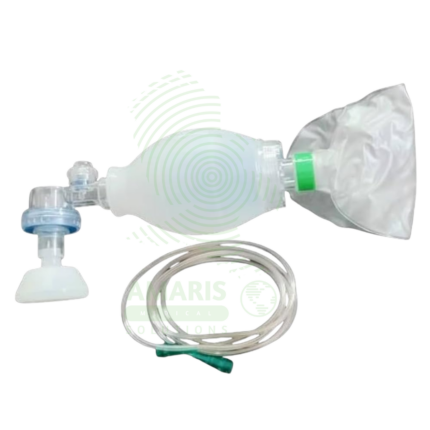
Breath Resuscitation Bag
A Breath Resuscitation Bag (manual resuscitator, bag-valve-mask) is a Class II medical device used to deliver positive-pressure ventilation to patients in respiratory arrest, cardiac arrest, or respiratory failure. Available in adult (1,500-2,000 mL), pediatric (450-750 mL), and infant/neonatal (200-350 mL) sizes with self-inflating silicone or PVC bags, one-way non-rebreathing valves, transparent cushioned masks, and oxygen reservoirs for high FiO2 delivery (90-100% with reservoir). Oxygen inlet allows connection to flow meter (10-15 L/min recommended). Pediatric/neonatal models include pressure-limiting valves (35-45 cmH2O) to prevent barotrauma. Essential for CPR (AHA guidelines: adult 10-12 breaths/min, child 12-20, infant 20-30), preoxygenation before intubation, transport ventilation, and recovery from anesthesia. Critical safety considerations include avoiding excessive ventilation pressure (prevents gastric insufflation), maintaining proper mask seal, monitoring chest rise, and having backup equipment readily available. Indispensable emergency airway equipment in hospitals, ambulances, crash carts, and emergency response kits worldwide.
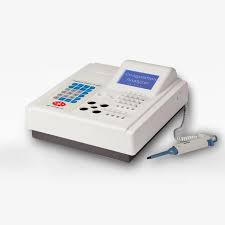
Coagulation Analyzer (TS4000)
The Coagulation Analyzer (TS4000) is a semi-automated, 4-channel benchtop coagulation analyzer using dual magnetic bead (electromechanical) clot detection technology to measure PT (prothrombin time), APTT (activated partial thromboplastin time), TT (thrombin time), and FIB (fibrinogen) in citrated plasma and whole blood samples . With a test range of 3-999 seconds, repeatability of <3% CV, and 4 channels for simultaneous testing , the analyzer delivers rapid, reliable coagulation profiles for preoperative risk assessment, anticoagulant therapy monitoring, and bleeding disorder diagnosis .
The Coagulation Analyzer (TS4000) features a 240×128 dot matrix LCD display, built-in thermal printer, 16 sample pre-warming positions, 5 reagent pre-warming positions (1 with stirring) , open reagent system compatible with any manufacturer's reagents, and electronic linked pipette with auto-start trigger for hands-free operation . Calibration curve storage for up to 18 parameters (5 points each) , 12-month QC data storage for PT, APTT, TT, FIB, RS-232 connectivity for LIS integration, and multi-unit result reporting (sec, %, g/L, mg/dL, IU/mL, %-INR, Ratio, Ratio-INR) ensure laboratory standards compliance .
For the anesthesiologist and hematologist, the Coagulation Analyzer (TS4000) delivers preoperative coagulation screening to identify high-risk surgical bleeding, INR monitoring for warfarin dose titration in atrial fibrillation and mechanical heart valve patients, APTT monitoring for heparin therapy, fibrinogen quantification for DIC diagnosis, and factor assays for inherited bleeding disorders (hemophilia A/B, factor deficiencies) . For the patient, accurate coagulation testing enables early detection of bleeding disorders before surgery, safe anticoagulation to prevent stroke and hemorrhage, diagnosis of DIC in critical illness, and appropriate factor replacement for hemophilia—preventing catastrophic bleeding, thrombotic complications, and improving survival across surgical, cardiac, and emergency care settings.
ECG Machine
An ECG Machine is a Class II medical device that records and displays the electrical activity of the heart through surface electrodes, producing an electrocardiogram for diagnosis of cardiac conditions. Standard diagnostic machines record 12 simultaneous leads (3 limb, 6 precordial, 1 ground) with frequency response 0.05-150 Hz, sampling rate 500-1,000 Hz, and high-resolution (5-10 µV) signal acquisition. Features include color touchscreen display, thermal array printer, computerized interpretation algorithms, internal memory (50-500+ ECGs), and network connectivity for EMR integration. Lead wires (AHA or IEC color coding) connect to disposable adhesive electrodes. Portable models (5-15 kg) with rechargeable batteries enable bedside and mobile use; cart-mounted units provide full diagnostic capability. Primary clinical applications include diagnosis of arrhythmias (AF, VT, bradycardia), detection of myocardial ischemia/infarction (STEMI, NSTEMI), evaluation of chest pain, preoperative cardiac risk assessment, monitoring electrolyte imbalances, assessment of chamber enlargement, and drug effect/toxicity monitoring. Essential diagnostic equipment in emergency departments, cardiology clinics, ICUs, operating rooms, and primary care settings worldwide.
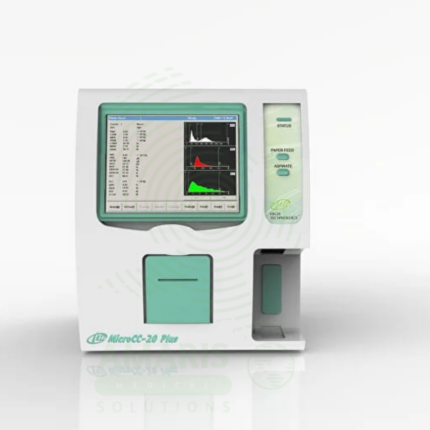
MicroCC-20 Plus VET Advanced Hematology Analyzer
The MicroCC-20 Plus VET Advanced Hematology Analyzer is a fully automated, 3-part differential (3-diff) benchtop veterinary hematology analyzer designed for companion animal, livestock, equine, and exotic species CBC testing . The instrument measures 20 parameters including complete blood count (CBC) with WBC, RBC, HGB, HCT, MCV, MCH, MCHC, RDW-SD, RDW-CV, PLT, MPV, PDW, PCT, P-LCR , and a 3-part white blood cell differential (LYM, MID, GRA) with both absolute counts and percentages .
Operating at 60 tests per hour with sample volumes of just 9.8 µL for whole blood or 20 µL for pre-diluted capillary samples , the analyzer uses electrical impedance technology (80 µm ruby aperture) for RBC and platelet counting, and colorimetric photometry (550 nm) for hemoglobin measurement . The 10.4 inch color LCD touchscreen with Windows-based operating system provides an intuitive graphical user interface with language options including English, Russian, Spanish, French, Ukrainian, and Chinese .
Pre-programmed species reference intervals are available for cat, dog, rabbit, pig, goat, horse, cow, buffalo, monkey, and 4 free programmable profiles for other mammals . The analyzer features comprehensive quality control with built-in L‑J, X‑R, and X‑B charting, 50,000 patient result memory with complete histograms and demographics , reagent level monitoring , and connectivity options including RS-232, USB x2, and RJ-45 Ethernet for LIS integration and external peripherals (keyboard, mouse, barcode reader, printer) .
For the veterinarian and veterinary laboratory scientist, the MicroCC‑20 Plus VET provides reliable, cost-effective hematology testing that supports accurate diagnosis of anemia, infection, inflammation, thrombocytopenia, and hematologic disorders across multiple species—including dogs, cats, horses, cattle, swine, goats, rabbits, and non-human primates . For the animal patient, rapid (60 tests/hour) and accurate CBC results enable timely diagnosis of anemia, early detection of infection, monitoring of chemotherapy effects, preoperative risk assessment, and appropriate treatment for bleeding disorders and hematologic diseases—improving veterinary patient outcomes across companion animal, livestock, equine, and wildlife medicine.
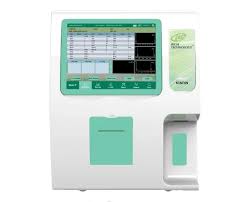
MicroCC-25 Plus Advanced Hematology Analyzer
The MicroCC-25 Plus Advanced Hematology Analyzer is a fully automated, 5-part differential (5-diff) benchtop hematology analyzer designed for small to medium-volume clinical laboratories, hospital satellite labs, and physician office laboratories . The instrument measures 25 parameters including complete blood count (CBC) with WBC, RBC, HGB, HCT, MCV, MCH, MCHC, RDW-CV, RDW-SD, PLT, MPV, PDW, PCT, P-LCR, P-LCC , and a five-part white blood cell differential (NEU, LYM, MON, EOS, BAS) with both absolute counts and percentages . It also reports 4 research parameters including atypical lymphocytes (ALY#, ALY%) and immature granulocytes (IG#, IG%) .
Operating at 60 samples per hour with sample volumes of just 15 µL for whole blood or 20 µL for pre-diluted capillary samples , the analyzer uses laser flow cytometry for the 5-part differential, electrical impedance (80 µm ruby aperture) for RBC and platelet counting, and colorimetric photometry (550 nm) for hemoglobin measurement . The 10.4 inch color LCD touchscreen with Windows-based operating system provides an intuitive graphical user interface with language options including English, Spanish, Russian, French, and Ukrainian .
The analyzer features comprehensive quality control with built-in L‑J, X‑R, and X‑B charting, 60 QC files x 500 results, mean/SD/CV% calculation, 100,000 patient result memory with complete histograms and demographics, reagent level monitoring with RFID tag identification, and bi-directional LIS connectivity (HL7 compatible) via USB x4, RJ-45 Ethernet, and external barcode reader . The built-in thermal printer and external printer support provide flexible result output options .
For the clinical laboratory scientist and pathologist, the MicroCC‑25 Plus provides reliable, cost-effective hematology testing that supports accurate diagnosis of anemia, infection, inflammation, thrombocytopenia, and hematologic malignancies across all patient populations including pediatric and geriatric patients requiring minimal specimen volumes . For the patient, rapid (60 tests/hour) and accurate CBC plus 5-part differential results enable timely diagnosis of anemia, early detection of infection, monitoring of chemotherapy effects, preoperative risk assessment, and appropriate treatment for bleeding disorders and hematologic diseases .
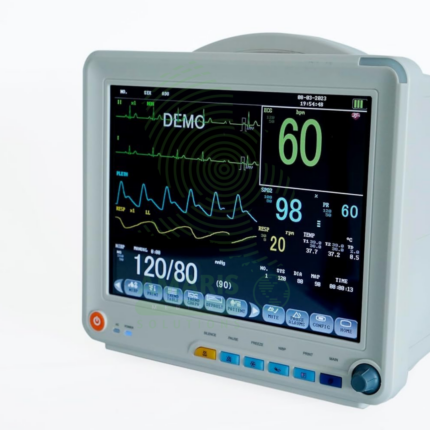
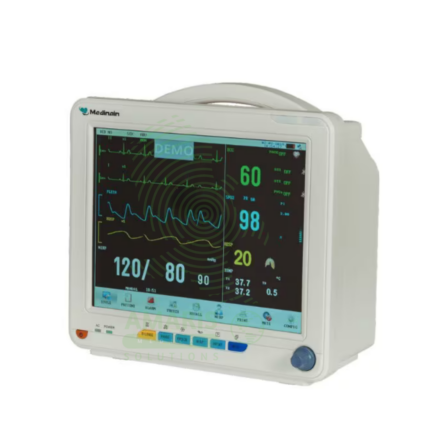
Patient Monitor
The Patient Monitor (6 Parameters BCCMS8000) is a versatile multi-parameter monitor designed for continuous surveillance of core vital signs in various clinical settings. It tracks six essential parameters—ECG, SpO2, Non-Invasive Blood Pressure (NIBP), Respiration, Temperature, and Pulse Rate—providing clinicians with real-time waveforms and numerical data on a clear color display. With its robust alarm system, battery backup for transport, and reliable performance, it is a fundamental tool for ensuring patient safety on general hospital wards, during procedures, and in emergency departments. Its design balances comprehensive monitoring capability with user-friendly operation.
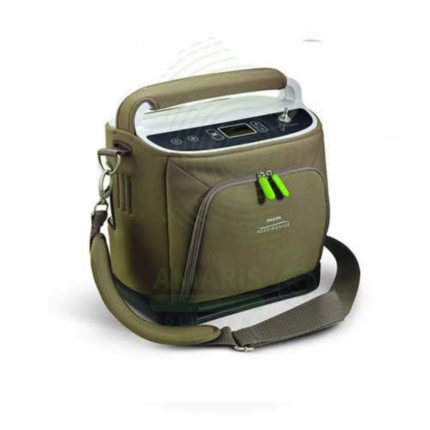
Portable Oxygen Concentrator
A Portable Oxygen Concentrator (POC) is a lightweight, battery-powered device that delivers oxygen via pulse dose technology, enabling active, mobile lifestyles for patients with chronic lung disease. By providing oxygen on-demand with each breath, it maximizes battery efficiency and portability, allowing users to travel, exercise, and socialize freely. It is a prescription-only device that requires careful titration to match a patient's needs during activity and is not a substitute for a stationary concentrator used at home and during sleep. Key considerations include FAA approval for air travel, battery life management, and understanding its specific use case as an ambulatory aid, not a primary oxygen source.