Dermatoscope and Magnifiers
 Diagnostic Kits
 Vital Signs Monitors
 Stethoscopes and Accessories
 Otoscopes, Ophthalmoscopes, and Retinoscopes
 Reflex Hammers and Neurological Tools
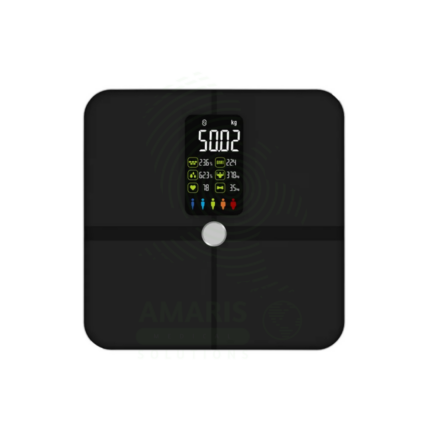
 Scales and Measuring Devices
 Spirometers and Pulmonary Function Tests
 Electrosurgical Units and Accessories
 Cutting Instruments
 Grasping and Holding Instruments
 Hemostatic Instruments
 Specialized Surgical Sets
 Single-Use Procedure Trays and Packs
 Surgical Drapes, Gowns, and Covers
 Tissue Unifying Instruments
 Radiation Protection
 X-Ray Machines and Accessories
 Ultrasound Systems and Probes
 MRI and CT Scanners
 Radiology Consumables
 Bone Densitometers
 Fluoroscopy Equipment
 Imaging Tables and Positioning Aids
 Microscopes and Accessories
 Centrifuges and Separators
 Analyzers
 Incubators and Ovens
 Pipettes, Dispensers, and Lab Glassware
 Refrigerators, Freezers, and Storage Units
 Lab Consumables
 Sterilizers and Autoclaves for Lab Use
 Multi-Parameter Monitors
 Ventilators and Respiratory Support Devices
 Defibrillators and AEDs
 Infusion Pumps and IV Systems
 Patient Warmers and Cooling Devices
 Central Monitoring Stations
 Accessories
 Anesthesia Machines and Workstations
 Oxygen Concentrators and Delivery Systems
 Nebulizers and Inhalers
 CPAP/BiPAP Machines
 Airway Management
 Anesthesia Masks, Circuits, and Bags
 Humidifiers and Heaters
 Respiratory Therapy Accessories
 First Aid Kits and Cabinets
 Emergency Resuscitation Equipment
 Trauma Supplies
 Emergency Carts and Crash Carts
 Burn Care Products
 Bleeding Control
 Automated External Defibrillators (AEDs)
 Transport and Evacuation
 Wheelchairs and Accessories
 Walkers, Crutches, and Canes
 Prosthetics and Orthotics
 Physical Therapy Equipment
 Transfer Devices
 Bathroom Safety
 Orthopedic Traction and Tables
 Hot/Cold Therapy Packs and Units
 Beds and Mattresses
 Chairs and Stools
 Tables
 Cabinets and Storage
 Privacy Screens & Curtains
 Stands and Racks
 Linens and Textiles
 Lighting
 Autoclaves and Sterilizers
 Ultrasonic Cleaners
 Disinfectant Solutions and Wipes
 Sterilization Pouches, Wraps, and Indicators
 Instrument Trays and Containers
 UV and Ozone Disinfection Devices
 Washer Disinfectors
 Wound Care
 Gloves
 Masks and Respirators
 Catheters and Tubing
 Swabs, Applicators, and Sponges
 Incontinence Products
 Personal Protective Equipment (PPE)
 Dental Chairs and Units
 Handpieces and Burs
 Instruments
 Consumables
 Sterilization for Dental Use
 Orthodontic Supplies
 Endodontic Tools
 Slit Lamps and Tonometers
 Lensometers and Phoropters
 Ophthalmic Surgical Instruments
 Eyewear Frames and Lenses
 Contact Lens Supplies
 Vision Testing Charts and Devices
 Eye Care Consumables
 Laser Systems for Eye Care
 ENT Exam Chairs and Tables
 Endoscopes
 Audiometers and Hearing Tests
 ENT Instruments
 Nasal and Throat Packs
 Hearing Aids and Accessories
 Otology Supplies
 Fetal Dopplers and Monitors
 Delivery Beds and Tables
 Gynecological Instruments
 Neonatal Incubators and Warmers
 Breast Pumps and Accessories
 Contraceptive Devices
 Maternity Supports and Pads
 Neonatal Consumables
 Cystoscopes and Urethroscopes
 Dialysis Machines and Supplies
 Urological Catheters and Bags
 Lithotripters
 Prostate Treatment Devices
 Urinary Incontinence Products
 Kidney Stone Management Tools
 Consumables & Disposables
 EEG and EMG Machines
 Neurosurgical Instruments
 Nerve Stimulators
 Headrests and Positioning Aids
 Lumbar Puncture Kits
 Seizure Monitoring Devices
 Consumables
 Rehabilitation for Neurological Conditions
 ECG Machines and Accessories
 Holter Monitors
 Stress Test Systems
 Pacemakers and Defibrillator Accessories
 Vascular Access Devices
 Cardiac Catheters and Guidewires
 Blood Flow Meters
 Consumables
 Orthopedic Instruments
 Casts, Splints, and Padding
 Joint Replacement Supplies
 Prosthetic Limbs and Components
 Bone Grafts and Substitutes
 Traction Devices
 Orthopedic Braces and Supports
 Rehabilitation Aids for Orthopedics
 Home Oxygen Therapy
 Hospital Beds for Home Use
 Mobility Aids
 Bathroom and Daily Living Aids
 Wound Care for Home
 Monitoring Devices
 Enteral Feeding Pumps and Tubes
 Hand Sanitizers and Dispensers
 Face Shields and Goggles
 Isolation Gowns and Suits
 Biohazard Waste Containers
 Air Purifiers and HEPA Filters
 Surface Disinfectants
 Sharps Containers
 Protective Barriers
 Cardiovascular & Endurance Training
 Strength Training & Weightlifting
 Functional Training & Core Conditioning
 Physical Therapy & Rehabilitation
 Sports & Outdoor Recreation
 Gym Flooring & Facility Equipment
 Fitness Monitoring & Accessories
 Kids & Novelties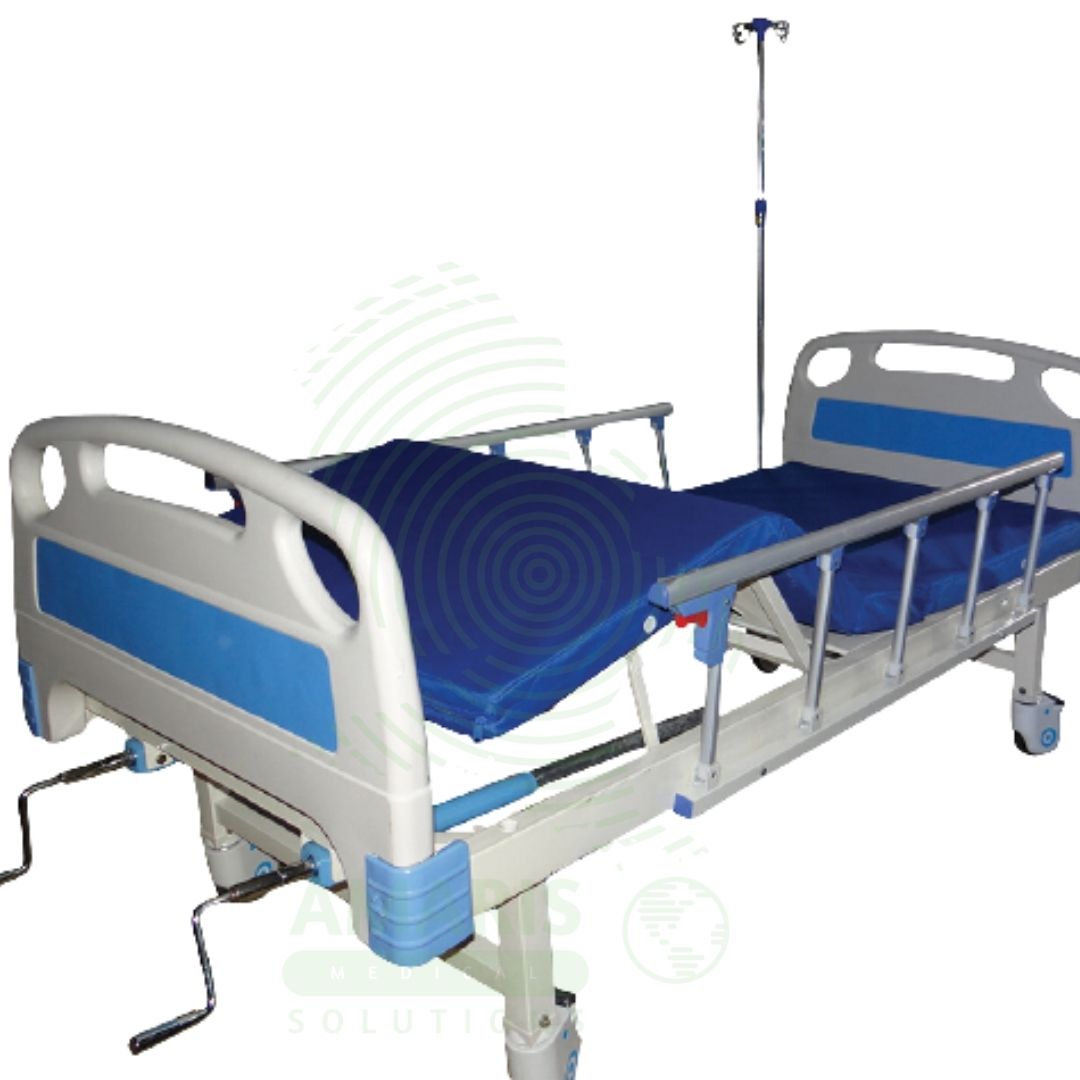
Two Crank Manual Bed
$1.00
WhatsApp Order
A Two Crank Manual Bed is a manually adjustable hospital bed providing two essential positioning functions: head elevation and knee elevation via hand-operated cranks. Used in hospitals, long-term care facilities, and home healthcare settings, it supports patient comfort, respiratory function, pressure injury prevention, and feeding safety without reliance on electricity. Reliable during power outages and cost-effective for resource-limited settings, it provides essential positioning functions for patients requiring long-term bed rest or support for activities of daily living.
Description
Two Crank Manual Bed
PRIMARY CLINICAL & DIAGNOSTIC USES
1. Manual Patient Positioning for Medical Care
-
Primary Use: Provides manual crank adjustment of two essential functions: head elevation (Fowler position) and knee elevation (Gatch position). These functions support patient positioning for medical procedures, respiratory support, feeding, and daily care activities without the need for electricity.
-
How it helps: For the nursing team and caregivers, manual cranks allow precise positioning of the patient without reliance on electricity—providing reliable adjustability in settings where electrical beds are not available or during power outages. For the patient, the ability to be positioned upright for meals, breathing support, or comfort contributes to quality of care even in resource-limited settings.
2. Respiratory Support and Airway Management
-
Primary Use: Head elevation facilitates breathing for patients with respiratory conditions including chronic obstructive pulmonary disease, pneumonia, asthma, and post-operative respiratory compromise. Elevating the head reduces the work of breathing and improves oxygenation.
-
How it helps: For the bedside nurse and respiratory therapist, manual head elevation provides a non-pharmacological intervention that eases breathing—using gravity to assist diaphragmatic excursion and reduce the work of breathing. For the patient with respiratory difficulty, being raised to a semi-sitting position can provide relief, reducing the panic of air hunger and allowing them to breathe more comfortably.
3. Pressure Injury Prevention
-
Primary Use: Head and knee elevation allow for pressure redistribution by changing the patient’s position throughout the day. Regular position changes help offload pressure from the sacrum, heels, and other bony prominences, reducing the risk of pressure ulcers in immobilized patients.
-
How it helps: For the wound care nurse and care team, manual positioning allows for regular pressure relief without relying on electric beds—supporting pressure injury prevention protocols even in facilities with limited resources. For the patient, the ability to change position helps maintain skin integrity and prevent the development of painful pressure injuries.
4. Feeding and Aspiration Prevention
-
Primary Use: Head elevation to at least 30-45 degrees during and after meals supports safe feeding and reduces the risk of aspiration in patients with swallowing difficulties, neurological impairment, or post-operative status. Proper positioning during feeding is essential for patient safety.
-
How it helps: For the nursing team managing patients with dysphagia, manual head elevation allows proper positioning for meals—using gravity to protect the airway and direct food safely into the esophagus. For the patient at risk of aspiration, proper positioning during meals can mean the difference between safe oral intake and life-threatening aspiration pneumonia.
5. Reliable Function During Power Outages
-
Primary Use: The manual crank system ensures continued patient positioning capability during power outages or in settings where electricity is unreliable. No electrical components means the bed remains fully functional regardless of power availability.
-
How it helps: For the facility manager and care team in resource-limited settings or areas with unreliable power, manual beds provide uninterrupted patient care capability—ensuring that patients can still be positioned safely even when electricity is unavailable. For the patient, this reliability means consistent care regardless of external circumstances.
SECONDARY & SUPPORTIVE USES
1. Cost-Effective Patient Care: Provides essential positioning functions at lower cost than electric beds, making it accessible for resource-limited facilities and home care settings.
2. Post-Operative Recovery: Head and knee elevation support post-operative recovery by reducing edema, promoting circulation, and providing comfortable positioning for healing.
3. Cardiac Support: Head elevation reduces cardiac workload and can be beneficial for patients with heart failure or after cardiac surgery.
4. Neurological Care: Positioning supports patients with stroke, brain injury, or neurological conditions requiring specific head and trunk alignment.
5. Home Healthcare: Suitable for home care settings where patients require long-term bed rest and positioning support without the complexity or cost of electric beds.
6. Long-Term Care: Commonly used in long-term care facilities where manual beds provide essential positioning functions.
KEY PRODUCT FEATURES
1. BASIC IDENTIFICATION ATTRIBUTES
-
Product Type: A manual hospital bed with two crank-operated positioning functions for patient care.
-
Designation: 2 Crank Manual Bed, Manual Hospital Bed, Gatch Bed, Manual Adjustable Bed, Two Crank Bed.
-
Key Components:
-
Bed Frame: Steel frame with powder-coated finish.
-
Mattress Platform: Articulating sections for head and knee positioning.
-
Head Crank: Manual crank mechanism for head elevation.
-
Knee Crank: Manual crank mechanism for knee elevation.
-
Side Rails: Half or full-length rails for patient safety (optional).
-
Castors: Locking wheels for mobility and stability.
-
Headboard/Footboard: Removable panels for patient access.
-
2. TECHNICAL & PERFORMANCE PROPERTIES
-
Weight Capacity: Standard models 300-500 lbs; bariatric models available.
-
Head Elevation Range: 0-75 degrees (Fowler position) via manual crank.
-
Knee Elevation Range: 0-35 degrees (Gatch position) via manual crank.
-
Height: Fixed height; no height adjustment (varies by model).
-
Crank Mechanisms: Geared for smooth operation with minimal effort.
3. PHYSICAL & OPERATIONAL PROPERTIES
-
Frame Material: Powder-coated steel for durability and corrosion resistance.
-
Mattress: Compatible with standard hospital mattresses.
-
Controls: Hand-operated cranks located at the footboard or side of bed.
-
Castors: 4-5 inch locking castors for mobility.
4. SAFETY & COMPLIANCE ATTRIBUTES
-
Regulatory Status: Class I medical device (manual operation, no electrical components).
-
Weight Capacity Testing: Validated for stated weight capacity.
-
Side Rails: Compliant with FDA guidance for hospital bed side rails if equipped.
5. STORAGE & HANDLING ATTRIBUTES
-
Storage: Stored in a patient room or designated storage area.
-
Cleaning: Clean with hospital-grade disinfectants; follow manufacturer guidelines.
-
Maintenance: Regular inspection of crank mechanisms, castors, and frame integrity; lubricate cranks as needed.
6. LABORATORY & CLINICAL APPLICATIONS
-
Primary Application: Patient positioning for medical care, respiratory support, pressure injury prevention, and feeding safety.
-
Clinical Role: Essential equipment for hospitals, long-term care facilities, and home healthcare settings, particularly in resource-limited environments.
SAFETY HANDLING PRECAUTIONS
1. SAFETY PRECAUTIONS
-
Crank Operation: Operate cranks smoothly; do not force if resistance is met; check for obstructions.
-
Weight Capacity: Do not exceed stated weight capacity; verify capacity for patient weight.
-
Side Rails: Use side rails as appropriate for patient fall risk; ensure proper positioning to prevent entrapment.
-
Castors: Lock castors when bed is stationary; unlock only for transport.
-
Position Changes: Adjust positions slowly; ensure the patient is properly positioned before making changes.
-
Crank Storage: Ensure cranks are stored in a retracted position when not in use to prevent injury.
2. FIRST AID MEASURES
-
Crank Failure: If crank mechanism fails, maintain patient position; contact maintenance for repair; use alternative positioning methods as needed.
-
Pinch Injury: If fingers are pinched in the crank mechanism, remove from area; clean and bandage as needed; seek medical attention for serious injury.
-
Patient Entrapment: If entrapment occurs, stop positioning immediately; assess patient; reposition as needed.
3. FIRE FIGHTING MEASURES
-
Flammability: Bed components are combustible.
-
Extinguishing Media: Use water, foam, or CO₂ as appropriate for surrounding materials.
Related products
Analogue Bathroom Weighing Scale
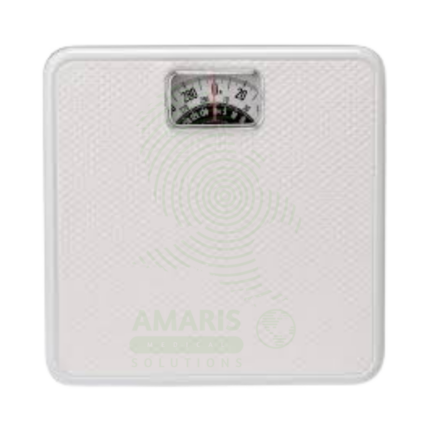
An Analogue Bathroom Weighing Scale is a mechanical Class I medical device (for health monitoring) using a precision spring and lever system to measure body weight without batteries or electronics. Features include enameled steel, stainless steel, or ABS plastic platform (25-30 cm square), large circular dial (10-15 cm diameter) with clear numerals and pointer, zero adjustment knob for calibration before each use, weight capacity 120-180 kg (265-400 lbs) standard (heavy-duty models to 250 kg/550 lbs), and graduation 0.5 kg or 1 lb increments with accuracy ±0.5-1 kg. Primary clinical applications include home weight monitoring for patients who prefer non-electronic devices, chronic disease management in resource-limited settings (heart failure, CKD), geriatric and low-vision patient weighing (large, clear dial), bariatric patient monitoring (higher weight capacities), pediatric growth monitoring in home settings, pregnancy weight tracking, and post-hospitalization transition monitoring. Critical safety considerations include verifying zero adjustment before each use, placement on hard level surface (not carpet), staying within weight capacity, reading at eye level to avoid parallax error, and recognizing that spring fatigue over years may affect accuracy. Essential non-electronic alternative for patients needing simple, reliable, battery-free weight monitoring.
Blood Bank Freezer
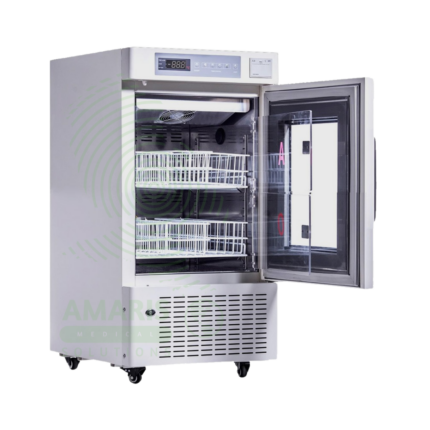
A Blood Bank Freezer is a specialized Class II medical device designed for the safe, temperature-controlled frozen storage of blood components including fresh frozen plasma (FFP), cryoprecipitate, and other frozen plasma products at temperatures of -18°C to -35°C (standard plasma freezers) or -65°C to -80°C (for frozen red cells). Meeting stringent AABB, FDA, CAP, and EU regulatory standards, these freezers feature heavy-duty refrigeration systems, forced-air circulation for temperature uniformity (±2-3°C), microprocessor controls with digital displays, redundant temperature monitoring with chart recorders or digital data loggers, and multi-level alarm systems (audible, visual, remote) for high/low temperature, power failure, and door/lid ajar. Available in upright or chest configurations with capacities from 200-1,500+ liters, specialized blood bag racks, pull-out drawers, and secure locking. Primary clinical applications include long-term storage of fresh frozen plasma (12 months at -18°C), cryoprecipitate storage, frozen plasma components for transfusion, cryoprecipitate-rich plasma, long-term storage of rare blood products, and research/reference laboratory sample storage. Essential equipment for hospital blood banks, transfusion services, blood donor centers, and reference laboratories requiring validated, reliable frozen storage for critical blood components with full regulatory compliance and documented temperature monitoring.
Compressor Nebulizer Machine
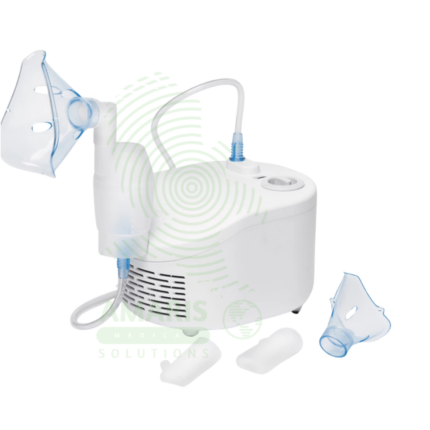
A Compressor Nebulizer Machine is a pneumatic device that transforms liquid medication into a breathable mist for treating respiratory conditions. Consisting of an electric air compressor, a nebulizer cup, tubing, and a mask or mouthpiece, it is particularly effective for infants, children, and patients with severe asthma, COPD, or cystic fibrosis who require reliable aerosol delivery. While offering robust performance for home and clinical use, its safety and efficacy depend critically on proper cleaning to prevent infection, correct assembly, and the use of prescribed nebulizer-compatible medications. It remains a fundamental tool for both acute intervention and chronic management of pulmonary diseases.
Digital Weighing Scale With Height
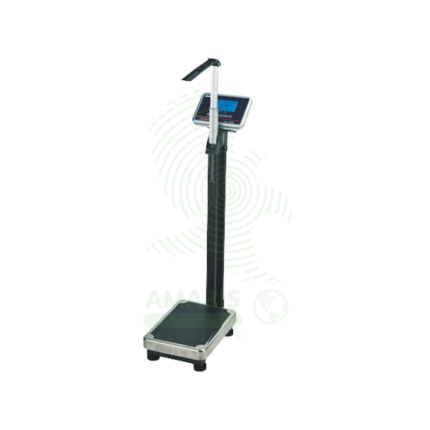
A Digital Weighing Scale With Height is a Class I medical device combining precision electronic load cell technology (accuracy ±0.1 kg, capacity 200-500 kg) with integrated mechanical or electronic height measurement (range 60-220 cm, accuracy ±2-5 mm) for comprehensive anthropometric assessment in clinical settings. Features include backlit LCD display with automatic BMI calculation, tare function for wheelchair weighing, hold function for unsteady patients, data output options (USB/Bluetooth/RS-232) for EMR integration, locking casters for mobility, and AC power with battery backup. Primary clinical applications include comprehensive anthropometric assessment in primary care, pediatric growth monitoring, adult obesity screening and weight management, bariatric surgery pre- and post-operative assessment, geriatric nutritional status monitoring, oncology chemotherapy dosing (BSA calculation), and clinical research. Critical safety considerations include locking casters before patient use, verifying zero before each measurement, providing step assistance for mobility-impaired patients, staying within weight capacity, and regular calibration verification with certified test weights. Essential digital equipment for efficient, accurate, and documented anthropometric assessment in modern clinical practice.
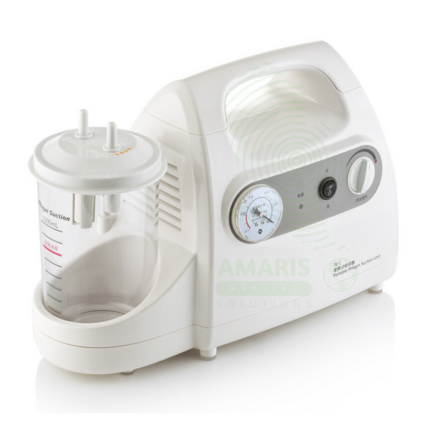
Electric Suction Machine
An Electric Suction Machine is a portable, electrically-powered medical device that generates vacuum pressure to remove fluids and secretions from a patient's airway, surgical site, or wound. It is a critical tool for maintaining a patent airway in emergency, surgical, post-operative, and chronic home care settings. The unit consists of a vacuum pump, a disposable collection canister with overflow protection, connecting tubing, and patient-end accessories. Key performance features include adjustable suction pressure, adequate airflow, and often battery backup for reliability. Strict adherence to pressure settings, suction duration, and single-use disposable components is essential for patient safety and infection control.
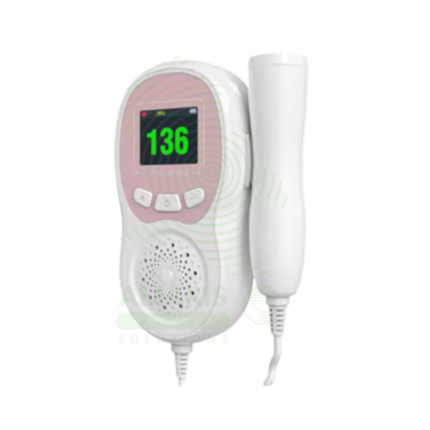
Fetoheart Sonic Aid Doppler (home use)
A Fetoheart Sonic Aid (Doppler) for Home Use is a consumer-grade, FDA-cleared handheld ultrasound device (2-3 MHz) that enables expectant parents to detect and listen to fetal heart sounds in the home environment from approximately 16 weeks gestation. Features include compact lightweight design (100-250g), simple controls, digital heart rate display (50-210 bpm), built-in speaker, headphone jack, and AA battery or USB rechargeable power. Continuous wave Doppler technology provides real-time audio of fetal heart sounds for maternal reassurance and bonding. Primary applications include maternal reassurance and emotional bonding between prenatal visits, confirmation of fetal activity, supplemental monitoring for high-risk pregnancies under provider guidance, and family involvement in the pregnancy experience. Critical safety information includes FDA-mandated labeling that device is for reassurance only (not medical diagnosis), optimal use after 16 weeks, limitation to 5–10-minute sessions, recognition that inability to detect heartbeat may not indicate a problem, and requirement to continue regular prenatal care. Not a substitute for professional medical evaluation; seek immediate care for bleeding, pain, fluid leakage, or decreased fetal movement.
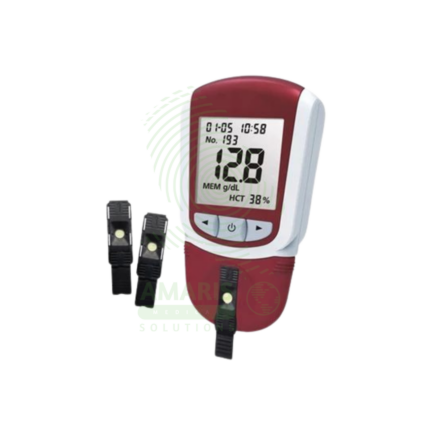
Mission Plus HB Machine
The Mission Plus HB Machine is a portable, battery-operated hemoglobin meter (Class II medical device, FDA-cleared/CE-marked) using photometric technology to measure hemoglobin concentration in capillary or venous blood within 5-15 seconds. Features include backlit LCD display, memory storage for 100-500 results, simple one-button operation, and disposable single-use cuvettes (5-20 µL sample volume). Accuracy ±0.3 g/dL compared to reference methods, measurement range 4-24 g/dL. Primary clinical applications include rapid anemia screening in outpatient clinics, preoperative assessment, antenatal care and maternal health monitoring, malaria-endemic region screening, chronic disease management (CKD, IBD, cancer), nutritional assessment and intervention programs, and blood donor screening. Critical safety precautions include single-use lancets, proper hand hygiene, correct sample application, quality control with control solutions, proper cuvette storage (protect from heat, light, humidity), and never using expired cuvettes. Essential point-of-care device for hemoglobin testing in diverse healthcare settings.