Dermatoscope and Magnifiers
 Diagnostic Kits
 Vital Signs Monitors
 Stethoscopes and Accessories
 Otoscopes, Ophthalmoscopes, and Retinoscopes
 Reflex Hammers and Neurological Tools
 Scales and Measuring Devices
 Spirometers and Pulmonary Function Tests
 Electrosurgical Units and Accessories
 Cutting Instruments
 Grasping and Holding Instruments
 Hemostatic Instruments
 Specialized Surgical Sets
 Single-Use Procedure Trays and Packs
 Surgical Drapes, Gowns, and Covers
 Tissue Unifying Instruments
 Radiation Protection
 X-Ray Machines and Accessories
 Ultrasound Systems and Probes
 MRI and CT Scanners
 Radiology Consumables
 Bone Densitometers
 Fluoroscopy Equipment
 Imaging Tables and Positioning Aids
 Microscopes and Accessories
 Centrifuges and Separators
 Analyzers
 Incubators and Ovens
 Pipettes, Dispensers, and Lab Glassware
 Refrigerators, Freezers, and Storage Units
 Lab Consumables
 Sterilizers and Autoclaves for Lab Use
 Multi-Parameter Monitors
 Ventilators and Respiratory Support Devices
 Defibrillators and AEDs
 Infusion Pumps and IV Systems
 Patient Warmers and Cooling Devices
 Central Monitoring Stations
 Accessories
 Anesthesia Machines and Workstations
 Oxygen Concentrators and Delivery Systems
 Nebulizers and Inhalers
 CPAP/BiPAP Machines
 Airway Management
 Anesthesia Masks, Circuits, and Bags
 Humidifiers and Heaters
 Respiratory Therapy Accessories
 First Aid Kits and Cabinets
 Emergency Resuscitation Equipment
 Trauma Supplies
 Emergency Carts and Crash Carts
 Burn Care Products
 Bleeding Control
 Automated External Defibrillators (AEDs)
 Transport and Evacuation
 Wheelchairs and Accessories
 Walkers, Crutches, and Canes
 Prosthetics and Orthotics
 Physical Therapy Equipment
 Transfer Devices
 Bathroom Safety
 Orthopedic Traction and Tables
 Hot/Cold Therapy Packs and Units
 Beds and Mattresses
 Chairs and Stools
 Tables
 Cabinets and Storage
 Privacy Screens & Curtains
 Stands and Racks
 Linens and Textiles
 Lighting
 Autoclaves and Sterilizers
 Ultrasonic Cleaners
 Disinfectant Solutions and Wipes
 Sterilization Pouches, Wraps, and Indicators
 Instrument Trays and Containers
 UV and Ozone Disinfection Devices
 Washer Disinfectors
 Wound Care
 Gloves
 Masks and Respirators
 Catheters and Tubing
 Swabs, Applicators, and Sponges
 Incontinence Products
 Personal Protective Equipment (PPE)
 Dental Chairs and Units
 Handpieces and Burs
 Instruments
 Consumables
 Sterilization for Dental Use
 Orthodontic Supplies
 Endodontic Tools
 Slit Lamps and Tonometers
 Lensometers and Phoropters
 Ophthalmic Surgical Instruments
 Eyewear Frames and Lenses
 Contact Lens Supplies
 Vision Testing Charts and Devices
 Eye Care Consumables
 Laser Systems for Eye Care
 ENT Exam Chairs and Tables
 Endoscopes
 Audiometers and Hearing Tests
 ENT Instruments
 Nasal and Throat Packs
 Hearing Aids and Accessories
 Otology Supplies
 Fetal Dopplers and Monitors
 Delivery Beds and Tables
 Gynecological Instruments
 Neonatal Incubators and Warmers
 Breast Pumps and Accessories
 Contraceptive Devices
 Maternity Supports and Pads
 Neonatal Consumables
 Cystoscopes and Urethroscopes
 Dialysis Machines and Supplies
 Urological Catheters and Bags
 Lithotripters
 Prostate Treatment Devices
 Urinary Incontinence Products
 Kidney Stone Management Tools
 Consumables & Disposables
 EEG and EMG Machines
 Neurosurgical Instruments
 Nerve Stimulators
 Headrests and Positioning Aids
 Lumbar Puncture Kits
 Seizure Monitoring Devices
 Consumables
 Rehabilitation for Neurological Conditions
 ECG Machines and Accessories
 Holter Monitors
 Stress Test Systems
 Pacemakers and Defibrillator Accessories
 Vascular Access Devices
 Cardiac Catheters and Guidewires
 Blood Flow Meters
 Consumables
 Orthopedic Instruments
 Casts, Splints, and Padding
 Joint Replacement Supplies
 Prosthetic Limbs and Components
 Bone Grafts and Substitutes
 Traction Devices
 Orthopedic Braces and Supports
 Rehabilitation Aids for Orthopedics
 Home Oxygen Therapy
 Hospital Beds for Home Use
 Mobility Aids
 Bathroom and Daily Living Aids
 Wound Care for Home
 Monitoring Devices
 Enteral Feeding Pumps and Tubes
 Hand Sanitizers and Dispensers
 Face Shields and Goggles
 Isolation Gowns and Suits
 Biohazard Waste Containers
 Air Purifiers and HEPA Filters
 Surface Disinfectants
 Sharps Containers
 Protective Barriers
 Cardiovascular & Endurance Training
 Strength Training & Weightlifting
 Functional Training & Core Conditioning
 Physical Therapy & Rehabilitation
 Sports & Outdoor Recreation
 Gym Flooring & Facility Equipment
 Fitness Monitoring & Accessories
 Kids & Novelties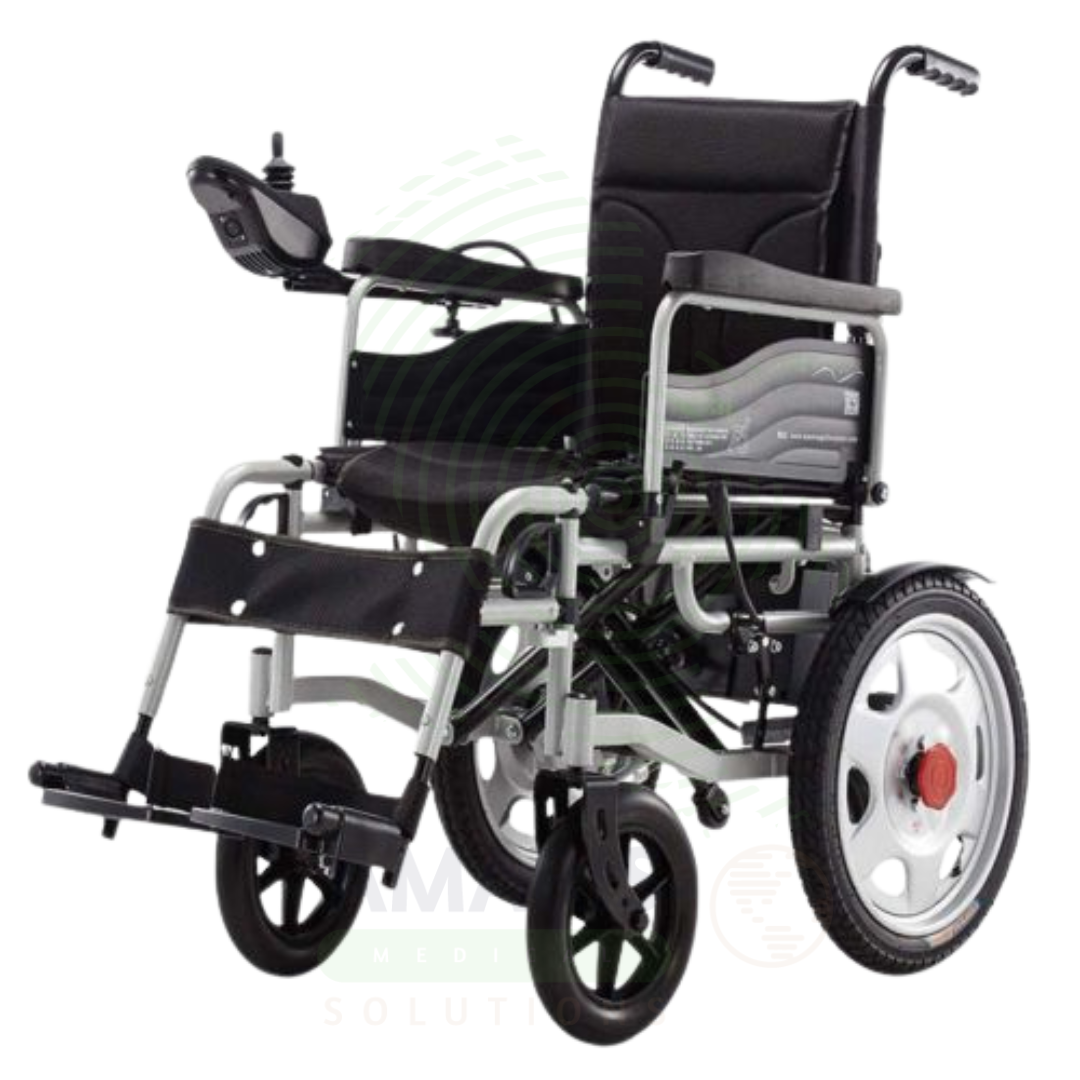
Economic Electric Wheelchair
$1.00
WhatsApp Order
An Economic Electric Wheelchair is a basic powered mobility device designed to provide essential electric mobility at a lower cost point, making power chair access available to individuals with limited financial resources or those new to powered mobility. It offers fundamental mobility functions without advanced positioning features, enabling independent movement within home and community settings. Used in home healthcare, rehabilitation, and long-term care, it provides a cost-effective entry point to powered mobility.
Description
Economic Electric Wheelchair
PRIMARY CLINICAL & DIAGNOSTIC USES
1. Affordable Powered Mobility for Individuals with Limited Resources
-
Primary Use: Provides basic powered mobility at a lower cost point, making electric wheelchair access available to individuals who may not qualify for or afford premium power chairs. It offers essential mobility functions without advanced features such as tilt-in-space, recline, or elevating leg rests.
-
How it helps: For the rehabilitation specialist and case manager working with patients who have limited insurance coverage or financial resources, the economic electric wheelchair provides a viable option for powered mobility—allowing patients to gain independence when premium chairs are not accessible. For the patient who needs power mobility but faces financial barriers, an economic chair means they can still achieve independence and community participation.
2. Basic Independent Mobility for Individuals with Moderate Mobility Impairment
-
Primary Use: Provides powered mobility for individuals with moderate mobility impairments who have some upper body strength but cannot self-propel a manual wheelchair over longer distances or varied terrain. The basic electric drive system allows independent movement within home and community settings.
-
How it helps: For the physiatrist and physical therapist managing patients who have partial mobility but require assistance for longer distances, the economic electric wheelchair provides the powered support needed to maintain independence—allowing patients to conserve energy for essential activities while still moving independently. For the patient with moderate mobility limitations, an economic chair provides the bridge between manual wheelchair dependence and full independence.
3. Community Access and Participation
-
Primary Use: Enables users to travel to medical appointments, grocery stores, community events, and social activities without relying on caregiver assistance for propulsion, promoting social engagement and reducing isolation.
-
How it helps: For the community integration specialist and social worker, the economic electric wheelchair provides a tool for combating social isolation—allowing users to participate in community life when they might otherwise be homebound. For the individual whose mobility limitations have limited their ability to engage with the community, an economic power chair opens doors to social connection, medical care, and daily activities.
4. Energy Conservation for Patients with Chronic Conditions
-
Primary Use: Allows individuals with conditions causing chronic fatigue, including heart failure, COPD, and post-polio syndrome, to conserve energy by providing powered mobility for daily activities and outings.
-
How it helps: For the cardiologist, pulmonologist, and rehabilitation specialist managing patients with limited energy reserves, the economic electric wheelchair provides powered assistance that helps patients conserve energy—allowing them to participate in essential activities without becoming exhausted. For the patient with chronic fatigue, conserving energy means they can choose how to spend their limited reserves on activities that matter most.
5. Entry-Level Powered Mobility for New Users
-
Primary Use: Serves as an entry-level power chair for individuals transitioning from manual wheelchair use or who are new to powered mobility, offering essential functions at a lower cost while the user determines their long-term mobility needs.
-
How it helps: For the rehabilitation specialist and occupational therapist working with patients new to powered mobility, the economic electric wheelchair provides a lower-cost entry point—allowing patients to experience the benefits of power mobility while determining whether they will require advanced features in the future. For the patient who is uncertain about their long-term needs, an economic chair allows them to gain independence without a significant financial commitment.
SECONDARY & SUPPORTIVE USES
1. Basic Home Mobility: Provides essential powered mobility for navigating within the home, including hallways, doorways, and between rooms.
2. Caregiver Relief: Reduces the physical burden on family caregivers who would otherwise need to push a manual wheelchair.
3. Indoor-Outdoor Use: Suitable for both indoor environments and paved outdoor surfaces such as sidewalks and parking lots.
4. Pediatric Applications: Smaller, economic electric wheelchairs available for children requiring powered mobility.
5. Short-Term or Rental Use: May be used as rental chairs for temporary mobility needs following surgery or injury.
6. Facility Use: Suitable for use in long-term care facilities, hospitals, and rehabilitation centers where multiple users may require powered mobility.
KEY PRODUCT FEATURES
1. BASIC IDENTIFICATION ATTRIBUTES
-
Product Type: A basic, lower-cost powered wheelchair providing essential mobility functions without advanced positioning features.
-
Designation: Economic Electric Wheelchair, Basic Power Wheelchair, Entry-Level Power Chair, Standard Power Wheelchair.
-
Key Components:
-
Power Base: Basic electric drive system with motors and batteries.
-
Seating System: Standard seat cushion and backrest; no tilt, recline, or elevating leg rests.
-
Controls: Standard joystick control system.
-
Frame: Steel or aluminum construction for durability.
-
Batteries: Standard deep-cycle batteries.
-
2. TECHNICAL & PERFORMANCE PROPERTIES
-
Drive Speed: Typically 3-4 mph.
-
Range: Typically 8-12 miles per charge.
-
Weight Capacity: Standard 250-300 lbs.
-
Weight: Heavier than lightweight models; typically 100-150 lbs.
-
Drive Configuration: Typically rear-wheel or front-wheel drive.
-
Controls: Standard joystick; limited programmability.
3. PHYSICAL & OPERATIONAL PROPERTIES
-
Frame Material: Steel or aluminum.
-
Portability: May disassemble for transport but heavier than premium models.
-
Controls: Basic joystick with essential functions.
-
Seat Width: Various sizes available; typically fixed seat width.
4. SAFETY & COMPLIANCE ATTRIBUTES
-
Regulatory Status: Class II medical device regulated by FDA.
-
Safety Standards: Compliant with basic ANSI/RESNA standards.
-
Electrical Safety: Compliant with IEC 60601-1.
5. STORAGE & HANDLING ATTRIBUTES
-
Storage: Stored in the user's living space; battery charged overnight.
-
Cleaning: Wipe with mild soap and water; follow manufacturer guidelines.
-
Maintenance: Regular inspection of batteries, tires, and controls.
6. LABORATORY & CLINICAL APPLICATIONS
-
Primary Application: Affordable powered mobility for individuals with limited resources, entry-level users, and those requiring basic powered mobility.
-
Clinical Role: Used in home healthcare, rehabilitation, long-term care, and community settings.
SAFETY HANDLING PRECAUTIONS
1. SAFETY PRECAUTIONS
-
Weight Capacity: Do not exceed stated weight capacity.
-
Transfer: Use appropriate transfer techniques when entering or exiting the chair.
-
Battery Maintenance: Follow manufacturer guidelines for battery charging and maintenance.
-
Regular Inspection: Have a wheelchair inspected regularly by a qualified technician.
2. FIRST AID MEASURES
-
Mechanical Failure: If chair fails, use manual freewheel mode if available; contact service provider.
-
Power Failure: Have a backup plan for mobility if batteries deplete.
3. FIRE FIGHTING MEASURES
-
Flammability: Plastic and fabric components are combustible; batteries may pose fire risk.
-
Extinguishing Media: For electrical fire, use CO₂ or dry chemical extinguisher.
Related products
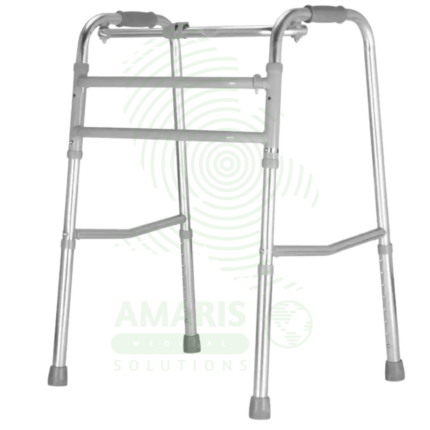
Adult Walking Frame
An Adult Walking Frame is a rigid, non-wheeled mobility aid designed to provide maximum stability during walking. It is used by lifting and placing the frame forward with each step, making it ideal for individuals with severe balance issues, significant weakness, or those in early post-operative recovery. Key features include a lightweight aluminum frame, height-adjustable legs, and replaceable rubber tips. Proper fitting and gait training by a healthcare professional are essential for safe use, as incorrect technique can increase fall risk. It is the most stable ambulatory aid before progressing to wheeled walkers or canes.
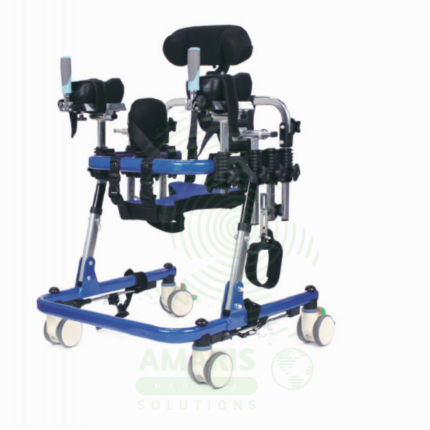
Cerebral Palsy Walker
A Cerebral Palsy Walker (or Gait Trainer) is a supportive wheeled frame specifically designed to facilitate walking and standing for children with CP. It provides adjustable postural support through a harness, trunk pad, and pelvic guide, enabling safe practice of gait patterns, weight-bearing, and upright mobility. Its primary role is therapeutic, aiming to develop ambulation skills, improve postural control, and promote independence. Correct professional setup and supervision are essential for safety and to ensure it reinforces proper movement rather than abnormal patterns.
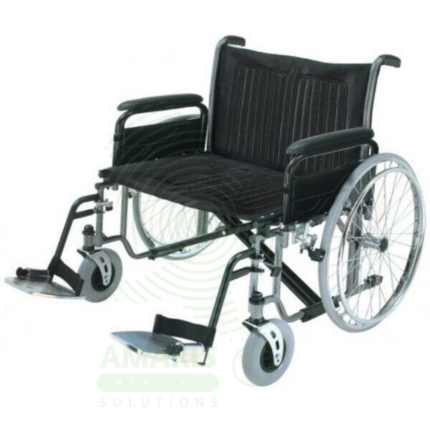
Extra Wide Wheelchair
An Extra Wide Wheelchair is a heavy-duty manual wheelchair designed with a seat width greater than 20 inches to safely and comfortably accommodate bariatric patients or individuals with unique seating needs. Key features include a reinforced wide frame, high weight capacity, wide footrests, and robust components. Its primary use is to provide dignified and stable mobility for patients of size, though its increased dimensions require careful planning for doorway accessibility and make it heavier and less maneuverable than standard chairs. It is a fundamental tool for safe patient handling in bariatric care.
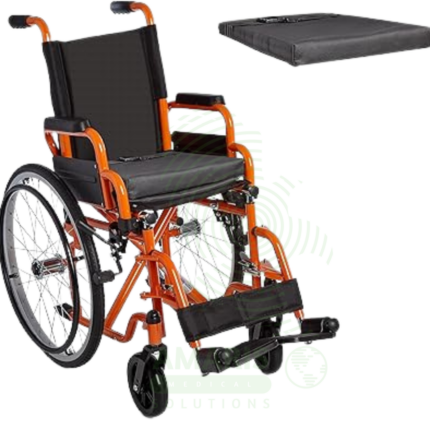
Pediatric Wheelchair
A Pediatric Wheelchair is a specially sized and designed mobility device for children with long-term physical disabilities. Its core functions are to provide independent or assisted mobility, deliver critical postural support to promote proper skeletal development and prevent deformities, and serve as a platform for inclusion in home, school, and community life. Unlike adult chairs, it features extensive adjustability to accommodate growth and modular seating systems tailored to each child's specific postural and medical needs. Prescription and fitting by a rehabilitation team are essential for safe and effective use.
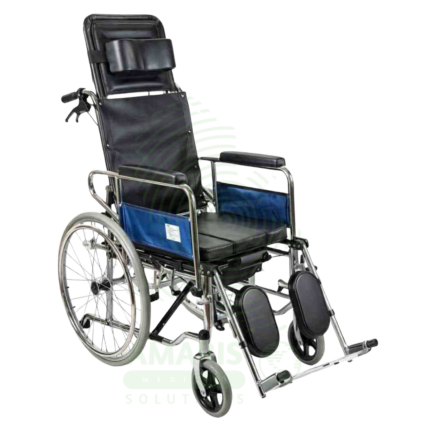
Reclining Commode Wheelchair
A Reclining Commode Wheelchair is a complex manual chair that integrates a reclining backrest with a commode seat. It is designed for patients who require adjustable positioning for pressure relief, respiratory support, or comfort, and who need a built-in toileting solution. It addresses the needs of individuals with severe neurological conditions, spinal injuries, or advanced illnesses. Critical safety features include anti-tip levers, a mandatory seat belt, and a robust recline lock. Its use requires vigilant attention to stability and shear prevention, making it a specialized tool for high-dependency care settings.
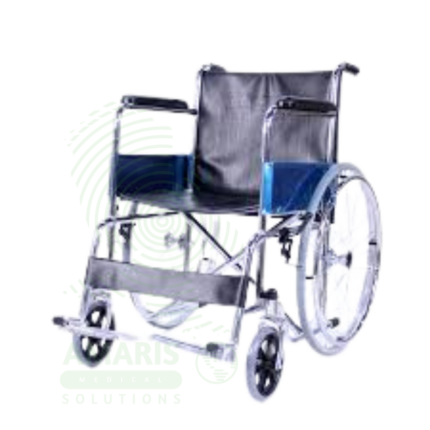
Standard Wheelchair
The Standard Wheelchair is a manually operated, folding or rigid-frame chair with two large rear wheels and two front casters, designed for basic patient mobility. It is used to transport non-ambulatory patients within healthcare facilities, support recovery from injury or surgery, and provide temporary mobility assistance. Key features include handrims for self-propulsion, attendant push handles, flip-up footrests, and wheel locks. As a fundamental piece of equipment in hospitals, clinics, and communities, it requires proper use of brakes and safe transfer techniques to prevent accidents.
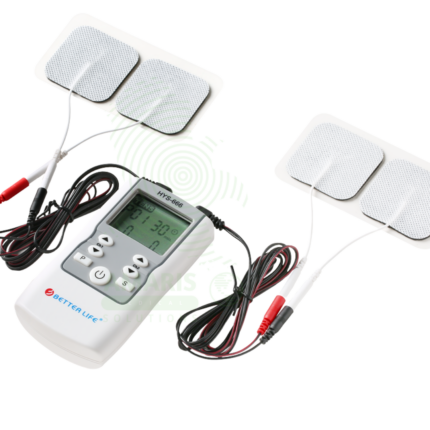
TENS Machine
A TENS Machine is an electronic device used for non-invasive pain management, capable of independently controlling up to four pairs of electrodes (eight total) to treat multiple or complex pain areas simultaneously. By delivering adjustable, low-voltage electrical pulses through the skin, it modulates pain signals via the Gate Control mechanism and may stimulate the body's natural painkillers. Its key adjustable parameters—pulse rate, width, and amplitude—allow for personalized therapy for conditions ranging from arthritis to post-surgical pain. Safe operation requires strict adherence to electrode placement guidelines and contraindications, making it a versatile tool for clinical and prescribed home use.