Dermatoscope and Magnifiers
 Diagnostic Kits
 Vital Signs Monitors
 Stethoscopes and Accessories
 Otoscopes, Ophthalmoscopes, and Retinoscopes
 Reflex Hammers and Neurological Tools
 Scales and Measuring Devices
 Spirometers and Pulmonary Function Tests
 Electrosurgical Units and Accessories
 Cutting Instruments
 Grasping and Holding Instruments
 Hemostatic Instruments
 Specialized Surgical Sets
 Single-Use Procedure Trays and Packs
 Surgical Drapes, Gowns, and Covers
 Tissue Unifying Instruments
 Radiation Protection
 X-Ray Machines and Accessories
 Ultrasound Systems and Probes
 MRI and CT Scanners
 Radiology Consumables
 Bone Densitometers
 Fluoroscopy Equipment
 Imaging Tables and Positioning Aids
 Microscopes and Accessories
 Centrifuges and Separators
 Analyzers
 Incubators and Ovens
 Pipettes, Dispensers, and Lab Glassware
 Refrigerators, Freezers, and Storage Units
 Lab Consumables
 Sterilizers and Autoclaves for Lab Use
 Multi-Parameter Monitors
 Ventilators and Respiratory Support Devices
 Defibrillators and AEDs
 Infusion Pumps and IV Systems
 Patient Warmers and Cooling Devices
 Central Monitoring Stations
 Accessories
 Anesthesia Machines and Workstations
 Oxygen Concentrators and Delivery Systems
 Nebulizers and Inhalers
 CPAP/BiPAP Machines
 Airway Management
 Anesthesia Masks, Circuits, and Bags
 Humidifiers and Heaters
 Respiratory Therapy Accessories
 First Aid Kits and Cabinets
 Emergency Resuscitation Equipment
 Trauma Supplies
 Emergency Carts and Crash Carts
 Burn Care Products
 Bleeding Control
 Automated External Defibrillators (AEDs)
 Transport and Evacuation
 Wheelchairs and Accessories
 Walkers, Crutches, and Canes
 Prosthetics and Orthotics
 Physical Therapy Equipment
 Transfer Devices
 Bathroom Safety
 Orthopedic Traction and Tables
 Hot/Cold Therapy Packs and Units
 Beds and Mattresses
 Chairs and Stools
 Tables
 Cabinets and Storage
 Privacy Screens & Curtains
 Stands and Racks
 Linens and Textiles
 Lighting
 Autoclaves and Sterilizers
 Ultrasonic Cleaners
 Disinfectant Solutions and Wipes
 Sterilization Pouches, Wraps, and Indicators
 Instrument Trays and Containers
 UV and Ozone Disinfection Devices
 Washer Disinfectors
 Wound Care
 Gloves
 Masks and Respirators
 Catheters and Tubing
 Swabs, Applicators, and Sponges
 Incontinence Products
 Personal Protective Equipment (PPE)
 Dental Chairs and Units
 Handpieces and Burs
 Instruments
 Consumables
 Sterilization for Dental Use
 Orthodontic Supplies
 Endodontic Tools
 Slit Lamps and Tonometers
 Lensometers and Phoropters
 Ophthalmic Surgical Instruments
 Eyewear Frames and Lenses
 Contact Lens Supplies
 Vision Testing Charts and Devices
 Eye Care Consumables
 Laser Systems for Eye Care
 ENT Exam Chairs and Tables
 Endoscopes
 Audiometers and Hearing Tests
 ENT Instruments
 Nasal and Throat Packs
 Hearing Aids and Accessories
 Otology Supplies
 Fetal Dopplers and Monitors
 Delivery Beds and Tables
 Gynecological Instruments
 Neonatal Incubators and Warmers
 Breast Pumps and Accessories
 Contraceptive Devices
 Maternity Supports and Pads
 Neonatal Consumables
 Cystoscopes and Urethroscopes
 Dialysis Machines and Supplies
 Urological Catheters and Bags
 Lithotripters
 Prostate Treatment Devices
 Urinary Incontinence Products
 Kidney Stone Management Tools
 Consumables & Disposables
 EEG and EMG Machines
 Neurosurgical Instruments
 Nerve Stimulators
 Headrests and Positioning Aids
 Lumbar Puncture Kits
 Seizure Monitoring Devices
 Consumables
 Rehabilitation for Neurological Conditions
 ECG Machines and Accessories
 Holter Monitors
 Stress Test Systems
 Pacemakers and Defibrillator Accessories
 Vascular Access Devices
 Cardiac Catheters and Guidewires
 Blood Flow Meters
 Consumables
 Orthopedic Instruments
 Casts, Splints, and Padding
 Joint Replacement Supplies
 Prosthetic Limbs and Components
 Bone Grafts and Substitutes
 Traction Devices
 Orthopedic Braces and Supports
 Rehabilitation Aids for Orthopedics
 Home Oxygen Therapy
 Hospital Beds for Home Use
 Mobility Aids
 Bathroom and Daily Living Aids
 Wound Care for Home
 Monitoring Devices
 Enteral Feeding Pumps and Tubes
 Hand Sanitizers and Dispensers
 Face Shields and Goggles
 Isolation Gowns and Suits
 Biohazard Waste Containers
 Air Purifiers and HEPA Filters
 Surface Disinfectants
 Sharps Containers
 Protective Barriers
 Cardiovascular & Endurance Training
 Strength Training & Weightlifting
 Functional Training & Core Conditioning
 Physical Therapy & Rehabilitation
 Sports & Outdoor Recreation
 Gym Flooring & Facility Equipment
 Fitness Monitoring & Accessories
 Kids & Novelties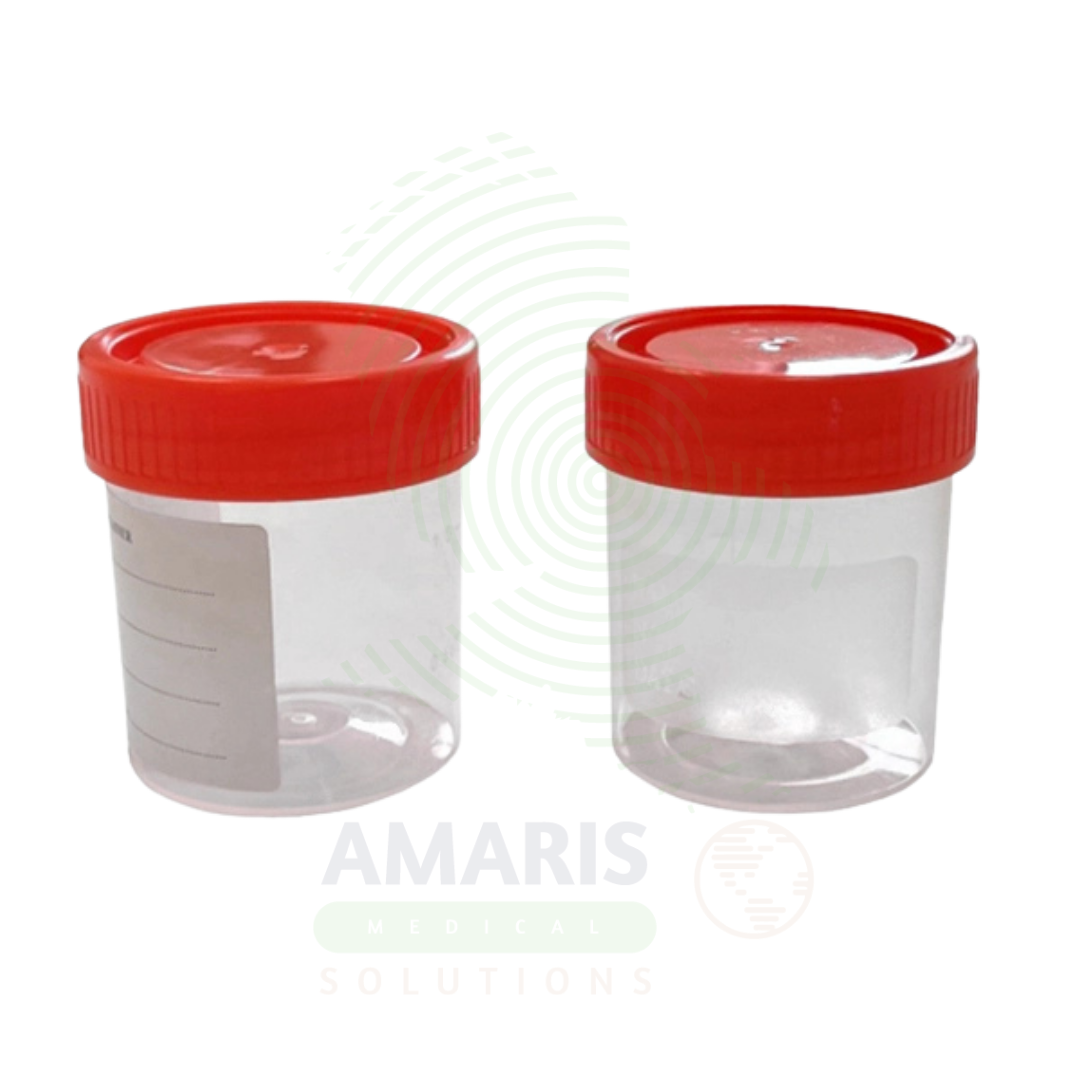
Sputum Container
$1.00
WhatsApp Order
Sputum Containers are sterile, single-use, leak-proof medical devices manufactured from medical-grade polypropylene or polyethylene for the collection, containment, and transport of expectorated lower respiratory tract specimens for diagnostic testing. Essential features include wide-mouth design (50-70 mm) to facilitate direct expectoration without specimen loss or exterior contamination, screw-cap closure with tamper-evident seal, graduated volume markings (30-120 mL), and translucent material permitting visual assessment of specimen quality. Indicated for microbiological culture (bacterial, AFB/tuberculosis, fungal), nucleic acid amplification testing, and cytological examination. Sterility is mandatory to prevent false-positive culture results. Critical safety principles include strict universal precautions due to highly infectious potential (particularly M. tuberculosis), appropriate respiratory protection for collectors, immediate specimen transport with refrigeration for bacterial cultures (≤2 hours), and absolute single-use protocol. An indispensable device in pulmonary medicine, infectious disease, and infection control.
Description
Sputum Container
PRIMARY CLINICAL & DIAGNOSTIC USES
1. Collection of Respiratory Specimens for Microbiological Analysis
-
Primary Use: Collects, contains, and transports expectorated sputum specimens for diagnostic examination, including routine bacterial culture, acid-fast bacillus smear and culture for tuberculosis, fungal culture, and Legionella testing, enabling identification of respiratory pathogens and determination of antimicrobial susceptibility.
-
How it helps: For the microbiologist and infectious disease physician, the sputum container holds the key to diagnosing respiratory infections—capturing the deep cough specimen that contains pathogens from the lower respiratory tract, allowing for culture and sensitivity testing that guides targeted antibiotic therapy. For the patient with pneumonia, bronchitis, or suspected tuberculosis, the sputum specimen collected in this container provides the answers that determine which antibiotic will cure their infection.
2. Diagnosis of Pulmonary Tuberculosis
-
Primary Use: Essential for collection of deep cough specimens for AFB smear microscopy, nucleic acid amplification testing, and mycobacterial culture, with serial specimen collection serving as the standard protocol for pulmonary TB diagnosis.
-
How it helps: For the public health official and infectious disease specialist, properly collected sputum specimens in secure containers are the cornerstone of tuberculosis diagnosis and control—allowing for detection of acid-fast bacilli on smear, confirmation by molecular testing, and culture for drug susceptibility testing. For the patient with suspected TB and their close contacts, timely and accurate diagnosis from sputum specimens means treatment can begin promptly, transmission can be interrupted, and the spread of this ancient disease can be contained.
3. Lower Respiratory Tract Infection Diagnosis
-
Primary Use: Used to obtain specimens from patients with suspected community-acquired pneumonia, hospital-acquired pneumonia, ventilator-associated pneumonia, and lung abscess for pathogen identification and targeted antibiotic therapy.
-
How it helps: For the hospitalist, pulmonologist, and intensivist managing patients with serious respiratory infections, the sputum specimen provides critical information for antibiotic selection—identifying the specific bacteria causing the infection and determining which antibiotics will be effective. For the patient with pneumonia, culture results from a properly collected sputum specimen mean their antibiotics can be narrowed from broad-spectrum to targeted therapy, improving outcomes and reducing side effects.
4. Cytological Examination
-
Primary Use: Sterile sputum containers are used to collect specimens for cytological analysis when malignancy is suspected, with three consecutive morning specimens typically required for optimal diagnostic yield.
-
How it helps: For the pathologist and oncologist evaluating a patient for possible lung cancer, sputum cytology provides a non-invasive method to detect malignant cells—examining specimens collected over three consecutive mornings to maximize the chance of capturing shed tumor cells. For the patient with a lung lesion that is difficult to biopsy, sputum cytology may provide a diagnosis without the need for more invasive procedures.
5. Specimen Transport and Storage
-
Primary Use: Serves as the primary containment device for transporting sputum specimens from the collection site to the microbiology and cytology laboratories, maintaining specimen integrity and preventing leakage during transit.
-
How it helps: For the laboratory personnel and healthcare workers handling infectious specimens, the leak-proof sputum container ensures that potentially dangerous pathogens are contained during transport—protecting everyone who handles the specimen from exposure to tuberculosis, influenza, and other respiratory pathogens. For the laboratory, intact, uncontaminated specimens yield accurate results.
6. Induced Sputum Collection
-
Primary Use: Used in conjunction with nebulized hypertonic saline to obtain lower respiratory tract specimens from patients unable to expectorate spontaneously, including those with suspected Pneumocystis jirovecii pneumonia in immunocompromised hosts.
-
How it helps: For the clinician caring for an immunocompromised patient with suspected Pneumocystis pneumonia, induced sputum collected in a sterile container provides a less invasive alternative to bronchoscopy for obtaining diagnostic specimens. For the HIV-positive patient or transplant recipient with respiratory symptoms, induced sputum can provide the diagnosis needed to guide life-saving treatment.
SECONDARY & SUPPORTIVE USES
1. Cystic Fibrosis Respiratory Culture: Specialized containers may be used for collection of respiratory specimens from cystic fibrosis patients for culture of unique pathogens. For the CF patient, regular sputum cultures guide the complex antibiotic regimens needed to manage chronic airway infections.
2. Research and Clinical Trials: Used in respiratory research protocols for collection of sputum specimens for biomarker analysis, microbiome studies, and investigational drug trials. For the patient participating in research, their contributed specimen advances knowledge of respiratory disease.
3. Occupational Health Screening: Utilized in respiratory surveillance programs for workers exposed to respiratory hazards to monitor for pulmonary disease. For the worker exposed to silica, asbestos, or beryllium, sputum screening can detect early disease.
4. Public Health Tuberculosis Control Programs: Essential for contact investigation and active case finding in high-risk populations. For the community, sputum collection in TB control programs identifies cases and prevents spread.
5. Veterinary Medicine: Used for collection of respiratory specimens from large and small animals suspected of tuberculosis or other mycobacterial infections. For the animal and their owner, proper diagnosis guides treatment and protects public health.
KEY PRODUCT FEATURES
1. BASIC IDENTIFICATION ATTRIBUTES
-
Product Type: A sterile, leak-proof, single-use container specifically designed for the collection, containment, and transport of expectorated sputum specimens for microbiological and cytological examination.
-
Designation: Defined by capacity, mouth diameter, sterility status, graduation markings, and specialized features.
-
Core Components:
-
Container Body: Rigid, translucent or transparent plastic receptacle.
-
Closure: Screw-cap with leak-proof seal; often with safety seal/tamper-evident band.
-
Mouth: Wide-mouth design to facilitate expectoration without contamination of exterior.
-
Graduations: Volume markings (mL) for specimen quantification.
-
Labeling Area: Frosted or writable surface for patient identification, date, time, and specimen type.
-
Outer Container (select models): Secondary leak-proof container for transport; biohazard-labeled.
-
-
Core Variants:
-
Standard Sputum Container: 30-120 mL capacity; wide mouth (50-70 mm); sterile; screw-cap with tamper-evident seal.
-
Sputum Collection Kit: Includes container, biohazard bag, absorbent pad, requisition forms, and patient instructions.
-
Pediatric Sputum Container: Reduced capacity (15-30 mL); smaller mouth diameter; for pediatric patients.
-
Induced Sputum Collection System: Sterile container compatible with nebulizer systems for hypertonic saline induction.
-
Sputum Trap / In-Line Trap: Sterile, closed system for collecting aspirated respiratory secretions from suction catheters during bronchoscopy or endotracheal suctioning.
-
2. TECHNICAL & PERFORMANCE PROPERTIES
-
Leak Resistance: Must prevent seepage of liquid specimens during transport, handling, and mailing. Closures must maintain seal under normal and adverse shipping conditions.
-
Volume Capacity: Standard adult: 30-120 mL (sufficient for 5-15 mL specimen). Pediatric: 15-30 mL. Sputum trap: 10-40 mL.
-
Mouth Diameter: Wide mouth (50-70 mm) permits direct expectoration without contaminating threads or exterior surfaces. Narrower designs increase specimen loss and contamination risk.
-
Closure Integrity: Screw-cap with integral O-ring, gasket, or precision-thread design. Tamper-evident band indicates prior opening.
-
Chemical Compatibility: Polypropylene material resistant to chemical disinfectants, fixatives, and transport media. Non-leaching; no interference with microbiological culture, AFB staining, or molecular testing.
-
Centrifugation Compatibility: Must withstand centrifugal forces for specimen concentration procedures (e.g., for AFB smear, fungal culture) without deformation or leakage.
-
Transparency: Clear or translucent material permits visualization of specimen quality (purulent, mucoid, bloody, saliva-contaminated) without opening.
3. PHYSICAL & OPERATIONAL PROPERTIES
-
Material: Medical-grade polypropylene or polyethylene. Autoclavable (polypropylene).
-
Closure Design: Screw-cap with continuous thread; one-piece molded construction; latex-free seal.
-
Mouth Diameter: 50-70 mm (standard adult).
-
Dimensions (Standard):
-
Height: 70-100 mm.
-
Diameter: 50-80 mm.
-
-
Graduations: Molded-in volume markings (10, 20, 30, 40, 50 mL increments).
-
Color: Natural (translucent) or white; may have blue or green cap for laboratory identification.
-
Sterility Indicators: Sterile containers include internal/external sterility assurance indicators; EO or gamma irradiated.
-
Packaging:
-
Bulk: 20-500 units per case; individually bagged or nested.
-
Individually Wrapped: Sterile containers in sealed peel-pouches.
-
Kits: Pre-packaged with biohazard bag, absorbent pad, requisition forms, and patient instructions.
-
4. SAFETY & COMPLIANCE ATTRIBUTES
-
Regulatory Status: Class I medical device. Compliant with applicable regional requirements for specimen collection containers.
-
Biocompatibility: Materials in contact with specimens must be non-cytotoxic, non-leaching, and not interfere with laboratory assays. Meets ISO 10993 standards.
-
Latex-Free: All components manufactured without natural rubber latex.
-
Sterility: Terminally sterilized via gamma irradiation or ethylene oxide. Sterility assurance level (SAL) of 10⁻⁶. Sterility required for microbiological culture to prevent false-positive results.
-
Single-Use Protocol: Sputum containers are strictly single-use devices. Never rinse, clean, or reuse a sputum container. Reuse is associated with:
-
Cross-contamination and false-positive culture results.
-
Residual detergent/cleaning agent interference with assays.
-
Compromised container integrity and leakage.
-
Loss of sterility.
-
-
Biohazard Labeling: Container and outer packaging must bear biohazard symbols and appropriate hazard warnings per OSHA Bloodborne Pathogens Standard and IATA/UN 3373 Category B requirements.
5. STORAGE & HANDLING ATTRIBUTES
-
Storage: Store in original packaging in a cool, dry environment. Protect from extreme temperatures, direct sunlight, moisture, and physical damage.
-
Shelf Life: Typically 3-5 years from date of manufacture. Expiration date printed on each package and container. Do not use it after expiration; sterility and container integrity cannot be guaranteed.
-
Package Inspection: Before use, inspect individual sterile packaging for any signs of compromise: tears, punctures, moisture ingress, or damage to sterile barrier. Inspect containers for cracks, deformation, or visible defects. Verify closure integrity. Do not use it if integrity is questionable.
-
Specimen Collection Guidelines:
-
Collect specimens before antibiotic therapy when possible.
-
Instruct the patient to rinse the mouth with water (not mouthwash) to minimize oral contamination.
-
The patient should take a deep breath, cough deeply, and expectorate sputum directly into the container.
-
Specimen volume: 5-10 mL optimal; 1-2 mL minimum.
-
Avoid saliva specimens (rejected by laboratory).
-
Secure cap tightly; wipe exterior with disinfectant.
-
Label container immediately with patient identifiers, date, and time.
-
Place in a leak-proof biohazard bag for transport.
-
-
Transport Conditions:
-
Bacterial Culture: Transport to laboratory within 2 hours; refrigerate at 2-8°C if delay expected (max 24 hours).
-
AFB/Tuberculosis: Refrigerate at 2-8°C if processing is delayed; do not freeze.
-
Fungal Culture: Transport at ambient temperature; do not refrigerate.
-
Cytology: Transport immediately; refrigerate if delay expected; fixative may be required per laboratory protocol.
-
6. LABORATORY & CLINICAL APPLICATIONS
-
Primary Application: The essential, sterile device for lower respiratory tract specimen collection across all healthcare settings: inpatient wards, intensive care units, emergency departments, outpatient pulmonary clinics, tuberculosis clinics, and home healthcare.
-
Selection Criteria:
-
Test Type:
-
Bacterial Culture / AFB / Fungal: Sterile, leak-proof container; 30-120 mL capacity.
-
Cytology: Sterile container; larger volume may be required.
-
Induced Sputum: Sterile container compatible with nebulizer system.
-
Suctioned Specimen: Sputum trap (in-line trap) for intubated/non-expectorating patients.
-
-
Patient Population:
-
Adult: Standard container (50-70 mm mouth).
-
Pediatric: Smaller container; reduced capacity.
-
Non-Expectorating / Intubated: Sputum trap for suction aspiration.
-
-
-
Specimen Quality Assessment:
-
Acceptable Specimen: Purulent, mucoid, or blood-tinged material; >25 neutrophils and <10 squamous epithelial cells per low-power field (Bartlett grading system).
-
Unacceptable Specimen: Saliva; predominantly squamous epithelial cells (>10/LPF); insufficient volume. Rejection by laboratory.
-
-
Serial Specimen Collection (TB Diagnosis):
-
Three consecutive morning specimens (8-24 hours apart) recommended for optimal AFB smear and culture sensitivity.
-
At least one specimen should be collected on the day of initial evaluation.
-
SAFETY HANDLING PRECAUTIONS
1. SAFETY PRECAUTIONS
-
Universal Precautions (Most Important): Sputum is potentially infectious. Treat all specimens as capable of transmitting respiratory pathogens, including Mycobacterium tuberculosis, SARS-CoV-2, influenza virus, and other highly transmissible organisms.
-
Wear appropriate personal protective equipment (gloves, gown, N95 respirator or higher) during collection and handling of suspected or confirmed TB specimens.
-
Collect specimens in airborne infection isolation rooms (AIIR) for suspected TB patients.
-
Never centrifuge sputum specimens in open laboratory without appropriate biosafety containment.
-
-
Specimen Contamination Prevention:
-
Instruct patient to rinse mouth with water only; mouthwash contains antimicrobial agents that inhibit bacterial growth and cause false-negative cultures.
-
Ensure the patient expectorates a deep cough specimen, not saliva.
-
Do not collect 24-hour pooled specimens for routine bacterial or AFB culture (overgrowth of commensals, decreased diagnostic yield).
-
-
Leak Prevention: Ensure cap is securely tightened before transport or handling. Double-bag specimens in leak-proof transport bags for high-risk patients or air transport.
-
Do Not Overfill: Do not fill beyond container capacity. Overfilling prevents proper cap seating and causes leakage.
-
Pediatric Collection Precautions: Sputum collection from infants and young children typically requires induction or suctioning; use appropriate collection trap system.
-
Transport Safety:
-
Package sputum specimens per IATA/UN 3373 Category B requirements for mailing.
-
Triple-packaging: primary container (leak-proof), secondary container (leak-proof + absorbent), outer rigid packaging.
-
Label outer packaging with UN 3373 diamond and "Biological Substance, Category B."
-
Do not transport suspected TB specimens via pneumatic tube systems (aerosolization risk).
-
2. FIRST AID MEASURES
-
Specimen Spill: Contain spill with absorbent material. Clean area with EPA-registered hospital disinfectant effective against Mycobacterium tuberculosis (tuberculocidal claim). Discard contaminated materials in biohazard waste. Change gloves and wash hands thoroughly after cleanup.
-
Needlestick/Sharp Injury: Sputum containers typically do not contain sharps; however, contaminated broken plastic may cause injury. Wash affected areas vigorously with soap and water. Report incident per facility bloodborne pathogen exposure protocol.
-
Aerosol Exposure: If exposure to aerosolized sputum occurs (e.g., during container opening, spill, or centrifuge accident), follow facility protocol for respiratory pathogen exposure, including TB screening and post-exposure prophylaxis as indicated.
3. FIRE FIGHTING MEASURES
-
Flammability: Polypropylene and polyethylene containers are combustible.
-
Extinguishing Media: Use water, foam, CO₂, or dry chemical powder as appropriate for the surrounding fire. Burning plastic produces toxic smoke; use self-contained breathing apparatus (SCBA) in enclosed spaces.
Related products
BMI Tape
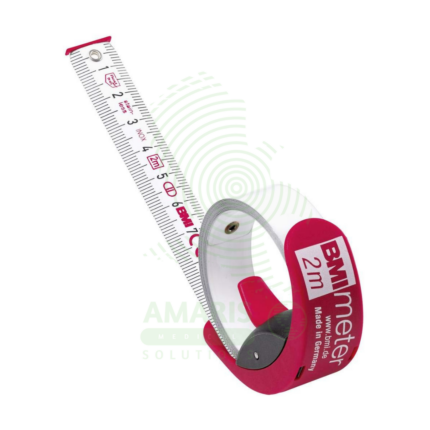
A BMI Tape is a rapid screening tool that estimates an individual's Body Mass Index (BMI) category by measuring body circumference, most commonly the waist. It features a color-coded scale that directly displays BMI ranges (Underweight, Normal, Overweight, Obese), eliminating the need for separate height and weight measurements and manual calculation. While highly useful for community health screenings, wellness programs, and patient education due to its portability and simplicity, it is an approximate method. Its accuracy is limited compared to BMI calculated from precise clinical measurements, and it should be used as an initial screening indicator rather than a definitive diagnostic tool.
Digital Baby Weighing Scale
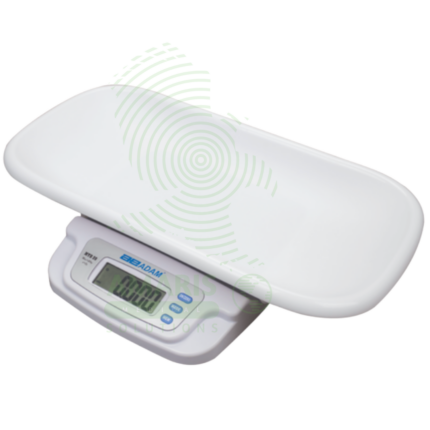
A Digital Baby Weighing Scale is a high-precision medical device designed exclusively for the safe and accurate measurement of infant and toddler weight. Featuring a stable, hygienic platform with gram-level precision, it is indispensable in hospitals (especially NICUs), pediatric clinics, and community health settings. Its core functions—such as hold, tare, and zeroing—ensure reliable readings even with a moving child. Accurate weight data is foundational for assessing growth, calculating medication doses, managing nutrition, and detecting early signs of health issues, making this scale a critical tool for safeguarding infant health and development.
Dual Head Stethoscope
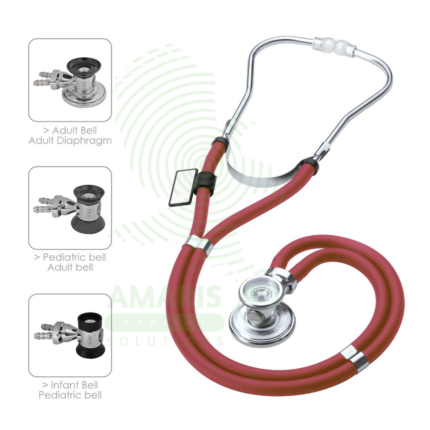
The Dual Head Stethoscope is the classic, essential acoustic diagnostic tool used by healthcare professionals worldwide. Its defining feature is a two-sided chestpiece, combining a diaphragm for high-frequency sounds (breath sounds, normal heart tones) and a bell for low-frequency sounds (heart murmurs, abnormal heart tones). Through mechanical sound conduction, it provides critical information for assessing cardiac, pulmonary, and vascular systems during physical examinations and manual blood pressure measurement. Its effectiveness relies on proper technique, a good acoustic seal, and consistent cleaning. As a fundamental symbol of medical practice, it balances functionality, durability, and affordability.
H. pylori Test Strips
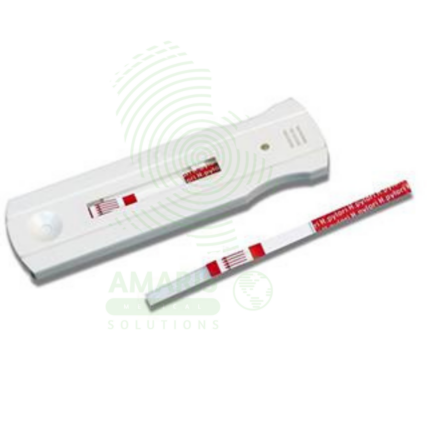
H. pylori Test Strips are rapid, lateral flow immunochromatographic devices used for the qualitative detection of Helicobacter pylori antigens in human stool. As a non-invasive stool antigen test (SAT), it provides a convenient and reliable method for diagnosing active H. pylori infection and confirming eradication after therapy, with results available in under 15 minutes. Ideal for use in clinics and outpatient settings, it aids in the management of dyspepsia and peptic ulcer disease. Proper sample handling, adherence to pre-test medication restrictions, and strict biohazard precautions are essential for obtaining accurate results.
Height Board
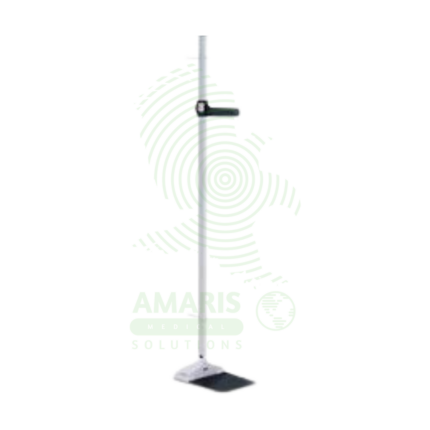
A Height Board, or stadiometer, is a precision medical instrument designed for the accurate measurement of human stature. As a wall-mounted or portable device featuring a vertical scale and a sliding horizontal headpiece, it is the clinical standard for obtaining height. This measurement is foundational for calculating Body Mass Index (BMI), tracking growth in children, screening for nutritional issues, and assessing adults for conditions like osteoporosis. Its accuracy, dependent on proper installation and technique, makes it an indispensable tool in pediatrics, primary care, nutrition, and public health
Holter ECG Monitor
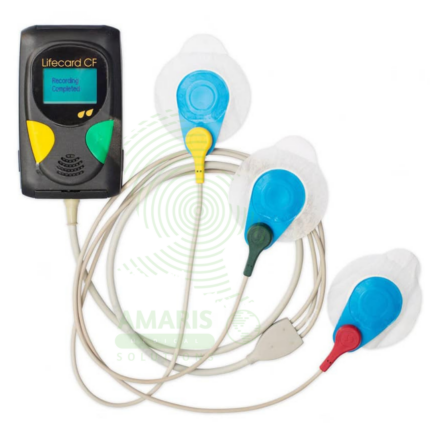
A Holter ECG Monitor is a portable, wearable medical device used for continuous, long-term recording of a patient's heart's electrical activity over 24 to 48 hours or more. It is the cornerstone diagnostic tool for detecting intermittent cardiac arrhythmias, evaluating unexplained symptoms like syncope or palpitations, and monitoring the efficacy of antiarrhythmic treatments or implanted cardiac device function. Consisting of a small digital recorder connected to chest electrodes (or an all-in-one adhesive patch), it allows patients to maintain their normal daily routine while capturing a comprehensive electrocardiographic record.

Littman Stethoscope (Classic 4 Cardiology)
A Littman Stethoscope (Classic 4 Cardiology) represents the pinnacle of acoustic auscultation technology. Designed for clinicians who require the highest level of diagnostic accuracy, it features dual tunable diaphragms and dual-lumen tubing to provide exceptional acoustic sensitivity and ambient noise reduction. Its innovative design allows the user to hear both high and low-frequency sounds by simply adjusting pressure on either side of the chestpiece, making it the instrument of choice for cardiologists, intensivists, and specialists who cannot afford to miss a subtle murmur, rub, or breath sound. It combines superior performance with the durability and comfort expected from the Littmann brand.