Dermatoscope and Magnifiers
 Diagnostic Kits
 Vital Signs Monitors
 Stethoscopes and Accessories
 Otoscopes, Ophthalmoscopes, and Retinoscopes
 Reflex Hammers and Neurological Tools
 Scales and Measuring Devices
 Spirometers and Pulmonary Function Tests
 Electrosurgical Units and Accessories
 Cutting Instruments
 Grasping and Holding Instruments
 Hemostatic Instruments
 Specialized Surgical Sets
 Single-Use Procedure Trays and Packs
 Surgical Drapes, Gowns, and Covers
 Tissue Unifying Instruments
 Radiation Protection
 X-Ray Machines and Accessories
 Ultrasound Systems and Probes
 MRI and CT Scanners
 Radiology Consumables
 Bone Densitometers
 Fluoroscopy Equipment
 Imaging Tables and Positioning Aids
 Microscopes and Accessories
 Centrifuges and Separators
 Analyzers
 Incubators and Ovens
 Pipettes, Dispensers, and Lab Glassware
 Refrigerators, Freezers, and Storage Units
 Lab Consumables
 Sterilizers and Autoclaves for Lab Use
 Multi-Parameter Monitors
 Ventilators and Respiratory Support Devices
 Defibrillators and AEDs
 Infusion Pumps and IV Systems
 Patient Warmers and Cooling Devices
 Central Monitoring Stations
 Accessories
 Anesthesia Machines and Workstations
 Oxygen Concentrators and Delivery Systems
 Nebulizers and Inhalers
 CPAP/BiPAP Machines
 Airway Management
 Anesthesia Masks, Circuits, and Bags
 Humidifiers and Heaters
 Respiratory Therapy Accessories
 First Aid Kits and Cabinets
 Emergency Resuscitation Equipment
 Trauma Supplies
 Emergency Carts and Crash Carts
 Burn Care Products
 Bleeding Control
 Automated External Defibrillators (AEDs)
 Transport and Evacuation
 Wheelchairs and Accessories
 Walkers, Crutches, and Canes
 Prosthetics and Orthotics
 Physical Therapy Equipment
 Transfer Devices
 Bathroom Safety
 Orthopedic Traction and Tables
 Hot/Cold Therapy Packs and Units
 Beds and Mattresses
 Chairs and Stools
 Tables
 Cabinets and Storage
 Privacy Screens & Curtains
 Stands and Racks
 Linens and Textiles
 Lighting
 Autoclaves and Sterilizers
 Ultrasonic Cleaners
 Disinfectant Solutions and Wipes
 Sterilization Pouches, Wraps, and Indicators
 Instrument Trays and Containers
 UV and Ozone Disinfection Devices
 Washer Disinfectors
 Wound Care
 Gloves
 Masks and Respirators
 Catheters and Tubing
 Swabs, Applicators, and Sponges
 Incontinence Products
 Personal Protective Equipment (PPE)
 Dental Chairs and Units
 Handpieces and Burs
 Instruments
 Consumables
 Sterilization for Dental Use
 Orthodontic Supplies
 Endodontic Tools
 Slit Lamps and Tonometers
 Lensometers and Phoropters
 Ophthalmic Surgical Instruments
 Eyewear Frames and Lenses
 Contact Lens Supplies
 Vision Testing Charts and Devices
 Eye Care Consumables
 Laser Systems for Eye Care
 ENT Exam Chairs and Tables
 Endoscopes
 Audiometers and Hearing Tests
 ENT Instruments
 Nasal and Throat Packs
 Hearing Aids and Accessories
 Otology Supplies
 Fetal Dopplers and Monitors
 Delivery Beds and Tables
 Gynecological Instruments
 Neonatal Incubators and Warmers
 Breast Pumps and Accessories
 Contraceptive Devices
 Maternity Supports and Pads
 Neonatal Consumables
 Cystoscopes and Urethroscopes
 Dialysis Machines and Supplies
 Urological Catheters and Bags
 Lithotripters
 Prostate Treatment Devices
 Urinary Incontinence Products
 Kidney Stone Management Tools
 Consumables & Disposables
 EEG and EMG Machines
 Neurosurgical Instruments
 Nerve Stimulators
 Headrests and Positioning Aids
 Lumbar Puncture Kits
 Seizure Monitoring Devices
 Consumables
 Rehabilitation for Neurological Conditions
 ECG Machines and Accessories
 Holter Monitors
 Stress Test Systems
 Pacemakers and Defibrillator Accessories
 Vascular Access Devices
 Cardiac Catheters and Guidewires
 Blood Flow Meters
 Consumables
 Orthopedic Instruments
 Casts, Splints, and Padding
 Joint Replacement Supplies
 Prosthetic Limbs and Components
 Bone Grafts and Substitutes
 Traction Devices
 Orthopedic Braces and Supports
 Rehabilitation Aids for Orthopedics
 Home Oxygen Therapy
 Hospital Beds for Home Use
 Mobility Aids
 Bathroom and Daily Living Aids
 Wound Care for Home
 Monitoring Devices
 Enteral Feeding Pumps and Tubes
 Hand Sanitizers and Dispensers
 Face Shields and Goggles
 Isolation Gowns and Suits
 Biohazard Waste Containers
 Air Purifiers and HEPA Filters
 Surface Disinfectants
 Sharps Containers
 Protective Barriers
 Cardiovascular & Endurance Training
 Strength Training & Weightlifting
 Functional Training & Core Conditioning
 Physical Therapy & Rehabilitation
 Sports & Outdoor Recreation
 Gym Flooring & Facility Equipment
 Fitness Monitoring & Accessories
 Kids & Novelties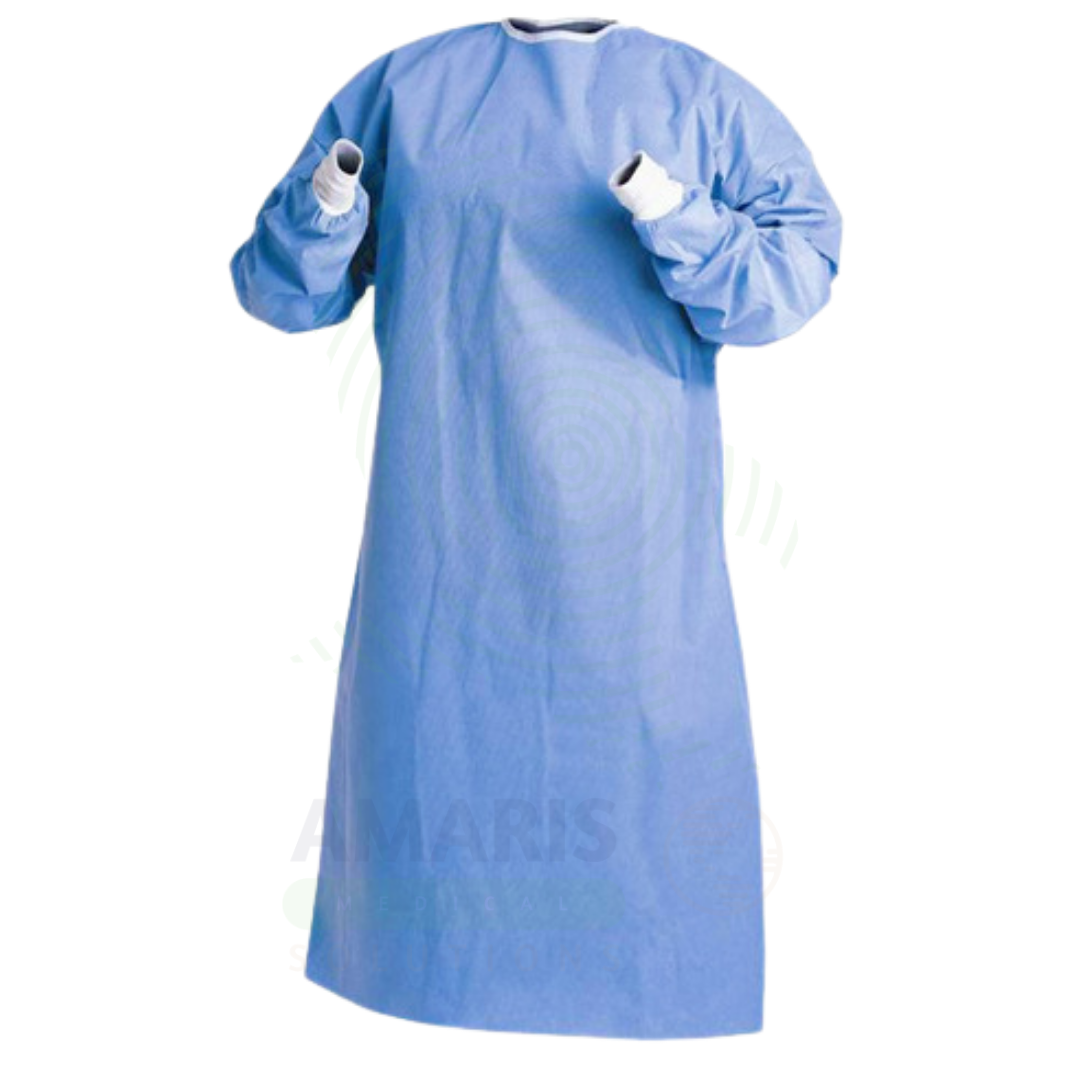

Disposable Sterile Surgical Gown
$1.00
WhatsApp Order
A Disposable Sterile Surgical Gown is a sterile, single-use barrier garment designed for the surgical team during invasive procedures. Providing fluid resistance and microbial barrier protection meeting AAMI Level standards, it protects both the patient and the surgical team from contamination. Essential for operating rooms and sterile procedures.
Description
Disposable Sterile Surgical Gown
PRIMARY CLINICAL & DIAGNOSTIC USES
1. Sterile Barrier Protection for Surgical Procedures
-
Primary Use: Provides a sterile, fluid-resistant barrier for the surgical team during invasive procedures, protecting the patient from microorganisms shed by the surgical team and protecting the team from exposure to blood and body fluids. The gown is sterilized to ensure no viable microorganisms are present.
-
How it helps: For the surgeon and operating room team, the sterile surgical gown is the foundation of aseptic technique—creating a sterile barrier between the team and the patient’s open wound. For the patient undergoing surgery, this means protection from surgical site infections and confidence that all members of the surgical team are adhering to strict sterility standards.
2. Fluid Resistance for Blood and Body Fluid Protection
-
Primary Use: Constructed with fluid-resistant or fluid-impervious materials to protect the wearer from blood, body fluid splashes, and sprays during surgical procedures where fluid exposure is anticipated, meeting AAMI level standards for barrier protection.
-
How it helps: For the surgical team, fluid-resistant gowns provide critical protection against bloodborne pathogen transmission during procedures with potential for splashing. For the patient, this ensures that the surgical team can focus on the procedure without concern for exposure, while also preventing contamination of the sterile field from the team’s attire.
3. Maintenance of the Sterile Field
-
Primary Use: Worn by all scrubbed personnel in the operating room to maintain the integrity of the sterile field, with sterile back closure ensuring that the gown remains sterile during donning and throughout the procedure.
-
How it helps: For the surgical team, the sterile gown defines the boundaries of the sterile field—any contact with non-sterile surfaces breaches the field and requires a gown change. For the patient, this meticulous attention to sterility reduces the risk of surgical site infections.
4. Antistatic and Lint-Free Properties
-
Primary Use: Designed with antistatic and low-lint properties to prevent static discharge and minimize lint shedding that could contaminate the surgical field or interfere with sensitive electronic equipment in the operating room.
-
How it helps: For the surgical team, antistatic properties reduce the risk of static discharge that could interfere with electrosurgical equipment or patient monitoring. For the patient, low-lint gowns prevent foreign particles from entering the surgical wound.
5. Comfort and Mobility for Extended Procedures
-
Primary Use: Ergonomically designed with raglan sleeves, reinforced seams, and breathable back panels to provide comfort and freedom of movement during lengthy surgical procedures without compromising barrier protection.
-
How it helps: For the surgeon and scrub team, comfortable, well-fitting gowns allow for unrestricted movement during long procedures—reducing fatigue and maintaining focus. For the patient, this means the surgical team can perform with precision throughout the operation.
SECONDARY & SUPPORTIVE USES
1. Orthopedic Surgery: Essential for procedures with potential for significant blood and fluid exposure.
2. Cardiothoracic Surgery: Provides barrier protection for open heart and thoracic procedures.
3. Trauma Surgery: Used in emergency surgical procedures with high risk of fluid exposure.
4. Obstetric Procedures: Worn for Cesarean sections and other obstetric surgeries.
5. Burn and Wound Care: Used for sterile dressing changes and burn debridement.
6. Interventional Radiology: Provides sterile barriers during invasive radiologic procedures.
KEY PRODUCT FEATURES
1. BASIC IDENTIFICATION ATTRIBUTES
-
Product Type: A sterile, single-use surgical gown for barrier protection during invasive procedures.
-
Designation: Disposable Sterile Surgical Gown, Sterile Surgical Gown, Operating Room Gown, OR Gown.
-
AAMI Levels: Level 1 (minimal fluid resistance) to Level 4 (highest fluid resistance).
-
Key Components:
-
Front Panel: Fluid-resistant material covering chest and arms.
-
Sleeves: Reinforced, raglan style for mobility.
-
Back: Sterile closure with ties or Velcro.
-
Cuffs: Knitted or elastic cuffs for secure fit.
-
Neckline: Adjustable for comfort.
-
Sterile Packaging: Individually wrapped sterile pack.
-
2. TECHNICAL & PERFORMANCE PROPERTIES
-
Material: SMS (spunbond-meltblown-spunbond) polypropylene; fluid-resistant.
-
AAMI Level: Level 1-4 depending on fluid resistance requirements.
-
Fluid Resistance: Level 4: highest barrier protection for critical procedures.
-
Lint-Free: Low-lint construction to prevent contamination.
-
Antistatic: Treated to reduce static discharge.
-
Sterility: Ethylene oxide or gamma irradiation sterilized.
-
Latex-Free: Manufactured without natural rubber latex.
3. PHYSICAL & OPERATIONAL PROPERTIES
-
Construction: Soft, comfortable material for extended wear.
-
Sizing: XS to XXL; various sizes for all team members.
-
Closure: Sterile back closure with ties.
-
Cuffs: Knitted cuffs for secure fit under gloves.
-
Packaging: Individually sterile-packaged.
-
Disposal: Single-use; dispose after use.
4. SAFETY & COMPLIANCE ATTRIBUTES
-
Regulatory Status: Class II medical device regulated by FDA.
-
AAMI Standards: Meets AAMI PB70 standards for barrier protection.
-
Sterility Assurance: Validated sterilization process.
-
Fluid Resistance: Tested for resistance to synthetic blood.
-
Latex-Free: Manufactured without natural rubber latex.
5. STORAGE & HANDLING ATTRIBUTES
-
Storage: Store in cool, dry locations; protect from moisture and contamination.
-
Sterility Maintenance: Do not use it if the package is opened, damaged, or wet.
-
Expiration: Check expiration date before use; do not use after expiration.
-
Single-Use Only: Intended for single use; discard after each procedure.
6. LABORATORY & CLINICAL APPLICATIONS
-
Primary Application: Sterile barrier protection for surgical and invasive procedures.
-
Clinical Role: Essential PPE for operating rooms, surgical suites, and sterile procedures.
SAFETY HANDLING PRECAUTIONS
1. SAFETY PRECAUTIONS
-
Sterile Donning: Don using aseptic technique; avoid touching the outside of the gown.
-
Proper Sizing: Select appropriate size for comfort and full coverage.
-
Back Closure: Ensure sterile closure is properly secured by a non-scrubbed team member.
-
Cuff Integrity: Ensure cuffs are properly positioned for glove overlap.
-
Fluid Exposure: Replace gown if fluid penetrates the barrier.
-
Single-Use: Do not reuse; discard after each procedure.
2. FIRST AID MEASURES
-
Contamination: If the gown becomes contaminated, remove immediately; replace with a fresh sterile gown.
-
Skin Irritation: If skin irritation occurs, discontinue use; consider alternative gown type.
-
Allergic Reaction: If allergic reaction occurs, discontinue use; seek medical attention.
3. FIRE FIGHTING MEASURES
-
Flammability: Polypropylene materials are combustible; an oxygen-enriched environment increases fire risk.
-
Extinguishing Media: For fire, disconnect oxygen source; use appropriate extinguisher.
Related products
Cheatle Forceps
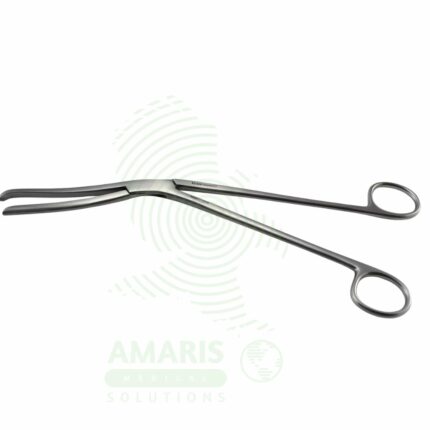
Cheatle Forceps are long-handled, ratcheted surgical forceps used for the aseptic transfer of sterile instruments, dressings, and supplies in operating rooms, central sterile supply departments, and procedural areas. The extended length allows safe retrieval of items from sterilizers and storage without hand contact, while the serrated tips provide secure grip on wrapped packs and individual instruments. Designed for repeated sterilization and use, they are essential for maintaining aseptic technique during sterile field preparation, instrument handling, and post-operative cleanup. Proper handling, regular inspection, and adherence to aseptic technique are essential for safe and effective use.
General Surgery Set
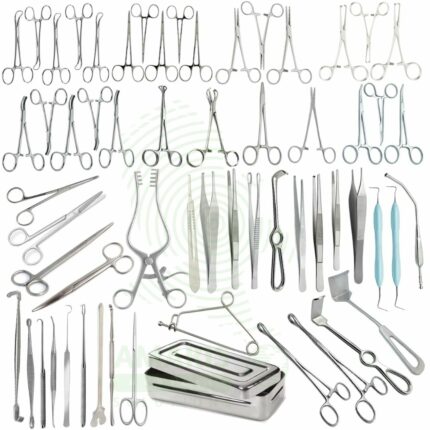
A General Surgery Set is a sterile instrument tray containing essential instruments for a wide range of general surgical procedures, including abdominal, soft tissue, and emergency surgeries. The set includes instruments for incision, dissection, hemostasis, retraction, and closure, ensuring that all necessary tools are sterile, organized, and immediately available for efficient surgical workflow. Essential for operating rooms and ambulatory surgery centers, it supports safe and effective surgical care across a broad range of procedures.
Macintosh Bulb Laryngoscope
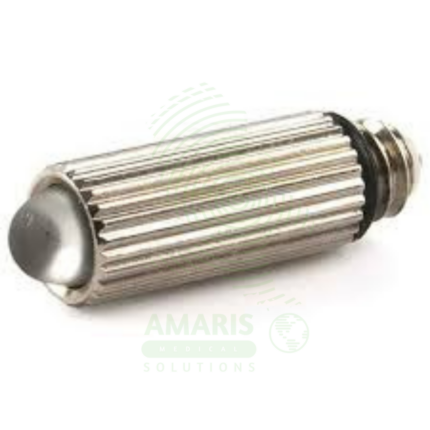
A Macintosh Bulb Laryngoscope is a rigid laryngoscope with curved Macintosh blade (sizes 0-4, 70-160 mm) featuring a distal incandescent (xenon, krypton, halogen) or LED bulb at the blade tip for direct illumination during tracheal intubation. The curved blade design allows indirect epiglottis elevation by placing the tip in the vallecula, requiring less force and neck extension than straight blades. Features stainless steel reusable blades (or disposable plastic), ergonomic handles with knurled grip, ISO standard hook-on fittings, and autoclavable options. Light output 500-3,000 Lux depending on bulb type and battery condition. Primary clinical applications include routine and emergency tracheal intubation during general anesthesia, difficult airway management, cervical spine precautions (minimal neck movement), rapid sequence intubation, neonatal and pediatric intubation (sizes 0-2), teaching and training, and use in resource-limited settings. Class II medical device requiring FDA clearance. Critical safety considerations include pre-use light check (brightness, bulb security), appropriate blade size selection, proper lifting technique (not levering on teeth), battery verification, bulb obstruction risk from secretions, backup device availability, and infection control (sterilization or disposable blades).
Miller Bulb Laryngoscope
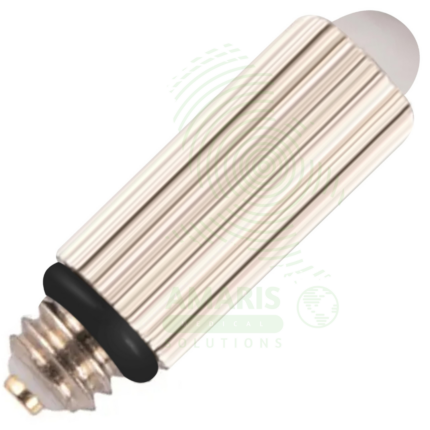
A Miller Bulb Laryngoscope is a rigid laryngoscope with straight Miller blade (sizes 0-4, 70-160 mm) featuring a distal incandescent (xenon, krypton, halogen) or LED bulb at the blade tip for direct illumination during tracheal intubation. The straight blade design allows direct elevation of the epiglottis rather than the indirect vallecula technique, making it the preferred choice for pediatric and neonatal intubation, patients with floppy or prominent epiglottis, and anterior airways requiring direct epiglottic control. Features stainless steel reusable blades (or disposable plastic), ergonomic handles with knurled grip, ISO standard hook-on fittings, and autoclavable options. Light output 500-3,000 Lux depending on bulb type and battery condition. Primary clinical applications include direct epiglottis elevation for tracheal intubation (especially pediatric and neonatal), patients with prominent or floppy epiglottis, anterior airway management, teaching and training (straight blade technique), neonatal resuscitation, and use in resource-limited settings. Class II medical device requiring FDA clearance. Critical safety considerations include pre-use light check (brightness, bulb security), appropriate blade size selection (especially critical in pediatrics), proper lifting technique (direct epiglottic lift, not levering on teeth), pediatric fragility awareness, bulb obstruction risk from secretions, battery verification, and backup device availability.
Miller Fiber Optic Laryngoscope
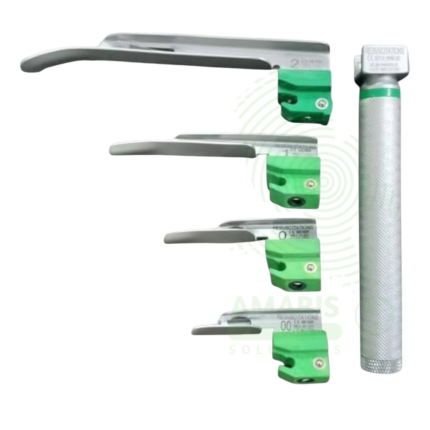
A Miller Fiber Optic Laryngoscope is a rigid laryngoscope with straight Miller blade (sizes 0-4, 70-160 mm) incorporating an integrated fiber optic light bundle that transmits bright, focused illumination (2,000-10,000+ Lux) from a handle-mounted LED or xenon bulb to the blade tip for enhanced visualization during tracheal intubation. The straight blade design allows direct elevation of the epiglottis rather than the indirect vallecula technique, making it particularly useful for pediatric/neonatal intubation, patients with floppy or prominent epiglottis, anterior airways, and difficult airways requiring direct epiglottic control. Features stainless steel reusable blades, ergonomic handles with knurled grip, ISO standard hook-on fittings, and steam autoclave compatibility. Primary clinical applications include direct epiglottis elevation for tracheal intubation (especially pediatric and neonatal), difficult airway management with fiber optic illumination, patients with prominent or floppy epiglottis, cervical spine precautions, anterior airway management, teaching and training (straight blade technique), and neonatal resuscitation. Class II medical device requiring FDA clearance. Critical safety considerations include pre-use light check (dark spots indicate broken fibers), appropriate blade size selection (especially critical in pediatrics), proper lifting technique (direct epiglottic lift, not levering on teeth), pediatric fragility awareness, battery verification, fiber optic care (avoid sharp bending), and backup device availability.
Needle Holders
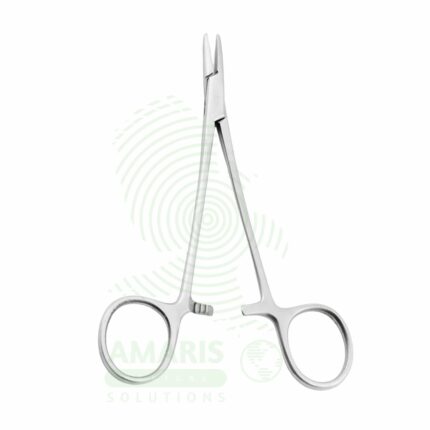
Needle Holders are surgical instruments used to grasp, hold, and guide suture needles during wound closure and tissue approximation. Featuring serrated jaws with a locking ratchet mechanism, they provide secure needle control while allowing the surgeon to focus on precise suture placement. Available in various sizes and configurations including Mayo-Hegar for general surgery, Castroviejo for microsurgery, and Olsen-Hegar with integrated scissors. Made from surgical-grade stainless steel, often with tungsten carbide inserts for enhanced durability, they are essential instruments in all surgical specialties. Proper selection, handling, and regular inspection are critical for safe and effective use.
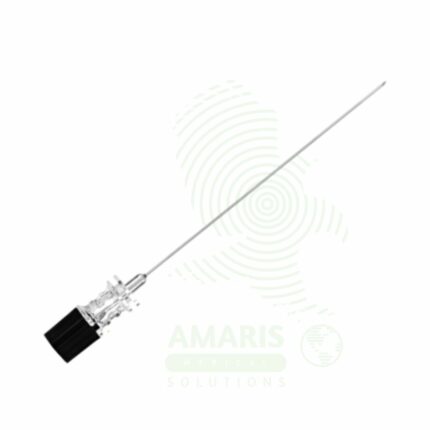
Quincke Spinal Needle
A Quincke Spinal Needle is a sterile, single-use, cutting-bevel needle designed for accessing the subarachnoid space for spinal anesthesia, diagnostic lumbar puncture, and intrathecal medication administration. Featuring a sharp cutting tip, removable stylet, and transparent hub for CSF flashback visualization, it allows precise dural penetration and reliable CSF return. Available in various gauges and lengths, it is the traditional cutting needle in neuraxial anesthesia. Strict aseptic technique, proper bevel orientation, and careful patient selection are essential to minimize complications including post-dural puncture headache and nerve injury.