Dermatoscope and Magnifiers
 Diagnostic Kits
 Vital Signs Monitors
 Stethoscopes and Accessories
 Otoscopes, Ophthalmoscopes, and Retinoscopes
 Reflex Hammers and Neurological Tools
 Scales and Measuring Devices
 Spirometers and Pulmonary Function Tests
 Electrosurgical Units and Accessories
 Cutting Instruments
 Grasping and Holding Instruments
 Hemostatic Instruments
 Specialized Surgical Sets
 Single-Use Procedure Trays and Packs
 Surgical Drapes, Gowns, and Covers
 Tissue Unifying Instruments
 Radiation Protection
 X-Ray Machines and Accessories
 Ultrasound Systems and Probes
 MRI and CT Scanners
 Radiology Consumables
 Bone Densitometers
 Fluoroscopy Equipment
 Imaging Tables and Positioning Aids
 Microscopes and Accessories
 Centrifuges and Separators
 Analyzers
 Incubators and Ovens
 Pipettes, Dispensers, and Lab Glassware
 Refrigerators, Freezers, and Storage Units
 Lab Consumables
 Sterilizers and Autoclaves for Lab Use
 Multi-Parameter Monitors
 Ventilators and Respiratory Support Devices
 Defibrillators and AEDs
 Infusion Pumps and IV Systems
 Patient Warmers and Cooling Devices
 Central Monitoring Stations
 Accessories
 Anesthesia Machines and Workstations
 Oxygen Concentrators and Delivery Systems
 Nebulizers and Inhalers
 CPAP/BiPAP Machines
 Airway Management
 Anesthesia Masks, Circuits, and Bags
 Humidifiers and Heaters
 Respiratory Therapy Accessories
 First Aid Kits and Cabinets
 Emergency Resuscitation Equipment
 Trauma Supplies
 Emergency Carts and Crash Carts
 Burn Care Products
 Bleeding Control
 Automated External Defibrillators (AEDs)
 Transport and Evacuation
 Wheelchairs and Accessories
 Walkers, Crutches, and Canes
 Prosthetics and Orthotics
 Physical Therapy Equipment
 Transfer Devices
 Bathroom Safety
 Orthopedic Traction and Tables
 Hot/Cold Therapy Packs and Units
 Beds and Mattresses
 Chairs and Stools
 Tables
 Cabinets and Storage
 Privacy Screens & Curtains
 Stands and Racks
 Linens and Textiles
 Lighting
 Autoclaves and Sterilizers
 Ultrasonic Cleaners
 Disinfectant Solutions and Wipes
 Sterilization Pouches, Wraps, and Indicators
 Instrument Trays and Containers
 UV and Ozone Disinfection Devices
 Washer Disinfectors
 Wound Care
 Gloves
 Masks and Respirators
 Catheters and Tubing
 Swabs, Applicators, and Sponges
 Incontinence Products
 Personal Protective Equipment (PPE)
 Dental Chairs and Units
 Handpieces and Burs
 Instruments
 Consumables
 Sterilization for Dental Use
 Orthodontic Supplies
 Endodontic Tools
 Slit Lamps and Tonometers
 Lensometers and Phoropters
 Ophthalmic Surgical Instruments
 Eyewear Frames and Lenses
 Contact Lens Supplies
 Vision Testing Charts and Devices
 Eye Care Consumables
 Laser Systems for Eye Care
 ENT Exam Chairs and Tables
 Endoscopes
 Audiometers and Hearing Tests
 ENT Instruments
 Nasal and Throat Packs
 Hearing Aids and Accessories
 Otology Supplies
 Fetal Dopplers and Monitors
 Delivery Beds and Tables
 Gynecological Instruments
 Neonatal Incubators and Warmers
 Breast Pumps and Accessories
 Contraceptive Devices
 Maternity Supports and Pads
 Neonatal Consumables
 Cystoscopes and Urethroscopes
 Dialysis Machines and Supplies
 Urological Catheters and Bags
 Lithotripters
 Prostate Treatment Devices
 Urinary Incontinence Products
 Kidney Stone Management Tools
 Consumables & Disposables
 EEG and EMG Machines
 Neurosurgical Instruments
 Nerve Stimulators
 Headrests and Positioning Aids
 Lumbar Puncture Kits
 Seizure Monitoring Devices
 Consumables
 Rehabilitation for Neurological Conditions
 ECG Machines and Accessories
 Holter Monitors
 Stress Test Systems
 Pacemakers and Defibrillator Accessories
 Vascular Access Devices
 Cardiac Catheters and Guidewires
 Blood Flow Meters
 Consumables
 Orthopedic Instruments
 Casts, Splints, and Padding
 Joint Replacement Supplies
 Prosthetic Limbs and Components
 Bone Grafts and Substitutes
 Traction Devices
 Orthopedic Braces and Supports
 Rehabilitation Aids for Orthopedics
 Home Oxygen Therapy
 Hospital Beds for Home Use
 Mobility Aids
 Bathroom and Daily Living Aids
 Wound Care for Home
 Monitoring Devices
 Enteral Feeding Pumps and Tubes
 Hand Sanitizers and Dispensers
 Face Shields and Goggles
 Isolation Gowns and Suits
 Biohazard Waste Containers
 Air Purifiers and HEPA Filters
 Surface Disinfectants
 Sharps Containers
 Protective Barriers
 Cardiovascular & Endurance Training
 Strength Training & Weightlifting
 Functional Training & Core Conditioning
 Physical Therapy & Rehabilitation
 Sports & Outdoor Recreation
 Gym Flooring & Facility Equipment
 Fitness Monitoring & Accessories
 Kids & Novelties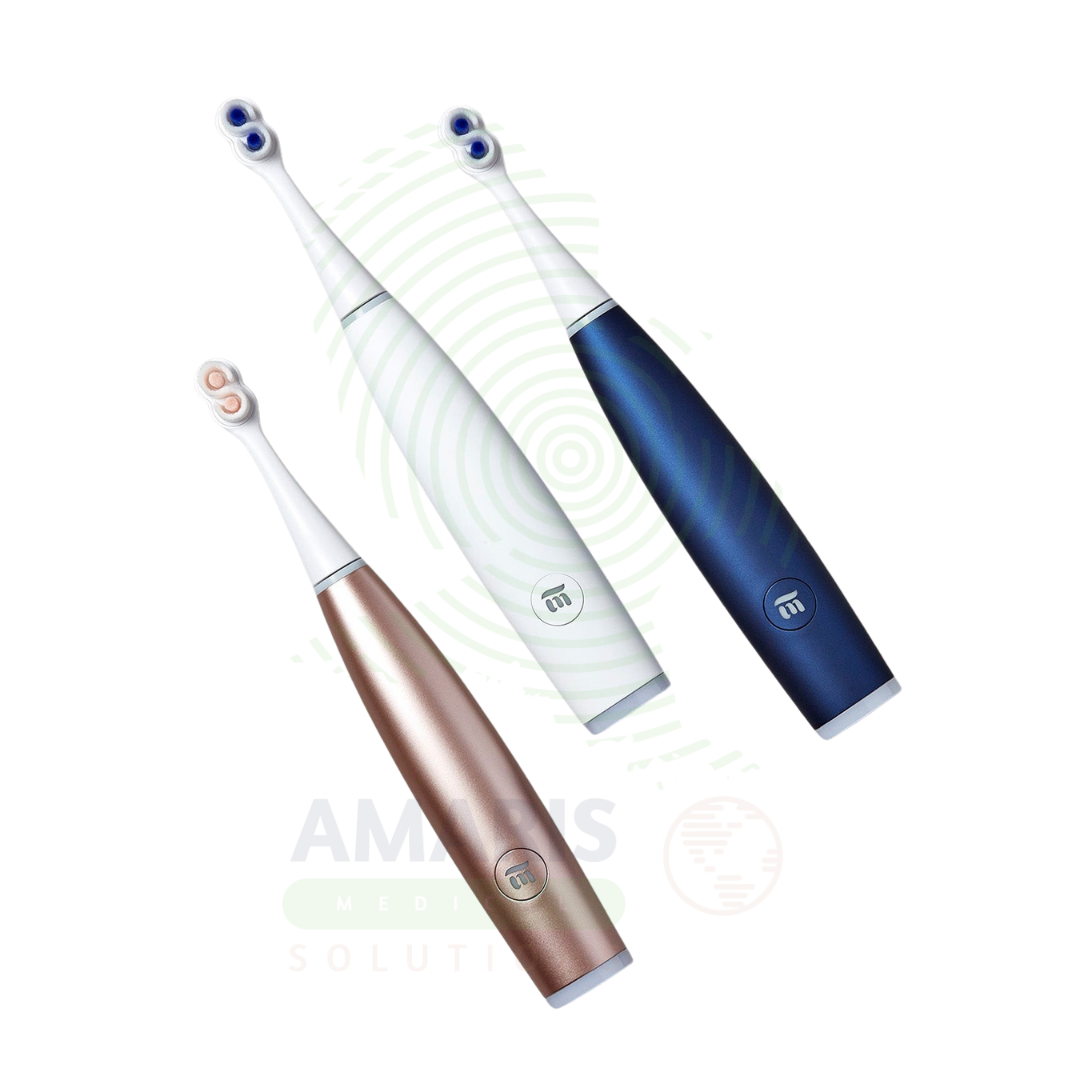
Electric Toothbrush
$1.00
WhatsApp Order
An Electric Toothbrush is a powered oral hygiene device that uses oscillating-rotating or sonic technology to provide automated brush head movements for superior plaque removal compared to manual brushing. It is clinically proven to reduce gingivitis and improve gum health. Key features include built-in timers, pressure sensors, and multiple modes, making it especially beneficial for individuals with limited dexterity, orthodontic appliances, or inconsistent brushing habits. Proper use involves guiding the brush, not scrubbing, and replacing brush heads every three months for optimal performance and safety.
Description
Electric Toothbrush
PRIMARY CLINICAL & DIAGNOSTIC USES
1. Superior Plaque Removal and Gingival Health
-
Primary Use: Provides more effective and consistent removal of dental plaque biofilm from tooth surfaces and the gingival margin compared to manual brushing, with oscillating-rotating or sonic vibrations disrupting and sweeping away plaque with standardized movements, leading to proven reductions in gingivitis and bleeding indices.
-
How it helps: For the dental professional, electric toothbrushes offer a clinically proven tool for improving patient plaque control—reducing the variability inherent in manual brushing technique. For the patient, this means more effective cleaning with less effort, resulting in healthier gums and reduced bleeding.
2. Preventive Oral Care for Caries and Periodontal Disease
-
Primary Use: Enables more effective daily plaque control, serving as a key preventive tool against dental caries and chronic periodontitis, with regular use associated with maintaining periodontal attachment levels and reducing cavity incidence.
-
How it helps: For the dentist and periodontist, electric toothbrushes support the long-term maintenance of periodontal health and caries prevention. For the patient, consistent use helps prevent the progression of gum disease and reduces the risk of new cavities forming between dental visits.
3. Aid for Patients with Limited Manual Dexterity
-
Primary Use: Essential for individuals who cannot perform adequate manual brushing due to conditions such as arthritis, carpal tunnel syndrome, Parkinson’s disease, stroke recovery, or other physical disabilities or injuries, as the powered handle does most of the work, requiring only guiding movements from the user.
-
How it helps: For the clinician managing patients with physical limitations, electric toothbrushes provide a means of maintaining oral hygiene when manual dexterity is compromised. For the patient with arthritis or neurological conditions, this means they can maintain independent oral care without relying on others for assistance.
4. Orthodontic Appliance Care
-
Primary Use: Highly effective for patients with fixed orthodontic braces, as the powered brush head can more easily clean around brackets, wires, and bands, helping to prevent enamel demineralization and gingival inflammation common during orthodontic treatment.
-
How it helps: For the orthodontist, electric toothbrushes are a critical tool for preventing the white spot lesions that can complicate treatment outcomes. For the orthodontic patient, this means cleaner teeth throughout treatment and a more aesthetically pleasing result at the conclusion of braces.
5. Motivation and Improvement of Brushing Habits
-
Primary Use: Incorporates features like built-in two-minute timers, quadrant pacers, and pressure sensors that educate users on proper brushing duration, coverage, and technique, transforming brushing from a subjective activity into a guided, habit-forming routine.
-
How it helps: For the dental hygienist and dentist, these features reinforce proper brushing technique and duration without requiring constant patient education. For the patient, guided brushing ensures consistent, thorough cleaning and helps establish lifelong oral hygiene habits.
6. Standardized Brushing Motion
-
Primary Use: Eliminates variability in brushing technique by providing a consistent, scientifically validated motion that optimizes plaque removal while minimizing the risk of abrasive damage to enamel and gingiva.
-
How it helps: For the clinician, this reduces the risk of patient-induced damage from over-vigorous or improper manual brushing. For the patient, this means effective cleaning without the risk of gum recession or enamel abrasion.
7. Built-in Pressure Sensor Technology
-
Primary Use: Alerts the user when excessive force is applied during brushing, preventing abrasive damage to enamel and gingival tissues that can occur with overly aggressive brushing.
-
How it helps: For the dental professional, pressure sensors help prevent the common problem of brushing abrasion and gingival recession. For the patient, this protects their teeth and gums from the long-term effects of over-vigorous brushing.
8. Timer and Quadrant Pacing
-
Primary Use: Two-minute timer ensures adequate total brushing duration, while 30-second quadrant pacers encourage equal attention to all four sections of the mouth.
-
How it helps: For the clinician, these features address the common issues of inadequate brushing time and uneven coverage. For the patient, this ensures a complete, balanced clean with every brushing session.
9. Sonic and Oscillating Technologies
-
Primary Use: Sonic technology creates fluid dynamics that extend cleaning action beyond bristle contact, while oscillating-rotating technology provides mechanical disruption of plaque through consistent, pre-programmed movements.
-
How it helps: For the dentist, these technologies provide options for tailoring recommendations to individual patient needs. For the patient, the choice of technology allows selection of the brushing action that best suits their comfort and efficacy preferences.
10. Smart Features and Connectivity
-
Primary Use: Advanced models offer Bluetooth connectivity that tracks brushing habits, provides real-time feedback, and shares data with dental professionals for monitoring and coaching.
-
How it helps: For dental practice, smart features enable remote monitoring of patient compliance and technique. For the patient, this provides personalized feedback and motivation to improve oral hygiene habits.
SECONDARY & SUPPORTIVE USES
1. Post-Surgical Oral Hygiene: After certain periodontal or oral surgeries, a very gentle electric brush setting may be recommended once healing permits, allowing for effective yet ultra-soft cleaning of teeth adjacent to surgical sites where manual control might be difficult or risky. For the surgeon, this supports post-operative healing; for the patient, it enables continued oral hygiene during recovery.
2. Management of Dentin Hypersensitivity: Some electric toothbrush models have specific modes or compatible brush heads designed for sensitive teeth, using lower amplitude movements or specialized bristles to provide a gentle yet effective clean that minimizes discomfort for users with exposed dentin or gingival recession. For the clinician, this offers an option for sensitive patients; for the patient, it allows effective cleaning without triggering discomfort.
3. Cleaning of Removable Dental Appliances: While not its primary purpose, the brush head can be used without toothpaste to gently clean removable partial dentures, retainers, and mouthguards, utilizing its motion to clean hard-to-reach crevices. For the dental professional, this supports appliance hygiene; for the patient, it provides an effective method for keeping appliances clean.
4. Professional Prophylaxis and Patient Education Tool: Dental hygienists may use demonstration brush heads to educate patients on proper angulation and technique during prophylaxis appointments, providing a tactile and visual guide for effective home care. For the hygienist, this enhances patient education; for the patient, hands-on demonstration improves understanding of proper technique.
5. Reduction of Stain Accumulation: The consistent, high-frequency movements can be more effective at disrupting and removing extrinsic stains from tooth surfaces compared to erratic manual brushing, aiding in maintaining a cleaner appearance. For the clinician, this supports cosmetic maintenance; for the patient, this helps preserve a brighter, more aesthetic smile between professional cleanings.
6. Improved Compliance for Children: Children often find electric toothbrushes more engaging, leading to improved brushing compliance and duration. For the pediatric dentist, this supports early establishment of good habits; for the child, brushing becomes a more enjoyable experience.
7. Caregiver-Assisted Brushing: For individuals requiring assistance, electric toothbrushes make caregiver-assisted brushing easier and more effective. For the caregiver, this simplifies the task; for the patient, it ensures thorough cleaning even when dependent on others for care.
KEY PRODUCT FEATURES
1. BASIC IDENTIFICATION ATTRIBUTES
-
Product Type: A powered oral hygiene device for cleaning teeth and gums.
-
Designation: Categorized by its drive technology: Oscillating-Rotating (brush head rotates in one direction and then the other) or Sonic/Vibrational (brush head vibrates side-to-side at high frequency). Also defined by its power source: rechargeable (Li-ion) or battery-operated (AA/AAA).
-
Core Components: Consists of a handle/motor unit containing the drive mechanism, battery, and electronics; a removable brush head that attaches via a coupling; and a charging station (for rechargeable models).
2. TECHNICAL & PERFORMANCE PROPERTIES
-
Movement Frequency (Oscillations/Vibrations per Minute): The key performance metric. Oscillating-rotating brushes typically operate at 7,600-8,800 oscillations per minute. Sonic brushes operate at 24,000-62,000+ vibrations (strokes) per minute.
-
Drive Mechanism: Either a mechanical gear-driven system (for oscillating-rotating) or a magnetic solenoid/linear resonant actuator (for sonic).
-
Modes: Multiple cleaning modes are common (e.g., Daily Clean, Sensitive, Gum Care, Whitening, Deep Clean) which alter the movement pattern, speed, or intensity.
-
Pressure Sensor: A critical safety feature that alerts the user (via a light, sound, or motor slowdown) when excessive brushing force is applied, helping to prevent gingival abrasion and recession.
3. PHYSICAL & OPERATIONAL PROPERTIES
-
Ergonomics & Weight: The handle is designed for a secure, comfortable grip. It is typically heavier than a manual brush due to the internal motor and battery.
-
Battery Life & Charging: Rechargeable models offer 1-4 weeks of use per charge. Charging is via an inductive charging dock or USB cable. Battery-operated models use disposable cells.
-
Brush Head Compatibility: Each brand/family uses a proprietary coupling system, locking users into compatible brush head refills from that manufacturer.
4. SAFETY & COMPLIANCE ATTRIBUTES
-
Regulatory Status: Classified as a Class I or Class II medical device (low to moderate risk) depending on jurisdiction, as it is intended to prevent disease.
-
Electrical Safety: Must comply with safety standards for electrical appliances (e.g., IEC 60335, IPX7 waterproof rating for safe use in a wet bathroom environment).
-
Biocompatibility: All materials in contact with the mouth (brush head, bristles) must be biocompatible, BPA-free, and non-toxic.
5. STORAGE & HANDLING ATTRIBUTES
-
Storage: Store the handle on its charging dock or in a clean, dry, upright position when not in use. Brush heads should be stored separately, uncovered, to allow them to air-dry completely.
-
Cleaning & Maintenance (CRITICAL):
-
Handle: Wipe clean with a damp cloth. Do not submerge unless rated as waterproof. Never use abrasive cleaners.
-
Brush Head: Rinse thoroughly under water after each use. Replace the brush head every 3 months or sooner if bristles are frayed, as worn bristles are less effective and can harbor bacteria. Never share brush heads between users.
-
-
Charging: Follow manufacturer instructions. Avoid leaving on the charger continuously for months if not in use, as this can degrade battery life. For long-term storage, charge to ~50% and store in a cool place.
6. LABORATORY & CLINICAL APPLICATIONS
-
Primary Application: A recommended and prescribed home-use device for achieving a higher standard of daily mechanical plaque control, used as an adjunct to professional dental care.
-
Evidence-Based Selection: Recommendation is based on clinical evidence (e.g., the Cochrane Review) supporting its superiority over manual brushing for reducing plaque and gingivitis, particularly for specific patient populations.
SAFETY HANDLING PRECAUTIONS
1. SAFETY PRECAUTIONS
-
Proper Technique (Most Important): The user must guide the moving brush head slowly along all tooth surfaces (outside, inside, chewing), allowing the technology to do the work. Avoid scrubbing back and forth. Hold the brush at a 45-degree angle towards the gumline.
-
Pressure Monitoring: Heed the pressure sensor alerts. Excessive force does not clean better and can damage gums and tooth structure.
-
Avoid Sharing Handles: The handle is for individual use only to prevent cross-contamination. Only the brush head is replaceable.
-
Inspect Regularly: Check the handle, brush head, and charger for any signs of damage, corrosion, or malfunction. Do not use a damaged device.
-
Keep Away from Water While Charging: Ensure the charging base and plug are in a dry location away from sinks and showers to prevent electrical shock.
2. FIRST AID MEASURES
-
Electrical Malfunction/Shock: If the device causes a tingling sensation or shock, turn off and unplug it immediately. Do not touch the device with wet hands. Seek medical advice if injury occurs.
-
Ingestion of Brush Head Parts: If a small part (e.g., a bristle cap) is accidentally swallowed, it will likely pass harmlessly. If a larger part is ingested or choking occurs, seek medical attention.
-
Gingival Trauma: If brushing causes significant pain or bleeding, discontinue use and consult a dentist to evaluate technique or switch to a sensitive mode/softer brush head.
3. FIRE FIGHTING MEASURES
-
Flammability: The plastic casing and lithium-ion battery are combustible. A damaged or faulty battery can pose a fire risk.
-
Extinguishing Media: For electrical/plastic fires, use CO₂ or dry chemical powder. For lithium battery fires, use a Class D fire extinguisher if available, or large quantities of water to cool the battery. Evacuate and call emergency services.
Related products
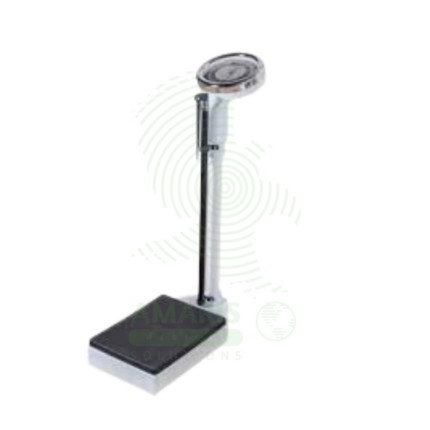
Analogue Weighing Scale With height
An Analogue Weighing Scale With height is a Class I medical device combining a mechanical beam scale (balance beam with sliding poises, accuracy ±0.1 kg, capacity 140-300 kg) with an integrated telescoping or folding height rod (range 60-200 cm, graduation 1 mm) for comprehensive anthropometric assessment without batteries or electronics. Features include heavy-gauge steel platform (50-70 cm × 40-50 cm) with non-slip surface, sliding counterweights (large for increments, small for fine measurement), zero adjustment mechanism, locking casters for mobility, and durable enamel or powder-coated finish. Primary clinical applications include comprehensive anthropometric assessment in resource-limited clinics, pediatric growth monitoring in community health centers, adult obesity screening and BMI calculation, geriatric nutritional assessment in long-term care, preoperative assessment in ambulatory surgery centers, school health screening programs, and developing world/humanitarian aid settings. Critical safety considerations include verifying zero balance before each use, locking casters before patient steps on, ensuring patient stands still without support, providing step assistance for mobility-impaired patients, and cleaning platform and height rod between patients. Essential durable, battery-free equipment for comprehensive weight and height measurement in clinical settings.
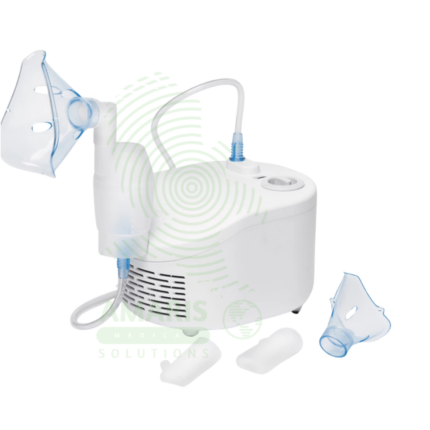
Compressor Nebulizer Machine
A Compressor Nebulizer Machine is a pneumatic device that transforms liquid medication into a breathable mist for treating respiratory conditions. Consisting of an electric air compressor, a nebulizer cup, tubing, and a mask or mouthpiece, it is particularly effective for infants, children, and patients with severe asthma, COPD, or cystic fibrosis who require reliable aerosol delivery. While offering robust performance for home and clinical use, its safety and efficacy depend critically on proper cleaning to prevent infection, correct assembly, and the use of prescribed nebulizer-compatible medications. It remains a fundamental tool for both acute intervention and chronic management of pulmonary diseases.
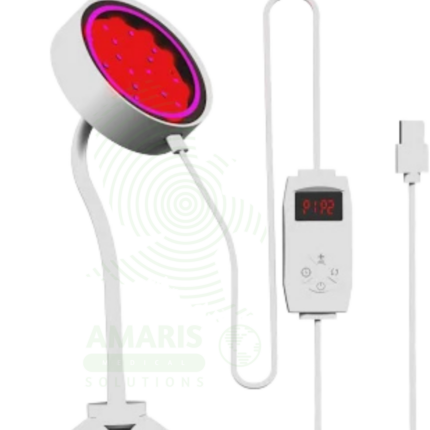
Desktop Infrared Therapy Lamp
A Desktop Infrared Therapy Lamp is a compact, focused heat therapy device that emits infrared radiation to deliver deep, penetrating warmth to targeted areas of the body. Used primarily for pain relief, muscle relaxation, and promoting healing in soft tissue and joint conditions, it is a common tool in physical therapy, chiropractic, and wellness practices. Its adjustable design allows precise positioning over areas like the neck, shoulder, or knee. Treatment involves non-invasive, radiant heat that increases local circulation. Critical safety practices include adhering to treatment time and distance guidelines, avoiding use over contraindicated areas, and never looking directly at the bulb.
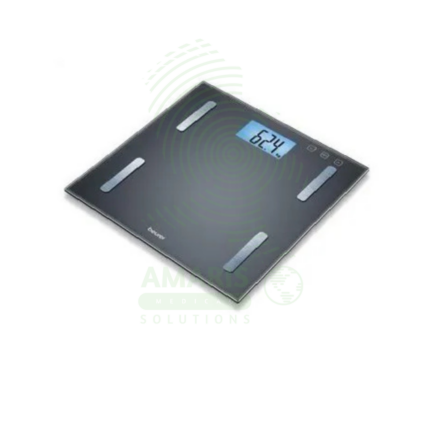
Digital weight scale with BMI calculator
A Digital Weight Scale with BMI Calculator is a Class I medical device (for health monitoring) combining precision strain gauge technology (four sensors, accuracy ±0.1-0.3 kg) with automatic BMI calculation based on user-entered height. Features include tempered glass, stainless steel, or ABS plastic platform (30-35 cm square), backlit LCD display showing weight and BMI, multiple user profiles (2-10 users) with height storage, memory for historical readings, auto-recognition on select models, Bluetooth connectivity for app integration, and weight capacity 150-200 kg (330-440 lbs) standard. Primary clinical applications include home-based BMI monitoring for weight management, hypertension and cardiovascular risk assessment, diabetes management and metabolic health, obesity screening and weight loss programs, bariatric surgery pre- and post-operative monitoring, geriatric nutritional status monitoring (detecting malnutrition), and pediatric/adolescent growth tracking. Critical safety considerations include accurate height entry for each user (essential for valid BMI), correct user profile selection, use on hard level surfaces (not carpet), glass platform inspection for cracks, staying within weight capacity, and understanding that BMI is a screening tool requiring healthcare provider interpretation. Essential home health device for individuals managing weight-related health conditions.
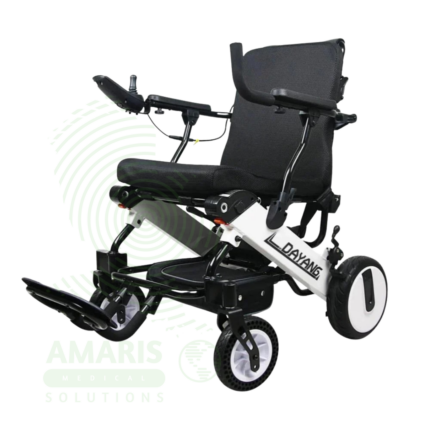
Electric Wheelchair
An Electric Wheelchair is a battery-powered mobility device prescribed for individuals with significant mobility impairments who cannot self-propel a manual chair. It provides independent indoor and outdoor mobility through a joystick or alternative control system. Key features often include power seating functions (tilt, recline) for pressure relief and postural support, and are available in various drive configurations (rear, mid, front-wheel) for different environments. As complex rehabilitation technology, it requires professional evaluation, user training, and regular maintenance to ensure safe operation, enhance independence, and improve the user's quality of life.
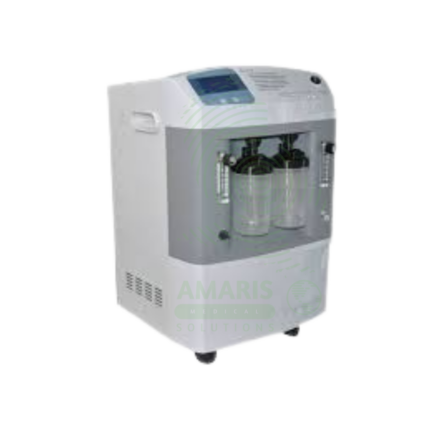
Oxygen Concentrator
An Oxygen Concentrator is a Class II medical device that delivers 90-95% pure supplemental oxygen to patients with chronic hypoxemia using pressure swing adsorption (PSA) technology to concentrate oxygen from room air. Available as stationary/home units (10-30 kg, 0.5-10 L/min continuous flow) for long-term oxygen therapy (LTOT) and portable/ambulatory units (1-10 kg, 0.5-3 L/min pulse-dose or continuous flow) for active patients requiring mobility. Features include oxygen purity monitoring with alarms, digital flow control, hour meters, washable filters, and (for portable units) rechargeable batteries, FAA approval for travel, and pulse-dose delivery to conserve oxygen. Primary clinical indications include COPD, pulmonary fibrosis, cystic fibrosis, and other chronic respiratory conditions with resting, exertional, or nocturnal hypoxemia (PaO2 ≤55 mmHg or SpO2 ≤88%). Essential for home-based oxygen therapy, enabling patients to maintain independence, reduce hospitalizations, and improve quality of life. Critical safety precautions include NO SMOKING in the oxygen environment, keeping away from heat sources and open flames, proper electrical safety, regular filter cleaning, and having backup oxygen for power outages.
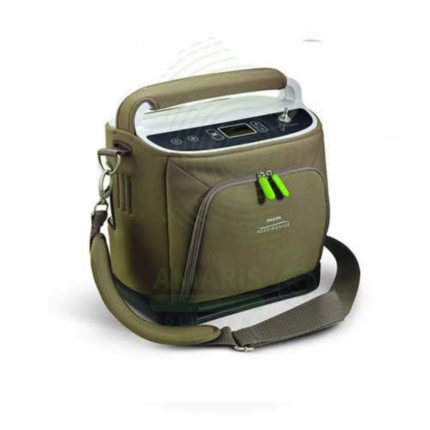
Portable Oxygen Concentrator
A Portable Oxygen Concentrator (POC) is a lightweight, battery-powered device that delivers oxygen via pulse dose technology, enabling active, mobile lifestyles for patients with chronic lung disease. By providing oxygen on-demand with each breath, it maximizes battery efficiency and portability, allowing users to travel, exercise, and socialize freely. It is a prescription-only device that requires careful titration to match a patient's needs during activity and is not a substitute for a stationary concentrator used at home and during sleep. Key considerations include FAA approval for air travel, battery life management, and understanding its specific use case as an ambulatory aid, not a primary oxygen source.