Dermatoscope and Magnifiers
 Diagnostic Kits
 Vital Signs Monitors
 Stethoscopes and Accessories
 Otoscopes, Ophthalmoscopes, and Retinoscopes
 Reflex Hammers and Neurological Tools
 Scales and Measuring Devices
 Spirometers and Pulmonary Function Tests
 Electrosurgical Units and Accessories
 Cutting Instruments
 Grasping and Holding Instruments
 Hemostatic Instruments
 Specialized Surgical Sets
 Single-Use Procedure Trays and Packs
 Surgical Drapes, Gowns, and Covers
 Tissue Unifying Instruments
 Radiation Protection
 X-Ray Machines and Accessories
 Ultrasound Systems and Probes
 MRI and CT Scanners
 Radiology Consumables
 Bone Densitometers
 Fluoroscopy Equipment
 Imaging Tables and Positioning Aids
 Microscopes and Accessories
 Centrifuges and Separators
 Analyzers
 Incubators and Ovens
 Pipettes, Dispensers, and Lab Glassware
 Refrigerators, Freezers, and Storage Units
 Lab Consumables
 Sterilizers and Autoclaves for Lab Use
 Multi-Parameter Monitors
 Ventilators and Respiratory Support Devices
 Defibrillators and AEDs
 Infusion Pumps and IV Systems
 Patient Warmers and Cooling Devices
 Central Monitoring Stations
 Accessories
 Anesthesia Machines and Workstations
 Oxygen Concentrators and Delivery Systems
 Nebulizers and Inhalers
 CPAP/BiPAP Machines
 Airway Management
 Anesthesia Masks, Circuits, and Bags
 Humidifiers and Heaters
 Respiratory Therapy Accessories
 First Aid Kits and Cabinets
 Emergency Resuscitation Equipment
 Trauma Supplies
 Emergency Carts and Crash Carts
 Burn Care Products
 Bleeding Control
 Automated External Defibrillators (AEDs)
 Transport and Evacuation
 Wheelchairs and Accessories
 Walkers, Crutches, and Canes
 Prosthetics and Orthotics
 Physical Therapy Equipment
 Transfer Devices
 Bathroom Safety
 Orthopedic Traction and Tables
 Hot/Cold Therapy Packs and Units
 Beds and Mattresses
 Chairs and Stools
 Tables
 Cabinets and Storage
 Privacy Screens & Curtains
 Stands and Racks
 Linens and Textiles
 Lighting
 Autoclaves and Sterilizers
 Ultrasonic Cleaners
 Disinfectant Solutions and Wipes
 Sterilization Pouches, Wraps, and Indicators
 Instrument Trays and Containers
 UV and Ozone Disinfection Devices
 Washer Disinfectors
 Wound Care
 Gloves
 Masks and Respirators
 Catheters and Tubing
 Swabs, Applicators, and Sponges
 Incontinence Products
 Personal Protective Equipment (PPE)
 Dental Chairs and Units
 Handpieces and Burs
 Instruments
 Consumables
 Sterilization for Dental Use
 Orthodontic Supplies
 Endodontic Tools
 Slit Lamps and Tonometers
 Lensometers and Phoropters
 Ophthalmic Surgical Instruments
 Eyewear Frames and Lenses
 Contact Lens Supplies
 Vision Testing Charts and Devices
 Eye Care Consumables
 Laser Systems for Eye Care
 ENT Exam Chairs and Tables
 Endoscopes
 Audiometers and Hearing Tests
 ENT Instruments
 Nasal and Throat Packs
 Hearing Aids and Accessories
 Otology Supplies
 Fetal Dopplers and Monitors
 Delivery Beds and Tables
 Gynecological Instruments
 Neonatal Incubators and Warmers
 Breast Pumps and Accessories
 Contraceptive Devices
 Maternity Supports and Pads
 Neonatal Consumables
 Cystoscopes and Urethroscopes
 Dialysis Machines and Supplies
 Urological Catheters and Bags
 Lithotripters
 Prostate Treatment Devices
 Urinary Incontinence Products
 Kidney Stone Management Tools
 Consumables & Disposables
 EEG and EMG Machines
 Neurosurgical Instruments
 Nerve Stimulators
 Headrests and Positioning Aids
 Lumbar Puncture Kits
 Seizure Monitoring Devices
 Consumables
 Rehabilitation for Neurological Conditions
 ECG Machines and Accessories
 Holter Monitors
 Stress Test Systems
 Pacemakers and Defibrillator Accessories
 Vascular Access Devices
 Cardiac Catheters and Guidewires
 Blood Flow Meters
 Consumables
 Orthopedic Instruments
 Casts, Splints, and Padding
 Joint Replacement Supplies
 Prosthetic Limbs and Components
 Bone Grafts and Substitutes
 Traction Devices
 Orthopedic Braces and Supports
 Rehabilitation Aids for Orthopedics
 Home Oxygen Therapy
 Hospital Beds for Home Use
 Mobility Aids
 Bathroom and Daily Living Aids
 Wound Care for Home
 Monitoring Devices
 Enteral Feeding Pumps and Tubes
 Hand Sanitizers and Dispensers
 Face Shields and Goggles
 Isolation Gowns and Suits
 Biohazard Waste Containers
 Air Purifiers and HEPA Filters
 Surface Disinfectants
 Sharps Containers
 Protective Barriers
 Cardiovascular & Endurance Training
 Strength Training & Weightlifting
 Functional Training & Core Conditioning
 Physical Therapy & Rehabilitation
 Sports & Outdoor Recreation
 Gym Flooring & Facility Equipment
 Fitness Monitoring & Accessories
 Kids & Novelties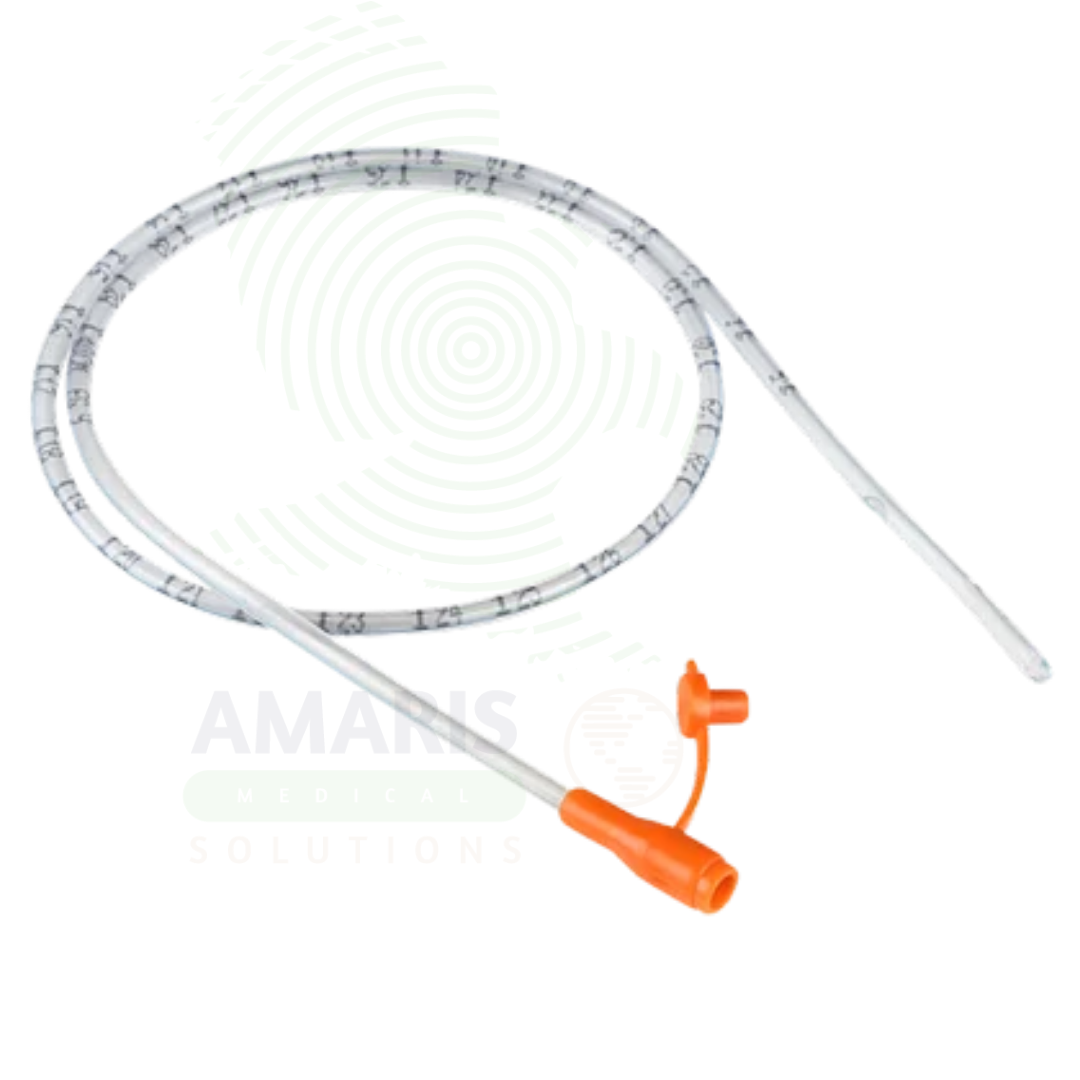
Feeding tube
$1.00
WhatsApp Order
A Feeding Tube is a flexible, sterile tube inserted into the gastrointestinal tract for delivery of liquid nutrition, medications, and fluids to patients who cannot safely eat or swallow due to stroke, neurological disease, head and neck cancer, critical illness, or other conditions. Available in nasogastric (nose to stomach), gastrostomy (through abdominal wall), and jejunostomy (into small bowel) configurations, these tubes are manufactured from biocompatible polyurethane or silicone with ENFit connectors to prevent dangerous misconnections with intravenous lines. Radiopaque markers and depth markings enable verification of proper placement by x-ray. For the clinician, feeding tubes provide reliable internal access that ensures patients receive adequate nutrition and medications while preventing aspiration complications. For the patient, a feeding tube provides life-sustaining nutrition that supports healing, maintains immune function, prevents starvation, and improves quality of life during recovery or long-term care.
Description
Feeding Tube
PRIMARY CLINICAL & DIAGNOSTIC USES
1. Enteral Nutrition Delivery for Patients Unable to Eat
-
Primary Use: Provides a flexible, sterile tube inserted into the stomach (nasogastric) or directly through the abdominal wall (gastrostomy) for delivery of liquid nutrition to patients who cannot safely eat or swallow.
-
How it helps: For the gastroenterologist, dietitian, and nurse, the feeding tube enables safe, controlled delivery of complete liquid nutrition directly to the gastrointestinal tract—ensuring that patients receive adequate calories, protein, vitamins, and minerals for healing and maintenance. For the patient who cannot swallow due to stroke, neurological disease, head and neck cancer, or critical illness, the feeding tube provides life-sustaining nutrition that prevents starvation, supports immune function, and promotes recovery.
2. Medication Administration in Patients with Swallowing Difficulties
-
Primary Use: Provides a direct route for administering oral medications in liquid or crushed form to patients who cannot swallow pills or liquids safely.
-
How it helps: For the nurse and pharmacist, the feeding tube allows for reliable delivery of essential medications—including antibiotics, anticonvulsants, cardiovascular drugs, and pain medications—when patients cannot take them by mouth. For the patient with dysphagia or reduced consciousness, this ensures continuity of medical therapy and prevents complications from missed or aspirated medications.
3. Aspiration Prevention and Airway Protection
-
Primary Use: When used with an inflated gastric balloon or placed post-pylorically, helps prevent aspiration of gastric contents into the lungs in patients at high risk.
-
How it helps: For the intensivist and respiratory therapist, feeding tubes placed beyond the stomach (duodenal or jejunal tubes) reduce the risk of gastroesophageal reflux and aspiration pneumonia—a leading cause of death in critically ill and neurologically impaired patients. For the patient, aspiration prevention protects lung function, reduces infectious complications, and improves overall survival.
4. Gastric Decompression and Drainage
-
Primary Use: Used to remove air, fluid, and gastric contents from the stomach to relieve distension, nausea, and vomiting in patients with bowel obstruction or post-operative ileus.
-
How it helps: For the surgeon and gastroenterologist, the feeding tube (when used for decompression) provides relief from painful abdominal distension—preventing vomiting, aspiration, and further complications. For the patient, decompression relieves nausea and discomfort, allows bowel rest, and may prevent the need for more invasive interventions.
SECONDARY & SUPPORTIVE USES
1. Bowel Obstruction Management: Used for decompression and drainage in patients with small bowel obstruction or paralytic ileus.
2. Gastric Lavage Following Overdose: Used to aspirate gastric contents following toxic ingestion or overdose.
3. Gastrointestinal Bleeding Management: Used to aspirate stomach contents to assess for active bleeding and remove blood clots.
4. Collection of Gastric Fluid for Diagnostic Testing: Used to obtain gastric fluid samples for pH monitoring, culture, or analysis.
5. Administration of Contrast Media for Radiologic Studies: Used to deliver barium or other contrast agents for upper GI imaging studies.
6. Post-Operative Feeding Following GI Surgery: Used for enteral nutrition following esophageal, gastric, or pancreatic surgery.
7. Long-Term Home Enteral Nutrition: Used for patients requiring long-term tube feeding at home, including those with ALS, muscular dystrophy, or cerebral palsy.
8. Pediatric Nutritional Support: Used in children with failure to thrive, congenital anomalies, or neurological impairment.
9. Enteral Access for Medication in Palliative Care: Used for medication and symptom management in patients receiving end-of-life care.
10. Fluid and Electrolyte Replacement: Used for administration of water and electrolyte solutions in patients who cannot drink.
KEY PRODUCT FEATURES
1. BASIC IDENTIFICATION ATTRIBUTES
-
Device Type: A flexible, sterile tube inserted into the gastrointestinal tract for delivery of liquid nutrition, medications, and fluids, or for gastric decompression.
-
Designation: Feeding Tube, Enteral Feeding Tube, Nasogastric Tube, NG Tube, Gastrostomy Tube, G-Tube, Percutaneous Endoscopic Gastrostomy Tube, PEG Tube, Jejunostomy Tube, J-Tube, Nasojejunal Tube, NJ Tube, Dobhoff Tube.
-
Key Components:
o Tube Body: Flexible, radiopaque polyurethane or silicone tubing.
o Lumen: Single or dual lumen for feeding, medication, and decompression.
o Connector: ENFit or standard connector for enteral feeding sets.
o Guidewire: Removable stylet or guidewire for placement assistance.
o Gastric Balloon: Inflatable balloon (gastrostomy tubes) to secure position.
o External Bumper: Silicone retention disc for gastrostomy tubes.
2. TECHNICAL & PERFORMANCE PROPERTIES
-
Materials: Polyurethane (softer, more flexible) or silicone (biocompatible, longer-lasting).
-
Sizes: French (Fr) sizes from 5Fr to 24Fr; smaller sizes for nasal placement, larger for gastrostomy.
-
Length: Nasogastric tubes: 36-48 inches; Gastrostomy tubes: 20-40cm (custom to patient).
-
Placement Type: Nasogastric (nose to stomach), Nasoenteric (nose to duodenum/jejunum), Gastrostomy (through abdominal wall), Jejunostomy (through abdominal wall into jejunum).
-
Lumen Type: Single lumen (feeding only), dual lumen (feeding and decompression), weighted tip (for post-pyloric placement).
-
Radiopaque: Radiopaque line or tip for radiographic confirmation of placement.
-
Sterility: Sterile; single-use for nasogastric tubes; reusable for long-term gastrostomy tubes (replaced every 6-12 months).
-
Latex-Free: Manufactured without natural rubber latex.
3. PHYSICAL & OPERATIONAL PROPERTIES
-
Construction: Smooth outer surface to minimize friction and tissue trauma.
-
Tip Style: Weighted tip (for post-pyloric passage) or straight tip (for gastric placement).
-
Side Ports: Multiple side ports (eyes) near the tip for feeding and drainage.
-
Placement Aids: Removable stylet or guidewire for stiffening during placement.
-
External Markings: Depth markings (cm) for verifying placement position.
-
Connector Type: ENFit (universal enteral connector) to prevent misconnection with IV lines.
-
Packaging: Sterile, individually packaged with placement accessories.
4. SAFETY & COMPLIANCE ATTRIBUTES
-
Regulatory Status: Class II medical device requiring 510(k) clearance.
-
FDA Compliance: Compliant with FDA Quality System Regulations.
-
ISO Standards: Compliant with ISO 20695 (Enteral feeding catheters and enteral giving sets).
-
ENFit Connector: Meets ISO 80369-3 standards for small-bore connectors to prevent misconnection.
-
Radiopaque: Visible on x-ray for placement verification.
-
Latex-Free: Standard in all feeding tubes.
-
DEHP-Free: Available in DEHP-free options.
5. STORAGE & HANDLING ATTRIBUTES
-
Storage: Store in a clean, dry location at room temperature; protect from heat, moisture, and direct sunlight.
-
Shelf Life: Typically 3-5 years from date of manufacture; check expiration date before use.
-
Sterility Maintenance: Do not use it if the package is opened, torn, wet, or damaged.
-
Single-Use (NG Tubes): Intended for single patient use; discard after removal (typically 4-6 weeks of use).
-
Reusable (G-Tubes): Replace per manufacturer guidelines (typically every 6-12 months).
6. LABORATORY & CLINICAL APPLICATIONS
-
Primary Application: Enteral nutrition delivery, medication administration, and gastric decompression in patients unable to eat or swallow safely.
-
Clinical Role: Essential device in intensive care units, medical-surgical wards, gastroenterology, neurology, pediatrics, oncology, palliative care, long-term care facilities, and home healthcare for patients requiring nutritional support.
SAFETY HANDLING PRECAUTIONS
1. SAFETY PRECAUTIONS
-
Placement Verification: Verify tube placement by x-ray before first use; mark external depth at nostril or abdominal wall.
-
pH Testing: Test gastric aspirate pH (typically 1-4) to confirm gastric placement before each feeding.
-
Tube Securement: Secure tube to nose or abdomen with appropriate fixation device to prevent dislodgment.
-
Flushing: Flush tube with water before and after each feeding and medication administration to maintain patency.
-
Medication Compatibility: Use liquid medications when possible; crush tablets finely; do not mix medications with formula.
-
Elevate Head of Bed: Maintain head of bed at 30-45 degrees during and for 30-60 minutes after feeding to prevent aspiration.
-
Check Residuals: Check gastric residual volumes before each feeding per protocol; hold feeding if residual exceeds facility guidelines.
-
Inspect Tube Site: Inspect nares or stoma site daily for redness, drainage, or skin breakdown.
-
Do Not Reuse (NG): Do not reuse nasogastric tubes; discard after removal.
-
Prevent Misconnection: Use ENFit connectors to prevent accidental connection to IV lines (which can be fatal).
2. FIRST AID MEASURES
-
Accidental Dislodgment: If tube becomes dislodged, do not attempt to reinsert without medical guidance; cover stoma (G-tube) with gauze; contact clinician.
-
Tube Occlusion: If tube is blocked, attempt gentle flushing with warm water; do not use guidewire to clear blockage; replace tube if unable to clear.
-
Aspiration: If a patient shows signs of aspiration (coughing, choking, difficulty breathing) during feeding, stop feeding immediately, suction airway, position patient upright, and seek medical attention.
-
Stoma Infection: If G-tube stoma shows signs of infection (redness, warmth, purulent drainage), clean site, apply topical antibiotic as ordered, and notify clinician.
3. FIRE FIGHTING MEASURES
-
Flammability: Polyurethane and silicone materials are combustible; may melt or burn if exposed to flame or high heat.
-
Extinguishing Media: Use water, foam, dry chemical, or CO₂ for fire involving tube materials.
-
Fire Response: Tube presents no special fire hazard beyond typical combustible materials; oxygen-enriched environments increase fire risk.
Related products
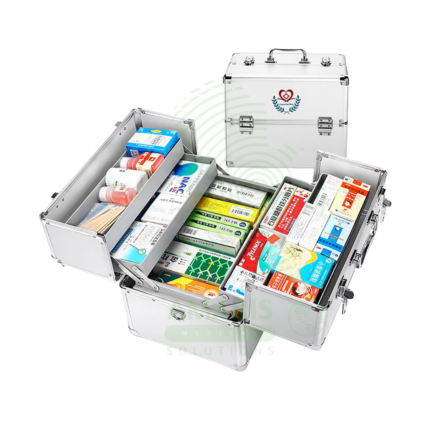
Aluminium First Aid Kit For Ambulance
An Aluminium First Aid Kit for Ambulance is a heavy-duty, weather-resistant storage case specifically designed for organizing, protecting, and securing medical supplies in emergency medical service vehicles. Constructed from 1.2-2.0 mm aluminium alloy with reinforced corners, durable latches, and rubber gaskets (IP54-IP67 rated), these cases protect contents from vibration, impact, moisture, and temperature extremes during emergency response. Available in various configurations including single compartment, multi-drawer, and clear-lid models with customizable interior dividers, elastic straps, and pouches. Designed to meet ambulance equipment mounting standards (KKK-A-1822, NFPA 1917, CEN 1789) with proper installation to withstand collision forces. Primary clinical applications include organized storage of airway management devices, bleeding control supplies, wound care materials, diagnostic equipment, emergency medications, IV supplies, splinting equipment, PPE, and obstetric supplies for BLS, ALS, and CCT ambulance services. Critical safety considerations include proper vehicle mounting to prevent projectile hazards, secure latching during transport, regular inventory management, expiration date monitoring, and decontamination after biohazard exposure. Essential equipment for organized, efficient, and safe emergency medical response.
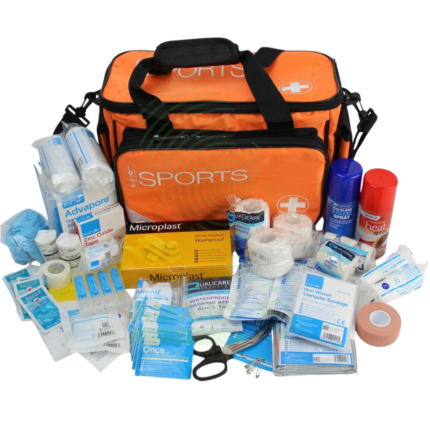
First Aid Kit For Sporting Places
A First Aid Kit for Sporting Places is a portable, organized medical kit specifically designed for the types and frequencies of injuries encountered in athletic and sporting environments. Available in various configurations including sideline kits for team use, personal sports pouches, team travel kits, and wall-mounted cabinets for gymnasiums. Constructed from ballistic nylon, polyester, ABS plastic, or aluminum with organized interior compartments, pouches, and elastic loops for rapid access to supplies. Contains sport-specific medical supplies including wound care materials, elastic bandages, instant cold packs, splinting materials, eye wash, blister care, concussion assessment tools, and personal protective equipment. Primary clinical applications include immediate treatment of common sports injuries (sprains, strains, contusions, abrasions, lacerations), concussion assessment, bleeding control, heat illness management, eye injury care, and emergency action plan implementation. Essential equipment for athletic teams, schools, fitness centers, recreational facilities, and sporting events, providing organized, accessible medical supplies for athlete safety and injury management.
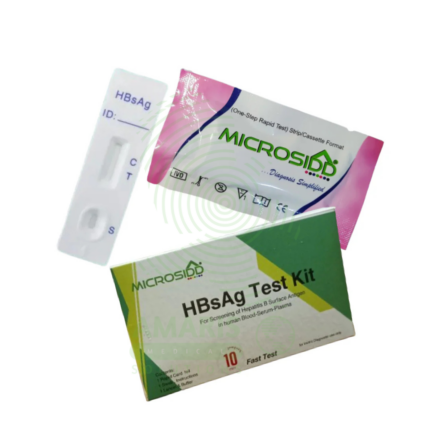
Hepatitis B Test Kit
The Hepatitis B Test Kit is an in vitro diagnostic device for the detection of Hepatitis B virus markers in human blood samples, available in rapid, ELISA, and molecular formats. It detects specific antigens (HBsAg) and antibodies (anti-HBc, anti-HBs) to diagnose acute and chronic infection, monitor treatment response, screen blood donations, and determine immunity status. With high sensitivity (>98%) and specificity (>99%), it provides results in 15 minutes to 4 hours depending on format. Essential applications include prenatal screening to prevent mother-to-child transmission, evaluation of acute hepatitis, pre-immunosuppression screening, and occupational health testing. All patient samples must be handled with universal precautions, and testing must include appropriate quality controls.
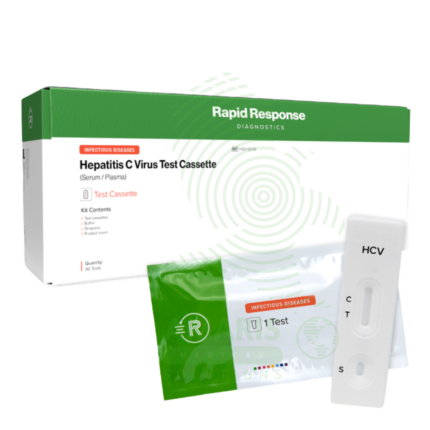
Hepatitis C Test Kit
The Hepatitis C Test Kit is an in vitro diagnostic device for the detection of Hepatitis C virus antibodies or RNA in human blood, serum, or plasma samples. Available in rapid, laboratory immunoassay, and molecular formats, it screens for HCV infection, confirms active infection with RNA testing, and monitors treatment response. With high sensitivity and specificity exceeding 99%, it is essential for identifying infected individuals, linking them to curative direct-acting antiviral therapy, and confirming cure. Essential applications include risk-based screening of high-risk populations, birth cohort screening of baby boomers, evaluation of acute hepatitis, management of occupational exposures, and monitoring of antiviral therapy that can cure over 95% of infections. All patient samples must be handled with universal precautions, and positive antibody results require confirmatory testing.
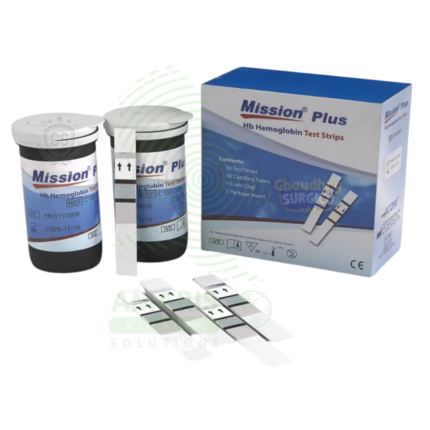
Mission plus strips
Mission Plus Strips are single-use, disposable electrochemical test strips (ISO 15197:2013 compliant) designed exclusively for use with Mission Plus glucose meters to measure capillary blood glucose from 0.5-1.0 µL samples in 5-7 seconds. Each strip contains glucose oxidase or glucose dehydrogenase reagents that generate electrical current proportional to glucose concentration (20-600 mg/dL range). Packaging options include multi-strip vials (25-100 strips) with desiccant for daily use or individually foil-wrapped strips for travel. Strips feature no-coding automatic calibration, hematocrit compensation (20-60%), and interference resistance. Primary clinical applications include daily blood glucose testing for Type 1, Type 2, and gestational diabetes management, hypoglycemia and hyperglycemia detection, pre- and post-meal glucose assessment, and hospital point-of-care testing. Critical safety precautions include single-use only, immediate vial closure after strip removal to prevent humidity damage, storage at 2-30°C away from bathrooms and temperature extremes, never using expired strips, proper hand hygiene before testing, and disposal in sharps containers. Essential consumable for diabetes self-management when used with Mission Plus meters.
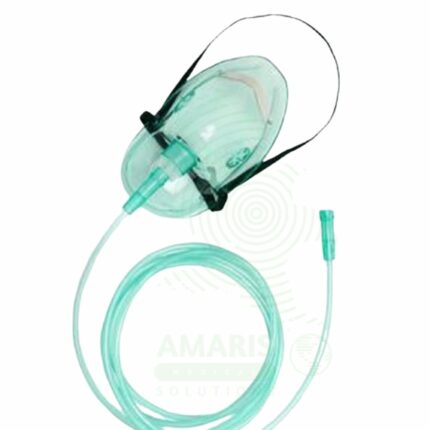
Oxygen Mask (Adult/Infant/Paediatric)
An Oxygen Mask is a disposable, single-use interface used to deliver supplemental oxygen from a medical gas supply to a patient's airways. Available in types for specific clinical needs—Simple Mask for low-flow therapy, Venturi Mask for precise FiO2 control (especially in COPD), and Non-Rebreather Mask for emergency high-flow delivery—and in sizes for adults, children, and infants. Correct selection and application, including ensuring the proper oxygen flow rate for the mask type, are essential for effective therapy and patient safety. Adherence to strict fire safety protocols is non-negotiable due to the combustion risk posed by enriched oxygen environments.
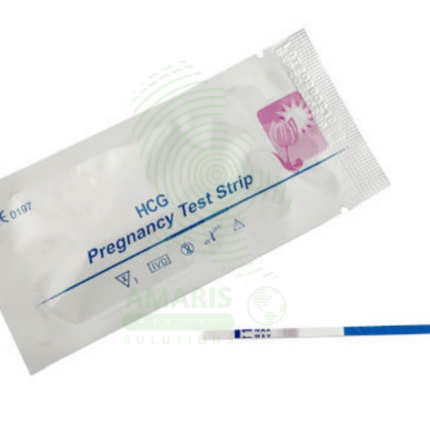
Pregnancy Test Strips
Pregnancy Test Strips are simple, dip-style lateral flow devices designed for the rapid, qualitative detection of human chorionic gonadotropin (hCG) in urine to indicate pregnancy. As the most fundamental format of home pregnancy tests, they offer high sensitivity (often from 10 mIU/mL), affordability, and a quick result within 3-5 minutes. Their ease of use makes them a widely accessible first step in pregnancy detection for personal use and clinical screening. A visible test line, even if faint, is a positive result, though confirmation with a healthcare provider is always recommended.