Dermatoscope and Magnifiers
 Diagnostic Kits
 Vital Signs Monitors
 Stethoscopes and Accessories
 Otoscopes, Ophthalmoscopes, and Retinoscopes
 Reflex Hammers and Neurological Tools
 Scales and Measuring Devices
 Spirometers and Pulmonary Function Tests
 Electrosurgical Units and Accessories
 Cutting Instruments
 Grasping and Holding Instruments
 Hemostatic Instruments
 Specialized Surgical Sets
 Single-Use Procedure Trays and Packs
 Surgical Drapes, Gowns, and Covers
 Tissue Unifying Instruments
 Radiation Protection
 X-Ray Machines and Accessories
 Ultrasound Systems and Probes
 MRI and CT Scanners
 Radiology Consumables
 Bone Densitometers
 Fluoroscopy Equipment
 Imaging Tables and Positioning Aids
 Microscopes and Accessories
 Centrifuges and Separators
 Analyzers
 Incubators and Ovens
 Pipettes, Dispensers, and Lab Glassware
 Refrigerators, Freezers, and Storage Units
 Lab Consumables
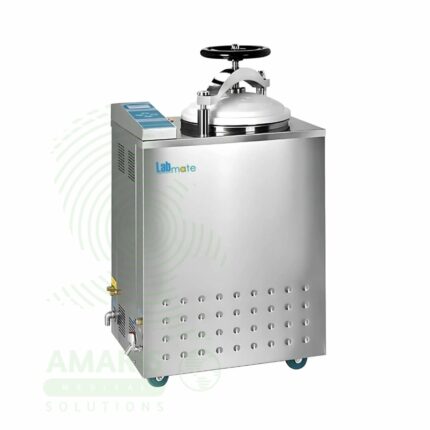
 Sterilizers and Autoclaves for Lab Use
 Multi-Parameter Monitors
 Ventilators and Respiratory Support Devices
 Defibrillators and AEDs
 Infusion Pumps and IV Systems
 Patient Warmers and Cooling Devices
 Central Monitoring Stations
 Accessories
 Anesthesia Machines and Workstations
 Oxygen Concentrators and Delivery Systems
 Nebulizers and Inhalers
 CPAP/BiPAP Machines
 Airway Management
 Anesthesia Masks, Circuits, and Bags
 Humidifiers and Heaters
 Respiratory Therapy Accessories
 First Aid Kits and Cabinets
 Emergency Resuscitation Equipment
 Trauma Supplies
 Emergency Carts and Crash Carts
 Burn Care Products
 Bleeding Control
 Automated External Defibrillators (AEDs)
 Transport and Evacuation
 Wheelchairs and Accessories
 Walkers, Crutches, and Canes
 Prosthetics and Orthotics
 Physical Therapy Equipment
 Transfer Devices
 Bathroom Safety
 Orthopedic Traction and Tables
 Hot/Cold Therapy Packs and Units
 Beds and Mattresses
 Chairs and Stools
 Tables
 Cabinets and Storage
 Privacy Screens & Curtains
 Stands and Racks
 Linens and Textiles
 Lighting
 Autoclaves and Sterilizers
 Ultrasonic Cleaners
 Disinfectant Solutions and Wipes
 Sterilization Pouches, Wraps, and Indicators
 Instrument Trays and Containers
 UV and Ozone Disinfection Devices
 Washer Disinfectors
 Wound Care
 Gloves
 Masks and Respirators
 Catheters and Tubing
 Swabs, Applicators, and Sponges
 Incontinence Products
 Personal Protective Equipment (PPE)
 Dental Chairs and Units
 Handpieces and Burs
 Instruments
 Consumables
 Sterilization for Dental Use
 Orthodontic Supplies
 Endodontic Tools
 Slit Lamps and Tonometers
 Lensometers and Phoropters
 Ophthalmic Surgical Instruments
 Eyewear Frames and Lenses
 Contact Lens Supplies
 Vision Testing Charts and Devices
 Eye Care Consumables
 Laser Systems for Eye Care
 ENT Exam Chairs and Tables
 Endoscopes
 Audiometers and Hearing Tests
 ENT Instruments
 Nasal and Throat Packs
 Hearing Aids and Accessories
 Otology Supplies
 Fetal Dopplers and Monitors
 Delivery Beds and Tables
 Gynecological Instruments
 Neonatal Incubators and Warmers
 Breast Pumps and Accessories
 Contraceptive Devices
 Maternity Supports and Pads
 Neonatal Consumables
 Cystoscopes and Urethroscopes
 Dialysis Machines and Supplies
 Urological Catheters and Bags
 Lithotripters
 Prostate Treatment Devices
 Urinary Incontinence Products
 Kidney Stone Management Tools
 Consumables & Disposables
 EEG and EMG Machines
 Neurosurgical Instruments
 Nerve Stimulators
 Headrests and Positioning Aids
 Lumbar Puncture Kits
 Seizure Monitoring Devices
 Consumables
 Rehabilitation for Neurological Conditions
 ECG Machines and Accessories
 Holter Monitors
 Stress Test Systems
 Pacemakers and Defibrillator Accessories
 Vascular Access Devices
 Cardiac Catheters and Guidewires
 Blood Flow Meters
 Consumables
 Orthopedic Instruments
 Casts, Splints, and Padding
 Joint Replacement Supplies
 Prosthetic Limbs and Components
 Bone Grafts and Substitutes
 Traction Devices
 Orthopedic Braces and Supports
 Rehabilitation Aids for Orthopedics
 Home Oxygen Therapy
 Hospital Beds for Home Use
 Mobility Aids
 Bathroom and Daily Living Aids
 Wound Care for Home
 Monitoring Devices
 Enteral Feeding Pumps and Tubes
 Hand Sanitizers and Dispensers
 Face Shields and Goggles
 Isolation Gowns and Suits
 Biohazard Waste Containers
 Air Purifiers and HEPA Filters
 Surface Disinfectants
 Sharps Containers
 Protective Barriers
 Cardiovascular & Endurance Training
 Strength Training & Weightlifting
 Functional Training & Core Conditioning
 Physical Therapy & Rehabilitation
 Sports & Outdoor Recreation
 Gym Flooring & Facility Equipment
 Fitness Monitoring & Accessories
 Kids & Novelties









Autoclaves and Sterilizers
Essential steam, chemical, and gas sterilization systems designed to achieve the complete elimination of all viable microorganisms, including bacterial spores, from medical instruments, surgical linens, and laboratory equipment. This category includes gravity displacement and pre-vacuum steam autoclaves, ethylene oxide (EtO) gas sterilizers, low-temperature hydrogen peroxide systems, and washer-disinfectors. These devices are critical for infection control, ensuring the aseptic condition of reusable items by applying validated cycles of high-pressure saturated steam, chemical vapor, or gas to render them safe for patient use. Ideal for hospital central sterile supply departments (CSSD), operating room decontamination areas, dental offices, and biomedical research facilities.
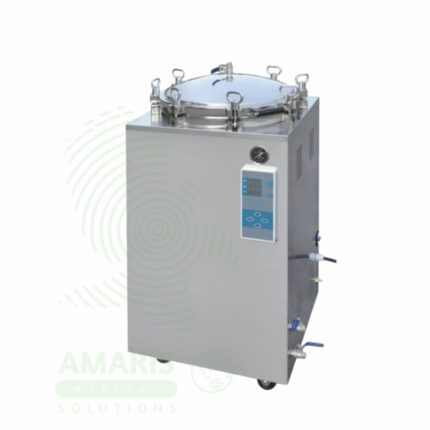
Autoclave Machine
An Autoclave Machine is a pressurized steam sterilizer used to destroy all microbial life, including resistant bacterial spores, on medical, surgical, and laboratory items. It is the most reliable method for sterilizing heat- and moisture-stable materials such as surgical instruments, wrapped packs, textiles, and laboratory media. Effective sterilization depends on the correct combination of steam, pressure, temperature, and time, validated by rigorous physical, chemical, and biological monitoring. Safe operation requires strict adherence to loading guidelines, use of appropriate cycles (especially for liquids), and extreme caution due to high heat and pressure hazards. It is an indispensable piece of capital equipment for any facility requiring guaranteed sterility.
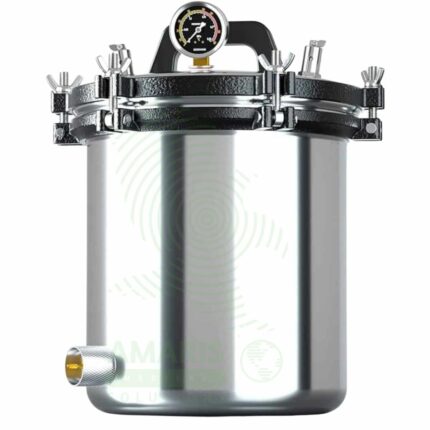
Electric Autoclave
An Electric Autoclave is a sterilization device that uses saturated steam under pressure to destroy all microbial life, including bacterial spores, on surgical instruments, laboratory glassware, textiles, and other heat- and moisture-stable items. Available in tabletop, vertical, and horizontal configurations, it operates at temperatures of 121-134°C with cycles designed for unwrapped items, wrapped packs, liquids, and porous loads. Essential for sterile processing departments, operating rooms, laboratories, and dental clinics, the autoclave ensures that reusable instruments are safe for patient use. Proper cycle selection, load configuration, and regular biological monitoring are critical for effective sterilization.
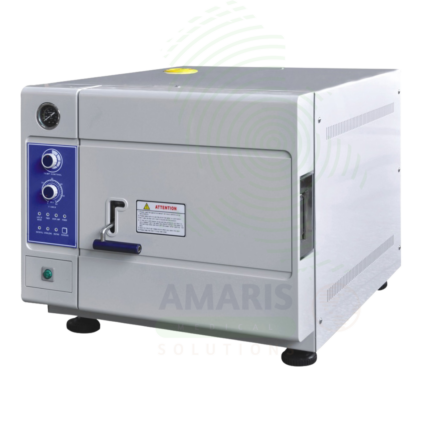
Fully Automatic Microprocessor-Controlled Tabletop Steam Sterilizer
A Fully Automatic Microprocessor-Controlled Tabletop Steam Sterilizer is an advanced benchtop autoclave with programmable cycles, integrated printer, and data logging capabilities. The microprocessor automates cycle selection, monitoring, and documentation, ensuring consistent, validated sterilization of unwrapped instruments, liquids, and wrapped packs. Essential for dental offices, outpatient clinics, and small laboratories, it provides reliable sterilization with complete traceability for quality assurance and regulatory compliance.
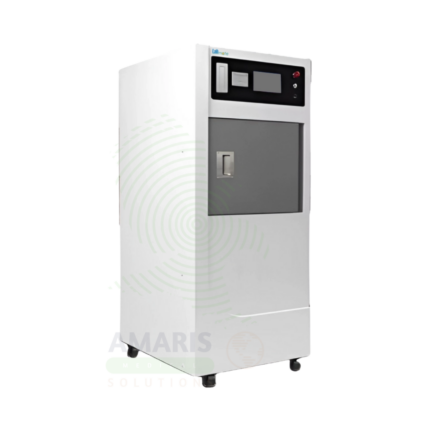
Low Temperature Plasma Sterilizer
A Low Temperature Plasma Sterilizer is a hydrogen peroxide gas plasma sterilization system designed for heat- and moisture-sensitive medical devices. Using low-temperature plasma technology, it sterilizes flexible endoscopes, laparoscopic instruments, robotic surgical instruments, and other delicate devices without damaging sensitive components. With cycle times of 28-60 minutes, it enables rapid turnaround of instrument sets for high-volume surgical services, supporting efficient operating room workflow while maintaining the highest standards of infection prevention.
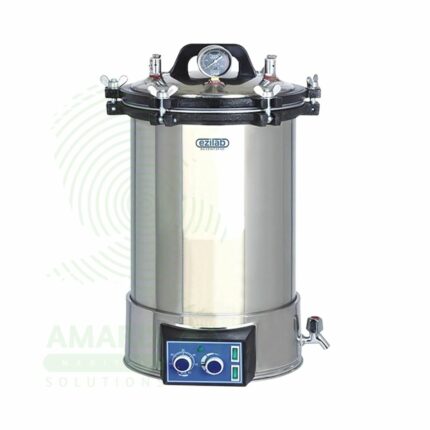
Portable Steam Sterilizer
A Portable Steam Sterilizer is a compact, mobile autoclave designed to provide sterilization capability in field, remote, backup, or home healthcare settings. Its key feature is operational independence from fixed water and drain lines, using an integrated reservoir and often versatile power options. While offering the same core sterilization efficacy as larger units for unwrapped instruments and liquids, its portability necessitates strict attention to using the correct water type, ensuring a stable operating surface, and managing extreme heat hazards in often suboptimal environments. It is a critical tool for extending safe surgical and procedural standards beyond traditional healthcare facilities.
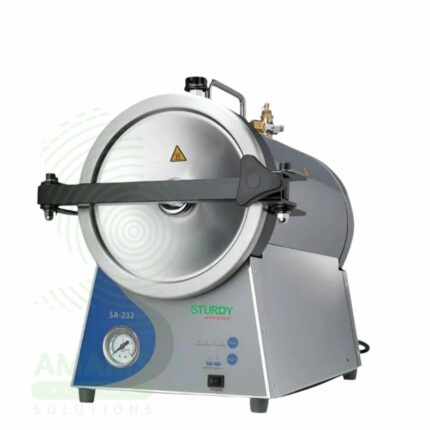
Table Top Steam Sterilizer
A Table Top Steam Sterilizer is a compact, self-contained autoclave designed for benchtop use in clinics, dental offices, and laboratories. It uses pressurized saturated steam to achieve sterilization of unwrapped instruments, laboratory glassware, and liquids (using a specific slow-exhaust cycle). Its integrated design requires only electricity and distilled water. Critical to its safe operation are the strict use of thermal gloves, mandatory selection of the correct cycle for the load type (especially for liquids), and rigorous preventive maintenance to combat scale buildup. It is an indispensable, space-efficient device for ensuring sterility in decentralized healthcare and research settings.
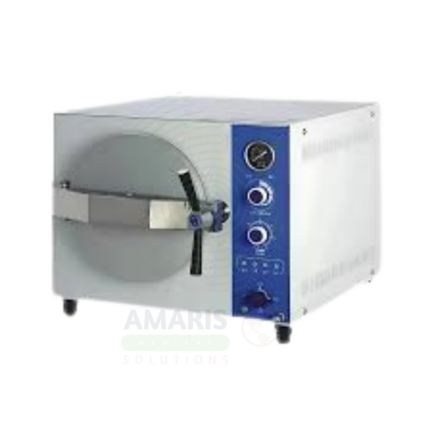
Table Top Steam Sterilizer
A Table Top Steam Sterilizer is a compact, benchtop autoclave designed for clinics, dental offices, outpatient surgery centers, and small laboratories. It provides rapid, reliable steam sterilization of unwrapped instruments, liquids, and small laboratory items using saturated steam under pressure. Essential for point-of-care sterilization, it ensures that instruments used in patient care meet the same sterility standards as those in major hospitals, supporting infection prevention in ambulatory and office-based settings.