Dermatoscope and Magnifiers
 Diagnostic Kits
 Vital Signs Monitors
 Stethoscopes and Accessories
 Otoscopes, Ophthalmoscopes, and Retinoscopes
 Reflex Hammers and Neurological Tools
 Scales and Measuring Devices
 Spirometers and Pulmonary Function Tests
 Electrosurgical Units and Accessories
 Cutting Instruments
 Grasping and Holding Instruments
 Hemostatic Instruments
 Specialized Surgical Sets
 Single-Use Procedure Trays and Packs
 Surgical Drapes, Gowns, and Covers
 Tissue Unifying Instruments
 Radiation Protection
 X-Ray Machines and Accessories
 Ultrasound Systems and Probes
 MRI and CT Scanners
 Radiology Consumables
 Bone Densitometers
 Fluoroscopy Equipment
 Imaging Tables and Positioning Aids
 Microscopes and Accessories
 Centrifuges and Separators
 Analyzers
 Incubators and Ovens
 Pipettes, Dispensers, and Lab Glassware
 Refrigerators, Freezers, and Storage Units
 Lab Consumables
 Sterilizers and Autoclaves for Lab Use
 Multi-Parameter Monitors
 Ventilators and Respiratory Support Devices
 Defibrillators and AEDs
 Infusion Pumps and IV Systems
 Patient Warmers and Cooling Devices
 Central Monitoring Stations
 Accessories
 Anesthesia Machines and Workstations
 Oxygen Concentrators and Delivery Systems
 Nebulizers and Inhalers
 CPAP/BiPAP Machines
 Airway Management
 Anesthesia Masks, Circuits, and Bags
 Humidifiers and Heaters
 Respiratory Therapy Accessories
 First Aid Kits and Cabinets
 Emergency Resuscitation Equipment
 Trauma Supplies
 Emergency Carts and Crash Carts
 Burn Care Products
 Bleeding Control
 Automated External Defibrillators (AEDs)
 Transport and Evacuation
 Wheelchairs and Accessories
 Walkers, Crutches, and Canes
 Prosthetics and Orthotics
 Physical Therapy Equipment
 Transfer Devices
 Bathroom Safety
 Orthopedic Traction and Tables
 Hot/Cold Therapy Packs and Units
 Beds and Mattresses
 Chairs and Stools
 Tables
 Cabinets and Storage
 Privacy Screens & Curtains
 Stands and Racks
 Linens and Textiles
 Lighting
 Autoclaves and Sterilizers
 Ultrasonic Cleaners
 Disinfectant Solutions and Wipes
 Sterilization Pouches, Wraps, and Indicators
 Instrument Trays and Containers
 UV and Ozone Disinfection Devices
 Washer Disinfectors
 Wound Care
 Gloves
 Masks and Respirators
 Catheters and Tubing
 Swabs, Applicators, and Sponges
 Incontinence Products
 Personal Protective Equipment (PPE)
 Dental Chairs and Units
 Handpieces and Burs
 Instruments
 Consumables
 Sterilization for Dental Use
 Orthodontic Supplies
 Endodontic Tools
 Slit Lamps and Tonometers
 Lensometers and Phoropters
 Ophthalmic Surgical Instruments
 Eyewear Frames and Lenses
 Contact Lens Supplies
 Vision Testing Charts and Devices
 Eye Care Consumables
 Laser Systems for Eye Care
 ENT Exam Chairs and Tables
 Endoscopes
 Audiometers and Hearing Tests
 ENT Instruments
 Nasal and Throat Packs
 Hearing Aids and Accessories
 Otology Supplies
 Fetal Dopplers and Monitors
 Delivery Beds and Tables
 Gynecological Instruments
 Neonatal Incubators and Warmers
 Breast Pumps and Accessories
 Contraceptive Devices
 Maternity Supports and Pads
 Neonatal Consumables
 Cystoscopes and Urethroscopes
 Dialysis Machines and Supplies
 Urological Catheters and Bags
 Lithotripters
 Prostate Treatment Devices
 Urinary Incontinence Products
 Kidney Stone Management Tools
 Consumables & Disposables
 EEG and EMG Machines
 Neurosurgical Instruments
 Nerve Stimulators
 Headrests and Positioning Aids
 Lumbar Puncture Kits
 Seizure Monitoring Devices
 Consumables
 Rehabilitation for Neurological Conditions
 ECG Machines and Accessories
 Holter Monitors
 Stress Test Systems
 Pacemakers and Defibrillator Accessories
 Vascular Access Devices
 Cardiac Catheters and Guidewires
 Blood Flow Meters
 Consumables
 Orthopedic Instruments
 Casts, Splints, and Padding
 Joint Replacement Supplies
 Prosthetic Limbs and Components
 Bone Grafts and Substitutes
 Traction Devices
 Orthopedic Braces and Supports
 Rehabilitation Aids for Orthopedics
 Home Oxygen Therapy
 Hospital Beds for Home Use
 Mobility Aids
 Bathroom and Daily Living Aids
 Wound Care for Home
 Monitoring Devices
 Enteral Feeding Pumps and Tubes
 Hand Sanitizers and Dispensers
 Face Shields and Goggles
 Isolation Gowns and Suits
 Biohazard Waste Containers
 Air Purifiers and HEPA Filters
 Surface Disinfectants
 Sharps Containers
 Protective Barriers
 Cardiovascular & Endurance Training
 Strength Training & Weightlifting
 Functional Training & Core Conditioning
 Physical Therapy & Rehabilitation
 Sports & Outdoor Recreation
 Gym Flooring & Facility Equipment
 Fitness Monitoring & Accessories
 Kids & Novelties









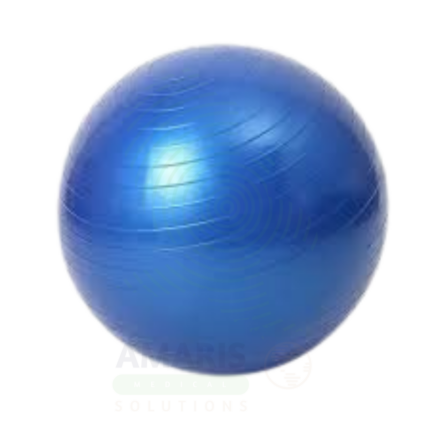
Anti-burst Gym Ball
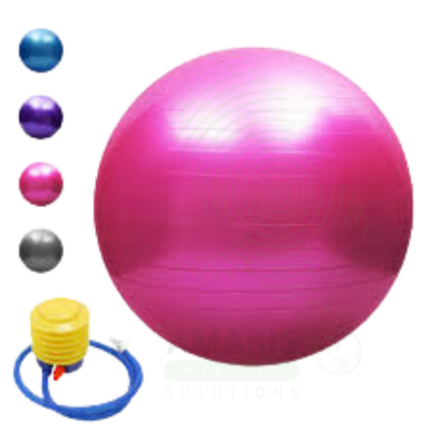
An Anti-burst Gym Ball is an inflatable, unstable exercise device with anti-burst technology used for core strengthening, balance training, flexibility improvement, and low-impact cardiovascular exercise in physical therapy, occupational therapy, and rehabilitation settings. The anti-burst construction ensures that if the ball is punctured, it deflates slowly rather than bursting catastrophically—reducing injury risk and providing critical safety for patients with balance impairment or fall risk. The unstable surface engages deep stabilizing muscles of the trunk and pelvis, improving lumbar stability and reducing low back pain in patients with chronic spinal conditions. Available in sizes from 45 to 75 centimeters to accommodate patients of different heights, the ball challenges balance systems through graded exercises from seated stability to advanced standing activities. For the physical therapist and rehabilitation specialist, the anti-burst gym ball is a versatile tool for core conditioning, fall prevention, post-operative rehabilitation, and functional training across diverse patient populations including those with low back pain, stroke, Parkinson's disease, arthritis, and deconditioning. For the patient, regular ball exercises restore spinal stability, improve balance confidence, maintain joint mobility, and provide safe, low-impact conditioning that supports long-term health and independence.
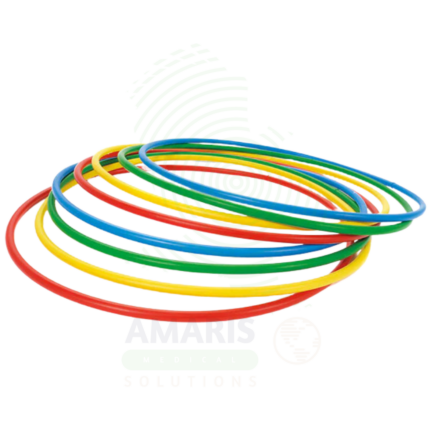
Hula Hoop
A Hula Hoop is a circular hoop rotated around the waist, hips, or limbs for core strengthening, cardiovascular conditioning, and coordination development in fitness, rehabilitation, and pediatric therapy settings. The rhythmic motion engages the core musculature—including the transversus abdominis, obliques, and lumbar stabilizers—improving spinal stability and reducing low back pain in patients with chronic back pain or post-partum core weakness. For the physical therapist and occupational therapist, hula hooping provides dynamic, engaging core activation that strengthens the deep abdominal muscles while providing proprioceptive and vestibular input—improving body awareness, coordination, and sensory regulation. Continuous hula hooping elevates heart rate and provides low-impact cardiovascular exercise suitable for patients with arthritis, joint pain, or weight-bearing restrictions. Available in standard lightweight hoops for general fitness, weighted hoops for increased resistance and core challenge, and segmented hoops for portability, hula hoops accommodate users across functional levels. For the child with sensory processing disorder, autism spectrum disorder, or developmental coordination disorder, hula hooping provides organizing sensory input that supports attention, motor planning, and rhythmic coordination. For the adult with osteoarthritis, obesity, or deconditioning, hula hooping enables safe, effective core conditioning and cardiovascular exercise.
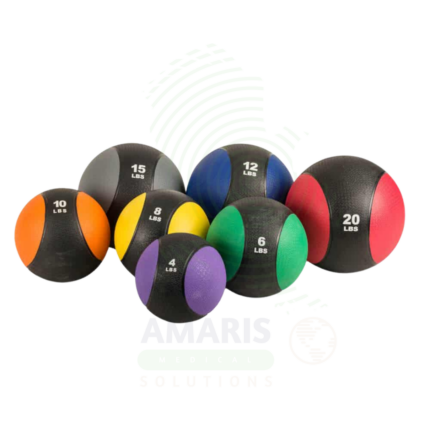
Medicine Ball
A Medicine Ball is a weighted ball used for throwing, slamming, catching, and rotational exercises that develop explosive power, plyometric capacity, core stability, and functional strength. Available in weights ranging from two to twenty-five pounds with various filling materials—sand for dead bounce (ideal for slams and catches), steel shot for dense, compact size, or rubber for live bounce (ideal for throwing and catching)—the medicine ball provides versatile resistance for power development across the kinetic chain. For the sports medicine clinician and physical therapist, medicine ball training enables controlled plyometric progression that bridges basic strengthening to sport-specific power development—critical for return-to-sport following ACL reconstruction, rotator cuff repair, and lower extremity injuries. Rotational throws, chops, and lifts challenge the core musculature in functional patterns, building the rotational stability essential for sports requiring twisting, throwing, and swinging motions. Catching and throwing exercises challenge hand-eye coordination, timing, and neuromuscular control—retraining coordination for patients recovering from stroke, traumatic brain injury, or coordination deficits. For the athlete, medicine ball training develops the explosive power, rotational strength, and neuromuscular control needed for high-level athletic performance.
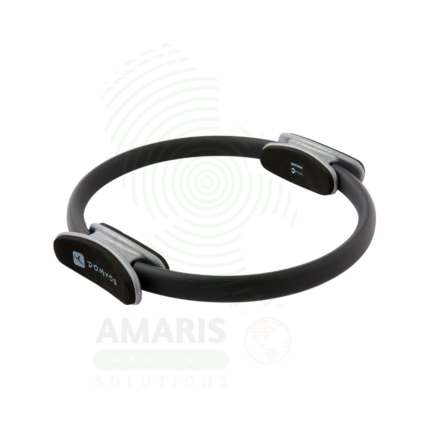
Pilates Ring
A Pilates Ring is a flexible, padded ring used for resistance training of the upper and lower extremities, core stabilization, and proprioceptive feedback in rehabilitation and fitness settings. The flexible spring steel or fiberglass core provides variable resistance that can be compressed or expanded, while the foam pads provide comfortable contact points for the hands, legs, or feet. For the physical therapist and occupational therapist, the Pilates ring enables targeted strengthening of the hip adductors and abductors—critical for improving pelvic stability, gait mechanics, and functional mobility following total hip replacement, hip fracture, or with hip weakness. Squeezing the ring between the hands strengthens the chest, shoulders, and arms for pushing and lifting activities. Placing the ring between the knees or ankles during supine exercises engages the deep core musculature, improving spinal stability for patients with chronic low back pain or post-partum diastasis recti. The flexible ring also provides proprioceptive feedback that enhances neuromuscular control and body awareness—essential for patients with neurological conditions such as stroke or Parkinson's disease. Compact, lightweight, and versatile, the Pilates ring is an effective tool for hip strengthening, core stabilization, and upper extremity rehabilitation across the lifespan.
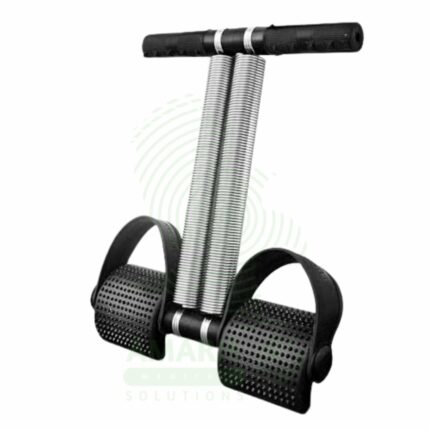
Tummy Trimmer
A Tummy Trimmer is a portable core strengthening device designed for abdominal conditioning and core stabilization exercises. The adjustable resistance system allows users to perform controlled crunch and twisting movements to engage the rectus abdominis, obliques, and transverse abdominis muscles. Used in home fitness, physical therapy, and rehabilitation settings, it supports core strengthening for improved posture, spinal stability, and functional movement. Patients with recent surgery, back conditions, or pregnancy should consult a healthcare provider before use. Proper form and gradual progression are essential for safe and effective use.