Dermatoscope and Magnifiers
 Diagnostic Kits
 Vital Signs Monitors
 Stethoscopes and Accessories
 Otoscopes, Ophthalmoscopes, and Retinoscopes
 Reflex Hammers and Neurological Tools
 Scales and Measuring Devices
 Spirometers and Pulmonary Function Tests
 Electrosurgical Units and Accessories
 Cutting Instruments
 Grasping and Holding Instruments
 Hemostatic Instruments
 Specialized Surgical Sets
 Single-Use Procedure Trays and Packs
 Surgical Drapes, Gowns, and Covers
 Tissue Unifying Instruments
 Radiation Protection
 X-Ray Machines and Accessories
 Ultrasound Systems and Probes
 MRI and CT Scanners
 Radiology Consumables
 Bone Densitometers
 Fluoroscopy Equipment
 Imaging Tables and Positioning Aids
 Microscopes and Accessories
 Centrifuges and Separators
 Analyzers
 Incubators and Ovens
 Pipettes, Dispensers, and Lab Glassware
 Refrigerators, Freezers, and Storage Units
 Lab Consumables
 Sterilizers and Autoclaves for Lab Use
 Multi-Parameter Monitors
 Ventilators and Respiratory Support Devices
 Defibrillators and AEDs
 Infusion Pumps and IV Systems
 Patient Warmers and Cooling Devices
 Central Monitoring Stations
 Accessories
 Anesthesia Machines and Workstations
 Oxygen Concentrators and Delivery Systems
 Nebulizers and Inhalers
 CPAP/BiPAP Machines
 Airway Management
 Anesthesia Masks, Circuits, and Bags
 Humidifiers and Heaters
 Respiratory Therapy Accessories
 First Aid Kits and Cabinets
 Emergency Resuscitation Equipment
 Trauma Supplies
 Emergency Carts and Crash Carts
 Burn Care Products
 Bleeding Control
 Automated External Defibrillators (AEDs)
 Transport and Evacuation
 Wheelchairs and Accessories
 Walkers, Crutches, and Canes
 Prosthetics and Orthotics
 Physical Therapy Equipment
 Transfer Devices
 Bathroom Safety
 Orthopedic Traction and Tables
 Hot/Cold Therapy Packs and Units
 Beds and Mattresses
 Chairs and Stools
 Tables
 Cabinets and Storage
 Privacy Screens & Curtains
 Stands and Racks
 Linens and Textiles
 Lighting
 Autoclaves and Sterilizers
 Ultrasonic Cleaners
 Disinfectant Solutions and Wipes
 Sterilization Pouches, Wraps, and Indicators
 Instrument Trays and Containers
 UV and Ozone Disinfection Devices
 Washer Disinfectors
 Wound Care
 Gloves
 Masks and Respirators
 Catheters and Tubing
 Swabs, Applicators, and Sponges
 Incontinence Products
 Personal Protective Equipment (PPE)
 Dental Chairs and Units
 Handpieces and Burs
 Instruments
 Consumables
 Sterilization for Dental Use
 Orthodontic Supplies
 Endodontic Tools
 Slit Lamps and Tonometers
 Lensometers and Phoropters
 Ophthalmic Surgical Instruments
 Eyewear Frames and Lenses
 Contact Lens Supplies
 Vision Testing Charts and Devices
 Eye Care Consumables
 Laser Systems for Eye Care
 ENT Exam Chairs and Tables
 Endoscopes
 Audiometers and Hearing Tests
 ENT Instruments
 Nasal and Throat Packs
 Hearing Aids and Accessories
 Otology Supplies
 Fetal Dopplers and Monitors
 Delivery Beds and Tables
 Gynecological Instruments
 Neonatal Incubators and Warmers
 Breast Pumps and Accessories
 Contraceptive Devices
 Maternity Supports and Pads
 Neonatal Consumables
 Cystoscopes and Urethroscopes
 Dialysis Machines and Supplies
 Urological Catheters and Bags
 Lithotripters
 Prostate Treatment Devices
 Urinary Incontinence Products
 Kidney Stone Management Tools
 Consumables & Disposables
 EEG and EMG Machines
 Neurosurgical Instruments
 Nerve Stimulators
 Headrests and Positioning Aids
 Lumbar Puncture Kits
 Seizure Monitoring Devices
 Consumables
 Rehabilitation for Neurological Conditions
 ECG Machines and Accessories
 Holter Monitors
 Stress Test Systems
 Pacemakers and Defibrillator Accessories
 Vascular Access Devices
 Cardiac Catheters and Guidewires
 Blood Flow Meters
 Consumables
 Orthopedic Instruments
 Casts, Splints, and Padding
 Joint Replacement Supplies
 Prosthetic Limbs and Components
 Bone Grafts and Substitutes
 Traction Devices
 Orthopedic Braces and Supports
 Rehabilitation Aids for Orthopedics
 Home Oxygen Therapy
 Hospital Beds for Home Use
 Mobility Aids
 Bathroom and Daily Living Aids
 Wound Care for Home
 Monitoring Devices
 Enteral Feeding Pumps and Tubes
 Hand Sanitizers and Dispensers
 Face Shields and Goggles
 Isolation Gowns and Suits
 Biohazard Waste Containers
 Air Purifiers and HEPA Filters
 Surface Disinfectants
 Sharps Containers
 Protective Barriers
 Cardiovascular & Endurance Training
 Strength Training & Weightlifting
 Functional Training & Core Conditioning
 Physical Therapy & Rehabilitation
 Sports & Outdoor Recreation
 Gym Flooring & Facility Equipment
 Fitness Monitoring & Accessories
 Kids & Novelties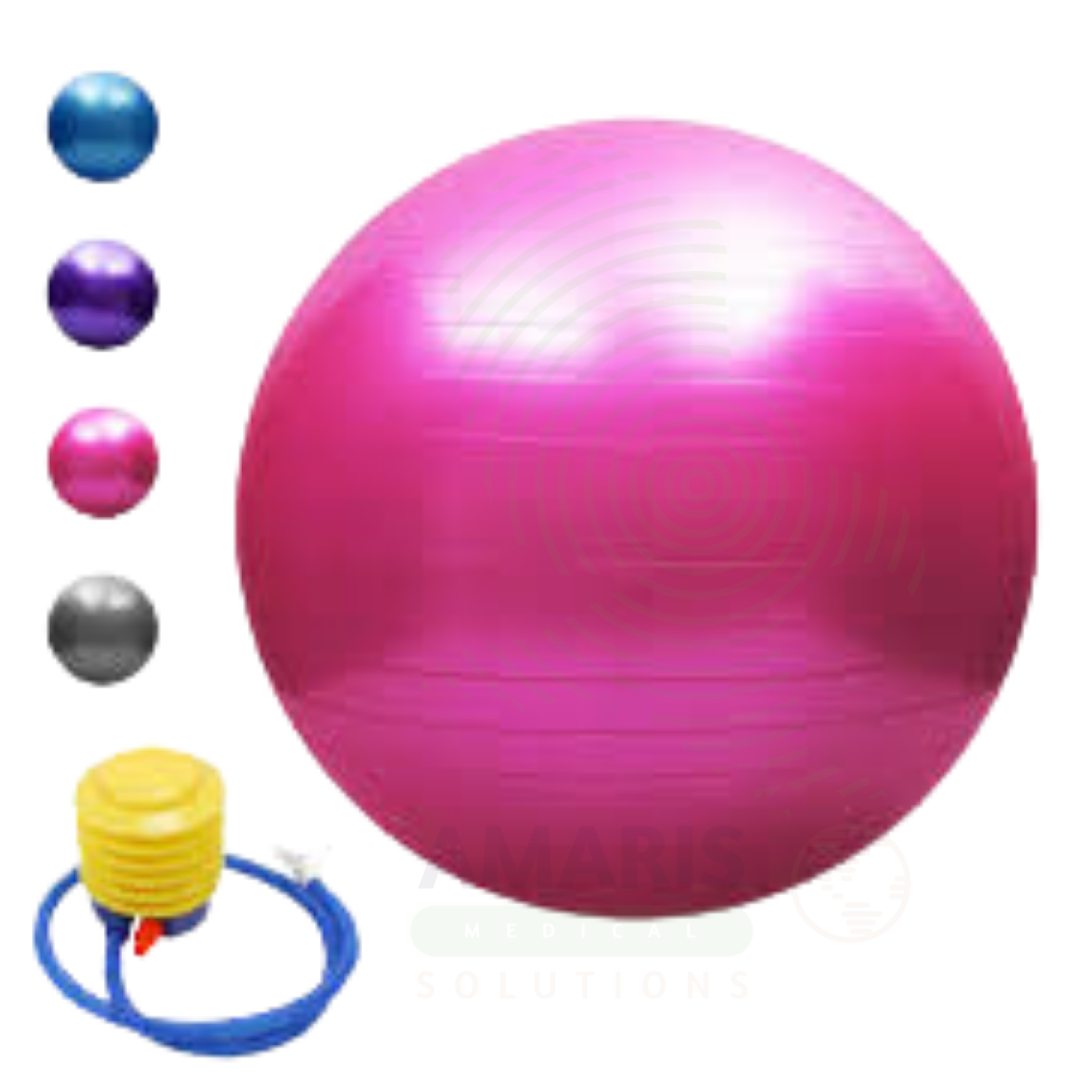
Yoga Exercise Ball
$1.00
WhatsApp Order
A Yoga Exercise Ball is an inflatable, unstable exercise device used for core strengthening, balance training, flexibility improvement, and low-impact cardiovascular exercise in physical therapy, occupational therapy, and rehabilitation settings. Manufactured from burst-resistant PVC with anti-burst technology that creates slow deflation if punctured, the exercise ball provides a dynamic, unstable surface that engages deep stabilizing muscles of the trunk and pelvis—improving lumbar stability and reducing low back pain in patients with chronic spinal conditions. Available in sizes from forty-five to seventy-five centimeters to accommodate patients of different heights, the exercise ball challenges balance systems through graded exercises from seated stability to advanced standing activities. For the physical therapist and rehabilitation specialist, the exercise ball is a versatile tool for core conditioning, fall prevention, post-operative rehabilitation, and functional training across diverse patient populations including those with low back pain, stroke, Parkinson’s disease, arthritis, and deconditioning. For the patient, regular ball exercises restore spinal stability, improve balance confidence, maintain joint mobility, and provide safe, low-impact cardiovascular conditioning that supports long-term health and independence.
Description
Yoga Exercise Ball
PRIMARY CLINICAL & DIAGNOSTIC USES
1. Core Strengthening and Spinal Stabilization
-
Primary Use: Provides an inflatable, unstable surface that engages core musculature during exercise, improving lumbar stability and reducing low back pain in patients with chronic spinal conditions.
-
How it helps: For the physical therapist and rehabilitation specialist, the unstable surface of the exercise ball recruits deep stabilizing muscles including the transversus abdominis, multifidus, and pelvic floor—muscles that are often weak in patients with chronic low back pain. For the patient with non-specific low back pain, disc herniation, or post-partum core weakness, regular ball exercises restore spinal stability, reduce pain, and prevent future injury episodes.
2. Balance and Proprioception Training
-
Primary Use: Challenges the patient’s balance systems (vestibular, visual, and proprioceptive) through seated, prone, or standing exercises on an unstable surface.
-
How it helps: For the geriatric specialist and neurological physical therapist, the exercise ball provides graded balance challenges from simple seated stability to advanced standing exercises—improving postural control and reducing fall risk. For the elderly patient or patient with Parkinson’s disease, stroke, or peripheral neuropathy, balance training on an exercise ball improves confidence, reduces fear of falling, and maintains independent mobility.
3. Flexibility and Range of Motion Improvement
-
Primary Use: Used as a supportive prop for stretching exercises that improve spinal mobility, hamstring length, and hip flexor flexibility.
-
How it helps: For the physical therapist and yoga therapist, the exercise ball provides a stable, cushioned support for passive and active stretching—allowing patients to achieve greater range of motion without joint strain. For the patient with ankylosing spondylitis, spinal stenosis, or general deconditioning, ball-supported stretching maintains spinal mobility, reduces stiffness, and improves functional reach.
4. Low-Impact Cardiovascular Exercise
-
Primary Use: Used for seated or standing bouncing exercises that provide cardiovascular conditioning without high impact on joints, suitable for patients with arthritis or joint pain.
-
How it helps: For the cardiac rehabilitation specialist and rheumatologist, the exercise ball allows patients to achieve aerobic benefit with minimal joint loading—improving cardiovascular fitness without exacerbating knee, hip, or back pain. For the patient with osteoarthritis, rheumatoid arthritis, or obesity, ball-based cardio provides a safe, accessible entry point to regular exercise.
SECONDARY & SUPPORTIVE USES
1. Pregnancy and Prenatal Exercise: Used for gentle core strengthening, pelvic floor activation, and comfortable seated positioning during pregnancy.
2. Post-Operative Rehabilitation: Used following lumbar spine surgery, hip replacement, or knee replacement for gentle range of motion and core activation.
3. Chronic Obstructive Pulmonary Disease (COPD) Rehabilitation: Used for seated upper body strengthening and breathing exercises in pulmonary rehabilitation programs.
4. Multiple Sclerosis Exercise Programs: Used for core strengthening and balance training in patients with multiple sclerosis, with appropriate safety precautions.
5. Stroke Rehabilitation: Used for trunk control, reaching activities, and weight shifting in patients with hemiparesis.
6. Cerebral Palsy Management: Used for trunk stabilization, balance training, and functional positioning in children and adults with cerebral palsy.
7. Fibromyalgia and Chronic Fatigue Syndrome: Used for gentle, low-impact exercise that avoids post-exertional malaise while maintaining conditioning.
8. Parkinson’s Disease Exercise: Used for trunk mobility, balance training, and big amplitude movements in patients with Parkinson’s disease.
9. Adolescent Idiopathic Scoliosis: Used for core strengthening and spinal stabilization exercises as part of conservative scoliosis management.
10. Osteoporosis Management: Used for low-impact strengthening and balance exercises that reduce fracture risk while avoiding spinal flexion.
11. Amputee Rehabilitation: Used for core strengthening and balance training in patients with lower limb amputation before prosthetic fitting.
12. Geriatric Fall Prevention Classes: Used in group exercise programs for seated and standing balance training in older adults.
13. Workplace Ergonomics and Back Pain Prevention: Used as an alternative office chair to promote active sitting and core engagement.
14. Home Exercise Program Adherence: Provides a versatile, portable exercise tool that supports multiple therapeutic exercises in the home setting.
15. Pediatric Sensory Integration Therapy: Used for vestibular stimulation, core strengthening, and sensory regulation in children with sensory processing disorders.
KEY PRODUCT FEATURES
1. BASIC IDENTIFICATION ATTRIBUTES
-
Device Type: An inflatable, unstable exercise ball used for core strengthening, balance training, flexibility improvement, and low-impact cardiovascular exercise in rehabilitation and fitness settings.
-
Designation: Yoga Exercise Ball, Stability Ball, Swiss Ball, Physio Ball, Exercise Ball, Therapy Ball, Fit Ball, Balance Ball, Pilates Ball, Birthing Ball.
-
Key Components:
o Ball Body: Burst-resistant PVC or vinyl material.
o Inflation Valve: Sealed valve for air inflation and deflation.
o Surface Texture: Smooth or slightly textured for grip.
o Size: Diameter measured in centimeters.
o Burst Resistance: Anti-burst technology prevents sudden deflation under pressure.
2. TECHNICAL & PERFORMANCE PROPERTIES
-
Material: Burst-resistant PVC (phthalate-free, latex-free) or vinyl.
-
Size: Forty-five centimeters (under five feet tall), fifty-five centimeters (five feet to five feet eight inches), sixty-five centimeters (five feet eight inches to six feet two inches), seventy-five centimeters (over six feet two inches).
-
Maximum Weight Capacity: Typically two hundred to three hundred kilograms depending on quality.
-
Burst Resistance: Anti-burst technology creates slow deflation if punctured, reducing injury risk.
-
Wall Thickness: Standard or heavy-gauge for increased durability.
-
Inflation: Requires air pump (hand pump or foot pump).
-
Latex-Free: Manufactured without natural rubber latex.
-
Phthalate-Free: Many quality balls are phthalate-free.
3. PHYSICAL & OPERATIONAL PROPERTIES
-
Weight: Lightweight when deflated; portable.
-
Inflation Time: Several minutes with hand pump.
-
Storage: Deflates for compact storage; requires pump for reinflation.
-
Maintenance: Wipe clean with damp cloth and mild soap.
-
Color: Multiple colors available.
-
Durability: Several years with proper care and storage.
4. SAFETY & COMPLIANCE ATTRIBUTES
-
Regulatory Status: Class I medical device when labeled for therapeutic exercise; fitness equipment if not making medical claims.
-
Burst Resistance: Meets or exceeds industry standards for anti-burst technology.
-
Latex-Free: Standard in quality exercise balls.
-
Phthalate-Free: Many products certified phthalate-free.
-
Weight Capacity: Clearly marked on packaging.
5. STORAGE & HANDLING ATTRIBUTES
-
Storage: Store deflated or fully inflated in a clean, dry location; keep away from sharp objects, heat sources, and direct sunlight.
-
Inflation: Inflate to recommended diameter; do not over-inflate.
-
Cleaning: Wipe with damp cloth and mild soap; dry before storage.
-
Inspection: Inspect before each use for cracks, punctures, or wear; discard if damaged.
-
Temperature Sensitivity: Avoid extreme temperatures which may degrade material.
6. LABORATORY & CLINICAL APPLICATIONS
-
Primary Application: Core strengthening, balance training, flexibility improvement, and low-impact cardiovascular exercise in physical therapy, occupational therapy, and rehabilitation settings.
-
Clinical Role: Essential rehabilitation tool in physical therapy clinics, occupational therapy departments, sports medicine facilities, cardiac rehabilitation, pulmonary rehabilitation, geriatric wellness programs, and home healthcare for exercise-based interventions.
SAFETY HANDLING PRECAUTIONS
1. SAFETY PRECAUTIONS
-
Size Selection: Select appropriate ball size for patient height (forty-five centimeters for under five feet, fifty-five centimeters for five feet to five feet eight inches, sixty-five centimeters for five feet eight inches to six feet two inches, seventy-five centimeters for over six feet two inches).
-
Proper Inflation: Inflate ball to recommended diameter; over-inflation increases burst risk; under-inflation reduces stability.
-
Weight Capacity: Do not exceed manufacturer weight limit.
-
Surface Check: Ensure ball is on non-slip, clean, dry surface without sharp objects.
-
Supervision: Patients at high fall risk or with severe balance deficits require supervision during ball exercises.
-
Footwear: Wear appropriate non-slip footwear during standing exercises.
-
Space Clearance: Ensure adequate clear space around ball to prevent injury from falls.
-
Inspection Before Use: Inspect ball for cracks, punctures, or wear before each use; discard if damaged.
-
Not for Patients with Certain Conditions: Contraindicated in patients with severe osteoporosis, acute disc herniation, unstable spinal fractures, or severe balance impairment without appropriate support.
-
Gradual Progression: Progress from seated stability to more challenging exercises gradually.
2. FIRST AID MEASURES
-
Ball Burst: If ball bursts during use, discontinue exercise; inspect patient for any injury from fall; replace ball.
-
Fall from Ball: If patient falls from ball, assess for injury; implement facility fall protocol if indicated.
-
Skin Irritation: If skin irritation occurs from ball material, discontinue use; clean skin.
3. FIRE FIGHTING MEASURES
-
Flammability: PVC material is combustible; may melt or burn if exposed to flame or high heat.
-
Extinguishing Media: Use water, foam, dry chemical, or carbon dioxide for fire involving ball materials.
-
Fire Response: No special fire hazards beyond typical combustible materials.
Related products
Electric Wheelchair
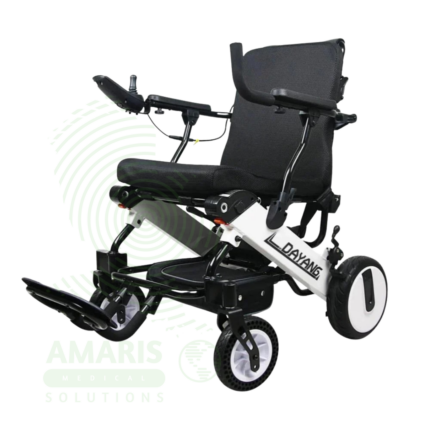
An Electric Wheelchair is a battery-powered mobility device prescribed for individuals with significant mobility impairments who cannot self-propel a manual chair. It provides independent indoor and outdoor mobility through a joystick or alternative control system. Key features often include power seating functions (tilt, recline) for pressure relief and postural support, and are available in various drive configurations (rear, mid, front-wheel) for different environments. As complex rehabilitation technology, it requires professional evaluation, user training, and regular maintenance to ensure safe operation, enhance independence, and improve the user's quality of life.
Foldable Walking Stick
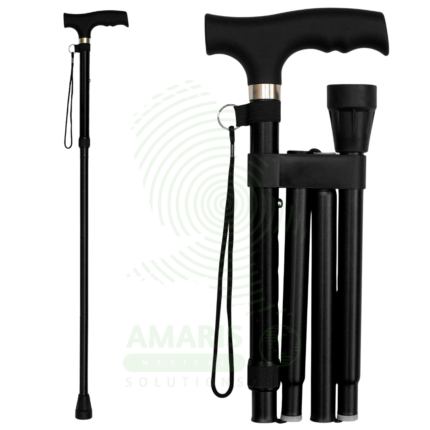
A Foldable Walking Stick combines a stabilizing four-point base with a multi-section shaft that folds for compact storage and portability. It is designed for individuals who need reliable stability for moderate balance or weight-bearing issues but also require a discreet, transportable aid for use in the community. Key safety features include secure segment locking mechanisms and a quad base that must be placed flat. It is ideal for travel, occasional use, and active seniors, but requires diligent checking of all locks before each use to prevent collapse.
Goniometer
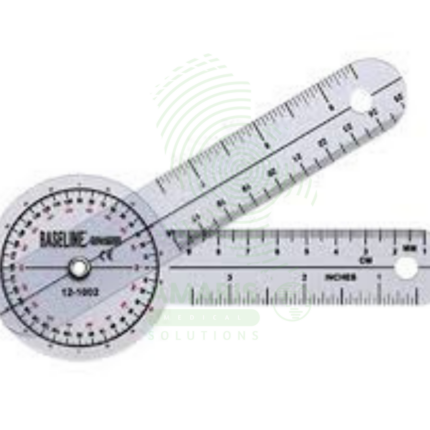
A goniometer is a calibrated, handheld measuring instrument designed to precisely quantify joint range of motion in degrees. Essential for physical and occupational therapy, orthopedic assessment, and rehabilitation medicine, it consists of a protractor-like body with two arms—one stationary, one movable—that align with the patient's limb segments. Available in various sizes for different joints (from fingers to hips) and in materials including transparent plastic, stainless steel, and digital formats, it transforms subjective observations of mobility into objective, reproducible data. This fundamental clinical tool guides diagnosis, documents treatment progress, supports disability determinations, and provides the evidence base for therapeutic interventions.
Infrared Therapy Lamp Stand
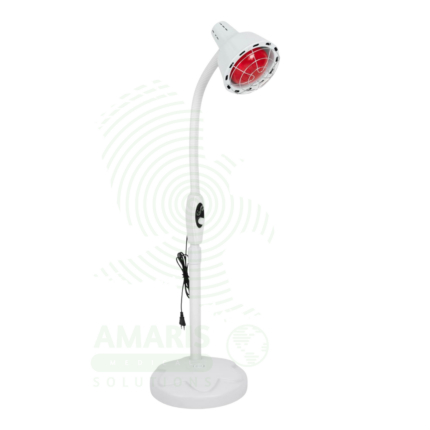
An Infrared Therapy Lamp Stand is a professional-grade, floor-standing device that emits broad-spectrum infrared radiation to deliver deep-heat therapy to large areas of the body. Designed for clinical use in physical therapy, chiropractic, and pain management clinics, it features adjustable height and tilt panels on a stable, mobile stand for targeted treatment of the back, shoulders, and legs. Its primary uses include pain relief for musculoskeletal conditions, tissue warming for rehabilitation, and promoting muscle relaxation. Safe operation requires strict adherence to contraindications, treatment time/distance guidelines, and continuous patient monitoring to prevent burns or overheating.
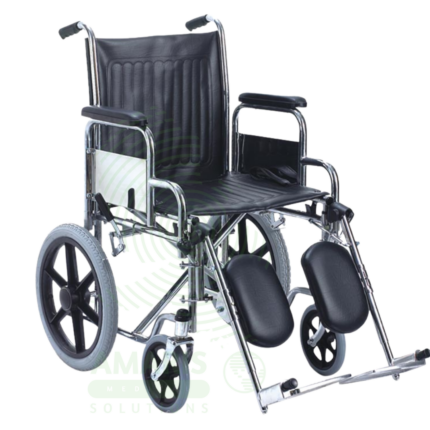
Orthopedic Commode Wheelchair With Flipping Armrest
The Orthopedic Commode Wheelchair with Flipping Armrest is a specialized hybrid device designed for patients with lower limb injuries or surgeries requiring non-weight-bearing status. It combines an extended-frame orthopedic wheelchair with an elevating leg rest, a commode seat opening, and a flipping armrest for lateral transfers. This allows for simultaneous fracture management (leg elevation/immobilization), pressure sore prevention (heel off-loading), and safe, hygienic toileting without dangerous transfers. Its use mandates the constant engagement of anti-tip levers due to a high risk of backwards tipping and requires careful navigation of its substantial length.
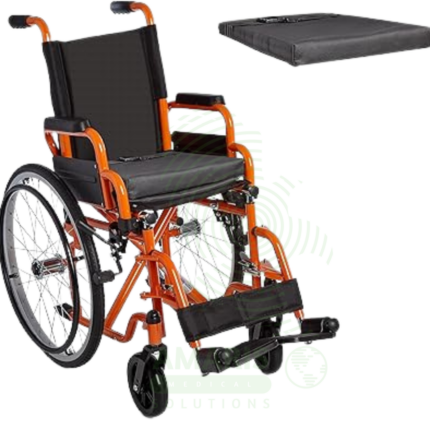
Pediatric Wheelchair
A Pediatric Wheelchair is a specially sized and designed mobility device for children with long-term physical disabilities. Its core functions are to provide independent or assisted mobility, deliver critical postural support to promote proper skeletal development and prevent deformities, and serve as a platform for inclusion in home, school, and community life. Unlike adult chairs, it features extensive adjustability to accommodate growth and modular seating systems tailored to each child's specific postural and medical needs. Prescription and fitting by a rehabilitation team are essential for safe and effective use.
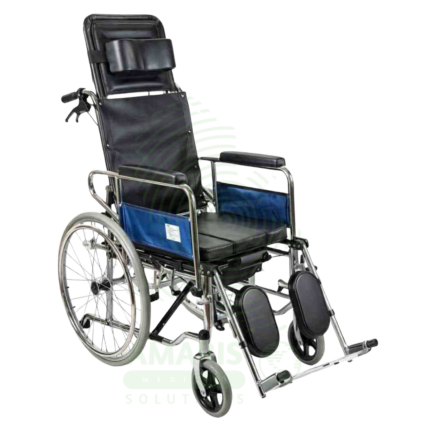
Reclining Commode Wheelchair
A Reclining Commode Wheelchair is a complex manual chair that integrates a reclining backrest with a commode seat. It is designed for patients who require adjustable positioning for pressure relief, respiratory support, or comfort, and who need a built-in toileting solution. It addresses the needs of individuals with severe neurological conditions, spinal injuries, or advanced illnesses. Critical safety features include anti-tip levers, a mandatory seat belt, and a robust recline lock. Its use requires vigilant attention to stability and shear prevention, making it a specialized tool for high-dependency care settings.