Dermatoscope and Magnifiers
 Diagnostic Kits
 Vital Signs Monitors
 Stethoscopes and Accessories
 Otoscopes, Ophthalmoscopes, and Retinoscopes
 Reflex Hammers and Neurological Tools
 Scales and Measuring Devices
 Spirometers and Pulmonary Function Tests
 Electrosurgical Units and Accessories
 Cutting Instruments
 Grasping and Holding Instruments
 Hemostatic Instruments
 Specialized Surgical Sets
 Single-Use Procedure Trays and Packs
 Surgical Drapes, Gowns, and Covers
 Tissue Unifying Instruments
 Radiation Protection
 X-Ray Machines and Accessories
 Ultrasound Systems and Probes
 MRI and CT Scanners
 Radiology Consumables
 Bone Densitometers
 Fluoroscopy Equipment
 Imaging Tables and Positioning Aids
 Microscopes and Accessories
 Centrifuges and Separators
 Analyzers
 Incubators and Ovens
 Pipettes, Dispensers, and Lab Glassware
 Refrigerators, Freezers, and Storage Units
 Lab Consumables
 Sterilizers and Autoclaves for Lab Use
 Multi-Parameter Monitors
 Ventilators and Respiratory Support Devices
 Defibrillators and AEDs
 Infusion Pumps and IV Systems
 Patient Warmers and Cooling Devices
 Central Monitoring Stations
 Accessories
 Anesthesia Machines and Workstations
 Oxygen Concentrators and Delivery Systems
 Nebulizers and Inhalers
 CPAP/BiPAP Machines
 Airway Management
 Anesthesia Masks, Circuits, and Bags
 Humidifiers and Heaters
 Respiratory Therapy Accessories
 First Aid Kits and Cabinets
 Emergency Resuscitation Equipment
 Trauma Supplies
 Emergency Carts and Crash Carts
 Burn Care Products
 Bleeding Control
 Automated External Defibrillators (AEDs)
 Transport and Evacuation
 Wheelchairs and Accessories
 Walkers, Crutches, and Canes
 Prosthetics and Orthotics
 Physical Therapy Equipment
 Transfer Devices
 Bathroom Safety
 Orthopedic Traction and Tables
 Hot/Cold Therapy Packs and Units
 Beds and Mattresses
 Chairs and Stools
 Tables
 Cabinets and Storage
 Privacy Screens & Curtains
 Stands and Racks
 Linens and Textiles
 Lighting
 Autoclaves and Sterilizers
 Ultrasonic Cleaners
 Disinfectant Solutions and Wipes
 Sterilization Pouches, Wraps, and Indicators
 Instrument Trays and Containers
 UV and Ozone Disinfection Devices
 Washer Disinfectors
 Wound Care
 Gloves
 Masks and Respirators
 Catheters and Tubing
 Swabs, Applicators, and Sponges
 Incontinence Products
 Personal Protective Equipment (PPE)
 Dental Chairs and Units
 Handpieces and Burs
 Instruments
 Consumables
 Sterilization for Dental Use
 Orthodontic Supplies
 Endodontic Tools
 Slit Lamps and Tonometers
 Lensometers and Phoropters
 Ophthalmic Surgical Instruments
 Eyewear Frames and Lenses
 Contact Lens Supplies
 Vision Testing Charts and Devices
 Eye Care Consumables
 Laser Systems for Eye Care
 ENT Exam Chairs and Tables
 Endoscopes
 Audiometers and Hearing Tests
 ENT Instruments
 Nasal and Throat Packs
 Hearing Aids and Accessories
 Otology Supplies
 Fetal Dopplers and Monitors
 Delivery Beds and Tables
 Gynecological Instruments
 Neonatal Incubators and Warmers
 Breast Pumps and Accessories
 Contraceptive Devices
 Maternity Supports and Pads
 Neonatal Consumables
 Cystoscopes and Urethroscopes
 Dialysis Machines and Supplies
 Urological Catheters and Bags
 Lithotripters
 Prostate Treatment Devices
 Urinary Incontinence Products
 Kidney Stone Management Tools
 Consumables & Disposables
 EEG and EMG Machines
 Neurosurgical Instruments
 Nerve Stimulators
 Headrests and Positioning Aids
 Lumbar Puncture Kits
 Seizure Monitoring Devices
 Consumables
 Rehabilitation for Neurological Conditions
 ECG Machines and Accessories
 Holter Monitors
 Stress Test Systems
 Pacemakers and Defibrillator Accessories
 Vascular Access Devices
 Cardiac Catheters and Guidewires
 Blood Flow Meters
 Consumables
 Orthopedic Instruments
 Casts, Splints, and Padding
 Joint Replacement Supplies
 Prosthetic Limbs and Components
 Bone Grafts and Substitutes
 Traction Devices
 Orthopedic Braces and Supports
 Rehabilitation Aids for Orthopedics
 Home Oxygen Therapy
 Hospital Beds for Home Use
 Mobility Aids
 Bathroom and Daily Living Aids
 Wound Care for Home
 Monitoring Devices
 Enteral Feeding Pumps and Tubes
 Hand Sanitizers and Dispensers
 Face Shields and Goggles
 Isolation Gowns and Suits
 Biohazard Waste Containers
 Air Purifiers and HEPA Filters
 Surface Disinfectants
 Sharps Containers
 Protective Barriers
 Cardiovascular & Endurance Training
 Strength Training & Weightlifting
 Functional Training & Core Conditioning
 Physical Therapy & Rehabilitation
 Sports & Outdoor Recreation
 Gym Flooring & Facility Equipment
 Fitness Monitoring & Accessories
 Kids & Novelties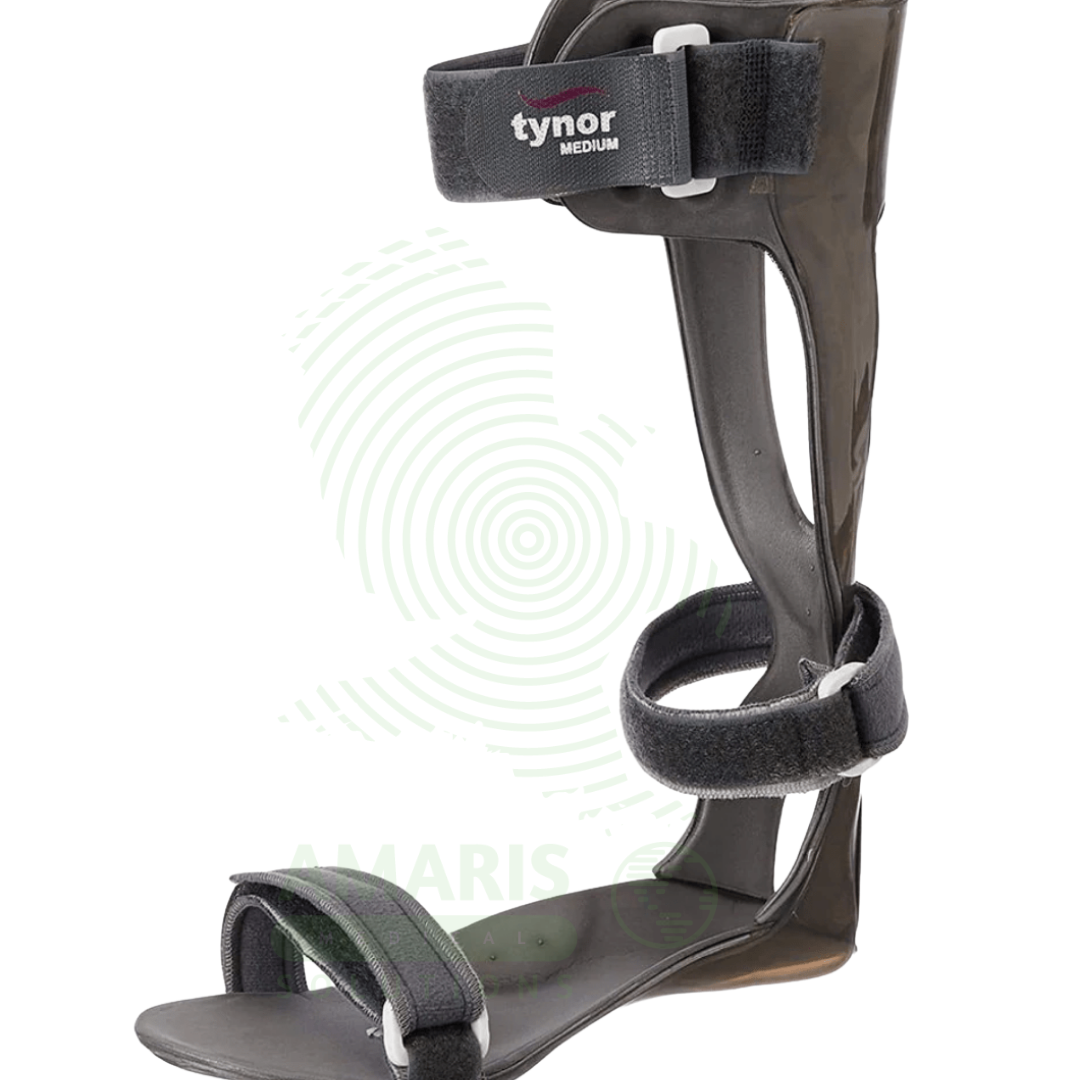
AFO & Drop Foot Splint
WhatsApp Order
An AFO & Drop Foot Splint is a custom-fabricated brace that stabilizes the ankle and foot to correct foot drop and improve walking safety. By maintaining the foot at a 90-degree angle, it prevents toes from dragging during the swing phase of gait, thereby preventing trips and falls. Essential for patients with neurological conditions (stroke, MS, cerebral palsy), peripheral nerve injuries, or post-surgical instability, it is a prescription device meticulously crafted by an orthotist to provide specific levels of support, flexibility, and control. Daily skin checks and proper footwear are imperative for safe and effective long-term use.
Description
AFO & Drop Foot Splint
PRIMARY CLINICAL & DIAGNOSTIC USES
1. Correction of Foot Drop
-
Primary Use: Manages foot drop caused by weakness or paralysis of the anterior tibialis and other dorsiflexor muscles by holding the foot at a 90-degree angle to the leg, preventing the toes from catching on the ground during the swing phase of gait.
-
How it helps: For the physiatrist, neurologist, and physical therapist, the AFO provides a mechanical solution to a neurological or muscular deficit—restoring a functional ankle position that allows for a safer, more efficient gait pattern. For the patient with foot drop from stroke, multiple sclerosis, or peripheral neuropathy, this splint means they can walk without their toes dragging, reducing the constant fear of tripping and falling, and restoring confidence in their ability to move safely.
2. Gait Rehabilitation and Normalization
-
Primary Use: Provides dynamic support that enables a safer, more energy-efficient, and normalized walking pattern for patients with neurological impairments, facilitating proper heel-strike, foot-flat, and toe-off phases.
-
How it helps: For the rehabilitation team working with patients recovering from stroke or brain injury, the AFO helps retrain the brain and body to walk correctly—supporting the ankle through each phase of gait while the patient relearns the complex motor patterns of walking. For the patient laboring to walk again after a life-altering neurological event, the splint reduces the exhausting compensatory movements that drain their energy, allowing them to walk farther, longer, and with greater confidence.
3. Management of Neurological and Muscular Disorders
-
Primary Use: Provides stability and functional positioning for a wide range of conditions affecting motor control, including muscular dystrophy, Charcot-Marie-Tooth disease, post-polio syndrome, and incomplete spinal cord injuries.
-
How it helps: For the orthotist and neuromuscular specialist, the AFO is a customized tool that adapts to the progressive or variable nature of these conditions—adjustable, modifiable, and tailored to each patient’s changing needs. For the patient living with a chronic neuromuscular condition, the splint provides predictable support that compensates for their specific deficits, preserving mobility and independence for as long as possible.
4. Post-Operative Stabilization
-
Primary Use: Used following surgery on the ankle, foot, or lower leg tendons to maintain the foot in a neutral or prescribed position, protect surgical repairs, and allow for protected weight-bearing during healing.
-
How it helps: For the orthopedic surgeon and post-operative care team, the AFO provides the controlled positioning essential for proper healing—protecting a repaired Achilles tendon, maintaining alignment after an ankle fusion, and preventing forces that would disrupt the surgical site. For the patient recovering from foot or ankle surgery, the splint provides the stability that allows them to begin weight-bearing earlier and more safely, speeding recovery and improving outcomes.
5. Control of Spasticity and Deformity Prevention
-
Primary Use: In patients with upper motor neuron lesions, helps control equinovarus spasticity by maintaining a stretched position, preventing permanent contractures of the Achilles tendon and toe flexors.
-
How it helps: For the physiatrist and occupational therapist managing spasticity, the AFO provides constant, gentle stretch that counteracts the pull of overactive muscles—preventing the progressive tightening that leads to fixed deformities. For the patient with stroke or cerebral palsy, wearing the splint means their foot remains in a functional position, preserving the possibility of future mobility and preventing the pain and complications of contractures.
SECONDARY & SUPPORTIVE USES
1. Stability for Ankle Instability and Weakness: Provides medial-lateral stability for patients with chronic ankle instability, severe peripheral neuropathy, or generalized lower limb weakness that leads to ankle buckling. For the patient with neuropathy who cannot feel where their foot is in space, the splint provides the stability their proprioception cannot, preventing falls and injuries.
2. Energy Conservation: By preventing the leg from swinging outward or hiking the hip to clear the foot—common compensatory movements for foot drop—it reduces the energy cost of walking. For the patient with limited cardiopulmonary reserve or generalized fatigue, this energy conservation means they can walk farther and do more before exhaustion sets in.
3. Post-Fracture or Soft Tissue Injury Support: Can be used during rehabilitation from tibial or fibular fractures or severe ankle sprains to provide protected mobility and support once initial immobilization is complete. For the patient recovering from a lower leg injury, the AFO bridges the gap between casting and full function, providing support while allowing progressive weight-bearing.
4. Functional Electrical Stimulation Integration: Many modern AFOs are designed to work in conjunction with FES systems, where the orthosis provides mechanical support while electrical stimulation triggers dorsiflexion at the appropriate gait phase. For the patient with upper motor neuron weakness, this combined approach harnesses both mechanical support and their body’s own electrical potential, creating a more natural, responsive gait pattern.
KEY PRODUCT FEATURES
1. BASIC IDENTIFICATION ATTRIBUTES
-
Type: An Ankle Foot Orthosis (AFO). A rigid or semi-rigid external brace that spans from below the knee to the foot.
-
Designation: Named by design and function: Posterior Leaf Spring (PLS) AFO, Solid Ankle AFO, Hinged (Articulated) AFO, Carbon Fiber Dynamic AFO, Prefabricated vs. Custom-Molded.
-
Common Variants:
-
Posterior Leaf Spring (PLS) AFO: A flexible plastic design that allows some controlled plantarflexion but provides dorsiflexion assist to prevent foot drop. Common for mild to moderate weakness.
-
Solid Ankle AFO: A rigid plastic shell that immobilizes the ankle in a fixed neutral position. Used for severe spasticity, instability, or when no ankle motion is desired.
-
Hinged (Articulated) AFO: Features a mechanical ankle joint (often with dorsiflexion assist and plantarflexion stop). Allows controlled motion while preventing drop foot. Used when some ankle movement is beneficial.
-
Carbon Fiber Dynamic AFO: Ultra-lightweight, stores and returns energy during gait to improve propulsion. Used by active individuals.
-
2. TECHNICAL & PERFORMANCE PROPERTIES
-
Material:
-
Traditional/Custom: Polypropylene or copolymer plastic, molded over a positive model of the patient's leg.
-
Advanced: Carbon fiber composite, titanium. Prefabricated models often use thermoplastic.
-
-
Biomechanical Action: Works on a lever principle. The proximal cuff around the calf acts as a proximal lever arm. Any force that tries to plantarflex the foot (like gravity during swing phase) is countered by the rigid structure, which transmits the force up the leg.
3. PHYSICAL & OPERATIONAL PROPERTIES
-
Trimlines: The shape and thickness of the plastic ("trimlines") determine its flexibility and function. A PLS has a narrow, flexible section behind the ankle.
-
Footplate: Extends under the foot to the metatarsal heads. Proper fit under the arch is critical for comfort and function.
-
Strapping: Typically uses a posterior calf strap and may have a forefoot strap to secure the foot in the orthosis.
4. SAFETY & COMPLIANCE ATTRIBUTES
-
Regulatory Status: Class I medical device; custom devices are often considered Class I but fabricated per prescription.
-
Biocompatibility: All patient-contact materials must be hypoallergenic.
-
Prescription Device: Almost always a prescribed, custom-fitted device made by an orthotist.
5. STORAGE & HANDLING ATTRIBUTES
-
Storage: Store at room temperature. Avoid extreme heat (e.g., hot cars) which can warp plastic orthoses.
-
Cleaning & Disinfection: Wipe interior daily with a damp cloth and mild soap. Dry thoroughly. For odor, use a dilute vinegar solution. Never immerse in water.
-
Footwear: Must be worn with appropriate shoes that are deep and wide enough to accommodate the orthosis without causing pressure points.
6. LABORATORY & CLINICAL APPLICATIONS
-
Primary Application: A cornerstone of neurological and orthopedic rehabilitation, orthotics, and physical medicine for restoring functional ambulation.
-
Custom Fabrication: The gold standard involves taking a negative cast of the patient's leg, creating a positive model, modifying it biomechanically, and vacuum-forming plastic over it for a perfect, functional fit.
SAFETY HANDLING PRECAUTIONS
1. SAFETY PRECAUTIONS
-
Skin Integrity (CRITICAL): Must inspect skin on the leg, ankle, and foot daily for any redness, irritation, or breakdown, especially over bony prominences (malleoli, tibial crest, 5th metatarsal base). Initial wear time should be gradually increased.
-
Proper Footwear: Ill-fitting shoes over an AFO are a leading cause of skin problems and falls. Shoes must be fitted with the AFO on.
-
Gait Training: Initial use requires supervision and gait training by a physical therapist to ensure safe use and adapt to the device.
-
Regular Re-evaluation: The patient's condition and the orthosis's fit/function must be reassessed regularly by the orthotist, as needs change over time.
2. FIRST AID MEASURES
-
Skin Breakdown or Blistering: Immediately discontinue use. Keep the area clean and covered. Contact the prescribing physician and orthotist before resuming wear. The orthosis may need adjustment.
-
Increased Pain or New Numbness: Stop using the device and consult the healthcare team.
3. FIRE FIGHTING MEASURES
-
Flammability: Plastic and carbon fiber composites are combustible.
-
Extinguishing Media: Use water, foam, or CO₂ as appropriate for the surrounding fire.
Related products
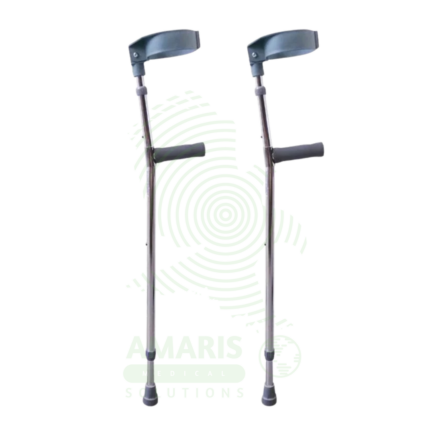
Elbow & Axiliary Crutches
An Elbow & Axiliary Crutches feature a forearm cuff and are designed for long-term mobility, offering a natural gait for unilateral or bilateral conditions. Auxiliary (Underarm) Crutches have an axillary pad and are for short-term, non-weight-bearing use after injury or surgery. Both require precise fitting—forearm crutch cuffs must be below the elbow, and underarm crutch weight must be borne through the hands to avoid nerve damage. Proper gait training from a therapist is essential for safe use of either type.
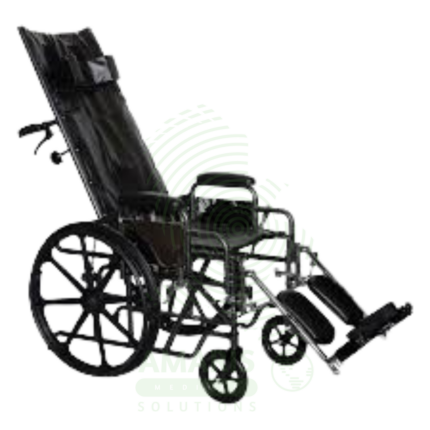
Manual Reclining Wheelchair
A Manual Reclining Wheelchair is a non-powered wheelchair with a backrest that can be manually adjusted to various angles. It is designed for users who need to change their sitting position for pressure relief, circulatory management, respiratory support, or comfort but do not require powered mobility. Key safety features include a robust locking mechanism, mandatory use of anti-tip levers and a seat belt when reclined, and synchronized elevating leg rests to prevent sliding. It is heavier and less maneuverable than a standard wheelchair but provides essential positioning options for individuals with specific postural and medical needs.
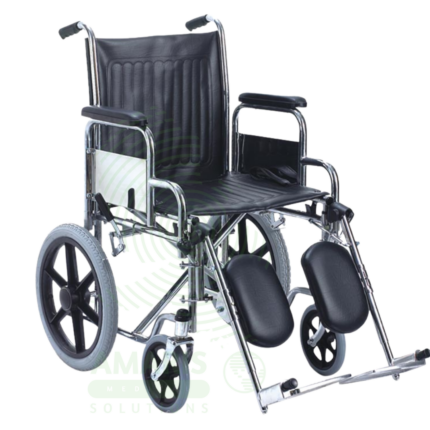
Orthopedic Commode Wheelchair With Flipping Armrest
The Orthopedic Commode Wheelchair with Flipping Armrest is a specialized hybrid device designed for patients with lower limb injuries or surgeries requiring non-weight-bearing status. It combines an extended-frame orthopedic wheelchair with an elevating leg rest, a commode seat opening, and a flipping armrest for lateral transfers. This allows for simultaneous fracture management (leg elevation/immobilization), pressure sore prevention (heel off-loading), and safe, hygienic toileting without dangerous transfers. Its use mandates the constant engagement of anti-tip levers due to a high risk of backwards tipping and requires careful navigation of its substantial length.
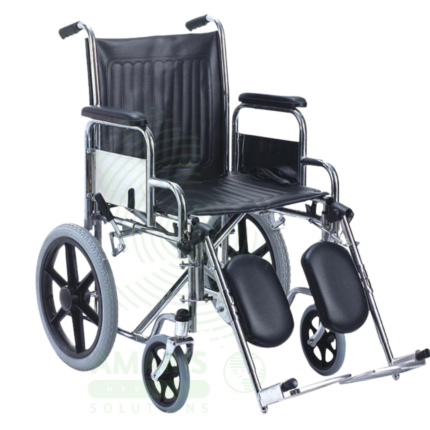
Orthopedic Wheelchair
An Orthopedic Wheelchair is a specialized manual wheelchair with an extended frame and elevating leg rests, designed to support patients who must keep one or both lower limbs in a straight, non-weight-bearing position. It is primarily used for managing lower limb fractures, post-operative recovery (e.g., hip replacements), and conditions requiring heel-off-loading to prevent pressure sores. Its key safety consideration is a heightened risk of tipping backwards due to the forward weight of the extended leg, requiring cautious use, engagement of anti-tip levers, and awareness of its increased length during navigation.
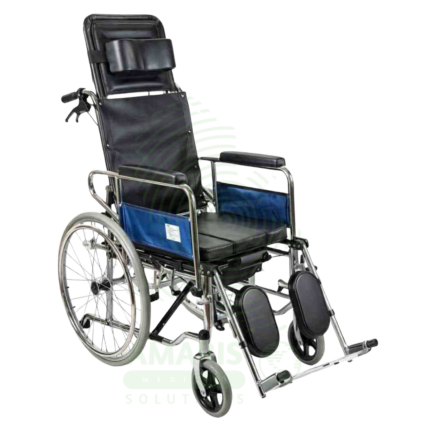
Reclining Commode Wheelchair
A Reclining Commode Wheelchair is a complex manual chair that integrates a reclining backrest with a commode seat. It is designed for patients who require adjustable positioning for pressure relief, respiratory support, or comfort, and who need a built-in toileting solution. It addresses the needs of individuals with severe neurological conditions, spinal injuries, or advanced illnesses. Critical safety features include anti-tip levers, a mandatory seat belt, and a robust recline lock. Its use requires vigilant attention to stability and shear prevention, making it a specialized tool for high-dependency care settings.
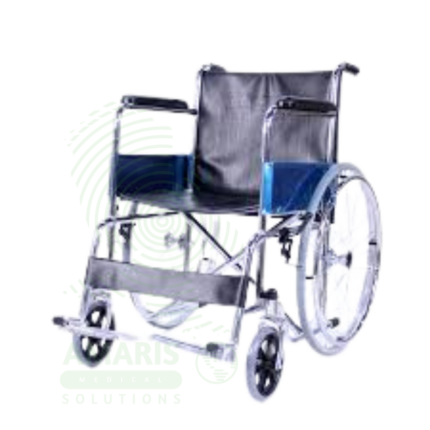
Standard Wheelchair
The Standard Wheelchair is a manually operated, folding or rigid-frame chair with two large rear wheels and two front casters, designed for basic patient mobility. It is used to transport non-ambulatory patients within healthcare facilities, support recovery from injury or surgery, and provide temporary mobility assistance. Key features include handrims for self-propulsion, attendant push handles, flip-up footrests, and wheel locks. As a fundamental piece of equipment in hospitals, clinics, and communities, it requires proper use of brakes and safe transfer techniques to prevent accidents.
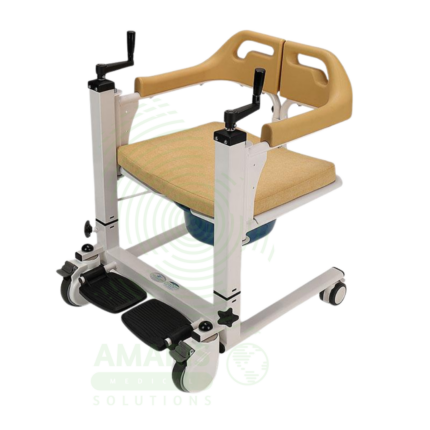
Transfer Chair
A Transfer Chair is a simple, armless mobile chair on four swivel casters designed specifically for safe, lateral seated patient transfers. Its core function is to allow caregivers to move patients who cannot stand between surfaces like beds, wheelchairs, toilets, and cars with minimal lifting, thereby preventing caregiver injuries and patient falls. Key features include a low, armless seat for unobstructed sliding, locking casters for stability, and a compact, maneuverable design. It is a fundamental piece of equipment in any safe patient handling program.