Dermatoscope and Magnifiers
 Diagnostic Kits
 Vital Signs Monitors
 Stethoscopes and Accessories
 Otoscopes, Ophthalmoscopes, and Retinoscopes
 Reflex Hammers and Neurological Tools
 Scales and Measuring Devices
 Spirometers and Pulmonary Function Tests
 Electrosurgical Units and Accessories
 Cutting Instruments
 Grasping and Holding Instruments
 Hemostatic Instruments
 Specialized Surgical Sets
 Single-Use Procedure Trays and Packs
 Surgical Drapes, Gowns, and Covers
 Tissue Unifying Instruments
 Radiation Protection
 X-Ray Machines and Accessories
 Ultrasound Systems and Probes
 MRI and CT Scanners
 Radiology Consumables
 Bone Densitometers
 Fluoroscopy Equipment
 Imaging Tables and Positioning Aids
 Microscopes and Accessories
 Centrifuges and Separators
 Analyzers
 Incubators and Ovens
 Pipettes, Dispensers, and Lab Glassware
 Refrigerators, Freezers, and Storage Units
 Lab Consumables
 Sterilizers and Autoclaves for Lab Use
 Multi-Parameter Monitors
 Ventilators and Respiratory Support Devices
 Defibrillators and AEDs
 Infusion Pumps and IV Systems
 Patient Warmers and Cooling Devices
 Central Monitoring Stations
 Accessories
 Anesthesia Machines and Workstations
 Oxygen Concentrators and Delivery Systems
 Nebulizers and Inhalers
 CPAP/BiPAP Machines
 Airway Management
 Anesthesia Masks, Circuits, and Bags
 Humidifiers and Heaters
 Respiratory Therapy Accessories
 First Aid Kits and Cabinets
 Emergency Resuscitation Equipment
 Trauma Supplies
 Emergency Carts and Crash Carts
 Burn Care Products
 Bleeding Control
 Automated External Defibrillators (AEDs)
 Transport and Evacuation
 Wheelchairs and Accessories
 Walkers, Crutches, and Canes
 Prosthetics and Orthotics
 Physical Therapy Equipment
 Transfer Devices
 Bathroom Safety
 Orthopedic Traction and Tables
 Hot/Cold Therapy Packs and Units
 Beds and Mattresses
 Chairs and Stools
 Tables
 Cabinets and Storage
 Privacy Screens & Curtains
 Stands and Racks
 Linens and Textiles
 Lighting
 Autoclaves and Sterilizers
 Ultrasonic Cleaners
 Disinfectant Solutions and Wipes
 Sterilization Pouches, Wraps, and Indicators
 Instrument Trays and Containers
 UV and Ozone Disinfection Devices
 Washer Disinfectors
 Wound Care
 Gloves
 Masks and Respirators
 Catheters and Tubing
 Swabs, Applicators, and Sponges
 Incontinence Products
 Personal Protective Equipment (PPE)
 Dental Chairs and Units
 Handpieces and Burs
 Instruments
 Consumables
 Sterilization for Dental Use
 Orthodontic Supplies
 Endodontic Tools
 Slit Lamps and Tonometers
 Lensometers and Phoropters
 Ophthalmic Surgical Instruments
 Eyewear Frames and Lenses
 Contact Lens Supplies
 Vision Testing Charts and Devices
 Eye Care Consumables
 Laser Systems for Eye Care
 ENT Exam Chairs and Tables
 Endoscopes
 Audiometers and Hearing Tests
 ENT Instruments
 Nasal and Throat Packs
 Hearing Aids and Accessories
 Otology Supplies
 Fetal Dopplers and Monitors
 Delivery Beds and Tables
 Gynecological Instruments
 Neonatal Incubators and Warmers
 Breast Pumps and Accessories
 Contraceptive Devices
 Maternity Supports and Pads
 Neonatal Consumables
 Cystoscopes and Urethroscopes
 Dialysis Machines and Supplies
 Urological Catheters and Bags
 Lithotripters
 Prostate Treatment Devices
 Urinary Incontinence Products
 Kidney Stone Management Tools
 Consumables & Disposables
 EEG and EMG Machines
 Neurosurgical Instruments
 Nerve Stimulators
 Headrests and Positioning Aids
 Lumbar Puncture Kits
 Seizure Monitoring Devices
 Consumables
 Rehabilitation for Neurological Conditions
 ECG Machines and Accessories
 Holter Monitors
 Stress Test Systems
 Pacemakers and Defibrillator Accessories
 Vascular Access Devices
 Cardiac Catheters and Guidewires
 Blood Flow Meters
 Consumables
 Orthopedic Instruments
 Casts, Splints, and Padding
 Joint Replacement Supplies
 Prosthetic Limbs and Components
 Bone Grafts and Substitutes
 Traction Devices
 Orthopedic Braces and Supports
 Rehabilitation Aids for Orthopedics
 Home Oxygen Therapy
 Hospital Beds for Home Use
 Mobility Aids
 Bathroom and Daily Living Aids
 Wound Care for Home
 Monitoring Devices
 Enteral Feeding Pumps and Tubes
 Hand Sanitizers and Dispensers
 Face Shields and Goggles
 Isolation Gowns and Suits
 Biohazard Waste Containers
 Air Purifiers and HEPA Filters
 Surface Disinfectants
 Sharps Containers
 Protective Barriers
 Cardiovascular & Endurance Training
 Strength Training & Weightlifting
 Functional Training & Core Conditioning
 Physical Therapy & Rehabilitation
 Sports & Outdoor Recreation
 Gym Flooring & Facility Equipment
 Fitness Monitoring & Accessories
 Kids & Novelties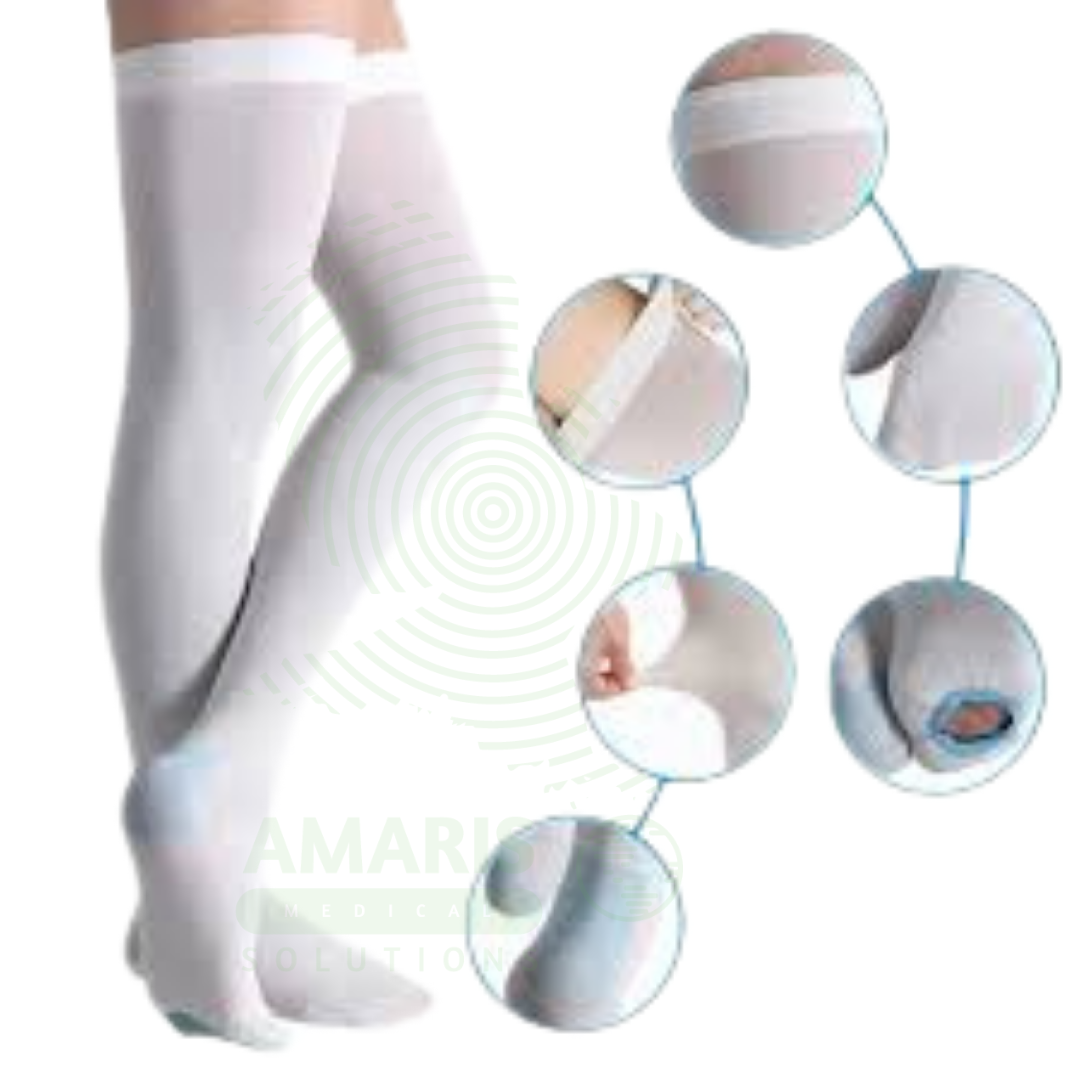
Anti-Embolic Compression Stockings
$1.00
WhatsApp Order
Anti-Embolic Compression Stockings are medical-grade elastic stockings designed to prevent Deep Vein Thrombosis (DVT) in non-ambulatory, surgical, or medically ill patients. By delivering graduated external pressure—tightest at the ankle and decreasing up the leg—they enhance venous blood flow and reduce stasis, a key factor in clot formation. They are a cornerstone of mechanical thromboprophylaxis in hospitals. Correct sizing based on precise leg measurements is critical for both efficacy and safety, as improper fit can lead to complications or failure of prophylaxis. Daily skin assessment and adherence to wearing guidelines are essential components of safe use.
Description
Anti-Embolic Compression Stockings
PRIMARY CLINICAL & DIAGNOSTIC USES
1. Prophylaxis of Deep Vein Thrombosis (DVT)
-
Primary Use: Prevents the formation of blood clots in the deep veins of the legs by applying graduated external pressure that increases venous blood flow velocity, reducing venous stasis.
-
How it helps: For the physician and nursing team, these stockings provide a mechanical solution to a potentially fatal problem—keeping blood moving in immobile patients who cannot walk. For the patient recovering from surgery or confined to bed, the gentle pressure encourages circulation that mimics the muscle pump of walking, reducing the risk of a silent clot forming that could later travel to the lungs as a life-threatening pulmonary embolism.
2. Post-Surgical Thromboprophylaxis
-
Primary Use: A standard of care for patients undergoing major surgery, especially orthopedic, abdominal, pelvic, or neurological procedures, where immobility and surgical trauma significantly increase DVT risk.
-
How it helps: For the surgical team, anti-embolic stockings are a non-invasive, drug-free intervention that protects patients during the high-risk post-operative period when they are most immobile. For the patient waking from hip replacement, abdominal surgery, or neurosurgery, these stockings work silently beneath the blankets—protecting them from clot complications while they focus on healing and regaining strength.
3. Medical Patient Thromboprophylaxis
-
Primary Use: Used for hospitalized medical patients at increased risk for DVT due to acute illness, heart failure, severe respiratory disease, or prolonged bed rest.
-
How it helps: For the hospitalist and internal medicine team, these stockings provide essential protection for patients too sick to mobilize—those with pneumonia, heart failure exacerbation, or severe infection. For the medically ill patient confined to bed, the compression stockings offer a simple but critical safeguard against the “hidden” risk of blood clots while their body fights the primary illness.
4. Obstetric Use
-
Primary Use: Employed during Cesarean sections and for high-risk pregnant patients on bed rest to mitigate the increased thromboembolic risk associated with pregnancy and the postpartum period.
-
How it helps: For the obstetrician and maternal-fetal medicine team, stockings address the unique hypercoagulable state of pregnancy, protecting mothers during and after delivery. For the new mother recovering from C-section or confined to bed with pregnancy complications, these stockings provide reassurance that her clot risk is being managed, allowing her to focus on her recovery and her newborn.
5. Critical Care & ICU
-
Primary Use: Essential for immobilized patients in intensive care units who are at very high risk for venous thromboembolism.
-
How it helps: For the intensivist and critical care nurse caring for the sickest patients—those on ventilators, with sepsis, or multi-organ failure—stockings provide foundational protection against clots when every other system is compromised. For the unconscious or sedated ICU patient unable to advocate for themselves, these stockings represent a standard of care that protects them around the clock.
SECONDARY & SUPPORTIVE USES
1. Reduction of Post-Operative Leg Swelling (Edema): For the surgical team, compression stockings help manage lower limb edema following surgery by facilitating fluid return through venous and lymphatic systems. For the post-operative patient, this means less swelling, less discomfort, and potentially faster mobilization as they begin to walk again.
2. Support During Patient Transport: For the transport team moving patients during long-distance transfers, stockings reduce clotting risk during prolonged periods of immobility in ambulances or air medical transports. For the critically ill patient being transferred between facilities, this protection continues throughout the journey, maintaining DVT prophylaxis even when standard mobility is impossible.
3. Complement to Pharmacological Prophylaxis: For patients at the highest risk of VTE, stockings are often used in conjunction with anticoagulant medications (heparin, enoxaparin), providing dual protection through mechanical and chemical means. For the high-risk patient—those with prior clots, cancer, or multiple risk factors—this combination approach offers the most comprehensive protection available against potentially fatal thromboembolic events.
KEY PRODUCT FEATURES
1. BASIC IDENTIFICATION ATTRIBUTES
-
Device Type: A medical-grade, elasticated garment designed to deliver graduated compression to the lower limb.
-
Designation: "Anti-Embolic" or "Thromboprophylactic" specifically indicates they are designed for DVT prevention in at-risk, often bedridden patients. They are distinct from compression stockings for chronic venous insufficiency.
-
Core Styles:
-
Knee-High (Below-Knee): Covers from foot to just below the knee. Most common for surgical prophylaxis.
-
Thigh-High: Extends from foot to mid-thigh.
-
Waist-High / Tights: Extends to the waist.
-
-
Key Features: Toe opening for inspection, open- or closed-toe, knitted heel pocket, and a silicone bead or band at the top to prevent rolling down.
2. TECHNICAL & PERFORMANCE PROPERTIES
-
Compression Level: Medical Anti-Embolic Stockings deliver a specific, graduated compression profile, typically classified as:
-
Class I (Mild Compression): 14-17 mmHg at the ankle. Common for low-risk prophylaxis.
-
Class II (Medium Compression): 18-24 mmHg at the ankle. The most frequently prescribed level for surgical and medical DVT prevention.
-
-
Graduated Pressure Profile: The defining performance characteristic. Pressure is highest at the ankle (e.g., 18 mmHg) and gradually decreases up the leg (e.g., 14 mmHg at the calf, 8 mmHg at the thigh). This gradient assists blood flow back toward the heart.
-
Material: Made from advanced medical-grade elastic fibers (e.g., nylon, spandex, rubber) that maintain consistent pressure over time and are breathable.
3. PHYSICAL & OPERATIONAL PROPERTIES
-
Sizing: Critical for efficacy and safety. Must be precisely fitted by measuring the patient's leg at specified points (ankle circumference, calf circumference, leg length) while the patient is lying down. Incorrect sizing can be ineffective or harmful.
-
Packaging: Typically supplied in individual patient packs, often in size-specific boxes.
-
Application: Should be applied in the morning before the patient gets out of bed (when leg swelling is minimal) and worn continuously until the patient is fully mobile, often removed only for bathing or skin inspection.
4. SAFETY & COMPLIANCE ATTRIBUTES
-
Regulatory Status: Classified as a Class I (low risk) or Class II medical device in most regions, depending on the compression level and intended medical claim.
-
Biocompatibility: Materials must be hypoallergenic and non-irritating to skin.
-
Latex-Free: Standard to prevent allergic reactions.
5. STORAGE & HANDLING ATTRIBUTES
-
Storage: Store in a cool, dry place away from direct sunlight, which can degrade elastic fibers.
-
Cleaning: Designed for single-patient use during a hospital stay. Can be hand-washed in lukewarm water with mild soap if necessary for an extended stay, and air-dried flat—never tumble dried, as heat destroys elasticity.
-
Replacement: For long-term use (e.g., in chronic care), stockings lose elasticity and should be replaced every 3-6 months or as soon as they become loose.
6. LABORATORY & CLINICAL APPLICATIONS
-
Primary Application: A non-invasive, mechanical form of thromboprophylaxis, forming a critical part of VTE risk assessment and prevention protocols in hospitals worldwide (e.g., as part of a "VTE bundle").
-
Clinical Role: A first-line intervention for DVT prevention, especially when pharmacological anticoagulation is contraindicated due to bleeding risk.
SAFETY HANDLING PRECAUTIONS
1. SAFETY PRECAUTIONS
-
Contraindications: ABSOLUTELY CONTRAINDICATED in patients with severe arterial insufficiency (e.g., severe peripheral arterial disease, ischemia), massive leg edema from congestive heart failure, severe peripheral neuropathy, or known allergy to stocking materials. Use with extreme caution in patients with limb deformity, dermatitis, or recent skin graft.
-
Proper Sizing is Mandatory: Incorrectly sized stockings (too tight or too loose) can cause skin breakdown, tourniquet effect, or be completely ineffective. Never guess the size.
-
Skin and Neurovascular Assessment: Perform a thorough baseline assessment of skin integrity, pulses, sensation, and color before application. Inspect skin under the stockings at least daily for redness, blisters, or breakdown.
-
Correct Application: Ensure stockings are smooth, without wrinkles or bunches, which can create pressure points. Do not roll or fold over the top band.
-
Patient Education: Instruct patients and caregivers on proper donning/doffing techniques, signs of complications, and wearing schedule.
2. FIRST AID MEASURES
-
Skin Compromise: If skin breakdown, severe redness, pain, or new numbness/tingling occurs, remove the stockings immediately and do not reapply. Assess the patient and treat the skin as needed. Consult the prescribing clinician.
-
Signs of Arterial Compromise: If the limb becomes pale, cold, or painful, remove the stockings immediately as this may indicate arterial insufficiency exacerbated by compression. Seek urgent medical evaluation.
-
Allergic Reaction: If a rash or itching develops, remove stockings, cleanse the skin, and consider an alternative product.
3. FIRE FIGHTING MEASURES
-
Flammability: Synthetic fabric components are combustible.
-
Extinguishing Media: Use water, foam, CO2, or dry chemical extinguishers as appropriate for the surrounding fire.
Related products
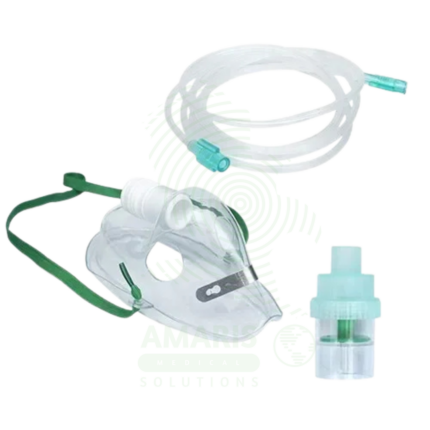
Adult & Pediatric Nebulizer Kit
An Adult & Pediatric Nebulizer Kit is a complete set of patient-contact components required for aerosol medication delivery, including a nebulizer cup, connecting tubing, and both an adult mouthpiece and a pediatric mask (or universal fit). Designed for use with a compressor, it provides the delivery circuit for treating asthma, COPD, and other respiratory conditions. Available in disposable (single-patient-use) formats for infection control in clinics or reusable formats for home care, its proper use, coupled with rigorous cleaning for reusable kits, is essential for effective therapy and preventing respiratory infections. The kit's universal connectors ensure compatibility with standard compressors.
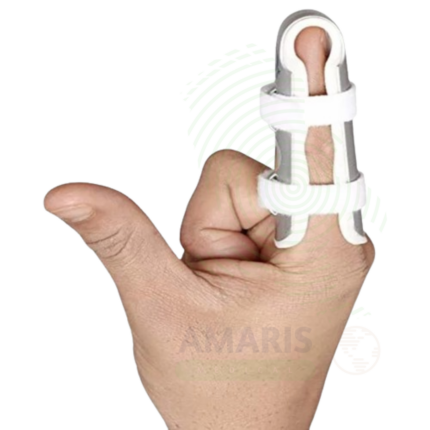
Finger Cot
A Finger Cot is a small, finger-shaped protective covering used to protect minor finger wounds, diabetic ulcers, surgical incisions, and amputation stumps, as well as to provide barrier protection for healthcare workers and laboratory personnel. Made from latex, nitrile, vinyl, or silicone, it provides a comfortable, secure fit while protecting the finger from contamination, moisture, friction, and irritants. Available in various sizes, materials, and sterile or non-sterile versions. Latex-free options are available for individuals with latex allergy.
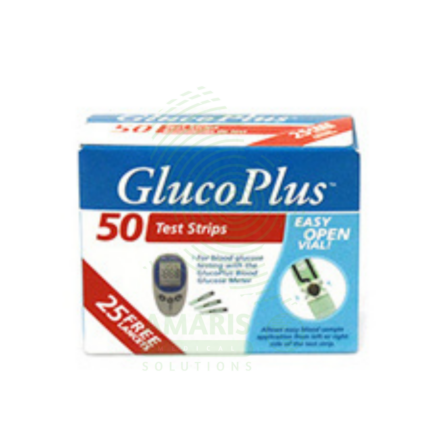
Glucosics Blood Sugar Sticks
Glucosics Blood Sugar Sticks are single-use, disposable electrochemical test sticks (ISO 15197:2013 compliant) designed exclusively for use with Glucosics glucose meters to measure capillary blood glucose from 0.5-1.0 µL samples in 5-7 seconds. Each stick contains glucose oxidase or glucose dehydrogenase reagents that generate electrical current proportional to glucose concentration (20-600 mg/dL range). Packaging options include multi-stick vials (25-100 sticks) with desiccant for daily use or individually foil-wrapped sticks for travel. Sticks feature no-coding automatic calibration, hematocrit compensation (20-60%), and interference resistance. Primary clinical applications include daily blood glucose testing for Type 1, Type 2, and gestational diabetes management, hypoglycemia and hyperglycemia detection, pre- and post-meal glucose assessment, and hospital point-of-care testing. Critical safety precautions include single-use only, immediate vial closure after stick removal to prevent humidity damage, storage at 2-30°C away from bathrooms and temperature extremes, never using expired sticks, proper hand hygiene before testing, and disposal in sharps containers. Essential consumable for diabetes self-management when used with Glucosics meters.
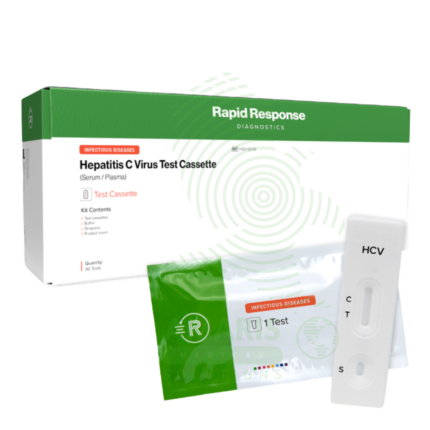
Hepatitis C Test Kit
The Hepatitis C Test Kit is an in vitro diagnostic device for the detection of Hepatitis C virus antibodies or RNA in human blood, serum, or plasma samples. Available in rapid, laboratory immunoassay, and molecular formats, it screens for HCV infection, confirms active infection with RNA testing, and monitors treatment response. With high sensitivity and specificity exceeding 99%, it is essential for identifying infected individuals, linking them to curative direct-acting antiviral therapy, and confirming cure. Essential applications include risk-based screening of high-risk populations, birth cohort screening of baby boomers, evaluation of acute hepatitis, management of occupational exposures, and monitoring of antiviral therapy that can cure over 95% of infections. All patient samples must be handled with universal precautions, and positive antibody results require confirmatory testing.
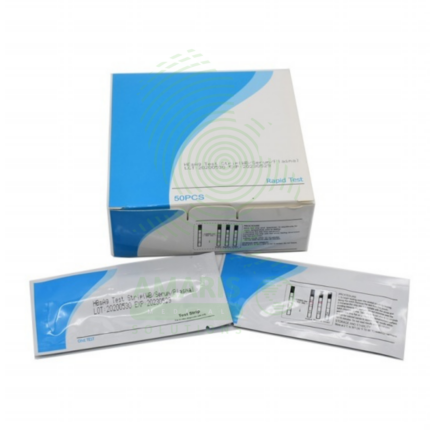
Rapid Test Kits (HIV, HBV, HCV, Malaria)
Rapid Test Kits for HIV, HBV, HCV, and Malaria are single-use, immunochromatographic devices designed for the quick, preliminary screening of these critical infectious diseases at the point of care. By detecting specific antibodies or antigens in a small blood sample (or oral fluid for some HIV tests), they provide a visual result within 15-30 minutes without the need for laboratory equipment. Their primary role is to expand access to testing in community and resource-limited settings, enabling immediate counseling, triage, and referral for confirmatory testing and treatment. As essential tools in public health, they are characterized by their simplicity, speed, and critical importance in early diagnosis and outbreak response.
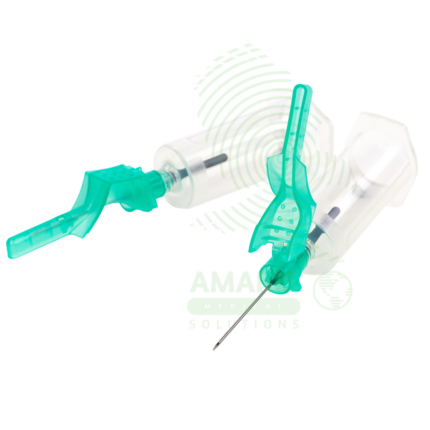
SAFE SERIES Blood Collection Needles
The SAFE SERIES (AM-SAFE) by Beijing Precil (Mindray subsidiary) is a comprehensive line of safety-engineered blood collection devices designed to prevent accidental needlestick injuries in healthcare workers. The series includes venous blood collection needles (AM-SAFE-V), standard safety needles (AM-SAFE1), winged infusion sets/butterfly needles (AM-SAFE2), high-gauge thin-wall needles for fragile veins (AM-SAFE3), premium coated needles for enhanced patient comfort (AM-GOLD), and nurse-friendly one-handed safety variants (AM-NURSE). All devices incorporate integral safety mechanisms that shield the contaminated needle immediately after withdrawal, complying with OSHA Needlestick Safety and Prevention Act requirements. Available in various gauges (18G-25G) and configurations for routine venipuncture, difficult vein access, pediatric/geriatric patients, and frequent blood draws. Sterile, single-use, latex-free, and color-coded for easy gauge identification. Essential safety devices for blood collection in hospitals, clinics, laboratories, and home healthcare settings.
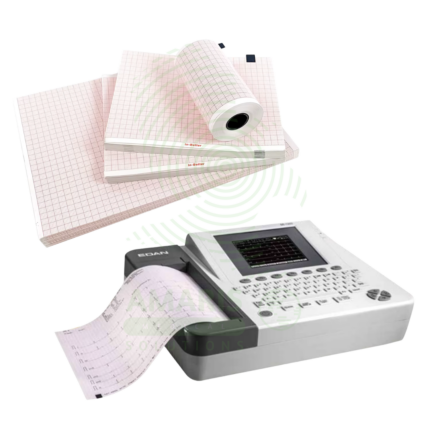
Thermal Printing Paper Roll
Thermal Printing Paper Roll is a heat-sensitive recording medium used with medical monitoring and diagnostic equipment including ECG machines, fetal monitors, ultrasound printers, and telemetry systems. The paper produces high-contrast, permanent images of physiological waveforms and data when passed over the printer's thermal head. Available in various widths, lengths, and grid patterns to match specific device requirements, it is an essential consumable for creating hard copy records for patient charts, consultation, and legal documentation. Proper storage away from light, heat, and moisture is essential to preserve image quality. BPA-free and archival-grade options are available for specific applications.