Dermatoscope and Magnifiers
 Diagnostic Kits
 Vital Signs Monitors
 Stethoscopes and Accessories
 Otoscopes, Ophthalmoscopes, and Retinoscopes
 Reflex Hammers and Neurological Tools
 Scales and Measuring Devices
 Spirometers and Pulmonary Function Tests
 Electrosurgical Units and Accessories
 Cutting Instruments
 Grasping and Holding Instruments
 Hemostatic Instruments
 Specialized Surgical Sets
 Single-Use Procedure Trays and Packs
 Surgical Drapes, Gowns, and Covers
 Tissue Unifying Instruments
 Radiation Protection
 X-Ray Machines and Accessories
 Ultrasound Systems and Probes
 MRI and CT Scanners
 Radiology Consumables
 Bone Densitometers
 Fluoroscopy Equipment
 Imaging Tables and Positioning Aids
 Microscopes and Accessories
 Centrifuges and Separators
 Analyzers
 Incubators and Ovens
 Pipettes, Dispensers, and Lab Glassware
 Refrigerators, Freezers, and Storage Units
 Lab Consumables
 Sterilizers and Autoclaves for Lab Use
 Multi-Parameter Monitors
 Ventilators and Respiratory Support Devices
 Defibrillators and AEDs
 Infusion Pumps and IV Systems
 Patient Warmers and Cooling Devices
 Central Monitoring Stations
 Accessories
 Anesthesia Machines and Workstations
 Oxygen Concentrators and Delivery Systems
 Nebulizers and Inhalers
 CPAP/BiPAP Machines
 Airway Management
 Anesthesia Masks, Circuits, and Bags
 Humidifiers and Heaters
 Respiratory Therapy Accessories
 First Aid Kits and Cabinets
 Emergency Resuscitation Equipment
 Trauma Supplies
 Emergency Carts and Crash Carts
 Burn Care Products
 Bleeding Control
 Automated External Defibrillators (AEDs)
 Transport and Evacuation
 Wheelchairs and Accessories
 Walkers, Crutches, and Canes
 Prosthetics and Orthotics
 Physical Therapy Equipment
 Transfer Devices
 Bathroom Safety
 Orthopedic Traction and Tables
 Hot/Cold Therapy Packs and Units
 Beds and Mattresses
 Chairs and Stools
 Tables
 Cabinets and Storage
 Privacy Screens & Curtains
 Stands and Racks
 Linens and Textiles
 Lighting
 Autoclaves and Sterilizers
 Ultrasonic Cleaners
 Disinfectant Solutions and Wipes
 Sterilization Pouches, Wraps, and Indicators
 Instrument Trays and Containers
 UV and Ozone Disinfection Devices
 Washer Disinfectors
 Wound Care
 Gloves
 Masks and Respirators
 Catheters and Tubing
 Swabs, Applicators, and Sponges
 Incontinence Products
 Personal Protective Equipment (PPE)
 Dental Chairs and Units
 Handpieces and Burs
 Instruments
 Consumables
 Sterilization for Dental Use
 Orthodontic Supplies
 Endodontic Tools
 Slit Lamps and Tonometers
 Lensometers and Phoropters
 Ophthalmic Surgical Instruments
 Eyewear Frames and Lenses
 Contact Lens Supplies
 Vision Testing Charts and Devices
 Eye Care Consumables
 Laser Systems for Eye Care
 ENT Exam Chairs and Tables
 Endoscopes
 Audiometers and Hearing Tests
 ENT Instruments
 Nasal and Throat Packs
 Hearing Aids and Accessories
 Otology Supplies
 Fetal Dopplers and Monitors
 Delivery Beds and Tables
 Gynecological Instruments
 Neonatal Incubators and Warmers
 Breast Pumps and Accessories
 Contraceptive Devices
 Maternity Supports and Pads
 Neonatal Consumables
 Cystoscopes and Urethroscopes
 Dialysis Machines and Supplies
 Urological Catheters and Bags
 Lithotripters
 Prostate Treatment Devices
 Urinary Incontinence Products
 Kidney Stone Management Tools
 Consumables & Disposables
 EEG and EMG Machines
 Neurosurgical Instruments
 Nerve Stimulators
 Headrests and Positioning Aids
 Lumbar Puncture Kits
 Seizure Monitoring Devices
 Consumables
 Rehabilitation for Neurological Conditions
 ECG Machines and Accessories
 Holter Monitors
 Stress Test Systems
 Pacemakers and Defibrillator Accessories
 Vascular Access Devices
 Cardiac Catheters and Guidewires
 Blood Flow Meters
 Consumables
 Orthopedic Instruments
 Casts, Splints, and Padding
 Joint Replacement Supplies
 Prosthetic Limbs and Components
 Bone Grafts and Substitutes
 Traction Devices
 Orthopedic Braces and Supports
 Rehabilitation Aids for Orthopedics
 Home Oxygen Therapy
 Hospital Beds for Home Use
 Mobility Aids
 Bathroom and Daily Living Aids
 Wound Care for Home
 Monitoring Devices
 Enteral Feeding Pumps and Tubes
 Hand Sanitizers and Dispensers
 Face Shields and Goggles
 Isolation Gowns and Suits
 Biohazard Waste Containers
 Air Purifiers and HEPA Filters
 Surface Disinfectants
 Sharps Containers
 Protective Barriers
 Cardiovascular & Endurance Training
 Strength Training & Weightlifting
 Functional Training & Core Conditioning
 Physical Therapy & Rehabilitation
 Sports & Outdoor Recreation
 Gym Flooring & Facility Equipment
 Fitness Monitoring & Accessories
 Kids & Novelties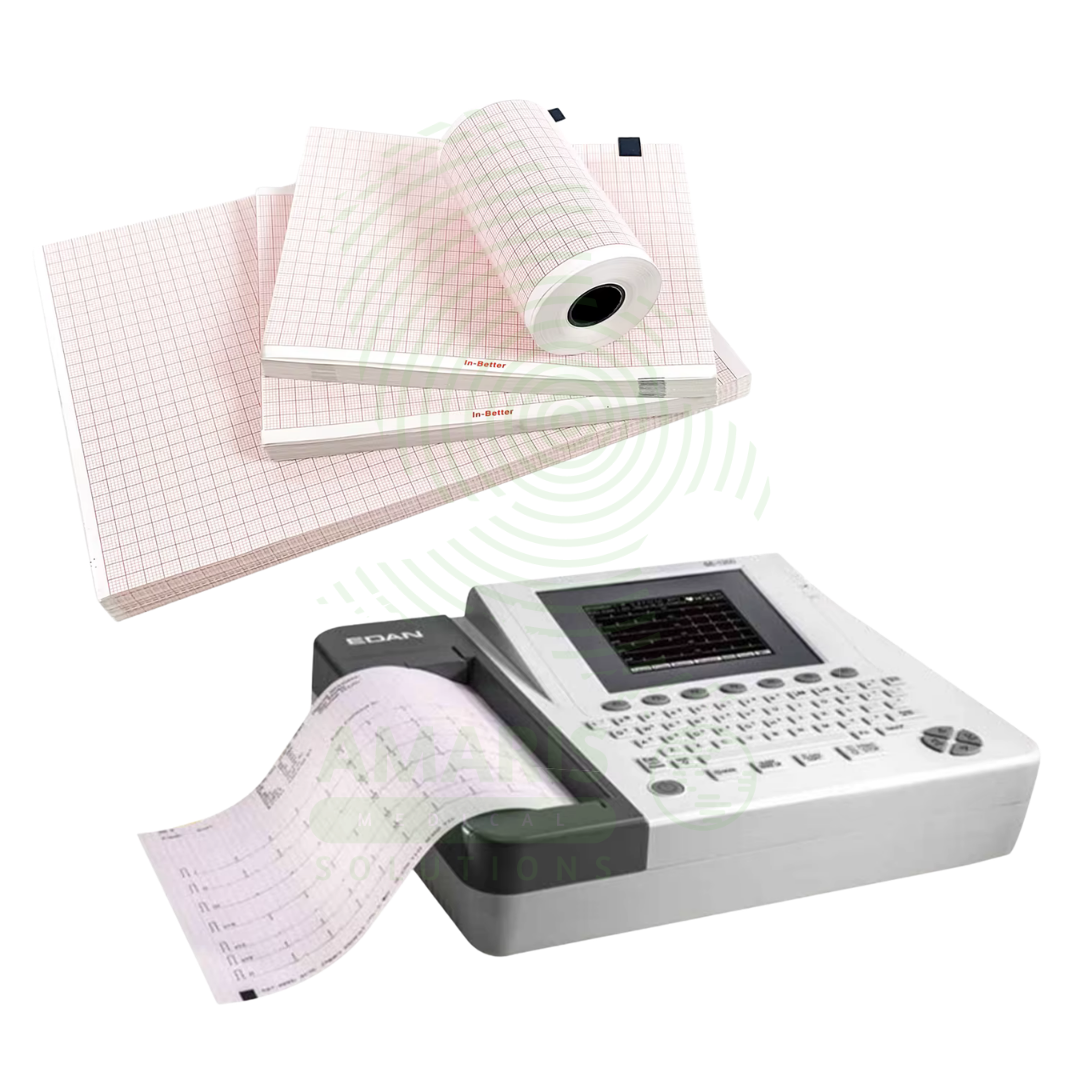
Thermal Printing Paper Roll
$1.00
WhatsApp Order
Thermal Printing Paper Roll is a heat-sensitive recording medium used with medical monitoring and diagnostic equipment including ECG machines, fetal monitors, ultrasound printers, and telemetry systems. The paper produces high-contrast, permanent images of physiological waveforms and data when passed over the printer’s thermal head. Available in various widths, lengths, and grid patterns to match specific device requirements, it is an essential consumable for creating hard copy records for patient charts, consultation, and legal documentation. Proper storage away from light, heat, and moisture is essential to preserve image quality. BPA-free and archival-grade options are available for specific applications.
Description
Thermal Printing Paper Roll
PRIMARY CLINICAL & DIAGNOSTIC USES
1. Hard Copy Output for Medical Monitoring Devices
-
Primary Use: Serves as the physical recording medium for thermal printers integrated with medical monitoring devices, including ECG machines, patient monitors, fetal monitors, ultrasound machines, and telemetry systems. The heat-sensitive paper produces permanent, high-contrast images of physiological waveforms and data.
-
How it helps: For the cardiac technician, nurse, and clinician, thermal paper transforms transient electrical signals into permanent, visible records—capturing ECG rhythm strips at the moment of an arrhythmia, documenting fetal heart rate patterns during labor, and creating hard copies of ultrasound measurements for patient charts. For the patient, these printed records ensure that critical cardiac events, fetal monitoring data, and diagnostic findings are documented for review, comparison, and permanent medical records.
2. Documentation of ECG and Cardiac Monitoring
-
Primary Use: Produces continuous strip chart recordings of electrocardiogram waveforms from cardiac monitors, stress test systems, and Holter analysis workstations. The thermal paper records real-time cardiac activity for interpretation and archiving.
-
How it helps: For the cardiologist and telemetry nurse, thermal paper prints provide the permanent record needed to diagnose arrhythmias, document ST-segment changes, and track cardiac events over time—allowing for precise measurement of intervals, comparison with previous tracings, and inclusion in the patient’s medical record. For the patient with suspected cardiac disease, a printed ECG strip provides documentation that can be reviewed by specialists and compared with future studies.
3. Fetal Monitoring and Obstetric Records
-
Primary Use: Records fetal heart rate patterns and uterine contraction data from electronic fetal monitors during antepartum testing and labor. The thermal paper creates a permanent tracing that documents fetal well-being and progress during labor.
-
How it helps: For the obstetrician and labor nurse, thermal paper tracings provide the continuous record needed to assess fetal status during labor—documenting accelerations, decelerations, variability, and contraction patterns that guide clinical decisions about the timing and mode of delivery. For the mother and baby, these tracings become part of the permanent medical record, documenting the events of labor and delivery.
4. Ultrasound Image Printing
-
Primary Use: Used with thermal printers attached to ultrasound machines to produce hard copy images of sonographic findings, including fetal images, abdominal scans, and vascular studies. The paper produces high-resolution grayscale images suitable for patient records and consultation.
-
How it helps: For the sonographer and radiologist, thermal printing provides immediate hard copy documentation of key findings—capturing critical images for patient charts, creating images for referring physicians, and providing expectant parents with photographs of their unborn child. For the patient, printed ultrasound images provide a tangible record of their examination and, in obstetric cases, a cherished keepsake.
5. Patient Medical Record Documentation
-
Primary Use: Creates permanent, legally recognized paper records of physiological data that can be included in patient charts, used for consultation, and retained for legal documentation. Thermal paper records are accepted as medical records when properly stored and handled.
-
How it helps: For the medical records department and healthcare facility, thermal paper provides a durable, permanent medium for documenting critical physiological data—ensuring that ECG tracings, fetal monitor strips, and ultrasound images are preserved as part of the patient’s permanent record. For the patient, this documentation ensures continuity of care and provides a record that can be shared with other providers.
6. Quality Assurance and Peer Review
-
Primary Use: Printed records are used for quality assurance review, peer comparison, and clinical education. Hard copy tracings allow for retrospective review of monitoring data and teaching of interpretation skills.
-
How it helps: For the quality improvement team and medical educators, thermal paper records provide material for teaching interpretation skills, conducting peer review, and maintaining quality assurance documentation. For the next generation of clinicians, studying printed tracings builds the interpretive skills essential for patient care.
SECONDARY & SUPPORTIVE USES
1. Telemedicine and Remote Consultation: Printed records can be scanned or faxed to consulting specialists for remote interpretation when digital systems are not available.
2. Legal and Insurance Documentation: Provides permanent, reproducible records for medical-legal cases, disability determinations, and insurance claims.
3. Emergency Department Documentation: Used in emergency settings to document ECG findings, cardiac monitoring, and bedside ultrasound results.
4. Preoperative and Postoperative Monitoring: Records cardiac monitoring data during preoperative assessment and postoperative recovery.
5. Research and Clinical Trials: Used to document monitoring data in clinical research protocols requiring hard copy records.
6. Sleep Study Documentation: Records physiological data from sleep studies for interpretation and archiving.
KEY PRODUCT FEATURES
1. BASIC IDENTIFICATION ATTRIBUTES
-
Product Type: Heat-sensitive paper roll designed for use with thermal printers in medical monitoring and diagnostic equipment.
-
Designation: Thermal Paper Roll, Medical Thermal Paper, ECG Paper, Fetal Monitor Paper, Recording Paper, Chart Paper.
-
Paper Types:
-
Standard Thermal Paper: Single-layer heat-sensitive paper for general monitoring applications.
-
Gridded Paper: Pre-printed with measurement grids for ECG and cardiac monitoring.
-
Z-Fold Paper: Fan-folded paper for printers requiring flat sheets rather than rolls.
-
High-Resolution Paper: Premium paper for ultrasound and high-detail imaging.
-
-
Key Specifications:
-
Width: Common sizes include 50mm, 60mm, 75mm, 90mm, 110mm, 150mm, and 210mm depending on device.
-
Length: Various lengths from 20 meters to 100 meters per roll.
-
Core Diameter: Standard core sizes for compatibility with printer spindles.
-
Thickness: Optimized for specific printer mechanisms.
-
Sensitivity: Heat sensitivity matched to printer thermal head specifications.
-
2. TECHNICAL & PERFORMANCE PROPERTIES
-
Image Formation: Heat-sensitive coating develops image when exposed to heat from printer thermal head; no ink or toner required.
-
Image Quality: High contrast black-on-white imaging for clear visibility and accurate interpretation.
-
Resolution: Compatible with printer resolution specifications; typically supports up to 300 dpi for high-detail applications.
-
Shelf Life: Unprocessed rolls maintain image-forming capability for extended periods when stored properly.
-
Image Permanence: Developed images fade over time, especially when exposed to light, heat, or plasticizers; archival-grade papers available for longer retention.
3. PHYSICAL & OPERATIONAL PROPERTIES
-
Construction: Paper substrate with thermal coating on one side; smooth surface for consistent printer contact.
-
Packaging: Individually wrapped rolls to protect from light, moisture, and dust.
-
Color: Typically white with thermal coating; some products have colored grid lines.
-
Coring: Standard core sizes for printer compatibility.
-
Roll Direction: Specific roll orientation required for proper feeding and imaging.
4. SAFETY & COMPLIANCE ATTRIBUTES
-
Regulatory Status: Class I medical device (when labeled as medical recording paper).
-
BPA-Free Options: Some formulations are manufactured without bisphenol A for reduced environmental and health concerns.
-
Latex-Free: Paper itself is latex-free; packaging materials may vary.
-
Storage Requirements: Protect from light, heat, moisture, and chemical exposure to preserve image quality.
5. STORAGE & HANDLING ATTRIBUTES
-
Storage Temperature: Store at room temperature, away from direct sunlight and heat sources.
-
Humidity: Store in dry environment; excessive humidity can affect coating and cause jamming.
-
Shelf Life: Typically 2-5 years when stored properly; high temperatures and light exposure accelerate degradation.
-
Handling: Avoid touching thermal coating with bare hands; oils can affect image quality.
-
Disposal: Dispose as general waste unless contaminated with patient materials.
6. LABORATORY & CLINICAL APPLICATIONS
-
Primary Application: Recording output from medical monitoring and diagnostic equipment including ECG machines, fetal monitors, ultrasound printers, and patient monitors.
-
Clinical Role: Essential consumable for producing hard copy records of physiological data for patient charts, consultation, and legal documentation.
SAFETY HANDLING PRECAUTIONS
1. SAFETY PRECAUTIONS
-
Heat Sensitivity: Protect rolls from excessive heat, which can cause premature darkening of the coating.
-
Light Exposure: Prolonged exposure to sunlight or UV light will fade images; store prints in dark conditions for preservation.
-
Plastic Exposure: Contact with plastic folders or plasticizers can cause image fading; use archival-quality storage for permanent records.
-
Handling: Handle developed prints with clean, dry hands to prevent smudging.
-
Printer Compatibility: Use paper specified for the device; incorrect paper may damage thermal heads or produce poor images.
-
Storage for Records: For long-term archiving, copy to digital format or store in dark, cool, dry environment.
2. FIRST AID MEASURES
-
Paper Cut: If paper causes a cut, clean with soap and water; apply bandage if needed.
-
Eye Contact with Coating: If thermal coating particles enter the eye, rinse thoroughly with water for 15 minutes.
-
Inhalation: Not applicable under normal use.
3. FIRE FIGHTING MEASURES
-
Flammability: Paper rolls are combustible.
-
Extinguishing Media: Use water, foam, or CO₂ as appropriate for surrounding materials.
-
Storage: Store away from open flames and heat sources.
Related products
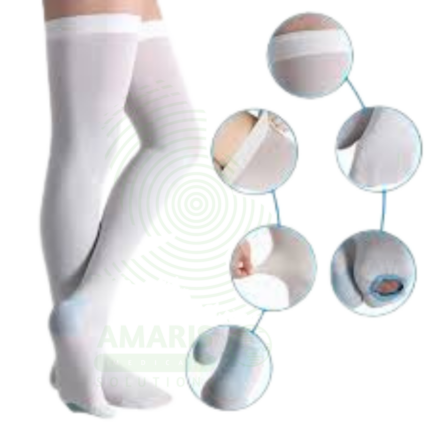
Anti-Embolic Compression Stockings
Anti-Embolic Compression Stockings are medical-grade elastic stockings designed to prevent Deep Vein Thrombosis (DVT) in non-ambulatory, surgical, or medically ill patients. By delivering graduated external pressure—tightest at the ankle and decreasing up the leg—they enhance venous blood flow and reduce stasis, a key factor in clot formation. They are a cornerstone of mechanical thromboprophylaxis in hospitals. Correct sizing based on precise leg measurements is critical for both efficacy and safety, as improper fit can lead to complications or failure of prophylaxis. Daily skin assessment and adherence to wearing guidelines are essential components of safe use.
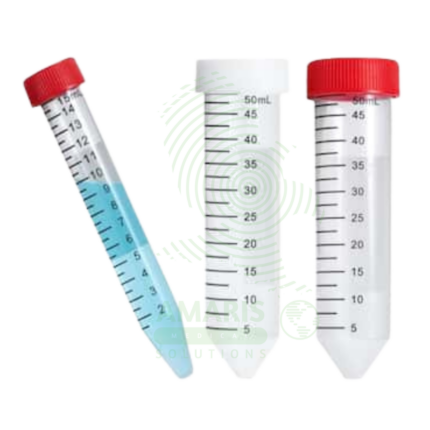
Centrifuge Tubes
Centrifuge Tubes are specialized disposable containers (polypropylene) designed to withstand high centrifugal forces (up to 30,000 x g) for separating biological fluids based on density. Available in microcentrifuge sizes (0.2-2.0 mL), conical tubes (15 mL, 50 mL), and larger volumes (100-500 mL). Features include leak-proof screw caps with O-rings (conical tubes), snap caps (microcentrifuge tubes), graduated volume markings, writing areas, and sterile/non-sterile options. Certified RNase/DNase-free, pyrogen-free, and autoclavable. Primary clinical applications include blood component separation (serum/plasma), urine sediment preparation, microbiology sample concentration, molecular biology (DNA/RNA extraction), cell culture processing, protein/enzyme analysis, and viral load testing. Critical safety precautions include never exceeding maximum RCF rating, proper balancing by weight, secure cap tightening, inspection for cracks, and disposal as biohazardous waste. Essential consumable in every clinical, research, and industrial laboratory.
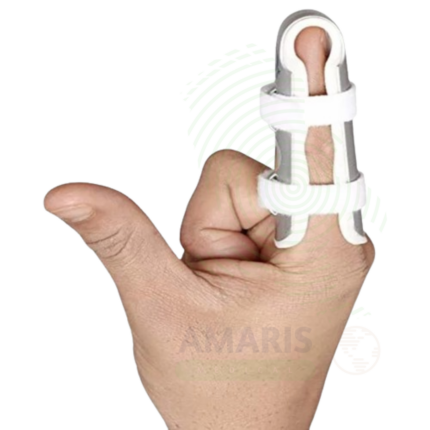
Finger Cot
A Finger Cot is a small, finger-shaped protective covering used to protect minor finger wounds, diabetic ulcers, surgical incisions, and amputation stumps, as well as to provide barrier protection for healthcare workers and laboratory personnel. Made from latex, nitrile, vinyl, or silicone, it provides a comfortable, secure fit while protecting the finger from contamination, moisture, friction, and irritants. Available in various sizes, materials, and sterile or non-sterile versions. Latex-free options are available for individuals with latex allergy.
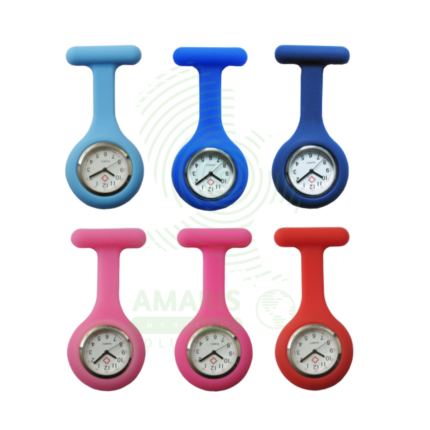
Nurse Watch
A Nurse Watch is a professional-grade analog wristwatch specifically designed for clinical use. Its hallmark is a built-in "pulsometer" scale that allows for rapid, on-the-spot calculation of a patient's heart rate by timing pulses over a short interval. Featuring a high-contrast dial with a clear sweep second hand, durable water-resistant construction, and a cleanable band, it is engineered for accuracy, legibility, and infection control in healthcare settings. It is an indispensable personal tool for nurses, enabling precise measurement of vital signs, timing of medications and procedures, and accurate clinical documentation throughout the shift.
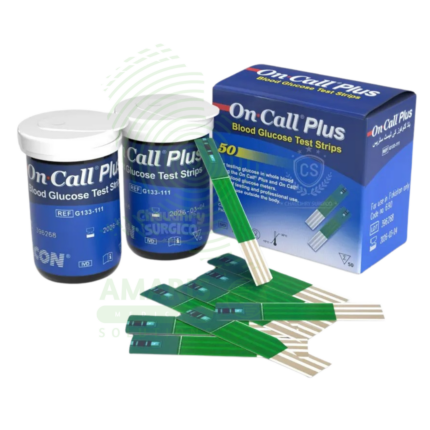
On Call Blood Sugar Strips
On Call Blood Sugar Strips are single-use, disposable electrochemical test strips (ISO 15197:2013 compliant) designed exclusively for use with On Call glucose meters to measure capillary blood glucose from 0.5-1.0 µL samples in 5-7 seconds. Each strip contains glucose oxidase or glucose dehydrogenase reagents that generate electrical current proportional to glucose concentration (20-600 mg/dL range). Packaging options include multi-strip vials (25-100 strips) with desiccant for daily use or individually foil-wrapped strips for travel. Strips feature no-coding automatic calibration, hematocrit compensation (20-60%), and interference resistance. Primary clinical applications include daily blood glucose testing for Type 1, Type 2, and gestational diabetes management, hypoglycemia and hyperglycemia detection, pre- and post-meal glucose assessment, and hospital point-of-care testing. Critical safety precautions include single-use only, immediate vial closure after strip removal to prevent humidity damage, storage at 2-30°C away from bathrooms and temperature extremes, never using expired strips, proper hand hygiene before testing, and disposal in sharps containers. Essential consumable for diabetes self-management when used with On Call meters.
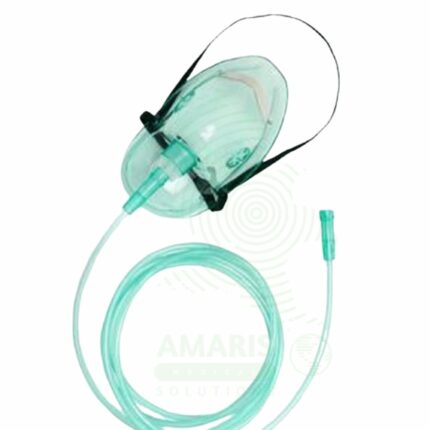
Oxygen Mask (Adult/Infant/Paediatric)
An Oxygen Mask is a disposable, single-use interface used to deliver supplemental oxygen from a medical gas supply to a patient's airways. Available in types for specific clinical needs—Simple Mask for low-flow therapy, Venturi Mask for precise FiO2 control (especially in COPD), and Non-Rebreather Mask for emergency high-flow delivery—and in sizes for adults, children, and infants. Correct selection and application, including ensuring the proper oxygen flow rate for the mask type, are essential for effective therapy and patient safety. Adherence to strict fire safety protocols is non-negotiable due to the combustion risk posed by enriched oxygen environments.
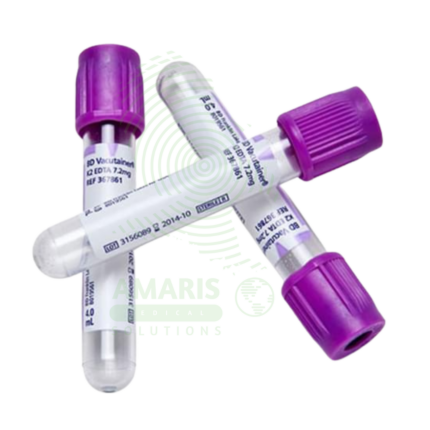
Vacutainer (EDTA/PLAIN)
Vacutainer (EDTA/PLAIN) is a sterile, evacuated blood collection tube (lavender/purple top) containing EDTA anticoagulant (K2EDTA or K3EDTA, 1.5-2.0 mg/mL blood) for hematology, blood banking, flow cytometry, and molecular diagnostics. Available in draw volumes 2-10 mL, glass or PET plastic, with color-coded stopper and sterile interior. EDTA chelates calcium, preventing coagulation while preserving cellular morphology. Primary clinical applications include complete blood count (CBC) and differential, blood typing and antibody screening (ABO/Rh, Coombs), hemoglobin A1c (HbA1c) testing, flow cytometry and immunophenotyping (CD4 counts), molecular diagnostics and PCR testing, sickle cell screening and hemoglobin electrophoresis, and parasitology (malaria smears). Critical safety precautions include filling to completion (correct blood-to-additive ratio), gentle inversion 8-10 times immediately after collection, never using for chemistry or coagulation testing, and proper disposal as biohazardous waste. Essential collection tube for hematology and immunohematology.