Dermatoscope and Magnifiers
 Diagnostic Kits
 Vital Signs Monitors
 Stethoscopes and Accessories
 Otoscopes, Ophthalmoscopes, and Retinoscopes
 Reflex Hammers and Neurological Tools
 Scales and Measuring Devices
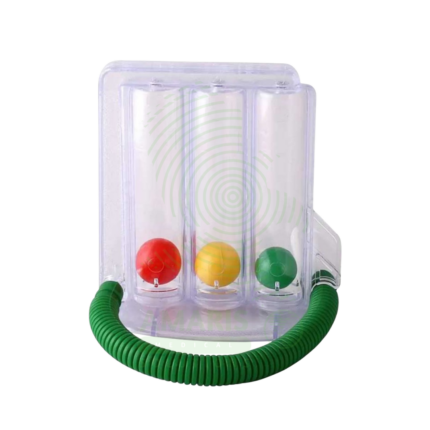
 Spirometers and Pulmonary Function Tests
 Electrosurgical Units and Accessories
 Cutting Instruments
 Grasping and Holding Instruments
 Hemostatic Instruments
 Specialized Surgical Sets
 Single-Use Procedure Trays and Packs
 Surgical Drapes, Gowns, and Covers
 Tissue Unifying Instruments
 Radiation Protection
 X-Ray Machines and Accessories
 Ultrasound Systems and Probes
 MRI and CT Scanners
 Radiology Consumables
 Bone Densitometers
 Fluoroscopy Equipment
 Imaging Tables and Positioning Aids
 Microscopes and Accessories
 Centrifuges and Separators
 Analyzers
 Incubators and Ovens
 Pipettes, Dispensers, and Lab Glassware
 Refrigerators, Freezers, and Storage Units
 Lab Consumables
 Sterilizers and Autoclaves for Lab Use
 Multi-Parameter Monitors
 Ventilators and Respiratory Support Devices
 Defibrillators and AEDs
 Infusion Pumps and IV Systems
 Patient Warmers and Cooling Devices
 Central Monitoring Stations
 Accessories
 Anesthesia Machines and Workstations
 Oxygen Concentrators and Delivery Systems
 Nebulizers and Inhalers
 CPAP/BiPAP Machines
 Airway Management
 Anesthesia Masks, Circuits, and Bags
 Humidifiers and Heaters
 Respiratory Therapy Accessories
 First Aid Kits and Cabinets
 Emergency Resuscitation Equipment
 Trauma Supplies
 Emergency Carts and Crash Carts
 Burn Care Products
 Bleeding Control
 Automated External Defibrillators (AEDs)
 Transport and Evacuation
 Wheelchairs and Accessories
 Walkers, Crutches, and Canes
 Prosthetics and Orthotics
 Physical Therapy Equipment
 Transfer Devices
 Bathroom Safety
 Orthopedic Traction and Tables
 Hot/Cold Therapy Packs and Units
 Beds and Mattresses
 Chairs and Stools
 Tables
 Cabinets and Storage
 Privacy Screens & Curtains
 Stands and Racks
 Linens and Textiles
 Lighting
 Autoclaves and Sterilizers
 Ultrasonic Cleaners
 Disinfectant Solutions and Wipes
 Sterilization Pouches, Wraps, and Indicators
 Instrument Trays and Containers
 UV and Ozone Disinfection Devices
 Washer Disinfectors
 Wound Care
 Gloves
 Masks and Respirators
 Catheters and Tubing
 Swabs, Applicators, and Sponges
 Incontinence Products
 Personal Protective Equipment (PPE)
 Dental Chairs and Units
 Handpieces and Burs
 Instruments
 Consumables
 Sterilization for Dental Use
 Orthodontic Supplies
 Endodontic Tools
 Slit Lamps and Tonometers
 Lensometers and Phoropters
 Ophthalmic Surgical Instruments
 Eyewear Frames and Lenses
 Contact Lens Supplies
 Vision Testing Charts and Devices
 Eye Care Consumables
 Laser Systems for Eye Care
 ENT Exam Chairs and Tables
 Endoscopes
 Audiometers and Hearing Tests
 ENT Instruments
 Nasal and Throat Packs
 Hearing Aids and Accessories
 Otology Supplies
 Fetal Dopplers and Monitors
 Delivery Beds and Tables
 Gynecological Instruments
 Neonatal Incubators and Warmers
 Breast Pumps and Accessories
 Contraceptive Devices
 Maternity Supports and Pads
 Neonatal Consumables
 Cystoscopes and Urethroscopes
 Dialysis Machines and Supplies
 Urological Catheters and Bags
 Lithotripters
 Prostate Treatment Devices
 Urinary Incontinence Products
 Kidney Stone Management Tools
 Consumables & Disposables
 EEG and EMG Machines
 Neurosurgical Instruments
 Nerve Stimulators
 Headrests and Positioning Aids
 Lumbar Puncture Kits
 Seizure Monitoring Devices
 Consumables
 Rehabilitation for Neurological Conditions
 ECG Machines and Accessories
 Holter Monitors
 Stress Test Systems
 Pacemakers and Defibrillator Accessories
 Vascular Access Devices
 Cardiac Catheters and Guidewires
 Blood Flow Meters
 Consumables
 Orthopedic Instruments
 Casts, Splints, and Padding
 Joint Replacement Supplies
 Prosthetic Limbs and Components
 Bone Grafts and Substitutes
 Traction Devices
 Orthopedic Braces and Supports
 Rehabilitation Aids for Orthopedics
 Home Oxygen Therapy
 Hospital Beds for Home Use
 Mobility Aids
 Bathroom and Daily Living Aids
 Wound Care for Home
 Monitoring Devices
 Enteral Feeding Pumps and Tubes
 Hand Sanitizers and Dispensers
 Face Shields and Goggles
 Isolation Gowns and Suits
 Biohazard Waste Containers
 Air Purifiers and HEPA Filters
 Surface Disinfectants
 Sharps Containers
 Protective Barriers
 Cardiovascular & Endurance Training
 Strength Training & Weightlifting
 Functional Training & Core Conditioning
 Physical Therapy & Rehabilitation
 Sports & Outdoor Recreation
 Gym Flooring & Facility Equipment
 Fitness Monitoring & Accessories
 Kids & Novelties
-5%
Back to products
SAFE SERIES Blood Collection Needles
Original price was: $88.46.$84.04Current price is: $84.04.
Anti-Streptol Olysin O Titer (ASOT)
Original price was: $24.23.$23.02Current price is: $23.02.
WhatsApp Order
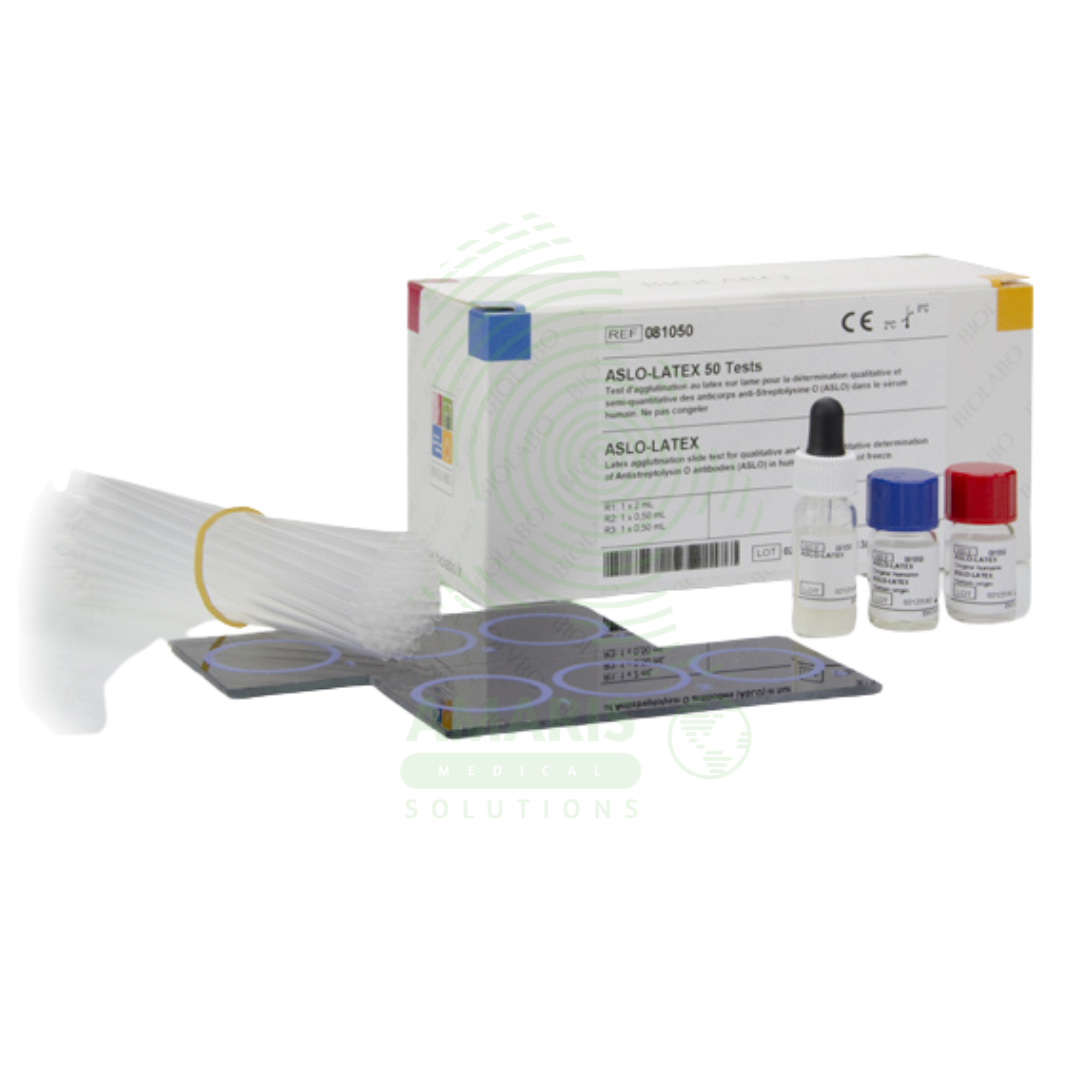
Anti-Streptol Olysin O Titer (ASOT) is a quantitative or semi-quantitative serological test (latex agglutination, turbidimetry, nephelometry, or ELISA) for detecting antibodies against streptolysin O, an exotoxin produced by Group A Streptococcus. Elevated or rising titers indicate recent streptococcal infection and are essential for diagnosing post-streptococcal sequelae including acute rheumatic fever (Jones criteria) and post-streptococcal glomerulonephritis. The test requires serum samples; acute and convalescent (2-4 weeks apart) with fourfold rise confirms recent infection. Reference range typically <200-250 Todd units/mL (adults), varies by age and population. Primary clinical applications include diagnosis of Group A streptococcal infections, acute rheumatic fever evaluation, post-streptococcal glomerulonephritis diagnosis, differentiation of acute vs. past infection, evaluation of unexplained arthritis or carditis, pediatric inflammatory conditions (PANDAS), and monitoring disease activity in rheumatic fever. Critical safety precautions include proper timing of acute and convalescent samples, awareness of false negatives/positives, clinical correlation for diagnosis, and standard biohazard precautions. Essential test for rheumatology, nephrology, cardiology, and infectious disease practice.
Description
Anti-Streptol Olysin O Titer (ASOT)
PRIMARY CLINICAL & DIAGNOSTIC USES
1. Diagnosis of Group A Streptococcal Infections:
-
Primary Use: ASOT measures antibodies produced by the immune system in response to streptolysin O, a toxin released by Group A Streptococcus bacteria. Elevated levels indicate that the body has mounted an immune response to a recent or past infection with this bacterium, which causes illnesses such as strep throat, scarlet fever, and skin infections.
-
How it helps: Confirming a recent strep infection helps doctors decide whether antibiotics are needed and provides reassurance that symptoms like sore throat or rash have a clear, treatable cause.
2. Diagnosis of Acute Rheumatic Fever:
-
Primary Use: ASOT is a standard laboratory test used as part of the Jones criteria to diagnose acute rheumatic fever, an inflammatory condition that can develop after an untreated strep infection. It affects the heart, joints, skin, and brain. Rising or elevated antibody levels support this diagnosis in patients with symptoms like chest pain, swollen joints, or involuntary movements.
-
How it helps: Early diagnosis allows doctors to start treatment quickly to reduce inflammation, manage symptoms, and prevent long-term damage to the heart valves.
3. Diagnosis of Post-Streptococcal Glomerulonephritis:
-
Primary Use: Elevated ASOT helps confirm post-streptococcal glomerulonephritis, a kidney condition that can appear 1 to 3 weeks after a strep infection. It occurs when immune complexes deposited in the kidneys cause inflammation, leading to symptoms like blood in the urine, swelling, and high blood pressure.
-
How it helps: Identifying the link between a recent strep infection and kidney inflammation helps doctors provide targeted care, monitor kidney function, and prevent complications.
4. Differentiation of Acute vs. Past Infection:
-
Primary Use: Serial ASOT measurements taken a few weeks apart can show whether antibody levels are rising. A significant increase (typically fourfold or greater) indicates a recent or current infection. Stable but elevated levels suggest a past infection that is no longer active.
-
How it helps: This distinction guides treatment decisions—active infections may require intervention, while past infections do not, preventing unnecessary use of antibiotics or other therapies.
5. Evaluation of Unexplained Arthritis or Carditis:
-
Primary Use: ASOT is used in the workup of patients with unexplained joint pain or inflammation, or heart inflammation, where a preceding strep infection is suspected but not confirmed.
-
How it helps: Establishing a link to a prior strep infection helps doctors diagnose conditions like post-streptococcal reactive arthritis or rheumatic heart disease, leading to appropriate rheumatology or cardiology care.
6. Pediatric Inflammatory Conditions:
-
Primary Use: In children, ASOT may be used to evaluate conditions such as Pediatric Autoimmune Neuropsychiatric Disorders Associated with Streptococcal Infections (PANDAS), where symptoms like obsessive-compulsive behavior or tics appear after a strep infection.
-
How it helps: Confirming a temporal relationship with strep infection helps guide management, which may include antibiotics, immunotherapy, or behavioral therapy, and provides families with a clearer understanding of the condition.
7. Monitoring Disease Activity in Rheumatic Fever:
-
Primary Use: Serial ASOT measurements can be used to monitor disease activity in patients with acute rheumatic fever, although other markers like ESR and CRP are more commonly used for this purpose.
-
How it helps: Tracking antibody levels over time provides additional information about disease progression and response to treatment, contributing to a more complete picture of patient health.
SECONDARY & SUPPORTIVE USES
1. Epidemiological Studies: Used in research to understand how common strep infections are in different communities and regions, helping public health officials plan prevention strategies.
2. Outbreak Investigation: Helps public health teams confirm strep as the cause of outbreaks in schools, nursing homes, or other closed communities, enabling timely control measures.
3. Rheumatic Heart Disease Screening: In parts of the world where rheumatic heart disease is common, ASOT may be used in screening programs to identify individuals with a history of strep infection who may be at risk.
4. Preoperative Assessment in Cardiac Surgery: Occasionally ordered for patients with a history of rheumatic heart disease who are scheduled for valve surgery, to check for signs of active infection that could affect the procedure.
5. Research on Post-Streptococcal Sequelae: Used in studies exploring why some people develop complications like rheumatic fever or kidney disease after a strep infection, helping researchers develop better prevention and treatment strategies.
6. Differential Diagnosis of Glomerulonephritis: Helps doctors distinguish post-streptococcal glomerulonephritis from other types of kidney disease, such as lupus nephritis or IgA nephropathy, ensuring patients receive the correct treatment.
7. Autoimmune Disorder Workup: Sometimes included in the evaluation of suspected autoimmune diseases where an infection may have triggered the condition, providing clues about the underlying cause.
KEY PRODUCT FEATURES
1. BASIC IDENTIFICATION ATTRIBUTES
-
Test Type: Quantitative or semi-quantitative serological test for antibodies against streptolysin O.
-
Common Names: ASO, ASOT, Anti-Streptolysin O Titer, Streptolysin O Antibodies.
-
Sample Type: Serum (venous blood).
-
Methodologies:
-
Latex Agglutination: Semi-quantitative, rapid screening.
-
Turbidimetry/Nephelometry: Automated quantitative immunoassay.
-
ELISA: Enzyme-linked immunosorbent assay for quantitative measurement.
-
Microtitration: Traditional tube dilution method.
-
-
Reporting Units: Todd units/mL or IU/mL.
-
Reference Range: Varies by age, population, and methodology; typically <200-250 Todd units/mL in adults, <150-200 in children.
2. TECHNICAL & PERFORMANCE PROPERTIES
-
Sensitivity: 85-95% for detecting recent streptococcal infection when both acute and convalescent samples tested.
-
Specificity: Moderate (60-80%) due to background prevalence of streptococcal infections in the population.
-
Titer Rise: Fourfold or greater increase between acute and convalescent sera (2-4 weeks apart) indicates recent infection.
-
Time to Peak: Antibodies peak 3-6 weeks after infection, then gradually decline over months to years.
-
Cross-Reactivity: May cross-react with other streptococcal antibodies; false positives possible in liver disease, rheumatoid factor positive conditions.
-
Method Comparison: Automated methods correlate well with traditional tube dilution; latex agglutination provides rapid screening but less precise quantitation.
3. PHYSICAL & OPERATIONAL PROPERTIES
-
Kit Components (Latex Method):
-
Latex Reagent: Polystyrene latex particles coated with streptolysin O.
-
Positive Control: Serum with known ASO titer.
-
Negative Control: Non-reactive serum.
-
Dilution Buffer: For sample preparation.
-
Reaction Cards: Black glass or plastic cards for agglutination reading.
-
Mixing Sticks: Disposable sticks for sample-reagent mixing.
-
-
Kit Components (Turbidimetric/Nephelometric):
-
Reagent 1: Buffer/diluent.
-
Reagent 2: Latex particles coated with streptolysin O.
-
Calibrators: Set of known ASO concentrations.
-
Controls: Commercial controls at various levels.
-
-
Packaging Sizes: 50-200 tests per kit depending on methodology.
-
Storage Requirements: 2-8°C; do not freeze.
-
Shelf Life: 12-24 months depending on manufacturer.
4. SAFETY & COMPLIANCE ATTRIBUTES
-
Regulatory Status: Class II medical device requiring FDA 510(k) clearance; CE marked for IVD use.
-
Quality Control: Must run positive and negative controls with each batch; calibration curves for quantitative methods.
-
Biohazard Precautions: All patient samples potentially infectious for HIV, hepatitis B/C, and other bloodborne pathogens.
-
Chemical Safety: Reagents contain preservatives (sodium azide); avoid contact with eyes and skin.
-
Disposal: Used test materials disposed as biohazardous waste.
-
Reporting: Results reported to ordering physician; titers above reference range indicate recent infection.
5. STORAGE & HANDLING ATTRIBUTES
-
Storage Temperature: 2-8°C; do not freeze; protect from light.
-
Sample Handling: Serum stable 7 days at 2-8°C; longer storage requires freezing at -20°C.
-
Reagent Preparation: Bring reagents to room temperature before use; mix gently; avoid foam.
-
Expiration: Never use reagents beyond expiration date; performance compromised.
-
Quality Control: Run controls with each batch; document results per laboratory protocol.
-
Disposal: Dispose of contaminated materials in biohazard containers.
6. LABORATORY & CLINICAL APPLICATIONS
-
Primary Application: Detection and quantitation of anti-streptolysin O antibodies for diagnosis of recent Group A streptococcal infection and its sequelae (rheumatic fever, post-streptococcal glomerulonephritis).
-
Testing Indications:
-
Suspected acute rheumatic fever (Jones criteria).
-
Acute glomerulonephritis (especially in children).
-
Unexplained arthritis or carditis.
-
History of recent pharyngitis with current inflammatory symptoms.
-
Evaluation of chorea (Sydenham's chorea).
-
-
Interpretation:
-
Elevated Single Titer: Indicates recent infection but does not differentiate acute from past infection.
-
Rising Titer (4-fold): Confirms recent or current infection.
-
Stable Elevated Titer: May indicate past infection, carrier state, or persistent elevation.
-
Negative Titer: Does not rule out streptococcal infection if tested too early or late.
-
-
Limitations: Cannot distinguish between different streptococcal infections; elevated in only 80-85% of post-streptococcal sequelae; background population prevalence affects specificity.
SAFETY HANDLING PRECAUTIONS
1. SAFETY PRECAUTIONS
-
Biological Hazard: All serum samples potentially infectious; wear gloves and appropriate PPE.
-
Hand Hygiene: Wash hands thoroughly after handling specimens and reagents.
-
Quality Control: Always run controls with each batch; invalid if controls fail.
-
Timing of Testing: Acute sample should be collected at presentation; convalescent sample 2-4 weeks later.
-
Clinical Correlation: ASOT alone is not diagnostic; must be interpreted with clinical presentation and other laboratory findings.
-
Pediatric Interpretation: Reference ranges vary by age; higher titers more common in school-aged children.
-
False Negatives: May occur if tested too early (before antibody rise) or too late (after decline).
-
False Positives: Can occur in liver disease, rheumatoid factor, or other conditions.
2. FIRST AID MEASURES
-
Needlestick/Sharps Injury: If injury occurs during blood collection, wash area vigorously with soap and water; report immediately; follow institutional post-exposure prophylaxis protocol.
-
Blood Spill: Contain with absorbent material; disinfect area with 10% bleach solution; dispose as biohazard waste.
-
Reagent Contact (Eyes): Flush eyes with copious water for 15 minutes; seek medical attention.
-
Reagent Ingestion: Contact poison control center; do not induce vomiting unless instructed.
3. FIRE FIGHTING MEASURES
-
Flammability: Liquid reagents contain preservatives; plastic components combustible.
-
Extinguishing Media: Use water, foam, CO₂, or dry chemical as appropriate.
-
Sodium Azide Hazard: Reagents may contain sodium azide; may react with lead/copper plumbing to form explosive azides; flush with copious water when disposing.
Related products
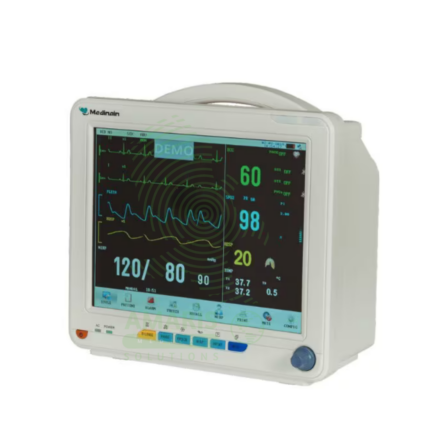
ECG Machine
An ECG Machine is a Class II medical device that records and displays the electrical activity of the heart through surface electrodes, producing an electrocardiogram for diagnosis of cardiac conditions. Standard diagnostic machines record 12 simultaneous leads (3 limb, 6 precordial, 1 ground) with frequency response 0.05-150 Hz, sampling rate 500-1,000 Hz, and high-resolution (5-10 µV) signal acquisition. Features include color touchscreen display, thermal array printer, computerized interpretation algorithms, internal memory (50-500+ ECGs), and network connectivity for EMR integration. Lead wires (AHA or IEC color coding) connect to disposable adhesive electrodes. Portable models (5-15 kg) with rechargeable batteries enable bedside and mobile use; cart-mounted units provide full diagnostic capability. Primary clinical applications include diagnosis of arrhythmias (AF, VT, bradycardia), detection of myocardial ischemia/infarction (STEMI, NSTEMI), evaluation of chest pain, preoperative cardiac risk assessment, monitoring electrolyte imbalances, assessment of chamber enlargement, and drug effect/toxicity monitoring. Essential diagnostic equipment in emergency departments, cardiology clinics, ICUs, operating rooms, and primary care settings worldwide.
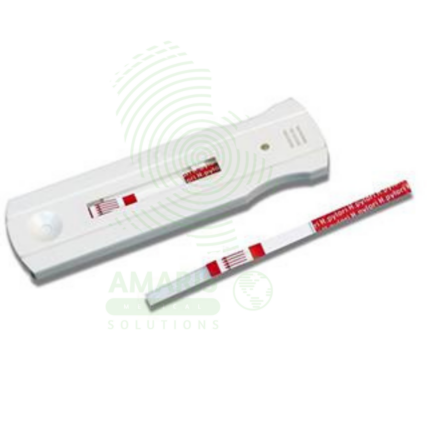
H. pylori Test Strips
H. pylori Test Strips are rapid, lateral flow immunochromatographic devices used for the qualitative detection of Helicobacter pylori antigens in human stool. As a non-invasive stool antigen test (SAT), it provides a convenient and reliable method for diagnosing active H. pylori infection and confirming eradication after therapy, with results available in under 15 minutes. Ideal for use in clinics and outpatient settings, it aids in the management of dyspepsia and peptic ulcer disease. Proper sample handling, adherence to pre-test medication restrictions, and strict biohazard precautions are essential for obtaining accurate results.
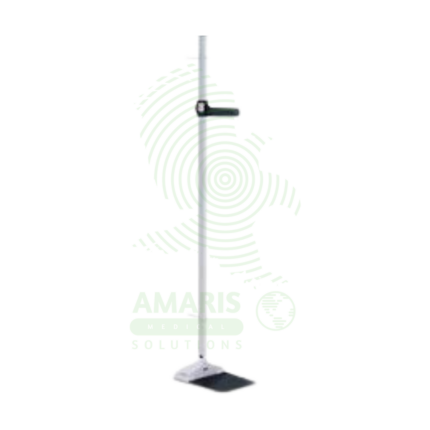
Height Board
A Height Board, or stadiometer, is a precision medical instrument designed for the accurate measurement of human stature. As a wall-mounted or portable device featuring a vertical scale and a sliding horizontal headpiece, it is the clinical standard for obtaining height. This measurement is foundational for calculating Body Mass Index (BMI), tracking growth in children, screening for nutritional issues, and assessing adults for conditions like osteoporosis. Its accuracy, dependent on proper installation and technique, makes it an indispensable tool in pediatrics, primary care, nutrition, and public health

Littman Stethoscope (Classic 4 Cardiology)
A Littman Stethoscope (Classic 4 Cardiology) represents the pinnacle of acoustic auscultation technology. Designed for clinicians who require the highest level of diagnostic accuracy, it features dual tunable diaphragms and dual-lumen tubing to provide exceptional acoustic sensitivity and ambient noise reduction. Its innovative design allows the user to hear both high and low-frequency sounds by simply adjusting pressure on either side of the chestpiece, making it the instrument of choice for cardiologists, intensivists, and specialists who cannot afford to miss a subtle murmur, rub, or breath sound. It combines superior performance with the durability and comfort expected from the Littmann brand.
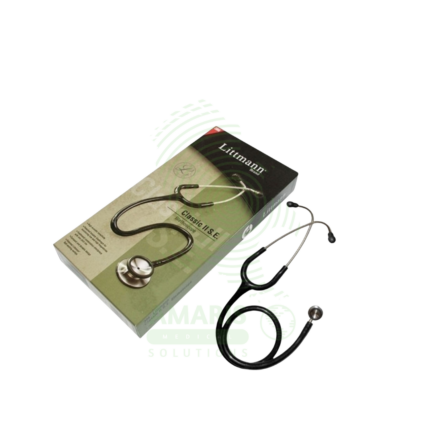
Littmann Stethoscope (Classic II)
A Littmann Stethoscope (Classic II) is a premium, acoustic dual-head stethoscope renowned for its diagnostic clarity, durability, and innovative tunable diaphragm technology. It allows healthcare professionals to hear both high and low-frequency sounds by simply adjusting pressure on the single-sided chestpiece, eliminating the need to rotate it. With its superior acoustics, comfortable fit, and wide range of colors, it is the instrument of choice for medical students, nurses, and physicians across all specialties who require reliable performance for physical assessment, auscultation of heart and lung sounds, and manual blood pressure measurement.
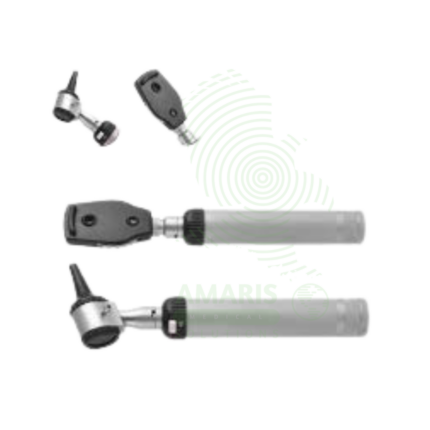
Ophthalmoscope
An Ophthalmoscope is a handheld diagnostic instrument used to examine the interior of the eye, specifically the fundus (retina, optic disc, blood vessels, and macula). By providing illuminated magnification, it serves as a vital screening tool for detecting ocular diseases like glaucoma and retinal disorders, and more importantly, for identifying signs of systemic conditions such as diabetes, hypertension, and increased intracranial pressure. Its operation involves selecting appropriate apertures and compensating lenses to obtain a clear view. While offering a detailed but narrow field of vision, mastery of the direct ophthalmoscope remains a cornerstone skill in general medicine, neurology, and ophthalmology for assessing vascular and neurological health.
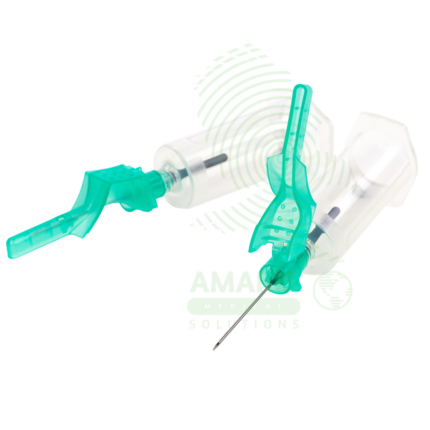
SAFE SERIES Blood Collection Needles
The SAFE SERIES (AM-SAFE) by Beijing Precil (Mindray subsidiary) is a comprehensive line of safety-engineered blood collection devices designed to prevent accidental needlestick injuries in healthcare workers. The series includes venous blood collection needles (AM-SAFE-V), standard safety needles (AM-SAFE1), winged infusion sets/butterfly needles (AM-SAFE2), high-gauge thin-wall needles for fragile veins (AM-SAFE3), premium coated needles for enhanced patient comfort (AM-GOLD), and nurse-friendly one-handed safety variants (AM-NURSE). All devices incorporate integral safety mechanisms that shield the contaminated needle immediately after withdrawal, complying with OSHA Needlestick Safety and Prevention Act requirements. Available in various gauges (18G-25G) and configurations for routine venipuncture, difficult vein access, pediatric/geriatric patients, and frequent blood draws. Sterile, single-use, latex-free, and color-coded for easy gauge identification. Essential safety devices for blood collection in hospitals, clinics, laboratories, and home healthcare settings.