Dermatoscope and Magnifiers
 Diagnostic Kits
 Vital Signs Monitors
 Stethoscopes and Accessories
 Otoscopes, Ophthalmoscopes, and Retinoscopes
 Reflex Hammers and Neurological Tools
 Scales and Measuring Devices
 Spirometers and Pulmonary Function Tests
 Electrosurgical Units and Accessories
 Cutting Instruments
 Grasping and Holding Instruments
 Hemostatic Instruments
 Specialized Surgical Sets
 Single-Use Procedure Trays and Packs
 Surgical Drapes, Gowns, and Covers
 Tissue Unifying Instruments
 Radiation Protection
 X-Ray Machines and Accessories
 Ultrasound Systems and Probes
 MRI and CT Scanners
 Radiology Consumables
 Bone Densitometers
 Fluoroscopy Equipment
 Imaging Tables and Positioning Aids
 Microscopes and Accessories
 Centrifuges and Separators
 Analyzers
 Incubators and Ovens
 Pipettes, Dispensers, and Lab Glassware
 Refrigerators, Freezers, and Storage Units
 Lab Consumables
 Sterilizers and Autoclaves for Lab Use
 Multi-Parameter Monitors
 Ventilators and Respiratory Support Devices
 Defibrillators and AEDs
 Infusion Pumps and IV Systems
 Patient Warmers and Cooling Devices
 Central Monitoring Stations
 Accessories
 Anesthesia Machines and Workstations
 Oxygen Concentrators and Delivery Systems
 Nebulizers and Inhalers
 CPAP/BiPAP Machines
 Airway Management
 Anesthesia Masks, Circuits, and Bags
 Humidifiers and Heaters
 Respiratory Therapy Accessories
 First Aid Kits and Cabinets
 Emergency Resuscitation Equipment
 Trauma Supplies
 Emergency Carts and Crash Carts
 Burn Care Products
 Bleeding Control
 Automated External Defibrillators (AEDs)
 Transport and Evacuation
 Wheelchairs and Accessories
 Walkers, Crutches, and Canes
 Prosthetics and Orthotics
 Physical Therapy Equipment
 Transfer Devices
 Bathroom Safety
 Orthopedic Traction and Tables
 Hot/Cold Therapy Packs and Units
 Beds and Mattresses
 Chairs and Stools
 Tables
 Cabinets and Storage
 Privacy Screens & Curtains
 Stands and Racks
 Linens and Textiles
 Lighting
 Autoclaves and Sterilizers
 Ultrasonic Cleaners
 Disinfectant Solutions and Wipes
 Sterilization Pouches, Wraps, and Indicators
 Instrument Trays and Containers
 UV and Ozone Disinfection Devices
 Washer Disinfectors
 Wound Care
 Gloves
 Masks and Respirators
 Catheters and Tubing
 Swabs, Applicators, and Sponges
 Incontinence Products
 Personal Protective Equipment (PPE)
 Dental Chairs and Units
 Handpieces and Burs
 Instruments
 Consumables
 Sterilization for Dental Use
 Orthodontic Supplies
 Endodontic Tools
 Slit Lamps and Tonometers
 Lensometers and Phoropters
 Ophthalmic Surgical Instruments
 Eyewear Frames and Lenses
 Contact Lens Supplies
 Vision Testing Charts and Devices
 Eye Care Consumables
 Laser Systems for Eye Care
 ENT Exam Chairs and Tables
 Endoscopes
 Audiometers and Hearing Tests
 ENT Instruments
 Nasal and Throat Packs
 Hearing Aids and Accessories
 Otology Supplies
 Fetal Dopplers and Monitors
 Delivery Beds and Tables
 Gynecological Instruments
 Neonatal Incubators and Warmers
 Breast Pumps and Accessories
 Contraceptive Devices
 Maternity Supports and Pads
 Neonatal Consumables
 Cystoscopes and Urethroscopes
 Dialysis Machines and Supplies
 Urological Catheters and Bags
 Lithotripters
 Prostate Treatment Devices
 Urinary Incontinence Products
 Kidney Stone Management Tools
 Consumables & Disposables
 EEG and EMG Machines
 Neurosurgical Instruments
 Nerve Stimulators
 Headrests and Positioning Aids
 Lumbar Puncture Kits
 Seizure Monitoring Devices
 Consumables
 Rehabilitation for Neurological Conditions
 ECG Machines and Accessories
 Holter Monitors
 Stress Test Systems
 Pacemakers and Defibrillator Accessories
 Vascular Access Devices
 Cardiac Catheters and Guidewires
 Blood Flow Meters
 Consumables
 Orthopedic Instruments
 Casts, Splints, and Padding
 Joint Replacement Supplies
 Prosthetic Limbs and Components
 Bone Grafts and Substitutes
 Traction Devices
 Orthopedic Braces and Supports
 Rehabilitation Aids for Orthopedics
 Home Oxygen Therapy
 Hospital Beds for Home Use
 Mobility Aids
 Bathroom and Daily Living Aids
 Wound Care for Home
 Monitoring Devices
 Enteral Feeding Pumps and Tubes
 Hand Sanitizers and Dispensers
 Face Shields and Goggles
 Isolation Gowns and Suits
 Biohazard Waste Containers
 Air Purifiers and HEPA Filters
 Surface Disinfectants
 Sharps Containers
 Protective Barriers
 Cardiovascular & Endurance Training
 Strength Training & Weightlifting
 Functional Training & Core Conditioning
 Physical Therapy & Rehabilitation
 Sports & Outdoor Recreation
 Gym Flooring & Facility Equipment
 Fitness Monitoring & Accessories
 Kids & Novelties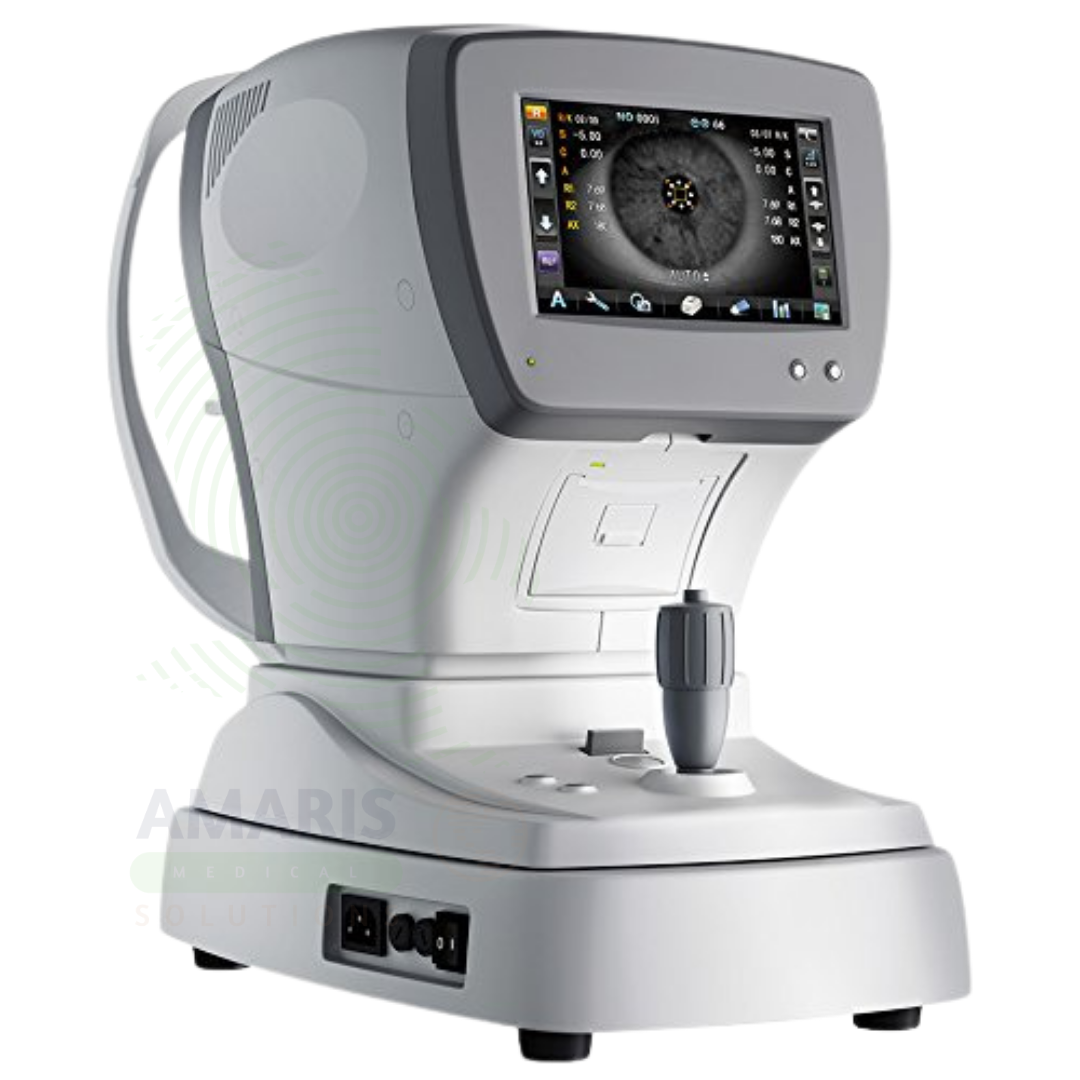
Auto Refractometer
WhatsApp Order
An Auto Refractometer is an automated instrument that objectively measures refractive error, providing accurate readings of sphere, cylinder, and axis for eyeglass and contact lens prescriptions. Using infrared light, it provides non-contact, comfortable measurements that serve as a starting point for subjective refraction. Many models also measure pupil diameter and corneal curvature, offering comprehensive data for contact lens fitting and refractive surgery planning. Essential for optometry and ophthalmology practices.
Description
Auto Refractometer
PRIMARY CLINICAL & DIAGNOSTIC USES
1. Automated Objective Refraction
-
Primary Use: Automatically measures the refractive error of the eye to determine the prescription for glasses or contact lenses. The auto refractometer uses infrared light to measure spherical power, cylindrical power, and axis without requiring subjective patient responses, providing an objective starting point for refraction.
-
How it helps: For the optometrist and ophthalmologist, the auto refractometer provides a quick, objective measurement of refractive error—serving as a valuable starting point for subjective refraction and reducing examination time. For the patient, this means faster, more comfortable examinations with less dependence on subjective responses.
2. Measurement of Spherical, Cylindrical, and Axis Correction
-
Primary Use: Accurately measures sphere (nearsightedness or farsightedness), cylinder (astigmatism), and axis (orientation of astigmatism). The instrument provides precise measurements that guide the final prescription determination.
-
How it helps: For the eye care professional, accurate objective measurements provide a reliable baseline for refraction—reducing the number of trial lenses needed during subjective refraction. For the patient, this means more accurate prescriptions and better visual outcomes.
3. Pupil and Corneal Measurements
-
Primary Use: Many auto refractometers also measure pupil diameter and corneal curvature (keratometry), providing additional data for contact lens fitting, refractive surgery planning, and evaluation of corneal conditions.
-
How it helps: For the optometrist and ophthalmologist, additional measurements provide valuable data for contact lens fitting, refractive surgery evaluation, and assessment of corneal conditions such as keratoconus. For the patient, this means comprehensive measurements in a single device, reducing the need for multiple instruments.
4. Non-Contact Measurement for Patient Comfort
-
Primary Use: Non-contact measurement using infrared light eliminates the need for touching the eye, providing a comfortable experience for patients, particularly those who are anxious about eye examinations.
-
How it helps: For the clinician, non-contact measurement allows rapid, comfortable examinations for all patients, including children and those with anxiety about eye exams. For the patient, this means a comfortable, non-invasive examination experience.
5. Rapid Screening and Pre-Examination Assessment
-
Primary Use: Provides rapid refractive measurements that can be used for screening large populations or as a pre-examination assessment before comprehensive eye examination, allowing practitioners to focus on subjective refinement.
-
How it helps: For the eye care practice, auto refractometry enables efficient patient flow—providing baseline data that streamlines the examination process. For the patient, this means shorter examination times and more efficient use of their time.
SECONDARY & SUPPORTIVE USES
1.Pediatric Refraction: Objective measurement for children who may have difficulty with subjective refraction.
2. Refractive Screening: Rapid screening for refractive errors in school, workplace, or community settings.
3. Pre-Operative Assessment: Baseline measurements for refractive surgery candidates.
4. Contact Lens Fitting: Keratometry measurements for contact lens base curve selection.
5. Glaucoma Screening: Pupil diameter measurement as part of glaucoma evaluation.
6. Research Applications: Refractive measurements for clinical research studies.
KEY PRODUCT FEATURES
1. BASIC IDENTIFICATION ATTRIBUTES
-
Device Type: An automated instrument for objective measurement of refractive error.
-
Designation: Auto Refractometer, Automated Refractor, Autorefractor, Objective Refractometer.
-
Key Components:
-
Optical System: Infrared light source and detection system.
-
Fogging System: Relaxes accommodation for accurate measurement.
-
Display: Digital screen showing refractive measurements.
-
Printer: Optional integrated printer for results.
-
Chin Rest: Adjustable chin and forehead rest.
-
Alignment System: Automatic or manual eye alignment.
-
2. TECHNICAL & PERFORMANCE PROPERTIES
-
Measurement Range: -20.00 to +20.00 D (sphere).
-
Cylinder Range: 0 to ±10.00 D.
-
Axis: 0-180 degrees.
-
Pupil Diameter: 2-12 mm.
-
Keratometry: 5-10 mm radius range.
-
Measurement Time: 0.5-2 seconds per eye.
-
Data Output: Printout or electronic transfer.
3. PHYSICAL & OPERATIONAL PROPERTIES
-
Construction: Benchtop unit with adjustable chin rest.
-
Dimensions: Compact for countertop placement.
-
Controls: Touchscreen or button interface.
-
Portability: Stationary benchtop unit.
4. SAFETY & COMPLIANCE ATTRIBUTES
-
Regulatory Status: Class II medical device regulated by FDA.
-
Light Safety: Infrared light safe for eyes.
-
Electrical Safety: Compliant with medical electrical equipment standards.
-
Infection Control: Clean chin and forehead rest between patients.
5. STORAGE & HANDLING ATTRIBUTES
-
Storage: Stored on the countertop in the examination room.
-
Cleaning: Clean chin rest and forehead rest with disinfectant between patients.
-
Calibration: Regular calibration per manufacturer schedule.
-
Maintenance: Professional service as recommended.
6. LABORATORY & CLINICAL APPLICATIONS
-
Primary Application: Objective measurement of refractive error for eyeglass and contact lens prescriptions.
-
Clinical Role: Essential equipment in optometry and ophthalmology practices.
SAFETY HANDLING PRECAUTIONS
1. SAFETY PRECAUTIONS
-
Patient Positioning: Ensure proper head alignment for accurate measurement.
-
Infection Control: Clean chin rest and forehead rest after each patient.
-
Accommodation Control: Ensure proper fogging to relax accommodation.
-
Children: Use pediatric settings for children; may require additional guidance.
2. FIRST AID MEASURES
-
Eye Irritation: If a patient experiences eye irritation, discontinue use; assess for any injury.
-
Syncope: If patient faints, lower head, elevate legs; monitor vital signs.
3. FIRE FIGHTING MEASURES
-
Flammability: Electrical components may pose fire risk.
-
Extinguishing Media: For electrical fire, use CO₂ or dry chemical extinguisher.
Related products
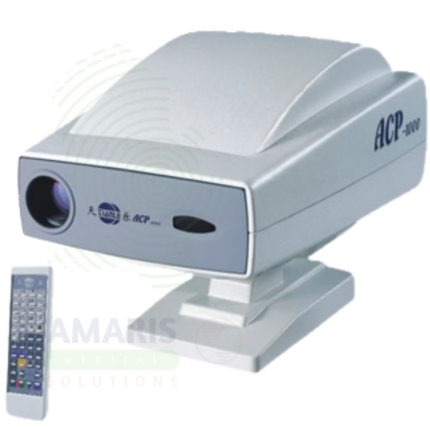
Auto Chart Projector
An Auto Chart Projector is a remote-controlled projection device used in eye examinations to display standardized visual acuity charts for distance and near vision testing. Offering multiple chart options including Snellen, LogMAR, pediatric symbols, and Landolt C, it enables accurate assessment of vision across diverse patient populations. Remote operation streamlines the refraction workflow, allowing efficient chart changes while maintaining patient comfort. Essential for optometry and ophthalmology practices.
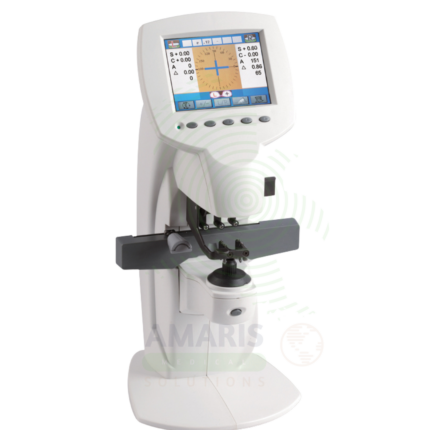
Auto Lens Meter
An Auto Lens Meter is an automated instrument used to verify the prescription of finished eyeglass lenses before dispensing. It measures sphere, cylinder, axis, prism, and add power for single vision, bifocal, trifocal, and progressive lenses, ensuring that lenses match the prescribed correction. Many models also measure UV and blue light transmission, verifying the presence and effectiveness of lens coatings. Essential for optometry, ophthalmology, and optical dispensing practices, it ensures patients receive accurate prescriptions and optimal visual outcomes.
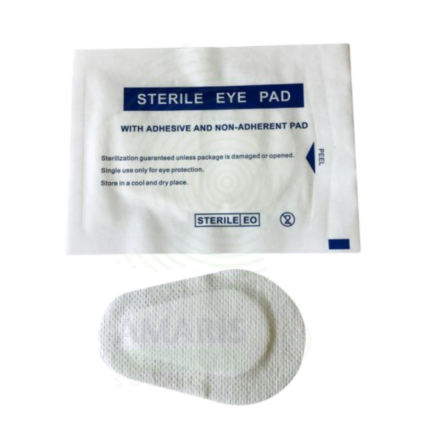
Eye Pads
Eye Pads are sterile or non-sterile, single-use, soft, conformable absorbent pads designed specifically for application over the closed eyelid and periorbital region. Constructed from absorbent cotton, rayon, or low-linting non-woven synthetic fibers, they provide cushioning, gentle pressure distribution, and fluid absorption for postoperative eye protection, corneal abrasion management, exposure keratopathy prevention, and periorbital trauma care. Available in standard and pressure-rated thicknesses, with or without integrated adhesive tape tabs, and in sterile (surgical/postoperative) or non-sterile (minor injury/comfort) grades. Critical safety imperatives include absolute contraindication of direct application to an open or ruptured globe, meticulous lint-free construction to prevent corneal foreign body, and single-use-only protocol. An indispensable ophthalmic consumable in surgical, emergency, and outpatient eye care.
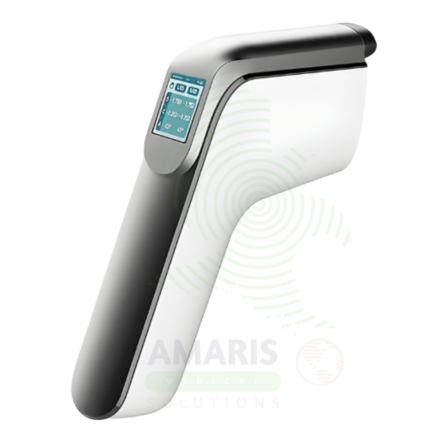
Handheld Auto Refractometer
A Handheld Auto Refractometer is a portable, battery-operated instrument for objective measurement of refractive error (sphere, cylinder, axis) in any setting. Ideal for pediatric refraction, bedside examinations, community screenings, and outreach programs, it provides rapid, non-invasive measurements without requiring patient cooperation. The compact, portable design enables eye care professionals to bring refractive assessment to patients who cannot access traditional tabletop equipment, expanding access to essential vision care.
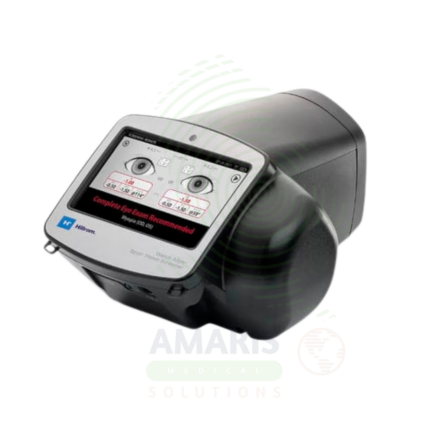
Handheld Vision Screener
A Handheld Vision Screener is a portable, battery-operated device for rapid screening of refractive errors, amblyopia risk factors, strabismus, and pupillary abnormalities. Designed for use in pediatrics, primary care, schools, and community screening programs, it provides objective measurements without requiring patient cooperation. Early detection of vision problems enables timely intervention, preventing permanent vision loss and ensuring children enter school with the visual skills needed for learning.
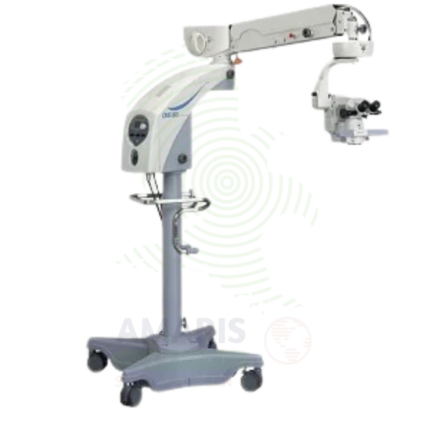
Operation Microscope
An Operation Microscope is a high-magnification, stereoscopic optical system used for visualization during microsurgical procedures in ophthalmology, neurosurgery, otolaryngology, plastic surgery, and other specialties. Providing adjustable magnification, coaxial illumination, and motorized positioning, it enables surgeons to perform delicate procedures on structures as small as 0.5 mm with precision and safety. Essential for modern microsurgery, it improves surgical outcomes and expands the range of treatable conditions.
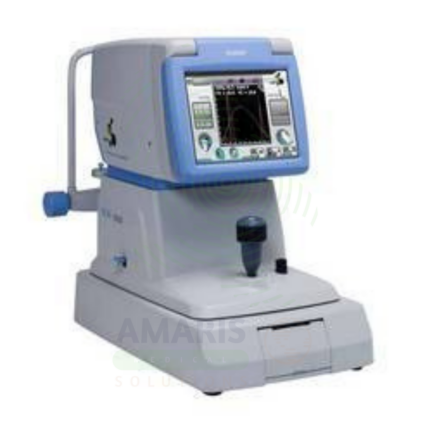
Ophthalmic Equipment
Ophthalmic Equipment encompasses a comprehensive range of diagnostic instruments used for eye examination, including slit lamps, phoropters, auto refractometers, tonometers, fundus cameras, corneal topographers, visual field analyzers, and optical coherence tomography systems. These instruments enable eye care professionals to assess refractive error, diagnose and monitor ocular diseases such as glaucoma, cataract, diabetic retinopathy, and macular degeneration, and plan treatments including glasses, contact lenses, and surgery. Essential for preserving vision and maintaining eye health.