Dermatoscope and Magnifiers
 Diagnostic Kits
 Vital Signs Monitors
 Stethoscopes and Accessories
 Otoscopes, Ophthalmoscopes, and Retinoscopes
 Reflex Hammers and Neurological Tools
 Scales and Measuring Devices
 Spirometers and Pulmonary Function Tests
 Electrosurgical Units and Accessories
 Cutting Instruments
 Grasping and Holding Instruments
 Hemostatic Instruments
 Specialized Surgical Sets
 Single-Use Procedure Trays and Packs
 Surgical Drapes, Gowns, and Covers
 Tissue Unifying Instruments
 Radiation Protection
 X-Ray Machines and Accessories
 Ultrasound Systems and Probes
 MRI and CT Scanners
 Radiology Consumables
 Bone Densitometers
 Fluoroscopy Equipment
 Imaging Tables and Positioning Aids
 Microscopes and Accessories
 Centrifuges and Separators
 Analyzers
 Incubators and Ovens
 Pipettes, Dispensers, and Lab Glassware
 Refrigerators, Freezers, and Storage Units
 Lab Consumables
 Sterilizers and Autoclaves for Lab Use
 Multi-Parameter Monitors
 Ventilators and Respiratory Support Devices
 Defibrillators and AEDs
 Infusion Pumps and IV Systems
 Patient Warmers and Cooling Devices
 Central Monitoring Stations
 Accessories
 Anesthesia Machines and Workstations
 Oxygen Concentrators and Delivery Systems
 Nebulizers and Inhalers
 CPAP/BiPAP Machines
 Airway Management
 Anesthesia Masks, Circuits, and Bags
 Humidifiers and Heaters
 Respiratory Therapy Accessories
 First Aid Kits and Cabinets
 Emergency Resuscitation Equipment
 Trauma Supplies
 Emergency Carts and Crash Carts
 Burn Care Products
 Bleeding Control
 Automated External Defibrillators (AEDs)
 Transport and Evacuation
 Wheelchairs and Accessories
 Walkers, Crutches, and Canes
 Prosthetics and Orthotics
 Physical Therapy Equipment
 Transfer Devices
 Bathroom Safety
 Orthopedic Traction and Tables
 Hot/Cold Therapy Packs and Units
 Beds and Mattresses
 Chairs and Stools
 Tables
 Cabinets and Storage
 Privacy Screens & Curtains
 Stands and Racks
 Linens and Textiles
 Lighting
 Autoclaves and Sterilizers
 Ultrasonic Cleaners
 Disinfectant Solutions and Wipes
 Sterilization Pouches, Wraps, and Indicators
 Instrument Trays and Containers
 UV and Ozone Disinfection Devices
 Washer Disinfectors
 Wound Care
 Gloves
 Masks and Respirators
 Catheters and Tubing
 Swabs, Applicators, and Sponges
 Incontinence Products
 Personal Protective Equipment (PPE)
 Dental Chairs and Units
 Handpieces and Burs
 Instruments
 Consumables
 Sterilization for Dental Use
 Orthodontic Supplies
 Endodontic Tools
 Slit Lamps and Tonometers
 Lensometers and Phoropters
 Ophthalmic Surgical Instruments
 Eyewear Frames and Lenses
 Contact Lens Supplies
 Vision Testing Charts and Devices
 Eye Care Consumables
 Laser Systems for Eye Care
 ENT Exam Chairs and Tables
 Endoscopes
 Audiometers and Hearing Tests
 ENT Instruments
 Nasal and Throat Packs
 Hearing Aids and Accessories
 Otology Supplies
 Fetal Dopplers and Monitors
 Delivery Beds and Tables
 Gynecological Instruments
 Neonatal Incubators and Warmers
 Breast Pumps and Accessories
 Contraceptive Devices
 Maternity Supports and Pads
 Neonatal Consumables
 Cystoscopes and Urethroscopes
 Dialysis Machines and Supplies
 Urological Catheters and Bags
 Lithotripters
 Prostate Treatment Devices
 Urinary Incontinence Products
 Kidney Stone Management Tools
 Consumables & Disposables
 EEG and EMG Machines
 Neurosurgical Instruments
 Nerve Stimulators
 Headrests and Positioning Aids
 Lumbar Puncture Kits
 Seizure Monitoring Devices
 Consumables
 Rehabilitation for Neurological Conditions
 ECG Machines and Accessories
 Holter Monitors
 Stress Test Systems
 Pacemakers and Defibrillator Accessories
 Vascular Access Devices
 Cardiac Catheters and Guidewires
 Blood Flow Meters
 Consumables
 Orthopedic Instruments
 Casts, Splints, and Padding
 Joint Replacement Supplies
 Prosthetic Limbs and Components
 Bone Grafts and Substitutes
 Traction Devices
 Orthopedic Braces and Supports
 Rehabilitation Aids for Orthopedics
 Home Oxygen Therapy
 Hospital Beds for Home Use
 Mobility Aids
 Bathroom and Daily Living Aids
 Wound Care for Home
 Monitoring Devices
 Enteral Feeding Pumps and Tubes
 Hand Sanitizers and Dispensers
 Face Shields and Goggles
 Isolation Gowns and Suits
 Biohazard Waste Containers
 Air Purifiers and HEPA Filters
 Surface Disinfectants
 Sharps Containers
 Protective Barriers
 Cardiovascular & Endurance Training
 Strength Training & Weightlifting
 Functional Training & Core Conditioning
 Physical Therapy & Rehabilitation
 Sports & Outdoor Recreation
 Gym Flooring & Facility Equipment
 Fitness Monitoring & Accessories
 Kids & Novelties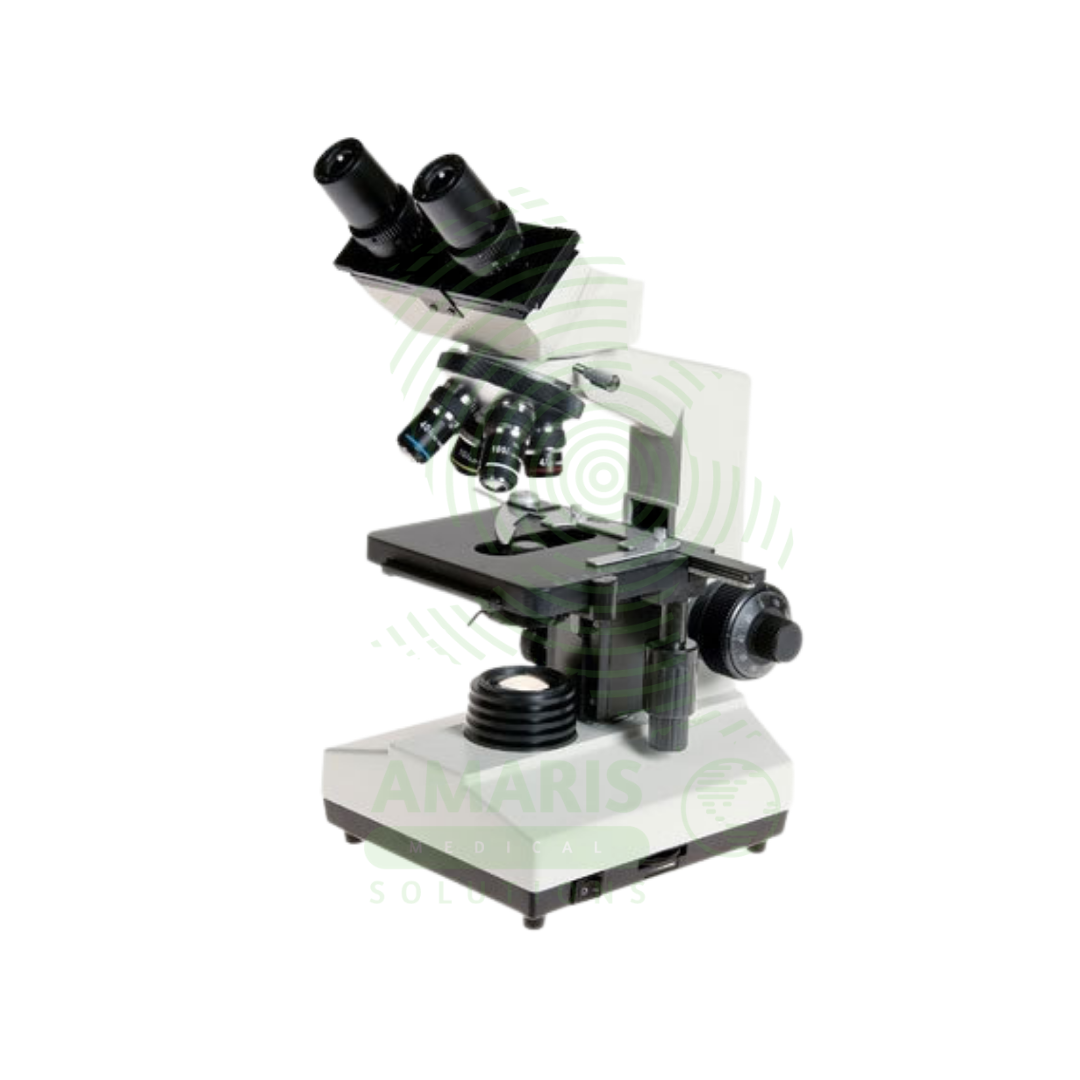
Binocular Electric Microscope
WhatsApp Order
A Binocular Electric Microscope is a standard clinical laboratory instrument featuring binocular eyepieces for comfortable viewing and built-in electric illumination (halogen or LED) for routine diagnostic microscopy across microbiology, hematology, histopathology, cytology, urinalysis, and parasitology. Equipped with 4×, 10×, 40× (high dry), and 100× (oil immersion) plan or plan achromatic objectives, 10× widefield eyepieces with diopter adjustment, Abbe condenser with iris diaphragm, mechanical stage with X-Y controls, and coaxial coarse/fine focusing. Magnification range 40× to 1000× with resolution to 0.2-0.3 micrometres. Primary clinical applications include Gram stain interpretation for bacterial identification, manual differential white blood cell counts, red blood cell morphology assessment, malaria parasite detection, urine sediment examination, Pap smear screening, and semen analysis. Essential equipment in every clinical laboratory for visual examination of stained and unstained specimens, providing definitive diagnosis for countless infectious, hematologic, and neoplastic conditions. Binocular design reduces eye strain during prolonged use, while electric illumination ensures consistent, adjustable lighting for optimal specimen visualization.
Description
Binocular Electric Microscope
PRIMARY CLINICAL & DIAGNOSTIC USES
1. Routine Clinical Laboratory Examination:
-
Primary Use: Binocular electric microscopes are standard equipment in clinical laboratories for daily diagnostic work including Gram stains, differential blood counts, urine sediment analysis, and wet mount preparations across microbiology, hematology, and urinalysis sections.
-
How it helps: Provides laboratory professionals with the clear, comfortable viewing needed to examine hundreds of specimens daily, reducing eye strain while ensuring accurate results that guide patient care.
2. Microbiological Pathogen Identification:
-
Primary Use: Used to identify bacteria, fungi, and parasites in clinical specimens including sputum, blood cultures, cerebrospinal fluid, and tissue samples, enabling diagnosis of infectious diseases and guiding antimicrobial therapy decisions.
-
How it helps: Reveals the invisible organisms causing infections, allowing doctors to choose antibiotics that target the specific bacteria or treat the exact parasite making a patient sick.
3. Hematology Cell Morphology Assessment:
-
Primary Use: Essential for manual differential white blood cell counts, red blood cell morphology evaluation, platelet estimation, and identification of abnormal cells in patients with hematological disorders including leukemias, anemias, and thrombocytopenias.
-
How it helps: Gives hematologists a direct view of blood cells, revealing the telltale changes that signal leukemia, the characteristic shapes of sickle cell disease, and the subtle abnormalities that guide diagnosis and treatment.
4. Histopathology and Cytology Screening:
-
Primary Use: Employed for examining stained tissue sections, Pap smears, and fine needle aspiration biopsies to detect cancerous and precancerous conditions, inflammatory processes, and other pathological abnormalities.
-
How it helps: Enables pathologists to see cancer cells in tissue biopsies, catch precancerous changes on Pap smears, and diagnose diseases at the cellular level, often before patients have any symptoms.
5. Parasitology and Tropical Medicine Diagnostics:
-
Primary Use: Critical for identifying malaria parasites in blood films, intestinal parasites in stool specimens, and tissue parasites in patients with suspected parasitic infections, particularly in endemic regions.
-
How it helps: Spots the parasites that cause devastating tropical diseases, from malaria in blood films to worms in stool samples, ensuring patients receive the right antiparasitic treatment.
6. Fertility and Reproductive Medicine:
-
Primary Use: Used for semen analysis including sperm count, motility assessment, and morphology evaluation in infertility workups and assisted reproduction procedures.
-
How it helps: Helps couples understand the factors affecting their fertility, providing essential information that guides treatment decisions and brings them closer to achieving their dream of starting a family.
7. Quality Control and Result Verification:
-
Primary Use: Employed to verify automated hematology and urinalysis results, assess specimen adequacy, and confirm abnormal findings before reporting.
-
How it helps: Serves as the final check on automated laboratory results, catching errors and ensuring that every abnormal finding is confirmed by a trained professional before it reaches a patient’s chart.
SECONDARY & SUPPORTIVE USES
1. Medical Education and Training: Essential for teaching histology, pathology, microbiology, and hematology to medical students, residents, and laboratory professionals in teaching hospitals and academic institutions, training the next generation of healthcare providers.
2. Research and Clinical Studies: Used in translational research, drug development studies, and clinical trials requiring microscopic examination of specimens, advancing medical knowledge and treatment.
3. Veterinary Diagnostic Medicine: Employed in veterinary laboratories for examining animal blood, tissues, and body fluids, helping veterinarians diagnose and treat illnesses in animals.
4. Forensic Medicine: Used in forensic laboratories for analysis of trace evidence, bloodstains, and tissue samples, helping solve crimes and bring justice to victims.
5. Pharmaceutical Quality Control: Employed for particulate analysis, crystal identification, and microbiological testing in pharmaceutical manufacturing, ensuring medications are safe and pure.
6. Environmental and Occupational Health: Used to analyze water samples, air samples, and occupational exposure specimens for microorganisms and particulates, protecting public health.
7. Food and Beverage Industry: Employed in quality control laboratories for microbiological testing of food products, helping ensure the safety of the food supply.
KEY PRODUCT FEATURES
1. BASIC IDENTIFICATION ATTRIBUTES
-
Product Type: Binocular compound microscope with built-in electric illumination for clinical diagnostic applications.
-
Common Names: Binocular Microscope, Electric Microscope, Clinical Microscope, Laboratory Microscope, Binocular Compound Microscope.
-
Optical Configuration: Binocular (two eyepieces) for comfortable, prolonged viewing; reduces eye strain during routine diagnostic work.
-
Magnification Range: 40× to 1000× (standard clinical range).
-
Objective Lenses: 4× (scanning), 10× (low power), 40× (high dry), 100× (oil immersion) - typically plan or plan achromatic objectives.
-
Eyepieces: 10× widefield with diopter adjustment for each eye.
-
Illumination: Built-in electric light source (halogen or LED) with intensity control.
-
Condenser: Abbe condenser with iris diaphragm for optimal illumination control.
-
Stage: Mechanical stage with X-Y controls for precise specimen positioning.
-
Focusing: Coaxial coarse and fine focus knobs with tension adjustment.
-
Nosepiece: Revolving quadruple or quintuple nosepiece for objective changes.
-
Power Supply: 100-240 VAC, 50/60 Hz with built-in transformer.
2. TECHNICAL & PERFORMANCE PROPERTIES
-
Optical System: Infinity-corrected or finite-corrected optics; plan objectives provide flat-field images edge-to-edge.
-
Numerical Aperture (NA): 10×: 0.25, 40×: 0.65, 100×: 1.25 (oil).
-
Resolution: Capable of resolving details to 0.2-0.3 microns with oil immersion.
-
Working Distance: 10×: 6-8 mm, 40×: 0.5-1 mm, 100×: 0.1-0.2 mm (oil).
-
Field of View: 10× eyepieces provide 18-22 mm field number; actual field decreases with higher magnifications.
-
Parfocality: Objectives remain in focus when rotating nosepiece (minimal adjustment needed).
-
Köhler Illumination: Adjustable for uniform, glare-free illumination across the field.
-
Light Source: Halogen (6V 20W or 12V 100W) or LED (long-life, cool operation) with intensity control.
-
Condenser: Abbe condenser NA 1.25 with centering adjustment and filter holder.
-
Interpupillary Distance: Adjustable 48-75 mm for different users.
-
Diopter Adjustment: Independent adjustment on each eyepiece to compensate for vision differences.
3. PHYSICAL & OPERATIONAL PROPERTIES
-
Dimensions: 20-30 cm W × 40-50 cm D × 40-50 cm H.
-
Weight: 8-15 kg depending on construction and features.
-
Construction: Cast metal base and arm (aluminum or zinc alloy) for stability and vibration dampening.
-
Stand: Robust, ergonomic design with inclined eyepieces for comfortable viewing.
-
Focus Mechanism: Coaxial coarse and fine focus knobs with tension adjustment; fine focus graduation typically 2 microns.
-
Nosepiece: Revolving quadruple or quintuple ball-bearing mounted for smooth rotation.
-
Stage: Mechanical stage 140×140 mm with 75×30 mm movement range; low-position coaxial controls.
-
Condenser: Rack and pinion focusing with centering screws; filter holder for daylight or contrast filters.
-
Light Source: Built-in with intensity control; LED long-life (50,000+ hours) or halogen replaceable bulb.
-
Polarization: Some models include polarizer/analyzer for birefringent specimen examination.
-
Dust Cover: Protective cover included for storage.
-
Certifications: RoHS compliant; CE marked; ISO 9001 manufacturing.
4. SAFETY & COMPLIANCE ATTRIBUTES
-
Regulatory Status: Class I medical device (FDA, CE marked for IVD use when used with IVD applications).
-
Electrical Safety: Compliant with IEC 61010-1 for laboratory equipment; double-insulated or grounded.
-
Optical Safety: UV-blocking optics; safe for routine clinical use.
-
Chemical Resistance: Stage and frame resistant to common laboratory disinfectants and cleaning agents.
-
Cleaning: Surfaces designed for easy cleaning with mild detergents and disinfectants.
-
Ergonomics: Binocular design reduces eye strain; adjustable for different users.
-
Heat Dissipation: LED models produce minimal heat; halogen models have heat shields.
-
Quality Management: Manufactured under ISO 13485 or ISO 9001 certified processes.
-
Warranty: Typically 2-5 years depending on manufacturer.
5. STORAGE & HANDLING ATTRIBUTES
-
Storage: Store in a clean, dry environment when not in use; always use dust cover.
-
Installation: Place on rigid, vibration-free surface; avoid direct sunlight, drafts, and temperature extremes.
-
Cleaning: Clean lenses with lens paper and approved optical cleaner; never use regular tissues or paper. Clean stage and frame with mild detergent and soft cloth.
-
Objective Care: Keep objectives clean; use immersion oil only with 100× objective; clean immediately after use.
-
Condenser Care: Keep condenser and filters clean; align per manufacturer instructions for Köhler illumination.
-
Bulb Replacement (Halogen): Allow to cool; use specified bulb type; avoid touching glass with fingers.
-
LED Maintenance: LED modules typically non-replaceable; entire unit replacement if failure.
-
Annual Maintenance: Professional cleaning, alignment, and calibration recommended.
-
Inspection: Before each use, check objectives, eyepieces, and illumination; clean as needed.
6. LABORATORY & CLINICAL APPLICATIONS
-
Primary Application: Routine clinical diagnostic microscopy across microbiology, hematology, histopathology, cytology, and urinalysis.
-
Microbiology Applications:
-
Gram Stain: Bacterial morphology and Gram reaction at 100× oil.
-
Acid-Fast Stain: Mycobacteria identification at 100× oil.
-
Wet Mounts: Motility, fungi, parasites at 10× and 40×.
-
KOH Preparations: Fungal elements from skin, hair, nails at 10× and 40×.
-
India Ink: Cryptococcus from CSF at 40×.
-
-
Hematology Applications:
-
Differential Count: 100-cell or 200-cell leukocyte differential at 100× oil.
-
RBC Morphology: Size, shape, color, inclusions at 100× oil.
-
Platelet Estimation: Adequacy and morphology at 100× oil.
-
Reticulocyte Count: New methylene blue stain at 100× oil.
-
Bone Marrow Aspirates: Cell lineage and maturation at 100× oil.
-
-
Histopathology Applications:
-
Routine H&E Staining: Tissue architecture at 4×, 10×; cellular detail at 40×.
-
Special Stains: Connective tissue (Trichrome), microorganisms (GMS, PAS) at 40×, 100× oil.
-
Immunohistochemistry: Chromogen localization at 10×, 40×.
-
-
Cytology Applications:
-
Pap Smears: Cervical cytology screening at 10×, 40×.
-
Fine Needle Aspirates: Cell block and smear examination at 40×, 100× oil.
-
Body Fluids: Cell identification at 40×, 100× oil.
-
-
Urinalysis Applications:
-
Sediment Examination: Cells, casts, crystals, bacteria at 10×, 40×, 100× oil.
-
-
Parasitology Applications:
-
Malaria Smears: Thick and thin blood films at 100× oil.
-
Stool Ova and Parasites: Direct mounts and concentrates at 10×, 40×.
-
Blood Parasites: Trypanosomes, filaria at 40×, 100× oil.
-
-
Fertility Applications:
-
Semen Analysis: Sperm count, motility, morphology at 10×, 40×, 100× oil.
SAFETY HANDLING PRECAUTIONS
1. SAFETY PRECAUTIONS
-
Lens Care: Never touch lenses with fingers; use only lens paper and approved cleaners. Avoid excessive solvent that may damage lens coatings.
-
Oil Immersion: Use only with 100× objective; clean immediately after use to prevent hardening. Use only immersion oil specified for microscopy.
-
Light Source: Halogen bulbs become hot; allow to cool before handling. LED sources remain cool.
-
Electrical Safety: Keep cords away from water; unplug before cleaning; use only specified voltage.
-
Chemical Safety: Specimens may contain infectious agents; follow universal precautions; clean spills immediately.
-
Ergonomics: Maintain good posture; adjust eyepieces and stage height for comfort; take regular breaks during prolonged use.
-
Köhler Illumination: Proper alignment essential for optimal image quality; realign after bulb changes or if disturbed.
-
Vibration: Place on vibration-free surface; avoid traffic areas; use anti-vibration tables if needed.
-
Cleaning: Never use household glass cleaners, acetone, or xylene on lenses; use only approved optical cleaners.
-
Training: Operators should be trained on proper microscope use, care, and cleaning procedures.
2. FIRST AID MEASURES
-
Eye Contact with Cleaning Solution: Flush eyes with copious water for 15 minutes; seek medical attention.
-
Broken Slide or Cover Glass: Carefully remove fragments with forceps; dispose in sharps container; clean stage and objectives carefully.
-
Specimen Spill on Microscope: Disconnect power; carefully clean with appropriate disinfectant; dry thoroughly before reuse.
-
Chemical Spill (Stains, Reagents): Follow chemical spill protocol; use appropriate PPE; clean affected areas immediately.
-
Electrical Malfunction: Disconnect power; do not use until serviced by qualified personnel.
3. FIRE FIGHTING MEASURES
-
Flammability: Plastic components and immersion oil are combustible; metal parts non-combustible.
-
Extinguishing Media: For electrical fire, use CO₂ or dry chemical (Class C) extinguisher.
-
Power Off: Disconnect power if safe to do so.
-
Immersion Oil: May be flammable; store away from ignition sources.
Related products
BMI Tape
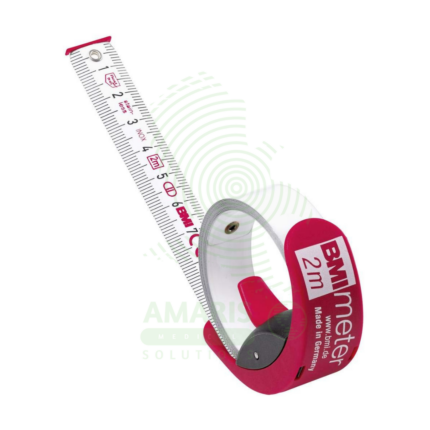
A BMI Tape is a rapid screening tool that estimates an individual's Body Mass Index (BMI) category by measuring body circumference, most commonly the waist. It features a color-coded scale that directly displays BMI ranges (Underweight, Normal, Overweight, Obese), eliminating the need for separate height and weight measurements and manual calculation. While highly useful for community health screenings, wellness programs, and patient education due to its portability and simplicity, it is an approximate method. Its accuracy is limited compared to BMI calculated from precise clinical measurements, and it should be used as an initial screening indicator rather than a definitive diagnostic tool.
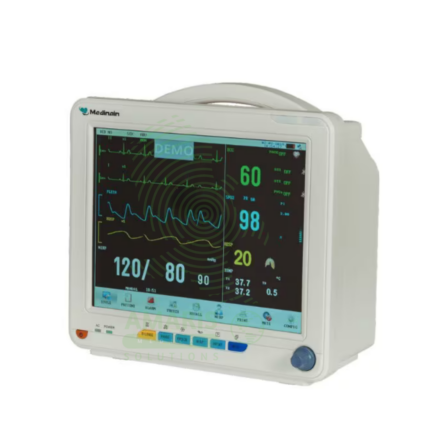
ECG Machine
An ECG Machine is a Class II medical device that records and displays the electrical activity of the heart through surface electrodes, producing an electrocardiogram for diagnosis of cardiac conditions. Standard diagnostic machines record 12 simultaneous leads (3 limb, 6 precordial, 1 ground) with frequency response 0.05-150 Hz, sampling rate 500-1,000 Hz, and high-resolution (5-10 µV) signal acquisition. Features include color touchscreen display, thermal array printer, computerized interpretation algorithms, internal memory (50-500+ ECGs), and network connectivity for EMR integration. Lead wires (AHA or IEC color coding) connect to disposable adhesive electrodes. Portable models (5-15 kg) with rechargeable batteries enable bedside and mobile use; cart-mounted units provide full diagnostic capability. Primary clinical applications include diagnosis of arrhythmias (AF, VT, bradycardia), detection of myocardial ischemia/infarction (STEMI, NSTEMI), evaluation of chest pain, preoperative cardiac risk assessment, monitoring electrolyte imbalances, assessment of chamber enlargement, and drug effect/toxicity monitoring. Essential diagnostic equipment in emergency departments, cardiology clinics, ICUs, operating rooms, and primary care settings worldwide.

Littman Stethoscope (Classic 4 Cardiology)
A Littman Stethoscope (Classic 4 Cardiology) represents the pinnacle of acoustic auscultation technology. Designed for clinicians who require the highest level of diagnostic accuracy, it features dual tunable diaphragms and dual-lumen tubing to provide exceptional acoustic sensitivity and ambient noise reduction. Its innovative design allows the user to hear both high and low-frequency sounds by simply adjusting pressure on either side of the chestpiece, making it the instrument of choice for cardiologists, intensivists, and specialists who cannot afford to miss a subtle murmur, rub, or breath sound. It combines superior performance with the durability and comfort expected from the Littmann brand.
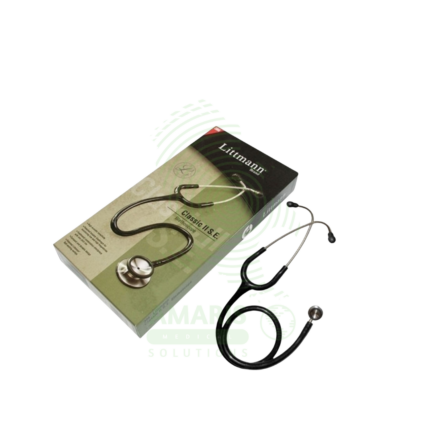
Littmann Stethoscope (Classic II)
A Littmann Stethoscope (Classic II) is a premium, acoustic dual-head stethoscope renowned for its diagnostic clarity, durability, and innovative tunable diaphragm technology. It allows healthcare professionals to hear both high and low-frequency sounds by simply adjusting pressure on the single-sided chestpiece, eliminating the need to rotate it. With its superior acoustics, comfortable fit, and wide range of colors, it is the instrument of choice for medical students, nurses, and physicians across all specialties who require reliable performance for physical assessment, auscultation of heart and lung sounds, and manual blood pressure measurement.
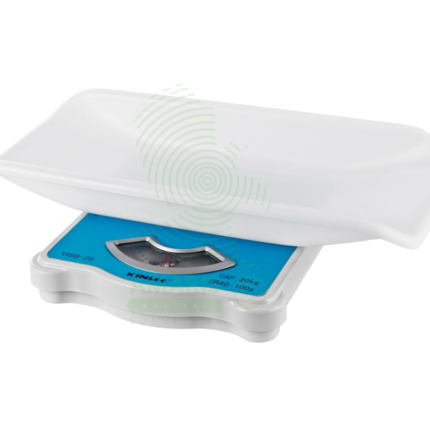
Manual Baby Weighing Scale
A Manual Baby Weighing Scale is a simple, mechanical device used to measure infant weight without the need for electricity or batteries. Operating on a spring or balance principle, it features a suspended sling or seat and a dial display. Its primary advantage is durability and portability for use in community health, outreach programs, and areas with unreliable power. While less precise than digital scales, it provides a reliable and accessible means to monitor growth trends and screen for undernutrition in resource-limited settings, making it a vital tool for basic pediatric care in the field.
Pregnancy Test Strips
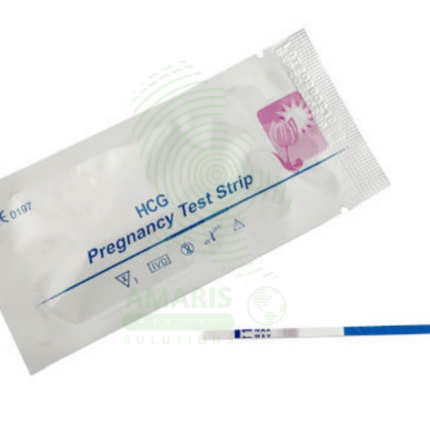
Pregnancy Test Strips are simple, dip-style lateral flow devices designed for the rapid, qualitative detection of human chorionic gonadotropin (hCG) in urine to indicate pregnancy. As the most fundamental format of home pregnancy tests, they offer high sensitivity (often from 10 mIU/mL), affordability, and a quick result within 3-5 minutes. Their ease of use makes them a widely accessible first step in pregnancy detection for personal use and clinical screening. A visible test line, even if faint, is a positive result, though confirmation with a healthcare provider is always recommended.
Vein Finder
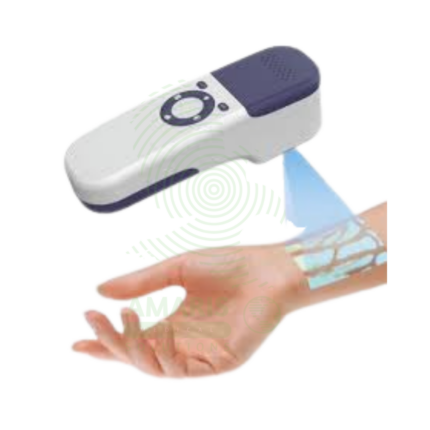
A Vein Finder is a non-invasive medical imaging device that uses near-infrared light to visualize subcutaneous veins in real time and project a map of the vascular network directly onto the patient's skin. Primarily used to facilitate difficult venipuncture and IV access in challenging patient populations (pediatric, obese, elderly, dark-skinned), it enhances first-stick success rates, improves patient comfort, and reduces procedure time. As a handheld, portable aid, it complements the clinician's skill by providing clear visual guidance, making it a valuable tool in emergency rooms, operating theaters, infusion centers, and phlebotomy services.