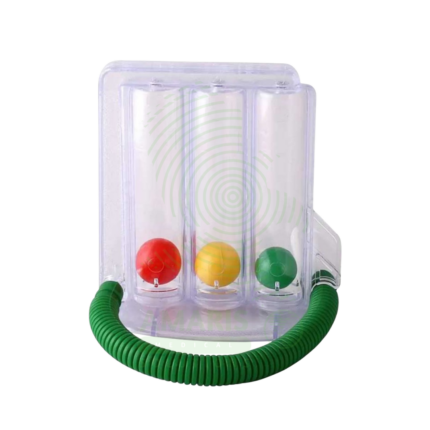
Dermatoscope and Magnifiers
 Diagnostic Kits
 Vital Signs Monitors
 Stethoscopes and Accessories
 Otoscopes, Ophthalmoscopes, and Retinoscopes
 Reflex Hammers and Neurological Tools
 Scales and Measuring Devices
 Spirometers and Pulmonary Function Tests
 Electrosurgical Units and Accessories
 Cutting Instruments
 Grasping and Holding Instruments
 Hemostatic Instruments
 Specialized Surgical Sets
 Single-Use Procedure Trays and Packs
 Surgical Drapes, Gowns, and Covers
 Tissue Unifying Instruments
 Radiation Protection
 X-Ray Machines and Accessories
 Ultrasound Systems and Probes
 MRI and CT Scanners
 Radiology Consumables
 Bone Densitometers
 Fluoroscopy Equipment
 Imaging Tables and Positioning Aids
 Microscopes and Accessories
 Centrifuges and Separators
 Analyzers
 Incubators and Ovens
 Pipettes, Dispensers, and Lab Glassware
 Refrigerators, Freezers, and Storage Units
 Lab Consumables
 Sterilizers and Autoclaves for Lab Use
 Multi-Parameter Monitors
 Ventilators and Respiratory Support Devices
 Defibrillators and AEDs
 Infusion Pumps and IV Systems
 Patient Warmers and Cooling Devices
 Central Monitoring Stations
 Accessories
 Anesthesia Machines and Workstations
 Oxygen Concentrators and Delivery Systems
 Nebulizers and Inhalers
 CPAP/BiPAP Machines
 Airway Management
 Anesthesia Masks, Circuits, and Bags
 Humidifiers and Heaters
 Respiratory Therapy Accessories
 First Aid Kits and Cabinets
 Emergency Resuscitation Equipment
 Trauma Supplies
 Emergency Carts and Crash Carts
 Burn Care Products
 Bleeding Control
 Automated External Defibrillators (AEDs)
 Transport and Evacuation
 Wheelchairs and Accessories
 Walkers, Crutches, and Canes
 Prosthetics and Orthotics
 Physical Therapy Equipment
 Transfer Devices
 Bathroom Safety
 Orthopedic Traction and Tables
 Hot/Cold Therapy Packs and Units
 Beds and Mattresses
 Chairs and Stools
 Tables
 Cabinets and Storage
 Privacy Screens & Curtains
 Stands and Racks
 Linens and Textiles
 Lighting
 Autoclaves and Sterilizers
 Ultrasonic Cleaners
 Disinfectant Solutions and Wipes
 Sterilization Pouches, Wraps, and Indicators
 Instrument Trays and Containers
 UV and Ozone Disinfection Devices
 Washer Disinfectors
 Wound Care
 Gloves
 Masks and Respirators
 Catheters and Tubing
 Swabs, Applicators, and Sponges
 Incontinence Products
 Personal Protective Equipment (PPE)
 Dental Chairs and Units
 Handpieces and Burs
 Instruments
 Consumables
 Sterilization for Dental Use
 Orthodontic Supplies
 Endodontic Tools
 Slit Lamps and Tonometers
 Lensometers and Phoropters
 Ophthalmic Surgical Instruments
 Eyewear Frames and Lenses
 Contact Lens Supplies
 Vision Testing Charts and Devices
 Eye Care Consumables
 Laser Systems for Eye Care
 ENT Exam Chairs and Tables
 Endoscopes
 Audiometers and Hearing Tests
 ENT Instruments
 Nasal and Throat Packs
 Hearing Aids and Accessories
 Otology Supplies
 Fetal Dopplers and Monitors
 Delivery Beds and Tables
 Gynecological Instruments
 Neonatal Incubators and Warmers
 Breast Pumps and Accessories
 Contraceptive Devices
 Maternity Supports and Pads
 Neonatal Consumables
 Cystoscopes and Urethroscopes
 Dialysis Machines and Supplies
 Urological Catheters and Bags
 Lithotripters
 Prostate Treatment Devices
 Urinary Incontinence Products
 Kidney Stone Management Tools
 Consumables & Disposables
 EEG and EMG Machines
 Neurosurgical Instruments
 Nerve Stimulators
 Headrests and Positioning Aids
 Lumbar Puncture Kits
 Seizure Monitoring Devices
 Consumables
 Rehabilitation for Neurological Conditions
 ECG Machines and Accessories
 Holter Monitors
 Stress Test Systems
 Pacemakers and Defibrillator Accessories
 Vascular Access Devices
 Cardiac Catheters and Guidewires
 Blood Flow Meters
 Consumables
 Orthopedic Instruments
 Casts, Splints, and Padding
 Joint Replacement Supplies
 Prosthetic Limbs and Components
 Bone Grafts and Substitutes
 Traction Devices
 Orthopedic Braces and Supports
 Rehabilitation Aids for Orthopedics
 Home Oxygen Therapy
 Hospital Beds for Home Use
 Mobility Aids
 Bathroom and Daily Living Aids
 Wound Care for Home
 Monitoring Devices
 Enteral Feeding Pumps and Tubes
 Hand Sanitizers and Dispensers
 Face Shields and Goggles
 Isolation Gowns and Suits
 Biohazard Waste Containers
 Air Purifiers and HEPA Filters
 Surface Disinfectants
 Sharps Containers
 Protective Barriers
 Cardiovascular & Endurance Training
 Strength Training & Weightlifting
 Functional Training & Core Conditioning
 Physical Therapy & Rehabilitation
 Sports & Outdoor Recreation
 Gym Flooring & Facility Equipment
 Fitness Monitoring & Accessories
 Kids & Novelties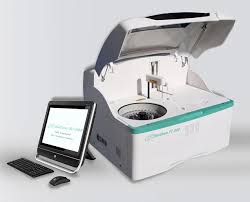

BioChem FC-200 Automated Chemistry Analyzer
WhatsApp Order
The BioChem FC-200 Automated Chemistry Analyzer is a fully automated, random access benchtop clinical chemistry analyzer designed for mid-volume laboratories in emerging healthcare markets including district hospitals, regional reference laboratories, and facilities transitioning from semi-automated methods . Operating at up to 240 tests per hour with random access capability and STAT priority function , this open reagent system delivers photometric analysis using 8 interference filters (340-670nm) and disposable cuvette technology (81 cuvettes, 9 strips of 9) that eliminates washing maintenance and cross-contamination concerns .
The analyzer features 40 sample positions, 40 refrigerated reagent positions with continuous 24-hour cooling , sample volume 3-45µL , reaction volume 180-500µL , and independent mechanical mixing . The optical system includes a 12V 20W halogen lamp with 5mm optical path length, absorbance range 0.0-3.5Abs, and resolution 0.0001Abs . Temperature control maintains 37°C (±0.1°C) stability . Calibration modes include factor, linear (one-point, multi-point), and non-linear (Logistic-Log 4P/5P, Exponential 5P, Polynomial 5P, Parabola, Spline) . Quality control features Levey-Jennings charting with Westgard multi-rules .
The system connects to an external PC (Windows XP or higher) via RS-232 or RS-232-to-USB with bi-directional LIS interface for electronic medical record integration . Languages include English, Spanish, Russian, and Ukrainian . Power requirements are 220VAC, 50/60Hz, 1500VA . The unit measures 810 x 1150 mm (W x H) and weighs 145 kg . Water consumption is ≤3 liters/hour .
For the clinical laboratory scientist and pathologist in district hospitals, the BioChem FC-200 delivers accurate measurement of liver function (ALT, AST, ALP, GGT, bilirubin, total protein, albumin), renal function (urea, creatinine, uric acid), lipid profiles (total cholesterol, triglycerides, HDL, LDL, VLDL), cardiac biomarkers (CK, CK-MB, LDH), diabetes markers (glucose), inflammatory markers (CRP, RF, immunoglobulins), and iron studies (iron, TIBC, ferritin). For the patient, rapid, high-volume chemistry results enable early diagnosis of hepatitis, cirrhosis, chronic kidney disease, diabetes, hyperlipidemia, pancreatitis, and myocardial infarction—guiding appropriate medical therapy and preventing disease progression and complications, particularly in emerging healthcare markets where laboratory automation was previously unavailable .
Description
BioChem FC-200 Automated Chemistry Analyzer
PRIMARY CLINICAL & DIAGNOSTIC USES
1. High-Volume Liver Function Testing for Hepatic Disease Diagnosis
-
Primary Use: Provides a fully automated, random access benchtop chemistry analyzer with up to 240 tests per hour throughput , performing endpoint, two-point, and kinetic analysis of liver function parameters including ALT, AST, ALP, GGT, total bilirubin, direct bilirubin, total protein, and albumin using 8 standard wavelengths (340-670nm) .
-
How it helps: For the clinical laboratory scientist and hepatologist, the BioChem FC-200 delivers high-volume measurement of hepatic enzymes and bilirubin using photometric optical technology with a 12V 20W halogen lamp and interference filters . For the patient with suspected hepatitis, cirrhosis, fatty liver disease, or drug-induced liver injury, precise liver enzyme quantification enables early diagnosis, monitoring of disease progression, and assessment of treatment response, guiding appropriate hepatology referral and management.
2. Renal Function Testing for Chronic Kidney Disease Management
-
Primary Use: Measures renal function parameters including urea, creatinine, uric acid, and electrolytes using an open reagent system with 40 reagent positions and 40 sample positions . The 81-position disposable cuvette carousel (9 strips of 9 cuvettes) eliminates washing maintenance and cross-contamination concerns .
-
How it helps: For the nephrologist and primary care physician, the BioChem FC-200’s random access capability and STAT priority function enable urgent creatinine and urea testing for emergency department patients . For the patient with chronic kidney disease, diabetes, hypertension, or acute kidney injury, accurate renal function testing supports staging of CKD, monitoring of dialysis adequacy, and early detection of nephrotoxicity from medications, enabling timely intervention to preserve renal function.
3. Lipid Profile Testing for Cardiovascular Risk Assessment
-
Primary Use: Performs comprehensive lipid panel analysis including total cholesterol, triglycerides, HDL cholesterol, LDL cholesterol, VLDL cholesterol, and apolipoproteins for complete cardiovascular risk stratification . Supports advanced cardiac risk assessment with continuous 24-hour refrigerated reagent storage for reagent stability .
-
How it helps: For the cardiologist and preventive medicine specialist, the BioChem FC-200’s open reagent system and continuous reagent cooling enable lipid profiling for cardiovascular risk stratification . For the patient with hyperlipidemia, diabetes, metabolic syndrome, or established cardiovascular disease, accurate lipid profiling enables calculation of ASCVD risk scores, monitoring of statin therapy effectiveness, and lifestyle modification guidance to reduce myocardial infarction and stroke risk.
4. Comprehensive Enzyme and Substrate Testing for Multiple Clinical Indications
-
Primary Use: Performs up to 60 different assays including pancreatic enzymes (amylase, lipase), cardiac markers (CK, CK-MB, LDH), electrolytes (calcium, magnesium, phosphorus), and therapeutic drug monitoring using open reagent system . Refrigerated compartment maintains 40 reagent positions at stable temperature for reagent integrity .
-
How it helps: For the emergency physician, endocrinologist, and clinical chemist, the BioChem FC-200’s random access capability and STAT priority function enable urgent amylase testing for pancreatitis and cardiac markers for myocardial infarction . For the patient presenting with acute abdominal pain, chest pain, or metabolic emergencies, rapid enzyme and substrate quantification enables emergency diagnosis of pancreatitis, myocardial infarction, and electrolyte disorders—facilitating appropriate acute care and preventing life-threatening complications.
SECONDARY & SUPPORTIVE USES
1. District Hospital Laboratory Core Testing: Processes 150-240 chemistry tests daily in district hospitals across Sub-Saharan Africa, Eastern Europe, and Central America, managing comprehensive metabolic panels for diabetes monitoring, kidney disease staging, liver function assessment, and lipid screening .
2. Regional Reference Laboratory Operations: Serves regional reference laboratories receiving samples from multiple rural clinics daily; bi-directional LIS connectivity tracks samples from collection through result reporting; external computer manages workflows involving multiple ordering facilities .
3. Emergency Department High-Volume STAT Chemistry: STAT priority ensures urgent samples get processed immediately; random access lets emergency samples interrupt routine workflow automatically without manual intervention; critical for facilities seeing increased emergency department utilization .
4. Chronic Disease Program Management: Supports hospitals managing chronic disease programs including diabetes, CKD, hypertension, and cardiovascular disease with high-volume testing capacity .
5. Laboratory Modernization and Equipment Replacement: Facilitates transition from older semi-automated systems or aging analyzers to contemporary automated technology; purpose-built for facilities where budgets and infrastructure don’t support Western premium pricing .
6. Expanded Testing Services Development: Supports laboratories establishing specialized chemistry programs including therapeutic drug monitoring, immunoassay capabilities, and comprehensive metabolic disease programs .
7. Diabetes Screening and Glycemic Control Monitoring: Measures glucose for diabetes diagnosis, prediabetes screening, and long-term glycemic control monitoring in diabetic patients on insulin or oral hypoglycemic agents.
8. Inflammatory and Autoimmune Disease Assessment: Quantifies C-reactive protein (CRP), rheumatoid factor (RF), and immunoglobulins for inflammatory and autoimmune disease diagnosis and activity monitoring.
9. Anemia Workup and Iron Studies: Measures serum iron, total iron-binding capacity (TIBC), and ferritin for comprehensive iron deficiency anemia and hemochromatosis diagnosis.
10. Bone and Mineral Metabolism Testing: Quantifies calcium, phosphorus, alkaline phosphatase (ALP), and magnesium for osteoporosis, hyperparathyroidism, and metabolic bone disease diagnosis.
11. Therapeutic Drug Monitoring (TDM): Quantifies drug levels for medications with narrow therapeutic indices using the open reagent system and programmable assay parameters.
12. Medical Education and Laboratory Training: Serves as training instrument for clinical chemistry techniques in medical technology programs and pathology residency training.
13. Quality Control and Laboratory Accreditation: Built-in Levey-Jennings charting with Westgard rules and comprehensive QC reporting supports laboratory quality assurance programs and ISO accreditation .
14. Bi-directional LIS and Electronic Medical Record Integration: Bi-directional LIS connectivity streamlines sample tracking, result reporting, and integration with hospital information systems .
15. Veterinary Diagnostic Applications: Supports biochemistry testing for companion animals, livestock, and research animals.
KEY PRODUCT FEATURES
1. BASIC IDENTIFICATION ATTRIBUTES
-
Device Type: A fully automated, random access benchtop clinical chemistry analyzer with open reagent system, disposable cuvette technology, and STAT priority capability, designed for mid-volume laboratories in emerging healthcare markets .
-
Designation: BioChem FC-200 Automated Chemistry Analyzer, HTI BioChem FC-200, Automatic Biochemical Analyzer, Random Access Chemistry Analyzer .
-
Key Components:
-
Reaction Rotor: 81 disposable cuvettes (9 strips of 9 cuvettes) with 5mm optical path length; reaction volume 180-500µL .
-
Sample System: 40 sample positions accepting primary tubes, secondary tubes, and sample cups; sample volume 3-45µL in 0.1µL increments; liquid level detection; collision protection .
-
Reagent System: 40 reagent positions with continuous 24-hour refrigerated storage; reagent volume up to 500µL; liquid level detection .
-
Optical System: 12V 20W halogen lamp with 8 interference filters at wavelengths 340, 405, 450, 510, 546, 578, 630, 670nm; absorbance range 0.0-3.5Abs; resolution 0.0001Abs .
-
Incubation: Temperature control at 37°C, 30°C, or ambient with ±0.1°C stability .
-
Mixing: Independent mechanical mixer .
-
Computer: External PC with Windows XP or higher; bi-directional LIS interface via RS-232 or RS-232-to-USB .
-
Power Supply: 220VAC, 50/60Hz, 1500VA; weight: 145kg (319.7lb); dimensions: 810 x 1150 mm (W x H) .
2. TECHNICAL & PERFORMANCE PROPERTIES
-
Throughput: 240 tests per hour (maximum) .
-
Sample Throughput (Published): 200 tests per hour on some specifications .
-
Assay Methods: Endpoint, two-point, kinetic .
-
Operating Mode: Random access (discretionary access) allowing any test on any sample without batching .
-
Sample Types: Serum, plasma, whole blood, urine, cerebrospinal fluid .
-
Sample Volume: 3-45µL in 0.1µL increments .
-
Reagent Volume: Up to 500µL .
-
Reaction Volume: 180-500µL (some sources 183-600µL) .
-
Optical Path Length: 5mm .
-
Wavelengths (8 filters): 340, 405, 450, 510, 546, 578, 630, 670nm .
-
Absorbance Range: 0.0-3.5Abs .
-
Absorbance Resolution: 0.0001Abs .
-
Incubation Temperature: 37°C (±0.1°C), 30°C, or ambient .
-
Sample Capacity: 40 positions .
-
Reagent Capacity: 40 positions with continuous 24-hour refrigeration .
-
Cuvette Capacity: 81 disposable cuvettes (9 strips of 9) .
-
Calibration Modes: Factor, one-point linear, multi-point linear, multi-point non-linear, Log Linear, Exp Linear, Logistic-Log 4P, Logistic-Log 5P, Exponential 5P, Polynomial 5P, Parabola, Spline .
-
Quality Control: Levey-Jennings charting with Westgard multi-rules .
-
STAT Capability: Yes; priority interrupt for urgent samples .
-
Sample Dilution: Automatic pre-dilution and re-dilution .
-
Re-run Capability: Automatic sample re-run .
-
Computer Operating System: Windows XP or higher (external PC) .
-
Connectivity: RS-232, RS-232-to-USB, bi-directional LIS .
-
Languages: English, Spanish, Russian, Ukrainian .
-
Data Storage: Unlimited (PC-dependent) .
-
Power Requirements: 220VAC, 50/60Hz, 1500VA .
-
Water Consumption: ≤3 liters/hour .
-
Dimensions (W x H x D): 810 x 1150 mm (31.9 x 45.3 inches) .
-
Weight: 145 kg (319.7 lbs) .
-
Operating Temperature: 10-30°C .
-
Operating Humidity: 35-70% (some sources 35-85%) .
3. PHYSICAL & OPERATIONAL PROPERTIES
-
Construction: Benchtop design with durable industrial construction; 145kg weight ensures stable operation during high-speed processing .
-
User Interface: External PC with Windows-based operating system; intuitive software with pre-loaded applications for all HTI reagents .
-
Sample Handling: 40-position sample rotor accepts primary tubes, secondary tubes, and sample cups; automatic liquid level detection prevents probe damage; collision protection ensures safety .
-
Reagent Handling: 40-position reagent rotor with continuous 24-hour refrigeration maintains reagent integrity for extended runs; open reagent system compatible with any commercial reagents; liquid level detection .
-
Reaction System: 81 disposable cuvettes (9 strips of 9) on reaction carousel; single-use eliminates washing maintenance and cross-contamination concerns; reaction volume 180-500µL; independent mechanical mixer ensures thorough reagent-sample mixing .
-
Probe System: Automatic sample probe with liquid level detection and collision protection; high-pressure internal and external washing; automatic aspiration depth adjustment .
-
STAT Function: STAT priority ensures urgent emergency department and critical care samples get processed immediately; random access lets emergency samples interrupt routine workflow automatically without manual intervention .
-
Maintenance: Disposable cuvettes eliminate cuvette washing and reduce maintenance time; self-diagnostic systems and alarms ensure error-free operation.
-
Calibration: Automatic and manual calibration modes; 11 calibration curve options for flexible assay development .
-
Data Management: Unlimited result storage on external PC; results can be printed on any Windows-compatible printer; comprehensive statistics for test quality control and calibration counters .
-
Connectivity: Bi-directional LIS interface for seamless integration with laboratory information systems; RS-232 and RS-232-to-USB options .
-
Self-Diagnostics: Systems continuously monitor instrument status and alert operator to potential issues.
-
Refrigeration: Continuous 24-hour refrigerated reagent compartment (2-8°C) ensures reagent stability for extended runs .
4. SAFETY & COMPLIANCE ATTRIBUTES
-
Regulatory Status: In Vitro Diagnostic (IVD) medical device; requires country-specific registration per local regulations; manufactured by High Technology Inc. (HTI), USA .
-
Safety Certifications: CE marked; compliant with applicable international safety standards .
-
Infection Control: Disposable cuvettes eliminate cross-contamination risk; automatic probe washing reduces biohazard exposure; closed-tube sampling standard precautions.
-
Electrical Safety: Wide voltage compatibility (220VAC, 50/60Hz) for international use; Class I protection requiring grounded outlet; 1500VA power consumption .
-
Operating Environment: Designed for indoor laboratory use at 10-30°C temperature, 35-70% humidity .
-
Water Supply: ≤3 liters/hour consumption; built-in water container with sensor .
-
Quality Assurance: Built-in Levey-Jennings charting with Westgard rules; internal and external QC; self-diagnostic systems; automatic calibration verification.
-
LIS Compliance: Bi-directional LIS connectivity for electronic result reporting and sample tracking .
5. STORAGE & HANDLING ATTRIBUTES
-
Storage: Store in a clean, dry laboratory environment with temperature 10-30°C. Protect from dust, vibration, and direct sunlight.
-
Cleaning: Probe self-washing system (high-pressure internal and external). Wipe exterior with soft, damp cloth using mild detergent. Disinfect per facility protocols.
-
Replacement Parts: Consumables include disposable cuvettes (9 strips of 9 cuvettes, 81 total per run), reagent containers (40 positions, open system), sample tubes, halogen lamp (12V, 20W), fuses .
-
Water Supply: Requires ≤3 liters/hour deionized or distilled water; built-in water container with sensor .
-
Waste Management: Waste container with sensor; dispose per facility biohazard protocols.
-
Maintenance: Annual calibration verification recommended; factory-authorized service available; self-diagnostic systems alert to maintenance needs.
-
Installation: Benchtop installation requires 81 cm width x 115 cm height clearance plus access to sides and rear; 145kg weight requires sturdy laboratory bench; requires dedicated power outlet (220VAC, 50/60Hz, 1500VA); LIS connectivity via RS-232 recommended for result export .
6. LABORATORY & CLINICAL APPLICATIONS
-
Primary Application: Full-automated, random access clinical chemistry testing for liver function, renal function, lipid profiling, diabetes monitoring, cardiac biomarkers, and therapeutic drug monitoring in district hospitals, regional reference laboratories, and clinical laboratories graduating from semi-automated methods .
-
Clinical Role: Essential diagnostic instrumentation for primary care, internal medicine, hepatology, nephrology, cardiology, endocrinology, emergency medicine, and chronic disease programs in emerging healthcare markets across Sub-Saharan Africa, Eastern Europe, Central America, and Central Asia .
SAFETY HANDLING PRECAUTIONS
1. SAFETY PRECAUTIONS
-
Biohazard Exposure: Treat all samples (serum, plasma, urine, CSF) as potentially infectious; use standard precautions (gloves, lab coat, eye protection); dispose of waste per facility biohazard protocol.
-
Electrical Safety: Use properly grounded outlet; 220VAC, 50/60Hz dedicated circuit required; 1500VA power consumption; disconnect power before maintenance .
-
Reagent Handling: Use reagents as directed; open system compatible with any commercial reagents; follow SDS for each reagent; avoid skin and eye contact; refrigerated compartment maintains 24-hour temperature stability .
-
Sample Handling: Centrifuge samples per manufacturer guidelines; avoid hemolyzed, lipemic, or icteric specimens which may affect photometric readings.
-
Quality Control: Run QC materials per laboratory schedule; verify calibration before patient testing; do not report results if QC fails; follow Westgard rules .
-
Environmental Conditions: Operate within specified temperature (10-30°C) and humidity (35-70%) ranges for optimal photometric performance .
-
Disposable Cuvettes: Use only supplied cuvettes (9 strips of 9 cuvettes, 81 total); do not reuse cuvettes .
-
Water Supply: Monitor water consumption (≤3 liters/hour); ensure adequate deionized water supply before operation .
-
Training: Only trained laboratory personnel should operate the BioChem FC-200 for clinical diagnostic applications.
2. FIRST AID MEASURES
-
Sample Exposure: Wash exposed skin immediately with soap and water; flush eyes with water for 15 minutes; follow institutional exposure management protocol.
-
Reagent Spill: Ventilate area; use absorbent materials; dispose as chemical waste per SDS.
-
Electrical Malfunction: Disconnect power immediately; do not attempt repair; contact authorized service provider.
-
QC Failure: If QC fails, repeat QC; if repeated failure, recalibrate; if persistent failure, contact technical support; do not report patient results until QC passes.
3. FIRE FIGHTING MEASURES
-
Flammability: Electrical hazard (1500VA); reagents may be combustible.
-
Extinguishing Media: Use CO₂ or dry chemical extinguisher for electrical fires.
-
Fire Response: Disconnect power; use appropriate extinguisher; do not use water on electrical fire.
Related products
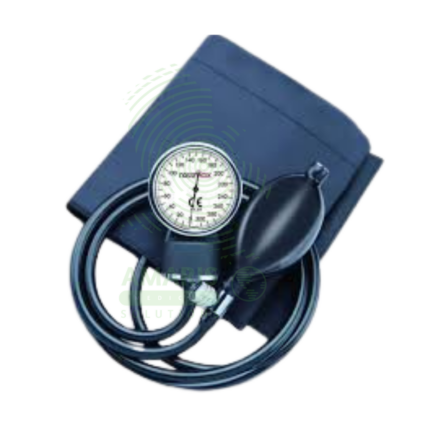
Aneroid Blood Pressure Monitor
The Aneroid Blood Pressure Monitor is a manual, mechanical sphygmomanometer used for the accurate, non-invasive measurement of arterial blood pressure. Operating on the auscultatory method, it consists of an inflatable cuff, a pump bulb with a release valve, and a calibrated dial gauge. Renowned for its reliability, durability, and independence from electrical power, it serves as a clinical gold standard and essential tool in physician offices, hospitals, and for guided home monitoring. Its accuracy is dependent on proper technique, correct cuff size, and regular calibration, making it a fundamental device for diagnosing and managing hypertension and assessing cardiovascular health.
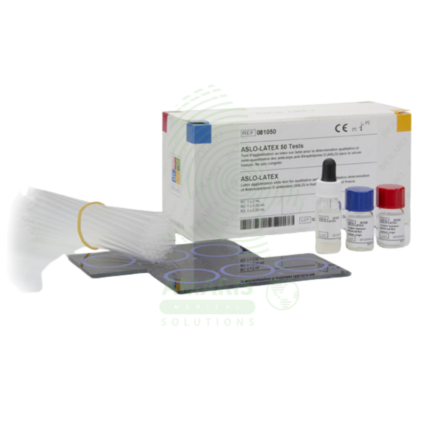
Anti-Streptol Olysin O Titer (ASOT)
Anti-Streptol Olysin O Titer (ASOT) is a quantitative or semi-quantitative serological test (latex agglutination, turbidimetry, nephelometry, or ELISA) for detecting antibodies against streptolysin O, an exotoxin produced by Group A Streptococcus. Elevated or rising titers indicate recent streptococcal infection and are essential for diagnosing post-streptococcal sequelae including acute rheumatic fever (Jones criteria) and post-streptococcal glomerulonephritis. The test requires serum samples; acute and convalescent (2-4 weeks apart) with fourfold rise confirms recent infection. Reference range typically <200-250 Todd units/mL (adults), varies by age and population. Primary clinical applications include diagnosis of Group A streptococcal infections, acute rheumatic fever evaluation, post-streptococcal glomerulonephritis diagnosis, differentiation of acute vs. past infection, evaluation of unexplained arthritis or carditis, pediatric inflammatory conditions (PANDAS), and monitoring disease activity in rheumatic fever. Critical safety precautions include proper timing of acute and convalescent samples, awareness of false negatives/positives, clinical correlation for diagnosis, and standard biohazard precautions. Essential test for rheumatology, nephrology, cardiology, and infectious disease practice.
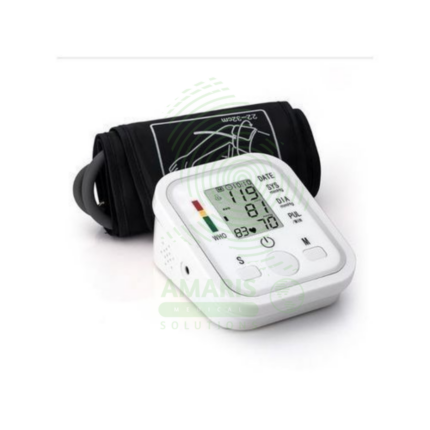
Digital Blood Pressure Monitor
A Digital Blood Pressure Monitor is an automatic electronic device that measures and displays systolic pressure, diastolic pressure, and pulse rate using the oscillometric method. Designed primarily for home and clinical use, it offers a user-friendly alternative to manual aneroid devices, requiring minimal training. Key features often include irregular heartbeat detection, multi-user memory, and connectivity for data tracking. Its accuracy, when clinically validated and used with correct technique, makes it an indispensable tool for the diagnosis and management of hypertension, empowering patients and supporting healthcare providers with reliable ambulatory data.
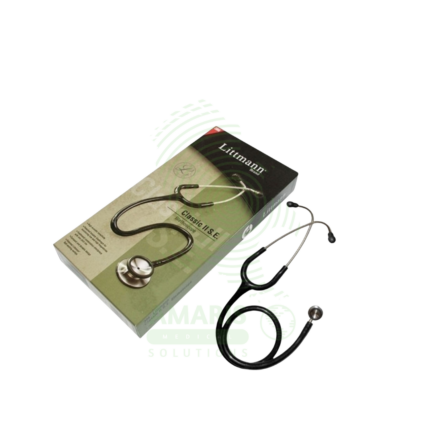
Littmann Stethoscope (Classic II)
A Littmann Stethoscope (Classic II) is a premium, acoustic dual-head stethoscope renowned for its diagnostic clarity, durability, and innovative tunable diaphragm technology. It allows healthcare professionals to hear both high and low-frequency sounds by simply adjusting pressure on the single-sided chestpiece, eliminating the need to rotate it. With its superior acoustics, comfortable fit, and wide range of colors, it is the instrument of choice for medical students, nurses, and physicians across all specialties who require reliable performance for physical assessment, auscultation of heart and lung sounds, and manual blood pressure measurement.
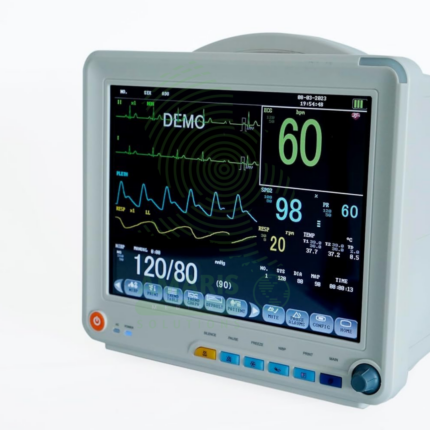
Patient Monitor
The Patient Monitor (6 Parameters BCCMS8000) is a versatile multi-parameter monitor designed for continuous surveillance of core vital signs in various clinical settings. It tracks six essential parameters—ECG, SpO2, Non-Invasive Blood Pressure (NIBP), Respiration, Temperature, and Pulse Rate—providing clinicians with real-time waveforms and numerical data on a clear color display. With its robust alarm system, battery backup for transport, and reliable performance, it is a fundamental tool for ensuring patient safety on general hospital wards, during procedures, and in emergency departments. Its design balances comprehensive monitoring capability with user-friendly operation.
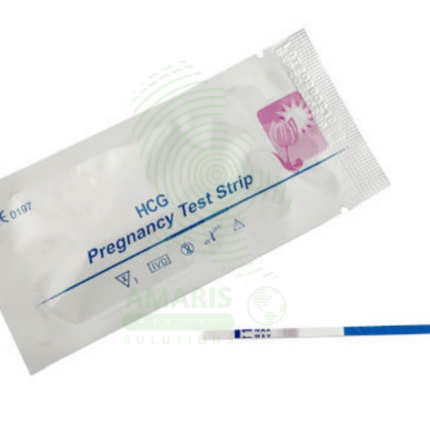
Pregnancy Test Strips
Pregnancy Test Strips are simple, dip-style lateral flow devices designed for the rapid, qualitative detection of human chorionic gonadotropin (hCG) in urine to indicate pregnancy. As the most fundamental format of home pregnancy tests, they offer high sensitivity (often from 10 mIU/mL), affordability, and a quick result within 3-5 minutes. Their ease of use makes them a widely accessible first step in pregnancy detection for personal use and clinical screening. A visible test line, even if faint, is a positive result, though confirmation with a healthcare provider is always recommended.
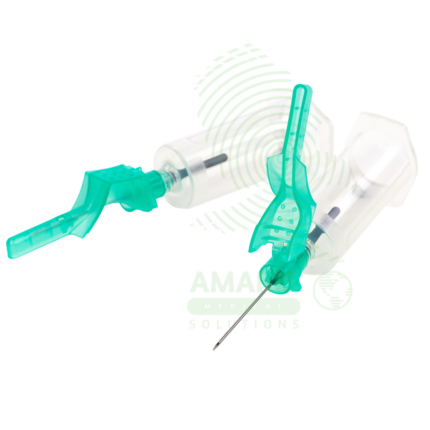
SAFE SERIES Blood Collection Needles
The SAFE SERIES (AM-SAFE) by Beijing Precil (Mindray subsidiary) is a comprehensive line of safety-engineered blood collection devices designed to prevent accidental needlestick injuries in healthcare workers. The series includes venous blood collection needles (AM-SAFE-V), standard safety needles (AM-SAFE1), winged infusion sets/butterfly needles (AM-SAFE2), high-gauge thin-wall needles for fragile veins (AM-SAFE3), premium coated needles for enhanced patient comfort (AM-GOLD), and nurse-friendly one-handed safety variants (AM-NURSE). All devices incorporate integral safety mechanisms that shield the contaminated needle immediately after withdrawal, complying with OSHA Needlestick Safety and Prevention Act requirements. Available in various gauges (18G-25G) and configurations for routine venipuncture, difficult vein access, pediatric/geriatric patients, and frequent blood draws. Sterile, single-use, latex-free, and color-coded for easy gauge identification. Essential safety devices for blood collection in hospitals, clinics, laboratories, and home healthcare settings.