Dermatoscope and Magnifiers
 Diagnostic Kits
 Vital Signs Monitors
 Stethoscopes and Accessories
 Otoscopes, Ophthalmoscopes, and Retinoscopes
 Reflex Hammers and Neurological Tools
 Scales and Measuring Devices
 Spirometers and Pulmonary Function Tests
 Electrosurgical Units and Accessories
 Cutting Instruments
 Grasping and Holding Instruments
 Hemostatic Instruments
 Specialized Surgical Sets
 Single-Use Procedure Trays and Packs
 Surgical Drapes, Gowns, and Covers
 Tissue Unifying Instruments
 Radiation Protection
 X-Ray Machines and Accessories
 Ultrasound Systems and Probes
 MRI and CT Scanners
 Radiology Consumables
 Bone Densitometers
 Fluoroscopy Equipment
 Imaging Tables and Positioning Aids
 Microscopes and Accessories
 Centrifuges and Separators
 Analyzers
 Incubators and Ovens
 Pipettes, Dispensers, and Lab Glassware
 Refrigerators, Freezers, and Storage Units
 Lab Consumables
 Sterilizers and Autoclaves for Lab Use
 Multi-Parameter Monitors
 Ventilators and Respiratory Support Devices
 Defibrillators and AEDs
 Infusion Pumps and IV Systems
 Patient Warmers and Cooling Devices
 Central Monitoring Stations
 Accessories
 Anesthesia Machines and Workstations
 Oxygen Concentrators and Delivery Systems
 Nebulizers and Inhalers
 CPAP/BiPAP Machines
 Airway Management
 Anesthesia Masks, Circuits, and Bags
 Humidifiers and Heaters
 Respiratory Therapy Accessories
 First Aid Kits and Cabinets
 Emergency Resuscitation Equipment
 Trauma Supplies
 Emergency Carts and Crash Carts
 Burn Care Products
 Bleeding Control
 Automated External Defibrillators (AEDs)
 Transport and Evacuation
 Wheelchairs and Accessories
 Walkers, Crutches, and Canes
 Prosthetics and Orthotics
 Physical Therapy Equipment
 Transfer Devices
 Bathroom Safety
 Orthopedic Traction and Tables
 Hot/Cold Therapy Packs and Units
 Beds and Mattresses
 Chairs and Stools
 Tables
 Cabinets and Storage
 Privacy Screens & Curtains
 Stands and Racks
 Linens and Textiles
 Lighting
 Autoclaves and Sterilizers
 Ultrasonic Cleaners
 Disinfectant Solutions and Wipes
 Sterilization Pouches, Wraps, and Indicators
 Instrument Trays and Containers
 UV and Ozone Disinfection Devices
 Washer Disinfectors
 Wound Care
 Gloves
 Masks and Respirators
 Catheters and Tubing
 Swabs, Applicators, and Sponges
 Incontinence Products
 Personal Protective Equipment (PPE)
 Dental Chairs and Units
 Handpieces and Burs
 Instruments
 Consumables
 Sterilization for Dental Use
 Orthodontic Supplies
 Endodontic Tools
 Slit Lamps and Tonometers
 Lensometers and Phoropters
 Ophthalmic Surgical Instruments
 Eyewear Frames and Lenses
 Contact Lens Supplies
 Vision Testing Charts and Devices
 Eye Care Consumables
 Laser Systems for Eye Care
 ENT Exam Chairs and Tables
 Endoscopes
 Audiometers and Hearing Tests
 ENT Instruments
 Nasal and Throat Packs
 Hearing Aids and Accessories
 Otology Supplies
 Fetal Dopplers and Monitors
 Delivery Beds and Tables
 Gynecological Instruments
 Neonatal Incubators and Warmers
 Breast Pumps and Accessories
 Contraceptive Devices
 Maternity Supports and Pads
 Neonatal Consumables
 Cystoscopes and Urethroscopes
 Dialysis Machines and Supplies
 Urological Catheters and Bags
 Lithotripters
 Prostate Treatment Devices
 Urinary Incontinence Products
 Kidney Stone Management Tools
 Consumables & Disposables
 EEG and EMG Machines
 Neurosurgical Instruments
 Nerve Stimulators
 Headrests and Positioning Aids
 Lumbar Puncture Kits
 Seizure Monitoring Devices
 Consumables
 Rehabilitation for Neurological Conditions
 ECG Machines and Accessories
 Holter Monitors
 Stress Test Systems
 Pacemakers and Defibrillator Accessories
 Vascular Access Devices
 Cardiac Catheters and Guidewires
 Blood Flow Meters
 Consumables
 Orthopedic Instruments
 Casts, Splints, and Padding
 Joint Replacement Supplies
 Prosthetic Limbs and Components
 Bone Grafts and Substitutes
 Traction Devices
 Orthopedic Braces and Supports
 Rehabilitation Aids for Orthopedics
 Home Oxygen Therapy
 Hospital Beds for Home Use
 Mobility Aids
 Bathroom and Daily Living Aids
 Wound Care for Home
 Monitoring Devices
 Enteral Feeding Pumps and Tubes
 Hand Sanitizers and Dispensers
 Face Shields and Goggles
 Isolation Gowns and Suits
 Biohazard Waste Containers
 Air Purifiers and HEPA Filters
 Surface Disinfectants
 Sharps Containers
 Protective Barriers
 Cardiovascular & Endurance Training
 Strength Training & Weightlifting
 Functional Training & Core Conditioning
 Physical Therapy & Rehabilitation
 Sports & Outdoor Recreation
 Gym Flooring & Facility Equipment
 Fitness Monitoring & Accessories
 Kids & Novelties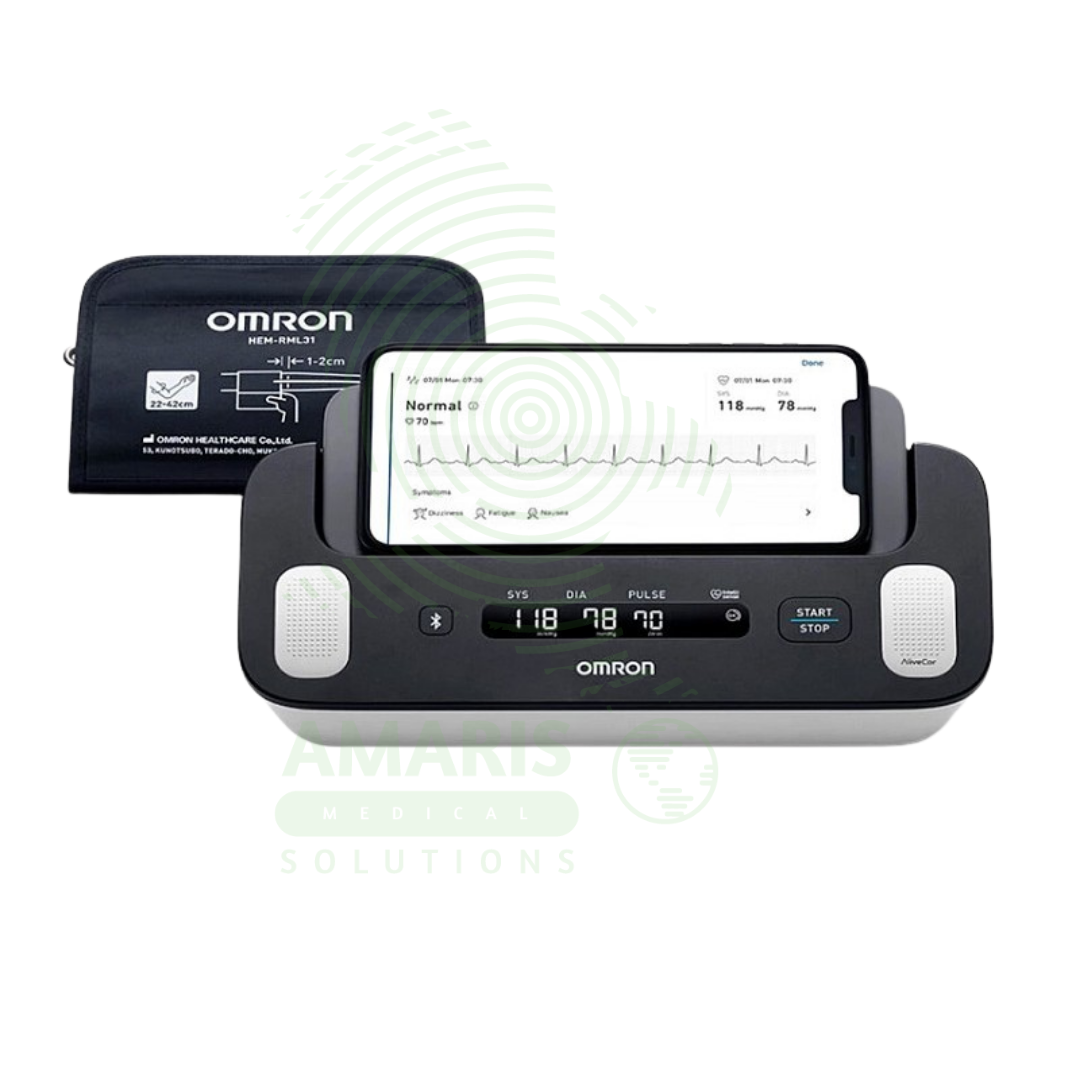
Bluetooth Blood Pressure Machine With ECG
WhatsApp Order
A Bluetooth Blood Pressure Machine With ECG is an integrated home monitoring device combining automatic oscillometric blood pressure measurement with single-lead ECG recording, featuring Bluetooth connectivity for wireless data transmission to smartphones and healthcare providers. Measures systolic (60-260 mmHg) and diastolic (40-200 mmHg) pressure with ±3 mmHg accuracy (meets AAMI/ESH/ISO standards) and records 30-60 second single-lead ECG with automated detection of atrial fibrillation, bradycardia, and tachycardia. Stores 90-200 readings with date/time stamp; transmits data via Bluetooth 4.0+ to dedicated apps for trend analysis and provider sharing. Primary clinical applications include comprehensive cardiovascular monitoring for hypertensive patients with arrhythmia risk, atrial fibrillation screening during routine BP checks, medication titration monitoring (antihypertensive and antiarrhythmic), preoperative cardiovascular assessment, post-stroke or post-MI secondary prevention, and stress/anxiety monitoring. Class II medical device requiring FDA clearance for both functions. Critical safety considerations include device not for emergency use, ECG screening not equivalent to diagnostic 12-lead, proper cuff placement (bare arm at heart level), ECG signal quality optimization, movement avoidance during measurement, arrhythmia alerts requiring medical follow-up, and regular calibration verification.
Description
Bluetooth Blood Pressure Machine With ECG
PRIMARY CLINICAL & DIAGNOSTIC USES
1. Comprehensive Cardiovascular Monitoring at Home:
-
Primary Use: Provides simultaneous measurement of blood pressure and single-lead ECG, allowing patients with hypertension, arrhythmias, or cardiovascular disease to monitor both parameters in a single device. The combination enables detection of blood pressure variations that may coincide with arrhythmic events.
-
How it helps: Gives patients and doctors a complete picture of cardiovascular health by showing how blood pressure and heart rhythm interact, revealing connections—such as stress-induced blood pressure spikes triggering palpitations—that would be missed by monitoring either parameter alone.
2. Hypertension Management with Arrhythmia Detection:
-
Primary Use: Essential for patients with hypertension who are also at risk for atrial fibrillation or other arrhythmias. The integrated ECG can detect irregular heart rhythms during routine blood pressure monitoring, potentially identifying undiagnosed arrhythmias.
-
How it helps: Transforms routine blood pressure checks into opportunistic heart health screenings, catching silent arrhythmias that might otherwise go undetected until they cause a serious event like a stroke.
3. Atrial Fibrillation Screening:
-
Primary Use: Single-lead ECG capability allows for screening of atrial fibrillation during routine blood pressure checks. This is particularly valuable for elderly patients or those with risk factors for stroke, as AF is often asymptomatic.
-
How it helps: Provides a simple, painless way to screen for a leading cause of stroke during everyday health monitoring, potentially identifying at-risk patients before they experience a devastating neurological event.
4. Preoperative Cardiovascular Assessment:
-
Primary Use: Patients awaiting surgery can use the device at home to provide comprehensive cardiovascular data to anesthesiologists and surgeons, helping identify undetected hypertension or arrhythmias that could affect perioperative management.
-
How it helps: Improves surgical safety by giving the medical team a complete picture of a patient’s cardiovascular status before they enter the operating room, allowing them to anticipate and prepare for potential complications.
5. Medication Titration Monitoring:
-
Primary Use: Patients adjusting antihypertensive or antiarrhythmic medications can track both blood pressure response and cardiac rhythm effects, providing more complete data for clinical decision-making.
-
How it helps: Enables precise medication management by showing not just whether blood pressure is controlled, but also how the heart rhythm responds to treatment, helping doctors find the right balance for each individual patient.
6. Stress and Anxiety Monitoring:
-
Primary Use: Patients with stress-induced hypertension or palpitations can document both blood pressure and heart rhythm during symptomatic episodes, helping differentiate between benign palpitations and concerning arrhythmias.
-
How it helps: Provides objective data during moments of anxiety or symptoms, taking the guesswork out of whether a racing heart is a normal stress response or a sign of something more serious requiring medical attention.
7. Post-Stroke or Post-MI Secondary Prevention:
-
Primary Use: Patients with a history of stroke or myocardial infarction require strict blood pressure control and monitoring for arrhythmias; this device combines both essential monitoring parameters in one convenient system.
-
How it helps: Offers survivors of serious cardiovascular events a powerful tool for protecting their health, ensuring they stay on track with the strict monitoring needed to prevent a second, potentially more devastating event.
SECONDARY & SUPPORTIVE USES
1. Telehealth and Remote Patient Monitoring: Bluetooth connectivity allows data transmission to healthcare providers for remote monitoring of hypertensive and cardiac patients, enabling virtual care that is both comprehensive and convenient.
2. Wellness and Fitness Tracking: Health-conscious individuals can track cardiovascular parameters as part of comprehensive wellness monitoring, supporting proactive health maintenance.
3. Research and Clinical Trials: Used in studies requiring ambulatory monitoring of both blood pressure and cardiac rhythm, contributing to medical knowledge and the development of new treatments.
4. Pharmacy and Retail Health Screenings: Devices can be used in community screening programs for hypertension and AF detection, expanding access to preventive care.
5. Occupational Health Monitoring: Employees in high-stress occupations can monitor cardiovascular health parameters, helping identify work-related health impacts early.
KEY PRODUCT FEATURES
1. BASIC IDENTIFICATION ATTRIBUTES
-
Device Type: Integrated blood pressure monitor and single-lead ECG with Bluetooth connectivity for data transmission.
-
Common Names: BP Machine with ECG, Bluetooth BP Monitor with EKG, Cardiovascular Monitor, Combo BP/ECG Device.
-
Components:
-
Main Unit: Console with display, controls, and Bluetooth module.
-
BP Cuff: Standard adult upper arm cuff with hose connection.
-
ECG Electrodes: Built-in or separate electrodes for single-lead ECG recording.
-
Bluetooth Module: For wireless data transmission to smartphones, tablets, or computers.
-
Power Source: Batteries (AA) or rechargeable lithium-ion with USB charging.
-
-
Display: Backlit LCD showing systolic, diastolic, pulse, ECG tracing, date/time, and Bluetooth status.
2. TECHNICAL & PERFORMANCE PROPERTIES
-
Blood Pressure Measurement:
-
Method: Oscillometric, automatic inflation and deflation.
-
Range: Systolic 60-260 mmHg, Diastolic 40-200 mmHg.
-
Accuracy: ±3 mmHg or ±2% of reading (meets AAMI/ESH/ISO standards).
-
Cuff Sizes: Standard adult (22-42 cm); optional large cuff available.
-
Memory: Stores 90-200 readings with date/time stamp.
-
-
ECG Measurement:
-
Leads: Single-lead (usually Lead I configuration).
-
Electrodes: Built-in thumb or finger contacts, or separate chest electrodes.
-
Recording Duration: 30-60 seconds per recording.
-
Detection Algorithms: Automated detection of atrial fibrillation, bradycardia, tachycardia.
-
ECG Display: Real-time waveform on device screen; full waveform in app.
-
-
Bluetooth Connectivity:
-
Version: Bluetooth 4.0 or higher (Low Energy).
-
Compatibility: iOS and Android devices; some models compatible with Windows/Mac.
-
Transmission Range: 5-10 meters.
-
Data Storage: Cloud storage options; integration with Apple Health, Google Fit, etc.
-
-
Irregular Heartbeat Detection: Algorithm identifies irregular rhythms during BP measurement and flags results.
3. PHYSICAL & OPERATIONAL PROPERTIES
-
Main Unit Dimensions: 4-6 inches × 3-5 inches × 1-2 inches.
-
Weight: 8-16 ounces (without batteries).
-
Cuff: Standard adult cuff with universal connector; D-ring or pre-formed design.
-
ECG Electrodes: Stainless steel or conductive polymer contacts; may require moistening for better conduction.
-
Display: 2-4 inch backlit LCD; shows all parameters simultaneously.
-
Battery Life: 2-4 weeks with daily use (AA batteries); rechargeable models vary.
-
App Compatibility: Dedicated manufacturer app for data visualization, trend analysis, and sharing with providers.
4. SAFETY & COMPLIANCE ATTRIBUTES
-
Regulatory Status: Class II medical device requiring FDA 510(k) clearance for both BP and ECG functions.
-
BP Accuracy Standards: Meets AAMI/ESH/ISO 81060-2 requirements for non-invasive blood pressure monitors.
-
ECG Standards: Meets applicable standards for personal ECG devices (not diagnostic 12-lead quality but suitable for screening).
-
Electrical Safety: Compliant with IEC 60601-1 for medical electrical equipment; Type BF applied parts.
-
Data Security: Bluetooth transmission encrypted; cloud storage HIPAA-compliant options for clinical use.
-
Interference: May be affected by strong electromagnetic fields; avoid use near MRI, diathermy, etc.
-
Cuff Safety: Automatic shut-off prevents prolonged inflation; pressure relief valve protects against overinflation.
5. STORAGE & HANDLING ATTRIBUTES
-
Storage: Store in a clean, dry environment at room temperature; avoid extreme temperatures, humidity, and direct sunlight.
-
Cuff Care: Clean cuff with damp cloth; do not immerse; allow to dry completely.
-
ECG Electrodes: Clean with alcohol wipe between users; replace if worn.
-
Battery Maintenance: Remove batteries if storing long-term; charge rechargeable models per manufacturer.
-
App Updates: Keep mobile apps updated for security and feature improvements.
-
Calibration: Annual calibration check recommended; return to manufacturer if accuracy concerns.
-
Inspection: Check cuff for wear, hose for cracks, and unit for damage before each use.
6. LABORATORY & CLINICAL APPLICATIONS
-
Primary Application: Home monitoring of hypertensive patients with arrhythmia risk, providing comprehensive cardiovascular data including blood pressure trends and ECG rhythm strips transmitted via Bluetooth to healthcare providers.
-
Limitation: ECG is single-lead and not equivalent to 12-lead diagnostic ECG; not intended for diagnosis of complex arrhythmias or acute cardiac events.
SAFETY HANDLING PRECAUTIONS
1. SAFETY PRECAUTIONS
-
Not for Emergency Use: Device is not for use in emergency situations; call emergency services for chest pain, severe symptoms, or suspected heart attack.
-
ECG Interpretation: Automated ECG analysis is screening only; confirmatory 12-lead ECG required for diagnosis.
-
Cuff Placement: Apply cuff to bare upper arm at heart level; clothing interferes with accuracy.
-
ECG Signal Quality: Dry or poorly positioned electrodes may cause artifact or failed readings; moisten electrodes if needed.
-
Movement During Measurement: Remain still and quiet during BP and ECG recording; movement causes artifact.
-
Arrhythmia Alerts: If device alerts to possible arrhythmia, seek medical evaluation for definitive diagnosis.
-
Bluetooth Security: Ensure app permissions and data sharing settings are configured appropriately for privacy.
-
Regular Calibration: Verify accuracy against clinic measurements periodically; bring devices to appointments for comparison.
-
Battery Check: Ensure adequate battery before use; low battery may affect Bluetooth transmission or measurement accuracy.
2. FIRST AID MEASURES
-
Chest Pain or Severe Symptoms: Do not rely on the device; call emergency services immediately.
-
ECG Alert for Possible AF: Schedule appointment with primary care for confirmatory 12-lead ECG.
-
Consistently High Readings: Contact healthcare provider for medication adjustment.
-
Device Malfunction: Document issue; contact manufacturer for support; have backup monitoring method.
3. FIRE FIGHTING MEASURES
-
Flammability: Plastic components and batteries are combustible.
-
Extinguishing Media: For electrical fire, use CO₂ or dry chemical (Class C) extinguisher.
-
Battery Fire: Damaged lithium battery may ignite; use Class D extinguisher or sand.
Related products
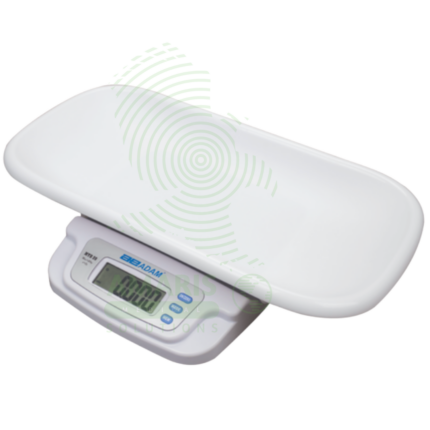
Digital Baby Weighing Scale
A Digital Baby Weighing Scale is a high-precision medical device designed exclusively for the safe and accurate measurement of infant and toddler weight. Featuring a stable, hygienic platform with gram-level precision, it is indispensable in hospitals (especially NICUs), pediatric clinics, and community health settings. Its core functions—such as hold, tare, and zeroing—ensure reliable readings even with a moving child. Accurate weight data is foundational for assessing growth, calculating medication doses, managing nutrition, and detecting early signs of health issues, making this scale a critical tool for safeguarding infant health and development.
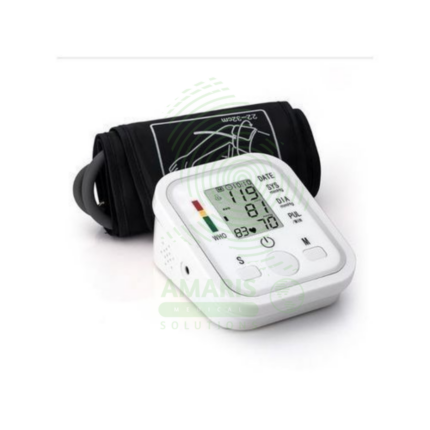
Digital Blood Pressure Monitor
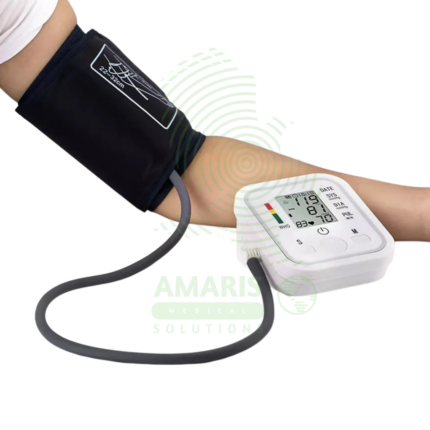
A Digital Blood Pressure Monitor is an automatic electronic device that measures and displays systolic pressure, diastolic pressure, and pulse rate using the oscillometric method. Designed primarily for home and clinical use, it offers a user-friendly alternative to manual aneroid devices, requiring minimal training. Key features often include irregular heartbeat detection, multi-user memory, and connectivity for data tracking. Its accuracy, when clinically validated and used with correct technique, makes it an indispensable tool for the diagnosis and management of hypertension, empowering patients and supporting healthcare providers with reliable ambulatory data.
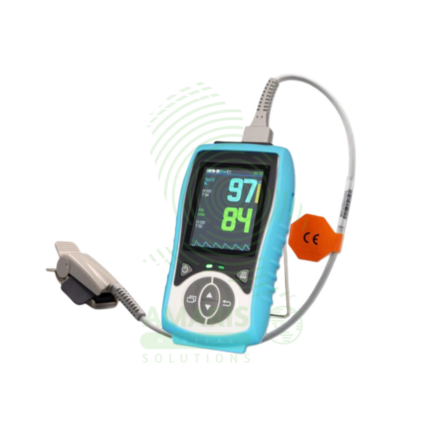
Handheld Pulse Oximeter
A Handheld Pulse Oximeter is a professional-grade, portable medical device used by healthcare providers for accurate and reliable monitoring of blood oxygen saturation (SpO2) and pulse rate. It consists of a durable, feature-rich monitor unit and separate, interchangeable sensors for use on fingers, toes, or ears. Superior to basic fingertip models, it offers advanced functions like configurable alarms, detailed plethysmograph display, trend memory, and data connectivity. Its robust design, clinical accuracy under challenging conditions (motion, low perfusion), and versatility make it an essential tool in hospitals, clinics, ambulances, and home health for patient assessment and monitoring.
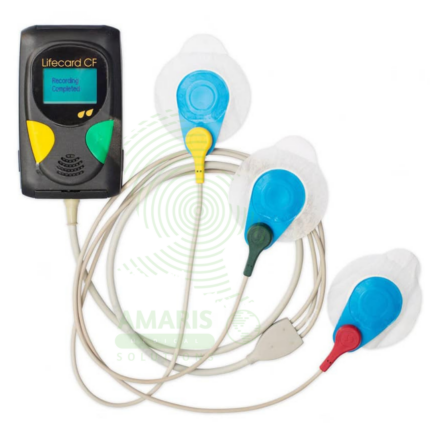
Holter ECG Monitor
A Holter ECG Monitor is a portable, wearable medical device used for continuous, long-term recording of a patient's heart's electrical activity over 24 to 48 hours or more. It is the cornerstone diagnostic tool for detecting intermittent cardiac arrhythmias, evaluating unexplained symptoms like syncope or palpitations, and monitoring the efficacy of antiarrhythmic treatments or implanted cardiac device function. Consisting of a small digital recorder connected to chest electrodes (or an all-in-one adhesive patch), it allows patients to maintain their normal daily routine while capturing a comprehensive electrocardiographic record.

Littman Stethoscope (Classic 4 Cardiology)
A Littman Stethoscope (Classic 4 Cardiology) represents the pinnacle of acoustic auscultation technology. Designed for clinicians who require the highest level of diagnostic accuracy, it features dual tunable diaphragms and dual-lumen tubing to provide exceptional acoustic sensitivity and ambient noise reduction. Its innovative design allows the user to hear both high and low-frequency sounds by simply adjusting pressure on either side of the chestpiece, making it the instrument of choice for cardiologists, intensivists, and specialists who cannot afford to miss a subtle murmur, rub, or breath sound. It combines superior performance with the durability and comfort expected from the Littmann brand.
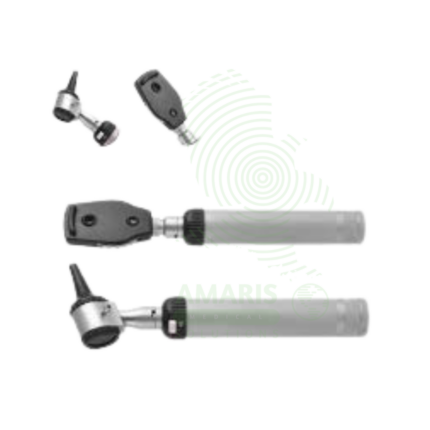
Ophthalmoscope
An Ophthalmoscope is a handheld diagnostic instrument used to examine the interior of the eye, specifically the fundus (retina, optic disc, blood vessels, and macula). By providing illuminated magnification, it serves as a vital screening tool for detecting ocular diseases like glaucoma and retinal disorders, and more importantly, for identifying signs of systemic conditions such as diabetes, hypertension, and increased intracranial pressure. Its operation involves selecting appropriate apertures and compensating lenses to obtain a clear view. While offering a detailed but narrow field of vision, mastery of the direct ophthalmoscope remains a cornerstone skill in general medicine, neurology, and ophthalmology for assessing vascular and neurological health.
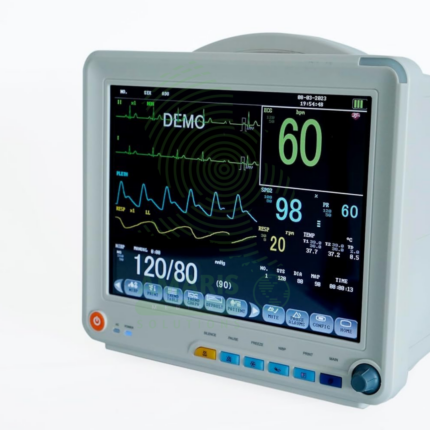
Patient Monitor
The Patient Monitor (6 Parameters BCCMS8000) is a versatile multi-parameter monitor designed for continuous surveillance of core vital signs in various clinical settings. It tracks six essential parameters—ECG, SpO2, Non-Invasive Blood Pressure (NIBP), Respiration, Temperature, and Pulse Rate—providing clinicians with real-time waveforms and numerical data on a clear color display. With its robust alarm system, battery backup for transport, and reliable performance, it is a fundamental tool for ensuring patient safety on general hospital wards, during procedures, and in emergency departments. Its design balances comprehensive monitoring capability with user-friendly operation.