Dermatoscope and Magnifiers
 Diagnostic Kits
 Vital Signs Monitors
 Stethoscopes and Accessories
 Otoscopes, Ophthalmoscopes, and Retinoscopes
 Reflex Hammers and Neurological Tools
 Scales and Measuring Devices
 Spirometers and Pulmonary Function Tests
 Electrosurgical Units and Accessories
 Cutting Instruments
 Grasping and Holding Instruments
 Hemostatic Instruments
 Specialized Surgical Sets
 Single-Use Procedure Trays and Packs
 Surgical Drapes, Gowns, and Covers
 Tissue Unifying Instruments
 Radiation Protection
 X-Ray Machines and Accessories
 Ultrasound Systems and Probes
 MRI and CT Scanners
 Radiology Consumables
 Bone Densitometers
 Fluoroscopy Equipment
 Imaging Tables and Positioning Aids
 Microscopes and Accessories
 Centrifuges and Separators
 Analyzers
 Incubators and Ovens
 Pipettes, Dispensers, and Lab Glassware
 Refrigerators, Freezers, and Storage Units
 Lab Consumables
 Sterilizers and Autoclaves for Lab Use
 Multi-Parameter Monitors
 Ventilators and Respiratory Support Devices
 Defibrillators and AEDs
 Infusion Pumps and IV Systems
 Patient Warmers and Cooling Devices
 Central Monitoring Stations
 Accessories
 Anesthesia Machines and Workstations
 Oxygen Concentrators and Delivery Systems
 Nebulizers and Inhalers
 CPAP/BiPAP Machines
 Airway Management
 Anesthesia Masks, Circuits, and Bags
 Humidifiers and Heaters
 Respiratory Therapy Accessories
 First Aid Kits and Cabinets
 Emergency Resuscitation Equipment
 Trauma Supplies
 Emergency Carts and Crash Carts
 Burn Care Products
 Bleeding Control
 Automated External Defibrillators (AEDs)
 Transport and Evacuation
 Wheelchairs and Accessories
 Walkers, Crutches, and Canes
 Prosthetics and Orthotics
 Physical Therapy Equipment
 Transfer Devices
 Bathroom Safety
 Orthopedic Traction and Tables
 Hot/Cold Therapy Packs and Units
 Beds and Mattresses
 Chairs and Stools
 Tables
 Cabinets and Storage
 Privacy Screens & Curtains
 Stands and Racks
 Linens and Textiles
 Lighting
 Autoclaves and Sterilizers
 Ultrasonic Cleaners
 Disinfectant Solutions and Wipes
 Sterilization Pouches, Wraps, and Indicators
 Instrument Trays and Containers
 UV and Ozone Disinfection Devices
 Washer Disinfectors
 Wound Care
 Gloves
 Masks and Respirators
 Catheters and Tubing
 Swabs, Applicators, and Sponges
 Incontinence Products
 Personal Protective Equipment (PPE)
 Dental Chairs and Units
 Handpieces and Burs
 Instruments
 Consumables
 Sterilization for Dental Use
 Orthodontic Supplies
 Endodontic Tools
 Slit Lamps and Tonometers
 Lensometers and Phoropters
 Ophthalmic Surgical Instruments
 Eyewear Frames and Lenses
 Contact Lens Supplies
 Vision Testing Charts and Devices
 Eye Care Consumables
 Laser Systems for Eye Care
 ENT Exam Chairs and Tables
 Endoscopes
 Audiometers and Hearing Tests
 ENT Instruments
 Nasal and Throat Packs
 Hearing Aids and Accessories
 Otology Supplies
 Fetal Dopplers and Monitors
 Delivery Beds and Tables
 Gynecological Instruments
 Neonatal Incubators and Warmers
 Breast Pumps and Accessories
 Contraceptive Devices
 Maternity Supports and Pads
 Neonatal Consumables
 Cystoscopes and Urethroscopes
 Dialysis Machines and Supplies
 Urological Catheters and Bags
 Lithotripters
 Prostate Treatment Devices
 Urinary Incontinence Products
 Kidney Stone Management Tools
 Consumables & Disposables
 EEG and EMG Machines
 Neurosurgical Instruments
 Nerve Stimulators
 Headrests and Positioning Aids
 Lumbar Puncture Kits
 Seizure Monitoring Devices
 Consumables
 Rehabilitation for Neurological Conditions
 ECG Machines and Accessories
 Holter Monitors
 Stress Test Systems
 Pacemakers and Defibrillator Accessories
 Vascular Access Devices
 Cardiac Catheters and Guidewires
 Blood Flow Meters
 Consumables
 Orthopedic Instruments
 Casts, Splints, and Padding
 Joint Replacement Supplies
 Prosthetic Limbs and Components
 Bone Grafts and Substitutes
 Traction Devices
 Orthopedic Braces and Supports
 Rehabilitation Aids for Orthopedics
 Home Oxygen Therapy
 Hospital Beds for Home Use
 Mobility Aids
 Bathroom and Daily Living Aids
 Wound Care for Home
 Monitoring Devices
 Enteral Feeding Pumps and Tubes
 Hand Sanitizers and Dispensers
 Face Shields and Goggles
 Isolation Gowns and Suits
 Biohazard Waste Containers
 Air Purifiers and HEPA Filters
 Surface Disinfectants
 Sharps Containers
 Protective Barriers
 Cardiovascular & Endurance Training
 Strength Training & Weightlifting
 Functional Training & Core Conditioning
 Physical Therapy & Rehabilitation
 Sports & Outdoor Recreation
 Gym Flooring & Facility Equipment
 Fitness Monitoring & Accessories
 Kids & Novelties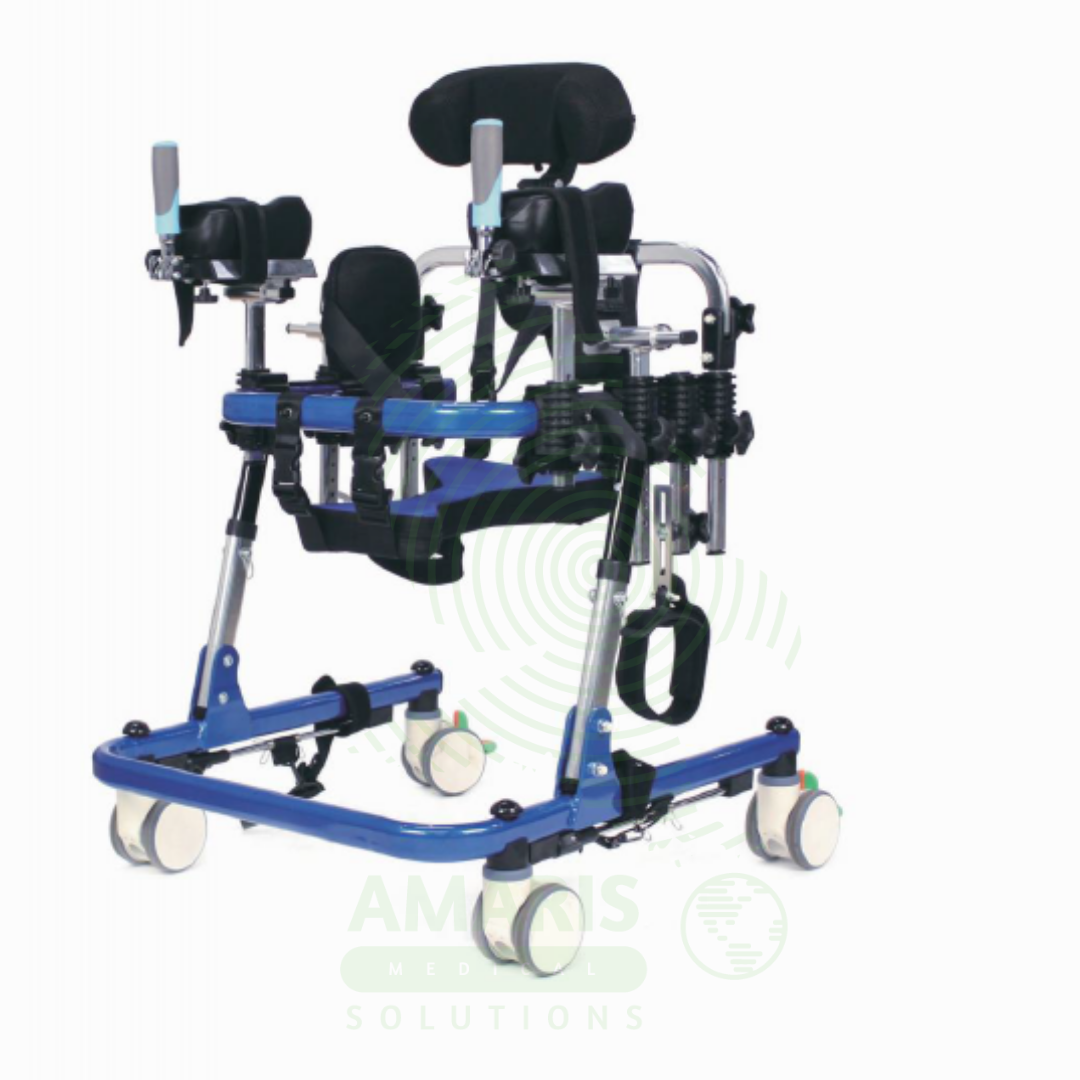
Cerebral Palsy Walker
WhatsApp Order
A Cerebral Palsy Walker (or Gait Trainer) is a supportive wheeled frame specifically designed to facilitate walking and standing for children with CP. It provides adjustable postural support through a harness, trunk pad, and pelvic guide, enabling safe practice of gait patterns, weight-bearing, and upright mobility. Its primary role is therapeutic, aiming to develop ambulation skills, improve postural control, and promote independence. Correct professional setup and supervision are essential for safety and to ensure it reinforces proper movement rather than abnormal patterns.
Description
Cerebral Palsy Walker
PRIMARY CLINICAL & DIAGNOSTIC USES
1. Gait Training and Ambulation Facilitation
-
Primary Use: Provides anterior, posterior, or upright support to enable and practice walking for children with Cerebral Palsy who have the potential for ambulation but lack the balance, coordination, or strength to walk independently, serving as a dynamic training tool to develop gait patterns.
-
How it helps: For the physical therapist and pediatric rehabilitation specialist, the cerebral palsy walker transforms the complex task of walking into a learnable, achievable skill—providing just enough support to compensate for the child’s specific deficits while allowing them to experience the sensation and mechanics of upright, reciprocal movement. For the child with CP, this walker represents the possibility of walking—of moving through space under their own power, of keeping up with siblings, of experiencing the world from an upright perspective that their peers take for granted.
2. Weight-Bearing and Lower Extremity Strengthening
-
Primary Use: Encourages and safely supports standing and weight-bearing through the legs, which is crucial for bone density development, hip joint integrity, and strengthening anti-gravity muscles in children who might otherwise be non-weight-bearing.
-
How it helps: For the orthopedic team monitoring children with CP, the walker provides consistent, supported weight-bearing that protects against the secondary complications of immobility—osteoporosis, hip subluxation, and joint contractures that lead to pain and loss of function. For the child, standing and walking in their walker means their bones grow stronger, their hips stay healthy, and their muscles develop the strength needed for all future mobility, whether that remains with the walker or progresses to other devices.
3. Postural Alignment and Trunk Control Development
-
Primary Use: Designed with pelvic and trunk supports to help maintain an upright, aligned posture while walking, providing the stability needed for the child to focus on reciprocal leg movement and improving overall postural control.
-
How it helps: For the occupational therapist and physiotherapist addressing postural control, the walker’s supports create a stable foundation from which the child can organize movement—holding the trunk and pelvis in optimal alignment so the legs can learn their job without fighting gravity and poor position. For the child with CP, proper postural support means walking is not a constant battle against collapse; it becomes a skill they can practice, improve, and eventually perform with greater ease and efficiency.
4. Mobility Independence within Structured Environments
-
Primary Use: Provides a means of self-directed, upright mobility for children who are “household” or “therapy” ambulators, allowing them to move around classrooms, homes, or therapy gyms, promoting exploration, independence, and participation in activities with peers.
-
How it helps: For the special education teacher and classroom aide, a child who can walk independently in their walker requires less hands-on assistance, freeing staff to support other students while the child experiences the dignity of self-directed movement. For the child, being able to walk to the art table, join a circle time activity, or follow a friend to a new play area without waiting for adult assistance provides a sense of autonomy and belonging that shapes their developing self-concept.
SECONDARY & SUPPORTIVE USES
1. Management of Abnormal Tone and Reflex Patterns: The act of supported, reciprocal walking can help inhibit primitive reflexes and dampen spasticity by promoting normalized movement patterns and weight shifts. For the child whose spasticity interferes with function, the walker provides the consistent sensory input and movement experience that helps the nervous system organize itself toward more typical patterns.
2. Cardiovascular and Respiratory Endurance Training: Allows for sustained upright activity, improving cardiovascular fitness and respiratory capacity, which are often compromised in children with CP due to low activity levels. For the child who cannot run and play like their peers, time in the walker provides aerobic exercise that supports heart and lung health.
3. Preparation for Possible Transition to Less Supportive Devices: Serves as a critical step in a progression of mobility aids for children whose ambulation potential is still being determined. For the child who may one day walk with crutches or a cane, the walker builds the strength, coordination, and confidence that makes that progression possible.
4. Social and Psychological Benefits of Upright Mobility: Being upright at eye level with peers and family has immense psychosocial benefits, boosting self-esteem, social interaction, and cognitive engagement with the environment. For the child who spends much of their time seated or supine, standing and walking in their walker transforms how they interact with the world and how the world interacts with them.
5. Therapeutic Play and Motivation: Walkers can be integrated into play-based therapy, making gait training more engaging and functional for the child. For the therapist, a child motivated by the desire to reach for a toy or follow a friend will work harder and practice longer than one simply walking for exercise.
6. Parent/Caregiver-Assisted Mobility: Allows parents to safely support their child in walking during family activities, reducing physical strain on the caregiver compared to full manual support. For the family wanting to take a walk together or navigate a community setting, a walker that parent and child can manage together makes inclusion possible.
KEY PRODUCT FEATURES
1. BASIC IDENTIFICATION ATTRIBUTES
-
Product Type: A supportive walking frame, often called a "gait trainer" in therapeutic contexts, specifically designed to address the postural and movement challenges of Cerebral Palsy.
-
Core Design: A wheeled base (typically four wheels) with a supportive frame that surrounds the user. It includes a harness or seat and multiple adjustable supports to control posture and movement.
-
Key Components:
-
Support Harness/Seat: A padded pelvic harness or a saddle-style seat that supports a portion of the child's body weight and prevents falls.
-
Trunk Support: Often includes a chest panel or pad, and sometimes lateral trunk supports to maintain upright alignment.
-
Forearm Platforms or Hand Grips: Provide a place for the child to bear weight through their arms. Platforms allow for weight-bearing on pronated forearms, which can help with shoulder stability and head control.
-
Pelvic Guide/Positioner: A padded component that helps position the pelvis in neutral and can provide mild abduction to control scissoring.
-
Knee Guides/Separators: Padded pads to maintain knee alignment and prevent internal rotation or knocking.
-
Adjustable Base: The wheelbase can often be widened or narrowed. Wheels may have adjustable resistance or locks to control speed and promote a heel-toe gait pattern.
-
2. TECHNICAL & PERFORMANCE PROPERTIES
-
Weight Support: Can be adjusted to support anywhere from a small percentage to nearly all of the child's body weight.
-
Directional Control: Wheels may be swivel or fixed. Brakes and directional locks allow the therapist to control mobility (e.g., forward-only to encourage progression).
-
Growth Adjustability: All components (height, depth, width) are highly adjustable to accommodate growth and changes in tone.
-
Stability: The base is wider than a standard walker for greater lateral stability, crucial for children with poor balance.
3. PHYSICAL & OPERATIONAL PROPERTIES
-
Construction: Durable steel or aluminum frame with medical-grade pads and harnesses.
-
Mobility: Rolls smoothly on indoor surfaces. Some models are suitable for limited outdoor use on smooth surfaces.
-
Setup Complexity: Requires significant time and expertise to adjust correctly for each individual child.
4. SAFETY & COMPLIANCE ATTRIBUTES
-
Regulatory Status: Class I medical device.
-
Safety Features: Includes a secure harness, tip-resistant design, and often a seat that can act as a "safety net" to prevent a full fall.
5. STORAGE & HANDLING ATTRIBUTES
-
Storage: Requires floor space. Some models may fold partially.
-
Cleaning & Disinfection: Pads and harnesses should be wiped down regularly. Fabric components may be removable and washable.
-
Maintenance: Check wheels for free movement, inspect harnesses and straps for wear, and ensure all locking knobs function properly.
6. LABORATORY & CLINICAL APPLICATIONS
-
Primary Application: A fundamental piece of therapeutic equipment in pediatric physical therapy, especially in schools, early intervention programs, and rehabilitation centers. It is used as part of a comprehensive plan to develop or improve ambulation skills in children with neuromotor disorders.
SAFETY HANDLING PRECAUTIONS
1. SAFETY PRECAUTIONS
-
Professional Setup and Supervision (CRITICAL): Initial setup and major adjustments must be done by a qualified physical or occupational therapist. Use should be supervised, especially initially.
-
Proper Fit: The child must be fitted correctly. Incorrect alignment can reinforce abnormal movement patterns or cause discomfort.
-
Environment: Use only on level, unobstructed floors. Avoid stairs, uneven ground, and wet surfaces.
-
Harness Security: Always ensure the harness is snug and securely fastened before allowing the child to bear weight.
-
Monitor for Fatigue: Children can fatigue quickly. Sessions should be appropriately timed, and signs of excessive effort or poor form should signal a rest period.
2. FIRST AID MEASURES
-
Fall Within the Walker: If the child slumps or falls into the harness/seat, carefully lower them to a sitting or lying position. Check for any impact against the frame and comfort them.
-
Tip-Over: While designed to be stable, if tipped, ensure the child is not pinned. Carefully right the walker and assess for injury.
3. FIRE FIGHTING MEASURES
-
Flammability: Padded components and plastics are combustible.
-
Extinguishing Media: Use water, foam, or CO₂.
Related products
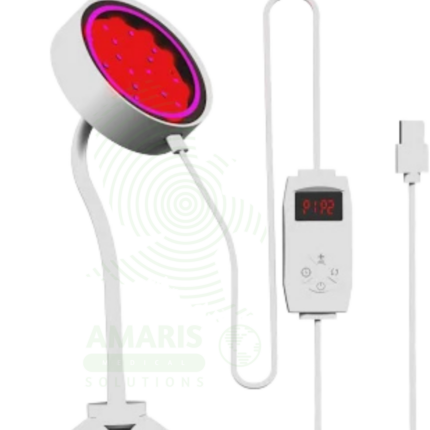
Desktop Infrared Therapy Lamp
A Desktop Infrared Therapy Lamp is a compact, focused heat therapy device that emits infrared radiation to deliver deep, penetrating warmth to targeted areas of the body. Used primarily for pain relief, muscle relaxation, and promoting healing in soft tissue and joint conditions, it is a common tool in physical therapy, chiropractic, and wellness practices. Its adjustable design allows precise positioning over areas like the neck, shoulder, or knee. Treatment involves non-invasive, radiant heat that increases local circulation. Critical safety practices include adhering to treatment time and distance guidelines, avoiding use over contraindicated areas, and never looking directly at the bulb.
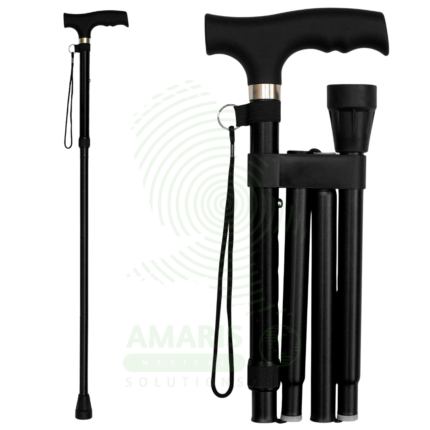
Foldable Walking Stick
A Foldable Walking Stick combines a stabilizing four-point base with a multi-section shaft that folds for compact storage and portability. It is designed for individuals who need reliable stability for moderate balance or weight-bearing issues but also require a discreet, transportable aid for use in the community. Key safety features include secure segment locking mechanisms and a quad base that must be placed flat. It is ideal for travel, occasional use, and active seniors, but requires diligent checking of all locks before each use to prevent collapse.
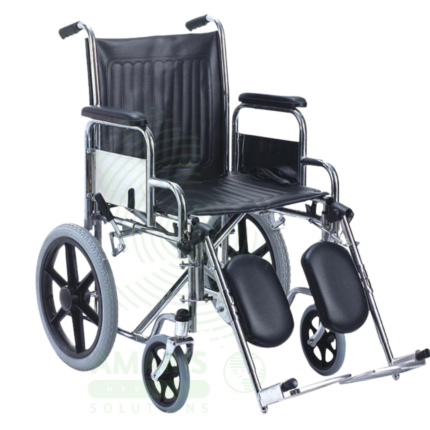
Orthopedic Wheelchair
An Orthopedic Wheelchair is a specialized manual wheelchair with an extended frame and elevating leg rests, designed to support patients who must keep one or both lower limbs in a straight, non-weight-bearing position. It is primarily used for managing lower limb fractures, post-operative recovery (e.g., hip replacements), and conditions requiring heel-off-loading to prevent pressure sores. Its key safety consideration is a heightened risk of tipping backwards due to the forward weight of the extended leg, requiring cautious use, engagement of anti-tip levers, and awareness of its increased length during navigation.
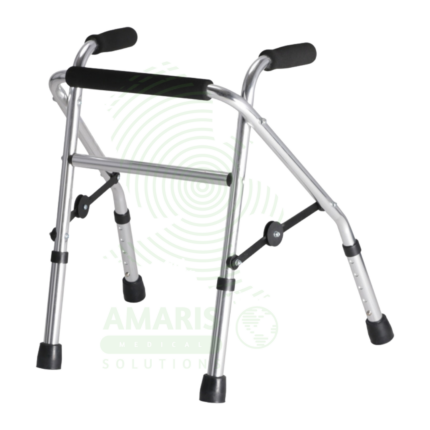
Pediatric Walking Frame
A Pediatric Walking Frame (Gait Trainer) is a supportive wheeled frame specifically designed to facilitate walking and standing for children with physical disabilities such as cerebral palsy. It provides adjustable postural support through a harness, trunk pad, and pelvic guide, enabling safe practice of gait patterns, weight-bearing, and upright mobility. Its primary role is therapeutic, aiming to develop ambulation skills, improve postural control, and promote independence and participation. Correct professional setup and supervision are essential for safety and to ensure it reinforces proper movement rather than abnormal patterns.
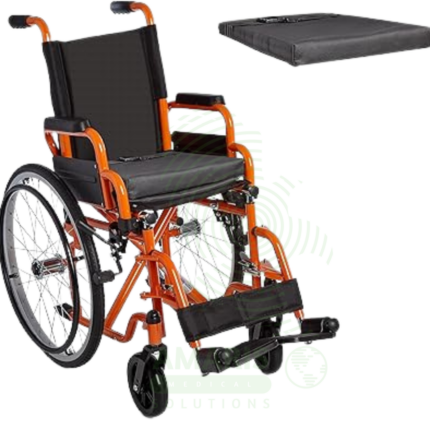
Pediatric Wheelchair
A Pediatric Wheelchair is a specially sized and designed mobility device for children with long-term physical disabilities. Its core functions are to provide independent or assisted mobility, deliver critical postural support to promote proper skeletal development and prevent deformities, and serve as a platform for inclusion in home, school, and community life. Unlike adult chairs, it features extensive adjustability to accommodate growth and modular seating systems tailored to each child's specific postural and medical needs. Prescription and fitting by a rehabilitation team are essential for safe and effective use.
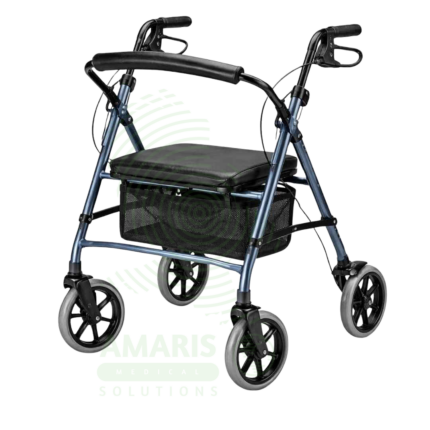
Rollator Walking Aid
A Rollator Walking Aid is a wheeled walking aid with hand brakes, a seat, and a storage basket, designed to provide stability, rest, and carrying capacity for individuals with balance or endurance issues. It allows for continuous, rolling support during walking, making it ideal for both indoor and community mobility. Key safety features include height-adjustable handles, reliable hand brakes for speed control, and a locking function to secure the device when using the seat. It is a fundamental tool for promoting safe, independent ambulation and social participation among the elderly and those with mobility impairments.
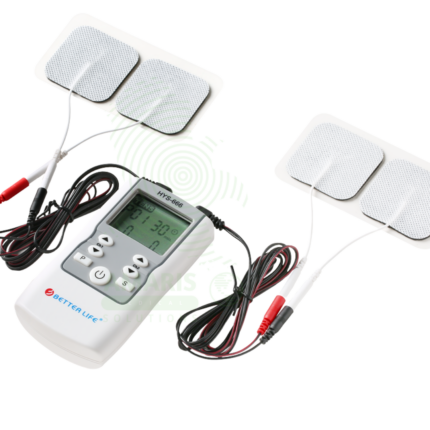
TENS Machine
A TENS Machine is an electronic device used for non-invasive pain management, capable of independently controlling up to four pairs of electrodes (eight total) to treat multiple or complex pain areas simultaneously. By delivering adjustable, low-voltage electrical pulses through the skin, it modulates pain signals via the Gate Control mechanism and may stimulate the body's natural painkillers. Its key adjustable parameters—pulse rate, width, and amplitude—allow for personalized therapy for conditions ranging from arthritis to post-surgical pain. Safe operation requires strict adherence to electrode placement guidelines and contraindications, making it a versatile tool for clinical and prescribed home use.