Dermatoscope and Magnifiers
 Diagnostic Kits
 Vital Signs Monitors
 Stethoscopes and Accessories
 Otoscopes, Ophthalmoscopes, and Retinoscopes
 Reflex Hammers and Neurological Tools
 Scales and Measuring Devices
 Spirometers and Pulmonary Function Tests
 Electrosurgical Units and Accessories
 Cutting Instruments
 Grasping and Holding Instruments
 Hemostatic Instruments
 Specialized Surgical Sets
 Single-Use Procedure Trays and Packs
 Surgical Drapes, Gowns, and Covers
 Tissue Unifying Instruments
 Radiation Protection
 X-Ray Machines and Accessories
 Ultrasound Systems and Probes
 MRI and CT Scanners
 Radiology Consumables
 Bone Densitometers
 Fluoroscopy Equipment
 Imaging Tables and Positioning Aids
 Microscopes and Accessories
 Centrifuges and Separators
 Analyzers
 Incubators and Ovens
 Pipettes, Dispensers, and Lab Glassware
 Refrigerators, Freezers, and Storage Units
 Lab Consumables
 Sterilizers and Autoclaves for Lab Use
 Multi-Parameter Monitors
 Ventilators and Respiratory Support Devices
 Defibrillators and AEDs
 Infusion Pumps and IV Systems
 Patient Warmers and Cooling Devices
 Central Monitoring Stations
 Accessories
 Anesthesia Machines and Workstations
 Oxygen Concentrators and Delivery Systems
 Nebulizers and Inhalers
 CPAP/BiPAP Machines
 Airway Management
 Anesthesia Masks, Circuits, and Bags
 Humidifiers and Heaters
 Respiratory Therapy Accessories
 First Aid Kits and Cabinets
 Emergency Resuscitation Equipment
 Trauma Supplies
 Emergency Carts and Crash Carts
 Burn Care Products
 Bleeding Control
 Automated External Defibrillators (AEDs)
 Transport and Evacuation
 Wheelchairs and Accessories
 Walkers, Crutches, and Canes
 Prosthetics and Orthotics
 Physical Therapy Equipment
 Transfer Devices
 Bathroom Safety
 Orthopedic Traction and Tables
 Hot/Cold Therapy Packs and Units
 Beds and Mattresses
 Chairs and Stools
 Tables
 Cabinets and Storage
 Privacy Screens & Curtains
 Stands and Racks
 Linens and Textiles
 Lighting
 Autoclaves and Sterilizers
 Ultrasonic Cleaners
 Disinfectant Solutions and Wipes
 Sterilization Pouches, Wraps, and Indicators
 Instrument Trays and Containers
 UV and Ozone Disinfection Devices
 Washer Disinfectors
 Wound Care
 Gloves
 Masks and Respirators
 Catheters and Tubing
 Swabs, Applicators, and Sponges
 Incontinence Products
 Personal Protective Equipment (PPE)
 Dental Chairs and Units
 Handpieces and Burs
 Instruments
 Consumables
 Sterilization for Dental Use
 Orthodontic Supplies
 Endodontic Tools
 Slit Lamps and Tonometers
 Lensometers and Phoropters
 Ophthalmic Surgical Instruments
 Eyewear Frames and Lenses
 Contact Lens Supplies
 Vision Testing Charts and Devices
 Eye Care Consumables
 Laser Systems for Eye Care
 ENT Exam Chairs and Tables
 Endoscopes
 Audiometers and Hearing Tests
 ENT Instruments
 Nasal and Throat Packs
 Hearing Aids and Accessories
 Otology Supplies
 Fetal Dopplers and Monitors
 Delivery Beds and Tables
 Gynecological Instruments
 Neonatal Incubators and Warmers
 Breast Pumps and Accessories
 Contraceptive Devices
 Maternity Supports and Pads
 Neonatal Consumables
 Cystoscopes and Urethroscopes
 Dialysis Machines and Supplies
 Urological Catheters and Bags
 Lithotripters
 Prostate Treatment Devices
 Urinary Incontinence Products
 Kidney Stone Management Tools
 Consumables & Disposables
 EEG and EMG Machines
 Neurosurgical Instruments
 Nerve Stimulators
 Headrests and Positioning Aids
 Lumbar Puncture Kits
 Seizure Monitoring Devices
 Consumables
 Rehabilitation for Neurological Conditions
 ECG Machines and Accessories
 Holter Monitors
 Stress Test Systems
 Pacemakers and Defibrillator Accessories
 Vascular Access Devices
 Cardiac Catheters and Guidewires
 Blood Flow Meters
 Consumables
 Orthopedic Instruments
 Casts, Splints, and Padding
 Joint Replacement Supplies
 Prosthetic Limbs and Components
 Bone Grafts and Substitutes
 Traction Devices
 Orthopedic Braces and Supports
 Rehabilitation Aids for Orthopedics
 Home Oxygen Therapy
 Hospital Beds for Home Use
 Mobility Aids
 Bathroom and Daily Living Aids
 Wound Care for Home
 Monitoring Devices
 Enteral Feeding Pumps and Tubes
 Hand Sanitizers and Dispensers
 Face Shields and Goggles
 Isolation Gowns and Suits
 Biohazard Waste Containers
 Air Purifiers and HEPA Filters
 Surface Disinfectants
 Sharps Containers
 Protective Barriers
 Cardiovascular & Endurance Training
 Strength Training & Weightlifting
 Functional Training & Core Conditioning
 Physical Therapy & Rehabilitation
 Sports & Outdoor Recreation
 Gym Flooring & Facility Equipment
 Fitness Monitoring & Accessories
 Kids & Novelties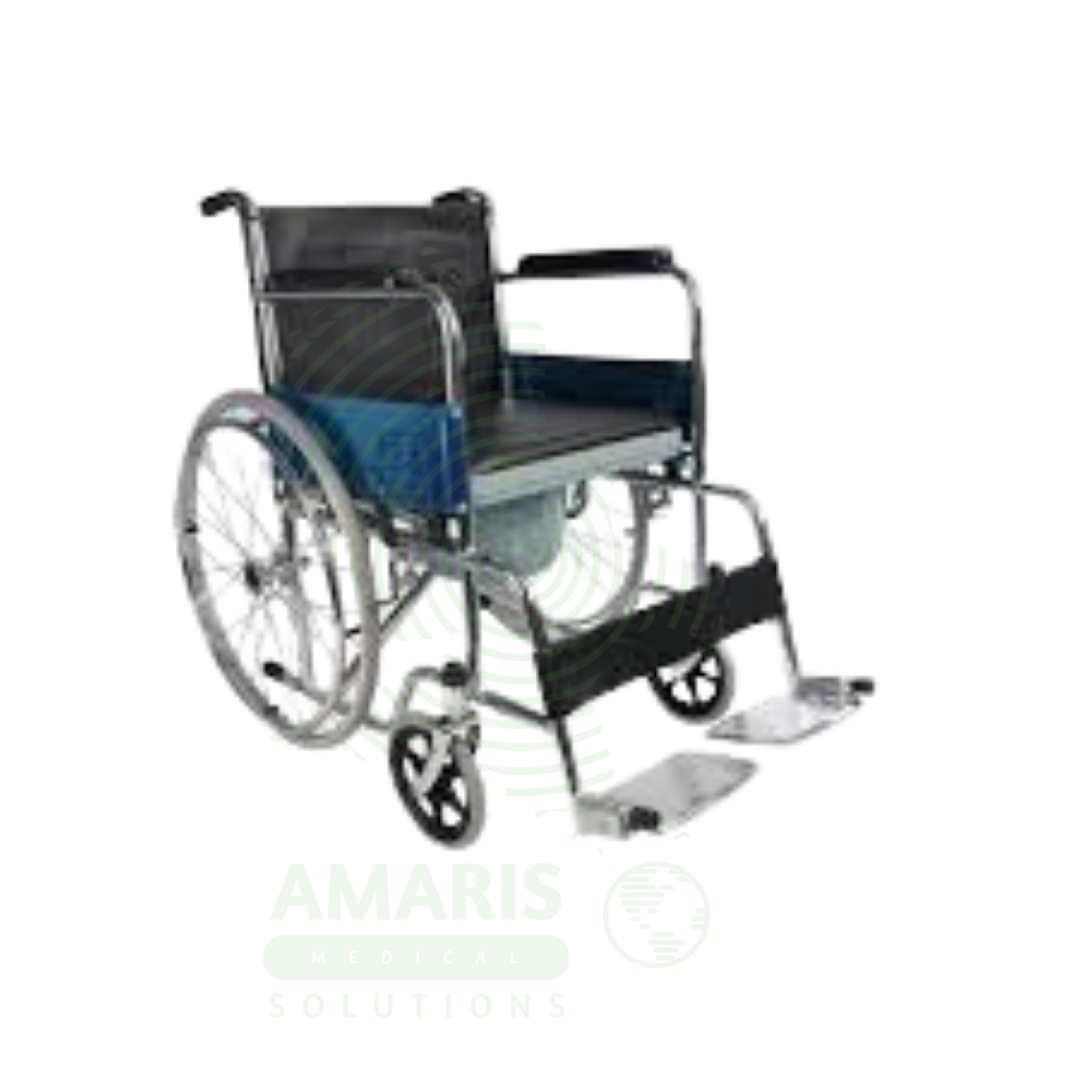
The Commode Wheelchair
$1.00
WhatsApp Order
The Commode Wheelchair is a dual-purpose manual wheelchair featuring a seat with a central opening and a removable commode pan, designed to function as both a mobility chair and a toilet. It is used to safely and hygienically manage toileting for non-ambulatory, high-fall-risk, or post-operative patients without requiring hazardous transfers to a separate toilet. Key features include a removable pan, swing-away armrests for easy lateral transfers, and often compatibility with standard toilets. Its use requires strict adherence to brake safety and rigorous cleaning protocols after each use to prevent infection.
Description
Commode Wheelchair
PRIMARY CLINICAL & DIAGNOSTIC USES
1. Integrated Toileting Solution for Non-Ambulatory or High-Fall-Risk Patients
-
Primary Use: Provides a single device that functions as both a mobile wheelchair and a commode, eliminating the need for hazardous transfers from a bed to a separate commode chair or toilet for patients who are unable to walk or stand, significantly reducing fall risk, caregiver strain, and skin shear during transfers.
-
How it helps: For the nursing team and physical therapists managing patients with limited mobility, the commode wheelchair solves the problem of how to provide toileting access without multiple high-risk transfers—allowing the patient to be moved directly from bed to commode position in a single, controlled transfer. For the patient who cannot walk or stand, this integrated design means they can attend to personal needs without the terror of being lifted onto a toilet, without the indignity of a bedpan, and with the confidence that they will not fall during the process.
2. Maintenance of Bowel and Bladder Program for Incontinent or Constipated Patients
-
Primary Use: Allows caregivers to easily and regularly position patients over a toilet for bowel and bladder care according to a scheduled program, promoting regularity, dignity, and reducing the incidence of incontinence-associated dermatitis and urinary tract infections.
-
How it helps: For the wound care nurse and continence specialist, a commode wheelchair makes scheduled toileting programs practical and effective—patients can be positioned comfortably for elimination at regular intervals, reducing episodes of incontinence and the skin breakdown that follows. For the patient with incontinence or neurogenic bowel, having a chair that allows for dignified, scheduled toileting means fewer accidents, less time lying in soiled linens, and greater comfort and self-respect throughout the day.
3. Hygienic and Dignified Management of Incontinence
-
Primary Use: Provides a discreet and sanitary means for patients with limited mobility to use the toilet, with a removable pan that allows for easy emptying and cleaning, which is more dignified and hygienic than bedpan use and reduces linen changes and skin exposure to waste.
-
How it helps: For the nursing assistant and home caregiver, the removable pan design makes cleanup quick, efficient, and sanitary—reducing the time spent on linen changes and protecting the patient’s skin from prolonged exposure to moisture and irritants. For the incontinent patient, having a dignified alternative to lying in soiled bedding preserves self-respect and reduces the psychological burden of incontinence, while the cleanable pan ensures odor is contained and hygiene is maintained.
4. Post-Operative and Acute Care Mobility with Toileting Access
-
Primary Use: Ideal for post-surgical patients who are under weight-bearing restrictions or have severe pain with movement, allowing them to be wheeled to the bathroom and use the commode without attempting to stand or pivot onto a toilet.
-
How it helps: For the orthopedic surgeon and post-operative care team, the commode wheelchair ensures that patients can meet toileting needs without violating surgical precautions—no weight-bearing on a new hip, no deep flexion of a repaired knee, no twisting of a spinal fusion. For the patient navigating the painful early days after surgery, this chair means they can toilet without the agony of standing and without the fear of disrupting their surgical repair, speeding recovery and reducing complications.
SECONDARY & SUPPORTIVE USES
1. Shower and Bathroom Transfers: Many models are designed to be wheeled directly over a standard toilet, functioning as a shower and commode chair. This allows a patient to be wheeled into a bathroom, positioned over the toilet, and then later into a shower stall for bathing, all with minimal transfers. For the patient who struggles with multiple moves, a single chair that serves both functions preserves energy and reduces fall risk.
2. Night-Time Toileting to Promote Sleep: Reduces sleep disruption for both patients and caregivers. The chair can be kept at the bedside, allowing for quick, safe toileting during the night without a long journey to the bathroom. For the patient who rises multiple times at night, having a commode wheelchair at the bedside means they can toilet safely even when drowsy, and return to sleep more quickly.
3. Rehabilitation and Re-Training for Toileting Independence: Used in rehab settings to re-train patients in toileting routines after a stroke, spinal injury, or surgery, providing a safe, supported environment to regain independence. For the patient working to recover function, practicing transfers and toileting in a supportive chair builds the skills and confidence needed for independent living.
4. Bariatric Patient Care: Heavy-duty commode wheelchairs are available to safely accommodate patients of size for both mobility and toileting, which is often a major challenge in bariatric care. For the bariatric patient and the staff caring for them, a properly rated chair ensures safe, dignified toileting without equipment failure concerns.
5. Palliative and End-of-Life Care: Provides maximum comfort, dignity, and minimal handling for patients with very limited energy, allowing them to use a toilet with minimal exertion. For the dying patient and the family caring for them, a commode wheelchair at the bedside preserves dignity, reduces caregiver strain, and allows the patient to conserve their limited energy for moments of connection with loved ones.
KEY PRODUCT FEATURES
1. BASIC IDENTIFICATION ATTRIBUTES
-
Product Type: A dual-function manual wheelchair with an open seat or a removable seat panel, under which a commode pan (bedpan) can be placed.
-
Core Design: A wheelchair frame with a seat that has a large circular or oval opening. A commode bucket (pan) sits in a frame or slides into brackets beneath this opening. The backrest and armrests are standard.
-
Key Components:
-
Commode Opening Seat: The seat upholstery has a large removable center section or is a solid seat with a hole.
-
Commod Pan Holder/Bracket: A frame or shelf under the seat that securely holds a standard bedpan or commode bucket.
-
Removable Commode Pan: A plastic container with a handle, often with a lid.
-
Removable or Swing-Away Armrests: Facilitates lateral transfers onto the chair from a bed.
-
Removable or Flip-Up Footrests: Allow the chair to be pushed close to a toilet or over a standard toilet bowl.
-
Brakes: On both rear wheels.
-
2. TECHNICAL & PERFORMANCE PROPERTIES
-
Toilet Compatibility: Many models are designed with a "splash guard" or specific dimensions to allow the chair to be wheeled directly over a standard toilet, aligning the seat opening with the toilet bowl.
-
Weight Capacity: Standard models support ~250-300 lbs (113-136 kg). Bariatric models support 400-700+ lbs (181-318+ kg).
-
Pan Capacity: The commode pan typically holds 2-3 liters.
-
Seat Height: Often adjustable to match bed height for safer transfers and to ensure proper positioning over a toilet.
3. PHYSICAL & OPERATIONAL PROPERTIES
-
Construction: Typically steel or aluminum frame with vinyl upholstery. All materials must be fluid-resistant and easy to clean.
-
Mobility: Functions as a standard wheelchair for propulsion and pushing.
-
Cleanability: Designed for frequent, thorough cleaning with disinfectants. All surfaces should be non-porous.
4. SAFETY & COMPLIANCE ATTRIBUTES
-
Regulatory Status: Class I medical device.
-
Infection Control: Design must prevent fluid retention in crevices and allow for complete disinfection.
5. STORAGE & HANDLING ATTRIBUTES
-
Storage: When not in use, the commode pan should be removed, cleaned, and stored separately. The chair can be stored like a standard wheelchair.
-
Cleaning & Disinfection (CRITICAL): Must be cleaned after every use. The commode pan must be emptied, cleaned with detergent, and disinfected. The seat, armrests, frame, and especially the area under the seat must be wiped with a disinfectant. Pay close attention to brackets and hinges.
-
Maintenance: Inspect the seat opening for cracks or tears in the upholstery. Ensure the pan holder is secure and not bent.
6. LABORATORY & CLINICAL APPLICATIONS
-
Primary Application: A fundamental piece of equipment in geriatric care, stroke units, spinal injury units, and general medical/surgical wards. It addresses a core activity of daily living (toileting) in a safe, efficient manner, directly impacting patient dignity, nursing workload, and fall prevention metrics.
SAFETY HANDLING PRECAUTIONS
1. SAFETY PRECAUTIONS
-
Brake Engagement (CRITICAL): Brakes must be fully and securely engaged during all transfers onto and off of the chair and during toileting use. A failure to do so can cause the chair to roll, resulting in a serious fall or spill.
-
Pan Security: Always ensure the commode pan is correctly seated in its holder before use. An improperly placed pan can lead to spills and contamination.
-
Weight Limit: Do not exceed the manufacturer's stated weight capacity.
-
Safe Transfer Techniques: Use proper techniques, slide sheets, or mechanical lifts for transfers. The removable armrests are there to facilitate safe lateral transfers from a bed.
-
Positioning Over Toilet: When positioning over a toilet, ensure the chair is centered and the pan has been removed. Check that the user is properly aligned and comfortable.
2. FIRST AID MEASURES
-
Fall During Transfer: If a patient falls, do not move them if a spinal injury is suspected. Call for assistance and provide first aid. Investigate if brake failure was a cause.
-
Spill of Body Fluids: Follow standard institutional protocols for biohazard spill management. Isolate the area, use PPE, and clean/disinfect thoroughly.
-
Pan Spillage or Breakage: Contain the spill with absorbent materials. Clean and disinfect the area and the chair immediately. Replace a broken pan.
3. FIRE FIGHTING MEASURES
-
Flammability: Upholstery and plastic components are combustible.
-
Extinguishing Media: Use water, foam, or CO₂.
Related products
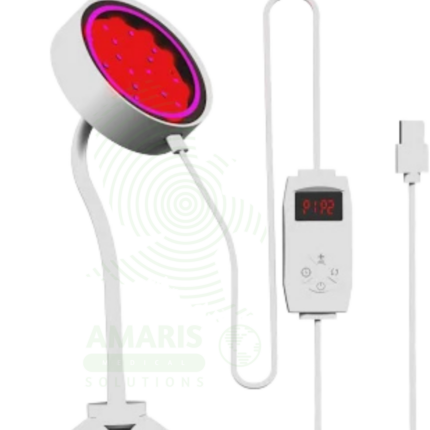
Desktop Infrared Therapy Lamp
A Desktop Infrared Therapy Lamp is a compact, focused heat therapy device that emits infrared radiation to deliver deep, penetrating warmth to targeted areas of the body. Used primarily for pain relief, muscle relaxation, and promoting healing in soft tissue and joint conditions, it is a common tool in physical therapy, chiropractic, and wellness practices. Its adjustable design allows precise positioning over areas like the neck, shoulder, or knee. Treatment involves non-invasive, radiant heat that increases local circulation. Critical safety practices include adhering to treatment time and distance guidelines, avoiding use over contraindicated areas, and never looking directly at the bulb.
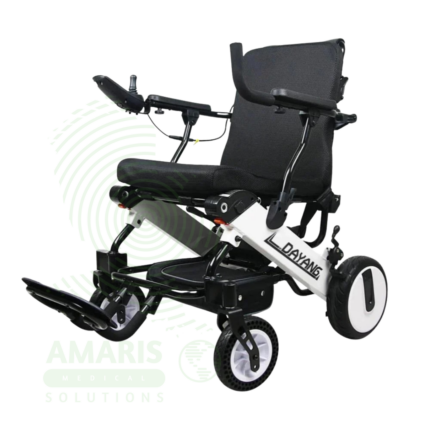
Electric Wheelchair
An Electric Wheelchair is a battery-powered mobility device prescribed for individuals with significant mobility impairments who cannot self-propel a manual chair. It provides independent indoor and outdoor mobility through a joystick or alternative control system. Key features often include power seating functions (tilt, recline) for pressure relief and postural support, and are available in various drive configurations (rear, mid, front-wheel) for different environments. As complex rehabilitation technology, it requires professional evaluation, user training, and regular maintenance to ensure safe operation, enhance independence, and improve the user's quality of life.
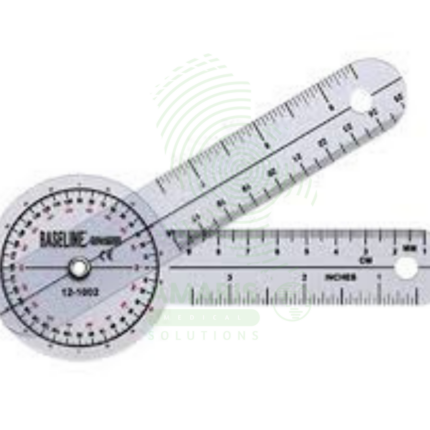
Goniometer
A goniometer is a calibrated, handheld measuring instrument designed to precisely quantify joint range of motion in degrees. Essential for physical and occupational therapy, orthopedic assessment, and rehabilitation medicine, it consists of a protractor-like body with two arms—one stationary, one movable—that align with the patient's limb segments. Available in various sizes for different joints (from fingers to hips) and in materials including transparent plastic, stainless steel, and digital formats, it transforms subjective observations of mobility into objective, reproducible data. This fundamental clinical tool guides diagnosis, documents treatment progress, supports disability determinations, and provides the evidence base for therapeutic interventions.
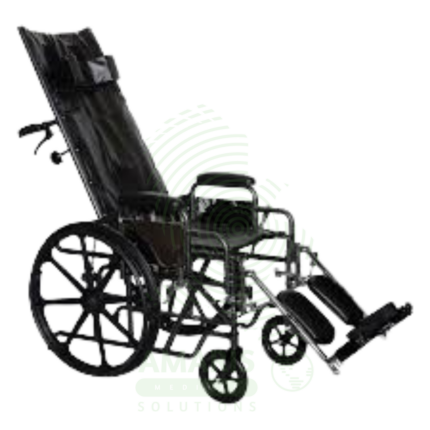
Manual Reclining Wheelchair
A Manual Reclining Wheelchair is a non-powered wheelchair with a backrest that can be manually adjusted to various angles. It is designed for users who need to change their sitting position for pressure relief, circulatory management, respiratory support, or comfort but do not require powered mobility. Key safety features include a robust locking mechanism, mandatory use of anti-tip levers and a seat belt when reclined, and synchronized elevating leg rests to prevent sliding. It is heavier and less maneuverable than a standard wheelchair but provides essential positioning options for individuals with specific postural and medical needs.
Orthopedic Wheelchair
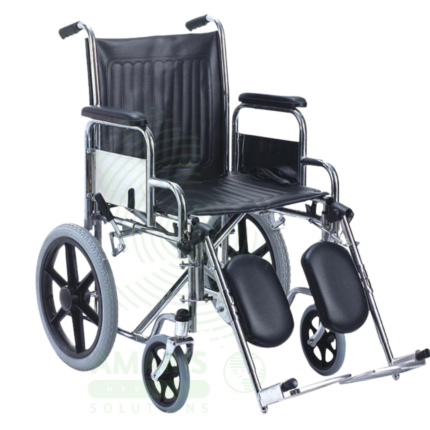
An Orthopedic Wheelchair is a specialized manual wheelchair with an extended frame and elevating leg rests, designed to support patients who must keep one or both lower limbs in a straight, non-weight-bearing position. It is primarily used for managing lower limb fractures, post-operative recovery (e.g., hip replacements), and conditions requiring heel-off-loading to prevent pressure sores. Its key safety consideration is a heightened risk of tipping backwards due to the forward weight of the extended leg, requiring cautious use, engagement of anti-tip levers, and awareness of its increased length during navigation.
Reclining Wheelchair
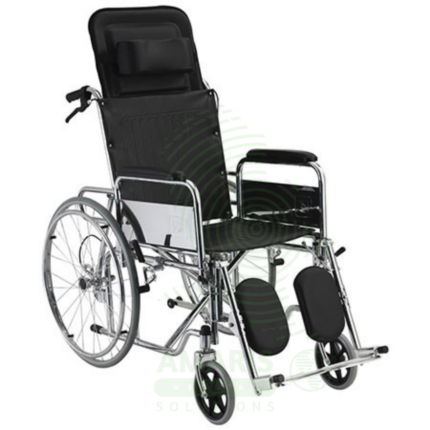
A Reclining Wheelchair is a manual wheelchair with a backrest that can be manually adjusted to various angles. It is designed for users who need to change their sitting position for pressure relief, circulatory management, respiratory support, or comfort but do not require powered mobility. Key safety features include a robust locking mechanism, mandatory use of anti-tip levers and a seat belt when reclined, and synchronized elevating leg rests to prevent sliding. It is heavier and less maneuverable than a standard wheelchair but provides essential positioning options for individuals with specific postural and medical needs.
TENS Machine
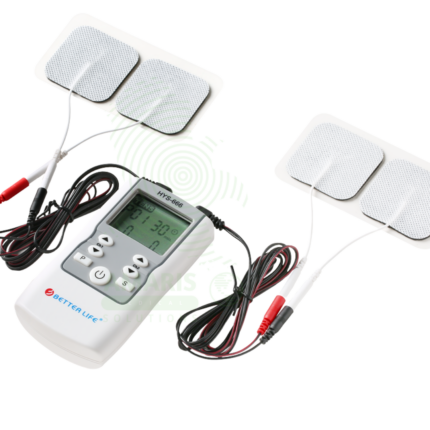
A TENS Machine is an electronic device used for non-invasive pain management, capable of independently controlling up to four pairs of electrodes (eight total) to treat multiple or complex pain areas simultaneously. By delivering adjustable, low-voltage electrical pulses through the skin, it modulates pain signals via the Gate Control mechanism and may stimulate the body's natural painkillers. Its key adjustable parameters—pulse rate, width, and amplitude—allow for personalized therapy for conditions ranging from arthritis to post-surgical pain. Safe operation requires strict adherence to electrode placement guidelines and contraindications, making it a versatile tool for clinical and prescribed home use.