Dermatoscope and Magnifiers
 Diagnostic Kits
 Vital Signs Monitors
 Stethoscopes and Accessories
 Otoscopes, Ophthalmoscopes, and Retinoscopes
 Reflex Hammers and Neurological Tools
 Scales and Measuring Devices
 Spirometers and Pulmonary Function Tests
 Electrosurgical Units and Accessories
 Cutting Instruments
 Grasping and Holding Instruments
 Hemostatic Instruments
 Specialized Surgical Sets
 Single-Use Procedure Trays and Packs
 Surgical Drapes, Gowns, and Covers
 Tissue Unifying Instruments
 Radiation Protection
 X-Ray Machines and Accessories
 Ultrasound Systems and Probes
 MRI and CT Scanners
 Radiology Consumables
 Bone Densitometers
 Fluoroscopy Equipment
 Imaging Tables and Positioning Aids
 Microscopes and Accessories
 Centrifuges and Separators
 Analyzers
 Incubators and Ovens
 Pipettes, Dispensers, and Lab Glassware
 Refrigerators, Freezers, and Storage Units
 Lab Consumables
 Sterilizers and Autoclaves for Lab Use
 Multi-Parameter Monitors
 Ventilators and Respiratory Support Devices
 Defibrillators and AEDs
 Infusion Pumps and IV Systems
 Patient Warmers and Cooling Devices
 Central Monitoring Stations
 Accessories
 Anesthesia Machines and Workstations
 Oxygen Concentrators and Delivery Systems
 Nebulizers and Inhalers
 CPAP/BiPAP Machines
 Airway Management
 Anesthesia Masks, Circuits, and Bags
 Humidifiers and Heaters
 Respiratory Therapy Accessories
 First Aid Kits and Cabinets
 Emergency Resuscitation Equipment
 Trauma Supplies
 Emergency Carts and Crash Carts
 Burn Care Products
 Bleeding Control
 Automated External Defibrillators (AEDs)
 Transport and Evacuation
 Wheelchairs and Accessories
 Walkers, Crutches, and Canes
 Prosthetics and Orthotics
 Physical Therapy Equipment
 Transfer Devices
 Bathroom Safety
 Orthopedic Traction and Tables
 Hot/Cold Therapy Packs and Units
 Beds and Mattresses
 Chairs and Stools
 Tables
 Cabinets and Storage
 Privacy Screens & Curtains
 Stands and Racks
 Linens and Textiles
 Lighting
 Autoclaves and Sterilizers
 Ultrasonic Cleaners
 Disinfectant Solutions and Wipes
 Sterilization Pouches, Wraps, and Indicators
 Instrument Trays and Containers
 UV and Ozone Disinfection Devices
 Washer Disinfectors
 Wound Care
 Gloves
 Masks and Respirators
 Catheters and Tubing
 Swabs, Applicators, and Sponges
 Incontinence Products
 Personal Protective Equipment (PPE)
 Dental Chairs and Units
 Handpieces and Burs
 Instruments
 Consumables
 Sterilization for Dental Use
 Orthodontic Supplies
 Endodontic Tools
 Slit Lamps and Tonometers
 Lensometers and Phoropters
 Ophthalmic Surgical Instruments
 Eyewear Frames and Lenses
 Contact Lens Supplies
 Vision Testing Charts and Devices
 Eye Care Consumables
 Laser Systems for Eye Care
 ENT Exam Chairs and Tables
 Endoscopes
 Audiometers and Hearing Tests
 ENT Instruments
 Nasal and Throat Packs
 Hearing Aids and Accessories
 Otology Supplies
 Fetal Dopplers and Monitors
 Delivery Beds and Tables
 Gynecological Instruments
 Neonatal Incubators and Warmers
 Breast Pumps and Accessories
 Contraceptive Devices
 Maternity Supports and Pads
 Neonatal Consumables
 Cystoscopes and Urethroscopes
 Dialysis Machines and Supplies
 Urological Catheters and Bags
 Lithotripters
 Prostate Treatment Devices
 Urinary Incontinence Products
 Kidney Stone Management Tools
 Consumables & Disposables
 EEG and EMG Machines
 Neurosurgical Instruments
 Nerve Stimulators
 Headrests and Positioning Aids
 Lumbar Puncture Kits
 Seizure Monitoring Devices
 Consumables
 Rehabilitation for Neurological Conditions
 ECG Machines and Accessories
 Holter Monitors
 Stress Test Systems
 Pacemakers and Defibrillator Accessories
 Vascular Access Devices
 Cardiac Catheters and Guidewires
 Blood Flow Meters
 Consumables
 Orthopedic Instruments
 Casts, Splints, and Padding
 Joint Replacement Supplies
 Prosthetic Limbs and Components
 Bone Grafts and Substitutes
 Traction Devices
 Orthopedic Braces and Supports
 Rehabilitation Aids for Orthopedics
 Home Oxygen Therapy
 Hospital Beds for Home Use
 Mobility Aids
 Bathroom and Daily Living Aids
 Wound Care for Home
 Monitoring Devices
 Enteral Feeding Pumps and Tubes
 Hand Sanitizers and Dispensers
 Face Shields and Goggles
 Isolation Gowns and Suits
 Biohazard Waste Containers
 Air Purifiers and HEPA Filters
 Surface Disinfectants
 Sharps Containers
 Protective Barriers
 Cardiovascular & Endurance Training
 Strength Training & Weightlifting
 Functional Training & Core Conditioning
 Physical Therapy & Rehabilitation
 Sports & Outdoor Recreation
 Gym Flooring & Facility Equipment
 Fitness Monitoring & Accessories
 Kids & Novelties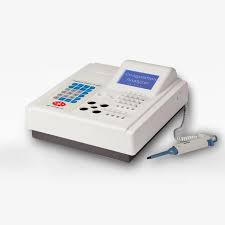

Coagulation Analyzer (TS4000)
WhatsApp Order
The Coagulation Analyzer (TS4000) is a semi-automated, 4-channel benchtop coagulation analyzer using dual magnetic bead (electromechanical) clot detection technology to measure PT (prothrombin time), APTT (activated partial thromboplastin time), TT (thrombin time), and FIB (fibrinogen) in citrated plasma and whole blood samples . With a test range of 3-999 seconds, repeatability of <3% CV, and 4 channels for simultaneous testing , the analyzer delivers rapid, reliable coagulation profiles for preoperative risk assessment, anticoagulant therapy monitoring, and bleeding disorder diagnosis .
The Coagulation Analyzer (TS4000) features a 240×128 dot matrix LCD display, built-in thermal printer, 16 sample pre-warming positions, 5 reagent pre-warming positions (1 with stirring) , open reagent system compatible with any manufacturer’s reagents, and electronic linked pipette with auto-start trigger for hands-free operation . Calibration curve storage for up to 18 parameters (5 points each) , 12-month QC data storage for PT, APTT, TT, FIB, RS-232 connectivity for LIS integration, and multi-unit result reporting (sec, %, g/L, mg/dL, IU/mL, %-INR, Ratio, Ratio-INR) ensure laboratory standards compliance .
For the anesthesiologist and hematologist, the Coagulation Analyzer (TS4000) delivers preoperative coagulation screening to identify high-risk surgical bleeding, INR monitoring for warfarin dose titration in atrial fibrillation and mechanical heart valve patients, APTT monitoring for heparin therapy, fibrinogen quantification for DIC diagnosis, and factor assays for inherited bleeding disorders (hemophilia A/B, factor deficiencies) . For the patient, accurate coagulation testing enables early detection of bleeding disorders before surgery, safe anticoagulation to prevent stroke and hemorrhage, diagnosis of DIC in critical illness, and appropriate factor replacement for hemophilia—preventing catastrophic bleeding, thrombotic complications, and improving survival across surgical, cardiac, and emergency care settings.
Description
Coagulation Analyzer (TS4000)
PRIMARY CLINICAL & DIAGNOSTIC USES
1. Preoperative Coagulation Screening for Surgical Risk Assessment
-
Primary Use: Provides a semi-automated, 4-channel coagulation analyzer using dual magnetic bead (electromechanical) detection technology to perform coagulation screening tests including PT (prothrombin time), APTT (activated partial thromboplastin time), TT (thrombin time), and FIB (fibrinogen) , enabling rapid assessment of patients prior to elective surgery .
-
How it helps: For the anesthesiologist and surgeon, the Coagulation Analyzer (TS4000) delivers critical coagulation parameters that identify patients at risk for perioperative bleeding—enabling informed decisions about surgical delay, transfusion planning, or preoperative correction of coagulation defects. For the patient undergoing elective surgery, preoperative coagulation screening detects unsuspected bleeding disorders, vitamin K deficiency, or liver disease, preventing catastrophic intraoperative hemorrhage and reducing postoperative complication rates.
2. Anticoagulant Therapy Monitoring for Warfarin and DOAC Management
-
Primary Use: Monitors PT, INR (International Normalized Ratio), and APTT in patients receiving oral anticoagulants including warfarin (Coumadin), direct oral anticoagulants (DOACs), and heparin-based therapies, with built-in INR calculation and reporting .
-
How it helps: For the cardiologist and primary care physician, the Coagulation Analyzer (TS4000) INR measurement capability enables precise warfarin dose titration—maintaining therapeutic INR within the narrow target range (2.0-3.0 for atrial fibrillation, 2.5-3.5 for mechanical heart valves). For the patient with atrial fibrillation, mechanical heart valve, or venous thromboembolism, regular INR monitoring prevents both ischemic stroke (from subtherapeutic anticoagulation) and catastrophic hemorrhage (from supratherapeutic anticoagulation), enabling safe long-term warfarin therapy.
3. Unfractionated Heparin (UFH) and Low Molecular Weight Heparin (LMWH) Monitoring
-
Primary Use: APTT monitoring for unfractionated heparin therapy assesses anticoagulation adequacy during acute management of venous thromboembolism, myocardial infarction, and cardiac surgery requiring cardiopulmonary bypass .
-
How it helps: For the intensivist and cardiac surgeon, the Coagulation Analyzer (TS4000) provides rapid APTT results to titrate intravenous heparin infusions—maintaining therapeutic anticoagulation while preventing bleeding complications. For the patient with acute pulmonary embolism, massive deep vein thrombosis, or during cardiac surgery requiring cardiopulmonary bypass, accurate heparin monitoring prevents life-threatening thrombus extension or devastating intraoperative bleeding.
4. Disseminated Intravascular Coagulation (DIC) Diagnosis and Management
-
Primary Use: Performs comprehensive coagulation panel including PT, APTT, TT, and FIB for diagnosis and monitoring of disseminated intravascular coagulation—a life-threatening condition characterized by simultaneous bleeding and thrombosis .
-
How it helps: For the intensivist and hematologist, the Coagulation Analyzer (TS4000) 4-channel simultaneous testing capability enables rapid DIC panel completion, identifying the characteristic coagulation abnormalities (prolonged PT/APTT, low fibrinogen, elevated FDPs) that distinguish DIC from other coagulopathies. For the patient with sepsis, trauma, obstetric complications, or malignancy, early DIC diagnosis enables timely intervention with clotting factor replacement, anticoagulation, and treatment of the underlying cause—reducing mortality from this critical complication.
SECONDARY & SUPPORTIVE USES
1. Liver Disease and Coagulopathy Assessment: Evaluates synthetic liver function via PT and INR prolongation in patients with cirrhosis, hepatitis, acute liver failure, and alcoholic liver disease—where the liver’s inability to produce clotting factors increases bleeding risk .
2. Vitamin K Deficiency Detection: Identifies patients with fat malabsorption syndromes (celiac disease, cystic fibrosis, biliary obstruction), prolonged antibiotic use, or malnutrition who develop vitamin K-dependent factor deficiency (factors II, VII, IX, X) with elevated PT.
3. Factor Deficiency Evaluation: Performs mixing studies and factor assays for coagulation factors II, V, VII, VIII, IX, X, XI, XII to diagnose inherited bleeding disorders including hemophilia A (factor VIII deficiency), hemophilia B (factor IX deficiency), and von Willebrand disease .
4. Protein C and Protein S Deficiency Screening: Detects inherited thrombophilias (hypercoagulable states) including protein C and protein S deficiencies—conditions predisposing patients to recurrent deep vein thrombosis, pulmonary embolism, and pregnancy loss .
5. Lupus Anticoagulant (Antiphospholipid Syndrome) Testing: Performs dilute Russell viper venom time (dRVVT) and mixing studies to detect lupus anticoagulant—an autoantibody causing arterial and venous thrombosis, recurrent pregnancy loss, and thrombocytopenia requiring lifelong anticoagulation .
6. Fibrinogen (Factor I) Deficiency and Dysfibrinogenemia Assessment: Quantifies fibrinogen levels via Clauss method for diagnosis of inherited (afibrinogenemia, hypofibrinogenemia) and acquired (DIC, liver disease) fibrinogen disorders affecting bleeding risk .
7. Heparin Contamination Detection (Surgical Specimen Monitoring): Monitors heparin levels during cardiopulmonary bypass, ECMO, and cardiac catheterization procedures requiring precise anticoagulation control while preventing heparin-induced bleeding.
8. Emergency Department (ED) Rapid Coagulation Panel: Supports rapid turnaround (3-999s test time) for emergency department patients presenting with bleeding, bruising, or thromboembolic symptoms, enabling immediate anticoagulation decisions .
9. Obstetric and Pregnancy Complication Monitoring: Assesses coagulation status in pregnant women with preeclampsia, HELLP syndrome, placental abruption, and antiphospholipid syndrome—conditions associated with DIC and thrombotic risk .
10. Neonatal and Pediatric Coagulation Testing: Provides coagulation testing for neonates and children with suspected hemophilia, vitamin K deficiency bleeding (VKDB), and liver disease using small sample volumes (150 μL) .
11. Post-Thrombosis Anticoagulation Monitoring: Monitors warfarin or DOAC therapy following treatment for DVT, PE, or cerebral venous sinus thrombosis, ensuring adequate secondary prevention while minimizing bleeding risk.
12. Outpatient Anticoagulation Clinic Management: Supports PT/INR monitoring in dedicated anticoagulation clinics for patients on long-term warfarin, with electronic data storage and LIS connectivity for result tracking .
13. Clinical Research and Drug Trials: Provides coagulation endpoint measurement for clinical trials of anticoagulant medications, antiplatelet agents, and hemostatic therapies with 12-month QC data storage and Levey-Jennings charting .
14. Mobile and Point-of-Care Coagulation Testing: Semi-automated, portable design (5.2 kg) enables deployment in mobile health units, rural health posts, and physician office laboratories for decentralized coagulation testing .
15. Quality Control and Laboratory Accreditation: Built-in 12-month QC data storage for PT, APTT, TT, FIB with dot chart display supports laboratory quality assurance programs, Westgard rule application, and ISO accreditation .
KEY PRODUCT FEATURES
1. BASIC IDENTIFICATION ATTRIBUTES
-
Device Type: A semi-automated, 4-channel coagulation analyzer (semi-automatic blood coagulation analyzer) using dual magnetic bead detection technology to measure clotting times via electromechanical clot detection .
-
Designation: TS4000 Coagulation Analyzer, Semi-Automatic Coagulation Analyzer, 4-Channel Coagulation Analyzer, Tianjin Grand TS4000 .
-
Key Components:
-
Detection Channels: 4 independent channels for simultaneous PT, APTT, TT, and FIB testing
-
Pre-incubation Positions: 16 sample pre-warming positions; 5 reagent pre-warming positions (1 with stirring function)
-
Display: 240×128 dot matrix blue LCD screen or larger touchscreen display
-
Printer: Built-in high-speed thermal printer with print function; external printer support via parallel interface
-
Sample Handling: Electronic dispensing pipette with linkage start function - auto start trigger for hands-free operation
-
Data Storage: Up to 18 calibration curves (5 points each); 12-month QC storage for PT, APTT, TT, FIB ; 75 x 4 test results single memory; unlimited with computer connection
2. TECHNICAL & PERFORMANCE PROPERTIES
-
Detection Principle: Dual magnetic stirrer electromagnetic detection (dual magnetic bead)/photo-electric monitoring method; electromechanical clot detection system .
-
Channels: 4 testing channels (4 independent detection units) .
-
Test Range: 3-999 seconds .
-
Temperature Control: 37°C ±0.5°C to 37°C ±1.0°C stability .
-
Repeatability (CV%): <3% (standard QC material) .
-
Inter-channel Deviation: ≤3% .
-
Accuracy (FIB): Relative deviation ≤±10% .
-
FIB Measuring Range: 1-12 g/L at 1:20 dilution .
-
Timer Accuracy: ≤0.1% internal clock error .
-
Sample Types: Citrated plasma, whole blood .
-
Minimum Sample Volume: 150 μL .
-
Warm-up Time: Approximately 20 minutes .
-
Power Requirements: 220V, 50Hz ±1Hz, ≤40W .
-
Dimensions (L×W×H): 343-356 mm × 130-153 mm × 280 mm .
-
Weight: 5.2 kg .
-
Operating Temperature: 10°C to 30°C .
-
Relative Humidity: ≤70% .
-
Safety Certification: NMPA Registration No. (Food and Drug Administration of Russia) ; CE Marked ; Chinese FDA (CFDA) Registration .
3. PHYSICAL & OPERATIONAL PROPERTIES
-
Construction: Benchtop/semi-portable design with durable housing; 5.2 kg weight suitable for stationary and mobile laboratory use .
-
User Interface: 240×128 dot matrix blue LCD with graphics display; functional membrane keyboard; multi-language support including Chinese and English .
-
Operation: Semi-automated workflow: operator pipettes sample and reagent using electronic linked pipette; test automatically starts upon pipette trigger; results print automatically .
-
Testing Modes: Manual and auto-manual (linked) sample-adding functions; 4 channels can run same or different tests simultaneously .
-
Calibration: Up to 18 calibration parameter storage (5 points each); FIB negative correlation curve improves accuracy .
-
Data Management: 12-month PT, APTT, TT, FIB QC data storage with dot chart display; results searchable by date; 75 x 4 test results single memory; computer connection for unlimited patient storage .
-
Connectivity: RS-232 standard interface for LIS/HIS integration; external printer port; computer data management software optional .
-
Result Units: 8 units available (sec, %, g/L, mg/dL, IU/mL, %-INR, Ratio, Ratio-INR) conforming to international reporting standards .
-
Built-in Features: 4 timers with audible alarm on reaction completion; pre-programmed timing management with alert . One-button fast-test function; emergency call STAT function .
-
Reagent Compatibility: Open system, compatible with any manufacturer's reagents; additional reagent consumption management system available .
-
Random Reporting: Unique random reports and "overall coagulation report sheet" printing capabilities for flexible result documentation .
4. SAFETY & COMPLIANCE ATTRIBUTES
-
Regulatory Status: In Vitro Diagnostic (IVD) Medical Device; Class II medical device requiring regulatory registration .
-
Registration Numbers: Chinese FDA Registration No. ZJ/20162400071 ; Previous Registration No. 2012第2400039号 .
-
Safety Certifications: CE Marked ; CFDA Registered ; GOST-R (Russian Federation) Registered .
-
Detection Reliability: Dual magnetic bead technology eliminates interference from hemolysis, icterus, lipemia, and turbid samples; detection results unaffected by bubbles from pipetting .
-
Electrical Safety: 220V, 50Hz ±1Hz power supply; 40W low power consumption; 5.2 kg, 356x343x153 mm footprint .
-
Quality Compliance: Manufacturing under ISO 9001/ISO 13485 quality systems (by Tianjin Grand/High Technology Inc.); 12-month QC storage ensures compliance with laboratory accreditation standards .
-
Sample Integrity: 16 sample pre-warming positions and 5 reagent pre-warming positions maintain 37°C pre-test temperature; timer alerts ensure timing accuracy .
5. STORAGE & HANDLING ATTRIBUTES
-
Storage: Store in clean, dry laboratory environment at 10-30°C. Protect from dust, vibration, and direct sunlight. Cover when not in use.
-
Cleaning: Follow decontamination and disinfection protocols per facility guidelines; exterior wipe with soft, damp cloth using mild detergent.
-
Maintenance: Annual calibration verification recommended; factory-authorized service available; user-replaceable thermal printer paper.
-
Consumables: Requires sample cups and magnetic beads; open reagent system accepts any commercial coagulation reagents.
-
Installation: Benchtop installation requires 36 cm x 28 cm footprint plus clear access to sides and rear; 5.2 kg ensures stable benchtop placement; 220V, 50Hz ±1Hz electrical outlet required; RS-232 LIS connection optional.
-
Calibration: Calibration curves stored for up to 18 parameters (5 points each); FIB calibration using negative correlation curve; verify calibration per laboratory schedule.
6. LABORATORY & CLINICAL APPLICATIONS
-
Primary Application: Semi-automated coagulation testing for preoperative risk assessment, anticoagulant monitoring (PT/INR, APTT), DIC diagnosis, and factor deficiency evaluation in clinical laboratories, physician offices, and mobile health facilities .
-
Clinical Role: Essential diagnostic instrumentation for anesthesiology, cardiology, hematology, obstetrics, pediatrics, and emergency medicine; also applicable for veterinary diagnostics.
SAFETY HANDLING PRECAUTIONS
1. SAFETY PRECAUTIONS
-
Biohazard Exposure: Treat all patient samples (citrated plasma, whole blood) as potentially infectious; use standard precautions (gloves, lab coat, eye protection); dispose of waste per facility biohazard protocol.
-
Electrical Safety: Use properly grounded 220V, 50Hz outlet; 40W power consumption; disconnect power before maintenance.
-
Reagent Handling: Use reagents as directed; open system compatible with any manufacturer's coagulation reagents; follow SDS for each reagent; avoid skin and eye contact; store reagents at recommended temperatures.
-
Sample Integrity: Plasma samples and reagents must be pre-warmed to 37°C prior to testing; pre-warming positions maintain required temperature; verify pre-warming times before running tests.
-
Calibration & QC: Run QC materials per laboratory schedule; verify calibration before patient testing; do not report results if QC fails; use 12-month QC storage for trend analysis.
-
Interference: High bilirubin, hemolysis, lipemia, and turbidity do not affect results (dual magnetic bead technology); however, inspect samples for clots, hemolysis, or lipemia per standard protocol .
-
Training: Only trained laboratory personnel should operate the TS4000 for clinical diagnostic applications.
2. FIRST AID MEASURES
-
Sample Exposure: Wash exposed skin immediately with soap and water; flush eyes with water for 15 minutes; follow institutional exposure management protocol.
-
Reagent Spill: Ventilate area; use absorbent materials; dispose as chemical waste per SDS.
-
Electrical Malfunction: Disconnect power immediately; do not attempt repair; contact service provider.
3. FIRE FIGHTING MEASURES
-
Flammability: Electrical hazard; reagents may be combustible.
-
Extinguishing Media: Use CO₂ or dry chemical extinguisher for electrical fires.
-
Fire Response: Disconnect power; use appropriate extinguisher; do not use water on electrical fire.
Related products
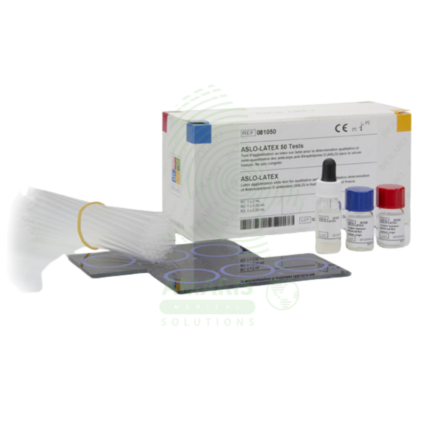
Anti-Streptol Olysin O Titer (ASOT)
Anti-Streptol Olysin O Titer (ASOT) is a quantitative or semi-quantitative serological test (latex agglutination, turbidimetry, nephelometry, or ELISA) for detecting antibodies against streptolysin O, an exotoxin produced by Group A Streptococcus. Elevated or rising titers indicate recent streptococcal infection and are essential for diagnosing post-streptococcal sequelae including acute rheumatic fever (Jones criteria) and post-streptococcal glomerulonephritis. The test requires serum samples; acute and convalescent (2-4 weeks apart) with fourfold rise confirms recent infection. Reference range typically <200-250 Todd units/mL (adults), varies by age and population. Primary clinical applications include diagnosis of Group A streptococcal infections, acute rheumatic fever evaluation, post-streptococcal glomerulonephritis diagnosis, differentiation of acute vs. past infection, evaluation of unexplained arthritis or carditis, pediatric inflammatory conditions (PANDAS), and monitoring disease activity in rheumatic fever. Critical safety precautions include proper timing of acute and convalescent samples, awareness of false negatives/positives, clinical correlation for diagnosis, and standard biohazard precautions. Essential test for rheumatology, nephrology, cardiology, and infectious disease practice.
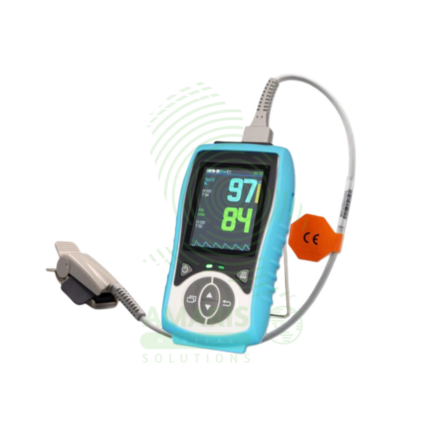
Handheld Pulse Oximeter
A Handheld Pulse Oximeter is a professional-grade, portable medical device used by healthcare providers for accurate and reliable monitoring of blood oxygen saturation (SpO2) and pulse rate. It consists of a durable, feature-rich monitor unit and separate, interchangeable sensors for use on fingers, toes, or ears. Superior to basic fingertip models, it offers advanced functions like configurable alarms, detailed plethysmograph display, trend memory, and data connectivity. Its robust design, clinical accuracy under challenging conditions (motion, low perfusion), and versatility make it an essential tool in hospitals, clinics, ambulances, and home health for patient assessment and monitoring.
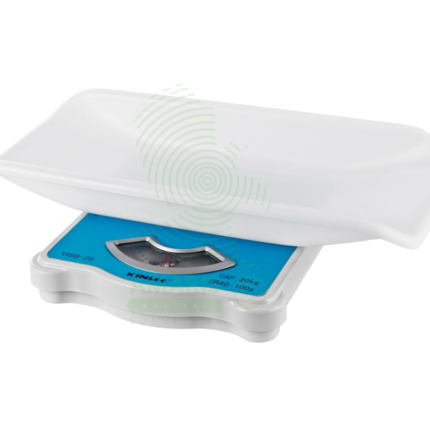
Manual Baby Weighing Scale
A Manual Baby Weighing Scale is a simple, mechanical device used to measure infant weight without the need for electricity or batteries. Operating on a spring or balance principle, it features a suspended sling or seat and a dial display. Its primary advantage is durability and portability for use in community health, outreach programs, and areas with unreliable power. While less precise than digital scales, it provides a reliable and accessible means to monitor growth trends and screen for undernutrition in resource-limited settings, making it a vital tool for basic pediatric care in the field.
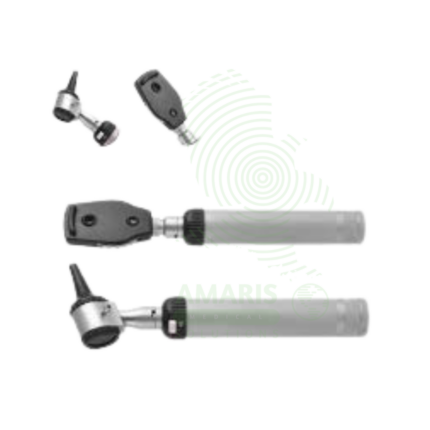
Ophthalmoscope
An Ophthalmoscope is a handheld diagnostic instrument used to examine the interior of the eye, specifically the fundus (retina, optic disc, blood vessels, and macula). By providing illuminated magnification, it serves as a vital screening tool for detecting ocular diseases like glaucoma and retinal disorders, and more importantly, for identifying signs of systemic conditions such as diabetes, hypertension, and increased intracranial pressure. Its operation involves selecting appropriate apertures and compensating lenses to obtain a clear view. While offering a detailed but narrow field of vision, mastery of the direct ophthalmoscope remains a cornerstone skill in general medicine, neurology, and ophthalmology for assessing vascular and neurological health.
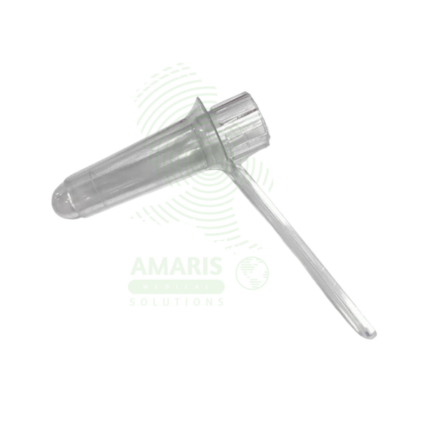
Proctoscope
A Proctoscope is a rigid, straight-tube endoscope specifically designed for the examination and treatment of the anal canal and distal rectum. It enables direct visualization to diagnose conditions like hemorrhoids, fissures, and proctitis, and serves as a conduit for therapeutic procedures such as band ligation. Available in reusable (autoclavable metal) or disposable (single-use plastic) formats, it is a fundamental tool in colorectal practice. Its effective use requires proper patient preparation, gentle insertion technique, and stringent adherence to sterilization protocols to ensure patient safety and diagnostic accuracy.
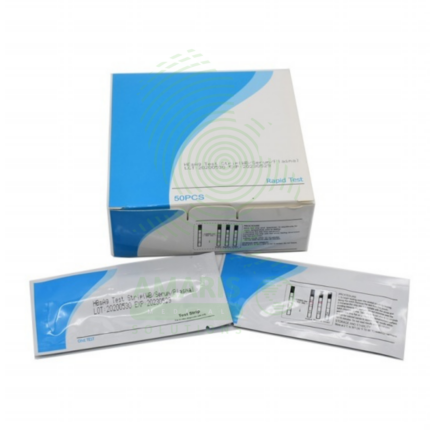
Rapid Test Kits (HIV, HBV, HCV, Malaria)
Rapid Test Kits for HIV, HBV, HCV, and Malaria are single-use, immunochromatographic devices designed for the quick, preliminary screening of these critical infectious diseases at the point of care. By detecting specific antibodies or antigens in a small blood sample (or oral fluid for some HIV tests), they provide a visual result within 15-30 minutes without the need for laboratory equipment. Their primary role is to expand access to testing in community and resource-limited settings, enabling immediate counseling, triage, and referral for confirmatory testing and treatment. As essential tools in public health, they are characterized by their simplicity, speed, and critical importance in early diagnosis and outbreak response.
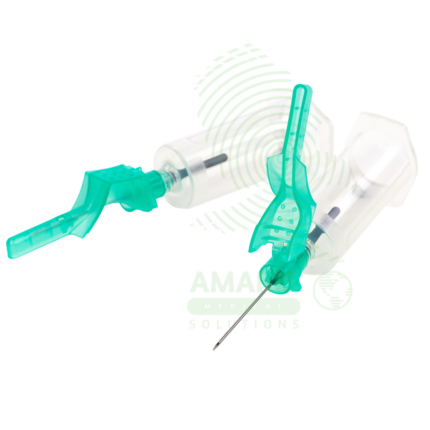
SAFE SERIES Blood Collection Needles
The SAFE SERIES (AM-SAFE) by Beijing Precil (Mindray subsidiary) is a comprehensive line of safety-engineered blood collection devices designed to prevent accidental needlestick injuries in healthcare workers. The series includes venous blood collection needles (AM-SAFE-V), standard safety needles (AM-SAFE1), winged infusion sets/butterfly needles (AM-SAFE2), high-gauge thin-wall needles for fragile veins (AM-SAFE3), premium coated needles for enhanced patient comfort (AM-GOLD), and nurse-friendly one-handed safety variants (AM-NURSE). All devices incorporate integral safety mechanisms that shield the contaminated needle immediately after withdrawal, complying with OSHA Needlestick Safety and Prevention Act requirements. Available in various gauges (18G-25G) and configurations for routine venipuncture, difficult vein access, pediatric/geriatric patients, and frequent blood draws. Sterile, single-use, latex-free, and color-coded for easy gauge identification. Essential safety devices for blood collection in hospitals, clinics, laboratories, and home healthcare settings.