Dermatoscope and Magnifiers
 Diagnostic Kits
 Vital Signs Monitors
 Stethoscopes and Accessories
 Otoscopes, Ophthalmoscopes, and Retinoscopes
 Reflex Hammers and Neurological Tools
 Scales and Measuring Devices
 Spirometers and Pulmonary Function Tests
 Electrosurgical Units and Accessories
 Cutting Instruments
 Grasping and Holding Instruments
 Hemostatic Instruments
 Specialized Surgical Sets
 Single-Use Procedure Trays and Packs
 Surgical Drapes, Gowns, and Covers
 Tissue Unifying Instruments
 Radiation Protection
 X-Ray Machines and Accessories
 Ultrasound Systems and Probes
 MRI and CT Scanners
 Radiology Consumables
 Bone Densitometers
 Fluoroscopy Equipment
 Imaging Tables and Positioning Aids
 Microscopes and Accessories
 Centrifuges and Separators
 Analyzers
 Incubators and Ovens
 Pipettes, Dispensers, and Lab Glassware
 Refrigerators, Freezers, and Storage Units
 Lab Consumables
 Sterilizers and Autoclaves for Lab Use
 Multi-Parameter Monitors
 Ventilators and Respiratory Support Devices
 Defibrillators and AEDs
 Infusion Pumps and IV Systems
 Patient Warmers and Cooling Devices
 Central Monitoring Stations
 Accessories
 Anesthesia Machines and Workstations
 Oxygen Concentrators and Delivery Systems
 Nebulizers and Inhalers
 CPAP/BiPAP Machines
 Airway Management
 Anesthesia Masks, Circuits, and Bags
 Humidifiers and Heaters
 Respiratory Therapy Accessories
 First Aid Kits and Cabinets
 Emergency Resuscitation Equipment
 Trauma Supplies
 Emergency Carts and Crash Carts
 Burn Care Products
 Bleeding Control
 Automated External Defibrillators (AEDs)
 Transport and Evacuation
 Wheelchairs and Accessories
 Walkers, Crutches, and Canes
 Prosthetics and Orthotics
 Physical Therapy Equipment
 Transfer Devices
 Bathroom Safety
 Orthopedic Traction and Tables
 Hot/Cold Therapy Packs and Units
 Beds and Mattresses
 Chairs and Stools
 Tables
 Cabinets and Storage
 Privacy Screens & Curtains
 Stands and Racks
 Linens and Textiles
 Lighting
 Autoclaves and Sterilizers
 Ultrasonic Cleaners
 Disinfectant Solutions and Wipes
 Sterilization Pouches, Wraps, and Indicators
 Instrument Trays and Containers
 UV and Ozone Disinfection Devices
 Washer Disinfectors
 Wound Care
 Gloves
 Masks and Respirators
 Catheters and Tubing
 Swabs, Applicators, and Sponges
 Incontinence Products
 Personal Protective Equipment (PPE)
 Dental Chairs and Units
 Handpieces and Burs
 Instruments
 Consumables
 Sterilization for Dental Use
 Orthodontic Supplies
 Endodontic Tools
 Slit Lamps and Tonometers
 Lensometers and Phoropters
 Ophthalmic Surgical Instruments
 Eyewear Frames and Lenses
 Contact Lens Supplies
 Vision Testing Charts and Devices
 Eye Care Consumables
 Laser Systems for Eye Care
 ENT Exam Chairs and Tables
 Endoscopes
 Audiometers and Hearing Tests
 ENT Instruments
 Nasal and Throat Packs
 Hearing Aids and Accessories
 Otology Supplies
 Fetal Dopplers and Monitors
 Delivery Beds and Tables
 Gynecological Instruments
 Neonatal Incubators and Warmers
 Breast Pumps and Accessories
 Contraceptive Devices
 Maternity Supports and Pads
 Neonatal Consumables
 Cystoscopes and Urethroscopes
 Dialysis Machines and Supplies
 Urological Catheters and Bags
 Lithotripters
 Prostate Treatment Devices
 Urinary Incontinence Products
 Kidney Stone Management Tools
 Consumables & Disposables
 EEG and EMG Machines
 Neurosurgical Instruments
 Nerve Stimulators
 Headrests and Positioning Aids
 Lumbar Puncture Kits
 Seizure Monitoring Devices
 Consumables
 Rehabilitation for Neurological Conditions
 ECG Machines and Accessories
 Holter Monitors
 Stress Test Systems
 Pacemakers and Defibrillator Accessories
 Vascular Access Devices
 Cardiac Catheters and Guidewires
 Blood Flow Meters
 Consumables
 Orthopedic Instruments
 Casts, Splints, and Padding
 Joint Replacement Supplies
 Prosthetic Limbs and Components
 Bone Grafts and Substitutes
 Traction Devices
 Orthopedic Braces and Supports
 Rehabilitation Aids for Orthopedics
 Home Oxygen Therapy
 Hospital Beds for Home Use
 Mobility Aids
 Bathroom and Daily Living Aids
 Wound Care for Home
 Monitoring Devices
 Enteral Feeding Pumps and Tubes
 Hand Sanitizers and Dispensers
 Face Shields and Goggles
 Isolation Gowns and Suits
 Biohazard Waste Containers
 Air Purifiers and HEPA Filters
 Surface Disinfectants
 Sharps Containers
 Protective Barriers
 Cardiovascular & Endurance Training
 Strength Training & Weightlifting
 Functional Training & Core Conditioning
 Physical Therapy & Rehabilitation
 Sports & Outdoor Recreation
 Gym Flooring & Facility Equipment
 Fitness Monitoring & Accessories
 Kids & Novelties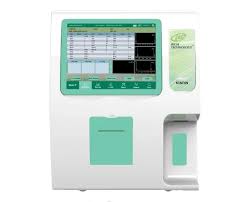

MicroCC-25 Plus Advanced Hematology Analyzer
WhatsApp Order
The MicroCC-25 Plus Advanced Hematology Analyzer is a fully automated, 5-part differential (5-diff) benchtop hematology analyzer designed for small to medium-volume clinical laboratories, hospital satellite labs, and physician office laboratories . The instrument measures 25 parameters including complete blood count (CBC) with WBC, RBC, HGB, HCT, MCV, MCH, MCHC, RDW-CV, RDW-SD, PLT, MPV, PDW, PCT, P-LCR, P-LCC , and a five-part white blood cell differential (NEU, LYM, MON, EOS, BAS) with both absolute counts and percentages . It also reports 4 research parameters including atypical lymphocytes (ALY#, ALY%) and immature granulocytes (IG#, IG%) .
Operating at 60 samples per hour with sample volumes of just 15 µL for whole blood or 20 µL for pre-diluted capillary samples , the analyzer uses laser flow cytometry for the 5-part differential, electrical impedance (80 µm ruby aperture) for RBC and platelet counting, and colorimetric photometry (550 nm) for hemoglobin measurement . The 10.4 inch color LCD touchscreen with Windows-based operating system provides an intuitive graphical user interface with language options including English, Spanish, Russian, French, and Ukrainian .
The analyzer features comprehensive quality control with built-in L‑J, X‑R, and X‑B charting, 60 QC files x 500 results, mean/SD/CV% calculation, 100,000 patient result memory with complete histograms and demographics, reagent level monitoring with RFID tag identification, and bi-directional LIS connectivity (HL7 compatible) via USB x4, RJ-45 Ethernet, and external barcode reader . The built-in thermal printer and external printer support provide flexible result output options .
For the clinical laboratory scientist and pathologist, the MicroCC‑25 Plus provides reliable, cost-effective hematology testing that supports accurate diagnosis of anemia, infection, inflammation, thrombocytopenia, and hematologic malignancies across all patient populations including pediatric and geriatric patients requiring minimal specimen volumes . For the patient, rapid (60 tests/hour) and accurate CBC plus 5-part differential results enable timely diagnosis of anemia, early detection of infection, monitoring of chemotherapy effects, preoperative risk assessment, and appropriate treatment for bleeding disorders and hematologic diseases .
Description
MicroCC-25 Plus Advanced Hematology Analyzer
PRIMARY CLINICAL & DIAGNOSTIC USES
1. Five-Part Differential for Comprehensive Leukocyte Analysis
-
Primary Use: Provides a fully automated, 5-part differential (5-diff) hematology analyzer that measures 25 parameters including WBC and the five leukocyte subpopulations: lymphocytes (LYM), monocytes (MON), neutrophils (NEU), eosinophils (EOS), and basophils (BAS), with both absolute counts and percentages . The system also reports 4 research parameters: atypical lymphocytes (ALY#, ALY%) and immature granulocytes (IG#, IG%) .
-
How it helps: For the hematologist and infectious disease specialist, the 5-part differential enables precise characterization of leukocyte responses—distinguishing bacterial infections (neutrophilia), viral infections (lymphocytosis or lymphopenia), parasitic infections (eosinophilia), allergic conditions (eosinophilia, basophilia), and hematologic malignancies (monocytosis, blast detection). For the patient with fever, suspected sepsis, or undergoing chemotherapy, the complete differential helps clinicians distinguish between infection types, monitor bone marrow function, detect early signs of leukemia, and guide appropriate antimicrobial or immunosuppressive therapy.
2. Complete Erythrocyte Analysis for Anemia and Red Cell Disorders
-
Primary Use: Measures comprehensive RBC parameters including RBC count, hemoglobin (HGB), hematocrit (HCT), MCV, MCH, MCHC, RDW-CV, and RDW-SD using impedance aperture technology (80µm ruby aperture) and photometric hemoglobin measurement at 550nm wavelength .
-
How it helps: For the hematologist and pathologist, the detailed RBC indices enable accurate classification of anemias—microcytic (iron deficiency, thalassemia), normocytic (anemia of chronic disease, acute blood loss), and macrocytic (B12/folate deficiency). For the patient with fatigue, pallor, or known chronic disease, precise RBC parameters guide diagnosis of iron deficiency anemia, hemolytic anemia, bone marrow disorders, and chronic disease anemia, enabling appropriate treatment with iron supplementation, vitamin B12/folate, erythropoiesis-stimulating agents, or transfusion.
3. Platelet Analysis for Thrombocytopenia and Bleeding Disorders
-
Primary Use: Measures platelet count (PLT), mean platelet volume (MPV), platelet distribution width (PDW), plateletcrit (PCT), platelet-large cell ratio (P-LCR), and platelet-large cell count (P-LCC) for comprehensive thrombocyte assessment .
-
How it helps: For the hematologist and oncologist, the detailed platelet parameters are essential for diagnosing thrombocytopenia (low platelets due to immune destruction, chemotherapy, or bone marrow failure), thrombocytosis (high platelets due to reactive conditions or myeloproliferative neoplasms), and platelet function disorders. For the patient with unexplained bruising, petechiae, or bleeding tendencies, accurate platelet assessment guides diagnosis of immune thrombocytopenia (ITP), chemotherapy-induced myelosuppression, disseminated intravascular coagulation (DIC), and essential thrombocythemia, enabling timely treatment to prevent hemorrhagic or thrombotic complications.
4. Automated Reporting with Histogram and Scattergram Analysis
-
Primary Use: Generates WBC, RBC, and PLT histograms plus 5-diff scattergrams for visual analysis of cell population distribution and abnormal cell detection; internal memory stores 100,000 patient results with full histograms . The system uses laser flow cytometry for 5-diff analysis, electrical impedance for RBC/PLT counts, and colorimetry for hemoglobin measurement .
-
How it helps: For the clinical pathologist and laboratory supervisor, the histogram displays and 5-diff scattergrams enable real-time monitoring of cell population abnormalities, flagging of atypical results, and detection of abnormal populations such as blasts, atypical lymphocytes, and immature granulocytes. For the patient with suspected leukemia, myelodysplastic syndrome, or atypical lymphoid proliferations, histogram and scattergram abnormalities prompt manual slide review, ensuring detection of abnormal cell populations that may indicate serious hematologic disease.
SECONDARY & SUPPORTIVE USES
1. Pediatric and Neonatal Hematology Testing: Requires only 15 µL of whole blood (20 µL pre-diluted capillary) for complete analysis, enabling blood collection from neonates, infants, and small children with minimal phlebotomy volume and reduced patient discomfort .
2. Pre-Diluted Sample Mode for Capillary Blood: Accepts 20 µL pre-diluted samples, ideal for finger-stick capillary blood collection in outpatient clinics, pediatric wards, and geriatric patients with difficult venous access .
3. Pre-Operative Surgical Clearance: Provides rapid CBC and 5-diff results for pre-anesthesia risk assessment and surgical clearance, detecting occult anemia, thrombocytopenia, leukocytosis, or left shift before elective procedures.
4. Chemotherapy and Radiation Therapy Monitoring: Tracks serial blood counts in oncology patients undergoing myelosuppressive therapy, enabling dose adjustment and supportive care interventions (growth factors, transfusions) .
5. Infectious Disease Diagnosis and Monitoring: Supports diagnosis of bacterial sepsis (neutrophilia, left shift with IGs), viral infections (lymphocytosis or lymphopenia), parasitic infections (eosinophilia), and monitoring of treatment response .
6. Chronic Kidney Disease (CKD) Anemia Management: Monitors hemoglobin, RBC, and RDW parameters in dialysis patients for erythropoiesis-stimulating agent (ESA) dosing and anemia management.
7. Inflammatory and Autoimmune Disease Assessment: Tracks WBC parameters and platelet counts in patients with rheumatoid arthritis, lupus, and inflammatory bowel disease to assess disease activity.
8. Pre-Employment and Occupational Health Screening: Performs baseline CBCs for workers in chemical, mining, and manufacturing industries to monitor for hematologic toxin exposure.
9. Sports Medicine and Athlete Monitoring: Assesses hemoglobin and hematocrit levels in athletes for anemia screening, endurance performance evaluation, and anti-doping compliance.
10. Clinical Research and Drug Trials: Provides standardized hematologic endpoint measurement for Phase I-IV clinical trials, including safety monitoring for drug-induced cytopenias.
11. Blood Bank and Donor Screening: Supports donor hemoglobin screening for eligibility, ensuring donor safety and blood product quality.
12. Mass Casualty and Disaster Response: 60-test-per-hour throughput enables efficient processing of large patient volumes during emergency department surges and mass casualty events .
13. Public Health Screening Programs: Supports community-based anemia screening, thalassemia carrier detection, and hematologic health surveillance in resource-limited settings.
14. HIV/AIDS Disease Progression Monitoring: Monitors lymphocyte counts and hemoglobin levels in HIV patients as indicators of immune status and antiretroviral therapy effectiveness.
15. LIS Integration and Electronic Medical Records: Bi-directional LIS connectivity supports HL7 communication, sample tracking, and integration with hospital information systems; connectivity options include USB x4, RJ-45 Ethernet, and external barcode reader .
16. QC Program with Levey-Jennings and X-B/X-R Charting: Built-in quality control with 60 QC files x 500 results, mean/SD/CV% calculation, Levey-Jennings charts from 500 results, X-B with 100 QC data points (20-200 sample groups), and X-R with 60 groups (500 results per group) for comprehensive laboratory quality assurance .
17. Multi-Language Support for International Deployment: Available languages include English, Spanish, Russian, French, and Ukrainian, with Windows-based operating system and 10.4-inch color touchscreen with virtual keyboard and user profiles with access level restrictions .
18. External Peripherals Support: Supports connection of external printer, mouse, keyboard, and barcode reader via multiple USB ports (4x) and RJ-45 Ethernet for expanded functionality and LIS integration .
19. Automatic Maintenance with Real-Time Alerts: Features real-time messages, automatic maintenance scheduling, optional alerts for critical conditions, and reagent level monitoring for uninterrupted operation .
20. RFID Reagent Identification: Identifies reagents after reading a special RFID tag, ensuring correct reagent lot tracking and quality control compliance .
KEY PRODUCT FEATURES
1. BASIC IDENTIFICATION ATTRIBUTES
-
Device Type: A fully automated, 5-part differential (5-diff) benchtop hematology analyzer that produces 25 parameters and 4 research parameters with histograms and scattergrams using laser flow cytometry, electrical impedance, and colorimetric technology .
-
Designation: MicroCC-25 Plus Advanced Hematology Analyzer, 5-Diff Hematology Analyzer, Automated Blood Cell Counter, CBC Analyzer with 5-Part Differential.
-
Key Components:
o Sample Aspiration System: 15µL whole blood or 20µL pre-diluted capillary sample volume with retractable sample probe and manual feed (open tube or cup) .
o Measurement Technology Types: Laser flow cytometry (5-part differential), electrical impedance (80µm ruby aperture for RBC/PLT), colorimetry (hemoglobin at 550nm) .
o WBC Counting: Dilution ratio 1:124.5; count time 2 (or 3) x 5 seconds .
o RBC/PLT Counting: Dilution ratio 1:10000; 80µm ruby aperture for RBC and platelet counting; count time 2 (or 3) x 5 seconds .
o Hemoglobin Measurement: Colorimetric photometry at 550nm wavelength .
o Calculated Parameters: HCT, MCH, MCHC, RDW (calculated from RBC and HGB data) .
o Operating System: Windows-based with 10.4 inch (26.4 cm) color LCD touchscreen; fast-access menus, virtual keyboard, user profiles with access level restrictions for result security .
o Data Management: Internal memory storage for 100,000 patient results with complete histograms and patient demographics (ID, name, gender, age, ward, department) .
o Connectivity: USB x4 (4 ports), RJ-45 Ethernet, bi-directional LIS (HL7 compatible) for LIMS integration; supports external printer, external mouse, external keyboard, and barcode reader .
o Printer: Built-in high-speed thermal printer (57mm paper) with auto-print or manual modes; optional external printer support .
o QC Software: Built-in quality control with Levey-Jennings (L-J), X-R, and X-B charting; 60 QC files x 500 results; Q.C. database with automatic charts; mean, SD, CV% calculation per parameter .
o Reagents: Diff Lyse, Hgb Lyse, Diluent, Cleaner Concentrate (maintenance) ; reagent identification via RFID tag reading .
2. TECHNICAL & PERFORMANCE PROPERTIES
-
Throughput: 60 samples per hour .
• Parameters Reported (25): WBC, LYM#, LYM%, MON#, MON%, NEU#, NEU%, EOS#, EOS%, BASO#, BASO%, RBC, HGB, HCT, MCH, MCHC, MCV, PLT, MPV, RDW-CV, PDW, RDW-SD, PCT, P-LCR, P-LCC .
• Research Parameters (4): ALY#, ALY%, IG#, IG% .
• Leukocyte Differentiation Type: 5-part differential (neutrophils, lymphocytes, monocytes, eosinophils, basophils) .
• Histograms: WBC, RBC, and PLT histograms; 5-diff scattergrams .
• Sample Volume: Whole blood 15 µL; Pre-diluted capillary 20 µL .
• Sample Processing Mode: Open tube or cup; manual feed; retractable sample probe .
• Sample Types: Venous whole blood, capillary blood (finger stick) .
• Sample Tube Types: Vacuum tube and open collection .
• Calibration: Automatic and manual calibration modes .
• Quality Control: 60 QC files x 500 results; 2000 QC data points for X-B .
• Memory Storage: 100,000 patient records with complete histograms and demographics .
• Operating Software: Windows-based .
• Display: 10.4 inch (26.4 cm) color LCD touchscreen .
• Printer: Integrated thermal printer (57mm paper); external printer support .
• Languages: English, Spanish, Russian, French, Ukrainian .
• Connectivity: USB x4, RJ-45 Ethernet, bi-directional LIS, external barcode reader support .
• Power Supply: 110 ~ 240V, 50/60Hz, 400VA .
• Power Consumption: 400 W .
• Dimensions (W × H × D): 47 cm × 52.5 cm × 36.5 cm .
• Weight: 35 kg (19-35 kg depending on source) .
• Operating Temperature: 10°C to 30°C .
• Operating Humidity: ≤ 85% non-condensing .
• Measurement Technologies: Laser flow cytometry (5-part differential), electrical impedance (RBC/PLT), colorimetry (HGB) .
3. PHYSICAL & OPERATIONAL PROPERTIES
-
Construction: Benchtop design with durable housing; compact footprint suitable for medium-volume clinical laboratories (40-100 samples per day) .
• Display: 10.4 inch color LCD touchscreen with intuitive Windows-based graphical user interface; virtual keyboard for data entry; large icons for menu navigation; fast-access menus; user profiles with access level restrictions for result security and data integrity .
• Sample Loading: Manual single-tube sample introduction; barcode reader optional for automated patient ID entry .
• Operation Modes: Fully automated; touchscreen start or external barcode trigger.
• Quality Control: Integrated L-J, X-R, X-B charting; real-time QC alerts; 60 QC file storage; mean, SD, CV% calculation per parameter; 500 result L-J charts; 100 QC data points for X-B; 60 groups for X-R .
• Calibration Mode: Automatic calibration (with commercial calibrators) and manual calibration (user-defined factor adjustment) .
• Data Management: 100,000 result memory; patient demographics entry (ID, name, gender, age, ward, department); results can be printed, stored, or exported via USB or LIS .
• Connectivity: USB x4 ports for data export and peripheral devices; RJ-45 Ethernet for network integration; bi-directional LIS for full laboratory information system interface; external barcode reader support .
• Reagent Monitoring: Automatic reagent level monitoring with real-time alerts; RFID tag reading for reagent identification .
• Maintenance: Automatic cleaning cycles; real-time messages; automatic maintenance scheduling; optional alerts for critical conditions; retractable sample probe with auto-cleaning .
4. SAFETY & COMPLIANCE ATTRIBUTES
-
Regulatory Status: Class II medical device (in vitro diagnostic) requiring regulatory registration per country. Registered with the FDA of the Russian Federation No. РЗН 2024/23880 from 25.10.2024 (valid indefinitely) . Registration certificates apply for all related reagents: Diluent (Registration No. РУ № РЗН 2024/23776), Lyzing Reagent WBC and HGB (Registration No. РУ № РЗН 2024/23770), Cleaning Solution (Registration No. РУ № РЗН 2024/23768) .
-
Safety Features: Closed-tube aspiration reduces biohazard exposure; automatic probe cleaning eliminates manual wipe-down; retractable sample probe ensures safe handling; anti-clot detection prevents pressure-related hazards; automatic shutdown cleaning ensures safe decontamination .
-
Electrical Safety: Wide voltage compatibility (110-240V, 50/60Hz); grounded power connection required; 400VA maximum power consumption; 400W power consumption .
-
Infection Control: No direct operator contact with blood samples; fluorescent lighting for safe component access; closed system design .
-
Environmental Compliance: Reagents compatible with local supply chains; waste management per local biohazard regulations; RFID reagent tracking for quality assurance .
5. STORAGE & HANDLING ATTRIBUTES
-
Storage: Store in a clean, dry environment at 10-35°C; protect from dust, vibration, and direct sunlight; keep reagent reservoirs sealed when not in use .
-
Cleaning: Follow automated cleaning cycles; exterior wipe with disinfectant solution; probe cleaning automatic; reagent level monitoring alerts for timely reagent replacement .
-
Maintenance: Automatic cleaning and maintenance scheduling; real-time alerts; user-replaceable reagents; integrated maintenance alerts .
-
Installation: Benchtop requires 47 cm width x 52.5 cm height x 36.5 cm depth footprint plus clear access to side and rear ports; 35kg ensures stable placement; requires nearby electrical outlet (110-240V, 50/60Hz, 400VA); LIS connection via RJ-45 Ethernet or USB recommended for result export .
-
Reagent Requirements: Requires diluent, WBC lytic reagent (Diff Lyse), HGB lytic reagent (Hgb Lyse), and cleaning solution (Cleaner Concentrate); compatible with local reagent supply chains for low operating costs; RFID tag reading for reagent identification .
6. LABORATORY & CLINICAL APPLICATIONS
-
Primary Application: Automated complete blood count (CBC) with 5-part differential for routine and urgent hematology testing in small to medium-volume clinical laboratories, hospital satellite labs, physician office labs, and research facilities .
-
Clinical Role: Essential diagnostic instrumentation for primary care, internal medicine, pediatrics, oncology, hematology, infectious disease, and emergency medicine; also applicable for veterinary diagnostics .
SAFETY HANDLING PRECAUTIONS
1. SAFETY PRECAUTIONS
-
Biohazard Exposure: Treat all samples as potentially infectious; use standard precautions; automatic probe cleaning reduces but does not eliminate risk; dispose of waste per facility biohazard protocols .
-
Electrical Safety: Use properly grounded outlet; do not modify power cord; disconnect before maintenance; wide voltage tolerance (110-240V, 50/60Hz) safe for international use .
-
Reagent Handling: Use reagents as directed; avoid skin and eye contact; follow SDS for spill management; verify reagent levels via automatic monitoring system .
-
Clot Detection: Monitor anti-clot pressure alerts; failure to clear may require manual probe cleaning (trained personnel only) .
-
Quality Control: Run QC materials per laboratory schedule; verify calibration before patient testing; document all QC results; use Levey-Jennings and X-B/X-R charting for trend analysis .
-
Instrument Operation: Only trained laboratory personnel operate; follow start-up, run, and shutdown procedures; verify reagent levels before patient testing .
-
Interference: High bilirubin, lipemia, or cold agglutinins may affect results; flag abnormal results for manual slide review; use histogram and scattergram analysis for abnormal cell detection .
2. FIRST AID MEASURES
-
Blood Exposure: Wash exposed skin immediately with soap and water; flush eyes with water for 15 minutes; follow institutional exposure management protocol.
-
Reagent Spill: Ventilate area; use absorbent materials; dispose as chemical waste per SDS.
-
Electrical Malfunction: Disconnect power immediately; do not attempt repair; contact service provider.
-
Clogged Probe: Power off; allow trained service personnel to clear; do not attempt without training.
3. FIRE FIGHTING MEASURES
-
Flammability: Electrical hazard; reagents may be combustible.
-
Extinguishing Media: Use CO₂ or dry chemical extinguisher for electrical fires.
-
Fire Response: Disconnect power; use appropriate extinguisher; do not use water on electrical fire.
Related products
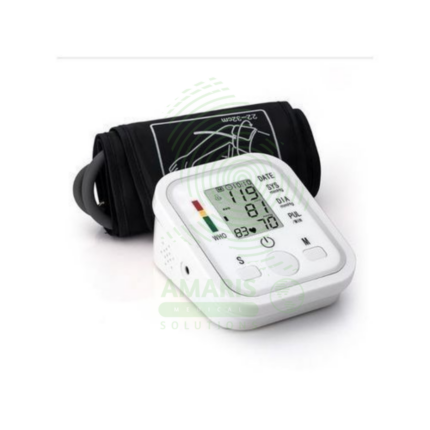
Digital Blood Pressure Monitor
A Digital Blood Pressure Monitor is an automatic electronic device that measures and displays systolic pressure, diastolic pressure, and pulse rate using the oscillometric method. Designed primarily for home and clinical use, it offers a user-friendly alternative to manual aneroid devices, requiring minimal training. Key features often include irregular heartbeat detection, multi-user memory, and connectivity for data tracking. Its accuracy, when clinically validated and used with correct technique, makes it an indispensable tool for the diagnosis and management of hypertension, empowering patients and supporting healthcare providers with reliable ambulatory data.
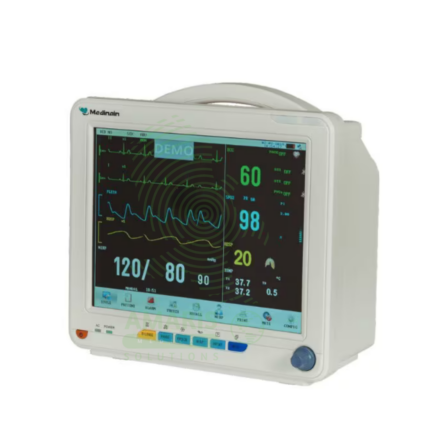
ECG Machine
An ECG Machine is a Class II medical device that records and displays the electrical activity of the heart through surface electrodes, producing an electrocardiogram for diagnosis of cardiac conditions. Standard diagnostic machines record 12 simultaneous leads (3 limb, 6 precordial, 1 ground) with frequency response 0.05-150 Hz, sampling rate 500-1,000 Hz, and high-resolution (5-10 µV) signal acquisition. Features include color touchscreen display, thermal array printer, computerized interpretation algorithms, internal memory (50-500+ ECGs), and network connectivity for EMR integration. Lead wires (AHA or IEC color coding) connect to disposable adhesive electrodes. Portable models (5-15 kg) with rechargeable batteries enable bedside and mobile use; cart-mounted units provide full diagnostic capability. Primary clinical applications include diagnosis of arrhythmias (AF, VT, bradycardia), detection of myocardial ischemia/infarction (STEMI, NSTEMI), evaluation of chest pain, preoperative cardiac risk assessment, monitoring electrolyte imbalances, assessment of chamber enlargement, and drug effect/toxicity monitoring. Essential diagnostic equipment in emergency departments, cardiology clinics, ICUs, operating rooms, and primary care settings worldwide.
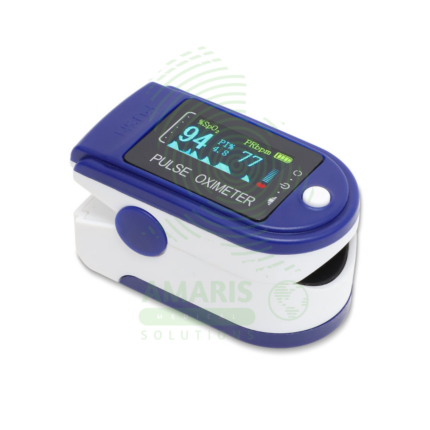
Fingertip Pulse Oximeter
A Fingertip Pulse Oximeter is a compact, non-invasive medical device that clips onto a finger to measure peripheral arterial oxygen saturation (SpO2) and pulse rate in seconds. Utilizing light-based technology, it provides critical, real-time data on respiratory and circulatory status. Its portability and ease of use make it indispensable in hospitals (from ORs to general wards), for patients managing chronic lung conditions at home, and for situational monitoring in sports or high-altitude environments. While an extremely valuable screening tool, readings must be interpreted in context, considering factors like patient movement, perfusion, and clinical symptoms.
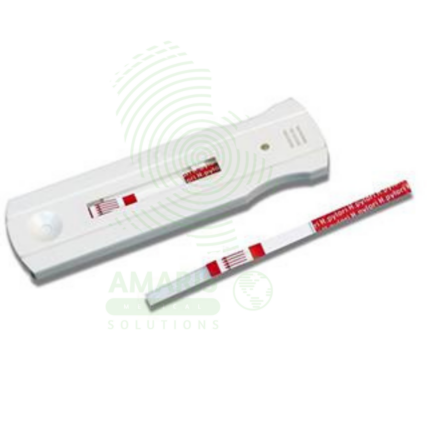
H. pylori Test Strips
H. pylori Test Strips are rapid, lateral flow immunochromatographic devices used for the qualitative detection of Helicobacter pylori antigens in human stool. As a non-invasive stool antigen test (SAT), it provides a convenient and reliable method for diagnosing active H. pylori infection and confirming eradication after therapy, with results available in under 15 minutes. Ideal for use in clinics and outpatient settings, it aids in the management of dyspepsia and peptic ulcer disease. Proper sample handling, adherence to pre-test medication restrictions, and strict biohazard precautions are essential for obtaining accurate results.
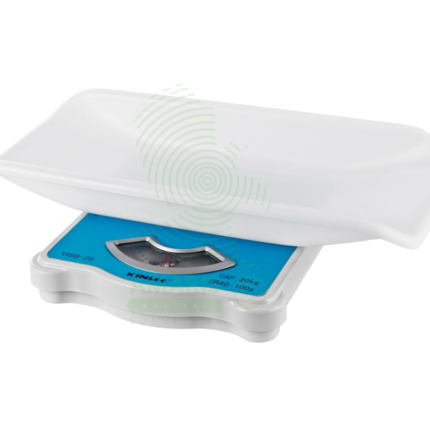
Manual Baby Weighing Scale
A Manual Baby Weighing Scale is a simple, mechanical device used to measure infant weight without the need for electricity or batteries. Operating on a spring or balance principle, it features a suspended sling or seat and a dial display. Its primary advantage is durability and portability for use in community health, outreach programs, and areas with unreliable power. While less precise than digital scales, it provides a reliable and accessible means to monitor growth trends and screen for undernutrition in resource-limited settings, making it a vital tool for basic pediatric care in the field.
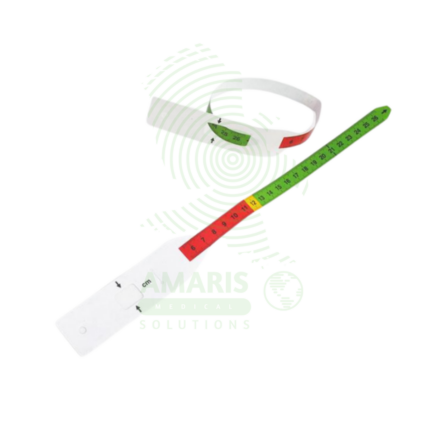
MUAC Tape
A MUAC Tape (Mid-Upper Arm Circumference) is a specialized, color-coded measuring tape used globally as the primary field tool for screening children aged 6-59 months for acute malnutrition. Its simple design—featuring red, yellow, and green zones corresponding to Severe Acute Malnutrition, Moderate Acute Malnutrition, and normal nutritional status—allows for instant, non-invasive assessment without the need for scales, calculation, or literacy. Durable, portable, and inexpensive, it is the cornerstone of community-based nutrition programs, emergency relief efforts, and public health surveillance, enabling early detection and life-saving intervention for malnourished children in even the most resource-constrained settings.
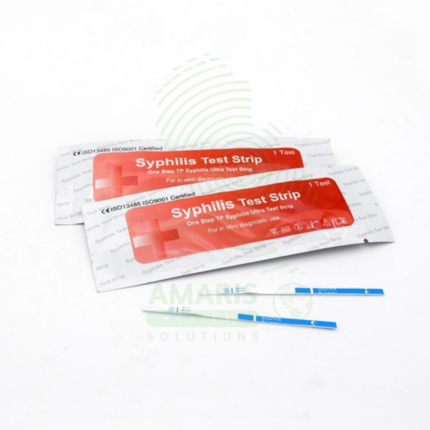
VDRL Test For Syphilis
The VDRL Test For Syphilis (Venereal Disease Research Laboratory) is a Class II medical device (FDA-cleared) non-treponemal flocculation test for qualitative and quantitative detection of reaginic antibodies in serum or cerebrospinal fluid, used for syphilis screening, diagnosis, and treatment monitoring. The test uses an antigen mixture (cardiolipin, cholesterol, lecithin) that reacts with antibodies, forming visible clumping (flocculation) in positive samples. Results are reported as reactive/non-reactive with quantitative titers (e.g., 1:2 to 1:256). Primary clinical applications include initial screening for syphilis infection, confirmation of active syphilis (with treponemal tests), monitoring treatment response (fourfold titer decrease indicates cure), diagnosis of neurosyphilis (CSF testing), prenatal screening for congenital syphilis prevention, screening in high-risk populations (MSM, HIV-positive, multiple partners), and blood donor screening. Critical safety precautions include confirmation of all reactive results with treponemal tests (TPPA, FTA-ABS), awareness of false positives (pregnancy, autoimmune disease, viral infections), proper specimen handling (universal precautions), refrigerated storage of reagents (2-8°C), and mandatory reporting of reactive results to public health authorities. Essential test for syphilis control and congenital syphilis prevention worldwide.