Dermatoscope and Magnifiers
 Diagnostic Kits
 Vital Signs Monitors
 Stethoscopes and Accessories
 Otoscopes, Ophthalmoscopes, and Retinoscopes
 Reflex Hammers and Neurological Tools
 Scales and Measuring Devices
 Spirometers and Pulmonary Function Tests
 Electrosurgical Units and Accessories
 Cutting Instruments
 Grasping and Holding Instruments
 Hemostatic Instruments
 Specialized Surgical Sets
 Single-Use Procedure Trays and Packs
 Surgical Drapes, Gowns, and Covers
 Tissue Unifying Instruments
 Radiation Protection
 X-Ray Machines and Accessories
 Ultrasound Systems and Probes
 MRI and CT Scanners
 Radiology Consumables
 Bone Densitometers
 Fluoroscopy Equipment
 Imaging Tables and Positioning Aids
 Microscopes and Accessories
 Centrifuges and Separators
 Analyzers
 Incubators and Ovens
 Pipettes, Dispensers, and Lab Glassware
 Refrigerators, Freezers, and Storage Units
 Lab Consumables
 Sterilizers and Autoclaves for Lab Use
 Multi-Parameter Monitors
 Ventilators and Respiratory Support Devices
 Defibrillators and AEDs
 Infusion Pumps and IV Systems
 Patient Warmers and Cooling Devices
 Central Monitoring Stations
 Accessories
 Anesthesia Machines and Workstations
 Oxygen Concentrators and Delivery Systems
 Nebulizers and Inhalers
 CPAP/BiPAP Machines
 Airway Management
 Anesthesia Masks, Circuits, and Bags
 Humidifiers and Heaters
 Respiratory Therapy Accessories
 First Aid Kits and Cabinets
 Emergency Resuscitation Equipment
 Trauma Supplies
 Emergency Carts and Crash Carts
 Burn Care Products
 Bleeding Control
 Automated External Defibrillators (AEDs)
 Transport and Evacuation
 Wheelchairs and Accessories
 Walkers, Crutches, and Canes
 Prosthetics and Orthotics
 Physical Therapy Equipment
 Transfer Devices
 Bathroom Safety
 Orthopedic Traction and Tables
 Hot/Cold Therapy Packs and Units
 Beds and Mattresses
 Chairs and Stools
 Tables
 Cabinets and Storage
 Privacy Screens & Curtains
 Stands and Racks
 Linens and Textiles
 Lighting
 Autoclaves and Sterilizers
 Ultrasonic Cleaners
 Disinfectant Solutions and Wipes
 Sterilization Pouches, Wraps, and Indicators
 Instrument Trays and Containers
 UV and Ozone Disinfection Devices
 Washer Disinfectors
 Wound Care
 Gloves
 Masks and Respirators
 Catheters and Tubing
 Swabs, Applicators, and Sponges
 Incontinence Products
 Personal Protective Equipment (PPE)
 Dental Chairs and Units
 Handpieces and Burs
 Instruments
 Consumables
 Sterilization for Dental Use
 Orthodontic Supplies
 Endodontic Tools
 Slit Lamps and Tonometers
 Lensometers and Phoropters
 Ophthalmic Surgical Instruments
 Eyewear Frames and Lenses
 Contact Lens Supplies
 Vision Testing Charts and Devices
 Eye Care Consumables
 Laser Systems for Eye Care
 ENT Exam Chairs and Tables
 Endoscopes
 Audiometers and Hearing Tests
 ENT Instruments
 Nasal and Throat Packs
 Hearing Aids and Accessories
 Otology Supplies
 Fetal Dopplers and Monitors
 Delivery Beds and Tables
 Gynecological Instruments
 Neonatal Incubators and Warmers
 Breast Pumps and Accessories
 Contraceptive Devices
 Maternity Supports and Pads
 Neonatal Consumables
 Cystoscopes and Urethroscopes
 Dialysis Machines and Supplies
 Urological Catheters and Bags
 Lithotripters
 Prostate Treatment Devices
 Urinary Incontinence Products
 Kidney Stone Management Tools
 Consumables & Disposables
 EEG and EMG Machines
 Neurosurgical Instruments
 Nerve Stimulators
 Headrests and Positioning Aids
 Lumbar Puncture Kits
 Seizure Monitoring Devices
 Consumables
 Rehabilitation for Neurological Conditions
 ECG Machines and Accessories
 Holter Monitors
 Stress Test Systems
 Pacemakers and Defibrillator Accessories
 Vascular Access Devices
 Cardiac Catheters and Guidewires
 Blood Flow Meters
 Consumables
 Orthopedic Instruments
 Casts, Splints, and Padding
 Joint Replacement Supplies
 Prosthetic Limbs and Components
 Bone Grafts and Substitutes
 Traction Devices
 Orthopedic Braces and Supports
 Rehabilitation Aids for Orthopedics
 Home Oxygen Therapy
 Hospital Beds for Home Use
 Mobility Aids
 Bathroom and Daily Living Aids
 Wound Care for Home
 Monitoring Devices
 Enteral Feeding Pumps and Tubes
 Hand Sanitizers and Dispensers
 Face Shields and Goggles
 Isolation Gowns and Suits
 Biohazard Waste Containers
 Air Purifiers and HEPA Filters
 Surface Disinfectants
 Sharps Containers
 Protective Barriers
 Cardiovascular & Endurance Training
 Strength Training & Weightlifting
 Functional Training & Core Conditioning
 Physical Therapy & Rehabilitation
 Sports & Outdoor Recreation
 Gym Flooring & Facility Equipment
 Fitness Monitoring & Accessories
 Kids & Novelties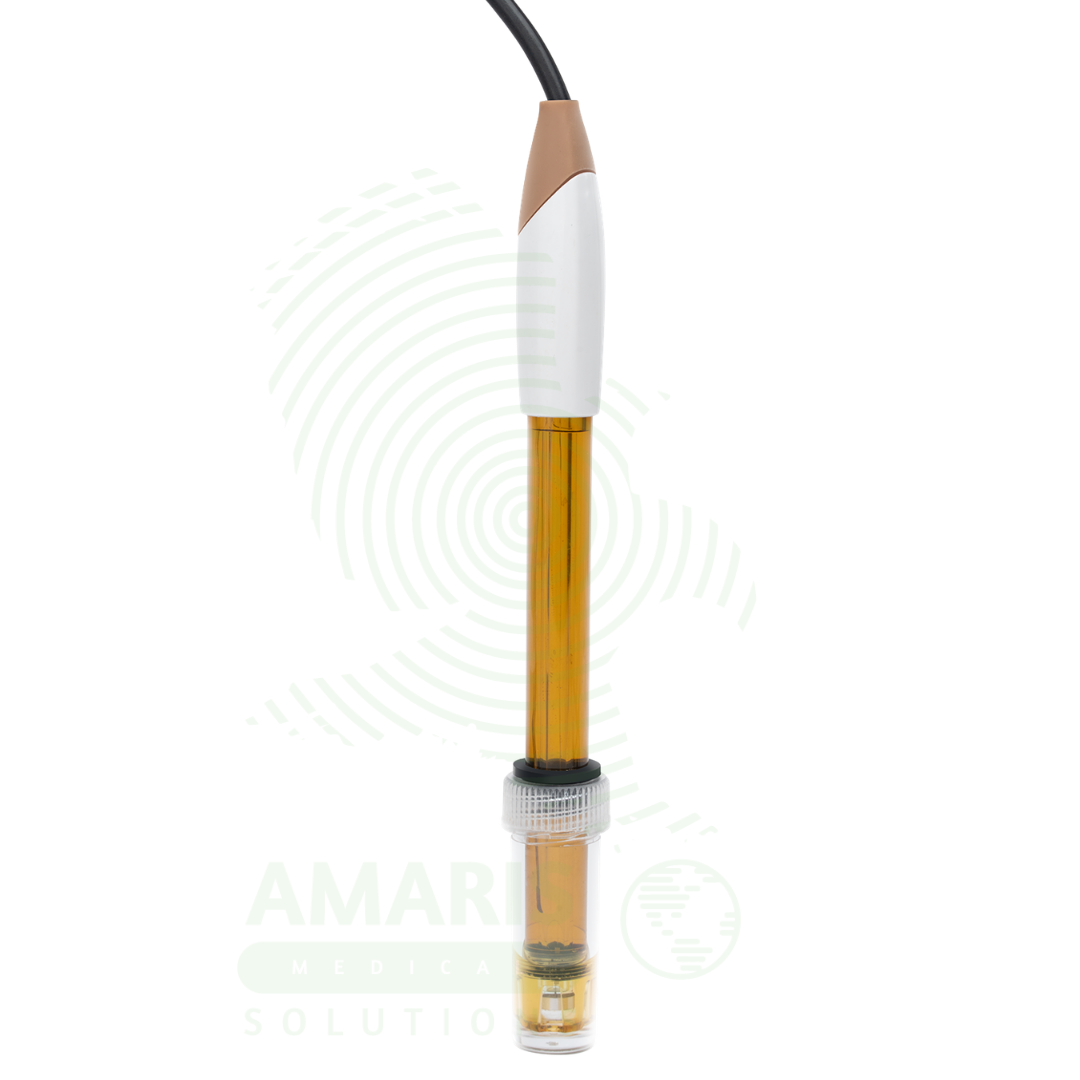

Combination ORP probe
WhatsApp Order
A Combination ORP Probe is an integrated electrochemistry sensor that combines both the platinum sensing electrode and Ag/AgCl reference electrode into a single probe body, designed for precise measurement of oxidation-reduction potential (ORP) in clinical diagnostic, blood bank, and research laboratory applications . ORP (also known as redox potential) measures the total oxidizing or reducing capability of a biological solution, providing information about the oxidative stress status and electrochemical balance of patient specimens .
The probe features a platinum band sensing element (for ORP measurement) and an Ag/AgCl reference system, with body materials available in epoxy for rugged general-purpose use, glass for chemical resistance in organic solvents, or PPS (polyphenylene sulfide) for super rugged industrial applications . The reference junction options include porous Teflon for general use, Sure-Flow for clogging prevention in dirty or viscous samples, and glass fiber or ceramic for high precision, with single-junction or double-junction designs . Select models (e.g., Triode series) integrate a built-in temperature sensor for automatic temperature compensation (ATC) . Response time is rapid, with stable readings achieved within 10-30 seconds .
For the clinical laboratory scientist and medical technologist, the combination ORP probe simplifies redox measurement of biological fluids including serum, plasma, urine, and blood products—eliminating the need for separate reference and sensing electrodes while reducing sample handling . For the clinical pathologist and researcher, ORP measurement of patient specimens may support the diagnosis, evaluation, and monitoring of conditions including trauma, viral infection, and suspected myocardial infarction, as well as assessment of oxidative stress and systemic inflammation . For the blood bank technologist, ORP measurement of stored blood components can help evaluate quality and storage-related oxidative changes .
Gel-filled (sealed) models require virtually no maintenance as there is no need to refill the reference chamber, while refillable models allow for extended service life . The probe’s rugged epoxy body and Sure-Flow junction design is well-suited for dirty or viscous biological samples . Compatible with ORP meters accepting BNC connection, the combination ORP probe is an essential tool for clinical chemistry laboratories, blood banks, transfusion medicine services, and research facilities requiring accurate, reproducible ORP measurement for patient sample testing, quality control, and diagnostic applications .
Description
Combination ORP Probe
PRIMARY CLINICAL & DIAGNOSTIC USES
1. Oxidation-Reduction Potential Measurement for Diagnostic Assessment
-
Primary Use: Provides a combination electrode that integrates both the sensing electrode (platinum band) and reference electrode (Ag/AgCl) into a single probe, enabling precise measurement of oxidation-reduction potential (ORP) in biological fluids and clinical samples .
-
How it helps: For the clinical laboratory scientist and medical technologist, the combination ORP probe offers a convenient single-probe design that simplifies redox potential measurement of bodily fluids—eliminating the need for separate reference and sensing electrodes while reducing sample handling . This integrated design provides valuable diagnostic information about the overall oxidative or reductive state of biological specimens . For the patient, ORP measurement of biological fluids can support the diagnosis, evaluation, and monitoring of various conditions including trauma, infection, and suspected myocardial infarction .
2. Assessment of Oxidative Stress and Systemic Inflammation
-
Primary Use: Used to measure the redox potential of serum, plasma, urine, and other biological fluids to assess oxidative stress levels and systemic inflammatory status in patients with various disease states .
-
How it helps: For the clinical pathologist and metabolic disease specialist, ORP measurement provides a quantifiable assessment of the body’s total oxidative or reducing capacity—serving as a potential biomarker for conditions such as traumatic brain injury, viral infection, and cardiovascular events . The probe’s rapid response time (typically 10-30 seconds) supports efficient clinical laboratory workflows. For the patient, redox potential monitoring may aid in evaluating disease severity and tracking response to therapeutic interventions.
3. Monitoring of Blood and Blood Products in Transfusion Medicine
-
Primary Use: Used to monitor and evaluate the oxidative state of stored blood components (packed red blood cells, platelets, plasma) and to assess the recipient’s redox status before and after transfusion .
-
How it helps: For the blood bank technologist and transfusion medicine specialist, ORP measurement of stored blood products can help evaluate quality and storage-related changes—potentially identifying units with excessive oxidative damage before transfusion. For the patient receiving blood products, monitoring of blood component redox status may contribute to improved transfusion outcomes and reduced risk of storage-related complications.
4. Evaluation of Patient Exercise Performance and Recovery
-
Primary Use: Used to monitor and evaluate changes in oxidation-reduction potential of bodily fluids in response to physical exertion, supporting assessment of exercise performance and recovery status .
-
How it helps: For the sports medicine clinician and exercise physiologist, ORP measurement of biological fluids before and after exercise provides objective data on metabolic stress and recovery—potentially guiding training intensity and rehabilitation protocols. For the patient athlete or individual undergoing physical rehabilitation, redox status monitoring may help optimize recovery and prevent overtraining.
5. Combination Electrode Design for Clinical Laboratory Efficiency
-
Primary Use: Features an integrated design with both platinum sensing element and Ag/AgCl reference electrode in a single body, available with epoxy, glass, or PPS (polyphenylene sulfide) body materials for various clinical laboratory applications .
-
How it helps: For the clinical laboratory manager and medical technologist, the combination ORP probe’s single-electrode design simplifies instrument setup, reduces maintenance requirements, and minimizes the number of components that need calibration and storage—improving laboratory efficiency. Sealed, gel-filled (non-refillable) versions require virtually no maintenance as there is no need to refill the reference chamber . For the patient, reliable, low-maintenance equipment ensures consistent test result quality and reduces the risk of errors associated with complex electrode setups.
SECONDARY & SUPPORTIVE USES
1. pH Measurement of Biological Samples: Some combination ORP probes (e.g., Thermo Orion Triode models) integrate pH sensing capability, allowing simultaneous pH and ORP measurement with a single probe .
2. Water Quality Testing in Healthcare Facilities: Used to monitor ORP of purified water systems, dialysis water, and instrument rinse water to verify disinfection effectiveness and water quality standards.
3. Disinfectant Efficacy Monitoring: Measures ORP of chlorine-based disinfectants, ozone-treated water, and other sanitizing solutions to verify adequate oxidation potential for effective microbial kill.
4. Pharmaceutical Quality Control: Used to verify redox potential and oxidizing/reducing conditions of pharmaceutical preparations, intravenous solutions, and parenteral nutrition formulations.
5. Antioxidant Status Research: Supports clinical research studies investigating the relationship between ORP levels in biological fluids and various disease states, including inflammation, infection, and oxidative stress-related conditions.
6. Veterinary Diagnostic Applications: Used for ORP measurement of animal blood, urine, and tissue samples in veterinary diagnostic laboratories.
7. Quality Control in Blood Gas Analysis: Supports ORP measurement of blood gas quality control materials for verification of blood gas analyzer performance.
8. Monitoring of Biological Nutrient Removal: Used in hospital wastewater treatment monitoring for ORP assessment of biological nutrient removal processes .
9. Corrosion Assessment in Medical Device Processing: Measures ORP to assess corrosion potential in medical device sterilization and cleaning systems .
10. Industrial ORP Monitoring for Dialysis Water Systems: Used in industrial ORP monitoring applications for water treatment systems supporting dialysis and laboratory services .
11. Swimming Pool and Hydrotherapy Water Testing: Measures ORP of chlorinated water in hospital hydrotherapy pools and therapy spas to verify disinfection effectiveness .
12. Educational and Training Laboratories: Used in medical technology and clinical laboratory science training programs to teach ORP measurement principles.
KEY PRODUCT FEATURES
1. BASIC IDENTIFICATION ATTRIBUTES
-
Device Type: A combination oxidation-reduction potential (ORP/redox) electrode integrating both the sensing electrode (platinum band) and reference electrode (Ag/AgCl) into a single probe for clinical and laboratory applications .
-
Designation: Combination ORP Probe, Redox Electrode, Oxidation-Reduction Potential Electrode, ORP Sensor, Platinum Redox Electrode
-
Key Components:
o Sensing Element: Platinum band or platinum wire for ORP measurement
o Reference Electrode: Ag/AgCl internal reference system
o Body Material: Epoxy (rugged, general purpose), Glass (chemical resistant), PPS/Polyphenylene Sulfide (super rugged, industrial)
o Reference Junction: Porous Teflon, Sure-Flow, glass fiber, or ceramic
o Connector: BNC connector for meter connection
o Junction Type: Single-junction or double-junction for extended service life
o Temperature Sensor: Built-in ATC (automatic temperature compensation) on select models
2. TECHNICAL & PERFORMANCE PROPERTIES
-
ORP Measurement Range: -1500 to +1500 mV (typical); ±2000 mV (extended range models)
-
Temperature Range: 0°C to 110°C depending on body material
-
Response Time: Stable reading typically within 10-30 seconds
-
Body Materials: Epoxy (rugged, general purpose), Glass (chemical resistant, organic solvent compatibility), PPS (super rugged, industrial)
-
Reference System: Ag/AgCl with gel-filled (sealed, maintenance-free) or refillable design
-
Junction Types: Porous Teflon, Sure-Flow (clog-resistant), glass fiber, ceramic
-
Junction Configuration: Single-junction or double-junction (extended service life)
-
pH Measurement Capability: Select models (e.g., Orion Triode) integrate pH sensing with ORP
-
Connector: BNC standard; some models include additional connections for ATC and reference
-
Cable Length: Typically 1 meter (laboratory) to 5-6 meters (industrial)
-
Threading: 3/4" NPT thread for industrial/process mounting
-
Dimensions: Length 120-160 mm (laboratory) or 150 mm (industrial); Diameter 12 mm (laboratory) to 25-29 mm (industrial)
-
Storage: Keep electrode wet in storage solution; do not allow junction to dry out (combination electrode storage)
-
Compatibility: Works with ORP meters accepting BNC connection; some require specific meter compatibility (e.g., Orion Star series)
3. PHYSICAL & OPERATIONAL PROPERTIES
-
Construction: Combination electrode design integrates both sensing and reference elements in single probe body; seamless integration simplifies use compared to separate electrodes
-
Design: 2-in-1 integrated design combines ORP sensing element and reference electrode; some 3-in-1 models (Triode) add built-in ATC temperature sensor
-
Maintenance: Gel-filled (sealed) models require no routine maintenance; refillable models require periodic filling solution replenishment
-
Compatibility: Compatible with ORP meters accepting BNC connector; check manufacturer compatibility for proper performance
-
Body Options: Epoxy (durable, general purpose), Glass (chemical resistant, for organic solvents), PPS (super rugged for harsh environments)
-
Portability: Designed for benchtop laboratory use; industrial models for in-line or submersion applications
4. SAFETY & COMPLIANCE ATTRIBUTES
-
Regulatory Status: Laboratory equipment for in vitro diagnostic use; general purpose electrochemistry accessory.
-
Body Material Safety: Epoxy (non-toxic, chemically resistant); Glass (inert, chemical resistant); PPS (high-temperature resistant, chemically inert)
-
Reference System: Ag/AgCl (silver/silver chloride) — standard reference system; avoid exposure to incompatible solutions.
-
Storage Conditions: Keep electrode wet in ORP storage solution or pH 4 buffer; do not allow reference junction to dry out; never store in distilled or deionized water.
-
Handling: Handle sensing element (platinum band) with care; avoid scratching or damaging platinum surface.
-
Cleaning: Use appropriate cleaning solutions for protein removal (protease solution), oil/grease removal (mild detergent), or specific contaminants; rinse thoroughly after cleaning.
-
Reference Junction: Ensure reference junction remains unblocked; use Sure-Flow or porous Teflon junction models for dirty or viscous samples .
-
Double Junction Advantage: Models with double-junction reference design extend service life in challenging sample matrices .
5. STORAGE & HANDLING ATTRIBUTES
-
Storage: Store electrode in ORP storage solution (4M KCl) or pH 4 buffer solution; keep wet at all times; do not allow sensing element or reference junction to dry out; never store in distilled or deionized water.
-
Cleaning: Rinse with distilled water between samples; clean with appropriate cleaning solution if contaminated (protein removal, oil/grease removal); avoid touching platinum sensing band with fingers.
-
Inspection: Inspect platinum band for damage or contamination before each use; check reference junction for blockage; inspect body for cracks or damage.
-
Calibration: Calibrate daily before use with appropriate ORP standard solution (e.g., Orion ORP standard, Zobell's solution, Light's solution). Check system performance to standard's reported potential at room temperature .
-
Hydration: If electrode has dried out, soak in storage solution for 24-48 hours before use; recalibrate before use.
-
Refilling (Refillable Models): Maintain fill solution level above sample level; use recommended filling solution (e.g., 4M KCl). For gel-filled models, no refilling is required.
-
Cable Care: Keep cable and connector clean and dry; do not immerse cable or connector in liquid.
6. LABORATORY & CLINICAL APPLICATIONS
-
Primary Application: Oxidation-reduction potential measurement for diagnostic assessment, oxidative stress evaluation, blood product monitoring, and research applications in clinical diagnostic laboratories, blood banks, and research facilities .
-
Clinical Role: Essential ORP measurement accessory in clinical diagnostic laboratories, blood banks, transfusion medicine services, sports medicine facilities, and research institutions investigating redox status biomarkers in patient samples .
SAFETY HANDLING PRECAUTIONS
1. SAFETY PRECAUTIONS
-
Sensing Element Care: Platinum band is delicate; avoid scratching or damaging the sensing surface; do not use abrasive materials for cleaning.
-
Storage: Always keep electrode wet (in storage solution or pH 4 buffer); never store in distilled or deionized water, which damages reference system.
-
Reference Junction: Do not allow reference junction to dry out; for Sure-Flow models, ensure free flow of electrolyte ; for porous Teflon models, check for blockage .
-
Chemical Compatibility: Do not use in solutions that damage body materials (e.g., hydrofluoric acid for glass bodies; strong organic solvents for epoxy bodies).
-
Temperature Limits: Do not exceed specified temperature range (typically 0-100°C or 0-110°C); high temperatures may damage electrode .
-
Calibration Verification: Verify calibration before testing patient samples using ORP standard solutions; check performance to standard's reported potential .
-
Cleaning: Use appropriate cleaning solutions for specific contaminants; rinse thoroughly after cleaning; do not use abrasive cleaners on platinum band.
-
Dehydration Prevention: If electrode shows sluggish response or unstable readings, check for dehydration; soak in storage solution for 24-48 hours and recalibrate.
-
Fill Solution (Refillable): Maintain fill solution level above sample level to maintain proper reference potential; use only recommended filling solution.
-
Training: Only trained laboratory personnel should handle and operate combination ORP probes for clinical diagnostic applications.
2. FIRST AID MEASURES
-
Sample Splash: If biological sample or calibration solution splashes into eyes, flush with water for 15 minutes, seek medical attention; if on skin, wash with soap and water.
-
Glass Breakage: If glass-bodied probe breaks, carefully collect fragments using forceps; dispose in sharps container; inspect sample for glass contamination before further use.
-
Chemical Exposure: If reference filling solution contacts skin, wash with soap and water; if in eyes, flush with water for 15 minutes, seek medical attention.
-
Electrical Malfunction: If meter shows erratic readings, check connections, clean electrode, recalibrate, or replace probe.
3. FIRE FIGHTING MEASURES
-
Flammability: Epoxy and PPS bodies are combustible; may burn if exposed to flame or high heat. Glass body is non-flammable.
-
Extinguishing Media: Use carbon dioxide, dry chemical, foam, or water spray for fire involving plastic components.
-
Fire Response: No special fire hazards beyond typical combustible materials.
Related products
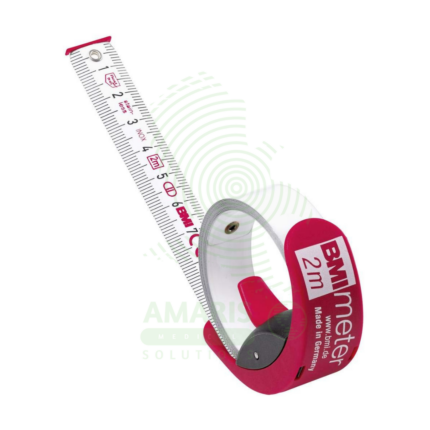
BMI Tape
A BMI Tape is a rapid screening tool that estimates an individual's Body Mass Index (BMI) category by measuring body circumference, most commonly the waist. It features a color-coded scale that directly displays BMI ranges (Underweight, Normal, Overweight, Obese), eliminating the need for separate height and weight measurements and manual calculation. While highly useful for community health screenings, wellness programs, and patient education due to its portability and simplicity, it is an approximate method. Its accuracy is limited compared to BMI calculated from precise clinical measurements, and it should be used as an initial screening indicator rather than a definitive diagnostic tool.
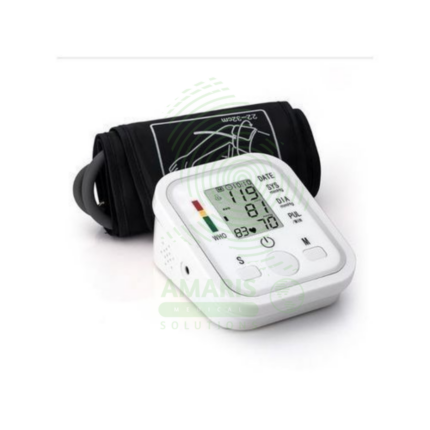
Digital Blood Pressure Monitor
A Digital Blood Pressure Monitor is an automatic electronic device that measures and displays systolic pressure, diastolic pressure, and pulse rate using the oscillometric method. Designed primarily for home and clinical use, it offers a user-friendly alternative to manual aneroid devices, requiring minimal training. Key features often include irregular heartbeat detection, multi-user memory, and connectivity for data tracking. Its accuracy, when clinically validated and used with correct technique, makes it an indispensable tool for the diagnosis and management of hypertension, empowering patients and supporting healthcare providers with reliable ambulatory data.
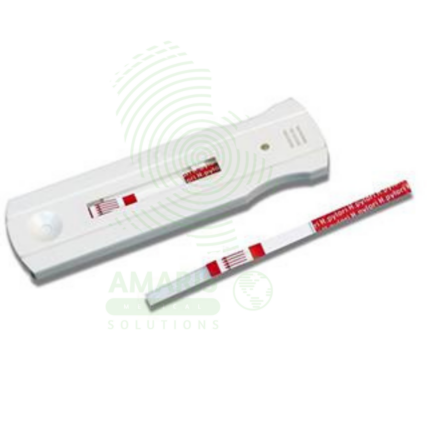
H. pylori Test Strips
H. pylori Test Strips are rapid, lateral flow immunochromatographic devices used for the qualitative detection of Helicobacter pylori antigens in human stool. As a non-invasive stool antigen test (SAT), it provides a convenient and reliable method for diagnosing active H. pylori infection and confirming eradication after therapy, with results available in under 15 minutes. Ideal for use in clinics and outpatient settings, it aids in the management of dyspepsia and peptic ulcer disease. Proper sample handling, adherence to pre-test medication restrictions, and strict biohazard precautions are essential for obtaining accurate results.
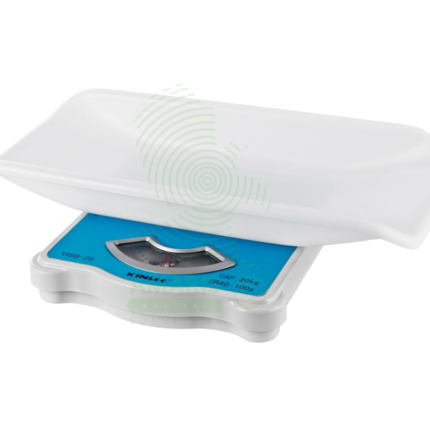
Manual Baby Weighing Scale
A Manual Baby Weighing Scale is a simple, mechanical device used to measure infant weight without the need for electricity or batteries. Operating on a spring or balance principle, it features a suspended sling or seat and a dial display. Its primary advantage is durability and portability for use in community health, outreach programs, and areas with unreliable power. While less precise than digital scales, it provides a reliable and accessible means to monitor growth trends and screen for undernutrition in resource-limited settings, making it a vital tool for basic pediatric care in the field.
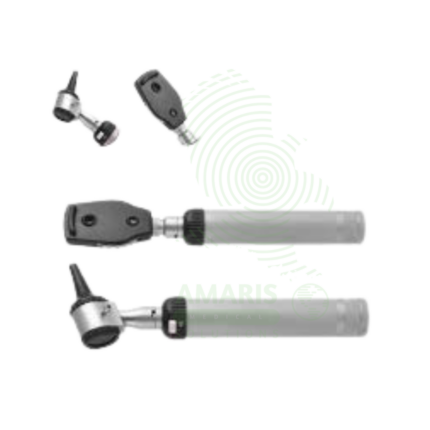
Ophthalmoscope
An Ophthalmoscope is a handheld diagnostic instrument used to examine the interior of the eye, specifically the fundus (retina, optic disc, blood vessels, and macula). By providing illuminated magnification, it serves as a vital screening tool for detecting ocular diseases like glaucoma and retinal disorders, and more importantly, for identifying signs of systemic conditions such as diabetes, hypertension, and increased intracranial pressure. Its operation involves selecting appropriate apertures and compensating lenses to obtain a clear view. While offering a detailed but narrow field of vision, mastery of the direct ophthalmoscope remains a cornerstone skill in general medicine, neurology, and ophthalmology for assessing vascular and neurological health.
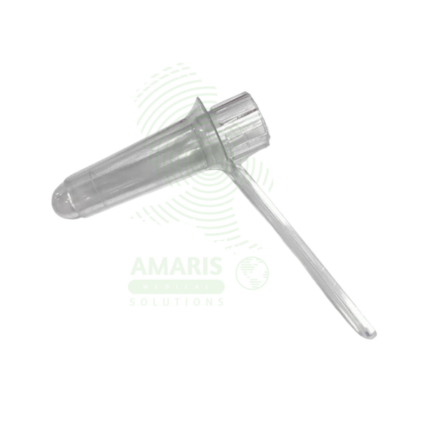
Proctoscope
A Proctoscope is a rigid, straight-tube endoscope specifically designed for the examination and treatment of the anal canal and distal rectum. It enables direct visualization to diagnose conditions like hemorrhoids, fissures, and proctitis, and serves as a conduit for therapeutic procedures such as band ligation. Available in reusable (autoclavable metal) or disposable (single-use plastic) formats, it is a fundamental tool in colorectal practice. Its effective use requires proper patient preparation, gentle insertion technique, and stringent adherence to sterilization protocols to ensure patient safety and diagnostic accuracy.
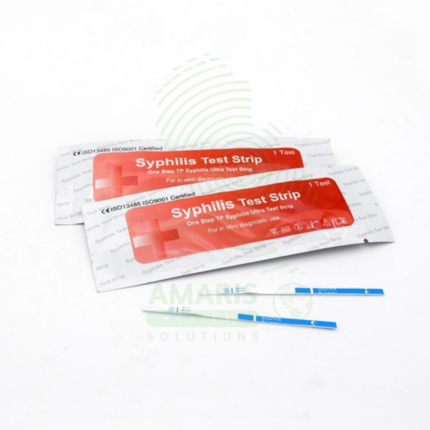
VDRL Test For Syphilis
The VDRL Test For Syphilis (Venereal Disease Research Laboratory) is a Class II medical device (FDA-cleared) non-treponemal flocculation test for qualitative and quantitative detection of reaginic antibodies in serum or cerebrospinal fluid, used for syphilis screening, diagnosis, and treatment monitoring. The test uses an antigen mixture (cardiolipin, cholesterol, lecithin) that reacts with antibodies, forming visible clumping (flocculation) in positive samples. Results are reported as reactive/non-reactive with quantitative titers (e.g., 1:2 to 1:256). Primary clinical applications include initial screening for syphilis infection, confirmation of active syphilis (with treponemal tests), monitoring treatment response (fourfold titer decrease indicates cure), diagnosis of neurosyphilis (CSF testing), prenatal screening for congenital syphilis prevention, screening in high-risk populations (MSM, HIV-positive, multiple partners), and blood donor screening. Critical safety precautions include confirmation of all reactive results with treponemal tests (TPPA, FTA-ABS), awareness of false positives (pregnancy, autoimmune disease, viral infections), proper specimen handling (universal precautions), refrigerated storage of reagents (2-8°C), and mandatory reporting of reactive results to public health authorities. Essential test for syphilis control and congenital syphilis prevention worldwide.