Dermatoscope and Magnifiers
 Diagnostic Kits
 Vital Signs Monitors
 Stethoscopes and Accessories
 Otoscopes, Ophthalmoscopes, and Retinoscopes
 Reflex Hammers and Neurological Tools
 Scales and Measuring Devices
 Spirometers and Pulmonary Function Tests
 Electrosurgical Units and Accessories
 Cutting Instruments
 Grasping and Holding Instruments
 Hemostatic Instruments
 Specialized Surgical Sets
 Single-Use Procedure Trays and Packs
 Surgical Drapes, Gowns, and Covers
 Tissue Unifying Instruments
 Radiation Protection
 X-Ray Machines and Accessories
 Ultrasound Systems and Probes
 MRI and CT Scanners
 Radiology Consumables
 Bone Densitometers
 Fluoroscopy Equipment
 Imaging Tables and Positioning Aids
 Microscopes and Accessories
 Centrifuges and Separators
 Analyzers
 Incubators and Ovens
 Pipettes, Dispensers, and Lab Glassware
 Refrigerators, Freezers, and Storage Units
 Lab Consumables
 Sterilizers and Autoclaves for Lab Use
 Multi-Parameter Monitors
 Ventilators and Respiratory Support Devices
 Defibrillators and AEDs
 Infusion Pumps and IV Systems
 Patient Warmers and Cooling Devices
 Central Monitoring Stations
 Accessories
 Anesthesia Machines and Workstations
 Oxygen Concentrators and Delivery Systems
 Nebulizers and Inhalers
 CPAP/BiPAP Machines
 Airway Management
 Anesthesia Masks, Circuits, and Bags
 Humidifiers and Heaters
 Respiratory Therapy Accessories
 First Aid Kits and Cabinets
 Emergency Resuscitation Equipment
 Trauma Supplies
 Emergency Carts and Crash Carts
 Burn Care Products
 Bleeding Control
 Automated External Defibrillators (AEDs)
 Transport and Evacuation
 Wheelchairs and Accessories
 Walkers, Crutches, and Canes
 Prosthetics and Orthotics
 Physical Therapy Equipment
 Transfer Devices
 Bathroom Safety
 Orthopedic Traction and Tables
 Hot/Cold Therapy Packs and Units
 Beds and Mattresses
 Chairs and Stools
 Tables
 Cabinets and Storage
 Privacy Screens & Curtains
 Stands and Racks
 Linens and Textiles
 Lighting
 Autoclaves and Sterilizers
 Ultrasonic Cleaners
 Disinfectant Solutions and Wipes
 Sterilization Pouches, Wraps, and Indicators
 Instrument Trays and Containers
 UV and Ozone Disinfection Devices
 Washer Disinfectors
 Wound Care
 Gloves
 Masks and Respirators
 Catheters and Tubing
 Swabs, Applicators, and Sponges
 Incontinence Products
 Personal Protective Equipment (PPE)
 Dental Chairs and Units
 Handpieces and Burs
 Instruments
 Consumables
 Sterilization for Dental Use
 Orthodontic Supplies
 Endodontic Tools
 Slit Lamps and Tonometers
 Lensometers and Phoropters
 Ophthalmic Surgical Instruments
 Eyewear Frames and Lenses
 Contact Lens Supplies
 Vision Testing Charts and Devices
 Eye Care Consumables
 Laser Systems for Eye Care
 ENT Exam Chairs and Tables
 Endoscopes
 Audiometers and Hearing Tests
 ENT Instruments
 Nasal and Throat Packs
 Hearing Aids and Accessories
 Otology Supplies
 Fetal Dopplers and Monitors
 Delivery Beds and Tables
 Gynecological Instruments
 Neonatal Incubators and Warmers
 Breast Pumps and Accessories
 Contraceptive Devices
 Maternity Supports and Pads
 Neonatal Consumables
 Cystoscopes and Urethroscopes
 Dialysis Machines and Supplies
 Urological Catheters and Bags
 Lithotripters
 Prostate Treatment Devices
 Urinary Incontinence Products
 Kidney Stone Management Tools
 Consumables & Disposables
 EEG and EMG Machines
 Neurosurgical Instruments
 Nerve Stimulators
 Headrests and Positioning Aids
 Lumbar Puncture Kits
 Seizure Monitoring Devices
 Consumables
 Rehabilitation for Neurological Conditions
 ECG Machines and Accessories
 Holter Monitors
 Stress Test Systems
 Pacemakers and Defibrillator Accessories
 Vascular Access Devices
 Cardiac Catheters and Guidewires
 Blood Flow Meters
 Consumables
 Orthopedic Instruments
 Casts, Splints, and Padding
 Joint Replacement Supplies
 Prosthetic Limbs and Components
 Bone Grafts and Substitutes
 Traction Devices
 Orthopedic Braces and Supports
 Rehabilitation Aids for Orthopedics
 Home Oxygen Therapy
 Hospital Beds for Home Use
 Mobility Aids
 Bathroom and Daily Living Aids
 Wound Care for Home
 Monitoring Devices
 Enteral Feeding Pumps and Tubes
 Hand Sanitizers and Dispensers
 Face Shields and Goggles
 Isolation Gowns and Suits
 Biohazard Waste Containers
 Air Purifiers and HEPA Filters
 Surface Disinfectants
 Sharps Containers
 Protective Barriers
 Cardiovascular & Endurance Training
 Strength Training & Weightlifting
 Functional Training & Core Conditioning
 Physical Therapy & Rehabilitation
 Sports & Outdoor Recreation
 Gym Flooring & Facility Equipment
 Fitness Monitoring & Accessories
 Kids & Novelties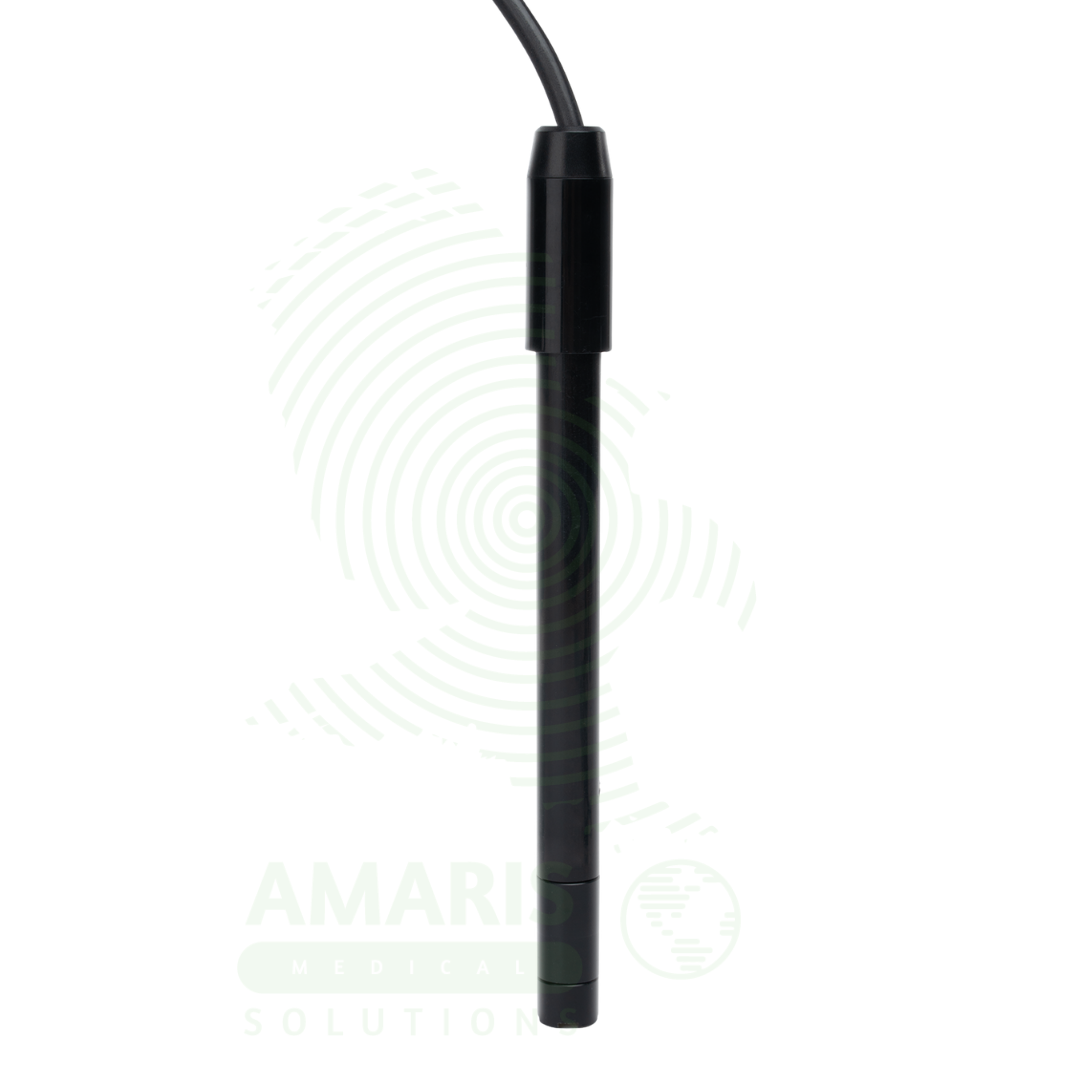


Dissolved Oxygen Probe (DO Probe)
WhatsApp Order
A DO Probe (Dissolved Oxygen Probe) is an analytical sensor used to measure the concentration of oxygen dissolved in a liquid sample, designed for clinical diagnostic, bioprocessing, and water quality applications . Dissolved Oxygen levels serve as a significative indicator to evaluate pathological conditions such as tissue hypoxia or hyperoxia, and are used to monitor the effects of therapeutic treatments in critical care settings . The probe outputs a signal (millivolt or digital) corresponding to the oxygen partial pressure (pO₂) after compensating for temperature and salinity .
Dissolved Oxygen probes are available in polarographic (electrochemical) or optical (RDO – Rugged Dissolved Oxygen) technologies. Polarographic probes (requiring a 30-60 minute warm-up, electrolyte solution, and periodic maintenance) are suitable for sensitive laboratory measurements, while optical probes (no warm-up, no electrolyte, low maintenance) are preferred for field-ready and point-of-care use . Polarographic probes consume oxygen during measurement and therefore require sample stirring, whereas optical probes do not consume oxygen and require no stirring.
For the clinical researcher and critical care physician, dissolved oxygen probes used in conjunction with tissue monitors enable the long-term measurement of tissue oxygenation and perfusion in organs such as the kidneys and brain, providing valuable insights into the causes of acute kidney injury and cognitive impairment following sepsis or cardiopulmonary bypass. For the bioprocessing engineer, autoclavable dissolved oxygen sensors are essential for monitoring and controlling oxygen levels in sterile bioreactors, ensuring optimal conditions for cell culture and recombinant protein production. For the laboratory quality manager, a dissolved oxygen probe is a fundamental tool for Biological Oxygen Demand (BOD) testing, measuring the oxygen consumed by microorganisms to assess water quality and validate the efficacy of hospital water treatment systems.
Description
Dissolved Oxygen Probe (DO Probe)
PRIMARY CLINICAL & DIAGNOSTIC USES
1. Measurement of Dissolved Oxygen in Biological Fluids
-
Primary Use: Provides an electrochemical or optical sensor (dissolved oxygen probe) designed to measure the concentration of dissolved oxygen (DO) in biological fluids such as blood, plasma, urine, and perfusion solutions for clinical diagnostic applications .
-
How it helps: For the clinical laboratory scientist and critical care researcher, dissolved oxygen levels in biological fluids are a significative indicator to evaluate pathological conditions (such as hypoxia or hyperoxia) and may explain pathophysiological mechanisms and monitor the effects of therapeutic treatments . For the patient, dissolved oxygen measurement helps clinicians identify conditions like ischemia, tissue hypoxia, and monitor the efficacy of oxygen-based therapies in critical care settings, including management of acute kidney injury and assessment following cardiopulmonary bypass .
2. Monitoring of Tissue Oxygenation and Perfusion
-
Primary Use: Used in conjunction with tissue monitors to provide real-time, simultaneous measurements of physiological tissue oxygen, temperature, and blood perfusion from combined optical micro-sensors, enabling long-term monitoring of tissue oxygenation .
-
How it helps: For the critical care physician and clinical researcher, dissolved oxygen probes that have been developed for chronic implantation can monitor renal cortical and medullary tissue oxygenation over days or weeks. This technology gives important insights into the causes of acute renal failure and cognitive impairment induced by sepsis and cardiopulmonary bypass that may lead to improved treatments . For the patient, this type of monitoring offers the potential for earlier detection of organ dysfunction, guiding timely interventions and improving outcomes for conditions like septic acute kidney injury .
3. Quality Control in Bioprocessing and Cell Culture
-
Primary Use: Provides robust dissolved oxygen sensors specifically engineered for biotechnology and molecular diagnostics applications requiring steam sterilization and hygienic operation, essential for bioprocess monitoring and biopharmaceutical production pipelines .
-
How it helps: For the bioprocess engineer and molecular diagnostics specialist, dissolved oxygen probes with autoclavable construction (e.g., featuring 316L stainless steel outer casing and expandable inner silicone bladder) support real-time monitoring of oxygenation in bioreactors and fermentation systems. Precision DO control is critical to optimizing cell growth and recombinant protein expression in sterile biomanufacturing environments . For the patient, tight control of dissolved oxygen in the production of biopharmaceuticals (such as monoclonal antibodies and vaccines) helps ensure product quality, consistency, and safety .
4. Measurement of Oxygen for Biochemical Oxygen Demand (BOD)
-
Primary Use: Utilizes polarographic or optical dissolved oxygen probes to determine the oxygen content of water and other liquids and solutions, including for Biochemical Oxygen Demand (BOD) testing in quality control and environmental monitoring .
-
How it helps: For the hospital environmental services technician and laboratory quality manager, the same fundamental dissolved oxygen measurement technology used in BOD applications supports crucial quality functions such as monitoring purified water systems, dialysis water, and wastewater treatment processes to verify disinfection effectiveness and water quality standards. For the patient, ongoing monitoring of hospital water systems helps prevent healthcare-associated infections related to waterborne pathogens, safeguarding patient safety in dialysis units and other critical care areas .
SECONDARY & SUPPORTIVE USES
1. In Vivo and Ex Vivo Organ Perfusion Monitoring: Used to provide a reliable measurement of medium oxygenation to ensure a high-quality process in ex vivo organ perfusion and tissue engineering applications, as well as in clinical research .
2. Cell Fermentation and Tissue Engineering: Provides rapid and precise oxygen measurements vital for real-time monitoring in applications such as cell fermentation, tissue engineering, and environmental biotechnology .
3. Bioprocess Monitoring and Biopharmaceutical Production: Supports high-precision oxygen measurements essential for optimizing oxygenation in bioreactors and fermentation systems, playing a critical role in biopharmaceutical production pipelines, clinical diagnostics, and synthetic biology research .
4. Wastewater and Environmental Monitoring: Measures the amount of oxygen dissolved in water samples to assess pollution levels and the health of aquatic ecosystems, with application in hospital environmental management and compliance .
5. Validation of Sterilization Processes: DO probes with autoclavable construction are used to validate and monitor sterilization cycles, ensuring the integrity of steam sterilization processes in central sterile processing departments .
6. Laboratory and Field Water Quality Testing: Fundamental tool for measuring dissolved oxygen in natural water bodies, supporting environmental monitoring and compliance with water quality regulations .
7. Standard Curve and Media Preparation: Used to verify dissolved oxygen levels in prepared culture media and buffers to ensure consistent experimental conditions in molecular biology and microbiology workflows
8. Pharmaceutical Formulation Development: Assists in developing and testing oxygen-sensitive pharmaceutical formulations, such as lipid emulsions and certain IV solutions, to maintain stability and efficacy .
9. Development of Large Animal Models of Disease: Used in preclinical research to monitor tissue perfusion and oxygenation in large animal models, providing important insights into the pathophysiology of diseases like sepsis .
10. Diagnosis and Monitoring of Acute Kidney Injury: Used in research to investigate intra-renal and urinary oxygenation during resuscitation in septic acute kidney injury, with potential for translation to clinical diagnostics .
11. Monitoring of Membrane Integrity: Optical DO probes are used to monitor membrane integrity in certain analytical instruments and processes, as they require an intact membrane to function properly .
12. Measurement of Dissolved Carbon Dioxide: Inversely, analytical instruments that measure dissolved CO2 operate on similar principles to dissolved oxygen probes, often employing a submerged probe covered by a thin organic membrane.
KEY PRODUCT FEATURES
1. BASIC IDENTIFICATION ATTRIBUTES
-
Device Type: An analytical sensor (electrochemical or optical) used to measure the amount of oxygen dissolved in a liquid sample, designed for clinical diagnostics, bioprocessing, and water quality applications .
-
Designation: dissolved oxygen Probe, Dissolved Oxygen Probe, Dissolved Oxygen Sensor, RDO Probe, Polarographic dissolved oxygen Probe, Optical dissolved oxygen Sensor .
-
Key Components:
-
Sensor Element: Galvanic, polarographic, or optical sensing technology .
-
Body Material: 316L stainless steel (autoclavable), epoxy, or PPS for use in industrial and clinical environments .
-
Membrane: Oxygen-permeable membrane covering the sensing element .
-
Electrolyte Solution: Required for polarographic probes to facilitate the electrochemical reaction .
-
Connector: BNC, MiniDIN, or 9-pin connector for meter interface .
-
Automatic Temperature Compensation (ATC): Integrated temperature sensor for correction .
-
Cable: Lengths from 1.5 meters to 20 meters for operational flexibility.
-
2. TECHNICAL & PERFORMANCE PROPERTIES
-
DO Working Range: 0-20 mg/L (0-200% saturation) for polarographic; 0-50 mg/L for some optical sensors .
-
Temperature Range: 0°C to 50°C (standard), up to 60°C for some models .
-
Accuracy: ±0.1 mg/L (0-8 mg/L), ±0.2 mg/L (8-20 mg/L) for high-performance laboratory probes .
-
Response Time (T90/T95): 10-15 seconds for high-performance polarographic probes; up to 30-60 seconds for optical and standard probes .
-
Oxygen Consumption (Polarographic): 0.008 mg/h per (mg/L) at 20°C for low-maintenance probes .
-
Connector Types: BNC (to convert a pH meter), MiniDIN, or 9-pin MiniDIN (for dedicated DO meters) .
-
Cable Length: Ranges from 1.5 m to 20 m for field or hard-to-reach applications .
-
Sterilization Compatibility: Autoclavable and steam sterilizable models available for bioprocessing .
-
Maintenance Requirements: Polarographic probes require electrolyte replacement approximately every 2 months; optical probes have a maintenance-free sensor cap that must be replaced every 1-2 years .
-
Stirring Requirement: Polarographic probes consume oxygen and require sample flow/stirring; optical probes do not consume oxygen and require no stirring .
3. PHYSICAL & OPERATIONAL PROPERTIES
-
Construction: Rugged, durable housing designed for rigorous use in industrial or clinical settings; models feature hygienically polished surfaces to prevent microbial adhesion .
-
Sensor Technology: Polarographic (requires warm-up, stirring, higher maintenance) or Optical/RDO (no warm-up, no stirring, low maintenance) .
-
Warm-Up Time: Polarographic probes require 30-60 minutes warm-up if just connected to the meter; optical probes have no warm-up time .
-
Storage: Polarographic probes must be stored in a moist calibration sleeve; optical probes should also be stored in a moist sleeve to protect the sensor cap .
-
Modularity: Some models feature quick-change membrane bodies, allowing replacement in under two minutes, reducing downtime .
4. SAFETY & COMPLIANCE ATTRIBUTES
-
Regulatory Status: Laboratory equipment for in vitro diagnostic use; classified as analytical instruments for gas analysis.
-
Compliance: Materials used are FDA-positive listed and comply with FDA and USP Class VI requirements for bioprocessing .
-
Biocompatibility: Sensors with stainless steel bodies and FDA-compliant O-rings are suitable for use in sterile biomanufacturing environments where materials must not elicit adverse reactions .
-
Electrical Safety: Designed for low-voltage operation with pH/mV meters; BNC and MiniDIN connections provide secure, noise-free signal transmission .
-
Sterilization Validation: Autoclavable models maintain sensor integrity after repeated steam sterilization cycles, essential for aseptic processing .
5. STORAGE & HANDLING ATTRIBUTES
-
Storage: Store in a clean, dry, and stable location. Polarographic probes must be stored with the membrane cap moist to prevent drying out . Do not allow the sensor to freeze .
-
Cleaning: Rinse with distilled water before and after use. For stubborn residues, use a mild detergent and a soft brush, taking care not to damage the membrane. For bioprocessing, clean-in-place (CIP) procedures are supported .
-
Inspection: Inspect the membrane for tears, wrinkles, or punctures before each use. Check the electrolyte level for polarographic probes and top up if low. For optical probes, inspect the sensor cap for scratches or damage .
-
Calibration: Calibrate daily before use in water-saturated air (100% humidity) or using a zero-oxygen solution (e.g., sodium sulfite). For polarographic probes, allow adequate warm-up time (30-60 minutes) before calibrating. Some meters use automatic BOD calibration standards .
-
Electrolyte Replacement (Polarographic): Replace electrolyte solution periodically (approximately every 2 months or as indicated by sluggish response) and after membrane changes. Use only recommended electrolyte solution .
-
Membrane Cap Replacement: Replace membrane caps when damaged or as recommended by the manufacturer (e.g., every 1-2 years for optical caps) . Ensure the new cap is properly seated and free of air bubbles .
-
Polishing: For polarographic probes, the cathode may need occasional polishing using the provided polishing strips to maintain optimal response time .
6. LABORATORY & CLINICAL APPLICATIONS
-
Primary Application: Dissolved oxygen measurement in biological fluids, tissue oxygenation monitoring, bioprocess control, and water quality testing for clinical diagnostic, research, pharmaceutical, and environmental laboratories .
-
Clinical Role: Essential analytical equipment in clinical research laboratories (critical care, nephrology), central sterile processing departments, hospital water quality management, blood gas labs, and pharmaceutical manufacturing facilities .
SAFETY HANDLING PRECAUTIONS
1. SAFETY PRECAUTIONS
-
Electrical Safety: Do not immerse the meter or connectors in liquid. Keep the BNC or MiniDIN connector clean and dry.
-
Membrane Handling: The oxygen-permeable membrane is delicate. Do not touch the membrane with sharp objects or abrasive materials . Do not use in solutions containing organic solvents that may damage the membrane .
-
Polarographic Probe Warm-Up: To ensure accuracy, dissolved oxygen probes require a warm-up period of 30-60 minutes after connecting to the meter to stabilize the current . Ensure the meter is on and the probe is connected well in advance of calibration.
-
Stirring Requirement (Polarographic): As polarographic probes consume oxygen during measurement, they require a minimum sample flow (stirring) to provide an accurate reading. Optical probes do not have this requirement .
-
Storage: Never store polarographic probes dry, as this will damage the reference electrode . Ensure the membrane cap remains moist .
-
Chemical Compatibility: Avoid exposing the probe to strong oxidizing agents, organic solvents, or high concentrations of alcohols, hydrogen peroxide, or sodium hypochlorite as these can interfere with the measurement or damage optical sensors .
-
Cable Management: Do not sharply bend or crimp the cable, as this can damage the internal wiring and lead to erratic readings.
-
Training: Only trained laboratory personnel should operate dissolved oxygen probes for clinical diagnostic applications.
2. FIRST AID MEASURES
-
Electrolyte Exposure: If electrolyte solution comes into contact with eyes, flush with copious amounts of water for at least 15 minutes and seek medical attention. If on skin, wash with soap and water .
-
Sample Splash: If biological sample splashes into eyes, flush with water for 15 minutes, seek medical attention; if on skin, wash with soap and water.
-
Sharp Edges: If broken glass or sharp edges from a damaged probe cause a cut, clean the wound thoroughly, apply pressure to stop bleeding, and seek medical attention if necessary.
-
Electrical Malfunction: If the meter or probe shows signs of electrical malfunction (smoke, erratic readings due to short circuit), disconnect power immediately and remove the probe from the sample .
3. FIRE FIGHTING MEASURES
-
Flammability: Plastic and rubber components (housing, cable, membrane) are combustible; may melt or burn if exposed to flame or high heat.
-
Extinguishing Media: Use carbon dioxide (CO₂) or dry chemical extinguisher for electrical fires.
-
Fire Response: Disconnect the meter from the power supply and unplug the probe; do not use water on electrical fire.
Related products
Applicator Sticks
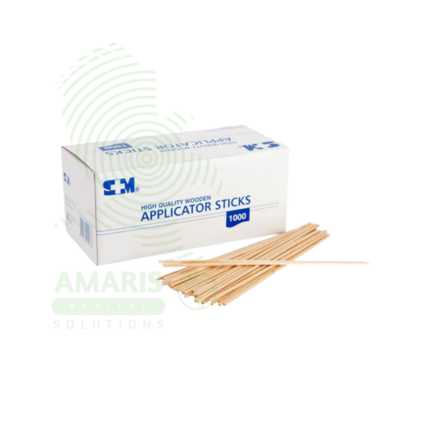
Applicator Sticks are single-use medical devices with absorbent tips (cotton, rayon, flocked polyester) on wood, plastic, or paper shafts for collecting clinical specimens (throat, nasal, wound, cervical, urethral, rectal) for microbiological culture, rapid testing, and molecular diagnostics. Sterile individually wrapped or non-sterile bulk formats. Flocked swabs provide >90% specimen release for PCR testing. Primary applications include specimen collection for infection diagnosis, wound care and antiseptic application, gynecological sampling (Pap smears, STI testing), eye/ear specimen collection, laboratory slide preparation, and forensic evidence collection. Critical precautions include single-use only, sterile technique, proper collection method, and biohazard disposal. Essential consumable in all clinical settings.
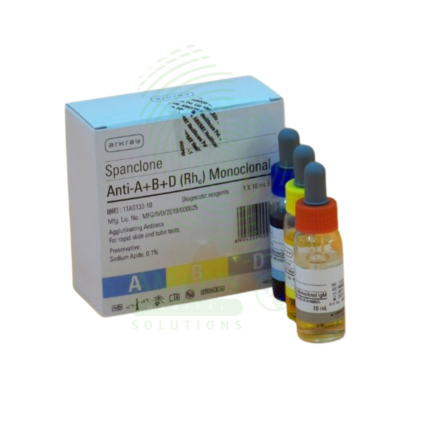
Blood Grouping kit
A Blood Grouping Kit is a Class II medical device (FDA-cleared/CE-marked) containing monoclonal antibodies (Anti-A, Anti-B, Anti-D) and control reagents for determining ABO blood group and Rh factor by agglutination method. The kit includes color-coded reagent vials, reaction cards or slides, mixing sticks, lancets, and capillary pipettes. Test time 2-5 minutes (slide method) or 15-30 minutes (tube method). Interpretation based on agglutination pattern: Anti-A positive = group A; Anti-B positive = group B; both positive = group AB; both negative = group O; Anti-D positive = Rh positive; Anti-D negative = Rh negative. Primary clinical applications include pre-transfusion compatibility testing, prenatal and neonatal testing (Rh incompatibility prevention), preoperative blood typing, blood donor screening, and emergency blood typing. Critical safety precautions include refrigerated storage (2-8°C), proper disposal of lancets in sharps containers, universal precautions for blood samples, and confirmation with reverse typing when possible. Essential kit for transfusion medicine, obstetrics, surgery, and emergency care.
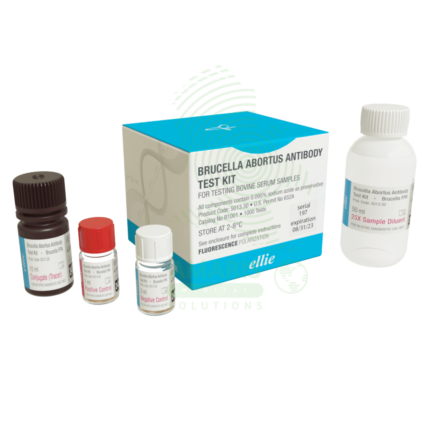
Brucella Set
A Brucella Set is a comprehensive serological test system (Class II medical device, CE-marked/FDA-cleared) for qualitative and quantitative detection of antibodies against Brucella species (B. abortus, B. melitensis, B. suis, B. canis) using multiple methodologies including tube agglutination, slide agglutination, and 2-mercaptoethanol (2-ME) testing. The set includes killed, stained Brucella antigens, positive and negative controls, dilution tubes, reaction cards, and 2-ME reagent for IgM/IgG differentiation. Diagnostic titer ≥1:160 or fourfold rise confirms brucellosis. Primary clinical applications include diagnosis of brucellosis in endemic regions (undulant fever, night sweats, arthralgia), fever of unknown origin investigation, occupational health screening in high-risk workers (veterinarians, farmers, slaughterhouse workers), diagnosis of focal complications (sacroiliitis, spondylitis, meningitis, endocarditis), treatment monitoring (fourfold decline indicates response), outbreak investigation, and public health surveillance. Critical safety precautions include handling all samples in biosafety cabinet (Brucella is highly infectious via aerosol), 2-ME reagent toxicity (use fume hood), awareness of prozone phenomenon (serial dilutions essential), cross-reactions with other Gram-negative bacteria, and mandatory reporting to public health authorities. Essential test for brucellosis diagnosis in endemic regions and occupational health settings.
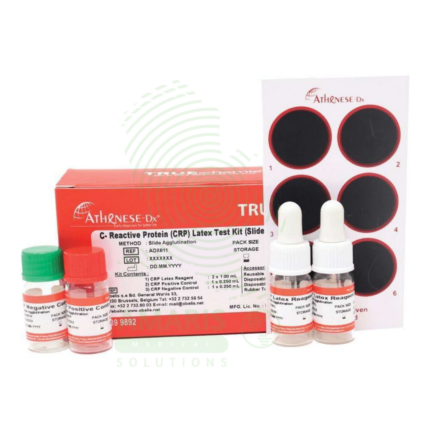
CRP Test Kit
CRP Test Kit (C-Reactive Protein) is a quantitative or semi-quantitative immunoassay (latex agglutination, turbidimetry, nephelometry, ELISA, or rapid immunochromatographic) for detecting C-reactive protein in blood, an acute-phase reactant produced in response to inflammation. Rapid rise within 6-12 hours, peaks at 24-48 hours, half-life 19 hours. Normal <5-10 mg/L; mild elevation 10-100 mg/L (viral infections, autoimmune flares); moderate 100-200 mg/L (bacterial infections); marked >200 mg/L (sepsis, major trauma). High-sensitivity CRP (hs-CRP) detects 0.1-10 mg/L for cardiovascular risk stratification (<1 mg/L low risk, 1-3 mg/L moderate, >3 mg/L high). Primary clinical applications include detection and monitoring of inflammation, diagnosis and management of infections (differentiating bacterial from viral), assessment of autoimmune disease activity, post-surgical monitoring for complications, cardiovascular risk screening (hs-CRP), monitoring rheumatic fever and inflammatory conditions, and neonatal sepsis evaluation. Critical safety precautions include proper sample handling (universal precautions), quality control verification, awareness of non-specific elevation, prozone phenomenon in very high concentrations, and clinical correlation for interpretation. Essential test for evaluating inflammation across all medical specialties.
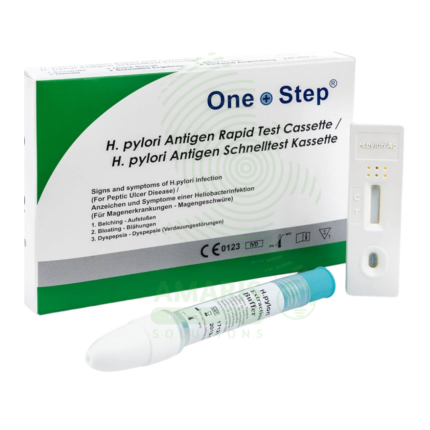
H.pylori test kits (Antigen)
H.pylori test kits (Antigen) are Class II medical devices (FDA-cleared/CE-marked) for rapid immunochromatographic or enzyme immunoassay detection of Helicobacter pylori antigens in stool specimens, enabling non-invasive diagnosis of active infection and post-treatment eradication confirmation. Test principles use monoclonal or polyclonal antibodies specific to H. pylori antigens, producing visible results in 10-20 minutes (rapid tests) or 1-2 hours (EIA). Sensitivity 90-98%, specificity 92-99% compared to gold standard methods. Primary clinical applications include rapid diagnosis of H. pylori infection in patients with dyspepsia, initial screening in uncomplicated dyspepsia (test-and-treat strategy), confirmation of active infection before therapy, post-treatment eradication confirmation (4-6 weeks after therapy), pediatric testing (preferred non-invasive method), screening in high-risk populations (family history of gastric cancer), and monitoring in patients with peptic ulcer disease or MALT lymphoma. Critical safety precautions include mandatory washout period (4 weeks off antibiotics, 2 weeks off PPIs) to avoid false negatives, proper specimen handling (universal precautions), refrigerated storage of kits (2-30°C), quality control verification, and disposal as biohazardous waste. Essential non-invasive tool for H. pylori management in gastroenterology and primary care.
Mission Plus HB Machine
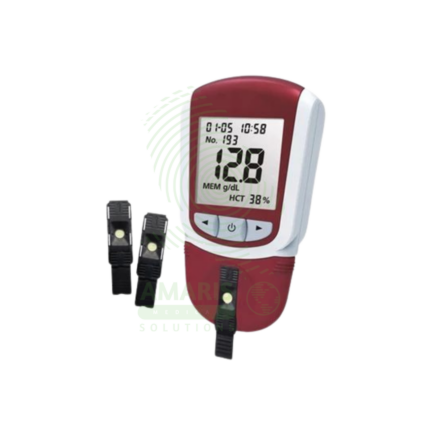
The Mission Plus HB Machine is a portable, battery-operated hemoglobin meter (Class II medical device, FDA-cleared/CE-marked) using photometric technology to measure hemoglobin concentration in capillary or venous blood within 5-15 seconds. Features include backlit LCD display, memory storage for 100-500 results, simple one-button operation, and disposable single-use cuvettes (5-20 µL sample volume). Accuracy ±0.3 g/dL compared to reference methods, measurement range 4-24 g/dL. Primary clinical applications include rapid anemia screening in outpatient clinics, preoperative assessment, antenatal care and maternal health monitoring, malaria-endemic region screening, chronic disease management (CKD, IBD, cancer), nutritional assessment and intervention programs, and blood donor screening. Critical safety precautions include single-use lancets, proper hand hygiene, correct sample application, quality control with control solutions, proper cuvette storage (protect from heat, light, humidity), and never using expired cuvettes. Essential point-of-care device for hemoglobin testing in diverse healthcare settings.
Rheumatoid factor
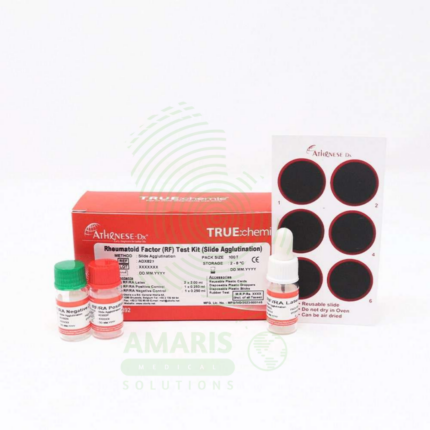
Rheumatoid Factor (RF) testing is a quantitative or semi-quantitative serological assay (nephelometry, turbidimetry, latex agglutination, or ELISA) for detecting autoantibodies against the Fc portion of immunoglobulin G, primarily of the IgM isotype. RF is a key marker in the ACR/EULAR classification criteria for rheumatoid arthritis, with sensitivity 60-80% and specificity 70-90%. Test requires serum samples; results reported in IU/mL (reference <15-20 IU/mL) or titer. Primary clinical applications include diagnosis and classification of rheumatoid arthritis, prognostic assessment (high-titer RF correlates with severe, erosive disease), differential diagnosis of inflammatory arthritis, monitoring disease activity, diagnosis of Sjögren's syndrome, evaluation of mixed cryoglobulinemia (hepatitis C-associated), and assessment of other autoimmune and chronic inflammatory conditions. Critical safety precautions include awareness of false positives (other autoimmune diseases, chronic infections, healthy elderly), false negatives (seronegative RA 20-30%), need for clinical correlation, and anti-CCP antibody testing to improve diagnostic accuracy. Essential test for rheumatology practice, autoimmune disease evaluation, and differential diagnosis of inflammatory arthritis.