Dermatoscope and Magnifiers
 Diagnostic Kits
 Vital Signs Monitors
 Stethoscopes and Accessories
 Otoscopes, Ophthalmoscopes, and Retinoscopes
 Reflex Hammers and Neurological Tools
 Scales and Measuring Devices
 Spirometers and Pulmonary Function Tests
 Electrosurgical Units and Accessories
 Cutting Instruments
 Grasping and Holding Instruments
 Hemostatic Instruments
 Specialized Surgical Sets
 Single-Use Procedure Trays and Packs
 Surgical Drapes, Gowns, and Covers
 Tissue Unifying Instruments
 Radiation Protection
 X-Ray Machines and Accessories
 Ultrasound Systems and Probes
 MRI and CT Scanners
 Radiology Consumables
 Bone Densitometers
 Fluoroscopy Equipment
 Imaging Tables and Positioning Aids
 Microscopes and Accessories
 Centrifuges and Separators
 Analyzers
 Incubators and Ovens
 Pipettes, Dispensers, and Lab Glassware
 Refrigerators, Freezers, and Storage Units
 Lab Consumables
 Sterilizers and Autoclaves for Lab Use
 Multi-Parameter Monitors
 Ventilators and Respiratory Support Devices
 Defibrillators and AEDs
 Infusion Pumps and IV Systems
 Patient Warmers and Cooling Devices
 Central Monitoring Stations
 Accessories
 Anesthesia Machines and Workstations
 Oxygen Concentrators and Delivery Systems
 Nebulizers and Inhalers
 CPAP/BiPAP Machines
 Airway Management
 Anesthesia Masks, Circuits, and Bags
 Humidifiers and Heaters
 Respiratory Therapy Accessories
 First Aid Kits and Cabinets
 Emergency Resuscitation Equipment
 Trauma Supplies
 Emergency Carts and Crash Carts
 Burn Care Products
 Bleeding Control
 Automated External Defibrillators (AEDs)
 Transport and Evacuation
 Wheelchairs and Accessories
 Walkers, Crutches, and Canes
 Prosthetics and Orthotics
 Physical Therapy Equipment
 Transfer Devices
 Bathroom Safety
 Orthopedic Traction and Tables
 Hot/Cold Therapy Packs and Units
 Beds and Mattresses
 Chairs and Stools
 Tables
 Cabinets and Storage
 Privacy Screens & Curtains
 Stands and Racks
 Linens and Textiles
 Lighting
 Autoclaves and Sterilizers
 Ultrasonic Cleaners
 Disinfectant Solutions and Wipes
 Sterilization Pouches, Wraps, and Indicators
 Instrument Trays and Containers
 UV and Ozone Disinfection Devices
 Washer Disinfectors
 Wound Care
 Gloves
 Masks and Respirators
 Catheters and Tubing
 Swabs, Applicators, and Sponges
 Incontinence Products
 Personal Protective Equipment (PPE)
 Dental Chairs and Units
 Handpieces and Burs
 Instruments
 Consumables
 Sterilization for Dental Use
 Orthodontic Supplies
 Endodontic Tools
 Slit Lamps and Tonometers
 Lensometers and Phoropters
 Ophthalmic Surgical Instruments
 Eyewear Frames and Lenses
 Contact Lens Supplies
 Vision Testing Charts and Devices
 Eye Care Consumables
 Laser Systems for Eye Care
 ENT Exam Chairs and Tables
 Endoscopes
 Audiometers and Hearing Tests
 ENT Instruments
 Nasal and Throat Packs
 Hearing Aids and Accessories
 Otology Supplies
 Fetal Dopplers and Monitors
 Delivery Beds and Tables
 Gynecological Instruments
 Neonatal Incubators and Warmers
 Breast Pumps and Accessories
 Contraceptive Devices
 Maternity Supports and Pads
 Neonatal Consumables
 Cystoscopes and Urethroscopes
 Dialysis Machines and Supplies
 Urological Catheters and Bags
 Lithotripters
 Prostate Treatment Devices
 Urinary Incontinence Products
 Kidney Stone Management Tools
 Consumables & Disposables
 EEG and EMG Machines
 Neurosurgical Instruments
 Nerve Stimulators
 Headrests and Positioning Aids
 Lumbar Puncture Kits
 Seizure Monitoring Devices
 Consumables
 Rehabilitation for Neurological Conditions
 ECG Machines and Accessories
 Holter Monitors
 Stress Test Systems
 Pacemakers and Defibrillator Accessories
 Vascular Access Devices
 Cardiac Catheters and Guidewires
 Blood Flow Meters
 Consumables
 Orthopedic Instruments
 Casts, Splints, and Padding
 Joint Replacement Supplies
 Prosthetic Limbs and Components
 Bone Grafts and Substitutes
 Traction Devices
 Orthopedic Braces and Supports
 Rehabilitation Aids for Orthopedics
 Home Oxygen Therapy
 Hospital Beds for Home Use
 Mobility Aids
 Bathroom and Daily Living Aids
 Wound Care for Home
 Monitoring Devices
 Enteral Feeding Pumps and Tubes
 Hand Sanitizers and Dispensers
 Face Shields and Goggles
 Isolation Gowns and Suits
 Biohazard Waste Containers
 Air Purifiers and HEPA Filters
 Surface Disinfectants
 Sharps Containers
 Protective Barriers
 Cardiovascular & Endurance Training
 Strength Training & Weightlifting
 Functional Training & Core Conditioning
 Physical Therapy & Rehabilitation
 Sports & Outdoor Recreation
 Gym Flooring & Facility Equipment
 Fitness Monitoring & Accessories
 Kids & Novelties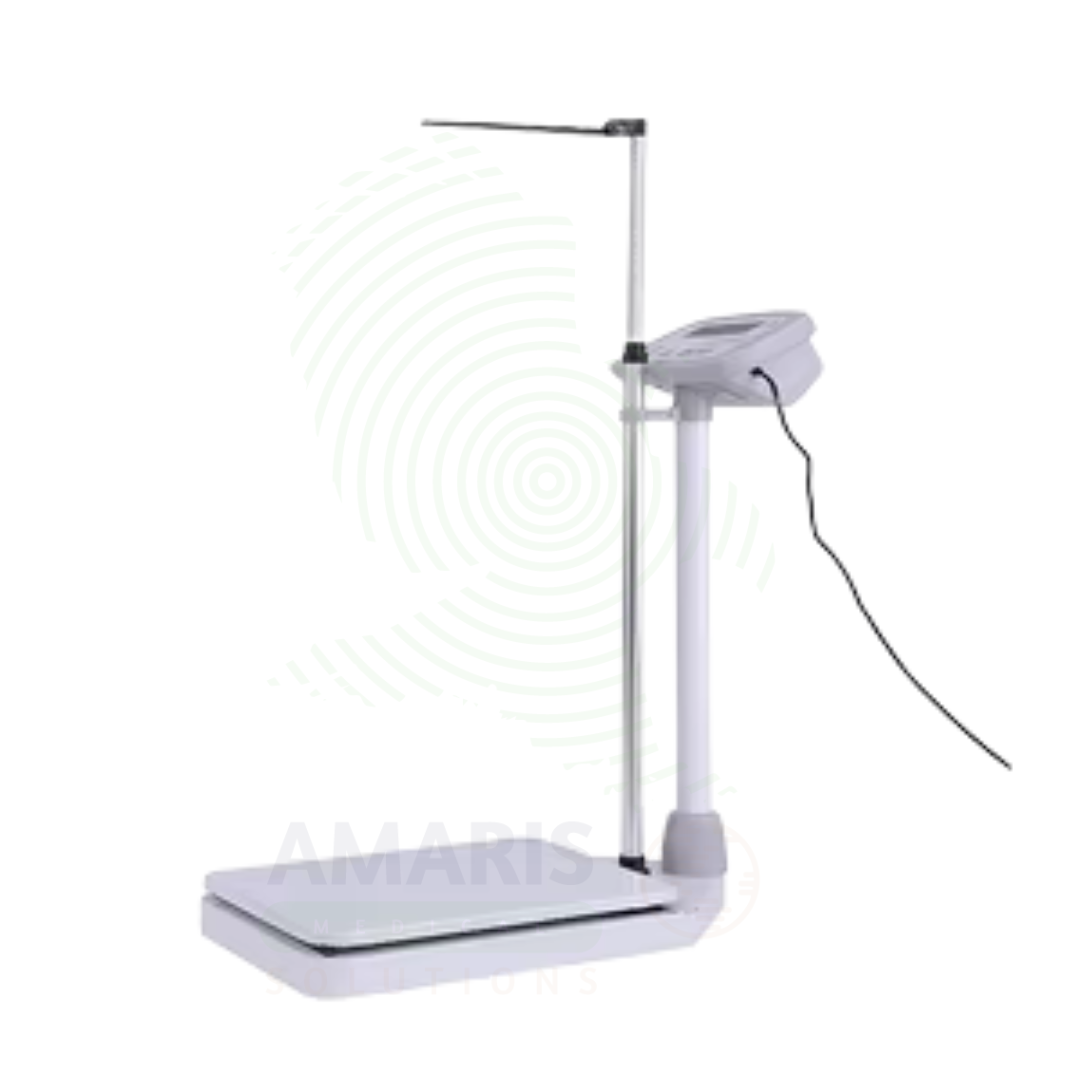
Digital Scale with Measuring Tape
$1.00
WhatsApp Order
A Digital Scale with Measuring Tape combines weight and height measurement in a single device, enabling efficient patient intake and automatic BMI calculation. Essential for primary care, pediatrics, weight management, and pre-operative assessment, it provides the accurate anthropometric measurements needed for clinical decision-making, growth monitoring, and nutritional assessment.
Description
Digital Scale with Measuring Tape
PRIMARY CLINICAL & DIAGNOSTIC USES
1. Patient Weight and Height Measurement for Clinical Assessment
-
Primary Use: Combines a digital weight scale with an integrated height measuring rod or tape to provide simultaneous measurement of patient weight and height. This allows calculation of body mass index, a critical parameter for assessing nutritional status, obesity, and overall health.
-
How it helps: For the physician, nurse, and clinical staff, the combined scale and measuring tape streamlines patient intake—providing both weight and height data in a single, efficient process. For the patient, this means faster, more comfortable assessments with less equipment movement.
2. Body Mass Index Calculation
-
Primary Use: Weight and height measurements are used to calculate body mass index, a key indicator of healthy weight range, obesity, and nutritional status. BMI is essential for screening, diagnosis, and monitoring of weight-related conditions.
-
How it helps: For the clinician, BMI provides a standardized measure for assessing weight status—guiding discussions about weight management, identifying patients at risk for obesity-related conditions, and monitoring response to interventions. For the patient, BMI helps them understand their weight status and track progress toward health goals.
3. Growth Monitoring in Children and Adolescents
-
Primary Use: Serial weight and height measurements track growth and development in pediatric patients, identifying growth abnormalities, monitoring response to nutritional interventions, and assessing overall health status.
-
How it helps: For the pediatrician and family physician, growth charts based on accurate height and weight measurements are essential for monitoring child development—detecting growth faltering or excessive weight gain early. For the child and parents, regular growth monitoring provides reassurance and early warning of potential health issues.
4. Nutritional Assessment and Weight Management
-
Primary Use: Weight and height measurements support nutritional assessment for patients undergoing weight management programs, bariatric surgery, or nutritional support. Baseline and follow-up measurements track progress and guide treatment adjustments.
-
How it helps: For the dietitian and weight management specialist, accurate measurements provide objective data on patient progress—guiding dietary recommendations and motivating patients with visible results. For the patient, seeing progress in numbers helps sustain motivation for lifestyle changes.
5. Pre-Operative and Pre-Anesthesia Assessment
-
Primary Use: Accurate weight and height are essential for calculating medication dosages, anesthetic agents, and surgical risk assessments. Height is used to calculate body surface area for chemotherapy and other weight-based medications.
-
How it helps: For the anesthesiologist and surgeon, accurate weight and height ensure correct dosing of anesthetic agents and appropriate surgical risk stratification. For the patient, this contributes to safer surgery and reduced risk of complications.
SECONDARY & SUPPORTIVE USES
1. Body Surface Area Calculation: Height and weight used to calculate BSA for chemotherapy and medication dosing.
2. Pediatric Growth Charts: Plotting weight and height on standardized growth curves.
3. Geriatric Assessment: Monitoring weight and height changes in elderly patients.
4. Bariatric Surgery Evaluation: Pre-operative and post-operative weight and height tracking.
5. Research Applications: Anthropometric measurements for clinical research.
6. Home Healthcare: Portable unit for home health visits and patient monitoring.
KEY PRODUCT FEATURES
1. BASIC IDENTIFICATION ATTRIBUTES
-
Device Type: A digital scale with integrated height measuring capability for simultaneous weight and height measurement.
-
Designation: Digital Scale with Measuring Tape, Medical Scale, Height and Weight Scale, BMI Scale, Digital Stadiometer.
-
Key Components:
-
Scale Platform: Digital weighing platform.
-
Height Rod: Integrated or detachable measuring rod or tape.
-
Display: Digital readout showing weight, height, and BMI.
-
Memory: Storage for multiple patient records.
-
Interface: USB or wireless for data transfer.
-
Hold Function: Captures stable weight reading.
-
BMI Calculation: Automatic or manual BMI calculation.
-
2. TECHNICAL & PERFORMANCE PROPERTIES
-
Weight Capacity: 400-800 lbs (180-360 kg).
-
Weight Accuracy: ±0.1% to ±0.5%.
-
Weight Readability: 0.1-0.2 lbs (0.05-0.1 kg).
-
Height Range: 30-84 inches (76-213 cm).
-
Height Readability: 0.1-0.5 inches (0.2-1 cm).
-
BMI Range: 10-50 automatically calculated.
-
Power: AC or battery operation.
3. PHYSICAL & OPERATIONAL PROPERTIES
-
Construction: Durable steel or aluminum; non-slip platform.
-
Height Rod: Extendable rod or retractable tape.
-
Display: Large, easy-to-read digits.
-
Portability: Lightweight; may include wheels.
-
Controls: Simple button interface.
4. SAFETY & COMPLIANCE ATTRIBUTES
-
Regulatory Status: Class I or Class II medical device.
-
Electrical Safety: Compliant with electrical safety standards.
-
Patient Safety: Non-slip platform; rounded edges.
-
Height Rod Safety: Smooth edges; secure extension.
5. STORAGE & HANDLING ATTRIBUTES
-
Storage: Stored in the examination room or weighing area.
-
Cleaning: Clean with hospital-grade disinfectants; wipe platform after each use.
-
Calibration: Regular calibration per manufacturer schedule.
-
Battery: Rechargeable or replaceable batteries.
6. LABORATORY & CLINICAL APPLICATIONS
-
Primary Application: Weight and height measurement for BMI calculation, growth monitoring, and nutritional assessment.
-
Clinical Role: Essential equipment in primary care, pediatrics, weight management, and general practice.
SAFETY HANDLING PRECAUTIONS
1. SAFETY PRECAUTIONS
-
Patient Safety: Assist patients onto scale; use handrails if available.
-
Height Measurement: Ensure patient stands straight; measure without shoes.
-
Weight Capacity: Do not exceed scale capacity.
-
Cleaning: Disinfect between patients.
2. FIRST AID MEASURES
-
Patient Fall: If a patient falls, assess for injury; seek medical attention if needed.
-
Electrical Shock: If shock occurs, disconnect power; seek medical attention.
3. FIRE FIGHTING MEASURES
-
Flammability: Electrical components may pose fire risk.
-
Extinguishing Media: For electrical fire, use CO₂ or dry chemical extinguisher.
Related products
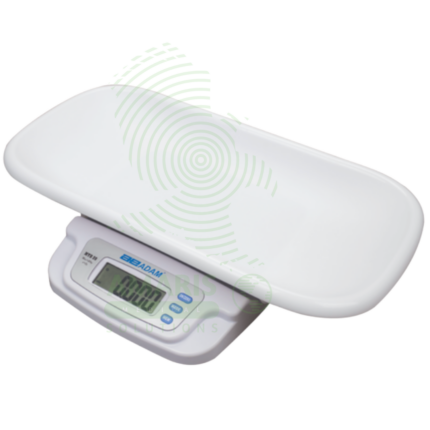
Digital Baby Weighing Scale
A Digital Baby Weighing Scale is a high-precision medical device designed exclusively for the safe and accurate measurement of infant and toddler weight. Featuring a stable, hygienic platform with gram-level precision, it is indispensable in hospitals (especially NICUs), pediatric clinics, and community health settings. Its core functions—such as hold, tare, and zeroing—ensure reliable readings even with a moving child. Accurate weight data is foundational for assessing growth, calculating medication doses, managing nutrition, and detecting early signs of health issues, making this scale a critical tool for safeguarding infant health and development.
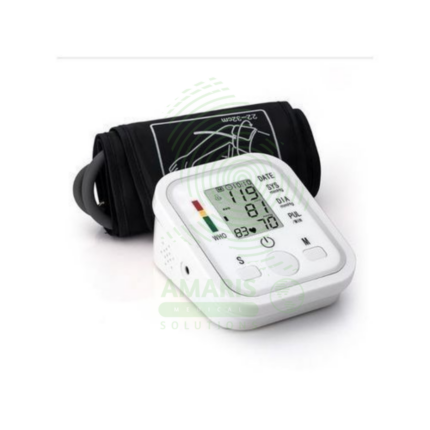
Digital Blood Pressure Monitor
A Digital Blood Pressure Monitor is an automatic electronic device that measures and displays systolic pressure, diastolic pressure, and pulse rate using the oscillometric method. Designed primarily for home and clinical use, it offers a user-friendly alternative to manual aneroid devices, requiring minimal training. Key features often include irregular heartbeat detection, multi-user memory, and connectivity for data tracking. Its accuracy, when clinically validated and used with correct technique, makes it an indispensable tool for the diagnosis and management of hypertension, empowering patients and supporting healthcare providers with reliable ambulatory data.
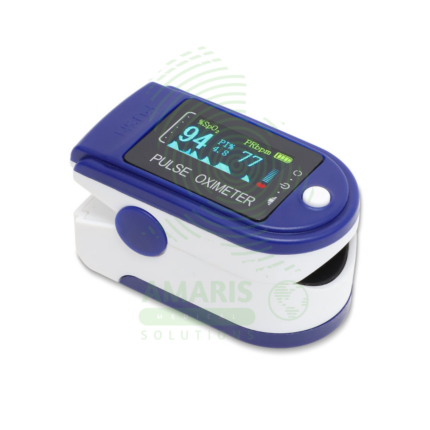
Fingertip Pulse Oximeter
A Fingertip Pulse Oximeter is a compact, non-invasive medical device that clips onto a finger to measure peripheral arterial oxygen saturation (SpO2) and pulse rate in seconds. Utilizing light-based technology, it provides critical, real-time data on respiratory and circulatory status. Its portability and ease of use make it indispensable in hospitals (from ORs to general wards), for patients managing chronic lung conditions at home, and for situational monitoring in sports or high-altitude environments. While an extremely valuable screening tool, readings must be interpreted in context, considering factors like patient movement, perfusion, and clinical symptoms.
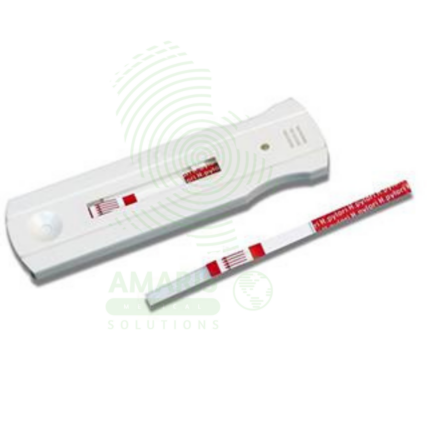
H. pylori Test Strips
H. pylori Test Strips are rapid, lateral flow immunochromatographic devices used for the qualitative detection of Helicobacter pylori antigens in human stool. As a non-invasive stool antigen test (SAT), it provides a convenient and reliable method for diagnosing active H. pylori infection and confirming eradication after therapy, with results available in under 15 minutes. Ideal for use in clinics and outpatient settings, it aids in the management of dyspepsia and peptic ulcer disease. Proper sample handling, adherence to pre-test medication restrictions, and strict biohazard precautions are essential for obtaining accurate results.
Height Board
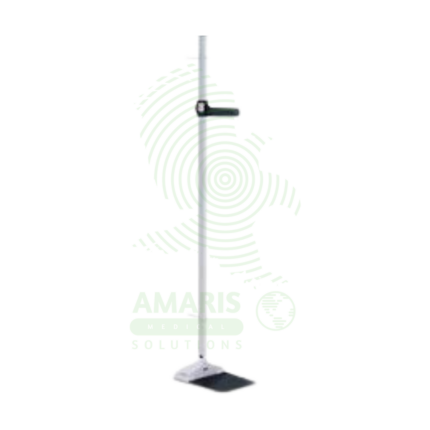
A Height Board, or stadiometer, is a precision medical instrument designed for the accurate measurement of human stature. As a wall-mounted or portable device featuring a vertical scale and a sliding horizontal headpiece, it is the clinical standard for obtaining height. This measurement is foundational for calculating Body Mass Index (BMI), tracking growth in children, screening for nutritional issues, and assessing adults for conditions like osteoporosis. Its accuracy, dependent on proper installation and technique, makes it an indispensable tool in pediatrics, primary care, nutrition, and public health
LED Otoscope
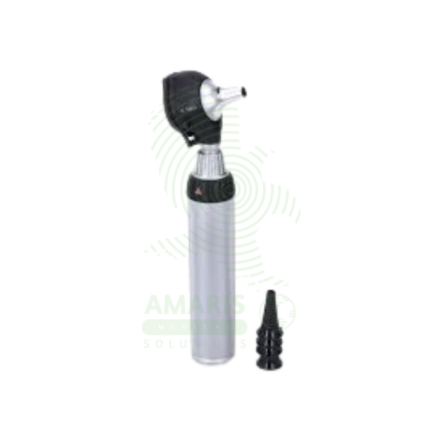
An LED Otoscope is a handheld medical device used for illuminating and magnifying the external ear canal and tympanic membrane. Featuring a bright, cool, and long-lasting LED light source, it provides superior visualization for diagnosing common conditions like ear infections, wax impaction, and perforations. Its design, incorporating a reusable handle/head and disposable specula, ensures hygiene and patient safety. As an essential tool in family medicine, pediatrics, and ENT, it enables clinicians to perform accurate otoscopic examinations and, when equipped with an insufflator, crucial pneumatic otoscopy to assess middle ear function.
Littmann Stethoscope (Classic II)
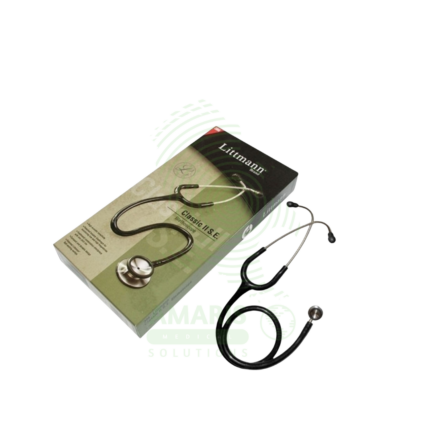
A Littmann Stethoscope (Classic II) is a premium, acoustic dual-head stethoscope renowned for its diagnostic clarity, durability, and innovative tunable diaphragm technology. It allows healthcare professionals to hear both high and low-frequency sounds by simply adjusting pressure on the single-sided chestpiece, eliminating the need to rotate it. With its superior acoustics, comfortable fit, and wide range of colors, it is the instrument of choice for medical students, nurses, and physicians across all specialties who require reliable performance for physical assessment, auscultation of heart and lung sounds, and manual blood pressure measurement.