Dermatoscope and Magnifiers
 Diagnostic Kits
 Vital Signs Monitors
 Stethoscopes and Accessories
 Otoscopes, Ophthalmoscopes, and Retinoscopes
 Reflex Hammers and Neurological Tools
 Scales and Measuring Devices
 Spirometers and Pulmonary Function Tests
 Electrosurgical Units and Accessories
 Cutting Instruments
 Grasping and Holding Instruments
 Hemostatic Instruments
 Specialized Surgical Sets
 Single-Use Procedure Trays and Packs
 Surgical Drapes, Gowns, and Covers
 Tissue Unifying Instruments
 Radiation Protection
 X-Ray Machines and Accessories
 Ultrasound Systems and Probes
 MRI and CT Scanners
 Radiology Consumables
 Bone Densitometers
 Fluoroscopy Equipment
 Imaging Tables and Positioning Aids
 Microscopes and Accessories
 Centrifuges and Separators
 Analyzers
 Incubators and Ovens
 Pipettes, Dispensers, and Lab Glassware
 Refrigerators, Freezers, and Storage Units
 Lab Consumables
 Sterilizers and Autoclaves for Lab Use
 Multi-Parameter Monitors
 Ventilators and Respiratory Support Devices
 Defibrillators and AEDs
 Infusion Pumps and IV Systems
 Patient Warmers and Cooling Devices
 Central Monitoring Stations
 Accessories
 Anesthesia Machines and Workstations
 Oxygen Concentrators and Delivery Systems
 Nebulizers and Inhalers
 CPAP/BiPAP Machines
 Airway Management
 Anesthesia Masks, Circuits, and Bags
 Humidifiers and Heaters
 Respiratory Therapy Accessories
 First Aid Kits and Cabinets
 Emergency Resuscitation Equipment
 Trauma Supplies
 Emergency Carts and Crash Carts
 Burn Care Products
 Bleeding Control
 Automated External Defibrillators (AEDs)
 Transport and Evacuation
 Wheelchairs and Accessories
 Walkers, Crutches, and Canes
 Prosthetics and Orthotics
 Physical Therapy Equipment
 Transfer Devices
 Bathroom Safety
 Orthopedic Traction and Tables
 Hot/Cold Therapy Packs and Units
 Beds and Mattresses
 Chairs and Stools
 Tables
 Cabinets and Storage
 Privacy Screens & Curtains
 Stands and Racks
 Linens and Textiles
 Lighting
 Autoclaves and Sterilizers
 Ultrasonic Cleaners
 Disinfectant Solutions and Wipes
 Sterilization Pouches, Wraps, and Indicators
 Instrument Trays and Containers
 UV and Ozone Disinfection Devices
 Washer Disinfectors
 Wound Care
 Gloves
 Masks and Respirators
 Catheters and Tubing
 Swabs, Applicators, and Sponges
 Incontinence Products
 Personal Protective Equipment (PPE)
 Dental Chairs and Units
 Handpieces and Burs
 Instruments
 Consumables
 Sterilization for Dental Use
 Orthodontic Supplies
 Endodontic Tools
 Slit Lamps and Tonometers
 Lensometers and Phoropters
 Ophthalmic Surgical Instruments
 Eyewear Frames and Lenses
 Contact Lens Supplies
 Vision Testing Charts and Devices
 Eye Care Consumables
 Laser Systems for Eye Care
 ENT Exam Chairs and Tables
 Endoscopes
 Audiometers and Hearing Tests
 ENT Instruments
 Nasal and Throat Packs
 Hearing Aids and Accessories
 Otology Supplies
 Fetal Dopplers and Monitors
 Delivery Beds and Tables
 Gynecological Instruments
 Neonatal Incubators and Warmers
 Breast Pumps and Accessories
 Contraceptive Devices
 Maternity Supports and Pads
 Neonatal Consumables
 Cystoscopes and Urethroscopes
 Dialysis Machines and Supplies
 Urological Catheters and Bags
 Lithotripters
 Prostate Treatment Devices
 Urinary Incontinence Products
 Kidney Stone Management Tools
 Consumables & Disposables
 EEG and EMG Machines
 Neurosurgical Instruments
 Nerve Stimulators
 Headrests and Positioning Aids
 Lumbar Puncture Kits
 Seizure Monitoring Devices
 Consumables
 Rehabilitation for Neurological Conditions
 ECG Machines and Accessories
 Holter Monitors
 Stress Test Systems
 Pacemakers and Defibrillator Accessories
 Vascular Access Devices
 Cardiac Catheters and Guidewires
 Blood Flow Meters
 Consumables
 Orthopedic Instruments
 Casts, Splints, and Padding
 Joint Replacement Supplies
 Prosthetic Limbs and Components
 Bone Grafts and Substitutes
 Traction Devices
 Orthopedic Braces and Supports
 Rehabilitation Aids for Orthopedics
 Home Oxygen Therapy
 Hospital Beds for Home Use
 Mobility Aids
 Bathroom and Daily Living Aids
 Wound Care for Home
 Monitoring Devices
 Enteral Feeding Pumps and Tubes
 Hand Sanitizers and Dispensers
 Face Shields and Goggles
 Isolation Gowns and Suits
 Biohazard Waste Containers
 Air Purifiers and HEPA Filters
 Surface Disinfectants
 Sharps Containers
 Protective Barriers
 Cardiovascular & Endurance Training
 Strength Training & Weightlifting
 Functional Training & Core Conditioning
 Physical Therapy & Rehabilitation
 Sports & Outdoor Recreation
 Gym Flooring & Facility Equipment
 Fitness Monitoring & Accessories
 Kids & Novelties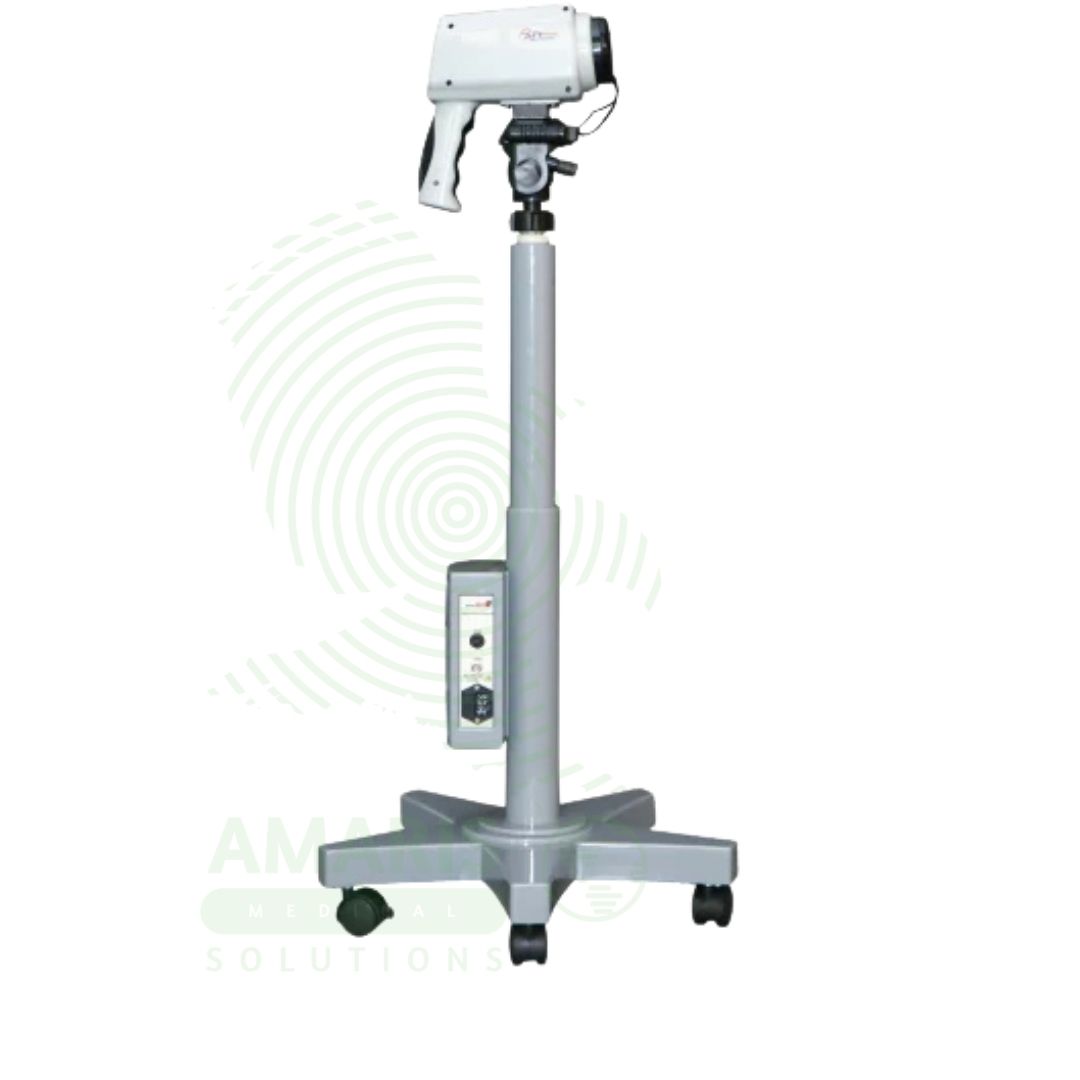

Digital Video Colposcope
$1.00
WhatsApp Order
A Digital Video Colposcope is a specialized binocular microscope system with integrated digital imaging, used for the magnified examination of the cervix, vagina, and vulva. It is the essential diagnostic tool for evaluating abnormal Pap smears, guiding biopsies of pre-cancerous lesions (CIN), and assessing various lower genital tract disorders. Key features include variable high magnification, bright LED illumination with green filter enhancement, and high-resolution video capture for documentation, patient education, and telemedicine. Its use requires proper application of acetic acid, systematic examination technique, and secure management of patient image data. It is a cornerstone of gynecologic preventative care and diagnosis.
Description
Digital Video Colposcope
PRIMARY CLINICAL & DIAGNOSTIC USES
1. Cervical Cancer Screening and Diagnosis
-
Primary Use: Examines the cervix, vagina, and vulva with magnification and bright light following an abnormal Pap smear or HPV test to identify, locate, and characterize acetowhite lesions, vascular patterns, and other signs of cervical intraepithelial neoplasia or cancer.
-
How it helps: For the gynecologist and colposcopist, the digital video colposcope transforms an abnormal screening result into a visual map of the cervix—revealing subtle changes in color, contour, and blood vessels that indicate precancerous transformation. For the patient who has just learned her Pap smear is abnormal, the colposcopy provides the next critical step: determining whether that abnormality represents a transient infection, a precancerous lesion that needs treatment, or something more serious requiring immediate intervention.
2. Guided Cervical Biopsy
-
Primary Use: Provides precise visual targeting for taking tissue samples from the most suspicious areas identified during colposcopic examination, which are then sent for histopathological diagnosis.
-
How it helps: For the gynecologist, the colposcope’s magnification and illumination ensure that biopsies are taken from the areas most likely to yield diagnostic information—targeting the whitest epithelium, the most atypical vessels, the areas closest to the transformation zone. For the patient, this precision means that if precancer is present, it will be found; if the cervix is normal, she can be reassured—avoiding both missed diagnoses and unnecessary treatment.
3. Evaluation of Lower Genital Tract Disorders
-
Primary Use: Assesses benign conditions such as cervicitis, cervical polyps, Nabothian cysts, genital warts, vaginal adenosis, and lichen sclerosus.
-
How it helps: For the women’s health provider, the colposcope provides detailed visualization of conditions that may cause symptoms like discharge, bleeding, or pain—distinguishing between benign findings that require only reassurance and those that need treatment. For the patient with persistent symptoms, seeing the magnified image of her own cervix can provide explanation and reassurance, demystifying what’s happening inside her body.
4. Assessment of DES Exposure
-
Primary Use: For evaluating daughters of women who took DES during pregnancy for associated vaginal and cervical abnormalities.
-
How it helps: For the gynecologist caring for DES-exposed women, the colposcope provides detailed surveillance of the distinctive abnormalities—vaginal adenosis, cervical ridges, and structural changes—that increase cancer risk in this population. For the DES daughter who lives with the knowledge of her in utero exposure, regular colposcopic surveillance offers the best chance for early detection of any malignant transformation, providing peace of mind and life-saving prevention.
SECONDARY & SUPPORTIVE USES
1. Pre-Treatment Planning and Mapping: For the gynecologic surgeon planning an excisional procedure like LEEP or cold knife conization, the colposcope provides a detailed map of lesion extent, ensuring that treatment removes all abnormal tissue while preserving as much healthy cervix as possible. For the patient undergoing treatment for cervical precancer, this mapping means their procedure is precisely targeted, maximizing cure while preserving future fertility.
2. Post-Treatment Follow-Up: For the gynecologist monitoring a patient after treatment for cervical intraepithelial neoplasia, the colposcope provides detailed assessment of healing and surveillance for recurrence. For the patient who has already undergone one treatment for precancer, regular colposcopic follow-up offers reassurance that her cervix remains healthy and early detection if additional intervention becomes necessary.
3. Vulvar and Vaginal Assessment: For the provider evaluating vulvar symptoms, the colposcope’s magnification aids in diagnosis of vulvar intraepithelial neoplasia, lichen sclerosus, and other vulvovaginal pathologies. For the patient with chronic vulvar itching, pain, or visible lesions, colposcopic examination can provide the diagnosis that has eluded previous evaluations, guiding effective treatment.
4. Forensic Examination: For the forensic nurse and sexual assault examiner, high-resolution colposcopic imaging documents traumatic injuries to the genitalia with precision and detail. For the survivor of sexual assault, thorough documentation supports justice while minimizing additional examinations, and the ability to show findings can aid in the healing process.
5. Patient Education and Counseling: For the gynecologist and patient, the live video display transforms an abstract discussion into a shared visual experience—the physician can point to exactly what they see, explain its significance, and involve the patient in decision-making. For the woman facing an abnormal Pap, seeing her own cervix and understanding the findings demystifies the process, reduces anxiety, and empowers her to participate actively in decisions about her care.
6. Research and Training: For the colposcopy educator and researcher, digital images and videos create teaching archives that train the next generation of providers and support quality assurance programs. For the countless women who will benefit from skilled colposcopists in the future, these teaching tools ensure that providers are well-trained to detect and treat cervical abnormalities before they become cancer.
KEY PRODUCT FEATURES
1. BASIC IDENTIFICATION ATTRIBUTES
-
Device Type: A binocular microscope mounted on a stand, integrated with a digital video camera and light source, specifically designed for magnified examination of the female lower genital tract.
-
Designation: "Digital Video" indicates the system captures, displays, and stores still images and video electronically, as opposed to traditional optical-only colposcopes.
-
Core Components:
-
Optical Head: Contains the binocular eyepieces, magnification changer (e.g., 5x to 25x), and objective lens.
-
High-Resolution Digital Camera: Mounted on the optical head, often with a beam splitter to allow simultaneous direct viewing and video capture.
-
LED or Halogen Illumination System: Provides bright, white, shadow-free, and cool light to the examination field. Often includes a green (red-free) filter to enhance visualization of blood vessels.
-
Articulating Arm and Mobile Stand: Allows for precise, stable positioning of the optical head over the patient.
-
Computer/Display System: Includes a monitor for live viewing, and a computer with specialized software for image/video capture, annotation, storage, and integration with patient records (e.g., EHR/PACS).
-
2. TECHNICAL & PERFORMANCE PROPERTIES
-
Magnification Range: Typically variable, from 5x to 30x or higher, allowing for both a wide-field overview and high-detail inspection of specific areas.
-
Camera Resolution: High-definition (HD) or 4K resolution is standard for capturing fine details of epithelial patterns and vasculature.
-
Light Source Quality: Bright, uniform illumination with adjustable intensity. A green filter is essential for colposcopy to highlight abnormal vascular patterns (punctation, mosaicism) by contrasting them against the acetowhite epithelium.
-
Working Distance: The fixed distance from the objective lens to the cervix (typically 200-300mm), allowing sufficient space for instruments (e.g., biopsy forceps) to be used under visualization.
-
Software Features: Includes functions for image capture, measurement tools, side-by-side comparison of previous exams, annotation, and secure data management.
3. PHYSICAL & OPERATIONAL PROPERTIES
-
Mobility: Mounted on a stable, wheeled stand for easy positioning in the examination room.
-
Ergonomics: Adjustable eyepieces and a well-balanced arm reduce operator fatigue during prolonged procedures.
-
Footswitch or Hand Control: Allows hands-free operation for capturing images during the procedure.
4. SAFETY & COMPLIANCE ATTRIBUTES
-
Regulatory Status: Classified as a Class I medical device.
-
Electrical Safety: Must comply with IEC 60601-1 for medical electrical equipment.
-
Data Security & HIPAA Compliance: The imaging software must provide secure, encrypted storage and handling of patient images to maintain confidentiality.
-
Biocompatibility: Any components that may contact the patient (e.g., speculum) must be biocompatible or disposable.
5. STORAGE & HANDLING ATTRIBUTES
-
Storage: The system should be stored in a clean, dry examination or procedure room, with the optical head and camera covered to prevent dust accumulation.
-
Cleaning: Wipe down the external surfaces, stand, and handles with a hospital-grade disinfectant after each patient. Use a soft, lint-free cloth for cleaning the objective lens and camera port. Never spray liquids directly onto the optical head.
-
Calibration and Maintenance: Periodically check light intensity, focus, and camera alignment. Follow manufacturer schedules for professional servicing of optical and electronic components.
6. LABORATORY & CLINICAL APPLICATIONS
-
Primary Application: The gold-standard diagnostic tool in gynecology and preventative women's health for the evaluation of pre-cancerous and cancerous lesions of the cervix, vagina, and vulva.
-
Clinical Role: Bridges the gap between screening (Pap/HPV test) and definitive histology (biopsy), guiding clinical management decisions for millions of patients annually.
SAFETY HANDLING PRECAUTIONS
1. SAFETY PRECAUTIONS
-
Informed Consent: Obtain informed consent for the colposcopic examination and any biopsies, explaining the procedure, reasons, and potential discomfort.
-
Aseptic Technique: Use sterile gloves and sterile instruments (e.g., biopsy forceps) for any procedure that breaches the epithelium (biopsy). The speculum should be sterile or high-level disinfected.
-
Patient Comfort and Positioning: Proper positioning in stirrups and gentle technique with the speculum are essential. Warn the patient about the sensation of the acetic acid (vinegar) solution and the pinch of a biopsy.
-
Acetic Acid Application: Use 3-5% acetic acid. Allow adequate time (approximately 60 seconds) for the acetowhite reaction to develop before interpretation.
-
Adequate Visualization: Ensure the entire transformation zone (TZ) is visualized. An unsatisfactory colposcopy (where the TZ is not fully seen) may require a different management approach (e.g., diagnostic excisional procedure).
-
Image Documentation: Document representative images of normal and abnormal findings for the medical record and future comparison.
2. FIRST AID MEASURES
-
Vasovagal Reaction: If the patient feels faint (vasovagal syncope), stop the procedure, lower the head of the table, and provide supportive care.
-
Excessive Bleeding Post-Biopsy: Apply direct pressure with a swab soaked in Monsel's solution (ferric subsulfate) or silver nitrate. Persistent bleeding may require suturing or packing.
-
Severe Pain or Distress: Stop the procedure, assess the cause (e.g., cervical manipulation, cramping), and provide reassurance and pain management as appropriate.
3. FIRE FIGHTING MEASURES
-
Flammability: Plastic and electronic components are combustible.
-
Extinguishing Media: In case of an electrical fire, disconnect power and use a CO2 fire extinguisher.
Related products
BMI Tape
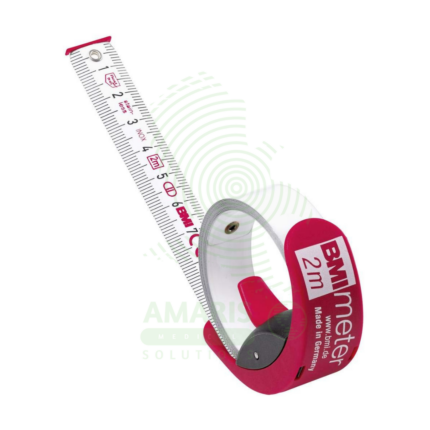
A BMI Tape is a rapid screening tool that estimates an individual's Body Mass Index (BMI) category by measuring body circumference, most commonly the waist. It features a color-coded scale that directly displays BMI ranges (Underweight, Normal, Overweight, Obese), eliminating the need for separate height and weight measurements and manual calculation. While highly useful for community health screenings, wellness programs, and patient education due to its portability and simplicity, it is an approximate method. Its accuracy is limited compared to BMI calculated from precise clinical measurements, and it should be used as an initial screening indicator rather than a definitive diagnostic tool.
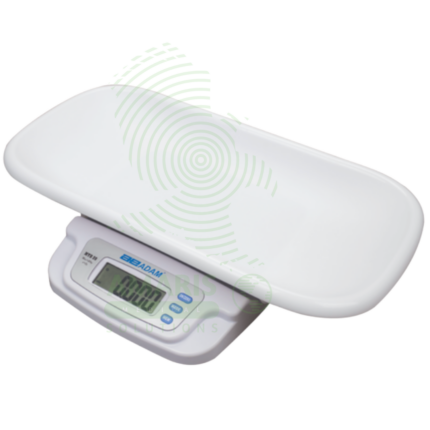
Digital Baby Weighing Scale
A Digital Baby Weighing Scale is a high-precision medical device designed exclusively for the safe and accurate measurement of infant and toddler weight. Featuring a stable, hygienic platform with gram-level precision, it is indispensable in hospitals (especially NICUs), pediatric clinics, and community health settings. Its core functions—such as hold, tare, and zeroing—ensure reliable readings even with a moving child. Accurate weight data is foundational for assessing growth, calculating medication doses, managing nutrition, and detecting early signs of health issues, making this scale a critical tool for safeguarding infant health and development.
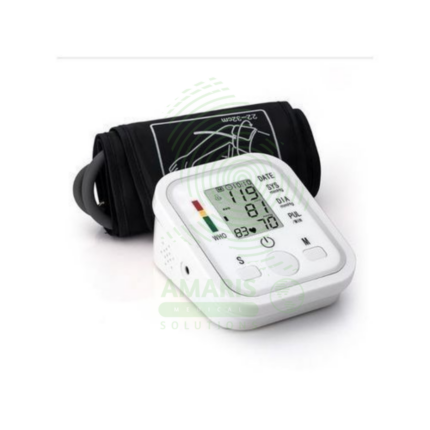
Digital Blood Pressure Monitor
A Digital Blood Pressure Monitor is an automatic electronic device that measures and displays systolic pressure, diastolic pressure, and pulse rate using the oscillometric method. Designed primarily for home and clinical use, it offers a user-friendly alternative to manual aneroid devices, requiring minimal training. Key features often include irregular heartbeat detection, multi-user memory, and connectivity for data tracking. Its accuracy, when clinically validated and used with correct technique, makes it an indispensable tool for the diagnosis and management of hypertension, empowering patients and supporting healthcare providers with reliable ambulatory data.
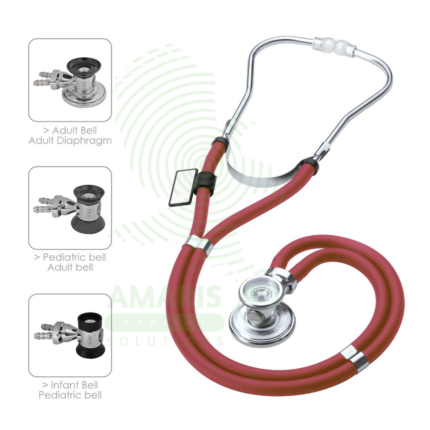
Dual Head Stethoscope
The Dual Head Stethoscope is the classic, essential acoustic diagnostic tool used by healthcare professionals worldwide. Its defining feature is a two-sided chestpiece, combining a diaphragm for high-frequency sounds (breath sounds, normal heart tones) and a bell for low-frequency sounds (heart murmurs, abnormal heart tones). Through mechanical sound conduction, it provides critical information for assessing cardiac, pulmonary, and vascular systems during physical examinations and manual blood pressure measurement. Its effectiveness relies on proper technique, a good acoustic seal, and consistent cleaning. As a fundamental symbol of medical practice, it balances functionality, durability, and affordability.
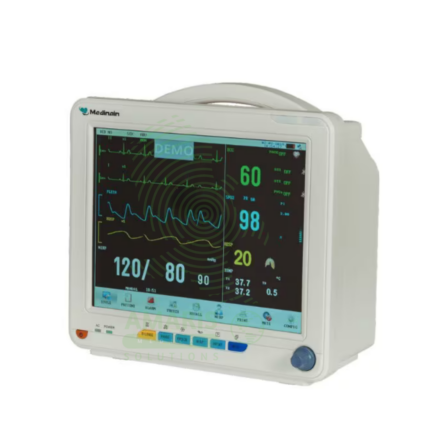
ECG Machine
An ECG Machine is a Class II medical device that records and displays the electrical activity of the heart through surface electrodes, producing an electrocardiogram for diagnosis of cardiac conditions. Standard diagnostic machines record 12 simultaneous leads (3 limb, 6 precordial, 1 ground) with frequency response 0.05-150 Hz, sampling rate 500-1,000 Hz, and high-resolution (5-10 µV) signal acquisition. Features include color touchscreen display, thermal array printer, computerized interpretation algorithms, internal memory (50-500+ ECGs), and network connectivity for EMR integration. Lead wires (AHA or IEC color coding) connect to disposable adhesive electrodes. Portable models (5-15 kg) with rechargeable batteries enable bedside and mobile use; cart-mounted units provide full diagnostic capability. Primary clinical applications include diagnosis of arrhythmias (AF, VT, bradycardia), detection of myocardial ischemia/infarction (STEMI, NSTEMI), evaluation of chest pain, preoperative cardiac risk assessment, monitoring electrolyte imbalances, assessment of chamber enlargement, and drug effect/toxicity monitoring. Essential diagnostic equipment in emergency departments, cardiology clinics, ICUs, operating rooms, and primary care settings worldwide.
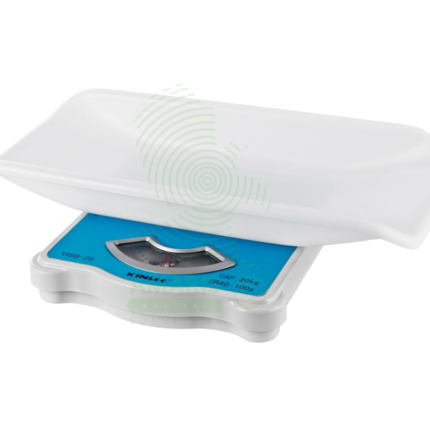
Manual Baby Weighing Scale
A Manual Baby Weighing Scale is a simple, mechanical device used to measure infant weight without the need for electricity or batteries. Operating on a spring or balance principle, it features a suspended sling or seat and a dial display. Its primary advantage is durability and portability for use in community health, outreach programs, and areas with unreliable power. While less precise than digital scales, it provides a reliable and accessible means to monitor growth trends and screen for undernutrition in resource-limited settings, making it a vital tool for basic pediatric care in the field.
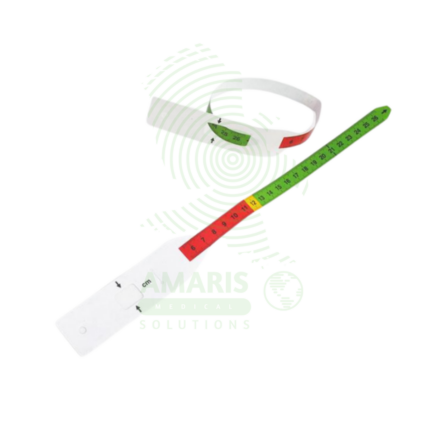
MUAC Tape
A MUAC Tape (Mid-Upper Arm Circumference) is a specialized, color-coded measuring tape used globally as the primary field tool for screening children aged 6-59 months for acute malnutrition. Its simple design—featuring red, yellow, and green zones corresponding to Severe Acute Malnutrition, Moderate Acute Malnutrition, and normal nutritional status—allows for instant, non-invasive assessment without the need for scales, calculation, or literacy. Durable, portable, and inexpensive, it is the cornerstone of community-based nutrition programs, emergency relief efforts, and public health surveillance, enabling early detection and life-saving intervention for malnourished children in even the most resource-constrained settings.