Dermatoscope and Magnifiers
 Diagnostic Kits
 Vital Signs Monitors
 Stethoscopes and Accessories
 Otoscopes, Ophthalmoscopes, and Retinoscopes
 Reflex Hammers and Neurological Tools
 Scales and Measuring Devices
 Spirometers and Pulmonary Function Tests
 Electrosurgical Units and Accessories
 Cutting Instruments
 Grasping and Holding Instruments
 Hemostatic Instruments
 Specialized Surgical Sets
 Single-Use Procedure Trays and Packs
 Surgical Drapes, Gowns, and Covers
 Tissue Unifying Instruments
 Radiation Protection
 X-Ray Machines and Accessories
 Ultrasound Systems and Probes
 MRI and CT Scanners
 Radiology Consumables
 Bone Densitometers
 Fluoroscopy Equipment
 Imaging Tables and Positioning Aids
 Microscopes and Accessories
 Centrifuges and Separators
 Analyzers
 Incubators and Ovens
 Pipettes, Dispensers, and Lab Glassware
 Refrigerators, Freezers, and Storage Units
 Lab Consumables
 Sterilizers and Autoclaves for Lab Use
 Multi-Parameter Monitors
 Ventilators and Respiratory Support Devices
 Defibrillators and AEDs
 Infusion Pumps and IV Systems
 Patient Warmers and Cooling Devices
 Central Monitoring Stations
 Accessories
 Anesthesia Machines and Workstations
 Oxygen Concentrators and Delivery Systems
 Nebulizers and Inhalers
 CPAP/BiPAP Machines
 Airway Management
 Anesthesia Masks, Circuits, and Bags
 Humidifiers and Heaters
 Respiratory Therapy Accessories
 First Aid Kits and Cabinets
 Emergency Resuscitation Equipment
 Trauma Supplies
 Emergency Carts and Crash Carts
 Burn Care Products
 Bleeding Control
 Automated External Defibrillators (AEDs)
 Transport and Evacuation
 Wheelchairs and Accessories
 Walkers, Crutches, and Canes
 Prosthetics and Orthotics
 Physical Therapy Equipment
 Transfer Devices
 Bathroom Safety
 Orthopedic Traction and Tables
 Hot/Cold Therapy Packs and Units
 Beds and Mattresses
 Chairs and Stools
 Tables
 Cabinets and Storage
 Privacy Screens & Curtains
 Stands and Racks
 Linens and Textiles
 Lighting
 Autoclaves and Sterilizers
 Ultrasonic Cleaners
 Disinfectant Solutions and Wipes
 Sterilization Pouches, Wraps, and Indicators
 Instrument Trays and Containers
 UV and Ozone Disinfection Devices
 Washer Disinfectors
 Wound Care
 Gloves
 Masks and Respirators
 Catheters and Tubing
 Swabs, Applicators, and Sponges
 Incontinence Products
 Personal Protective Equipment (PPE)
 Dental Chairs and Units
 Handpieces and Burs
 Instruments
 Consumables
 Sterilization for Dental Use
 Orthodontic Supplies
 Endodontic Tools
 Slit Lamps and Tonometers
 Lensometers and Phoropters
 Ophthalmic Surgical Instruments
 Eyewear Frames and Lenses
 Contact Lens Supplies
 Vision Testing Charts and Devices
 Eye Care Consumables
 Laser Systems for Eye Care
 ENT Exam Chairs and Tables
 Endoscopes
 Audiometers and Hearing Tests
 ENT Instruments
 Nasal and Throat Packs
 Hearing Aids and Accessories
 Otology Supplies
 Fetal Dopplers and Monitors
 Delivery Beds and Tables
 Gynecological Instruments
 Neonatal Incubators and Warmers
 Breast Pumps and Accessories
 Contraceptive Devices
 Maternity Supports and Pads
 Neonatal Consumables
 Cystoscopes and Urethroscopes
 Dialysis Machines and Supplies
 Urological Catheters and Bags
 Lithotripters
 Prostate Treatment Devices
 Urinary Incontinence Products
 Kidney Stone Management Tools
 Consumables & Disposables
 EEG and EMG Machines
 Neurosurgical Instruments
 Nerve Stimulators
 Headrests and Positioning Aids
 Lumbar Puncture Kits
 Seizure Monitoring Devices
 Consumables
 Rehabilitation for Neurological Conditions
 ECG Machines and Accessories
 Holter Monitors
 Stress Test Systems
 Pacemakers and Defibrillator Accessories
 Vascular Access Devices
 Cardiac Catheters and Guidewires
 Blood Flow Meters
 Consumables
 Orthopedic Instruments
 Casts, Splints, and Padding
 Joint Replacement Supplies
 Prosthetic Limbs and Components
 Bone Grafts and Substitutes
 Traction Devices
 Orthopedic Braces and Supports
 Rehabilitation Aids for Orthopedics
 Home Oxygen Therapy
 Hospital Beds for Home Use
 Mobility Aids
 Bathroom and Daily Living Aids
 Wound Care for Home
 Monitoring Devices
 Enteral Feeding Pumps and Tubes
 Hand Sanitizers and Dispensers
 Face Shields and Goggles
 Isolation Gowns and Suits
 Biohazard Waste Containers
 Air Purifiers and HEPA Filters
 Surface Disinfectants
 Sharps Containers
 Protective Barriers
 Cardiovascular & Endurance Training
 Strength Training & Weightlifting
 Functional Training & Core Conditioning
 Physical Therapy & Rehabilitation
 Sports & Outdoor Recreation
 Gym Flooring & Facility Equipment
 Fitness Monitoring & Accessories
 Kids & Novelties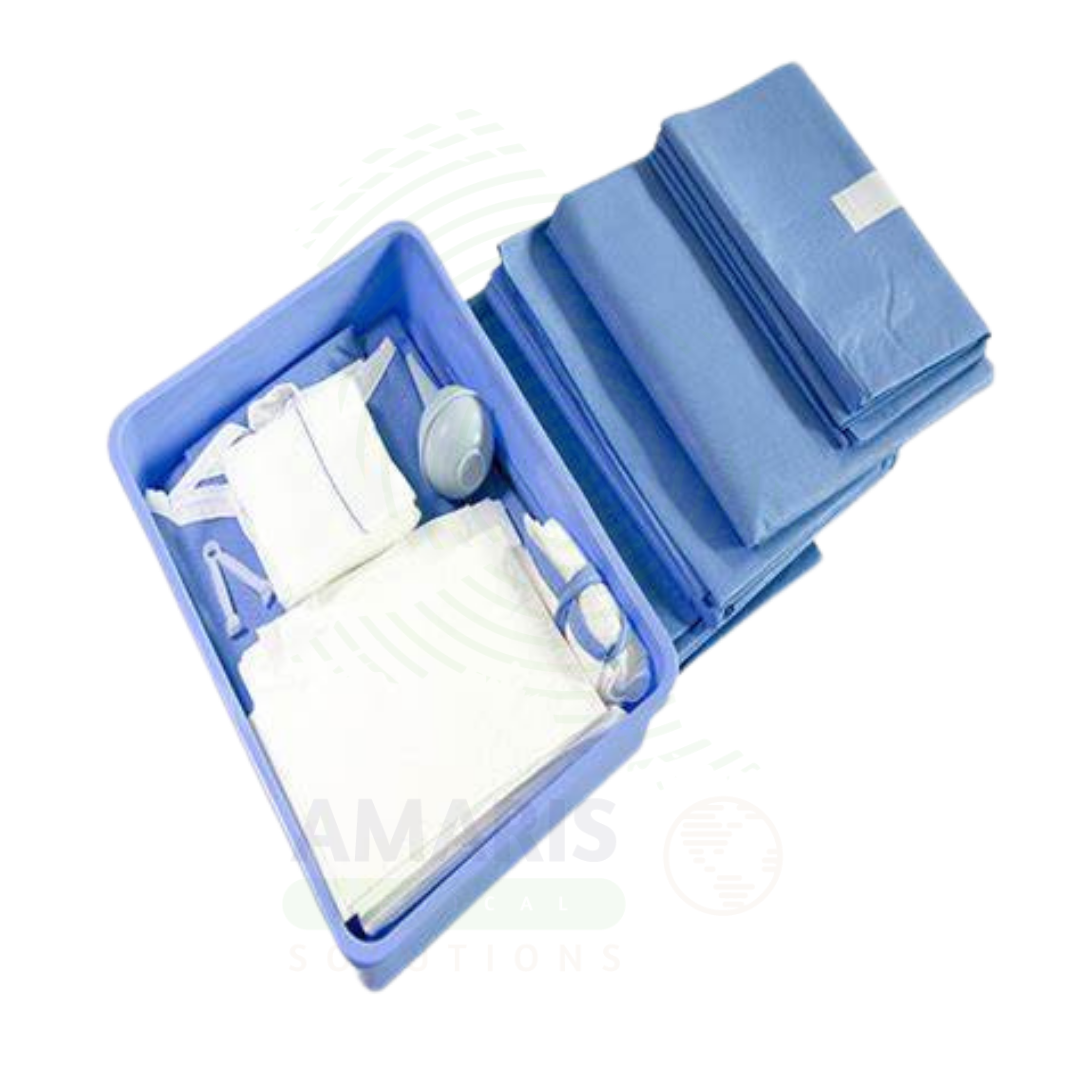
Disposable Delivery Drape
WhatsApp Order
A Disposable Delivery Drape is a sterile, single-use fenestrated drape designed for vaginal delivery. Providing a fluid-resistant barrier that establishes a sterile field around the perineum, it protects both mother and delivery team from contamination. Essential for labor and delivery units, birthing centers, and obstetric settings.
Description
Disposable Delivery Drape
PRIMARY CLINICAL & DIAGNOSTIC USES
1. Sterile Field Establishment for Vaginal Delivery
-
Primary Use: Provides a sterile barrier surface for the perineal area during vaginal delivery, creating a defined sterile field that isolates the delivery site from non-sterile surfaces and reduces the risk of infection for both mother and newborn.
-
How it helps: For the obstetrician, midwife, and labor and delivery nurse, the sterile delivery drape establishes a clean, defined workspace for the delivery—ensuring that instruments, hands, and the perineal area remain protected from contamination. For the mother, this means a safer birth environment with reduced risk of postpartum infection.
2. Fluid Management and Absorption
-
Primary Use: Designed with fluid-absorbent and fluid-resistant properties to manage amniotic fluid, blood, and irrigation fluids during delivery, preventing fluid pooling and maintaining a clean field throughout the procedure.
-
How it helps: For the delivery team, the drape’s absorbent properties keep the operative field dry and visible—preventing fluid runoff that could obscure visualization or create slip hazards. For the mother, effective fluid management contributes to a cleaner, more comfortable delivery experience.
3. Perineal Access with Fenestrated Design
-
Primary Use: Features a fenestrated opening (cutout) positioned over the perineum, providing access to the delivery site while maintaining sterile coverage of the surrounding abdomen, thighs, and legs.
-
How it helps: For the clinician attending the delivery, the fenestrated opening provides clear, unobstructed access to the perineum for examination, delivery, and repair—all while maintaining sterility of the surrounding area. For the mother, this means the delivery can proceed without unnecessary exposure or repositioning.
4. Protection of the Surgical Team
-
Primary Use: Creates a barrier between the delivery site and the surgical team, protecting clinicians from exposure to amniotic fluid, blood, and other body fluids during the delivery process.
-
How it helps: For the obstetric team, the delivery drape provides essential barrier protection against bloodborne pathogens and body fluids—reducing occupational exposure risk. For the mother, this allows the delivery team to focus on safe delivery without concern for exposure.
5. Disposable, Single-Use Design
-
Primary Use: Designed for single use and disposal after each delivery, eliminating the risk of cross-contamination associated with reusable drapes and simplifying post-delivery cleanup.
-
How it helps: For the labor and delivery unit, disposable drapes streamline infection control protocols and reduce the need for reprocessing. For the mother, this ensures that a fresh, sterile drape is used for every delivery.
SECONDARY & SUPPORTIVE USES
1. Cesarean Section: Used as a sterile drape for Cesarean deliveries.
2. Obstetric Procedures: Provides sterile fields for forceps deliveries, vacuum extractions, and other assisted deliveries.
3. Episiotomy and Perineal Repair: Creates sterile field for episiotomy and post-delivery repair.
4. Amniotomy: Used during artificial rupture of membranes.
5. Postpartum Care: Provides sterile surface for perineal examination and repair.
6. Low-Resource Settings: Essential for maintaining sterile field in resource-limited birth settings.
KEY PRODUCT FEATURES
1. BASIC IDENTIFICATION ATTRIBUTES
-
Product Type: A sterile, disposable drape designed for vaginal delivery.
-
Designation: Disposable Delivery Drape, Obstetric Drape, Delivery Drape, Birthing Drape, Fenestrated Drape.
-
Key Components:
-
Drape Body: Fluid-resistant non-woven material.
-
Fenestration: Opening positioned over the perineum.
-
Reinforced Area: Reinforced around fenestration for strength.
-
Absorbent Zone: Fluid-absorbent material in key areas.
-
Adhesive Strips: Optional adhesive for secure positioning.
-
Leg Drapes: Integrated or separate leg covers.
-
2. TECHNICAL & PERFORMANCE PROPERTIES
-
Material: SMS (spunbond-meltblown-spunbond) polypropylene; fluid-resistant.
-
Fenestration Size: Sized for perineal access during delivery.
-
Fluid Resistance: Resists strike-through of amniotic fluid and blood.
-
Absorbency: High absorbency in designated zones.
-
Sterility: Gamma irradiated or ethylene oxide sterilized.
-
Latex-Free: Manufactured without natural rubber latex.
3. PHYSICAL & OPERATIONAL PROPERTIES
-
Construction: Soft, flexible material for patient comfort.
-
Fenestration: Pre-cut opening for delivery access.
-
Packaging: Sterile, single-use; individually packaged.
-
Disposal: Dispose as medical waste after use.
4. SAFETY & COMPLIANCE ATTRIBUTES
-
Regulatory Status: Class II medical device regulated by FDA.
-
Sterility Assurance: Validated sterilization process.
-
Fluid Resistance: Tested for resistance to fluid strike-through.
-
Latex-Free: Available in latex-free options.
5. STORAGE & HANDLING ATTRIBUTES
-
Storage: Store in cool, dry locations; protect from moisture.
-
Sterility Maintenance: Do not use it if the package is opened, damaged, or wet.
-
Expiration: Check expiration date before use; do not use after expiration.
-
Single-Use Only: Intended for single patient use only; do not reuse.
6. LABORATORY & CLINICAL APPLICATIONS
-
Primary Application: Sterile field establishment for vaginal delivery.
-
Clinical Role: Essential equipment in labor and delivery units, birthing centers, and obstetric settings.
SAFETY HANDLING PRECAUTIONS
1. SAFETY PRECAUTIONS
-
Proper Positioning: Position fenestration over the perineum; ensure drape is centered.
-
Sterile Technique: Maintain sterile technique when opening and positioning drape.
-
Adhesive Use: If adhesive strips are present, apply to clean, dry skin.
-
Fluid Management: Monitor fluid accumulation; ensure drainage system is functional.
-
Single-Use: Do not reuse; dispose after each delivery.
2. FIRST AID MEASURES
-
Contamination: If the sterile field is contaminated, replace the drape if possible.
-
Fluid Strike-Through: If fluid penetrates drape, reinforce with additional draping.
3. FIRE FIGHTING MEASURES
-
Flammability: Polypropylene materials are combustible.
-
Extinguishing Media: Use water, foam, or CO₂ as appropriate for surrounding materials.
Related products
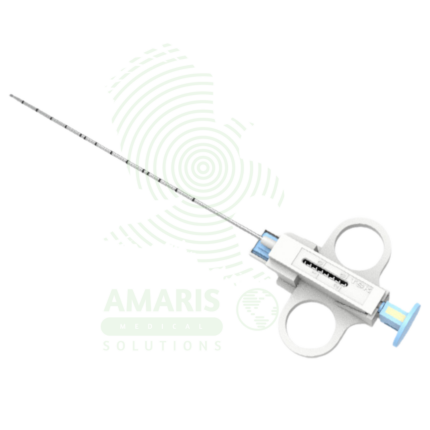
Biopsy Needles
Biopsy Needles are sterile, single-use precision medical devices designed to obtain tissue or cellular specimens from internal organs, masses, and lesions for histopathological or cytological diagnosis. Available in core biopsy (automatic spring-loaded, semi-automatic, vacuum-assisted, coaxial) and fine needle aspiration configurations, with gauges ranging from 14G-27G and lengths from 6-25 cm. Core biopsy needles obtain intact tissue cores preserving histological architecture; FNA needles aspirate cellular material for cytological evaluation. Specialized variants include bone marrow biopsy needles (Jamshidi, Illinois), echogenic-tip needles for ultrasound guidance, and MRI-compatible needles (nitinol, titanium). Critical safety requirements include strict image guidance for non-palpable lesions, verification of coagulation status, adherence to single-use protocols, and immediate post-procedure monitoring for complications (hemorrhage, pneumothorax, organ injury). An indispensable tool in interventional radiology, oncology, and minimally invasive diagnosis.
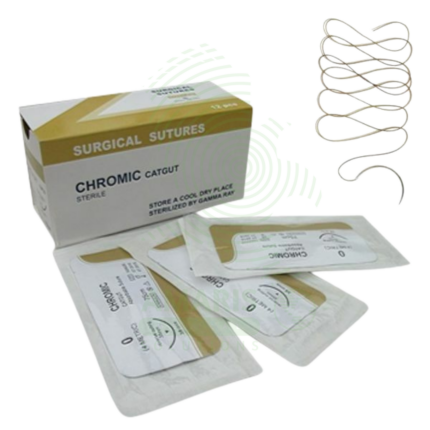
Chromic Sutures
Chromic Sutures are absorbable, monofilament surgical sutures derived from natural collagen and treated with chromic salts to delay absorption. Used for internal tissue approximation in gynecologic, urologic, gastrointestinal, and subcutaneous procedures, they provide temporary wound support during critical healing while being completely absorbed over time without requiring removal. Chromic treatment extends absorption compared to plain catgut, providing 10-14 days of tensile strength retention. Essential for procedures where suture removal would be impractical or where temporary wound support is required.
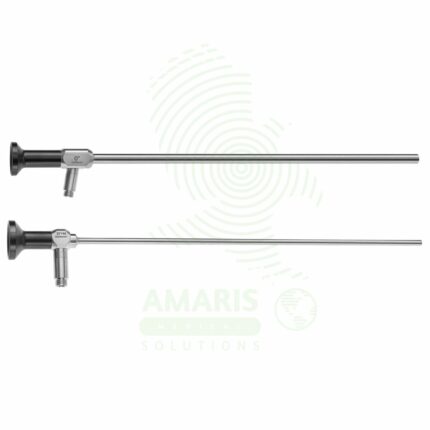
Laparoscope
A Laparoscope is a rigid, sterile optical telescope used in minimally invasive surgery to visualize the abdominal and pelvic cavities. Featuring a Hopkins rod-lens system for brilliant, high-resolution images, it comes in standard diameters (5mm, 10mm) and viewing angles (0° for straight-ahead or 30°/45° to look around structures). It connects to a high-intensity light source and a video camera system. Meticulous handling, mandatory pre-sterilization leak testing, and careful cleaning are required to maintain its integrity and prevent infection. As the primary visual conduit for the surgeon, its clarity and reliability are fundamental to the safety and success of any laparoscopic procedure.
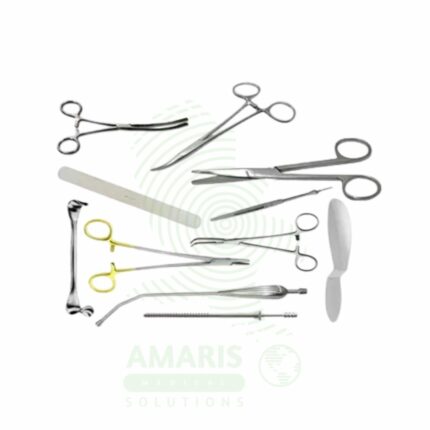
Laparotomy Set
A Laparotomy Set is a sterile instrument tray containing comprehensive instruments for abdominal surgical procedures requiring laparotomy. The set includes instruments for abdominal incision, exposure, dissection, hemostasis, and closure, supporting a wide range of intra-abdominal surgeries including exploration, bowel resection, biliary procedures, and tumor removal. Essential for general surgery, trauma surgery, and oncologic surgery operating rooms, it ensures that all necessary instruments are sterile, organized, and immediately available for safe and effective abdominal surgery.
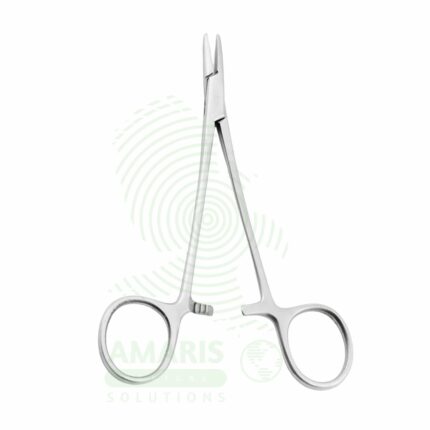
Needle Holders
Needle Holders are surgical instruments used to grasp, hold, and guide suture needles during wound closure and tissue approximation. Featuring serrated jaws with a locking ratchet mechanism, they provide secure needle control while allowing the surgeon to focus on precise suture placement. Available in various sizes and configurations including Mayo-Hegar for general surgery, Castroviejo for microsurgery, and Olsen-Hegar with integrated scissors. Made from surgical-grade stainless steel, often with tungsten carbide inserts for enhanced durability, they are essential instruments in all surgical specialties. Proper selection, handling, and regular inspection are critical for safe and effective use.
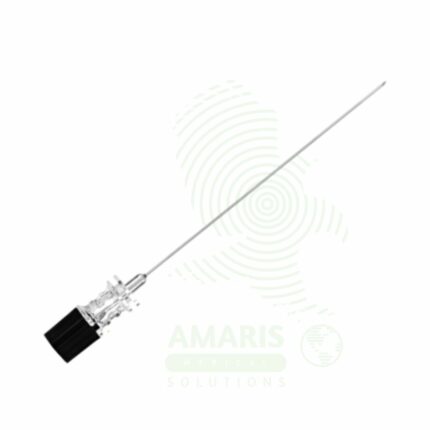
Quincke Spinal Needle
A Quincke Spinal Needle is a sterile, single-use, cutting-bevel needle designed for accessing the subarachnoid space for spinal anesthesia, diagnostic lumbar puncture, and intrathecal medication administration. Featuring a sharp cutting tip, removable stylet, and transparent hub for CSF flashback visualization, it allows precise dural penetration and reliable CSF return. Available in various gauges and lengths, it is the traditional cutting needle in neuraxial anesthesia. Strict aseptic technique, proper bevel orientation, and careful patient selection are essential to minimize complications including post-dural puncture headache and nerve injury.
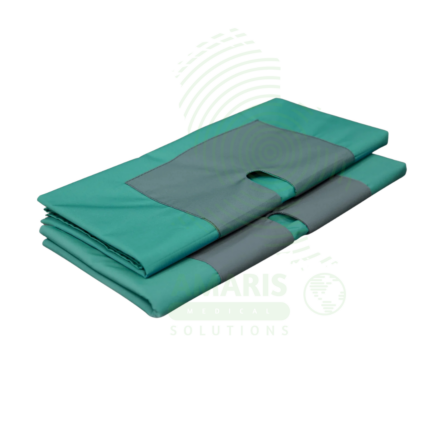
Surgical Drapes
Surgical Drapes are sterile, single-use barriers used to establish and maintain a sterile field during surgical and interventional procedures. Fenestrated drapes provide access to the operative site while protecting surrounding skin; non-fenestrated drapes cover tables, equipment, and non-operative areas. Fluid-repellent and absorbent materials manage irrigation fluids and blood, preventing strike-through and maintaining a dry field. Antimicrobial and adhesive varieties offer additional protection and secure attachment. Proper draping technique is essential for preventing surgical site infections and maintaining aseptic conditions throughout the procedure.