Dermatoscope and Magnifiers
 Diagnostic Kits
 Vital Signs Monitors
 Stethoscopes and Accessories
 Otoscopes, Ophthalmoscopes, and Retinoscopes
 Reflex Hammers and Neurological Tools
 Scales and Measuring Devices
 Spirometers and Pulmonary Function Tests
 Electrosurgical Units and Accessories
 Cutting Instruments
 Grasping and Holding Instruments
 Hemostatic Instruments
 Specialized Surgical Sets
 Single-Use Procedure Trays and Packs
 Surgical Drapes, Gowns, and Covers
 Tissue Unifying Instruments
 Radiation Protection
 X-Ray Machines and Accessories
 Ultrasound Systems and Probes
 MRI and CT Scanners
 Radiology Consumables
 Bone Densitometers
 Fluoroscopy Equipment
 Imaging Tables and Positioning Aids
 Microscopes and Accessories
 Centrifuges and Separators
 Analyzers
 Incubators and Ovens
 Pipettes, Dispensers, and Lab Glassware
 Refrigerators, Freezers, and Storage Units
 Lab Consumables
 Sterilizers and Autoclaves for Lab Use
 Multi-Parameter Monitors
 Ventilators and Respiratory Support Devices
 Defibrillators and AEDs
 Infusion Pumps and IV Systems
 Patient Warmers and Cooling Devices
 Central Monitoring Stations
 Accessories
 Anesthesia Machines and Workstations
 Oxygen Concentrators and Delivery Systems
 Nebulizers and Inhalers
 CPAP/BiPAP Machines
 Airway Management
 Anesthesia Masks, Circuits, and Bags
 Humidifiers and Heaters
 Respiratory Therapy Accessories
 First Aid Kits and Cabinets
 Emergency Resuscitation Equipment
 Trauma Supplies
 Emergency Carts and Crash Carts
 Burn Care Products
 Bleeding Control
 Automated External Defibrillators (AEDs)
 Transport and Evacuation
 Wheelchairs and Accessories
 Walkers, Crutches, and Canes
 Prosthetics and Orthotics
 Physical Therapy Equipment
 Transfer Devices
 Bathroom Safety
 Orthopedic Traction and Tables
 Hot/Cold Therapy Packs and Units
 Beds and Mattresses
 Chairs and Stools
 Tables
 Cabinets and Storage
 Privacy Screens & Curtains
 Stands and Racks
 Linens and Textiles
 Lighting
 Autoclaves and Sterilizers
 Ultrasonic Cleaners
 Disinfectant Solutions and Wipes
 Sterilization Pouches, Wraps, and Indicators
 Instrument Trays and Containers
 UV and Ozone Disinfection Devices
 Washer Disinfectors
 Wound Care
 Gloves
 Masks and Respirators
 Catheters and Tubing
 Swabs, Applicators, and Sponges
 Incontinence Products
 Personal Protective Equipment (PPE)
 Dental Chairs and Units
 Handpieces and Burs
 Instruments
 Consumables
 Sterilization for Dental Use
 Orthodontic Supplies
 Endodontic Tools
 Slit Lamps and Tonometers
 Lensometers and Phoropters
 Ophthalmic Surgical Instruments
 Eyewear Frames and Lenses
 Contact Lens Supplies
 Vision Testing Charts and Devices
 Eye Care Consumables
 Laser Systems for Eye Care
 ENT Exam Chairs and Tables
 Endoscopes
 Audiometers and Hearing Tests
 ENT Instruments
 Nasal and Throat Packs
 Hearing Aids and Accessories
 Otology Supplies
 Fetal Dopplers and Monitors
 Delivery Beds and Tables
 Gynecological Instruments
 Neonatal Incubators and Warmers
 Breast Pumps and Accessories
 Contraceptive Devices
 Maternity Supports and Pads
 Neonatal Consumables
 Cystoscopes and Urethroscopes
 Dialysis Machines and Supplies
 Urological Catheters and Bags
 Lithotripters
 Prostate Treatment Devices
 Urinary Incontinence Products
 Kidney Stone Management Tools
 Consumables & Disposables
 EEG and EMG Machines
 Neurosurgical Instruments
 Nerve Stimulators
 Headrests and Positioning Aids
 Lumbar Puncture Kits
 Seizure Monitoring Devices
 Consumables
 Rehabilitation for Neurological Conditions
 ECG Machines and Accessories
 Holter Monitors
 Stress Test Systems
 Pacemakers and Defibrillator Accessories
 Vascular Access Devices
 Cardiac Catheters and Guidewires
 Blood Flow Meters
 Consumables
 Orthopedic Instruments
 Casts, Splints, and Padding
 Joint Replacement Supplies
 Prosthetic Limbs and Components
 Bone Grafts and Substitutes
 Traction Devices
 Orthopedic Braces and Supports
 Rehabilitation Aids for Orthopedics
 Home Oxygen Therapy
 Hospital Beds for Home Use
 Mobility Aids
 Bathroom and Daily Living Aids
 Wound Care for Home
 Monitoring Devices
 Enteral Feeding Pumps and Tubes
 Hand Sanitizers and Dispensers
 Face Shields and Goggles
 Isolation Gowns and Suits
 Biohazard Waste Containers
 Air Purifiers and HEPA Filters
 Surface Disinfectants
 Sharps Containers
 Protective Barriers
 Cardiovascular & Endurance Training
 Strength Training & Weightlifting
 Functional Training & Core Conditioning
 Physical Therapy & Rehabilitation
 Sports & Outdoor Recreation
 Gym Flooring & Facility Equipment
 Fitness Monitoring & Accessories
 Kids & Novelties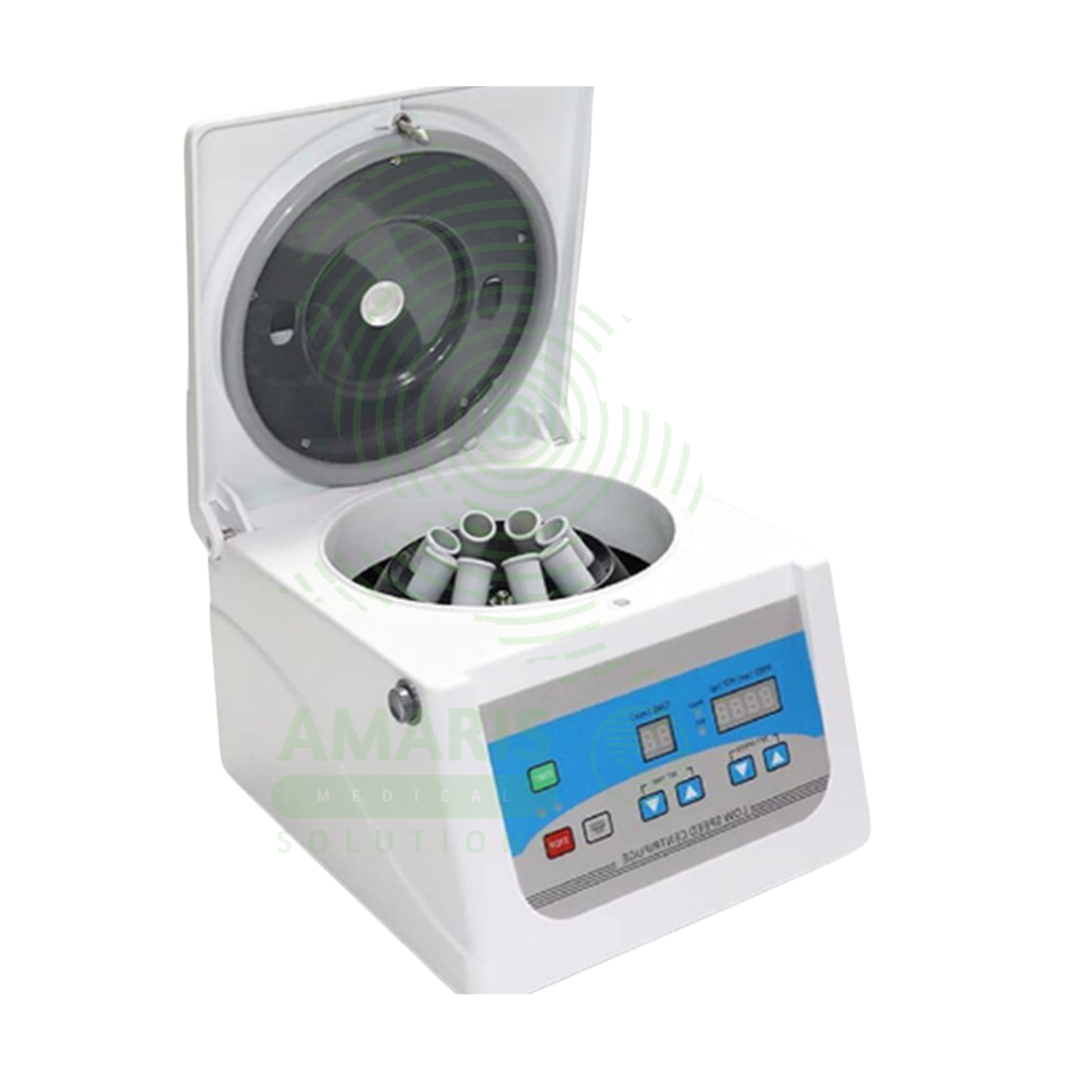
Electric Centrifuge
WhatsApp Order
An Electric Centrifuge is a Class I medical device that uses rapid rotation to separate fluids of different densities, essential in clinical laboratories for processing blood, urine, and other biological specimens. Available in benchtop, refrigerated, microcentrifuge, hematocrit, and high-speed models with fixed-angle, swinging-bucket, or vertical rotors. Speed range 1,000-30,000+ RPM with RCF up to 65,000+ x g. Features include brushless induction motor, digital controls, imbalance detection, lid lock safety, and programmable protocols. Primary clinical applications include separation of serum/plasma for chemistry and hematology testing, urine sediment analysis for microscopy, platelet-rich plasma (PRP) preparation for regenerative medicine, concentration of bacteria for microbiology, cytology fluid analysis, blood banking, and molecular biology sample processing. Critical safety precautions include proper balancing of loads (weight matching), use of sealed rotors for biohazardous samples, regular rotor inspection for corrosion or cracks, never exceeding maximum rated speed, and never opening lid during operation. Essential equipment in clinical, research, and teaching laboratories.
Description
Electric Centrifuge
PRIMARY CLINICAL & DIAGNOSTIC USES
1. Separation of Blood Components for Laboratory Testing:
-
Primary Use: Essential for centrifuging blood specimens to separate plasma, serum, or buffy coat from cellular components, enabling accurate analysis of biochemistry, hematology, coagulation, and serology parameters in clinical laboratories.
-
How it helps: Transforms a whole blood sample into its individual components, allowing laboratory professionals to analyze each part separately and providing doctors with the precise information they need to diagnose everything from anemia to heart attacks.
2. Preparation of Platelet-Rich Plasma (PRP) for Therapeutic Use:
-
Primary Use: Used in regenerative medicine and orthopedic practices to concentrate platelets from a patient’s own blood for injection into joints, tendons, and soft tissues to promote healing and reduce inflammation.
-
How it helps: Harnesses the body’s natural healing factors by concentrating platelets and their growth factors, offering patients a minimally invasive treatment option for chronic pain and injuries that may avoid the need for surgery.
3. Urine Sediment Analysis:
-
Primary Use: Centrifugation of urine specimens concentrates cellular elements, casts, crystals, and microorganisms for microscopic examination, aiding in diagnosis of urinary tract infections, kidney disease, and metabolic disorders.
-
How it helps: Makes invisible problems visible by concentrating tiny particles in urine that would otherwise be too dilute to see, helping doctors identify kidney stones, infections, and other urinary tract conditions with confidence.
4. Microbiology and Bacteriology Applications:
-
Primary Use: Used to concentrate bacteria from body fluids (CSF, pleural fluid, synovial fluid) for culture and Gram stain, improving diagnostic yield in infectious disease testing.
-
How it helps: Increases the chances of finding and identifying bacteria in difficult-to-diagnose infections, ensuring patients with serious conditions like meningitis or septic arthritis receive the right antibiotics quickly.
5. Cytology and Fluid Analysis:
-
Primary Use: Concentrates cells from ascitic fluid, pleural fluid, pericardial fluid, and CSF for cytological examination to detect malignant cells or assess for infection.
-
How it helps: Gives pathologists a richer sample to examine, improving the detection of cancer cells or infectious organisms in body fluids and helping doctors make earlier, more accurate diagnoses.
6. Research and Clinical Trials:
-
Primary Use: Essential for processing biological samples in research settings, including cell culture, molecular biology, protein analysis, and drug development studies.
-
How it helps: Provides researchers with pure, concentrated samples needed to make scientific discoveries, from understanding how diseases work to developing new medications that can save lives.
7. Blood Banking and Transfusion Services:
-
Primary Use: Used to prepare packed red blood cells, platelet concentrates, and fresh frozen plasma from donated blood, and for compatibility testing (cross-matching) before transfusion.
-
How it helps: Makes the most of every blood donation by separating whole blood into components that can help multiple patients, and ensures that when a patient needs blood, it is compatible and safe for transfusion.
SECONDARY & SUPPORTIVE USES
1. Veterinary Diagnostics: Used in veterinary laboratories for processing blood, urine, and other specimens from animals, helping veterinarians diagnose and treat illnesses in pets and livestock with the same accuracy as human medicine.
2. Fertility and Reproductive Medicine: Used to process semen samples for sperm count and motility analysis, and to prepare sperm for intrauterine insemination (IUI) or IVF procedures, helping couples achieve their dream of starting a family.
3. Food Safety and Quality Control: Used in food testing laboratories to concentrate pathogens from food samples for microbiological analysis, helping prevent foodborne illness outbreaks by identifying contaminated products.
4. Pharmaceutical Quality Control: Employed in pharmaceutical manufacturing to test product stability and purity, ensuring that medications are safe, effective, and consistent from batch to batch.
5. Environmental Testing: Used to concentrate water samples for analysis of microorganisms or chemical contaminants, helping protect public health by ensuring drinking water is safe.
6. Educational and Teaching Laboratories: Essential equipment in medical, nursing, and clinical laboratory science education programs, giving future healthcare professionals hands-on experience with fundamental laboratory techniques.
7. Biotechnology and Molecular Biology: Used for DNA/RNA extraction protocols, protein purification, and other molecular techniques, supporting the development of new diagnostics, treatments, and scientific discoveries.
KEY PRODUCT FEATURES
1. BASIC IDENTIFICATION ATTRIBUTES
-
Product Type: Electric-powered laboratory centrifuge for separation of fluids based on density by rapid rotation.
-
Common Names: Centrifuge, Laboratory Centrifuge, Electric Centrifuge, Clinical Centrifuge, Hematocrit Centrifuge, Refrigerated Centrifuge.
-
Types:
-
Benchtop Centrifuge: Compact, for routine clinical laboratory use.
-
Refrigerated Centrifuge: Maintains low temperatures for temperature-sensitive samples.
-
Microcentrifuge: For small volumes (microtubes, PCR strips).
-
Hematocrit Centrifuge: Specialized for capillary tube centrifugation.
-
Cytocentrifuge: For depositing cells directly onto microscope slides.
-
High-Speed Centrifuge: For molecular biology and research applications.
-
-
Rotor Types:
-
Fixed-Angle Rotor: Tubes held at fixed angle; faster pelting, for most routine applications.
-
Swinging-Bucket Rotor: Buckets swing out horizontally; better separation for gradients, larger volumes.
-
Vertical Rotor: Tubes vertical; rapid runs, for density gradient separations.
-
-
Capacity: 4-100+ tubes per run depending on rotor and model.
-
Maximum Speed: 1,000-30,000+ RPM depending on model.
-
Maximum RCF (Relative Centrifugal Force): 500-65,000+ x g.
2. TECHNICAL & PERFORMANCE PROPERTIES
-
Drive System: Brushless induction motor (most modern) or carbon brush motor (older models).
-
Speed Range: Variable, digitally controlled with display.
-
RCF Display: Calculates and displays relative centrifugal force based on rotor radius and speed.
-
Timer: Digital timer from 1-99 minutes or continuous run.
-
Temperature Control (Refrigerated Models): -20°C to +40°C, essential for temperature-sensitive samples.
-
Acceleration/Deceleration: Programmable rates to prevent sample disturbance.
-
Memory: Program storage for frequently used protocols.
-
Imbalance Detection: Automatic shutoff if load is unbalanced, protecting rotor and motor.
-
Lid Lock: Automatic locking during operation for safety; prevents opening while rotor spinning.
-
Noise Level: 45-65 dB depending on model and speed.
-
Power Requirements: 100-240 VAC, 50/60 Hz.
3. PHYSICAL & OPERATIONAL PROPERTIES
-
Dimensions: Varies widely by type (benchtop: 40-60 cm W × 50-70 cm D × 30-40 cm H; floor models larger).
-
Weight: 20-150 kg depending on size and refrigeration.
-
Construction: Stainless steel or epoxy-coated steel exterior; stainless steel bowl interior.
-
Display: Digital LCD or LED showing speed, RCF, time, temperature, and program number.
-
Controls: Touchpad or rotary knob for programming.
-
Rotor Compatibility: Accepts multiple rotor types; rotors sold separately or included.
-
Tube Types: Accepts various tube sizes (microcentrifuge tubes, 15 mL conical, 50 mL conical, blood collection tubes, microplates).
-
Accessories: Adapters for different tube sizes, sealed rotors for biohazard safety.
4. SAFETY & COMPLIANCE ATTRIBUTES
-
Regulatory Status: Class I medical device (FDA, CE marked for IVD use when used with IVD applications).
-
Safety Standards: Complies with IEC 61010-2-020 for safety requirements for centrifuges.
-
Imbalance Detection: Automatic shutoff if load unbalanced, prevents damage and injury.
-
Lid Lock: Mechanical or electronic lock prevents opening while rotor spinning.
-
Emergency Lid Release: Manual release in case of power failure.
-
Over-speed Protection: Prevents operation above rotor's maximum rated speed.
-
Biohazard Safety: Sealed rotors and buckets available for infectious samples.
-
CE Mark: Complies with European safety and EMC requirements.
-
Quality Management: Manufactured under ISO 13485 or ISO 9001 certified processes.
5. STORAGE & HANDLING ATTRIBUTES
-
Storage: Store in a clean, dry environment; avoid dust, humidity, and temperature extremes.
-
Installation: Place on rigid, level, non-flammable surface; ensure adequate ventilation (especially refrigerated models).
-
Cleaning: Wipe exterior with mild detergent; disinfect with EPA-registered disinfectant if spills occur. Clean bowl and rotors per manufacturer instructions; never immerse the rotor in liquid.
-
Rotor Care: Remove rotors when not in use; clean and dry after each use; inspect for corrosion or cracks; lubricate as recommended.
-
Calibration: Annual speed and temperature calibration verification recommended.
-
Maintenance: Regular preventive maintenance per manufacturer schedule (motor, brushes if applicable, refrigeration system).
-
Inspection: Before each use, inspect the rotor for cracks, corrosion, or damage; check lid lock function; verify balance.
6. LABORATORY & CLINICAL APPLICATIONS
-
Primary Application: Essential laboratory equipment for separating components of biological fluids based on density, used in clinical chemistry, hematology, microbiology, blood banking, and research.
-
Key Applications:
-
Serum/Plasma Separation: 3,000-4,000 x g for 10-15 minutes.
-
Urine Sediment: 400-600 x g for 5-10 minutes.
-
Platelet-Rich Plasma (PRP): 1,000-1,500 x g for 10-15 minutes (specific protocols vary).
-
Hematocrit: 10,000-15,000 x g for 5-10 minutes in capillary tubes.
-
Microbiology: 3,000-4,000 x g for 15 minutes to concentrate bacteria.
-
Molecular Biology: 12,000-20,000 x g for DNA/RNA extractions.
-
-
RCF Calculation: RCF = 1.118 × 10⁻⁵ × r × RPM² (r = radius in cm).
-
Limitations: Must balance tubes properly; incompatible tube types may break; certain samples require refrigeration.
SAFETY HANDLING PRECAUTIONS
1. SAFETY PRECAUTIONS
-
Balancing Loads: Always balance tubes by weight (not just number). Opposing tubes must have the same weight ±0.5 grams. Imbalance causes damage, injury, and poor separation.
-
Tube Compatibility: Use only tubes rated for the speed and RCF generated; tubes may explode if exceeded.
-
Biohazard Safety: Use sealed rotors or buckets for infectious samples (blood, body fluids). Clean spills immediately with appropriate disinfectant.
-
Lid Lock: Never attempt to open the lid while rotor spinning; wait for complete stop.
-
Rotor Inspection: Inspect rotors regularly for corrosion, cracks, or white deposits (aluminum corrosion). Replace immediately if damaged.
-
Overloading: Never exceed rotor's maximum rated speed or sample volume.
-
Chemical Resistance: Ensure tubes and rotors are compatible with chemicals used (acids, organics may damage rotors).
-
Training: Only trained personnel should operate centrifuges.
-
Emergency Release: Know location and operation of emergency lid release.
-
Ventilation: Ensure adequate ventilation, especially for refrigerated models.
2. FIRST AID MEASURES
-
Tube Breakage During Run: Stop centrifuge immediately. Do not open the lid for 30 minutes to allow aerosol settling. Wear PPE (gloves, mask, eye protection) and carefully remove broken glass/tubes. Disinfect bowl thoroughly.
-
Chemical Spill: Follow chemical spill protocol; use appropriate PPE and absorbent materials.
-
Electrical Malfunction: Disconnect power; do not use until serviced.
-
Rotor Failure: If rotor fails during operation (loud noise, vibration), stop immediately if safe; evacuate area; inspect for damage.
3. FIRE FIGHTING MEASURES
-
Flammability: Electrical components and plastic parts combustible.
-
Extinguishing Media: Use CO₂ or dry chemical (Class C) for electrical fires; water may be used for surrounding materials.
-
Power Off: Disconnect power if safe to do so.
Related products
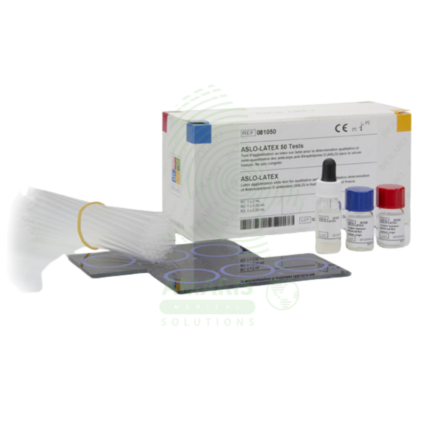
Anti-Streptol Olysin O Titer (ASOT)
Anti-Streptol Olysin O Titer (ASOT) is a quantitative or semi-quantitative serological test (latex agglutination, turbidimetry, nephelometry, or ELISA) for detecting antibodies against streptolysin O, an exotoxin produced by Group A Streptococcus. Elevated or rising titers indicate recent streptococcal infection and are essential for diagnosing post-streptococcal sequelae including acute rheumatic fever (Jones criteria) and post-streptococcal glomerulonephritis. The test requires serum samples; acute and convalescent (2-4 weeks apart) with fourfold rise confirms recent infection. Reference range typically <200-250 Todd units/mL (adults), varies by age and population. Primary clinical applications include diagnosis of Group A streptococcal infections, acute rheumatic fever evaluation, post-streptococcal glomerulonephritis diagnosis, differentiation of acute vs. past infection, evaluation of unexplained arthritis or carditis, pediatric inflammatory conditions (PANDAS), and monitoring disease activity in rheumatic fever. Critical safety precautions include proper timing of acute and convalescent samples, awareness of false negatives/positives, clinical correlation for diagnosis, and standard biohazard precautions. Essential test for rheumatology, nephrology, cardiology, and infectious disease practice.
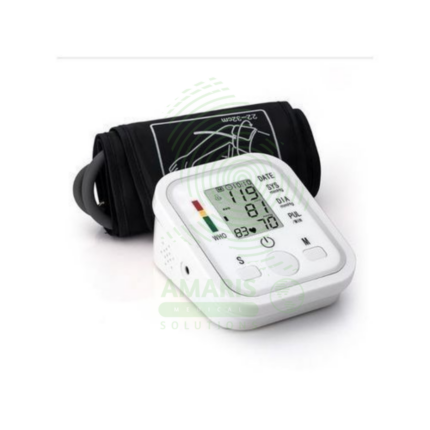
Digital Blood Pressure Monitor
A Digital Blood Pressure Monitor is an automatic electronic device that measures and displays systolic pressure, diastolic pressure, and pulse rate using the oscillometric method. Designed primarily for home and clinical use, it offers a user-friendly alternative to manual aneroid devices, requiring minimal training. Key features often include irregular heartbeat detection, multi-user memory, and connectivity for data tracking. Its accuracy, when clinically validated and used with correct technique, makes it an indispensable tool for the diagnosis and management of hypertension, empowering patients and supporting healthcare providers with reliable ambulatory data.
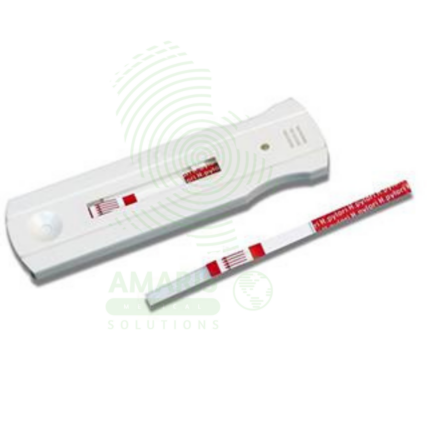
H. pylori Test Strips
H. pylori Test Strips are rapid, lateral flow immunochromatographic devices used for the qualitative detection of Helicobacter pylori antigens in human stool. As a non-invasive stool antigen test (SAT), it provides a convenient and reliable method for diagnosing active H. pylori infection and confirming eradication after therapy, with results available in under 15 minutes. Ideal for use in clinics and outpatient settings, it aids in the management of dyspepsia and peptic ulcer disease. Proper sample handling, adherence to pre-test medication restrictions, and strict biohazard precautions are essential for obtaining accurate results.
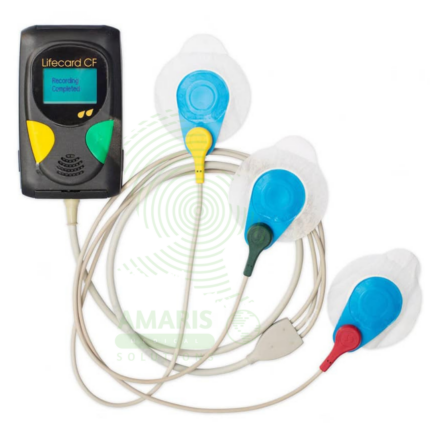
Holter ECG Monitor
A Holter ECG Monitor is a portable, wearable medical device used for continuous, long-term recording of a patient's heart's electrical activity over 24 to 48 hours or more. It is the cornerstone diagnostic tool for detecting intermittent cardiac arrhythmias, evaluating unexplained symptoms like syncope or palpitations, and monitoring the efficacy of antiarrhythmic treatments or implanted cardiac device function. Consisting of a small digital recorder connected to chest electrodes (or an all-in-one adhesive patch), it allows patients to maintain their normal daily routine while capturing a comprehensive electrocardiographic record.
Spirometer
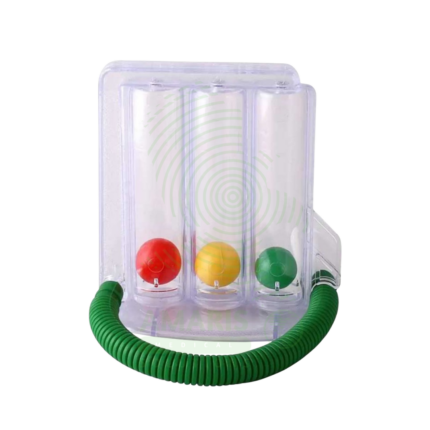
A Spirometer is an essential diagnostic medical device used to measure how much and how quickly air can be inhaled and exhaled by the lungs. By performing forced breathing maneuvers, it generates key parameters—primarily Forced Vital Capacity (FVC) and Forced Expiratory Volume in 1 second (FEV1)—that are fundamental for diagnosing and monitoring obstructive and restrictive lung diseases like Asthma and COPD. Requiring daily calibration and strict adherence to international standards (ATS/ERS), it provides the objective, reproducible data needed for clinical decision-making in pulmonology, primary care, occupational health, and pre-operative assessment.
Upper Arm Blood Pressure Monitor
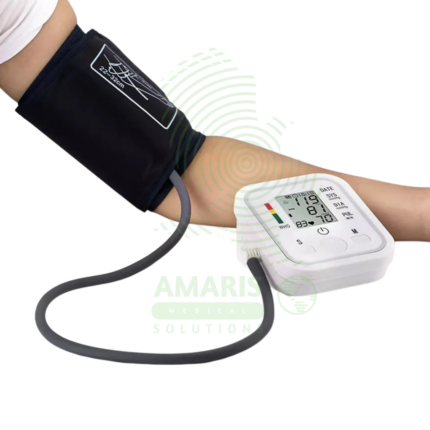
The Upper Arm Blood Pressure Monitor is a clinically validated, automatic digital device designed for accurate and comfortable blood pressure and pulse measurement at home or in professional settings. Known for its user-friendly features like Intellisense inflation technology, a large clear display, and comprehensive functions including irregular heartbeat detection, multi-user memory, and a WHO-based hypertension indicator, it provides reliable data for effective hypertension management. Its robust construction, adherence to international safety standards (CE, FDA), and focus on patient comfort make it a trusted choice for individuals and healthcare providers seeking a dependable tool for cardiovascular health monitoring.
VDRL Test For Syphilis
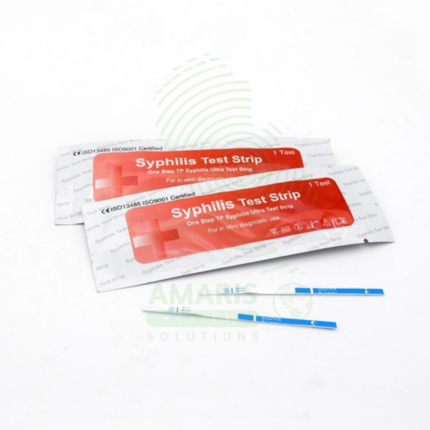
The VDRL Test For Syphilis (Venereal Disease Research Laboratory) is a Class II medical device (FDA-cleared) non-treponemal flocculation test for qualitative and quantitative detection of reaginic antibodies in serum or cerebrospinal fluid, used for syphilis screening, diagnosis, and treatment monitoring. The test uses an antigen mixture (cardiolipin, cholesterol, lecithin) that reacts with antibodies, forming visible clumping (flocculation) in positive samples. Results are reported as reactive/non-reactive with quantitative titers (e.g., 1:2 to 1:256). Primary clinical applications include initial screening for syphilis infection, confirmation of active syphilis (with treponemal tests), monitoring treatment response (fourfold titer decrease indicates cure), diagnosis of neurosyphilis (CSF testing), prenatal screening for congenital syphilis prevention, screening in high-risk populations (MSM, HIV-positive, multiple partners), and blood donor screening. Critical safety precautions include confirmation of all reactive results with treponemal tests (TPPA, FTA-ABS), awareness of false positives (pregnancy, autoimmune disease, viral infections), proper specimen handling (universal precautions), refrigerated storage of reagents (2-8°C), and mandatory reporting of reactive results to public health authorities. Essential test for syphilis control and congenital syphilis prevention worldwide.