Dermatoscope and Magnifiers
 Diagnostic Kits
 Vital Signs Monitors
 Stethoscopes and Accessories
 Otoscopes, Ophthalmoscopes, and Retinoscopes
 Reflex Hammers and Neurological Tools
 Scales and Measuring Devices
 Spirometers and Pulmonary Function Tests
 Electrosurgical Units and Accessories
 Cutting Instruments
 Grasping and Holding Instruments
 Hemostatic Instruments
 Specialized Surgical Sets
 Single-Use Procedure Trays and Packs
 Surgical Drapes, Gowns, and Covers
 Tissue Unifying Instruments
 Radiation Protection
 X-Ray Machines and Accessories
 Ultrasound Systems and Probes
 MRI and CT Scanners
 Radiology Consumables
 Bone Densitometers
 Fluoroscopy Equipment
 Imaging Tables and Positioning Aids
 Microscopes and Accessories
 Centrifuges and Separators
 Analyzers
 Incubators and Ovens
 Pipettes, Dispensers, and Lab Glassware
 Refrigerators, Freezers, and Storage Units
 Lab Consumables
 Sterilizers and Autoclaves for Lab Use
 Multi-Parameter Monitors
 Ventilators and Respiratory Support Devices
 Defibrillators and AEDs
 Infusion Pumps and IV Systems
 Patient Warmers and Cooling Devices
 Central Monitoring Stations
 Accessories
 Anesthesia Machines and Workstations
 Oxygen Concentrators and Delivery Systems
 Nebulizers and Inhalers
 CPAP/BiPAP Machines
 Airway Management
 Anesthesia Masks, Circuits, and Bags
 Humidifiers and Heaters
 Respiratory Therapy Accessories
 First Aid Kits and Cabinets
 Emergency Resuscitation Equipment
 Trauma Supplies
 Emergency Carts and Crash Carts
 Burn Care Products
 Bleeding Control
 Automated External Defibrillators (AEDs)
 Transport and Evacuation
 Wheelchairs and Accessories
 Walkers, Crutches, and Canes
 Prosthetics and Orthotics
 Physical Therapy Equipment
 Transfer Devices
 Bathroom Safety
 Orthopedic Traction and Tables
 Hot/Cold Therapy Packs and Units
 Beds and Mattresses
 Chairs and Stools
 Tables
 Cabinets and Storage
 Privacy Screens & Curtains
 Stands and Racks
 Linens and Textiles
 Lighting
 Autoclaves and Sterilizers
 Ultrasonic Cleaners
 Disinfectant Solutions and Wipes
 Sterilization Pouches, Wraps, and Indicators
 Instrument Trays and Containers
 UV and Ozone Disinfection Devices
 Washer Disinfectors
 Wound Care
 Gloves
 Masks and Respirators
 Catheters and Tubing
 Swabs, Applicators, and Sponges
 Incontinence Products
 Personal Protective Equipment (PPE)
 Dental Chairs and Units
 Handpieces and Burs
 Instruments
 Consumables
 Sterilization for Dental Use
 Orthodontic Supplies
 Endodontic Tools
 Slit Lamps and Tonometers
 Lensometers and Phoropters
 Ophthalmic Surgical Instruments
 Eyewear Frames and Lenses
 Contact Lens Supplies
 Vision Testing Charts and Devices
 Eye Care Consumables
 Laser Systems for Eye Care
 ENT Exam Chairs and Tables
 Endoscopes
 Audiometers and Hearing Tests
 ENT Instruments
 Nasal and Throat Packs
 Hearing Aids and Accessories
 Otology Supplies
 Fetal Dopplers and Monitors
 Delivery Beds and Tables
 Gynecological Instruments
 Neonatal Incubators and Warmers
 Breast Pumps and Accessories
 Contraceptive Devices
 Maternity Supports and Pads
 Neonatal Consumables
 Cystoscopes and Urethroscopes
 Dialysis Machines and Supplies
 Urological Catheters and Bags
 Lithotripters
 Prostate Treatment Devices
 Urinary Incontinence Products
 Kidney Stone Management Tools
 Consumables & Disposables
 EEG and EMG Machines
 Neurosurgical Instruments
 Nerve Stimulators
 Headrests and Positioning Aids
 Lumbar Puncture Kits
 Seizure Monitoring Devices
 Consumables
 Rehabilitation for Neurological Conditions
 ECG Machines and Accessories
 Holter Monitors
 Stress Test Systems
 Pacemakers and Defibrillator Accessories
 Vascular Access Devices
 Cardiac Catheters and Guidewires
 Blood Flow Meters
 Consumables
 Orthopedic Instruments
 Casts, Splints, and Padding
 Joint Replacement Supplies
 Prosthetic Limbs and Components
 Bone Grafts and Substitutes
 Traction Devices
 Orthopedic Braces and Supports
 Rehabilitation Aids for Orthopedics
 Home Oxygen Therapy
 Hospital Beds for Home Use
 Mobility Aids
 Bathroom and Daily Living Aids
 Wound Care for Home
 Monitoring Devices
 Enteral Feeding Pumps and Tubes
 Hand Sanitizers and Dispensers
 Face Shields and Goggles
 Isolation Gowns and Suits
 Biohazard Waste Containers
 Air Purifiers and HEPA Filters
 Surface Disinfectants
 Sharps Containers
 Protective Barriers
 Cardiovascular & Endurance Training
 Strength Training & Weightlifting
 Functional Training & Core Conditioning
 Physical Therapy & Rehabilitation
 Sports & Outdoor Recreation
 Gym Flooring & Facility Equipment
 Fitness Monitoring & Accessories
 Kids & Novelties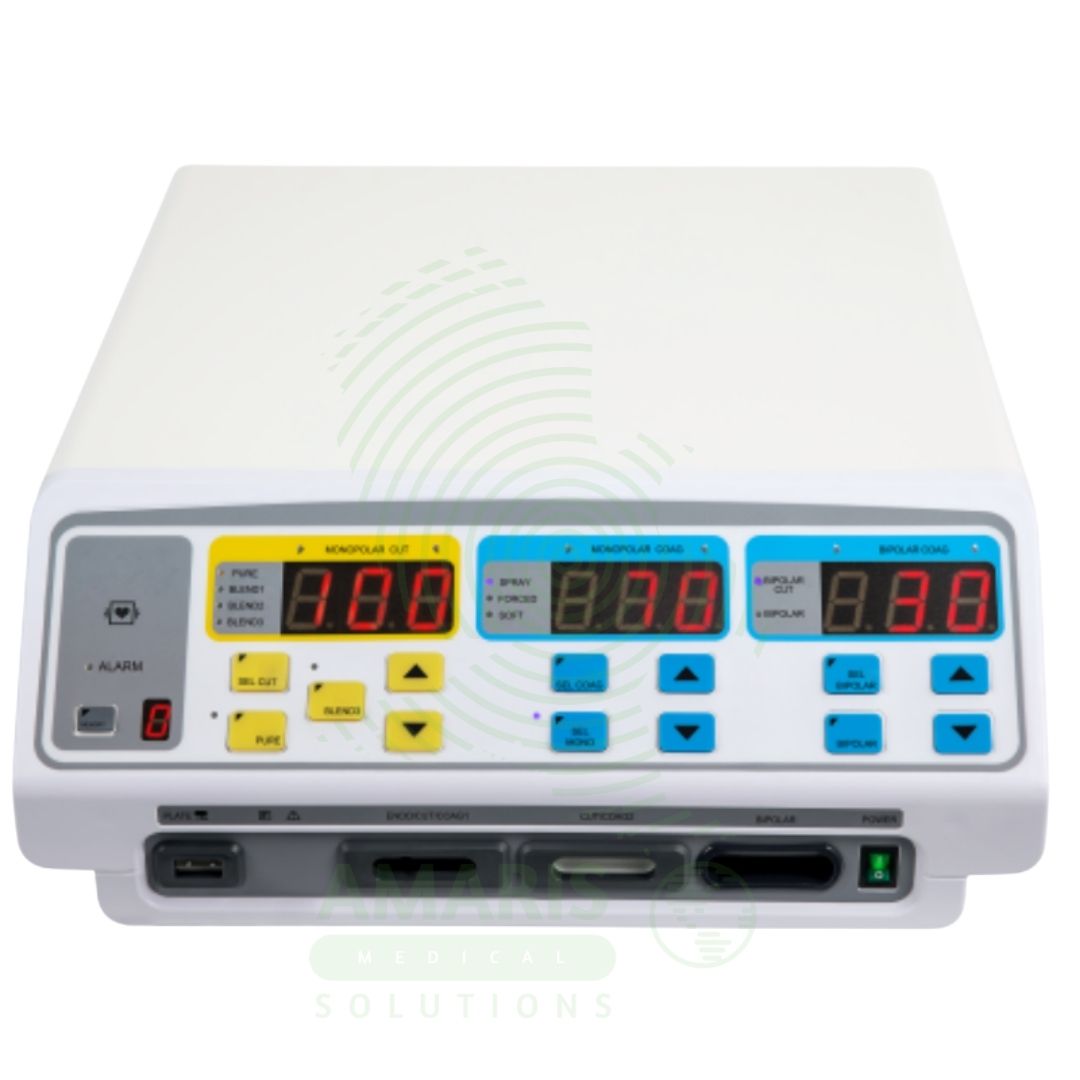
Electrosurgical Unit
$1.00
WhatsApp Order
An Electrosurgical Unit (ESU) is a radiofrequency generator that provides electrical energy for surgical cutting and coagulation. The ESU is a professional-grade system featuring monopolar and bipolar outputs, with safety-critical Return Electrode Monitoring (REM) for monopolar procedures. It is the universal surgical tool for precise tissue dissection with simultaneous hemostasis, used in open, laparoscopic, and endoscopic procedures across all specialties. Safe operation hinges on correct patient return pad placement, awareness of fire risks (especially with oxygen and flammable prep solutions), and adherence to protocols for patients with implanted electronic devices.
Description
Electrosurgical Unit
PRIMARY CLINICAL & DIAGNOSTIC USES
1. Surgical Cutting
-
Primary Use: Cuts biological tissue with precision and simultaneous hemostasis (blood vessel sealing) using a continuous, high-frequency, modulated waveform.
-
How it helps: For the surgeon, it transforms a bloody, visibility-limited procedure into a clean, controlled dissection—cutting tissue while sealing small vessels in a single motion. For the patient, this means less blood loss during surgery, reduced need for transfusions, and a cleaner surgical field that allows the surgeon to work with greater precision and safety.
2. Coagulation
-
Primary Use: Stops bleeding (hemostasis) by applying a modulated, interrupted waveform that generates heat to denature proteins and seal vessels.
-
How it helps: For the surgical team, it provides immediate, targeted control of bleeding points that would otherwise require time-consuming suturing or clamping. For the patient, effective coagulation means less blood loss, fewer transfusions, and reduced risk of post-operative hematoma or re-operation for bleeding.
3. Blended Current
-
Primary Use: Combines cutting and coagulation waveforms to provide cutting with enhanced hemostasis, useful in vascular tissues.
-
How it helps: For the surgeon working through tissues rich with blood vessels, blended current offers the best of both worlds—the ability to cut efficiently while simultaneously controlling bleeding from multiple small vessels. For the patient undergoing procedures in vascular areas like the thyroid, liver, or uterus, this translates to a drier surgical field and less overall blood loss.
4. Bipolar Electrosurgery
-
Primary Use: A specific mode where current passes only between the two tips of a specialized forceps, allowing for precise, localized coagulation with minimal thermal spread to surrounding tissue.
-
How it helps: For the neurosurgeon, microsurgeon, or surgeon working near delicate structures like nerves or bowel, bipolar electrosurgery provides pinpoint precision without the risk of stray current damaging nearby vital tissues. For the patient, this means safer procedures in anatomically complex areas—brain surgery, fallopian tube repair, or nerve-sparing prostate surgery—with fewer complications and better functional outcomes.
5. Tissue Ablation & Vaporization
-
Primary Use: Removes or ablates tissue layers, such as in transurethral resection of the prostate (TURP) or tumor debulking.
-
How it helps: For the urologist or surgical oncologist, it enables the removal of obstructing or diseased tissue from within body cavities without large incisions. For the patient with prostate enlargement or a tumor, this approach means effective treatment delivered through natural openings or small ports, avoiding open surgery, reducing pain, and speeding recovery.
SECONDARY & SUPPORTIVE USES
1. Laparoscopic Surgery: For the minimally invasive surgeon, the electrosurgical unit is the fundamental energy source for dissection, cutting, and coagulation through tiny incisions. For the patient, this enables procedures like gallbladder removal, hernia repair, or hysterectomy with smaller scars, less pain, and faster return to normal activities.
2. Dermatological Procedures: For the dermatologist, electrosurgery provides a quick, precise tool for lesion removal, skin tag excision, and treating vascular lesions. For the patient, it means effective treatment of bothersome skin growths in a single office visit, with minimal discomfort and excellent cosmetic results.
3. Gynecological Surgery: From cervical treatments to hysterectomies, electrosurgery is an essential tool across the spectrum of gynecologic procedures. For the patient, it enables less invasive approaches to common conditions, preserving reproductive function when possible and reducing recovery time when surgery is necessary.
4. General, Orthopedic, and ENT Surgery: Across all surgical specialties, the electrosurgical unit has replaced the scalpel for many applications, providing bloodless dissection that improves visualization and precision. For every patient undergoing surgery, this technology contributes to safer procedures, reduced blood loss, and better outcomes regardless of the specific operation.
KEY PRODUCT FEATURES
1. BASIC IDENTIFICATION ATTRIBUTES
-
Device Type: A high-frequency electrosurgical generator that converts mains electrical power into radiofrequency (RF) energy for surgical use.
-
Modes of Operation:
-
Monopolar: Requires a patient return electrode (dispersive pad). Current flows from the active electrode (handpiece) through the patient to the large-area return pad.
-
Bipolar: Current flows only between the two tips of the bipolar forceps, eliminating the need for a patient return electrode.
-
-
Core Components:
-
Generator Console: Houses the RF oscillator, microprocessor, and power supply.
-
Foot Switch or Hand Control: For activating cutting and coagulation.
-
Monopolar Handpiece/Pencil: The active electrode, often with a push-button or rocker switch.
-
Patient Return Electrode (Dispersive Pad): A large adhesive pad for monopolar surgery to provide a safe return path for current.
-
Bipolar Forceps: Dedicated instruments for bipolar coagulation.
-
2. TECHNICAL & PERFORMANCE PROPERTIES
-
Output Power: Maximum power in Watts for Cut and Coag modes (e.g., 300W Cut, 120W Coag). Must be sufficient for the intended surgical procedures.
-
Frequency: Operates in the RF range, typically 300 kHz to 4 MHz, to avoid neuromuscular stimulation.
-
Waveforms: Generates specific waveforms for Pure Cut, Blend, Spray Coag (fulguration), and Soft Coag (desiccation).
-
Tissue Sensing/Adaptive Technology: Advanced units monitor tissue impedance and automatically adjust power output to maintain consistent surgical effect and reduce sticking/carbonization.
-
Return Electrode Monitoring (REM): A critical safety feature that continuously monitors the quality of contact between the patient and the return electrode to prevent pad site burns.
3. PHYSICAL & OPERATIONAL PROPERTIES
-
User Interface: Digital display with intuitive controls for mode and power selection.
-
Portability: Console on a mobile cart or pole-mountable for the OR.
4. SAFETY & COMPLIANCE ATTRIBUTES
-
Regulatory Status: Classified as a Class II medical device (moderate to high risk).
-
Electrical Safety: Must comply with IEC 60601-1 and the specific collateral standard for high-frequency surgical equipment (IEC 60601-2-2).
-
Alarm Systems: Includes alarms for "No Pad" (if REM is disconnected), "Check Pad" (poor contact), "Overload," and "Fault."
-
Isolated Output: Modern units have isolated (floating) output to minimize the risk of alternate pathway burns.
5. STORAGE & HANDLING ATTRIBUTES
-
Storage: Store in a dry environment. Protect from physical impact.
-
Cleaning: Wipe down the external console with a damp cloth and hospital-grade disinfectant. Do not immerse or allow liquid into vents.
-
Calibration: Requires periodic performance verification and calibration by qualified biomedical engineering staff.
6. LABORATORY & CLINICAL APPLICATIONS
-
Primary Application: The indispensable energy source for cutting and coagulation in virtually every operating room across all surgical disciplines.
-
Clinical Role: Enables controlled tissue dissection with hemostasis, reducing surgical time and blood loss compared to cold steel surgery alone.
SAFETY HANDLING PRECAUTIONS
1. SAFETY PRECAUTIONS
-
Patient Return Electrode (Pad) Safety (CRITICAL): This is the single most important safety factor in monopolar surgery.
-
Place the pad on clean, dry, well-vascularized muscle (e.g., thigh, buttock), not over bony prominences, scar tissue, or hair.
-
Ensure full contact. Use a single-use pad appropriate for the patient's size and weight.
-
Always use a unit with REM (Return Electrode Monitor) technology.
-
-
Alternative Site Burns: Ensure the patient is not in contact with grounded metal (OR table parts, IV poles). Use insulating pads if necessary.
-
Fire and Explosion Hazard:
-
Never use in the presence of flammable antiseptics (alcohol-based prep) or intestinal gases without proper evacuation.
-
Do not activate near oxygen-rich environments (e.g., under drapes with oxygen pooling).
-
-
Pacemaker/ICD Interference: May interfere with implantable cardiac devices. Consult with cardiology and have appropriate emergency equipment available. Use bipolar mode when possible near the device.
-
Electrode Care: Do not let the active electrode rest on or near the patient when not in use. Use a clean, non-conductive holster.
2. FIRST AID MEASURES
-
Patient Burn at Pad Site or Alternative Site: Deactivate unit. Assess burn severity. Treat as a thermal burn (cool if acute, sterile dressing). Document the incident per hospital protocol for device-related injury.
-
Surgical Fire: Execute the "Stop, Drop, Roll, and Extinguish" protocol. Turn off the ESU and oxygen source, remove burning materials from the patient, and extinguish with water/saline or a CO2 fire extinguisher.
-
Device Malfunction: If the unit sparks, smokes, or produces an unusual odor, turn it off and disconnect it from power. Remove it from service immediately for inspection.
3. FIRE FIGHTING MEASURES
-
Flammability: Internal electrical components are combustible.
-
Extinguishing Media: In case of a fire involving the console, disconnect mains power and use a CO2 (Class C) fire extinguisher. Do not use water.
Related products
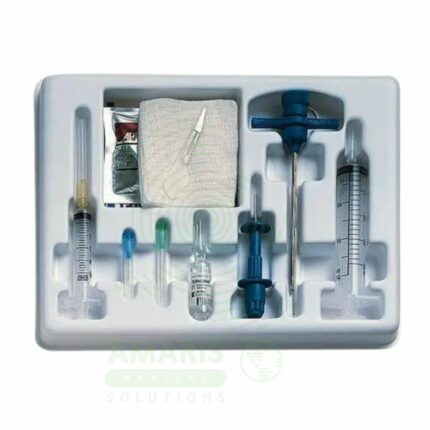
Bone Marrow Puncture Kit
A Bone Marrow Puncture Kit is a sterile, single-use procedure tray containing all components necessary for bone marrow aspiration and core biopsy. Used for diagnosing hematologic malignancies, evaluating bone marrow function, and staging metastatic disease, the kit includes aspiration and biopsy needles, syringes, glass slides, fixatives, and specimen containers. Proper technique includes verifying coagulation status, administering local anesthesia, limiting aspiration volume, and preparing smears immediately. Essential for hematology-oncology practice, the kit enables the collection of specimens for histopathology, flow cytometry, cytogenetics, and molecular testing that guide diagnosis and treatment of blood disorders.
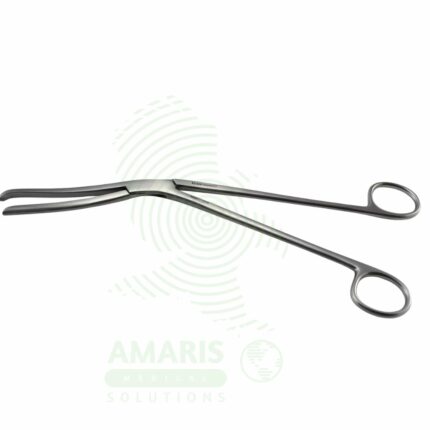
Cheatle Forceps
Cheatle Forceps are long-handled, ratcheted surgical forceps used for the aseptic transfer of sterile instruments, dressings, and supplies in operating rooms, central sterile supply departments, and procedural areas. The extended length allows safe retrieval of items from sterilizers and storage without hand contact, while the serrated tips provide secure grip on wrapped packs and individual instruments. Designed for repeated sterilization and use, they are essential for maintaining aseptic technique during sterile field preparation, instrument handling, and post-operative cleanup. Proper handling, regular inspection, and adherence to aseptic technique are essential for safe and effective use.
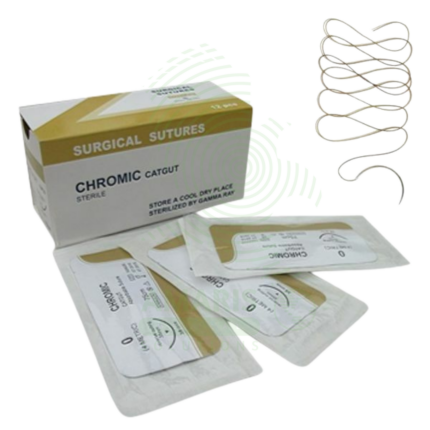
Chromic Sutures
Chromic Sutures are absorbable, monofilament surgical sutures derived from natural collagen and treated with chromic salts to delay absorption. Used for internal tissue approximation in gynecologic, urologic, gastrointestinal, and subcutaneous procedures, they provide temporary wound support during critical healing while being completely absorbed over time without requiring removal. Chromic treatment extends absorption compared to plain catgut, providing 10-14 days of tensile strength retention. Essential for procedures where suture removal would be impractical or where temporary wound support is required.
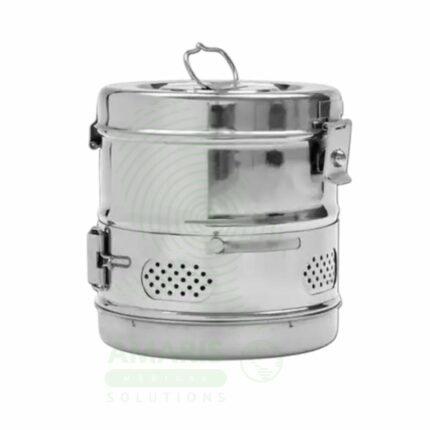
Dressing Drum
A Dressing Drum is a cylindrical, perforated metal container used for sterilizing and storing bulk quantities of dressings, gauze, and wound care supplies. The perforated design allows steam penetration during autoclave sterilization, while the hinged lid with locking mechanism maintains sterility during storage and allows aseptic dispensing. Made from stainless steel or anodized aluminum, it provides a durable, reusable solution for managing sterile supplies in operating rooms, procedure areas, and wound care clinics. Proper loading, drying, and labeling are essential for maintaining sterility and ensuring safe use.

Forceps
Forceps are handheld surgical instruments used for grasping, holding, manipulating, or extracting tissues and objects during medical and surgical procedures. Available in numerous configurations including thumb forceps for delicate tissue handling, hemostatic forceps for clamping blood vessels, and specialized forceps for specific applications. Made from surgical-grade stainless steel, they are designed for repeated sterilization and use. Proper selection, handling, and maintenance are essential for safe and effective use.
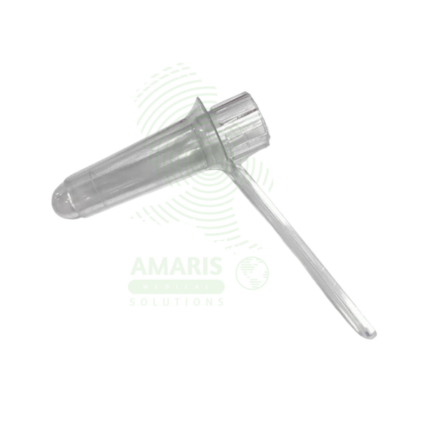
Proctoscope
A Proctoscope is a rigid, straight-tube endoscope specifically designed for the examination and treatment of the anal canal and distal rectum. It enables direct visualization to diagnose conditions like hemorrhoids, fissures, and proctitis, and serves as a conduit for therapeutic procedures such as band ligation. Available in reusable (autoclavable metal) or disposable (single-use plastic) formats, it is a fundamental tool in colorectal practice. Its effective use requires proper patient preparation, gentle insertion technique, and stringent adherence to sterilization protocols to ensure patient safety and diagnostic accuracy.

Surgical Blades
Surgical Blades are sterile, single-use cutting instruments used for surgical incisions, tissue dissection, wound debridement, and biopsy procedures. Available in standardized patterns (#10, #11, #15, #20, #22, etc.) for specific applications, they are manufactured from high-carbon stainless steel with precision-ground edges for clean, controlled cutting. Disposable blades are designed for single use and must be disposed of in sharps containers immediately after use. Proper blade selection, secure handle attachment, and strict sharps safety protocols are essential for preventing injury and ensuring optimal surgical outcomes.