Dermatoscope and Magnifiers
 Diagnostic Kits
 Vital Signs Monitors
 Stethoscopes and Accessories
 Otoscopes, Ophthalmoscopes, and Retinoscopes
 Reflex Hammers and Neurological Tools
 Scales and Measuring Devices
 Spirometers and Pulmonary Function Tests
 Electrosurgical Units and Accessories
 Cutting Instruments
 Grasping and Holding Instruments
 Hemostatic Instruments
 Specialized Surgical Sets
 Single-Use Procedure Trays and Packs
 Surgical Drapes, Gowns, and Covers
 Tissue Unifying Instruments
 Radiation Protection
 X-Ray Machines and Accessories
 Ultrasound Systems and Probes
 MRI and CT Scanners
 Radiology Consumables
 Bone Densitometers
 Fluoroscopy Equipment
 Imaging Tables and Positioning Aids
 Microscopes and Accessories
 Centrifuges and Separators
 Analyzers
 Incubators and Ovens
 Pipettes, Dispensers, and Lab Glassware
 Refrigerators, Freezers, and Storage Units
 Lab Consumables
 Sterilizers and Autoclaves for Lab Use
 Multi-Parameter Monitors
 Ventilators and Respiratory Support Devices
 Defibrillators and AEDs
 Infusion Pumps and IV Systems
 Patient Warmers and Cooling Devices
 Central Monitoring Stations
 Accessories
 Anesthesia Machines and Workstations
 Oxygen Concentrators and Delivery Systems
 Nebulizers and Inhalers
 CPAP/BiPAP Machines
 Airway Management
 Anesthesia Masks, Circuits, and Bags
 Humidifiers and Heaters
 Respiratory Therapy Accessories
 First Aid Kits and Cabinets
 Emergency Resuscitation Equipment
 Trauma Supplies
 Emergency Carts and Crash Carts
 Burn Care Products
 Bleeding Control
 Automated External Defibrillators (AEDs)
 Transport and Evacuation
 Wheelchairs and Accessories
 Walkers, Crutches, and Canes
 Prosthetics and Orthotics
 Physical Therapy Equipment
 Transfer Devices
 Bathroom Safety
 Orthopedic Traction and Tables
 Hot/Cold Therapy Packs and Units
 Beds and Mattresses
 Chairs and Stools
 Tables
 Cabinets and Storage
 Privacy Screens & Curtains
 Stands and Racks
 Linens and Textiles
 Lighting
 Autoclaves and Sterilizers
 Ultrasonic Cleaners
 Disinfectant Solutions and Wipes
 Sterilization Pouches, Wraps, and Indicators
 Instrument Trays and Containers
 UV and Ozone Disinfection Devices
 Washer Disinfectors
 Wound Care
 Gloves
 Masks and Respirators
 Catheters and Tubing
 Swabs, Applicators, and Sponges
 Incontinence Products
 Personal Protective Equipment (PPE)
 Dental Chairs and Units
 Handpieces and Burs
 Instruments
 Consumables
 Sterilization for Dental Use
 Orthodontic Supplies
 Endodontic Tools
 Slit Lamps and Tonometers
 Lensometers and Phoropters
 Ophthalmic Surgical Instruments
 Eyewear Frames and Lenses
 Contact Lens Supplies
 Vision Testing Charts and Devices
 Eye Care Consumables
 Laser Systems for Eye Care
 ENT Exam Chairs and Tables
 Endoscopes
 Audiometers and Hearing Tests
 ENT Instruments
 Nasal and Throat Packs
 Hearing Aids and Accessories
 Otology Supplies
 Fetal Dopplers and Monitors
 Delivery Beds and Tables
 Gynecological Instruments
 Neonatal Incubators and Warmers
 Breast Pumps and Accessories
 Contraceptive Devices
 Maternity Supports and Pads
 Neonatal Consumables
 Cystoscopes and Urethroscopes
 Dialysis Machines and Supplies
 Urological Catheters and Bags
 Lithotripters
 Prostate Treatment Devices
 Urinary Incontinence Products
 Kidney Stone Management Tools
 Consumables & Disposables
 EEG and EMG Machines
 Neurosurgical Instruments
 Nerve Stimulators
 Headrests and Positioning Aids
 Lumbar Puncture Kits
 Seizure Monitoring Devices
 Consumables
 Rehabilitation for Neurological Conditions
 ECG Machines and Accessories
 Holter Monitors
 Stress Test Systems
 Pacemakers and Defibrillator Accessories
 Vascular Access Devices
 Cardiac Catheters and Guidewires
 Blood Flow Meters
 Consumables
 Orthopedic Instruments
 Casts, Splints, and Padding
 Joint Replacement Supplies
 Prosthetic Limbs and Components
 Bone Grafts and Substitutes
 Traction Devices
 Orthopedic Braces and Supports
 Rehabilitation Aids for Orthopedics
 Home Oxygen Therapy
 Hospital Beds for Home Use
 Mobility Aids
 Bathroom and Daily Living Aids
 Wound Care for Home
 Monitoring Devices
 Enteral Feeding Pumps and Tubes
 Hand Sanitizers and Dispensers
 Face Shields and Goggles
 Isolation Gowns and Suits
 Biohazard Waste Containers
 Air Purifiers and HEPA Filters
 Surface Disinfectants
 Sharps Containers
 Protective Barriers
 Cardiovascular & Endurance Training
 Strength Training & Weightlifting
 Functional Training & Core Conditioning
 Physical Therapy & Rehabilitation
 Sports & Outdoor Recreation
 Gym Flooring & Facility Equipment
 Fitness Monitoring & Accessories
 Kids & Novelties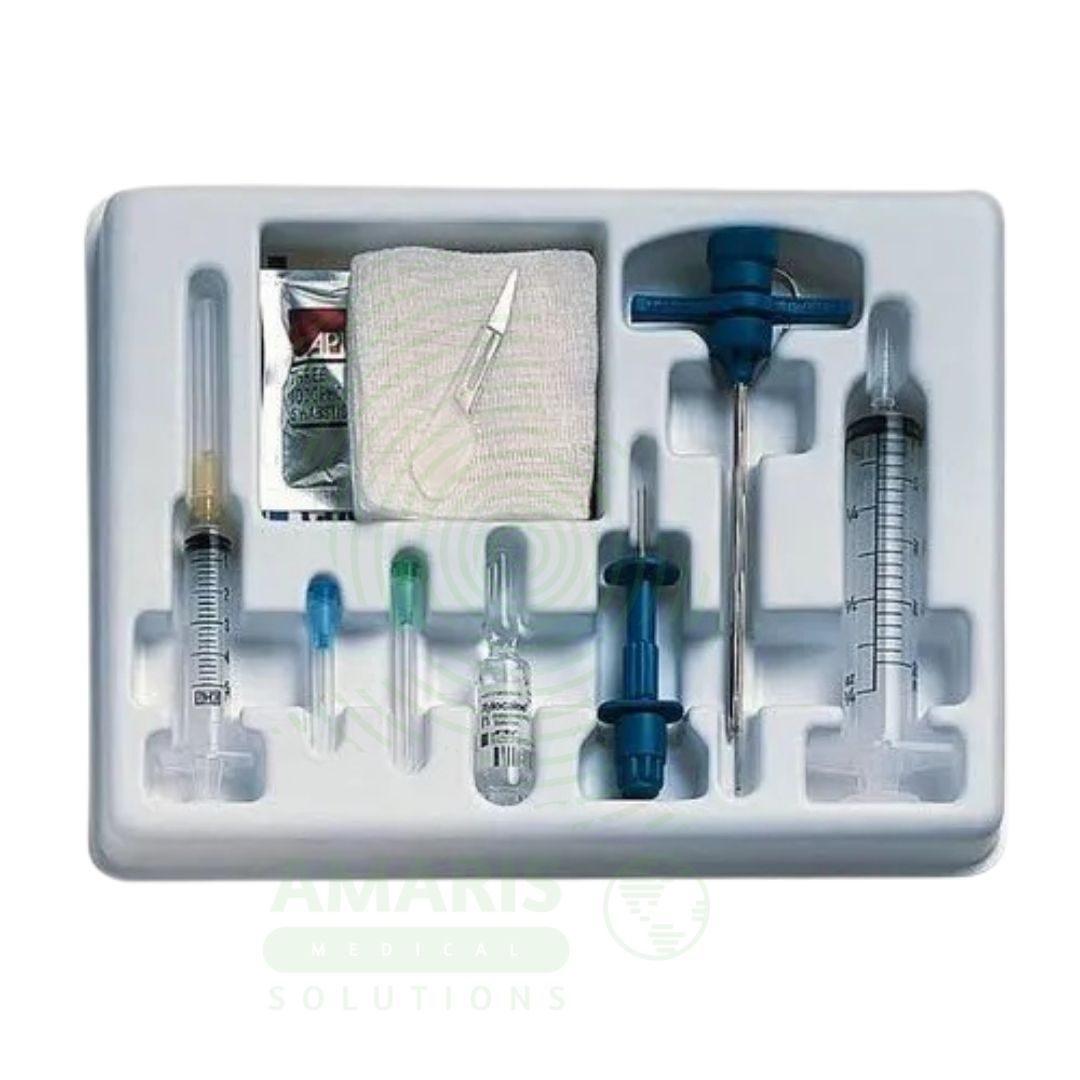
Bone Marrow Puncture Kit
$1.00
WhatsApp Order
A Bone Marrow Puncture Kit is a sterile, single-use procedure tray containing all components necessary for bone marrow aspiration and core biopsy. Used for diagnosing hematologic malignancies, evaluating bone marrow function, and staging metastatic disease, the kit includes aspiration and biopsy needles, syringes, glass slides, fixatives, and specimen containers. Proper technique includes verifying coagulation status, administering local anesthesia, limiting aspiration volume, and preparing smears immediately. Essential for hematology-oncology practice, the kit enables the collection of specimens for histopathology, flow cytometry, cytogenetics, and molecular testing that guide diagnosis and treatment of blood disorders.
Description
Bone Marrow Puncture Kit
PRIMARY CLINICAL & DIAGNOSTIC USES
1. Bone Marrow Aspiration for Hematologic Diagnosis
-
Primary Use: Provides sterile instruments for obtaining bone marrow aspirate from the iliac crest, sternum, or other sites for diagnostic evaluation of hematologic conditions including leukemia, lymphoma, myeloma, myelodysplastic syndromes, aplastic anemia, and metastatic disease. The kit contains specialized needles, syringes, and slides for collecting and preparing specimens.
-
How it helps: For the hematologist and oncologist, the bone marrow puncture kit provides the tools needed to obtain the tissue that reveals the health of the blood-forming system—allowing for definitive diagnosis of blood cancers, assessment of marrow function in cytopenias, and staging of lymphoproliferative disorders. For the patient with unexplained anemia, suspected leukemia, or abnormal blood counts, a bone marrow biopsy provides the definitive answers needed to guide treatment and prognosis.
2. Bone Marrow Core Biopsy for Histopathological Examination
-
Primary Use: Contains trephine biopsy needles for obtaining a solid core of bone marrow tissue, preserving the architectural relationship of cells within the marrow space. This provides critical information about cellularity, fibrosis, infiltration, and overall marrow structure that cannot be obtained from aspirate alone.
-
How it helps: For the pathologist and hematologist, the core biopsy specimen provides the architectural context essential for accurate diagnosis—revealing the degree of cellularity, presence of fibrosis, pattern of infiltration by malignant cells, and overall marrow architecture. For the patient with suspected myelofibrosis, myelodysplasia, or metastatic cancer, the core biopsy provides the structural information that completes the diagnostic picture.
3. Preparation of Bone Marrow Smears and Slides
-
Primary Use: Includes glass slides, spreaders, and fixatives for preparing bone marrow aspirate smears immediately after collection. Proper smear preparation is essential for cellular morphology evaluation, differential cell counts, and assessment of blast percentage in acute leukemias.
-
How it helps: For the laboratory technician and pathologist, properly prepared bone marrow smears are the foundation of accurate cytologic evaluation—preserving cell morphology, enabling differential counts, and allowing identification of abnormal cell populations. For the patient, high-quality smears mean that a single specimen can yield complete diagnostic information without the need for repeat procedures.
4. Flow Cytometry and Molecular Testing Specimen Collection
-
Primary Use: Provides sterile syringes, needles, and collection tubes with anticoagulants (typically heparin or EDTA) for collecting bone marrow aspirate for flow cytometry, cytogenetics, and molecular testing. These specialized studies are essential for immunophenotyping, detecting chromosomal abnormalities, and identifying genetic mutations in hematologic malignancies.
-
How it helps: For the hematopathologist and molecular diagnostic specialist, properly collected and preserved bone marrow specimens enable advanced testing that defines the specific subtype of leukemia or lymphoma, identifies targetable mutations, and guides precision therapy selection. For the patient, this means their treatment can be tailored to the specific genetic profile of their disease, improving outcomes and reducing unnecessary side effects.
5. Measurement of Bone Marrow Cellularity and Iron Stores
-
Primary Use: Provides specimens for evaluating marrow cellularity (normocellular, hypercellular, hypocellular) and assessing iron stores using special stains. This is critical for diagnosing disorders such as aplastic anemia, myelodysplasia, and iron deficiency or overload states.
-
How it helps: For the hematologist evaluating a patient with unexplained cytopenias, the bone marrow specimen provides quantitative and qualitative information about the marrow environment—revealing whether the problem is due to production failure, ineffective hematopoiesis, or peripheral destruction. For the patient with anemia, these findings guide the distinction between bone marrow failure syndromes and nutritional deficiencies.
SECONDARY & SUPPORTIVE USES
1. Staging of Lymphoma and Solid Tumors: Used to obtain bone marrow specimens for detecting metastatic involvement in patients with lymphoma, neuroblastoma, small cell lung cancer, breast cancer, and prostate cancer.
2. Assessment of Treatment Response: Serial bone marrow examinations are used to monitor response to chemotherapy in patients with acute leukemia, documenting remission status and detecting early relapse.
3. Evaluation of Unexplained Cytopenias: Provides diagnostic tissue for patients with unexplained anemia, thrombocytopenia, or leukopenia where peripheral blood evaluation is inconclusive.
4. Investigation of Fever of Unknown Origin: Bone marrow culture and histology may identify infectious organisms (e.g., tuberculosis, histoplasmosis, leishmaniasis) or infiltrative disorders in patients with FUO.
5. Research and Clinical Trials: Used to obtain bone marrow specimens for research protocols investigating new treatments for hematologic disorders and for correlative science studies.
6. Pre-Transplant Evaluation: Bone marrow examination is part of the pre-transplant workup for patients undergoing stem cell transplantation.
KEY PRODUCT FEATURES
1. BASIC IDENTIFICATION ATTRIBUTES
-
Device Type: A sterile, single-use procedure tray containing all components necessary for bone marrow aspiration and biopsy.
-
Designation: Bone Marrow Puncture Kit, Bone Marrow Biopsy Kit, Bone Marrow Aspiration Tray, Bone Marrow Procedure Kit, Jamshidi Needle Kit.
-
Key Components:
-
Aspiration Needle: Sharp, stylet needle (typically 11-16 gauge) for aspirating liquid marrow; may be Jamshidi-type or other design.
-
Trephine Biopsy Needle: Larger bore needle (typically 8-11 gauge) with cutting tip for obtaining core tissue specimen.
-
Disposable Syringes: Various sizes (10-20 mL) for aspiration and local anesthetic injection.
-
Glass Slides: Frosted-end slides for preparing marrow smears; typically 10-20 slides per kit.
-
Slide Spreader: Device or additional slide for creating monolayer smears.
-
Fixative: Methanol or other fixative for immediate fixation of slides.
-
Specimen Containers: Sterile containers with formalin for core biopsy specimen preservation.
-
Collection Tubes: Vacutainer tubes with anticoagulant (EDTA, heparin) for flow cytometry and molecular studies.
-
Local Anesthetic Syringes: Syringes with needles for lidocaine administration.
-
Sterile Drapes and Gauze: For maintaining sterile fields during procedure.
-
2. TECHNICAL & PERFORMANCE PROPERTIES
-
Needle Gauge: Aspiration needles typically 11-16 gauge; biopsy needles 8-11 gauge.
-
Needle Length: Available in various lengths for different patient body habitus; typically 60-100 mm.
-
Stylet Design: Removable stylet prevents tissue coring during insertion.
-
Luer Lock Connections: Secure syringe connections for aspiration and injection.
-
Sterility: Gamma irradiated or ethylene oxide sterilized; pyrogen tested.
-
Latex-Free: Manufactured without natural rubber latex.
3. PHYSICAL & OPERATIONAL PROPERTIES
-
Tray Configuration: All components organized in sequential, procedure-specific layout.
-
Packaging: Sealed, peel-open sterile packaging; inner tray for sterile field presentation.
-
Disposal: Entire unit disposed as regulated medical waste after single use.
4. SAFETY & COMPLIANCE ATTRIBUTES
-
Regulatory Status: Class II medical device regulated by FDA.
-
Sterility Assurance: Sterility assurance level validated.
-
Biocompatibility: Materials meet biological safety testing requirements.
-
Pyrogen-Free: Manufactured to be pyrogen-free.
5. STORAGE & HANDLING ATTRIBUTES
-
Storage: Store in cool, dry locations; protect from moisture.
-
Sterility Maintenance: Do not use it if the package is opened, damaged, or wet.
-
Expiration: Check expiration date before use; do not use after expiration.
-
Single-Use Only: Devices are intended for single patient use only; do not resterilize or reuse.
6. LABORATORY & CLINICAL APPLICATIONS
-
Primary Application: Bone marrow aspiration and biopsy for diagnosis of hematologic disorders, staging of malignancies, and evaluation of bone marrow function.
-
Clinical Role: Essential procedure tray for hematology-oncology services, used in outpatient clinics, inpatient units, and operating rooms.
SAFETY HANDLING PRECAUTIONS
1. SAFETY PRECAUTIONS
-
Coagulation Status: Verify normal coagulation parameters before procedure; platelet count should be adequate (typically >50,000/µL) to reduce bleeding risk.
-
Informed Consent: Obtain informed consent; explain procedure, risks, and alternatives.
-
Aseptic Technique: Strict aseptic technique is mandatory to prevent introduction of pathogens into bone marrow.
-
Site Selection: Select appropriate aspiration site based on patient anatomy and clinical indication; common sites include posterior iliac crest, anterior iliac crest, and sternum (sternal aspiration only).
-
Local Anesthesia: Administer adequate local anesthesia; may include deep periosteal infiltration.
-
Aspiration Volume: Limit aspiration volume to 0.2-0.5 mL to avoid excessive hemodilution with peripheral blood.
-
Smear Preparation: Prepare smears immediately after aspiration to prevent clotting and preserve cellular morphology.
-
Specimen Labeling: Label all specimens with patient identification, site, and collection time.
-
Post-Procedure Care: Apply pressure to site; monitor for bleeding; instruct patient to avoid strenuous activity for 24-48 hours.
2. FIRST AID MEASURES
-
Bleeding: If persistent bleeding occurs, apply firm pressure; if bleeding continues, seek medical attention.
-
Pain: Manage post-procedure pain with analgesics as prescribed.
-
Infection: Signs of infection (fever, increasing pain, erythema, drainage) require prompt medical evaluation.
-
Needlestick Injury: If injury occurs with a contaminated needle, follow institutional bloodborne pathogen exposure protocol.
3. FIRE FIGHTING MEASURES
-
Flammability: Plastic components are combustible; formalin fixative may be flammable.
-
Extinguishing Media: Use water, foam, or CO₂ as appropriate for surrounding materials.
Related products
Biopsy Needles
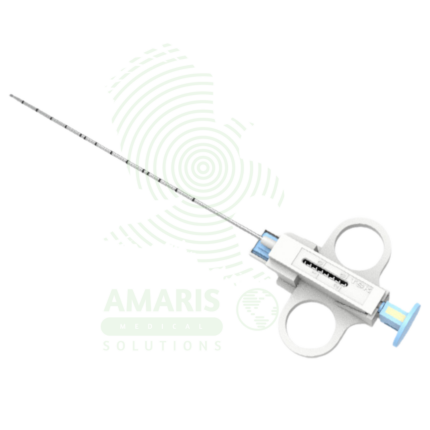
Biopsy Needles are sterile, single-use precision medical devices designed to obtain tissue or cellular specimens from internal organs, masses, and lesions for histopathological or cytological diagnosis. Available in core biopsy (automatic spring-loaded, semi-automatic, vacuum-assisted, coaxial) and fine needle aspiration configurations, with gauges ranging from 14G-27G and lengths from 6-25 cm. Core biopsy needles obtain intact tissue cores preserving histological architecture; FNA needles aspirate cellular material for cytological evaluation. Specialized variants include bone marrow biopsy needles (Jamshidi, Illinois), echogenic-tip needles for ultrasound guidance, and MRI-compatible needles (nitinol, titanium). Critical safety requirements include strict image guidance for non-palpable lesions, verification of coagulation status, adherence to single-use protocols, and immediate post-procedure monitoring for complications (hemorrhage, pneumothorax, organ injury). An indispensable tool in interventional radiology, oncology, and minimally invasive diagnosis.
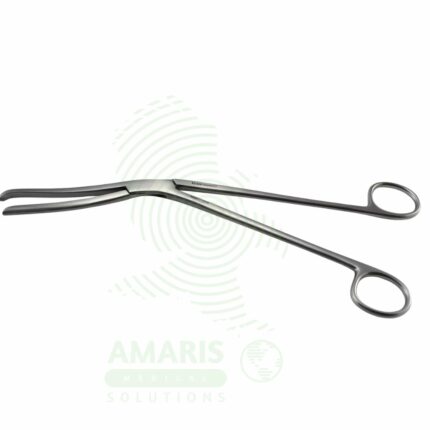
Cheatle Forceps
Cheatle Forceps are long-handled, ratcheted surgical forceps used for the aseptic transfer of sterile instruments, dressings, and supplies in operating rooms, central sterile supply departments, and procedural areas. The extended length allows safe retrieval of items from sterilizers and storage without hand contact, while the serrated tips provide secure grip on wrapped packs and individual instruments. Designed for repeated sterilization and use, they are essential for maintaining aseptic technique during sterile field preparation, instrument handling, and post-operative cleanup. Proper handling, regular inspection, and adherence to aseptic technique are essential for safe and effective use.
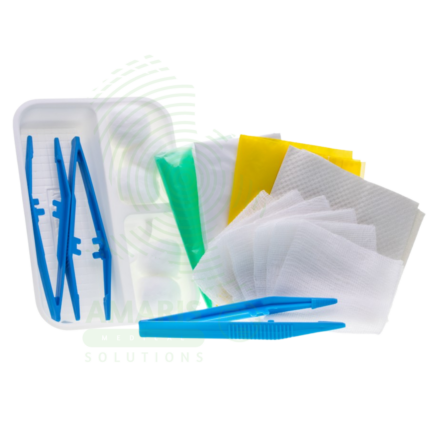
Disposable Dressing Set
A Disposable Dressing Set is a sterile, single-use convenience kit containing all components necessary for sterile wound dressing changes and minor wound care procedures. The set typically includes sterile drapes, gauze sponges, sterile gloves, antiseptic solution, cotton applicators, tape, and disposal bag. Used in hospitals, clinics, emergency departments, and home healthcare settings, it ensures consistent aseptic technique for post-operative wound care, central line dressing changes, and management of chronic wounds. Proper sterile technique and disposal are essential for safe and effective use.
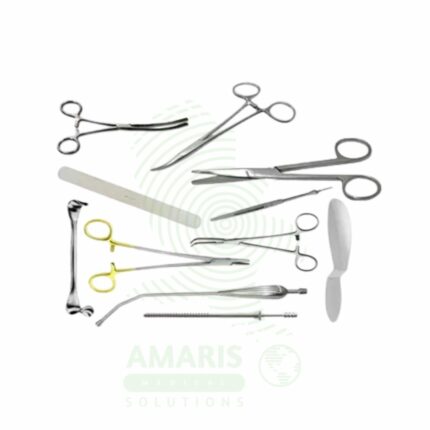
Laparotomy Set
A Laparotomy Set is a sterile instrument tray containing comprehensive instruments for abdominal surgical procedures requiring laparotomy. The set includes instruments for abdominal incision, exposure, dissection, hemostasis, and closure, supporting a wide range of intra-abdominal surgeries including exploration, bowel resection, biliary procedures, and tumor removal. Essential for general surgery, trauma surgery, and oncologic surgery operating rooms, it ensures that all necessary instruments are sterile, organized, and immediately available for safe and effective abdominal surgery.
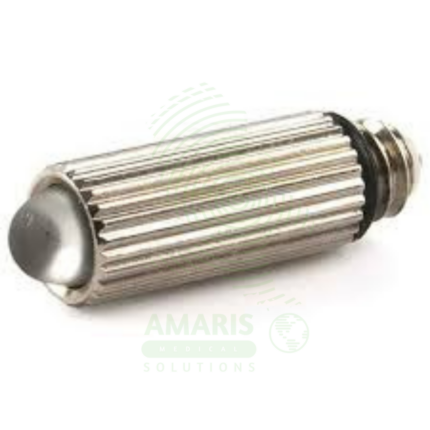
Macintosh Bulb Laryngoscope
A Macintosh Bulb Laryngoscope is a rigid laryngoscope with curved Macintosh blade (sizes 0-4, 70-160 mm) featuring a distal incandescent (xenon, krypton, halogen) or LED bulb at the blade tip for direct illumination during tracheal intubation. The curved blade design allows indirect epiglottis elevation by placing the tip in the vallecula, requiring less force and neck extension than straight blades. Features stainless steel reusable blades (or disposable plastic), ergonomic handles with knurled grip, ISO standard hook-on fittings, and autoclavable options. Light output 500-3,000 Lux depending on bulb type and battery condition. Primary clinical applications include routine and emergency tracheal intubation during general anesthesia, difficult airway management, cervical spine precautions (minimal neck movement), rapid sequence intubation, neonatal and pediatric intubation (sizes 0-2), teaching and training, and use in resource-limited settings. Class II medical device requiring FDA clearance. Critical safety considerations include pre-use light check (brightness, bulb security), appropriate blade size selection, proper lifting technique (not levering on teeth), battery verification, bulb obstruction risk from secretions, backup device availability, and infection control (sterilization or disposable blades).
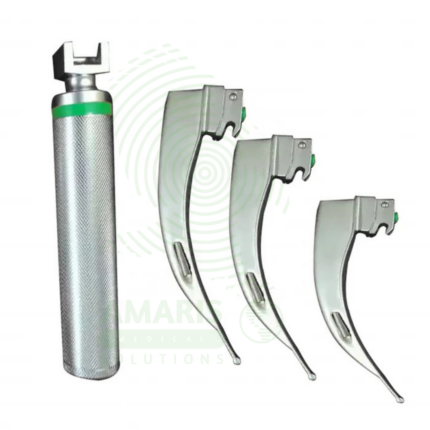
Macintosh Fiber Optic Laryngoscope
A Macintosh Fiber Optic Laryngoscope is a rigid laryngoscope with curved Macintosh blade (sizes 0-4, 70-160 mm) incorporating an integrated fiber optic light bundle that transmits bright, focused illumination (2,000-10,000+ Lux) from a handle-mounted LED or xenon bulb to the blade tip for enhanced visualization during tracheal intubation. The curved blade design allows indirect epiglottis elevation by placing the tip in the vallecula, requiring less force and neck extension than straight blades. Features stainless steel reusable blades, ergonomic handles with knurled grip, ISO standard hook-on fittings, and steam autoclave compatibility. Primary clinical applications include routine and emergency tracheal intubation during general anesthesia, difficult airway management with improved illumination, cervical spine precautions (minimal neck movement), teaching and training (enhanced visualization for instructors), rapid sequence intubation, neonatal and pediatric intubation (sizes 0-2), and oral/maxillofacial surgery. Class II medical device requiring FDA clearance. Critical safety considerations include pre-use light check (dark spots indicate broken fibers), appropriate blade size selection, proper lifting technique (not levering on teeth), battery verification, fiber optic care (avoid sharp bending), and backup device availability.
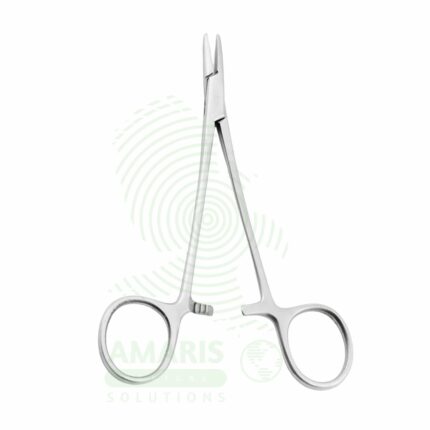
Needle Holders
Needle Holders are surgical instruments used to grasp, hold, and guide suture needles during wound closure and tissue approximation. Featuring serrated jaws with a locking ratchet mechanism, they provide secure needle control while allowing the surgeon to focus on precise suture placement. Available in various sizes and configurations including Mayo-Hegar for general surgery, Castroviejo for microsurgery, and Olsen-Hegar with integrated scissors. Made from surgical-grade stainless steel, often with tungsten carbide inserts for enhanced durability, they are essential instruments in all surgical specialties. Proper selection, handling, and regular inspection are critical for safe and effective use.