Dermatoscope and Magnifiers
 Diagnostic Kits
 Vital Signs Monitors
 Stethoscopes and Accessories
 Otoscopes, Ophthalmoscopes, and Retinoscopes
 Reflex Hammers and Neurological Tools
 Scales and Measuring Devices
 Spirometers and Pulmonary Function Tests
 Electrosurgical Units and Accessories
 Cutting Instruments
 Grasping and Holding Instruments
 Hemostatic Instruments
 Specialized Surgical Sets
 Single-Use Procedure Trays and Packs
 Surgical Drapes, Gowns, and Covers
 Tissue Unifying Instruments
 Radiation Protection
 X-Ray Machines and Accessories
 Ultrasound Systems and Probes
 MRI and CT Scanners
 Radiology Consumables
 Bone Densitometers
 Fluoroscopy Equipment
 Imaging Tables and Positioning Aids
 Microscopes and Accessories
 Centrifuges and Separators
 Analyzers
 Incubators and Ovens
 Pipettes, Dispensers, and Lab Glassware
 Refrigerators, Freezers, and Storage Units
 Lab Consumables
 Sterilizers and Autoclaves for Lab Use
 Multi-Parameter Monitors
 Ventilators and Respiratory Support Devices
 Defibrillators and AEDs
 Infusion Pumps and IV Systems
 Patient Warmers and Cooling Devices
 Central Monitoring Stations
 Accessories
 Anesthesia Machines and Workstations
 Oxygen Concentrators and Delivery Systems
 Nebulizers and Inhalers
 CPAP/BiPAP Machines
 Airway Management
 Anesthesia Masks, Circuits, and Bags
 Humidifiers and Heaters
 Respiratory Therapy Accessories
 First Aid Kits and Cabinets
 Emergency Resuscitation Equipment
 Trauma Supplies
 Emergency Carts and Crash Carts
 Burn Care Products
 Bleeding Control
 Automated External Defibrillators (AEDs)
 Transport and Evacuation
 Wheelchairs and Accessories
 Walkers, Crutches, and Canes
 Prosthetics and Orthotics
 Physical Therapy Equipment
 Transfer Devices
 Bathroom Safety
 Orthopedic Traction and Tables
 Hot/Cold Therapy Packs and Units
 Beds and Mattresses
 Chairs and Stools
 Tables
 Cabinets and Storage
 Privacy Screens & Curtains
 Stands and Racks
 Linens and Textiles
 Lighting
 Autoclaves and Sterilizers
 Ultrasonic Cleaners
 Disinfectant Solutions and Wipes
 Sterilization Pouches, Wraps, and Indicators
 Instrument Trays and Containers
 UV and Ozone Disinfection Devices
 Washer Disinfectors
 Wound Care
 Gloves
 Masks and Respirators
 Catheters and Tubing
 Swabs, Applicators, and Sponges
 Incontinence Products
 Personal Protective Equipment (PPE)
 Dental Chairs and Units
 Handpieces and Burs
 Instruments
 Consumables
 Sterilization for Dental Use
 Orthodontic Supplies
 Endodontic Tools
 Slit Lamps and Tonometers
 Lensometers and Phoropters
 Ophthalmic Surgical Instruments
 Eyewear Frames and Lenses
 Contact Lens Supplies
 Vision Testing Charts and Devices
 Eye Care Consumables
 Laser Systems for Eye Care
 ENT Exam Chairs and Tables
 Endoscopes
 Audiometers and Hearing Tests
 ENT Instruments
 Nasal and Throat Packs
 Hearing Aids and Accessories
 Otology Supplies
 Fetal Dopplers and Monitors
 Delivery Beds and Tables
 Gynecological Instruments
 Neonatal Incubators and Warmers
 Breast Pumps and Accessories
 Contraceptive Devices
 Maternity Supports and Pads
 Neonatal Consumables
 Cystoscopes and Urethroscopes
 Dialysis Machines and Supplies
 Urological Catheters and Bags
 Lithotripters
 Prostate Treatment Devices
 Urinary Incontinence Products
 Kidney Stone Management Tools
 Consumables & Disposables
 EEG and EMG Machines
 Neurosurgical Instruments
 Nerve Stimulators
 Headrests and Positioning Aids
 Lumbar Puncture Kits
 Seizure Monitoring Devices
 Consumables
 Rehabilitation for Neurological Conditions
 ECG Machines and Accessories
 Holter Monitors
 Stress Test Systems
 Pacemakers and Defibrillator Accessories
 Vascular Access Devices
 Cardiac Catheters and Guidewires
 Blood Flow Meters
 Consumables
 Orthopedic Instruments
 Casts, Splints, and Padding
 Joint Replacement Supplies
 Prosthetic Limbs and Components
 Bone Grafts and Substitutes
 Traction Devices
 Orthopedic Braces and Supports
 Rehabilitation Aids for Orthopedics
 Home Oxygen Therapy
 Hospital Beds for Home Use
 Mobility Aids
 Bathroom and Daily Living Aids
 Wound Care for Home
 Monitoring Devices
 Enteral Feeding Pumps and Tubes
 Hand Sanitizers and Dispensers
 Face Shields and Goggles
 Isolation Gowns and Suits
 Biohazard Waste Containers
 Air Purifiers and HEPA Filters
 Surface Disinfectants
 Sharps Containers
 Protective Barriers
 Cardiovascular & Endurance Training
 Strength Training & Weightlifting
 Functional Training & Core Conditioning
 Physical Therapy & Rehabilitation
 Sports & Outdoor Recreation
 Gym Flooring & Facility Equipment
 Fitness Monitoring & Accessories
 Kids & Novelties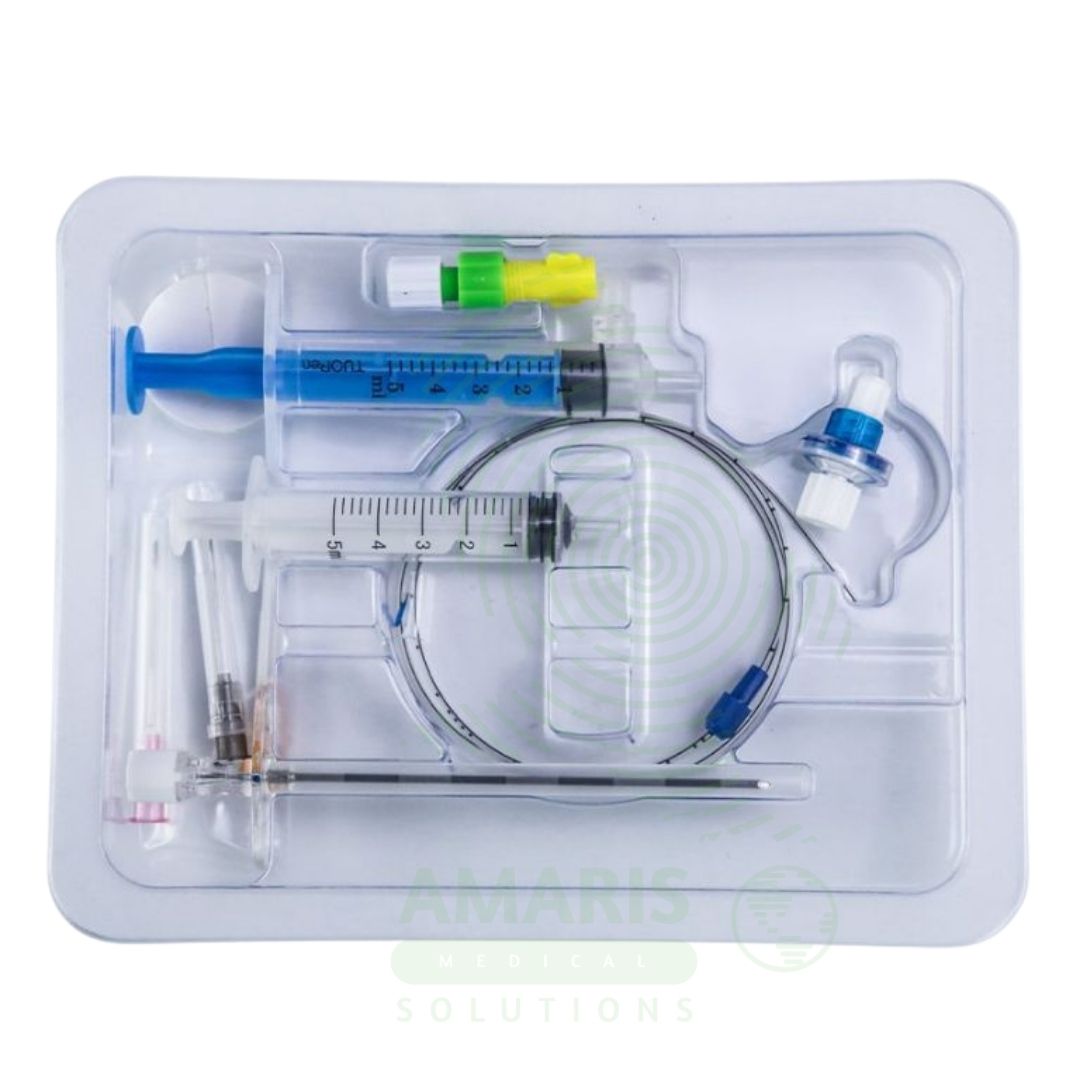
Epidural Kit
WhatsApp Order
An Epidural Kit is a sterile, single-use convenience tray containing all components required for placement of an epidural catheter for regional anesthesia and analgesia. The kit includes a Tuohy-tip epidural needle, a flexible kink-resistant radiopaque catheter, loss-of-resistance syringe, and sterile drapes, preparing the procedural site for aseptic technique. Used in operating rooms, labor and delivery suites, and pain management settings, the epidural kit enables continuous administration of local anesthetics and opioids for surgical anesthesia, labor analgesia, and post-operative pain control. The loss-of-resistance technique provides tactile confirmation of correct catheter placement. Strict aseptic technique and continuous patient monitoring are essential to prevent complications including post-dural puncture headache, infection, and local anesthetic systemic toxicity.
Description
Epidural Kit
PRIMARY CLINICAL & DIAGNOSTIC USES
1. Administration of Epidural Anesthesia for Surgical Procedures
-
Primary Use: Provides the sterile instruments and catheters necessary to administer regional anesthesia into the epidural space for major surgical procedures including thoracic, abdominal, orthopedic, and vascular surgeries. It enables continuous or single-dose anesthesia delivery throughout the procedure.
-
How it helps: For the anesthesiologist, the epidural kit provides a standardized, sterile system for accessing the epidural space—allowing precise placement of the catheter that will deliver continuous anesthesia throughout a lengthy surgical procedure, reducing the need for general anesthesia and its associated risks. For the patient undergoing major surgery, an epidural means superior pain control during and after the procedure, often with faster recovery, reduced opioid requirements, and earlier mobilization.
2. Labor Analgesia and Cesarean Section Anesthesia
-
Primary Use: Essential for providing pain relief during labor and delivery, including both continuous labor analgesia and anesthesia for Cesarean sections. The kit enables placement of an epidural catheter for either intermittent bolus or continuous infusion of local anesthetics and opioids.
-
How it helps: For the obstetric anesthesiologist, the epidural kit is the gateway to providing safe, effective pain relief to laboring mothers—enabling placement of a catheter that can be dosed incrementally to match the progression of labor and provide surgical anesthesia if a Cesarean section becomes necessary. For the mother in labor, an epidural means she can remain awake, alert, and comfortable throughout childbirth, participating actively in the birth of her child while preserving the option for surgical delivery if needed.
3. Identification of the Epidural Space Using Loss of Resistance Technique
-
Primary Use: Contains specialized loss of resistance syringes that allow the clinician to accurately identify the epidural space by detecting the sudden loss of resistance as the needle passes through the ligamentum flavum. This technique is the standard method for confirming correct needle placement before catheter insertion.
-
How it helps: For the anesthesiologist performing the procedure, the loss of resistance syringe provides critical tactile feedback that confirms entry into the epidural space—the precise moment when resistance disappears indicates the needle tip is correctly positioned. For the patient, accurate identification of the epidural space means the catheter is placed correctly, maximizing the effectiveness of anesthesia and minimizing the risk of complications.
4. Continuous Post-Operative Pain Management
-
Primary Use: Allows placement of an indwelling epidural catheter that remains in situ for a defined period post-operatively, enabling continuous infusion of local anesthetics and opioids for prolonged pain control following major thoracic, abdominal, or orthopedic surgery.
-
How it helps: For the post-operative care team, a continuous epidural catheter provides a reliable route for delivering sustained pain relief without repeated injections or systemic opioids—reducing the risk of respiratory depression, nausea, and other opioid-related side effects. For the patient recovering from major surgery, continuous epidural analgesia means they remain comfortable during the critical early post-operative period, enabling earlier mobilization, deeper breathing, and faster recovery.
5. Management of Chronic Pain Conditions
-
Primary Use: Used in pain management settings for the placement of epidural catheters for chronic pain conditions, including radicular pain, failed back surgery syndrome, and neuropathic pain syndromes requiring intermittent or continuous neuraxial medication delivery.
-
How it helps: For the interventional pain specialist, the epidural kit provides the tools needed to access the epidural space for therapeutic interventions—delivering corticosteroids for radicular inflammation, performing epidural adhesiolysis, or placing catheters for long-term medication infusion. For the patient with chronic pain resistant to oral medications, epidural interventions can provide significant relief when other treatments have failed.
SECONDARY & SUPPORTIVE USES
1. Combined Spinal-Epidural Techniques: Many epidural kits are compatible with combined spinal-epidural procedures, where a spinal needle is passed through the epidural needle to provide rapid-onset spinal anesthesia followed by continuous epidural analgesia. For the patient requiring both immediate surgical anesthesia and prolonged post-operative pain control, combined spinal-epidural provides the best of both techniques.
2. Emergency Resuscitation and Trauma Care: In trauma settings where massive blood loss or hemodynamic instability contraindicates general anesthesia, epidural kits may be used to provide regional anesthesia for lower extremity or pelvic surgery. For the unstable trauma patient, regional anesthesia can provide surgical conditions while maintaining hemodynamic stability.
3. Pediatric Regional Anesthesia: Specialized epidural kits with smaller needles and catheters are used in pediatric anesthesia for surgical procedures and post-operative pain management in children. For the pediatric patient, regional anesthesia reduces the need for general anesthetics and provides superior post-operative pain control.
4. Thoracic Epidural Placement: Epidural kits are used for thoracic epidural placement for thoracic and upper abdominal surgeries, as well as for management of rib fractures and thoracic pain syndromes. For the patient with multiple rib fractures, thoracic epidural analgesia can significantly improve respiratory function and reduce the risk of pneumonia.
5. Obstetric Emergency Preparedness: Epidural kits are standard equipment in labor and delivery units, maintained as part of emergency preparedness for urgent Cesarean sections. For the laboring mother, having a functioning epidural catheter in place means that if an emergency Cesarean becomes necessary, surgical anesthesia can be achieved immediately without the delay of placing a new epidural.
KEY PRODUCT FEATURES
1. BASIC IDENTIFICATION ATTRIBUTES
-
Device Type: A sterile, single-use, non-pyrogenic, latex-free convenience kit containing the components necessary for epidural anesthesia placement and administration.
-
Designation: Epidural Anesthesia Kit, Epidural Tray, Epidural Catheter Kit, Anesthesia Conduction Kit.
-
Regulatory Classification: Class II medical device regulated by the FDA as an anesthesia conduction catheter and convenience kit.
-
Key Components:
-
Tuohy Needle: A curved-tip epidural needle designed to allow catheter passage while minimizing dural puncture risk.
-
Epidural Catheter: A flexible, kink-resistant, radiopaque catheter for continuous medication delivery; available in single-orifice or multi-orifice designs.
-
Loss of Resistance Syringe: A specialized glass or plastic syringe used to identify the epidural space using air or saline.
-
Catheter Connector: A Luer-lock connector for attaching the catheter to injection and infusion devices.
-
Filtration Components: Various sizes of filters for withdrawing and preparing anesthetic medications.
-
Anesthesia Preparation Supplies: Epidural tray components including alcohol swabs, povidone-iodine applicators, gauze, and fenestrated surgical drapes for site preparation and procedure.
-
Local Anesthetic Syringes: Syringes of various sizes for injection of local anesthetic.
-
2. TECHNICAL & PERFORMANCE PROPERTIES
-
Needle Design: Tuohy-tip needle reduces risk of post-dural puncture headache and facilitates smooth catheter passage.
-
Catheter Radiopacity: Catheter contains radiopaque material to verify correct placement under fluoroscopy or X-ray.
-
Catheter Markings: Depth markings allow precise measurement of catheter insertion distance.
-
Catheter Kink Resistance: Reinforced construction prevents obstruction during prolonged use.
-
Sterility: Gamma irradiated or ethylene oxide sterilized; pyrogen tested.
-
Latex-Free: Manufactured without natural rubber latex to reduce allergic reaction risk.
3. PHYSICAL & OPERATIONAL PROPERTIES
-
Tray Configuration: All components organized in a sequential, procedure-specific layout to support aseptic technique.
-
Catheter Design: Available in single-orifice (closed tip) and multi-orifice (open tip) configurations; closed tip reduces turbulence and provides more uniform distribution; multi-orifice provides wider coverage.
-
Catheter Length: Various lengths available for thoracic and lumbar approaches.
-
Disposal: Entire unit disposed as regulated medical waste after single use.
4. SAFETY & COMPLIANCE ATTRIBUTES
-
Regulatory Standards: Complies with FDA and international standards for regional anesthesia equipment.
-
Latex-Free Construction: Eliminates risk of latex allergic reactions in sensitized patients.
-
Tamper-Evident Packaging: Indicates sterility has been maintained.
5. STORAGE & HANDLING ATTRIBUTES
-
Storage: Store in a cool, dry location away from direct sunlight.
-
Sterility Maintenance: Do not use it if the package is opened, damaged, or wet.
-
Temperature Protection: Protect from extreme temperatures; do not freeze.
-
Expiration: Check expiration date before use; do not use after expiration.
6. LABORATORY & CLINICAL APPLICATIONS
-
Primary Application: Aseptic placement of epidural catheter for administration of regional anesthesia and analgesia in surgical, obstetrical, and chronic pain management settings.
-
Clinical Role: Standard equipment in operating rooms, labor and delivery units, and interventional pain management suites.
SAFETY HANDLING PRECAUTIONS
1. SAFETY PRECAUTIONS
-
Strict Aseptic Technique: Epidural placement requires full surgical aseptic technique to prevent catastrophic epidural abscess or meningitis.
-
Loss of Resistance Confirmation: Confirm loss of resistance using air or saline as facility protocol dictates; saline reduces risk of pneumocephalus but may obscure blood return detection.
-
Test Dose Administration: Aspirate for blood or cerebrospinal fluid prior to dosing; administer test dose to confirm catheter position.
-
Catheter Patency Monitoring: Monitor for signs of kinking, occlusion, or migration throughout infusion.
-
Catheter Removal: Remove intact; do not cut catheter. If resistance met during removal, do not force; obtain imaging guidance to avoid catheter shearing and retained fragments.
-
Patient Monitoring: Continuous monitoring of vital signs, sensory level, and motor blockade required throughout epidural infusion.
-
Emergency Equipment: Maintain resuscitation equipment and emergency airway supplies at bedside when initiating or managing epidural anesthesia.
2. FIRST AID MEASURES
-
Post-Dural Puncture Headache: If accidental dural puncture occurs during needle placement, reposition needle, consider intrathecal catheter placement, or abort procedure. Document occurrence and monitor patients for positional headache. Post-dural puncture headache may require epidural blood patch.
-
High Spinal or Total Spinal Anesthesia: If excessive anesthetic spread occurs with hemodynamic instability or respiratory compromise, support airway and ventilation, administer intravenous fluids, and administer vasopressors as indicated. Position the patient appropriately until blockade resolves.
-
Local Anesthetic Systemic Toxicity: If signs of central nervous system or cardiovascular toxicity occur after injection, discontinue injection, administer intravenous lipid emulsion therapy per facility protocol, and provide advanced cardiac life support as indicated.
-
Catheter Shearing: If catheter shears during removal, do not attempt retrieval blindly. Place the patient in lateral decubitus position, assess for neurological symptoms, and obtain imaging consultation for retrieval planning.
3. FIRE FIGHTING MEASURES
-
Flammability: Plastic components are combustible.
-
Extinguishing Media: Use water, foam, or CO₂ as appropriate for surrounding materials.
Related products
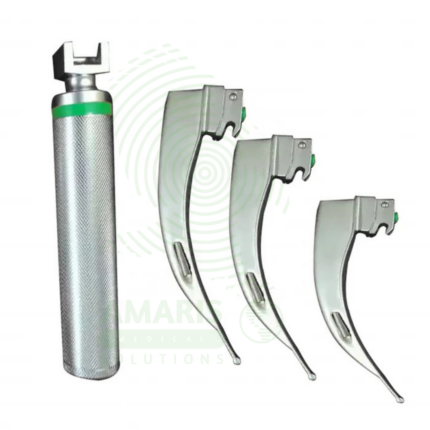
Macintosh Fiber Optic Laryngoscope
A Macintosh Fiber Optic Laryngoscope is a rigid laryngoscope with curved Macintosh blade (sizes 0-4, 70-160 mm) incorporating an integrated fiber optic light bundle that transmits bright, focused illumination (2,000-10,000+ Lux) from a handle-mounted LED or xenon bulb to the blade tip for enhanced visualization during tracheal intubation. The curved blade design allows indirect epiglottis elevation by placing the tip in the vallecula, requiring less force and neck extension than straight blades. Features stainless steel reusable blades, ergonomic handles with knurled grip, ISO standard hook-on fittings, and steam autoclave compatibility. Primary clinical applications include routine and emergency tracheal intubation during general anesthesia, difficult airway management with improved illumination, cervical spine precautions (minimal neck movement), teaching and training (enhanced visualization for instructors), rapid sequence intubation, neonatal and pediatric intubation (sizes 0-2), and oral/maxillofacial surgery. Class II medical device requiring FDA clearance. Critical safety considerations include pre-use light check (dark spots indicate broken fibers), appropriate blade size selection, proper lifting technique (not levering on teeth), battery verification, fiber optic care (avoid sharp bending), and backup device availability.
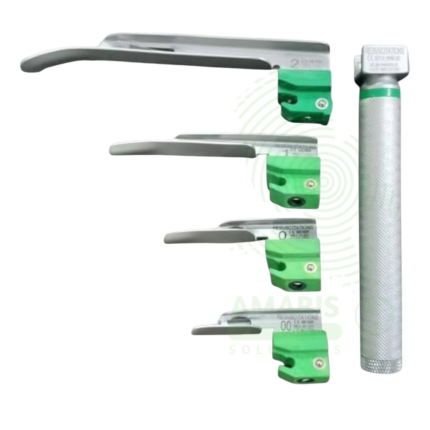
Miller Fiber Optic Laryngoscope
A Miller Fiber Optic Laryngoscope is a rigid laryngoscope with straight Miller blade (sizes 0-4, 70-160 mm) incorporating an integrated fiber optic light bundle that transmits bright, focused illumination (2,000-10,000+ Lux) from a handle-mounted LED or xenon bulb to the blade tip for enhanced visualization during tracheal intubation. The straight blade design allows direct elevation of the epiglottis rather than the indirect vallecula technique, making it particularly useful for pediatric/neonatal intubation, patients with floppy or prominent epiglottis, anterior airways, and difficult airways requiring direct epiglottic control. Features stainless steel reusable blades, ergonomic handles with knurled grip, ISO standard hook-on fittings, and steam autoclave compatibility. Primary clinical applications include direct epiglottis elevation for tracheal intubation (especially pediatric and neonatal), difficult airway management with fiber optic illumination, patients with prominent or floppy epiglottis, cervical spine precautions, anterior airway management, teaching and training (straight blade technique), and neonatal resuscitation. Class II medical device requiring FDA clearance. Critical safety considerations include pre-use light check (dark spots indicate broken fibers), appropriate blade size selection (especially critical in pediatrics), proper lifting technique (direct epiglottic lift, not levering on teeth), pediatric fragility awareness, battery verification, fiber optic care (avoid sharp bending), and backup device availability.
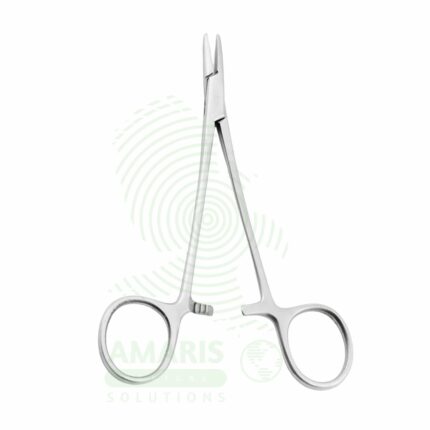
Needle Holders
Needle Holders are surgical instruments used to grasp, hold, and guide suture needles during wound closure and tissue approximation. Featuring serrated jaws with a locking ratchet mechanism, they provide secure needle control while allowing the surgeon to focus on precise suture placement. Available in various sizes and configurations including Mayo-Hegar for general surgery, Castroviejo for microsurgery, and Olsen-Hegar with integrated scissors. Made from surgical-grade stainless steel, often with tungsten carbide inserts for enhanced durability, they are essential instruments in all surgical specialties. Proper selection, handling, and regular inspection are critical for safe and effective use.
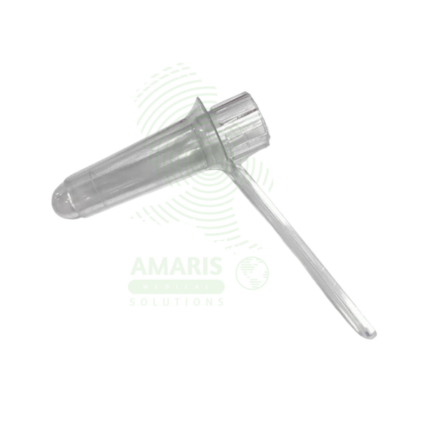
Proctoscope
A Proctoscope is a rigid, straight-tube endoscope specifically designed for the examination and treatment of the anal canal and distal rectum. It enables direct visualization to diagnose conditions like hemorrhoids, fissures, and proctitis, and serves as a conduit for therapeutic procedures such as band ligation. Available in reusable (autoclavable metal) or disposable (single-use plastic) formats, it is a fundamental tool in colorectal practice. Its effective use requires proper patient preparation, gentle insertion technique, and stringent adherence to sterilization protocols to ensure patient safety and diagnostic accuracy.
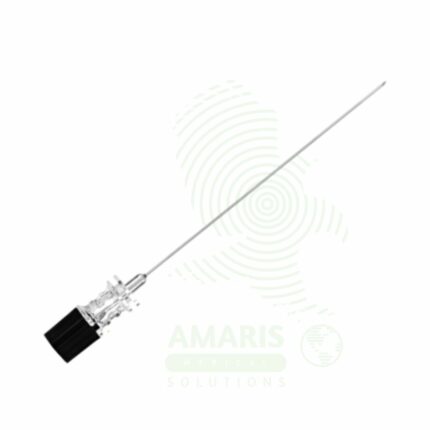
Quincke Spinal Needle
A Quincke Spinal Needle is a sterile, single-use, cutting-bevel needle designed for accessing the subarachnoid space for spinal anesthesia, diagnostic lumbar puncture, and intrathecal medication administration. Featuring a sharp cutting tip, removable stylet, and transparent hub for CSF flashback visualization, it allows precise dural penetration and reliable CSF return. Available in various gauges and lengths, it is the traditional cutting needle in neuraxial anesthesia. Strict aseptic technique, proper bevel orientation, and careful patient selection are essential to minimize complications including post-dural puncture headache and nerve injury.

Surgical Blades
Surgical Blades are sterile, single-use cutting instruments used for surgical incisions, tissue dissection, wound debridement, and biopsy procedures. Available in standardized patterns (#10, #11, #15, #20, #22, etc.) for specific applications, they are manufactured from high-carbon stainless steel with precision-ground edges for clean, controlled cutting. Disposable blades are designed for single use and must be disposed of in sharps containers immediately after use. Proper blade selection, secure handle attachment, and strict sharps safety protocols are essential for preventing injury and ensuring optimal surgical outcomes.
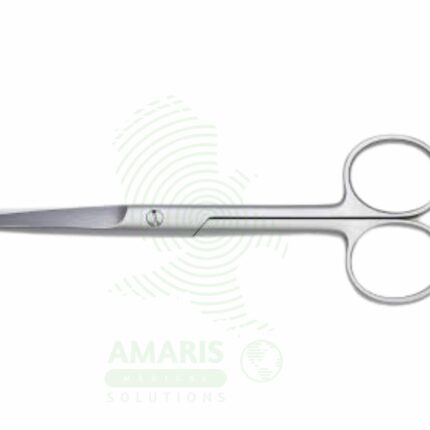
Surgical Scissors
Surgical Scissors are precision cutting instruments used for tissue dissection, suture cutting, wound debridement, and material cutting during surgical and medical procedures. Available in various configurations including Mayo scissors for heavy tissue, Metzenbaum scissors for delicate dissection, suture scissors for suture removal, and bandage scissors for dressing changes. Made from surgical-grade stainless steel, they are designed for repeated sterilization and use. Proper selection, handling, and maintenance are essential for safe and effective use.