Dermatoscope and Magnifiers
 Diagnostic Kits
 Vital Signs Monitors
 Stethoscopes and Accessories
 Otoscopes, Ophthalmoscopes, and Retinoscopes
 Reflex Hammers and Neurological Tools
 Scales and Measuring Devices
 Spirometers and Pulmonary Function Tests
 Electrosurgical Units and Accessories
 Cutting Instruments
 Grasping and Holding Instruments
 Hemostatic Instruments
 Specialized Surgical Sets
 Single-Use Procedure Trays and Packs
 Surgical Drapes, Gowns, and Covers
 Tissue Unifying Instruments
 Radiation Protection
 X-Ray Machines and Accessories
 Ultrasound Systems and Probes
 MRI and CT Scanners
 Radiology Consumables
 Bone Densitometers
 Fluoroscopy Equipment
 Imaging Tables and Positioning Aids
 Microscopes and Accessories
 Centrifuges and Separators
 Analyzers
 Incubators and Ovens
 Pipettes, Dispensers, and Lab Glassware
 Refrigerators, Freezers, and Storage Units
 Lab Consumables
 Sterilizers and Autoclaves for Lab Use
 Multi-Parameter Monitors
 Ventilators and Respiratory Support Devices
 Defibrillators and AEDs
 Infusion Pumps and IV Systems
 Patient Warmers and Cooling Devices
 Central Monitoring Stations
 Accessories
 Anesthesia Machines and Workstations
 Oxygen Concentrators and Delivery Systems
 Nebulizers and Inhalers
 CPAP/BiPAP Machines
 Airway Management
 Anesthesia Masks, Circuits, and Bags
 Humidifiers and Heaters
 Respiratory Therapy Accessories
 First Aid Kits and Cabinets
 Emergency Resuscitation Equipment
 Trauma Supplies
 Emergency Carts and Crash Carts
 Burn Care Products
 Bleeding Control
 Automated External Defibrillators (AEDs)
 Transport and Evacuation
 Wheelchairs and Accessories
 Walkers, Crutches, and Canes
 Prosthetics and Orthotics
 Physical Therapy Equipment
 Transfer Devices
 Bathroom Safety
 Orthopedic Traction and Tables
 Hot/Cold Therapy Packs and Units
 Beds and Mattresses
 Chairs and Stools
 Tables
 Cabinets and Storage
 Privacy Screens & Curtains
 Stands and Racks
 Linens and Textiles
 Lighting
 Autoclaves and Sterilizers
 Ultrasonic Cleaners
 Disinfectant Solutions and Wipes
 Sterilization Pouches, Wraps, and Indicators
 Instrument Trays and Containers
 UV and Ozone Disinfection Devices
 Washer Disinfectors
 Wound Care
 Gloves
 Masks and Respirators
 Catheters and Tubing
 Swabs, Applicators, and Sponges
 Incontinence Products
 Personal Protective Equipment (PPE)
 Dental Chairs and Units
 Handpieces and Burs
 Instruments
 Consumables
 Sterilization for Dental Use
 Orthodontic Supplies
 Endodontic Tools
 Slit Lamps and Tonometers
 Lensometers and Phoropters
 Ophthalmic Surgical Instruments
 Eyewear Frames and Lenses
 Contact Lens Supplies
 Vision Testing Charts and Devices
 Eye Care Consumables
 Laser Systems for Eye Care
 ENT Exam Chairs and Tables
 Endoscopes
 Audiometers and Hearing Tests
 ENT Instruments
 Nasal and Throat Packs
 Hearing Aids and Accessories
 Otology Supplies
 Fetal Dopplers and Monitors
 Delivery Beds and Tables
 Gynecological Instruments
 Neonatal Incubators and Warmers
 Breast Pumps and Accessories
 Contraceptive Devices
 Maternity Supports and Pads
 Neonatal Consumables
 Cystoscopes and Urethroscopes
 Dialysis Machines and Supplies
 Urological Catheters and Bags
 Lithotripters
 Prostate Treatment Devices
 Urinary Incontinence Products
 Kidney Stone Management Tools
 Consumables & Disposables
 EEG and EMG Machines
 Neurosurgical Instruments
 Nerve Stimulators
 Headrests and Positioning Aids
 Lumbar Puncture Kits
 Seizure Monitoring Devices
 Consumables
 Rehabilitation for Neurological Conditions
 ECG Machines and Accessories
 Holter Monitors
 Stress Test Systems
 Pacemakers and Defibrillator Accessories
 Vascular Access Devices
 Cardiac Catheters and Guidewires
 Blood Flow Meters
 Consumables
 Orthopedic Instruments
 Casts, Splints, and Padding
 Joint Replacement Supplies
 Prosthetic Limbs and Components
 Bone Grafts and Substitutes
 Traction Devices
 Orthopedic Braces and Supports
 Rehabilitation Aids for Orthopedics
 Home Oxygen Therapy
 Hospital Beds for Home Use
 Mobility Aids
 Bathroom and Daily Living Aids
 Wound Care for Home
 Monitoring Devices
 Enteral Feeding Pumps and Tubes
 Hand Sanitizers and Dispensers
 Face Shields and Goggles
 Isolation Gowns and Suits
 Biohazard Waste Containers
 Air Purifiers and HEPA Filters
 Surface Disinfectants
 Sharps Containers
 Protective Barriers
 Cardiovascular & Endurance Training
 Strength Training & Weightlifting
 Functional Training & Core Conditioning
 Physical Therapy & Rehabilitation
 Sports & Outdoor Recreation
 Gym Flooring & Facility Equipment
 Fitness Monitoring & Accessories
 Kids & Novelties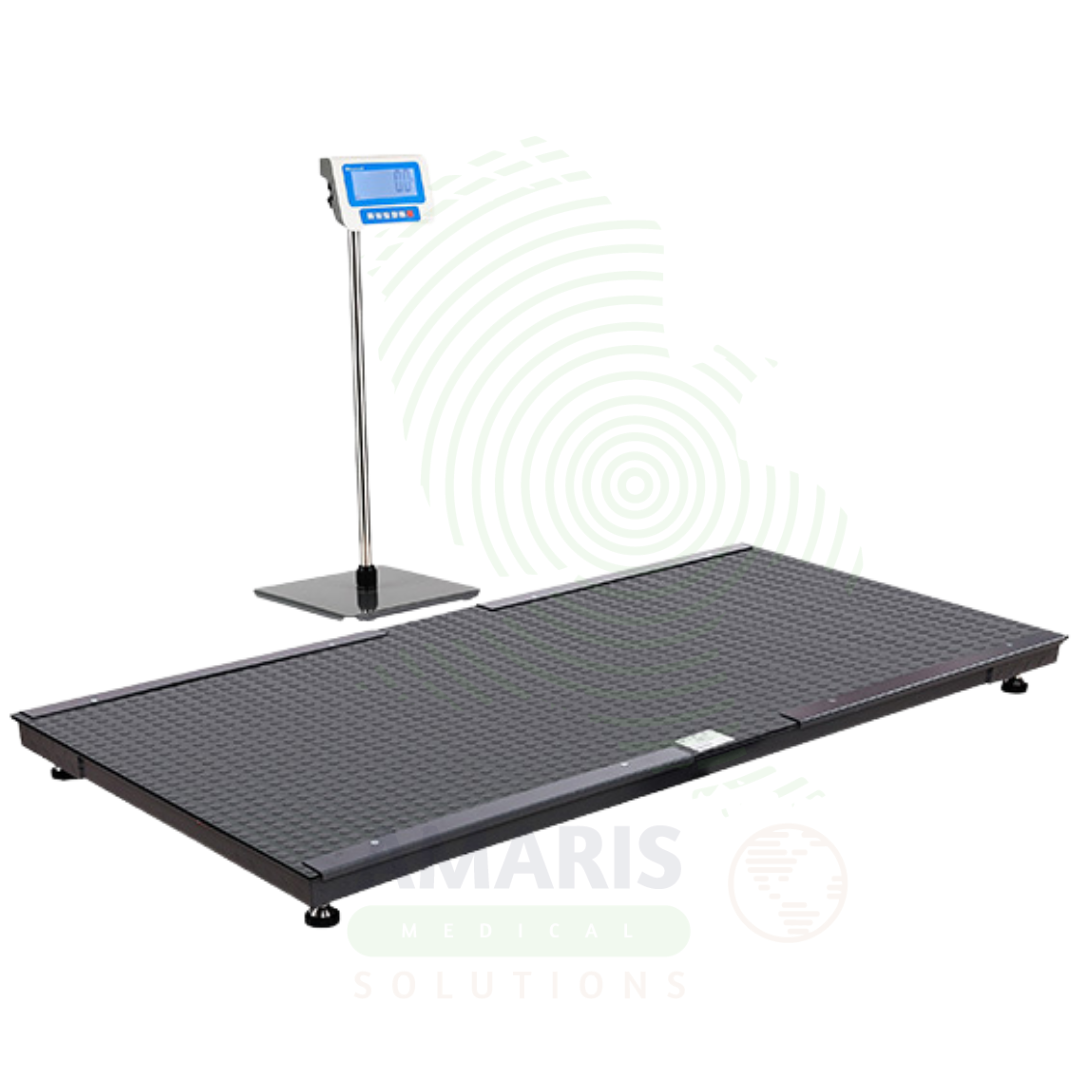
Equine Floor Digital Scale
$1.00
WhatsApp Order
An Equine Floor Digital Scale is a heavy-duty weighing platform designed for accurate weight measurement of horses and other large animals. Essential for calculating medication dosages, anesthetics, dewormers, and nutritional supplements, it ensures safe, effective treatment for equine patients. The large platform with entrance and exit ramps allows stress-free weighing, while high capacity and accuracy support comprehensive equine health management.
Description
Equine Floor Digital Scale
PRIMARY CLINICAL & DIAGNOSTIC USES
1. Accurate Weight Measurement for Horses
-
Primary Use: Provides accurate weight measurement for horses, ponies, and other equine patients. The large floor platform accommodates standing horses, allowing for safe, stress-free weighing without the need for sedation or restraint devices.
-
How it helps: For the equine veterinarian and large animal practitioner, accurate weight measurement is essential for calculating medication dosages, anesthetics, dewormers, and nutritional supplements. For the horse owner, accurate weight data supports proper management, feeding, and health monitoring.
2. Medication and Anesthetic Dosage Calculation
-
Primary Use: Weight measurement is critical for calculating precise doses of anesthetics, sedatives, antibiotics, anti-inflammatories, and deworming medications. Accurate dosing ensures effective treatment while minimizing the risk of toxicity or adverse reactions.
-
How it helps: For the equine veterinarian, accurate weight data ensures that medications are dosed correctly—reducing the risk of underdosing (ineffective treatment) or overdosing (toxicity, especially with anesthetics). For the horse, correct dosing means safer, more effective treatment with minimal risk of complications.
3. Nutritional Management and Feed Planning
-
Primary Use: Weight measurement guides nutritional management, including feed ration calculations, supplement dosing, and monitoring of body condition. Serial weight tracking helps assess response to dietary changes and identify weight loss that may indicate underlying disease.
-
How it helps: For the equine nutritionist and veterinarian, accurate weight data enables precise feed rationing—ensuring that horses receive appropriate nutrition for their size, activity level, and health status. For the horse owner, this supports optimal health, performance, and body condition.
4. Monitoring Growth in Young Horses
-
Primary Use: Serial weight measurements track growth and development in foals, weanlings, and yearlings, helping identify growth abnormalities, monitor response to nutrition, and guide management decisions.
-
How it helps: For the equine practitioner, growth monitoring identifies foals that are falling behind or growing too rapidly—allowing early intervention to prevent developmental orthopedic disease. For the breeder, this supports raising healthy, well-grown young horses.
5. Pre-Anesthetic Assessment for Surgical Procedures
-
Primary Use: Accurate weight measurement is essential for calculating anesthetic drug doses before surgical procedures. Pre-anesthetic weight ensures safe induction and maintenance of anesthesia during colic surgery, orthopedic procedures, and other equine surgeries.
-
How it helps: For the equine surgeon and anesthetist, accurate pre-anesthetic weight ensures that anesthetic drugs are dosed correctly—reducing the risk of anesthesia-related complications. For the horse undergoing surgery, correct anesthetic dosing means a safer procedure with smoother recovery.
SECONDARY & SUPPORTIVE USES
1. Monitoring Chronic Disease: Weight tracking for horses with metabolic syndrome, Cushing’s disease, and other chronic conditions.
2. Rehabilitation Monitoring: Tracking weight changes during recovery from injury or surgery.
3. Broodmare Management: Weight monitoring during pregnancy and lactation.
4. Performance Horse Management: Weight tracking for athletic horses to optimize condition.
5. Research Applications: Weight measurement for equine research studies.
6. Zoo and Wildlife: Weighing of large animals in zoological settings.
KEY PRODUCT FEATURES
1. BASIC IDENTIFICATION ATTRIBUTES
-
Device Type: A large floor scale designed for weighing horses and other large animals.
-
Designation: Equine Floor Digital Scale, Horse Scale, Livestock Scale, Animal Scale, Veterinary Scale.
-
Key Components:
-
Platform: Large, non-slip weighing surface (typically 8-12 ft long).
-
Display: Digital readout with large digits; remote display option.
-
Ramps: Entrance and exit ramps for safe loading.
-
Hold Function: Captures weight when an animal moves.
-
Tare Function: Zeroes out scale for net weight.
-
Memory: Storage for multiple animal records.
-
Interface: USB or wireless for data transfer.
-
2. TECHNICAL & PERFORMANCE PROPERTIES
-
Capacity: 2,000-5,000 lbs (900-2,270 kg).
-
Accuracy: ±0.1% to ±0.5%.
-
Readability: 0.5-2 lbs (0.2-1 kg).
-
Platform Size: 8 ft x 3 ft to 12 ft x 4 ft.
-
Ramps: Included for safe loading.
-
Hold Function: Captures stable weight reading.
-
Power: AC or battery operation.
3. PHYSICAL & OPERATIONAL PROPERTIES
-
Construction: Heavy-duty steel; non-slip coating.
-
Portability: Stationary or portable with lift points.
-
Ramps: Removable for transport; anti-slip surface.
-
Controls: Simple button interface; remote display.
-
Weather Resistance: Suitable for indoor or outdoor use.
4. SAFETY & COMPLIANCE ATTRIBUTES
-
Regulatory Status: Class I medical device (veterinary use).
-
Electrical Safety: Compliant with electrical safety standards.
-
Animal Safety: Non-slip surface; rounded edges; secure ramps.
-
Weight Capacity: Validated for stated capacity.
5. STORAGE & HANDLING ATTRIBUTES
-
Storage: Stored in a barn, stable, or veterinary clinic.
-
Cleaning: Clean after each use; disinfect between animals.
-
Calibration: Regular calibration per manufacturer schedule.
-
Maintenance: Inspect for damage; keep platform clean.
6. LABORATORY & CLINICAL APPLICATIONS
-
Primary Application: Weight measurement for equine medication dosing, nutritional management, and health monitoring.
-
Clinical Role: Essential equipment for equine veterinary practice, breeding farms, and performance horse facilities.
SAFETY HANDLING PRECAUTIONS
1. SAFETY PRECAUTIONS
-
Animal Safety: Ensure ramps are secure; use calm handling techniques.
-
Weight Capacity: Do not exceed scale capacity.
-
Cleaning: Disinfect between animals to prevent disease transmission.
-
Calibration: Regular calibration ensures accurate dosing.
2. FIRST AID MEASURES
-
Animal Injury: If horse slips or falls, assess for injury; provide appropriate veterinary care.
-
Electrical Shock: If shock occurs, disconnect power; seek medical attention.
3. FIRE FIGHTING MEASURES
-
Flammability: Electrical components may pose fire risk.
-
Extinguishing Media: For electrical fire, use CO₂ or dry chemical extinguisher.
Related products
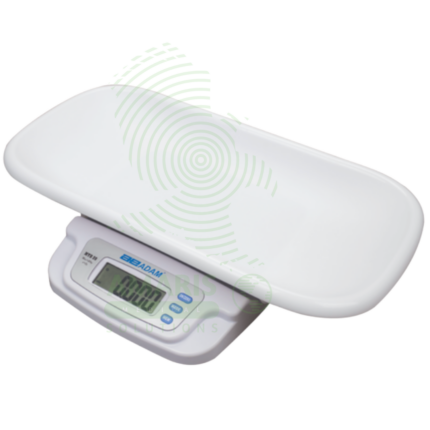
Digital Baby Weighing Scale
A Digital Baby Weighing Scale is a high-precision medical device designed exclusively for the safe and accurate measurement of infant and toddler weight. Featuring a stable, hygienic platform with gram-level precision, it is indispensable in hospitals (especially NICUs), pediatric clinics, and community health settings. Its core functions—such as hold, tare, and zeroing—ensure reliable readings even with a moving child. Accurate weight data is foundational for assessing growth, calculating medication doses, managing nutrition, and detecting early signs of health issues, making this scale a critical tool for safeguarding infant health and development.
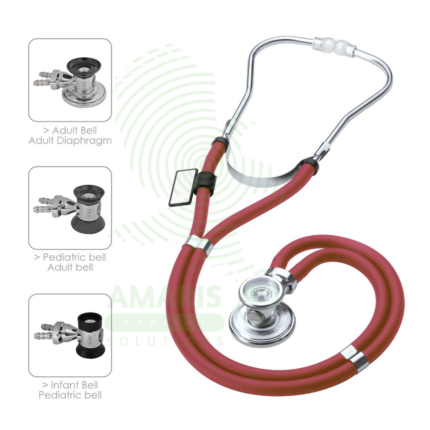
Dual Head Stethoscope
The Dual Head Stethoscope is the classic, essential acoustic diagnostic tool used by healthcare professionals worldwide. Its defining feature is a two-sided chestpiece, combining a diaphragm for high-frequency sounds (breath sounds, normal heart tones) and a bell for low-frequency sounds (heart murmurs, abnormal heart tones). Through mechanical sound conduction, it provides critical information for assessing cardiac, pulmonary, and vascular systems during physical examinations and manual blood pressure measurement. Its effectiveness relies on proper technique, a good acoustic seal, and consistent cleaning. As a fundamental symbol of medical practice, it balances functionality, durability, and affordability.
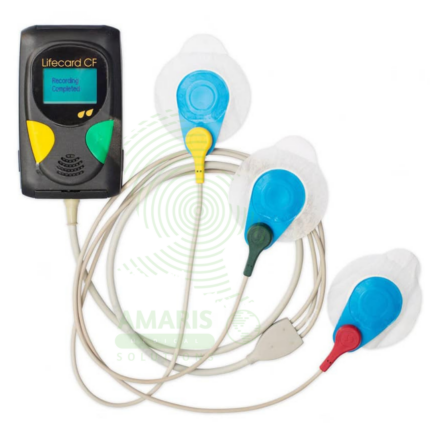
Holter ECG Monitor
A Holter ECG Monitor is a portable, wearable medical device used for continuous, long-term recording of a patient's heart's electrical activity over 24 to 48 hours or more. It is the cornerstone diagnostic tool for detecting intermittent cardiac arrhythmias, evaluating unexplained symptoms like syncope or palpitations, and monitoring the efficacy of antiarrhythmic treatments or implanted cardiac device function. Consisting of a small digital recorder connected to chest electrodes (or an all-in-one adhesive patch), it allows patients to maintain their normal daily routine while capturing a comprehensive electrocardiographic record.

Littman Stethoscope (Classic 4 Cardiology)
A Littman Stethoscope (Classic 4 Cardiology) represents the pinnacle of acoustic auscultation technology. Designed for clinicians who require the highest level of diagnostic accuracy, it features dual tunable diaphragms and dual-lumen tubing to provide exceptional acoustic sensitivity and ambient noise reduction. Its innovative design allows the user to hear both high and low-frequency sounds by simply adjusting pressure on either side of the chestpiece, making it the instrument of choice for cardiologists, intensivists, and specialists who cannot afford to miss a subtle murmur, rub, or breath sound. It combines superior performance with the durability and comfort expected from the Littmann brand.
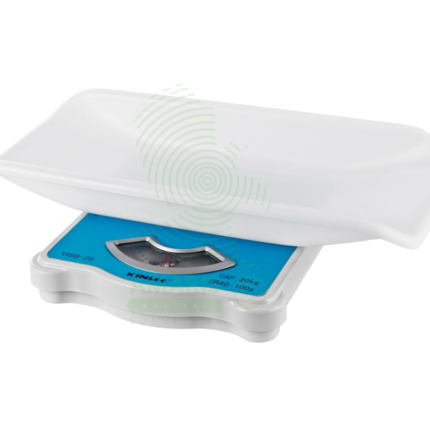
Manual Baby Weighing Scale
A Manual Baby Weighing Scale is a simple, mechanical device used to measure infant weight without the need for electricity or batteries. Operating on a spring or balance principle, it features a suspended sling or seat and a dial display. Its primary advantage is durability and portability for use in community health, outreach programs, and areas with unreliable power. While less precise than digital scales, it provides a reliable and accessible means to monitor growth trends and screen for undernutrition in resource-limited settings, making it a vital tool for basic pediatric care in the field.
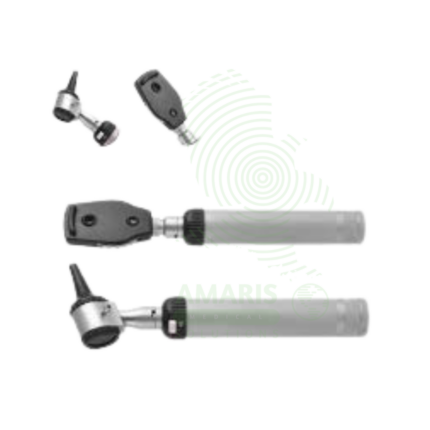
Ophthalmoscope
An Ophthalmoscope is a handheld diagnostic instrument used to examine the interior of the eye, specifically the fundus (retina, optic disc, blood vessels, and macula). By providing illuminated magnification, it serves as a vital screening tool for detecting ocular diseases like glaucoma and retinal disorders, and more importantly, for identifying signs of systemic conditions such as diabetes, hypertension, and increased intracranial pressure. Its operation involves selecting appropriate apertures and compensating lenses to obtain a clear view. While offering a detailed but narrow field of vision, mastery of the direct ophthalmoscope remains a cornerstone skill in general medicine, neurology, and ophthalmology for assessing vascular and neurological health.
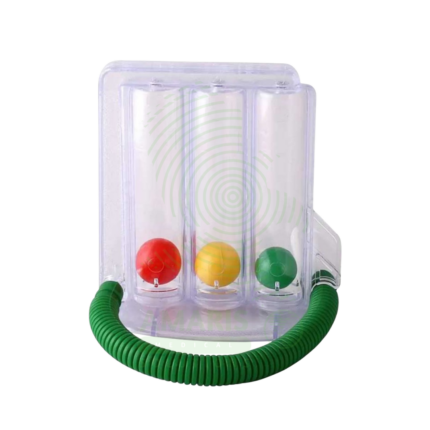
Spirometer
A Spirometer is an essential diagnostic medical device used to measure how much and how quickly air can be inhaled and exhaled by the lungs. By performing forced breathing maneuvers, it generates key parameters—primarily Forced Vital Capacity (FVC) and Forced Expiratory Volume in 1 second (FEV1)—that are fundamental for diagnosing and monitoring obstructive and restrictive lung diseases like Asthma and COPD. Requiring daily calibration and strict adherence to international standards (ATS/ERS), it provides the objective, reproducible data needed for clinical decision-making in pulmonology, primary care, occupational health, and pre-operative assessment.