Dermatoscope and Magnifiers
 Diagnostic Kits
 Vital Signs Monitors
 Stethoscopes and Accessories
 Otoscopes, Ophthalmoscopes, and Retinoscopes
 Reflex Hammers and Neurological Tools
 Scales and Measuring Devices
 Spirometers and Pulmonary Function Tests
 Electrosurgical Units and Accessories
 Cutting Instruments
 Grasping and Holding Instruments
 Hemostatic Instruments
 Specialized Surgical Sets
 Single-Use Procedure Trays and Packs
 Surgical Drapes, Gowns, and Covers
 Tissue Unifying Instruments
 Radiation Protection
 X-Ray Machines and Accessories
 Ultrasound Systems and Probes
 MRI and CT Scanners
 Radiology Consumables
 Bone Densitometers
 Fluoroscopy Equipment
 Imaging Tables and Positioning Aids
 Microscopes and Accessories
 Centrifuges and Separators
 Analyzers
 Incubators and Ovens
 Pipettes, Dispensers, and Lab Glassware
 Refrigerators, Freezers, and Storage Units
 Lab Consumables
 Sterilizers and Autoclaves for Lab Use
 Multi-Parameter Monitors
 Ventilators and Respiratory Support Devices
 Defibrillators and AEDs
 Infusion Pumps and IV Systems
 Patient Warmers and Cooling Devices
 Central Monitoring Stations
 Accessories
 Anesthesia Machines and Workstations
 Oxygen Concentrators and Delivery Systems
 Nebulizers and Inhalers
 CPAP/BiPAP Machines
 Airway Management
 Anesthesia Masks, Circuits, and Bags
 Humidifiers and Heaters
 Respiratory Therapy Accessories
 First Aid Kits and Cabinets
 Emergency Resuscitation Equipment
 Trauma Supplies
 Emergency Carts and Crash Carts
 Burn Care Products
 Bleeding Control
 Automated External Defibrillators (AEDs)
 Transport and Evacuation
 Wheelchairs and Accessories
 Walkers, Crutches, and Canes
 Prosthetics and Orthotics
 Physical Therapy Equipment
 Transfer Devices
 Bathroom Safety
 Orthopedic Traction and Tables
 Hot/Cold Therapy Packs and Units
 Beds and Mattresses
 Chairs and Stools
 Tables
 Cabinets and Storage
 Privacy Screens & Curtains
 Stands and Racks
 Linens and Textiles
 Lighting
 Autoclaves and Sterilizers
 Ultrasonic Cleaners
 Disinfectant Solutions and Wipes
 Sterilization Pouches, Wraps, and Indicators
 Instrument Trays and Containers
 UV and Ozone Disinfection Devices
 Washer Disinfectors
 Wound Care
 Gloves
 Masks and Respirators
 Catheters and Tubing
 Swabs, Applicators, and Sponges
 Incontinence Products
 Personal Protective Equipment (PPE)
 Dental Chairs and Units
 Handpieces and Burs
 Instruments
 Consumables
 Sterilization for Dental Use
 Orthodontic Supplies
 Endodontic Tools
 Slit Lamps and Tonometers
 Lensometers and Phoropters
 Ophthalmic Surgical Instruments
 Eyewear Frames and Lenses
 Contact Lens Supplies
 Vision Testing Charts and Devices
 Eye Care Consumables
 Laser Systems for Eye Care
 ENT Exam Chairs and Tables
 Endoscopes
 Audiometers and Hearing Tests
 ENT Instruments
 Nasal and Throat Packs
 Hearing Aids and Accessories
 Otology Supplies
 Fetal Dopplers and Monitors
 Delivery Beds and Tables
 Gynecological Instruments
 Neonatal Incubators and Warmers
 Breast Pumps and Accessories
 Contraceptive Devices
 Maternity Supports and Pads
 Neonatal Consumables
 Cystoscopes and Urethroscopes
 Dialysis Machines and Supplies
 Urological Catheters and Bags
 Lithotripters
 Prostate Treatment Devices
 Urinary Incontinence Products
 Kidney Stone Management Tools
 Consumables & Disposables
 EEG and EMG Machines
 Neurosurgical Instruments
 Nerve Stimulators
 Headrests and Positioning Aids
 Lumbar Puncture Kits
 Seizure Monitoring Devices
 Consumables
 Rehabilitation for Neurological Conditions
 ECG Machines and Accessories
 Holter Monitors
 Stress Test Systems
 Pacemakers and Defibrillator Accessories
 Vascular Access Devices
 Cardiac Catheters and Guidewires
 Blood Flow Meters
 Consumables
 Orthopedic Instruments
 Casts, Splints, and Padding
 Joint Replacement Supplies
 Prosthetic Limbs and Components
 Bone Grafts and Substitutes
 Traction Devices
 Orthopedic Braces and Supports
 Rehabilitation Aids for Orthopedics
 Home Oxygen Therapy
 Hospital Beds for Home Use
 Mobility Aids
 Bathroom and Daily Living Aids
 Wound Care for Home
 Monitoring Devices
 Enteral Feeding Pumps and Tubes
 Hand Sanitizers and Dispensers
 Face Shields and Goggles
 Isolation Gowns and Suits
 Biohazard Waste Containers
 Air Purifiers and HEPA Filters
 Surface Disinfectants
 Sharps Containers
 Protective Barriers
 Cardiovascular & Endurance Training
 Strength Training & Weightlifting
 Functional Training & Core Conditioning
 Physical Therapy & Rehabilitation
 Sports & Outdoor Recreation
 Gym Flooring & Facility Equipment
 Fitness Monitoring & Accessories
 Kids & Novelties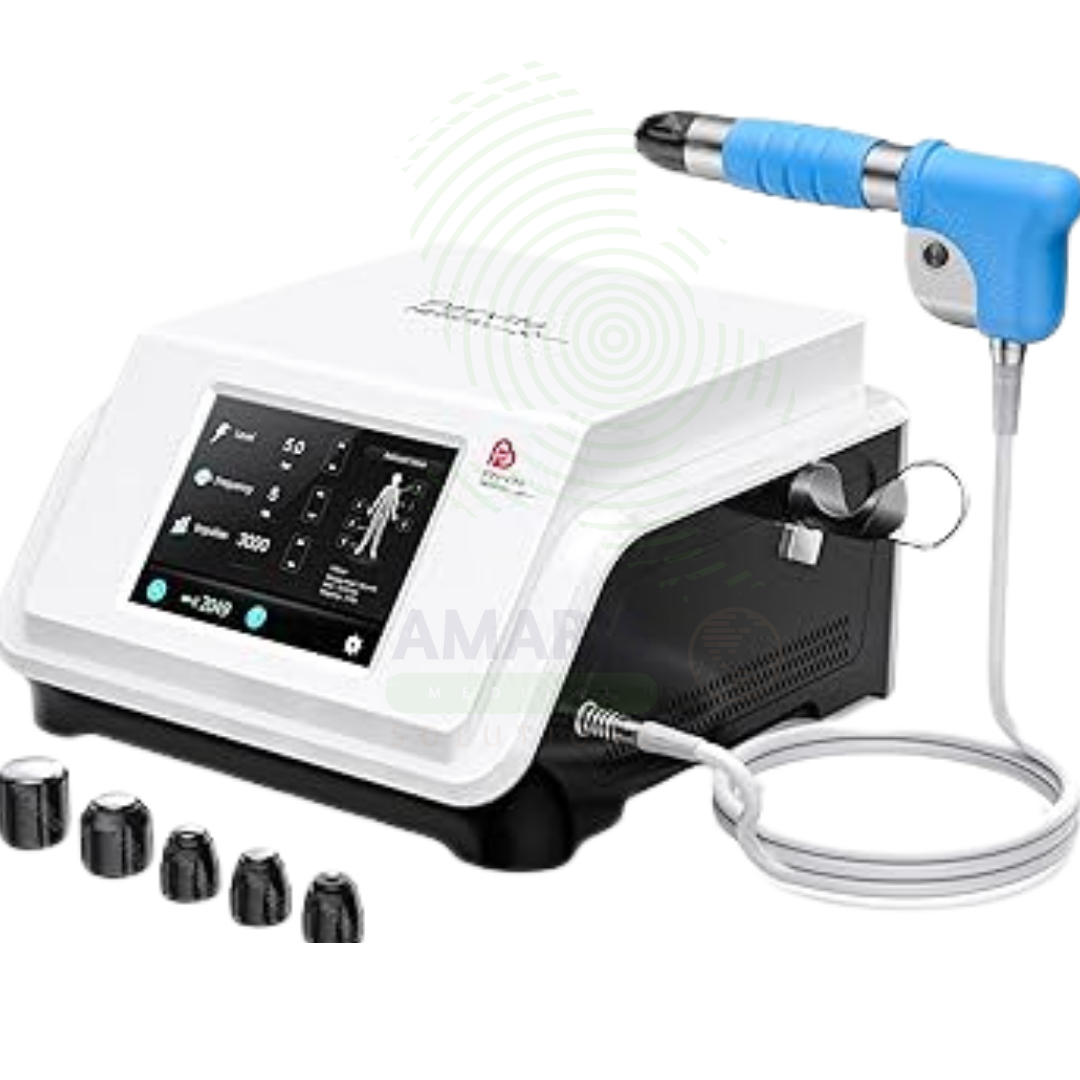
Extracorporeal Shockwave Therapy (ESWT)
$1.00
WhatsApp Order
Extracorporeal Shockwave Therapy (ESWT) is a non-invasive treatment modality that delivers acoustic shockwaves to tissues to stimulate healing, reduce pain, and improve function in chronic musculoskeletal conditions. Used for chronic tendinopathies including plantar fasciitis, Achilles tendinopathy, tennis elbow, and rotator cuff tendinopathy, as well as non-union fractures and myofascial pain, ESWT provides an effective non-surgical option for patients who have failed conservative treatment. Available in focused and radial forms, it offers hope for recovery without surgery.
Description
Extracorporeal Shockwave Therapy (ESWT)
PRIMARY CLINICAL & DIAGNOSTIC USES
1. Treatment of Chronic Tendinopathies
-
Primary Use: Delivers focused or radial shockwaves to treat chronic tendinopathies including plantar fasciitis, Achilles tendinopathy, patellar tendinopathy (jumper’s knee), lateral epicondylitis (tennis elbow), and rotator cuff tendinopathy. Shockwaves stimulate tissue healing, reduce pain, and promote neovascularization.
-
How it helps: For the orthopedic surgeon, sports medicine physician, and physical therapist, ESWT provides a non-invasive treatment option for chronic tendon conditions that have failed conservative management—stimulating healing and reducing pain without surgery. For the patient with chronic tendon pain that has not responded to rest, therapy, or injections, shockwave therapy offers hope for recovery without the risks of surgery.
2. Treatment of Plantar Fasciitis
-
Primary Use: One of the most common indications for ESWT, delivering focused shockwaves to the plantar fascia insertion to reduce pain, inflammation, and promote healing in patients with chronic plantar fasciitis unresponsive to conservative treatment.
-
How it helps: For the podiatrist and orthopedic foot and ankle specialist, ESWT provides an effective non-surgical option for patients suffering from chronic heel pain—reducing pain and improving function without the risks of surgery. For the patient with persistent plantar fasciitis who has tried stretching, orthotics, and injections without relief, shockwave therapy offers a path to pain-free walking.
3. Treatment of Calcific Rotator Cuff Tendinopathy
-
Primary Use: Focused shockwave therapy is used to fragment calcific deposits in the rotator cuff tendons, reducing pain and improving shoulder function. The shockwaves break down calcium deposits and stimulate tissue healing.
-
How it helps: For the orthopedic shoulder specialist, ESWT provides a non-invasive alternative to surgery for patients with painful calcific tendinopathy—breaking down calcific deposits and relieving pain without the need for arthroscopic debridement. For the patient with a painful calcified rotator cuff, shockwave therapy offers the possibility of pain relief without surgery.
4. Treatment of Non-Union Fractures and Delayed Union
-
Primary Use: Focused shockwave therapy is used to stimulate bone healing in patients with non-union fractures (fractures that have failed to heal) and delayed union. The mechanical stimulation promotes osteogenesis and revascularization at the fracture site.
-
How it helps: For the orthopedic trauma surgeon, ESWT provides a non-surgical option for stimulating bone healing in fractures that have failed to unite—potentially avoiding the need for bone grafting and revision surgery. For the patient with a fracture that has not healed after months of immobilization, shockwave therapy offers hope for bone healing without additional surgery.
5. Treatment of Myofascial Pain Syndrome and Trigger Points
-
Primary Use: Radial shockwave therapy is used to treat myofascial pain syndrome by delivering shockwaves to trigger points, reducing muscle tension, pain, and improving range of motion in conditions such as chronic neck pain, back pain, and muscle spasms.
-
How it helps: For the physical therapist and pain management specialist, ESWT provides a non-invasive tool for treating chronic myofascial pain—releasing trigger points and reducing muscle tension without needles or medication. For the patient with chronic muscle pain and tightness, shockwave therapy offers relief when other treatments have failed.
SECONDARY & SUPPORTIVE USES
1. Treatment of Chronic Wounds: ESWT used to stimulate healing in chronic wounds, diabetic foot ulcers, and pressure ulcers.
2. Treatment of Peyronie’s Disease: Focused shockwave therapy for treatment of penile plaques and curvature.
3. Treatment of Scars and Keloids: ESWT for improving scar appearance and reducing keloid formation.
4. Treatment of Peripheral Neuropathy: Shockwave therapy for neuropathic pain and nerve regeneration.
5. Treatment of Osteoarthritis: ESWT for knee and hip osteoarthritis to reduce pain and improve function.
6. Sports Injury Rehabilitation: Treatment of muscle strains, contusions, and other sports-related injuries.
KEY PRODUCT FEATURES
1. BASIC IDENTIFICATION ATTRIBUTES
-
Device Type: A therapeutic device that delivers acoustic shockwaves to tissues for treatment of musculoskeletal conditions.
-
Designation: Extracorporeal Shockwave Therapy, ESWT, Shockwave Therapy, Radial Shockwave, Focused Shockwave.
-
Types:
-
Focused ESWT: Delivers focused shockwaves to a precise depth; used for calcific tendinopathy, non-unions, and deep structures.
-
Radial ESWT: Delivers radial pressure waves; used for superficial tendons, myofascial pain, and larger treatment areas.
-
-
Key Components:
-
Generator: Electromagnetic, piezoelectric, or electrohydraulic source of shockwaves.
-
Applicator: Handpiece with treatment head for shockwave delivery.
-
Control Unit: User interface for energy settings and treatment parameters.
-
Coupling Gel: Acoustic gel for energy transmission.
-
2. TECHNICAL & PERFORMANCE PROPERTIES
-
Energy Flux Density: 0.01-0.6 mJ/mm² depending on indication.
-
Frequency: 1-15 Hz depending on device and indication.
-
Number of Shots: 1,000-4,000 per session.
-
Treatment Sessions: 1-6 sessions depending on condition.
-
Penetration Depth: 0-60 mm for focused; 0-40 mm for radial.
-
Energy Source: Electromagnetic, piezoelectric, or electrohydraulic.
3. PHYSICAL & OPERATIONAL PROPERTIES
-
Construction: Mobile unit with control panel and handpiece.
-
Portability: Cart-mounted for movement between treatment rooms.
-
Controls: Touchscreen interface for energy, frequency, and shot count.
-
Coupling: Acoustic gel required for energy transmission.
4. SAFETY & COMPLIANCE ATTRIBUTES
-
Regulatory Status: Class II medical device regulated by FDA.
-
Contraindications: Pregnancy, malignancy, bleeding disorders, anticoagulation, infection, growth plates, pacemakers.
-
Safety Standards: Compliant with medical device safety standards.
-
Adverse Effects: Temporary pain, bruising, swelling, redness.
5. STORAGE & HANDLING ATTRIBUTES
-
Storage: Store in clean, dry location; protect handpiece from damage.
-
Cleaning: Wipe surfaces with hospital-grade disinfectants; clean handpiece per manufacturer guidelines.
-
Maintenance: Regular calibration; inspection of handpiece and cables.
6. LABORATORY & CLINICAL APPLICATIONS
-
Primary Application: Non-invasive treatment of chronic tendinopathies, plantar fasciitis, calcific rotator cuff, and non-union fractures.
-
Clinical Role: Used in orthopedics, sports medicine, physical therapy, and podiatry.
SAFETY HANDLING PRECAUTIONS
1. SAFETY PRECAUTIONS
-
Contraindication Screening: Screen for contraindications including pregnancy, malignancy, bleeding disorders, and anticoagulation.
-
Energy Settings: Start with low energy and increase based on patient tolerance.
-
Anatomical Considerations: Avoid shockwave application over lungs, large vessels, nerves, and eyes.
-
Patient Positioning: Position patient comfortably; ensure proper coupling.
-
Pain Management: Inform patients of expected discomfort; adjust energy as needed.
2. FIRST AID MEASURES
-
Pain: If pain is excessive, reduce energy or discontinue treatment.
-
Bruising: Local bruising is common; resolves spontaneously.
-
Swelling: Ice application post-treatment for swelling.
3. FIRE FIGHTING MEASURES
-
Flammability: Electrical components may pose fire risk.
-
Extinguishing Media: For electrical fire, use CO₂ or dry chemical extinguisher.
Related products
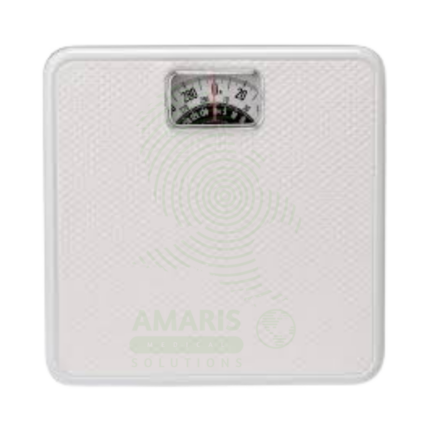
Analogue Bathroom Weighing Scale
An Analogue Bathroom Weighing Scale is a mechanical Class I medical device (for health monitoring) using a precision spring and lever system to measure body weight without batteries or electronics. Features include enameled steel, stainless steel, or ABS plastic platform (25-30 cm square), large circular dial (10-15 cm diameter) with clear numerals and pointer, zero adjustment knob for calibration before each use, weight capacity 120-180 kg (265-400 lbs) standard (heavy-duty models to 250 kg/550 lbs), and graduation 0.5 kg or 1 lb increments with accuracy ±0.5-1 kg. Primary clinical applications include home weight monitoring for patients who prefer non-electronic devices, chronic disease management in resource-limited settings (heart failure, CKD), geriatric and low-vision patient weighing (large, clear dial), bariatric patient monitoring (higher weight capacities), pediatric growth monitoring in home settings, pregnancy weight tracking, and post-hospitalization transition monitoring. Critical safety considerations include verifying zero adjustment before each use, placement on hard level surface (not carpet), staying within weight capacity, reading at eye level to avoid parallax error, and recognizing that spring fatigue over years may affect accuracy. Essential non-electronic alternative for patients needing simple, reliable, battery-free weight monitoring.
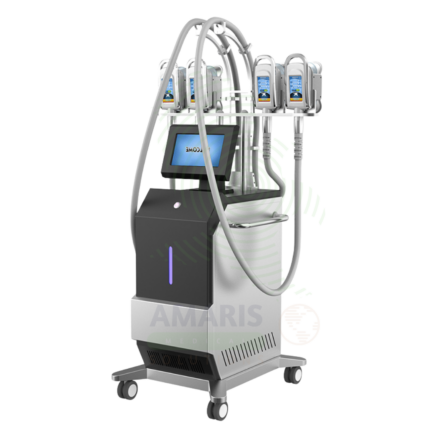
Cryopolyse Slimming Machine
A Cryopolyse Slimming Machine is a non-invasive body contouring device that uses controlled cooling (cryolipolysis) to eliminate fat cells in localized areas such as the abdomen, flanks, thighs, and submental region. FDA-cleared for fat reduction, it offers patients a non-surgical alternative to liposuction with no incisions, anesthesia, or downtime. Results appear gradually over 8-12 weeks as the body naturally eliminates treated fat cells, providing measurable body contour improvement.
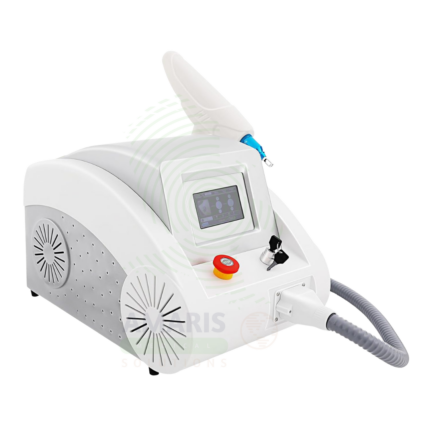
High-Performance Pico-Second Q-Switched Nd:YAG Laser
A High-Performance Pico-Second Q-Switched Nd:YAG Laser is an advanced laser system that delivers ultra-short picosecond pulses to fragment tattoo ink and pigmented lesions with minimal thermal damage. Operating at 1064 nm and 532 nm wavelengths, it effectively treats a wide range of tattoo colors, benign pigmented lesions, and melasma. The optional fractional lens technology enables skin rejuvenation and acne scar treatment. Faster tattoo clearance and reduced risk of pigment changes make it the gold standard for tattoo removal and pigmentation treatment.
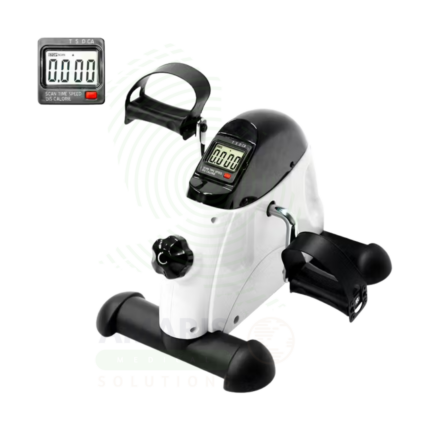
Mini Bike
A Mini Bike is a compact, portable pedal exerciser designed for seated lower extremity cycling and tabletop upper extremity cycling for passive, active-assisted, or active exercise in rehabilitation and home settings. Unlike traditional stationary bikes that require standing or transferring to a specialized seat, the mini bike places the pedal unit on the floor in front of the user for leg exercise, or on a tabletop for arm exercise, allowing patients with severe deconditioning, lower extremity weakness, neurological impairment, or upper limb pathology to initiate therapeutic movement safely from their own chair or bed. Adjustable magnetic or friction resistance allows for progressive strengthening, while forward and backward pedaling engages different muscle groups. For the physical therapist and occupational therapist, the mini bike provides an accessible entry point to rehabilitation for patients who cannot yet tolerate upright exercise—including those recovering from stroke, spinal cord injury, joint replacement, cardiac surgery, or critical illness. For the patient with limited mobility, regular mini bike use maintains joint range of motion, activates the calf muscle pump to reduce edema, prevents deconditioning, restores upper extremity function, and supports functional recovery—all while remaining safely seated.
Pedal Exercise Bike
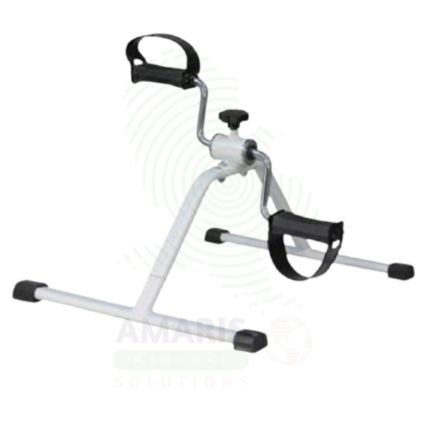
A Pedal Exercise Bike is a compact, portable seated pedal exerciser designed for passive, active-assisted, or active lower extremity cycling while the user remains seated in a standard chair, wheelchair, or recliner. Unlike traditional stationary bikes that require standing, balancing, or transferring to a specialized seat, the pedal exercise bike places the pedal unit on the floor in front of the user, allowing patients with severe deconditioning, lower extremity weakness, neurological impairment, or post-operative restrictions to initiate lower extremity movement safely from their own chair. Adjustable magnetic or friction resistance allows for progressive strengthening, while forward and backward pedaling engages different muscle groups. For the physical therapist and rehabilitation specialist, the pedal exercise bike provides an accessible entry point to lower extremity rehabilitation for patients who cannot yet tolerate upright exercise, including those recovering from stroke, spinal cord injury, joint replacement, cardiac surgery, or critical illness. For the patient with limited mobility, regular pedal bike use maintains joint range of motion, activates the calf muscle pump to reduce edema, prevents deconditioning, and supports functional recovery—all while remaining safely seated.
UV Phototherapy
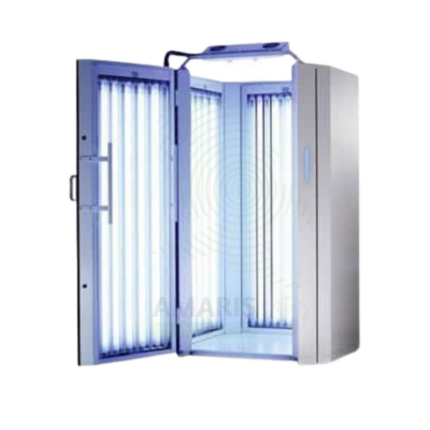
UV Phototherapy delivers controlled ultraviolet radiation for treatment of psoriasis, eczema, vitiligo, cutaneous T-cell lymphoma, and pruritus. Narrowband UVB (311-313 nm) is the most common modality, offering effective treatment with minimal systemic side effects. Full-body cabinets, handheld units, and targeted devices allow treatment of localized or widespread disease. Regular phototherapy can achieve significant disease clearance, improve quality of life, and reduce reliance on systemic medications.
Yoga Exercise Ball
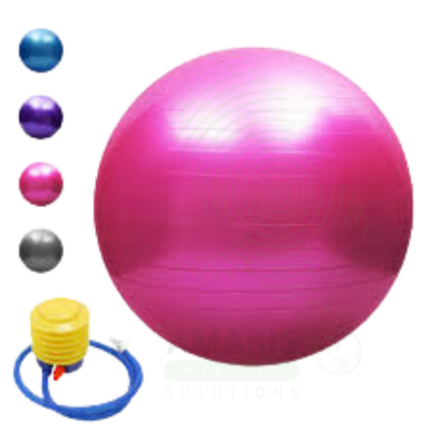
A Yoga Exercise Ball is an inflatable, unstable exercise device used for core strengthening, balance training, flexibility improvement, and low-impact cardiovascular exercise in physical therapy, occupational therapy, and rehabilitation settings. Manufactured from burst-resistant PVC with anti-burst technology that creates slow deflation if punctured, the exercise ball provides a dynamic, unstable surface that engages deep stabilizing muscles of the trunk and pelvis—improving lumbar stability and reducing low back pain in patients with chronic spinal conditions. Available in sizes from forty-five to seventy-five centimeters to accommodate patients of different heights, the exercise ball challenges balance systems through graded exercises from seated stability to advanced standing activities. For the physical therapist and rehabilitation specialist, the exercise ball is a versatile tool for core conditioning, fall prevention, post-operative rehabilitation, and functional training across diverse patient populations including those with low back pain, stroke, Parkinson's disease, arthritis, and deconditioning. For the patient, regular ball exercises restore spinal stability, improve balance confidence, maintain joint mobility, and provide safe, low-impact cardiovascular conditioning that supports long-term health and independence.