Dermatoscope and Magnifiers
 Diagnostic Kits
 Vital Signs Monitors
 Stethoscopes and Accessories
 Otoscopes, Ophthalmoscopes, and Retinoscopes
 Reflex Hammers and Neurological Tools
 Scales and Measuring Devices
 Spirometers and Pulmonary Function Tests
 Electrosurgical Units and Accessories
 Cutting Instruments
 Grasping and Holding Instruments
 Hemostatic Instruments
 Specialized Surgical Sets
 Single-Use Procedure Trays and Packs
 Surgical Drapes, Gowns, and Covers
 Tissue Unifying Instruments
 Radiation Protection
 X-Ray Machines and Accessories
 Ultrasound Systems and Probes
 MRI and CT Scanners
 Radiology Consumables
 Bone Densitometers
 Fluoroscopy Equipment
 Imaging Tables and Positioning Aids
 Microscopes and Accessories
 Centrifuges and Separators
 Analyzers
 Incubators and Ovens
 Pipettes, Dispensers, and Lab Glassware
 Refrigerators, Freezers, and Storage Units
 Lab Consumables
 Sterilizers and Autoclaves for Lab Use
 Multi-Parameter Monitors
 Ventilators and Respiratory Support Devices
 Defibrillators and AEDs
 Infusion Pumps and IV Systems
 Patient Warmers and Cooling Devices
 Central Monitoring Stations
 Accessories
 Anesthesia Machines and Workstations
 Oxygen Concentrators and Delivery Systems
 Nebulizers and Inhalers
 CPAP/BiPAP Machines
 Airway Management
 Anesthesia Masks, Circuits, and Bags
 Humidifiers and Heaters
 Respiratory Therapy Accessories
 First Aid Kits and Cabinets
 Emergency Resuscitation Equipment
 Trauma Supplies
 Emergency Carts and Crash Carts
 Burn Care Products
 Bleeding Control
 Automated External Defibrillators (AEDs)
 Transport and Evacuation
 Wheelchairs and Accessories
 Walkers, Crutches, and Canes
 Prosthetics and Orthotics
 Physical Therapy Equipment
 Transfer Devices
 Bathroom Safety
 Orthopedic Traction and Tables
 Hot/Cold Therapy Packs and Units
 Beds and Mattresses
 Chairs and Stools
 Tables
 Cabinets and Storage
 Privacy Screens & Curtains
 Stands and Racks
 Linens and Textiles
 Lighting
 Autoclaves and Sterilizers
 Ultrasonic Cleaners
 Disinfectant Solutions and Wipes
 Sterilization Pouches, Wraps, and Indicators
 Instrument Trays and Containers
 UV and Ozone Disinfection Devices
 Washer Disinfectors
 Wound Care
 Gloves
 Masks and Respirators
 Catheters and Tubing
 Swabs, Applicators, and Sponges
 Incontinence Products
 Personal Protective Equipment (PPE)
 Dental Chairs and Units
 Handpieces and Burs
 Instruments
 Consumables
 Sterilization for Dental Use
 Orthodontic Supplies
 Endodontic Tools
 Slit Lamps and Tonometers
 Lensometers and Phoropters
 Ophthalmic Surgical Instruments
 Eyewear Frames and Lenses
 Contact Lens Supplies
 Vision Testing Charts and Devices
 Eye Care Consumables
 Laser Systems for Eye Care
 ENT Exam Chairs and Tables
 Endoscopes
 Audiometers and Hearing Tests
 ENT Instruments
 Nasal and Throat Packs
 Hearing Aids and Accessories
 Otology Supplies
 Fetal Dopplers and Monitors
 Delivery Beds and Tables
 Gynecological Instruments
 Neonatal Incubators and Warmers
 Breast Pumps and Accessories
 Contraceptive Devices
 Maternity Supports and Pads
 Neonatal Consumables
 Cystoscopes and Urethroscopes
 Dialysis Machines and Supplies
 Urological Catheters and Bags
 Lithotripters
 Prostate Treatment Devices
 Urinary Incontinence Products
 Kidney Stone Management Tools
 Consumables & Disposables
 EEG and EMG Machines
 Neurosurgical Instruments
 Nerve Stimulators
 Headrests and Positioning Aids
 Lumbar Puncture Kits
 Seizure Monitoring Devices
 Consumables
 Rehabilitation for Neurological Conditions
 ECG Machines and Accessories
 Holter Monitors
 Stress Test Systems
 Pacemakers and Defibrillator Accessories
 Vascular Access Devices
 Cardiac Catheters and Guidewires
 Blood Flow Meters
 Consumables
 Orthopedic Instruments
 Casts, Splints, and Padding
 Joint Replacement Supplies
 Prosthetic Limbs and Components
 Bone Grafts and Substitutes
 Traction Devices
 Orthopedic Braces and Supports
 Rehabilitation Aids for Orthopedics
 Home Oxygen Therapy
 Hospital Beds for Home Use
 Mobility Aids
 Bathroom and Daily Living Aids
 Wound Care for Home
 Monitoring Devices
 Enteral Feeding Pumps and Tubes
 Hand Sanitizers and Dispensers
 Face Shields and Goggles
 Isolation Gowns and Suits
 Biohazard Waste Containers
 Air Purifiers and HEPA Filters
 Surface Disinfectants
 Sharps Containers
 Protective Barriers
 Cardiovascular & Endurance Training
 Strength Training & Weightlifting
 Functional Training & Core Conditioning
 Physical Therapy & Rehabilitation
 Sports & Outdoor Recreation
 Gym Flooring & Facility Equipment
 Fitness Monitoring & Accessories
 Kids & Novelties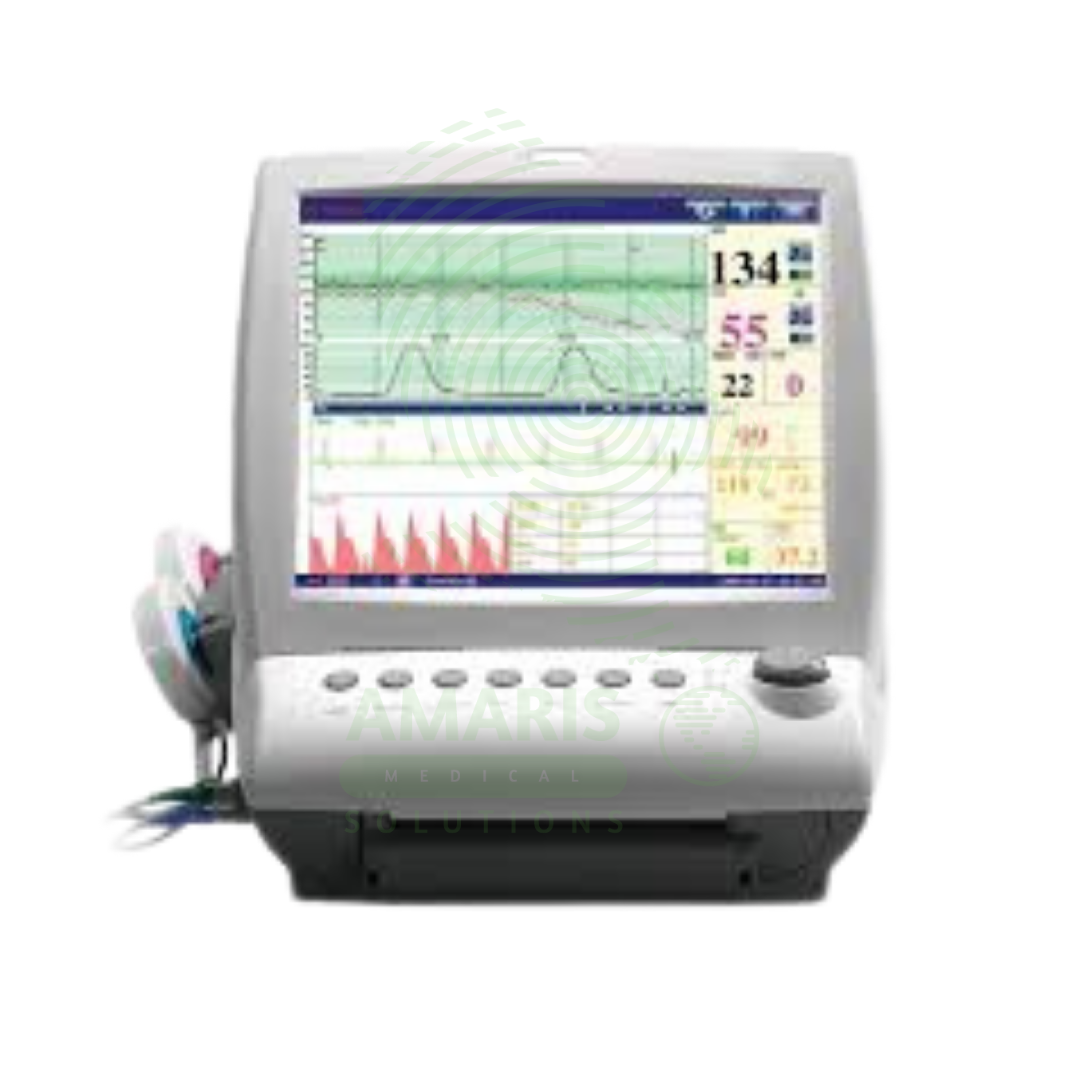
Fetal & Maternal Monitor
WhatsApp Order
A Fetal & Maternal Monitor is an electronic monitoring system that simultaneously records fetal heart rate (via external ultrasound or internal scalp electrode), uterine contractions (via external tocodynamometer or intrauterine pressure catheter), and maternal vital signs (blood pressure, heart rate, oxygen saturation). Used for antepartum and intrapartum fetal assessment, non-stress tests, contraction stress tests, and monitoring of high-risk pregnancies including gestational diabetes, hypertensive disorders, and multiple gestations. Features high-resolution display, continuous paper recording, alarm systems for fetal distress, and data storage for medical records. External monitoring is non-invasive for routine use; internal monitoring provides more accurate data but requires ruptured membranes and cervical dilation. Class II medical device requiring FDA clearance and qualified interpretation of fetal heart rate patterns. Essential for assessing fetal well-being and guiding obstetric interventions.
Description
Fetal & Maternal Monitor
PRIMARY CLINICAL & DIAGNOSTIC USES
1. Antepartum Fetal Heart Rate Monitoring:
-
Primary Use: Provides non-invasive assessment of fetal heart rate patterns in outpatient settings, allowing detection of fetal distress, arrhythmias, or other cardiac abnormalities during routine prenatal visits. Continuous monitoring helps identify fetuses at risk for adverse outcomes.
-
How it helps: Gives expectant parents and their doctors peace of mind by providing a window into the baby’s well-being, catching potential problems early so interventions can be planned before emergencies develop.
2. Maternal Uterine Contraction Monitoring:
-
Primary Use: Records frequency, duration, and intensity of uterine contractions in pregnant patients, essential for assessing labor progression, identifying preterm labor, and managing high-risk pregnancies.
-
How it helps: Provides objective data about what a mother is feeling, helping doctors distinguish between normal practice contractions and true labor that requires hospital care, and monitoring labor progress to ensure safe delivery.
3. Fetal Movement and Activity Assessment:
-
Primary Use: Tracks fetal movement patterns to ensure adequate fetal activity levels, with reduced movement potentially indicating fetal compromise requiring further evaluation.
-
How it helps: Gives doctors insight into the baby’s health between visits, as changes in movement patterns can be an early warning sign that the baby needs additional monitoring or intervention.
4. Non-Stress Test (NST) Administration:
-
Primary Use: Performs standardized non-stress tests to assess fetal well-being by evaluating heart rate accelerations in response to fetal movement, a routine screening tool in high-risk pregnancies.
-
How it helps: Provides reassurance that a baby is getting enough oxygen and is healthy, especially in high-risk pregnancies where conditions like diabetes or hypertension might affect the baby’s well-being.
5. Biophysical Profile Component:
-
Primary Use: Provides fetal heart rate data as a component of the biophysical profile, combining with ultrasound assessment of fetal breathing, movement, tone, and amniotic fluid volume.
-
How it helps: Contributes to a comprehensive picture of fetal health, helping doctors make informed decisions about delivery timing and interventions when concerns arise.
6. Maternal Vital Signs Monitoring:
-
Primary Use: Monitors maternal blood pressure, heart rate, and oxygen saturation during pregnancy and labor, essential for detecting preeclampsia, hemorrhage, or other maternal complications.
-
How it helps: Protects the mother’s health by watching for dangerous changes in her vital signs, allowing rapid intervention when conditions like preeclampsia threaten to harm her or her baby.
7. Twin Gestation Monitoring:
-
Primary Use: Simultaneously monitors heart rates of twin fetuses, allowing detection of twin-to-twin transfusion syndrome, discordant growth, or other complications unique to multiple gestations.
-
How it helps: Gives parents of twins the specialized monitoring their pregnancy requires, detecting complications that can develop when babies share a womb and ensuring both receive the care they need.
SECONDARY & SUPPORTIVE USES
1. Fetal Acoustic Stimulation Testing: Used in conjunction with acoustic stimulator to assess fetal heart rate response to sound stimulation, providing additional information about fetal well-being.
2. Contraction Stress Test (CST) Administration: Monitors fetal heart rate response to induced contractions to assess uteroplacental insufficiency, helping determine if the placenta is providing enough oxygen to the baby.
3. Post-Term Pregnancy Surveillance: Serial monitoring of post-term pregnancies to ensure fetal well-being and guide delivery timing, preventing complications that can arise when pregnancies continue too long.
4. Gestational Diabetes Management: Monitors fetal heart rate patterns in pregnancies complicated by gestational diabetes to detect signs of fetal distress, protecting babies whose mothers have this condition.
5. Hypertensive Disorders in Pregnancy: Close maternal blood pressure monitoring in patients with gestational hypertension or preeclampsia, allowing early detection of worsening disease and timely intervention.
KEY PRODUCT FEATURES
1. BASIC IDENTIFICATION ATTRIBUTES
-
Device Type: Electronic monitoring system that simultaneously records fetal heart rate, uterine contractions, and maternal vital signs.
-
Common Names: Fetal Monitor, Fetal Doppler, Cardiotocograph (CTG), Maternal-Fetal Monitor, Obstetric Monitor.
-
Monitoring Modes: External (transabdominal ultrasound and tocodynamometer) and internal (fetal scalp electrode and intrauterine pressure catheter).
-
Display: High-resolution color LCD showing fetal heart rate, contraction patterns, and maternal vitals in real-time.
-
Recording: Continuous paper printout (thermal) and digital storage of monitoring strips.
2. TECHNICAL & PERFORMANCE PROPERTIES
-
Fetal Heart Rate Monitoring:
-
External Ultrasound Transducer: 1-2 MHz pulsed Doppler ultrasound; detects fetal heart motion.
-
Internal Fetal Scalp Electrode: Direct ECG from fetal scalp; more accurate, requires ruptured membranes.
-
Heart Rate Range: 30-240 bpm; accuracy ±2 bpm.
-
Auto-Correlation: Signal processing to reject artifacts and improve tracing quality.
-
-
Uterine Contraction Monitoring:
-
External Tocodynamometer: Pressure-sensitive transducer on abdomen; measures contraction frequency and duration.
-
Intrauterine Pressure Catheter: Direct measurement of intrauterine pressure; quantitative contraction intensity.
-
Pressure Range: 0-100 mmHg (external); 0-300 mmHg (internal).
-
-
Maternal Vital Signs:
-
Blood Pressure: Automated oscillometric BP monitoring; systolic, diastolic, MAP.
-
Heart Rate: ECG or pulse oximetry; continuous display.
-
Oxygen Saturation: Pulse oximetry; SpO₂ monitoring.
-
-
Alarm Systems: Audible and visual alarms for fetal bradycardia, tachycardia, decelerations, and maternal vital sign abnormalities.
-
Data Storage: Internal memory for 24-72 hours of continuous monitoring; USB or network export.
3. PHYSICAL & OPERATIONAL PROPERTIES
-
Main Unit: Console with display, controls, and recording mechanism; 15-25 lbs.
-
Transducers: Ultrasound (2-4 oz), tocodynamometer (2-4 oz), fetal scalp electrode cable.
-
Maternal Cuff: Standard adult BP cuff with tubing.
-
Pulse Oximeter: Finger or forehead sensor with cable.
-
Paper: Thermal recording paper; standard width 150 mm or 200 mm.
-
Mounting: Cart-mounted for portability; wall-mounted in labor rooms.
-
Power: AC power with battery backup for transport and power outages.
4. SAFETY & COMPLIANCE ATTRIBUTES
-
Regulatory Status: Class II medical device requiring FDA 510(k) clearance.
-
Intended Use: Indicated for antepartum and intrapartum fetal and maternal monitoring in hospital and clinical settings.
-
Ultrasound Safety: Output within FDA limits for diagnostic ultrasound (MI < 1.9, TI < 1.0).
-
Electrical Safety: Compliant with IEC 60601-1 for medical electrical equipment; Type BF applied parts.
-
Internal Electrode Safety: Sterile, single-use fetal scalp electrodes; strict infection control protocols.
-
Alarm Management: Audible alarms at 55-85 dB; visual indicators; alarm pause and reset functions.
-
Data Integrity: Secure storage of monitoring data for medical records; compliance with HIPAA.
5. STORAGE & HANDLING ATTRIBUTES
-
Storage: Store in clean, dry environment; protect transducers from damage; maintain battery charge.
-
Transducer Care: Clean ultrasound transducers with approved disinfectant between patients; use sterile covers for internal exams.
-
Calibration: Annual calibration verification by biomedical engineering; tocodynamic zeroing before each use.
-
Paper Replacement: Load thermal paper correctly; store paper in cool, dry place.
-
Inspection: Check cables, transducers, and connections before each use; verify alarm function.
6. LABORATORY & CLINICAL APPLICATIONS
-
Primary Application: Continuous or intermittent monitoring of fetal heart rate and uterine contractions, combined with maternal vital signs, for assessment of fetal well-being and maternal status during pregnancy and labor.
-
Limitation: External monitoring may be less accurate in obese patients, with excessive fetal movement, or in early gestation; internal monitoring requires ruptured membranes and cervical dilation.
SAFETY HANDLING PRECAUTIONS
1. SAFETY PRECAUTIONS
-
Ultrasound Safety: Use lowest power necessary to obtain adequate signal; follow ALARA principle (As Low As Reasonably Achievable).
-
Internal Electrode Use: Strict sterile technique required; contraindicated in active maternal infections (HIV, hepatitis, HSV).
-
Maternal Positioning: Position patient in left lateral tilt to avoid supine hypotension syndrome during monitoring.
-
Skin Integrity: Monitor skin under transducer belts for pressure areas; reposition periodically.
-
Alarm Response: Never disable alarms; respond promptly to all alarms.
-
Data Interpretation: Fetal heart rate patterns must be interpreted by qualified healthcare providers; patterns indicate need for intervention.
-
Infection Control: Clean transducers and cables between patients; use disposable covers for internal exams.
-
Battery Backup: Verify battery function before transport; maintain charged spare battery.
2. FIRST AID MEASURES
-
Maternal Hypotension: Reposition patient left lateral; increase IV fluids; notify provider.
-
Fetal Bradycardia: Reposition mother; administer oxygen; notify provider; prepare for possible emergency delivery.
-
Transducer Skin Irritation: Remove transducer; assess skin; use protective barrier for reapplication.
-
Equipment Malfunction: Switch to backup monitoring; notify biomedical engineering.
3. FIRE FIGHTING MEASURES
-
Flammability: Plastic console and components are combustible; thermal paper flammable.
-
Extinguishing Media: For electrical fire, use CO₂ or dry chemical (Class C) extinguisher.
-
Evacuation: Patient safety priority; disconnect power if safe; move patient away from fire.
Related products
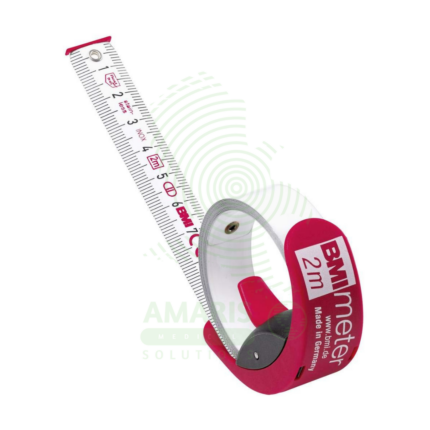
BMI Tape
A BMI Tape is a rapid screening tool that estimates an individual's Body Mass Index (BMI) category by measuring body circumference, most commonly the waist. It features a color-coded scale that directly displays BMI ranges (Underweight, Normal, Overweight, Obese), eliminating the need for separate height and weight measurements and manual calculation. While highly useful for community health screenings, wellness programs, and patient education due to its portability and simplicity, it is an approximate method. Its accuracy is limited compared to BMI calculated from precise clinical measurements, and it should be used as an initial screening indicator rather than a definitive diagnostic tool.
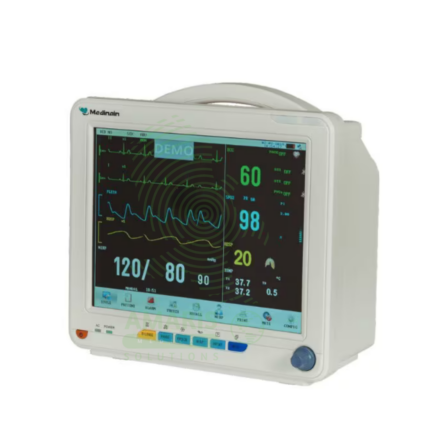
ECG Machine
An ECG Machine is a Class II medical device that records and displays the electrical activity of the heart through surface electrodes, producing an electrocardiogram for diagnosis of cardiac conditions. Standard diagnostic machines record 12 simultaneous leads (3 limb, 6 precordial, 1 ground) with frequency response 0.05-150 Hz, sampling rate 500-1,000 Hz, and high-resolution (5-10 µV) signal acquisition. Features include color touchscreen display, thermal array printer, computerized interpretation algorithms, internal memory (50-500+ ECGs), and network connectivity for EMR integration. Lead wires (AHA or IEC color coding) connect to disposable adhesive electrodes. Portable models (5-15 kg) with rechargeable batteries enable bedside and mobile use; cart-mounted units provide full diagnostic capability. Primary clinical applications include diagnosis of arrhythmias (AF, VT, bradycardia), detection of myocardial ischemia/infarction (STEMI, NSTEMI), evaluation of chest pain, preoperative cardiac risk assessment, monitoring electrolyte imbalances, assessment of chamber enlargement, and drug effect/toxicity monitoring. Essential diagnostic equipment in emergency departments, cardiology clinics, ICUs, operating rooms, and primary care settings worldwide.
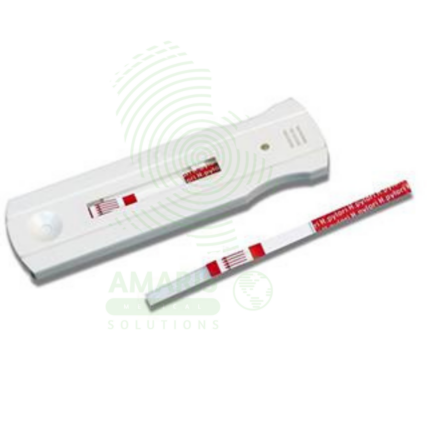
H. pylori Test Strips
H. pylori Test Strips are rapid, lateral flow immunochromatographic devices used for the qualitative detection of Helicobacter pylori antigens in human stool. As a non-invasive stool antigen test (SAT), it provides a convenient and reliable method for diagnosing active H. pylori infection and confirming eradication after therapy, with results available in under 15 minutes. Ideal for use in clinics and outpatient settings, it aids in the management of dyspepsia and peptic ulcer disease. Proper sample handling, adherence to pre-test medication restrictions, and strict biohazard precautions are essential for obtaining accurate results.

Littman Stethoscope (Classic 4 Cardiology)
A Littman Stethoscope (Classic 4 Cardiology) represents the pinnacle of acoustic auscultation technology. Designed for clinicians who require the highest level of diagnostic accuracy, it features dual tunable diaphragms and dual-lumen tubing to provide exceptional acoustic sensitivity and ambient noise reduction. Its innovative design allows the user to hear both high and low-frequency sounds by simply adjusting pressure on either side of the chestpiece, making it the instrument of choice for cardiologists, intensivists, and specialists who cannot afford to miss a subtle murmur, rub, or breath sound. It combines superior performance with the durability and comfort expected from the Littmann brand.
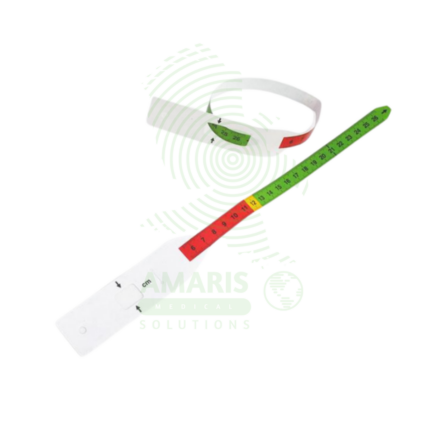
MUAC Tape
A MUAC Tape (Mid-Upper Arm Circumference) is a specialized, color-coded measuring tape used globally as the primary field tool for screening children aged 6-59 months for acute malnutrition. Its simple design—featuring red, yellow, and green zones corresponding to Severe Acute Malnutrition, Moderate Acute Malnutrition, and normal nutritional status—allows for instant, non-invasive assessment without the need for scales, calculation, or literacy. Durable, portable, and inexpensive, it is the cornerstone of community-based nutrition programs, emergency relief efforts, and public health surveillance, enabling early detection and life-saving intervention for malnourished children in even the most resource-constrained settings.
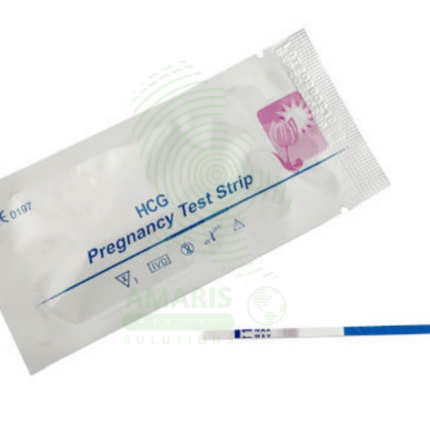
Pregnancy Test Strips
Pregnancy Test Strips are simple, dip-style lateral flow devices designed for the rapid, qualitative detection of human chorionic gonadotropin (hCG) in urine to indicate pregnancy. As the most fundamental format of home pregnancy tests, they offer high sensitivity (often from 10 mIU/mL), affordability, and a quick result within 3-5 minutes. Their ease of use makes them a widely accessible first step in pregnancy detection for personal use and clinical screening. A visible test line, even if faint, is a positive result, though confirmation with a healthcare provider is always recommended.
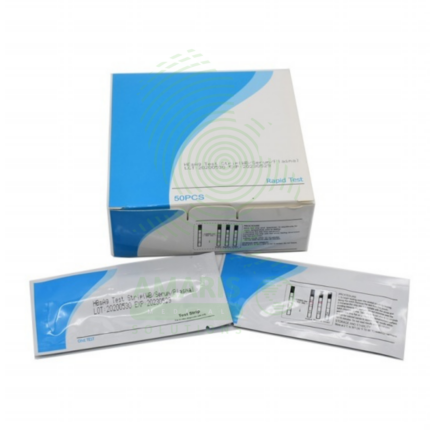
Rapid Test Kits (HIV, HBV, HCV, Malaria)
Rapid Test Kits for HIV, HBV, HCV, and Malaria are single-use, immunochromatographic devices designed for the quick, preliminary screening of these critical infectious diseases at the point of care. By detecting specific antibodies or antigens in a small blood sample (or oral fluid for some HIV tests), they provide a visual result within 15-30 minutes without the need for laboratory equipment. Their primary role is to expand access to testing in community and resource-limited settings, enabling immediate counseling, triage, and referral for confirmatory testing and treatment. As essential tools in public health, they are characterized by their simplicity, speed, and critical importance in early diagnosis and outbreak response.