Dermatoscope and Magnifiers
 Diagnostic Kits
 Vital Signs Monitors
 Stethoscopes and Accessories
 Otoscopes, Ophthalmoscopes, and Retinoscopes
 Reflex Hammers and Neurological Tools
 Scales and Measuring Devices
 Spirometers and Pulmonary Function Tests
 Electrosurgical Units and Accessories
 Cutting Instruments
 Grasping and Holding Instruments
 Hemostatic Instruments
 Specialized Surgical Sets
 Single-Use Procedure Trays and Packs
 Surgical Drapes, Gowns, and Covers
 Tissue Unifying Instruments
 Radiation Protection
 X-Ray Machines and Accessories
 Ultrasound Systems and Probes
 MRI and CT Scanners
 Radiology Consumables
 Bone Densitometers
 Fluoroscopy Equipment
 Imaging Tables and Positioning Aids
 Microscopes and Accessories
 Centrifuges and Separators
 Analyzers
 Incubators and Ovens
 Pipettes, Dispensers, and Lab Glassware
 Refrigerators, Freezers, and Storage Units
 Lab Consumables
 Sterilizers and Autoclaves for Lab Use
 Multi-Parameter Monitors
 Ventilators and Respiratory Support Devices
 Defibrillators and AEDs
 Infusion Pumps and IV Systems
 Patient Warmers and Cooling Devices
 Central Monitoring Stations
 Accessories
 Anesthesia Machines and Workstations
 Oxygen Concentrators and Delivery Systems
 Nebulizers and Inhalers
 CPAP/BiPAP Machines
 Airway Management
 Anesthesia Masks, Circuits, and Bags
 Humidifiers and Heaters
 Respiratory Therapy Accessories
 First Aid Kits and Cabinets
 Emergency Resuscitation Equipment
 Trauma Supplies
 Emergency Carts and Crash Carts
 Burn Care Products
 Bleeding Control
 Automated External Defibrillators (AEDs)
 Transport and Evacuation
 Wheelchairs and Accessories
 Walkers, Crutches, and Canes
 Prosthetics and Orthotics
 Physical Therapy Equipment
 Transfer Devices
 Bathroom Safety
 Orthopedic Traction and Tables
 Hot/Cold Therapy Packs and Units
 Beds and Mattresses
 Chairs and Stools
 Tables
 Cabinets and Storage
 Privacy Screens & Curtains
 Stands and Racks
 Linens and Textiles
 Lighting
 Autoclaves and Sterilizers
 Ultrasonic Cleaners
 Disinfectant Solutions and Wipes
 Sterilization Pouches, Wraps, and Indicators
 Instrument Trays and Containers
 UV and Ozone Disinfection Devices
 Washer Disinfectors
 Wound Care
 Gloves
 Masks and Respirators
 Catheters and Tubing
 Swabs, Applicators, and Sponges
 Incontinence Products
 Personal Protective Equipment (PPE)
 Dental Chairs and Units
 Handpieces and Burs
 Instruments
 Consumables
 Sterilization for Dental Use
 Orthodontic Supplies
 Endodontic Tools
 Slit Lamps and Tonometers
 Lensometers and Phoropters
 Ophthalmic Surgical Instruments
 Eyewear Frames and Lenses
 Contact Lens Supplies
 Vision Testing Charts and Devices
 Eye Care Consumables
 Laser Systems for Eye Care
 ENT Exam Chairs and Tables
 Endoscopes
 Audiometers and Hearing Tests
 ENT Instruments
 Nasal and Throat Packs
 Hearing Aids and Accessories
 Otology Supplies
 Fetal Dopplers and Monitors
 Delivery Beds and Tables
 Gynecological Instruments
 Neonatal Incubators and Warmers
 Breast Pumps and Accessories
 Contraceptive Devices
 Maternity Supports and Pads
 Neonatal Consumables
 Cystoscopes and Urethroscopes
 Dialysis Machines and Supplies
 Urological Catheters and Bags
 Lithotripters
 Prostate Treatment Devices
 Urinary Incontinence Products
 Kidney Stone Management Tools
 Consumables & Disposables
 EEG and EMG Machines
 Neurosurgical Instruments
 Nerve Stimulators
 Headrests and Positioning Aids
 Lumbar Puncture Kits
 Seizure Monitoring Devices
 Consumables
 Rehabilitation for Neurological Conditions
 ECG Machines and Accessories
 Holter Monitors
 Stress Test Systems
 Pacemakers and Defibrillator Accessories
 Vascular Access Devices
 Cardiac Catheters and Guidewires
 Blood Flow Meters
 Consumables
 Orthopedic Instruments
 Casts, Splints, and Padding
 Joint Replacement Supplies
 Prosthetic Limbs and Components
 Bone Grafts and Substitutes
 Traction Devices
 Orthopedic Braces and Supports
 Rehabilitation Aids for Orthopedics
 Home Oxygen Therapy
 Hospital Beds for Home Use
 Mobility Aids
 Bathroom and Daily Living Aids
 Wound Care for Home
 Monitoring Devices
 Enteral Feeding Pumps and Tubes
 Hand Sanitizers and Dispensers
 Face Shields and Goggles
 Isolation Gowns and Suits
 Biohazard Waste Containers
 Air Purifiers and HEPA Filters
 Surface Disinfectants
 Sharps Containers
 Protective Barriers
 Cardiovascular & Endurance Training
 Strength Training & Weightlifting
 Functional Training & Core Conditioning
 Physical Therapy & Rehabilitation
 Sports & Outdoor Recreation
 Gym Flooring & Facility Equipment
 Fitness Monitoring & Accessories
 Kids & Novelties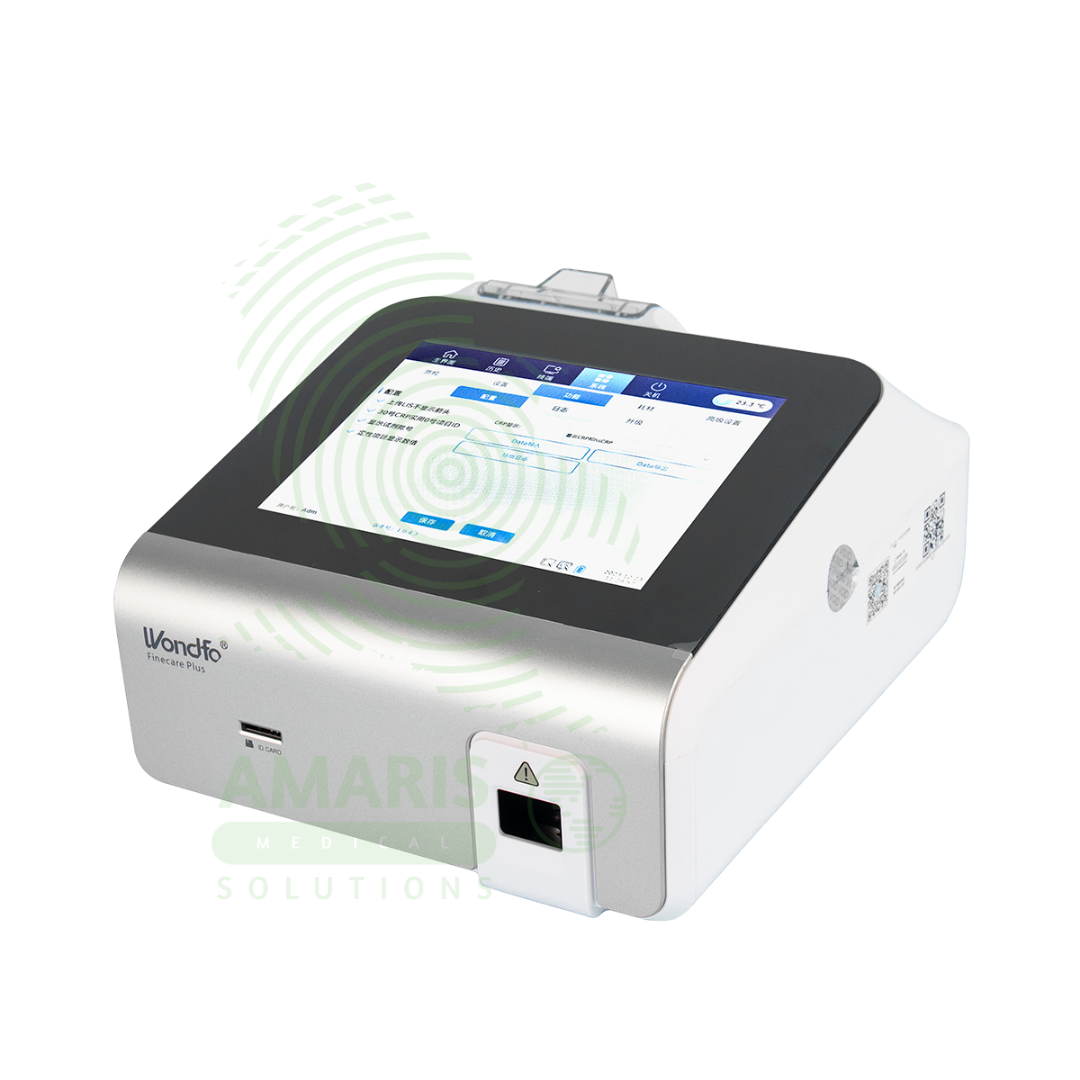
Finecare Analyzer
$1.00
WhatsApp Order
The Finecare Analyzer is a Class II medical device (FDA-cleared, CE-marked) fluorescence immunoassay system manufactured by Wondfo Biotech for quantitative detection of cardiac markers (troponin I, CK-MB, myoglobin), inflammatory markers (CRP, procalcitonin), thyroid hormones (TSH, FT3, FT4), diabetes markers (HbA1c), reproductive hormones (LH, FSH, prolactin), tumor markers (AFP, CEA, PSA), and infectious disease markers. Features include time-resolved fluorescence technology, color touchscreen interface, built-in printer (select models), USB/Ethernet connectivity, and internal rechargeable battery for portable use. Test time 3-15 minutes, sample volume 50-100 µL (whole blood, serum, plasma). Primary clinical applications include rapid diagnosis of acute myocardial infarction in chest pain patients, early detection of sepsis and bacterial infections, thyroid disorder diagnosis and monitoring, long-term glycemic control assessment in diabetes, fertility and reproductive health evaluation, cancer screening and surveillance, and infectious disease testing in endemic and clinical settings. Critical safety precautions include proper test cartridge storage (2-8°C), regular quality control, biohazard safety protocols, and operator training. Essential point-of-care testing system for hospitals, clinics, and remote healthcare facilities requiring rapid, quantitative results.
Description
Finecare Analyzer
PRIMARY CLINICAL & DIAGNOSTIC USES
1. Quantitative Detection of Cardiac Markers:
-
Primary Use: The Finecare Analyzer is a fluorescence immunoassay system used for quantitative measurement of cardiac markers including troponin I (cTnI), CK-MB, and myoglobin in human serum, plasma, or whole blood, enabling rapid diagnosis of acute myocardial infarction and risk stratification in patients presenting with chest pain.
-
How it helps: Provides emergency physicians with rapid, lab-quality cardiac test results at the bedside, confirming or ruling out heart attacks in minutes so patients receive appropriate care without delay.
2. Inflammation and Sepsis Marker Assessment:
-
Primary Use: Used to measure procalcitonin (PCT), C-reactive protein (CRP), and interleukin-6 (IL-6) for early detection and monitoring of bacterial infections, sepsis, and systemic inflammatory response syndrome (SIRS) in critically ill patients.
-
How it helps: Gives intensive care teams early warning of sepsis, allowing them to start antibiotics and other treatments before patients deteriorate, potentially saving lives.
3. Thyroid Function Testing:
-
Primary Use: Provides quantitative measurement of thyroid-stimulating hormone (TSH), free T3 (FT3), and free T4 (FT4) for diagnosis and monitoring of thyroid disorders including hypothyroidism, hyperthyroidism, and thyroiditis.
-
How it helps: Helps patients and their doctors understand whether fatigue, weight changes, or mood symptoms are caused by thyroid problems, guiding hormone replacement or suppression therapy.
4. Diabetes Management and Monitoring:
-
Primary Use: Used for quantitative measurement of hemoglobin A1c (HbA1c) for long-term glycemic control assessment in diabetic patients, enabling treatment adjustments and monitoring of diabetes management effectiveness.
-
How it helps: Provides diabetics and their healthcare providers with a clear picture of blood sugar control over the past three months, guiding treatment decisions that can prevent devastating complications.
5. Hormone and Reproductive Health Testing:
-
Primary Use: Measures hormones including luteinizing hormone (LH), follicle-stimulating hormone (FSH), prolactin (PRL), progesterone, and testosterone for evaluation of fertility issues, menstrual disorders, and endocrine abnormalities.
-
How it helps: Supports individuals and couples on their journey to parenthood by providing essential hormone data that helps fertility specialists diagnose and treat underlying causes of infertility.
6. Tumor Marker Quantification:
-
Primary Use: Used for quantitative detection of tumor markers including alpha-fetoprotein (AFP), carcinoembryonic antigen (CEA), prostate-specific antigen (PSA), and CA-125 for cancer screening, treatment monitoring, and recurrence surveillance.
-
How it helps: Helps oncologists track how well cancer treatments are working and monitor for signs of recurrence, providing valuable information that guides ongoing cancer care.
7. Infectious Disease Testing:
-
Primary Use: Measures specific antibodies or antigens for infectious diseases including dengue, malaria, and hepatitis, providing rapid quantitative results for patient management in endemic and clinical settings.
-
How it helps: Provides rapid diagnosis of tropical and infectious diseases in areas where they are most common, allowing for prompt treatment and preventing further spread.
SECONDARY & SUPPORTIVE USES
1. Therapeutic Drug Monitoring: Used to measure drug levels in patients on specific medications requiring close monitoring, ensuring therapeutic effectiveness and preventing toxicity.
2. Nutritional Status Assessment: Measures vitamin D, ferritin, and other nutritional markers for assessment of deficiencies, guiding supplementation and dietary interventions.
3. Autoimmune Disease Markers: Quantitative measurement of autoimmune markers for conditions such as rheumatoid arthritis and lupus, aiding in diagnosis and monitoring.
4. Renal Function Assessment: Measurement of cystatin C and other renal markers for kidney disease evaluation, helping detect and monitor kidney problems.
5. Bone Metabolism Markers: Assessment of markers such as vitamin D and PTH for bone health and metabolic bone disease, supporting management of osteoporosis and other bone conditions.
6. Research and Clinical Trials: Used in research settings for quantitative measurement of various analytes in clinical studies, contributing to medical advances.
7. Point-of-Care Testing in Remote Settings: Portable design enables testing in physician offices, community clinics, and remote healthcare facilities, bringing advanced diagnostic capability to underserved areas.
KEY PRODUCT FEATURES
1. BASIC IDENTIFICATION ATTRIBUTES
-
Product Type: Fluorescence immunoassay analyzer for quantitative detection of various clinical biomarkers.
-
Common Names: Finecare Analyzer, Finecare FIA Meter, Fluorescence Immunoassay Analyzer, Point-of-Care Testing System.
-
Manufacturer: Wondfo Biotech (Guangzhou Wondfo Biotech Co., Ltd.).
-
Measurement Principle: Fluorescence immunoassay (FIA) using europium chelate-labeled detection antibodies.
-
Sample Types: Whole blood (venous or fingerstick), serum, or plasma.
-
Test Time: 3-15 minutes depending on parameter.
-
Throughput: Up to 30-60 tests per hour depending on model.
-
Display: High-resolution color touchscreen (4.3-7 inches depending on model).
-
Connectivity: USB, Ethernet, and optional Wi-Fi for data transfer and LIS/HIS integration.
-
Power Source: AC adapter (100-240V) with internal rechargeable battery for portable use.
2. TECHNICAL & PERFORMANCE PROPERTIES
-
Measurement Method: Time-resolved fluorescence immunoassay.
-
Detection Sensitivity: pg/mL range for most analytes.
-
Linearity: High correlation (R² >0.99) with reference methods.
-
Precision: CV <10% for most assays.
-
Calibration: Factory calibrated; QC required with each test cartridge.
-
Test Cartridges: Single-use, disposable cartridges containing all reagents for specific tests.
-
Onboard Memory: Stores up to 10,000 test results with date, time, and patient ID.
-
Quality Control: Built-in system controls; external controls available.
-
Language Options: Multi-language interface.
3. PHYSICAL & OPERATIONAL PROPERTIES
-
Dimensions: 200-250 mm × 200-250 mm × 150-200 mm (varies by model).
-
Weight: 2-4 kg (portable).
-
Display: 4.3-7 inch color touchscreen with intuitive interface.
-
Printer: Built-in thermal printer on some models; external printer option.
-
Ports: USB, Ethernet, RS-232.
-
Barcode Reader: Optional integrated or external barcode scanner.
-
Operating Temperature: 10-30°C.
-
Operating Humidity: 10-80% non-condensing.
4. SAFETY & COMPLIANCE ATTRIBUTES
-
Regulatory Status: Class II medical device requiring FDA 510(k) clearance; CE marked for IVD use.
-
Quality Standards: Manufactured under ISO 13485.
-
Electrical Safety: Compliant with IEC 60601-1.
-
EMC Compliance: IEC 60601-1-2.
-
Biocompatibility: Test cartridges meet ISO 10993 for blood contact.
-
Data Security: Compliant with relevant data protection regulations.
-
Calibration: Factory calibrated; field calibration not required.
-
Quality Control: Built-in system checks; external controls available.
5. STORAGE & HANDLING ATTRIBUTES
-
Storage: Store analyzer in clean, dry environment at 10-30°C; protect from dust and direct sunlight.
-
Test Cartridge Storage: Store at 2-8°C (refrigerated); some cartridges may have different storage requirements.
-
Sample Handling: Test fresh samples within 4 hours; refrigerate if delayed.
-
Cleaning: Wipe exterior with soft, damp cloth; use approved disinfectant wipes.
-
Calibration Verification: Run quality control materials per laboratory protocol.
-
Battery Maintenance: Keep battery charged for portable use; replace as needed.
-
Software Updates: Install manufacturer updates as available.
6. LABORATORY & CLINICAL APPLICATIONS
-
Primary Application: Quantitative measurement of cardiac markers, inflammatory markers, thyroid hormones, diabetes markers, reproductive hormones, tumor markers, and infectious disease markers using fluorescence immunoassay technology.
-
Test Menu (varies by region and cartridge availability):
-
Cardiac: Troponin I, CK-MB, Myoglobin, NT-proBNP, D-dimer.
-
Inflammation: CRP, Procalcitonin (PCT), IL-6, SAA.
-
Thyroid: TSH, FT3, FT4, T3, T4.
-
Diabetes: HbA1c, Microalbumin, Glucose.
-
Hormones: LH, FSH, PRL, Progesterone, Testosterone, β-hCG.
-
Tumor Markers: AFP, CEA, PSA, CA-125, CA-19-9.
-
Infectious Diseases: Dengue NS1, Dengue IgG/IgM, Malaria, Hepatitis B/C.
-
Nutritional: Vitamin D, Ferritin, Folate, Vitamin B12.
-
Renal: Cystatin C, Microalbumin, Creatinine.
-
-
Sample Volume: 50-100 µL typically.
-
Quality Control: Run controls with each new lot of test cartridges and as required by laboratory protocol.
SAFETY HANDLING PRECAUTIONS
1. SAFETY PRECAUTIONS
-
Electrical Safety: Use only supplied power adapter; protect from liquid spills.
-
Biohazard Safety: All samples potentially infectious; wear appropriate PPE.
-
Test Cartridge Handling: Do not use expired cartridges; allow to reach room temperature before use.
-
Quality Control: Regular QC essential for valid results.
-
Cleaning: Do not immerse analyzers; use approved cleaning agents.
-
Calibration: Factory calibrated; do not attempt field calibration.
-
Data Backup: Regularly export or backup stored results.
-
Training: Operators should be trained on proper use and QC procedures.
2. FIRST AID MEASURES
-
Sample Spill: Contain with absorbent material; disinfect area with 10% bleach solution.
-
Eye Contact with Sample or Reagents: Flush with copious water for 15 minutes; seek medical attention.
-
Electrical Malfunction: Disconnect power; do not use until serviced.
-
Needlestick Injury (if using lancets): Wash area vigorously with soap and water; report immediately.
3. FIRE FIGHTING MEASURES
-
Flammability: Plastic components and reagents are combustible.
-
Extinguishing Media: For electrical fire, use CO₂ or dry chemical (Class C) extinguisher.
-
Power Off: Disconnect power if safe to do so.
Related products
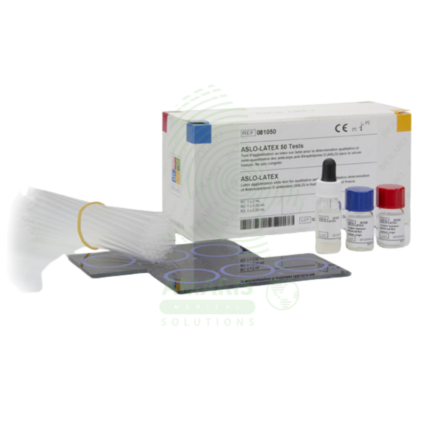
Anti-Streptol Olysin O Titer (ASOT)
Anti-Streptol Olysin O Titer (ASOT) is a quantitative or semi-quantitative serological test (latex agglutination, turbidimetry, nephelometry, or ELISA) for detecting antibodies against streptolysin O, an exotoxin produced by Group A Streptococcus. Elevated or rising titers indicate recent streptococcal infection and are essential for diagnosing post-streptococcal sequelae including acute rheumatic fever (Jones criteria) and post-streptococcal glomerulonephritis. The test requires serum samples; acute and convalescent (2-4 weeks apart) with fourfold rise confirms recent infection. Reference range typically <200-250 Todd units/mL (adults), varies by age and population. Primary clinical applications include diagnosis of Group A streptococcal infections, acute rheumatic fever evaluation, post-streptococcal glomerulonephritis diagnosis, differentiation of acute vs. past infection, evaluation of unexplained arthritis or carditis, pediatric inflammatory conditions (PANDAS), and monitoring disease activity in rheumatic fever. Critical safety precautions include proper timing of acute and convalescent samples, awareness of false negatives/positives, clinical correlation for diagnosis, and standard biohazard precautions. Essential test for rheumatology, nephrology, cardiology, and infectious disease practice.
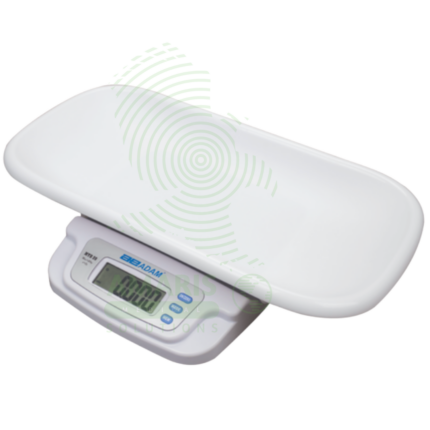
Digital Baby Weighing Scale
A Digital Baby Weighing Scale is a high-precision medical device designed exclusively for the safe and accurate measurement of infant and toddler weight. Featuring a stable, hygienic platform with gram-level precision, it is indispensable in hospitals (especially NICUs), pediatric clinics, and community health settings. Its core functions—such as hold, tare, and zeroing—ensure reliable readings even with a moving child. Accurate weight data is foundational for assessing growth, calculating medication doses, managing nutrition, and detecting early signs of health issues, making this scale a critical tool for safeguarding infant health and development.
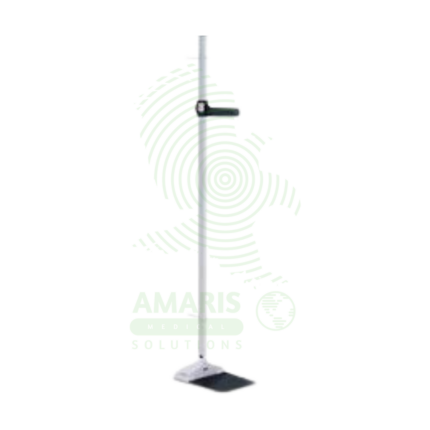
Height Board
A Height Board, or stadiometer, is a precision medical instrument designed for the accurate measurement of human stature. As a wall-mounted or portable device featuring a vertical scale and a sliding horizontal headpiece, it is the clinical standard for obtaining height. This measurement is foundational for calculating Body Mass Index (BMI), tracking growth in children, screening for nutritional issues, and assessing adults for conditions like osteoporosis. Its accuracy, dependent on proper installation and technique, makes it an indispensable tool in pediatrics, primary care, nutrition, and public health
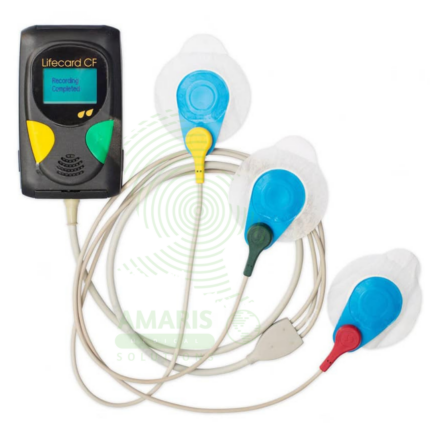
Holter ECG Monitor
A Holter ECG Monitor is a portable, wearable medical device used for continuous, long-term recording of a patient's heart's electrical activity over 24 to 48 hours or more. It is the cornerstone diagnostic tool for detecting intermittent cardiac arrhythmias, evaluating unexplained symptoms like syncope or palpitations, and monitoring the efficacy of antiarrhythmic treatments or implanted cardiac device function. Consisting of a small digital recorder connected to chest electrodes (or an all-in-one adhesive patch), it allows patients to maintain their normal daily routine while capturing a comprehensive electrocardiographic record.
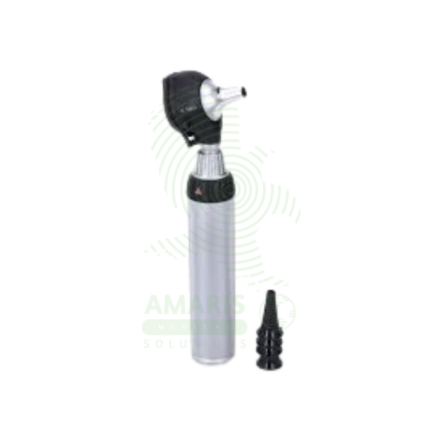
LED Otoscope
An LED Otoscope is a handheld medical device used for illuminating and magnifying the external ear canal and tympanic membrane. Featuring a bright, cool, and long-lasting LED light source, it provides superior visualization for diagnosing common conditions like ear infections, wax impaction, and perforations. Its design, incorporating a reusable handle/head and disposable specula, ensures hygiene and patient safety. As an essential tool in family medicine, pediatrics, and ENT, it enables clinicians to perform accurate otoscopic examinations and, when equipped with an insufflator, crucial pneumatic otoscopy to assess middle ear function.
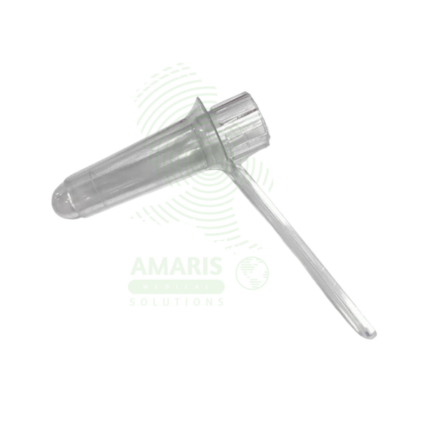
Proctoscope
A Proctoscope is a rigid, straight-tube endoscope specifically designed for the examination and treatment of the anal canal and distal rectum. It enables direct visualization to diagnose conditions like hemorrhoids, fissures, and proctitis, and serves as a conduit for therapeutic procedures such as band ligation. Available in reusable (autoclavable metal) or disposable (single-use plastic) formats, it is a fundamental tool in colorectal practice. Its effective use requires proper patient preparation, gentle insertion technique, and stringent adherence to sterilization protocols to ensure patient safety and diagnostic accuracy.
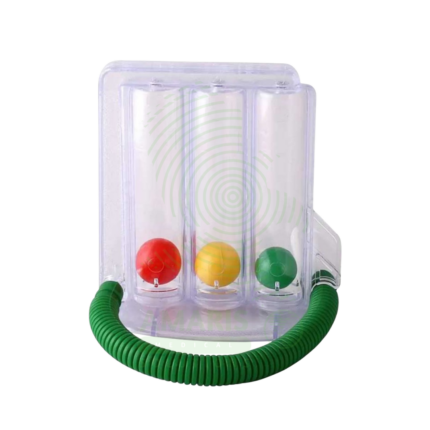
Spirometer
A Spirometer is an essential diagnostic medical device used to measure how much and how quickly air can be inhaled and exhaled by the lungs. By performing forced breathing maneuvers, it generates key parameters—primarily Forced Vital Capacity (FVC) and Forced Expiratory Volume in 1 second (FEV1)—that are fundamental for diagnosing and monitoring obstructive and restrictive lung diseases like Asthma and COPD. Requiring daily calibration and strict adherence to international standards (ATS/ERS), it provides the objective, reproducible data needed for clinical decision-making in pulmonology, primary care, occupational health, and pre-operative assessment.