Dermatoscope and Magnifiers
 Diagnostic Kits
 Vital Signs Monitors
 Stethoscopes and Accessories
 Otoscopes, Ophthalmoscopes, and Retinoscopes
 Reflex Hammers and Neurological Tools
 Scales and Measuring Devices
 Spirometers and Pulmonary Function Tests
 Electrosurgical Units and Accessories
 Cutting Instruments
 Grasping and Holding Instruments
 Hemostatic Instruments
 Specialized Surgical Sets
 Single-Use Procedure Trays and Packs
 Surgical Drapes, Gowns, and Covers
 Tissue Unifying Instruments
 Radiation Protection
 X-Ray Machines and Accessories
 Ultrasound Systems and Probes
 MRI and CT Scanners
 Radiology Consumables
 Bone Densitometers
 Fluoroscopy Equipment
 Imaging Tables and Positioning Aids
 Microscopes and Accessories
 Centrifuges and Separators
 Analyzers
 Incubators and Ovens
 Pipettes, Dispensers, and Lab Glassware
 Refrigerators, Freezers, and Storage Units
 Lab Consumables
 Sterilizers and Autoclaves for Lab Use
 Multi-Parameter Monitors
 Ventilators and Respiratory Support Devices
 Defibrillators and AEDs
 Infusion Pumps and IV Systems
 Patient Warmers and Cooling Devices
 Central Monitoring Stations
 Accessories
 Anesthesia Machines and Workstations
 Oxygen Concentrators and Delivery Systems
 Nebulizers and Inhalers
 CPAP/BiPAP Machines
 Airway Management
 Anesthesia Masks, Circuits, and Bags
 Humidifiers and Heaters
 Respiratory Therapy Accessories
 First Aid Kits and Cabinets
 Emergency Resuscitation Equipment
 Trauma Supplies
 Emergency Carts and Crash Carts
 Burn Care Products
 Bleeding Control
 Automated External Defibrillators (AEDs)
 Transport and Evacuation
 Wheelchairs and Accessories
 Walkers, Crutches, and Canes
 Prosthetics and Orthotics
 Physical Therapy Equipment
 Transfer Devices
 Bathroom Safety
 Orthopedic Traction and Tables
 Hot/Cold Therapy Packs and Units
 Beds and Mattresses
 Chairs and Stools
 Tables
 Cabinets and Storage
 Privacy Screens & Curtains
 Stands and Racks
 Linens and Textiles
 Lighting
 Autoclaves and Sterilizers
 Ultrasonic Cleaners
 Disinfectant Solutions and Wipes
 Sterilization Pouches, Wraps, and Indicators
 Instrument Trays and Containers
 UV and Ozone Disinfection Devices
 Washer Disinfectors
 Wound Care
 Gloves
 Masks and Respirators
 Catheters and Tubing
 Swabs, Applicators, and Sponges
 Incontinence Products
 Personal Protective Equipment (PPE)
 Dental Chairs and Units
 Handpieces and Burs
 Instruments
 Consumables
 Sterilization for Dental Use
 Orthodontic Supplies
 Endodontic Tools
 Slit Lamps and Tonometers
 Lensometers and Phoropters
 Ophthalmic Surgical Instruments
 Eyewear Frames and Lenses
 Contact Lens Supplies
 Vision Testing Charts and Devices
 Eye Care Consumables
 Laser Systems for Eye Care
 ENT Exam Chairs and Tables
 Endoscopes
 Audiometers and Hearing Tests
 ENT Instruments
 Nasal and Throat Packs
 Hearing Aids and Accessories
 Otology Supplies
 Fetal Dopplers and Monitors
 Delivery Beds and Tables
 Gynecological Instruments
 Neonatal Incubators and Warmers
 Breast Pumps and Accessories
 Contraceptive Devices
 Maternity Supports and Pads
 Neonatal Consumables
 Cystoscopes and Urethroscopes
 Dialysis Machines and Supplies
 Urological Catheters and Bags
 Lithotripters
 Prostate Treatment Devices
 Urinary Incontinence Products
 Kidney Stone Management Tools
 Consumables & Disposables
 EEG and EMG Machines
 Neurosurgical Instruments
 Nerve Stimulators
 Headrests and Positioning Aids
 Lumbar Puncture Kits
 Seizure Monitoring Devices
 Consumables
 Rehabilitation for Neurological Conditions
 ECG Machines and Accessories
 Holter Monitors
 Stress Test Systems
 Pacemakers and Defibrillator Accessories
 Vascular Access Devices
 Cardiac Catheters and Guidewires
 Blood Flow Meters
 Consumables
 Orthopedic Instruments
 Casts, Splints, and Padding
 Joint Replacement Supplies
 Prosthetic Limbs and Components
 Bone Grafts and Substitutes
 Traction Devices
 Orthopedic Braces and Supports
 Rehabilitation Aids for Orthopedics
 Home Oxygen Therapy
 Hospital Beds for Home Use
 Mobility Aids
 Bathroom and Daily Living Aids
 Wound Care for Home
 Monitoring Devices
 Enteral Feeding Pumps and Tubes
 Hand Sanitizers and Dispensers
 Face Shields and Goggles
 Isolation Gowns and Suits
 Biohazard Waste Containers
 Air Purifiers and HEPA Filters
 Surface Disinfectants
 Sharps Containers
 Protective Barriers
 Cardiovascular & Endurance Training
 Strength Training & Weightlifting
 Functional Training & Core Conditioning
 Physical Therapy & Rehabilitation
 Sports & Outdoor Recreation
 Gym Flooring & Facility Equipment
 Fitness Monitoring & Accessories
 Kids & Novelties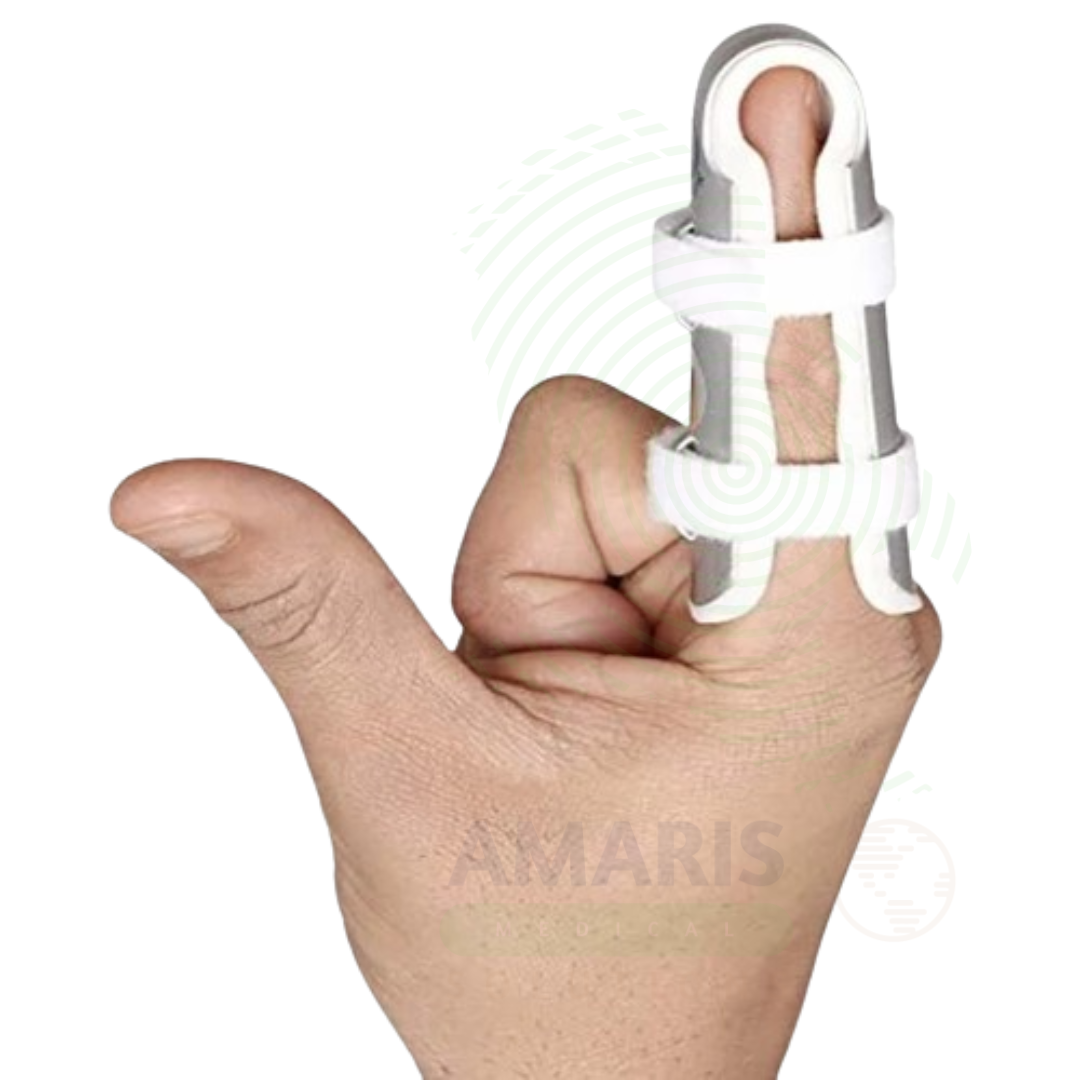
Finger Cot
WhatsApp Order
A Finger Cot is a small, finger-shaped protective covering used to protect minor finger wounds, diabetic ulcers, surgical incisions, and amputation stumps, as well as to provide barrier protection for healthcare workers and laboratory personnel. Made from latex, nitrile, vinyl, or silicone, it provides a comfortable, secure fit while protecting the finger from contamination, moisture, friction, and irritants. Available in various sizes, materials, and sterile or non-sterile versions. Latex-free options are available for individuals with latex allergy.
Description
Finger Cot
PRIMARY CLINICAL & DIAGNOSTIC USES
1. Protection of Minor Finger Wounds and Injuries
-
Primary Use: Provides a protective barrier for minor cuts, abrasions, burns, and surgical incisions on the fingers, protecting the wound from contamination, moisture, and further trauma while allowing the finger to remain functional during healing.
-
How it helps: For the primary care provider, wound care nurse, and patient managing a minor finger injury, the finger cot provides a simple, effective barrier that keeps the wound clean and protected—allowing the patient to continue using their hand for daily activities while the wound heals. For the patient with a cut or burn on their finger, the finger cot provides protection and reduces the risk of infection.
2. Covering for Wounds Requiring Moist Healing
-
Primary Use: Used to cover wounds that benefit from moist wound healing, such as minor burns, abrasions, and post-surgical incisions, creating a protected environment that promotes healing while preventing drying and scab formation.
-
How it helps: For the wound care specialist and patient managing a healing finger wound, the finger cot provides a moist healing environment that supports epithelial migration and reduces scarring—promoting faster, better healing outcomes. For the patient, the finger cot allows the wound to heal while keeping it protected from dirt, moisture, and friction.
3. Protection for Finger Ulcers and Diabetic Wounds
-
Primary Use: Used to protect finger ulcers, diabetic wounds, and other chronic wounds on the fingers from pressure, friction, and contamination, supporting healing and preventing further tissue breakdown.
-
How it helps: For the diabetic foot and wound care specialist managing patients with finger ulcers, the finger cot provides a protective barrier that reduces pressure and friction on the wound site—preventing further tissue damage and supporting healing. For the diabetic patient with finger wounds, the finger cot helps protect vulnerable areas from further injury.
4. Barrier for Contaminated or Irritant Exposure
-
Primary Use: Provides a protective barrier for healthcare workers, laboratory personnel, and individuals handling chemicals, bodily fluids, or other irritants when a full glove is not required, protecting a specific finger from exposure.
-
How it helps: For the healthcare worker, laboratory technician, or individual handling irritating substances, the finger cot provides targeted protection for a specific finger—preventing exposure to chemicals, blood, or other contaminants while allowing the rest of the hand to remain free. For the user, the finger cot provides protection where it is needed most.
5. Covering for Finger Amputation Stumps
-
Primary Use: Used to cover and protect partial finger amputation stumps, providing a comfortable barrier that reduces sensitivity, protects the healing tissue, and allows for prosthetic fitting when appropriate.
-
How it helps: For the hand surgeon and prosthetist managing patients with partial finger amputations, the finger cot provides a protective covering for the stump—reducing sensitivity, protecting healing tissue, and providing a base for prosthetic finger application. For the patient with a partial finger amputation, the finger cot provides comfort and protection during the healing and adaptation period.
SECONDARY & SUPPORTIVE USES
1. Jewelry and Watch Protection: Used by healthcare workers and individuals who must remove rings or watches for work but want to protect their finger from irritation or exposure.
2. Splint Padding Cover: Used to cover and protect finger splints, providing a soft barrier between the splint and the skin.
3. Finger Protection for Individuals with Sensory Loss: Used by patients with peripheral neuropathy or sensory loss to protect fingers from unnoticed injury.
4. Moisture Barrier for Skin Conditions: Provides protection for patients with eczema, psoriasis, or other skin conditions affecting the fingers.
5. Protection for Finger Tattoos: Used to protect new finger tattoos from moisture, friction, and contamination during healing.
6. Dental and Medical Procedures: Used in dental and medical settings to protect a specific finger during procedures where full glove protection is not required.
KEY PRODUCT FEATURES
1. BASIC IDENTIFICATION ATTRIBUTES
-
Product Type: A small, finger-shaped protective covering made from latex, nitrile, vinyl, or silicone.
-
Designation: Finger Cot, Finger Protector, Finger Cover, Digital Cott, Finger Guard.
-
Materials:
-
Latex: Natural rubber latex; elastic, comfortable fit.
-
Nitrile: Synthetic rubber; latex-free, chemical resistant.
-
Vinyl: Latex-free, economical, less elastic.
-
Silicone: Soft, durable, reusable, hypoallergenic.
-
-
Key Components:
-
Finger-Shaped Body: Closed-end, finger-length tube.
-
Textured Surface: Some have textured grip surface.
-
Powdered or Powder-Free: Powdered for easier application; powder-free for reduced irritation.
-
2. TECHNICAL & PERFORMANCE PROPERTIES
-
Sizes: Available in various sizes from pediatric to adult extra-large.
-
Thickness: Varies by material; provides barrier protection.
-
Elasticity: Latex provides greatest elasticity; nitrile and vinyl less elastic.
-
Latex-Free Options: Available for individuals with latex allergy.
-
Powder-Free Options: Available for individuals with powder sensitivity.
-
Sterility: Available in sterile and non-sterile versions.
3. PHYSICAL & OPERATIONAL PROPERTIES
-
Construction: Seamless, one-piece construction.
-
Packaging: Available in individual sterile packets or bulk containers.
-
Application: Easy to apply and remove by patient or caregiver.
-
Disposal: Single-use versions disposed after use; reusable silicone versions washable.
4. SAFETY & COMPLIANCE ATTRIBUTES
-
Regulatory Status: Class I medical device.
-
Biocompatibility: Materials safe for skin contact.
-
Latex Allergy: Latex-containing products contraindicated for individuals with latex allergy.
-
Sterility: Sterile versions indicated for wound coverage.
5. STORAGE & HANDLING ATTRIBUTES
-
Storage: Store in cool, dry locations; protect from heat and sunlight.
-
Shelf Life: Varies by material; check expiration date.
-
Cleaning: Reusable silicone cots washable with soap and water; disposable versions single-use only.
6. LABORATORY & CLINICAL APPLICATIONS
-
Primary Application: Protection of minor finger wounds, diabetic ulcers, surgical incisions, and amputation stumps; barrier protection for healthcare workers.
-
Clinical Role: Used in wound care, primary care, occupational health, and laboratory settings.
SAFETY HANDLING PRECAUTIONS
1. SAFETY PRECAUTIONS
-
Latex Allergy: Do not use latex finger cots on individuals with known latex allergy; use nitrile or vinyl alternatives.
-
Not for Sterile Procedures: Non-sterile finger cots not indicated for sterile surgical procedures.
-
Proper Fit: Select appropriate size; too tight may compromise circulation; too loose may not provide adequate protection.
-
Single-Use: Disposable finger cots are single-use; do not reuse.
-
Circulation: Monitor for signs of compromised circulation if worn for extended periods.
2. FIRST AID MEASURES
-
Latex Allergy Reaction: If latex allergy reaction occurs, remove finger cot immediately; clean area; administer antihistamines if needed; seek medical attention for severe reaction.
-
Circulation Compromise: If the finger becomes discolored, numb, or painful, remove the finger cot immediately.
-
Skin Irritation: If skin irritation develops, discontinue use; clean area; allow skin to breathe.
3. FIRE FIGHTING MEASURES
-
Flammability: Latex, nitrile, and vinyl materials are combustible.
-
Extinguishing Media: Use water, foam, or CO₂ as appropriate for surrounding materials.
Related products
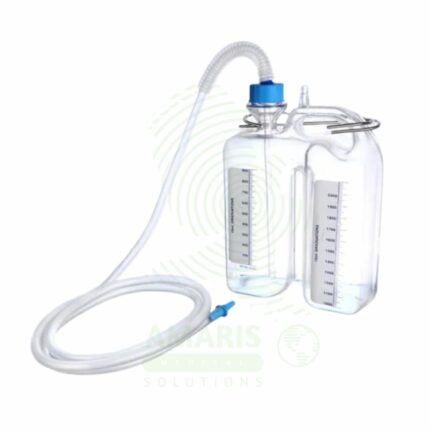
Chest Bottle
A Chest Bottle (Underwater Seal Drainage System) is a three-chamber disposable device used to drain air and fluid from the pleural space via a chest tube. Its critical component is a water seal chamber that acts as a one-way valve, preventing air from re-entering the chest while allowing drainage. It is used to treat pneumothorax, hemothorax, and pleural effusions, and is mandatory post-thoracic surgery. The system must always be kept upright and below the patient's chest level. It provides essential clinical information through tidaling in the water seal (indicating tube patency and lung expansion) and bubbling (indicating an air leak), making it both a therapeutic and diagnostic tool.
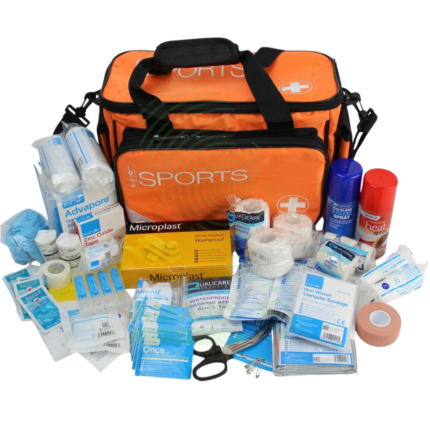
First Aid Kit For Sporting Places
A First Aid Kit for Sporting Places is a portable, organized medical kit specifically designed for the types and frequencies of injuries encountered in athletic and sporting environments. Available in various configurations including sideline kits for team use, personal sports pouches, team travel kits, and wall-mounted cabinets for gymnasiums. Constructed from ballistic nylon, polyester, ABS plastic, or aluminum with organized interior compartments, pouches, and elastic loops for rapid access to supplies. Contains sport-specific medical supplies including wound care materials, elastic bandages, instant cold packs, splinting materials, eye wash, blister care, concussion assessment tools, and personal protective equipment. Primary clinical applications include immediate treatment of common sports injuries (sprains, strains, contusions, abrasions, lacerations), concussion assessment, bleeding control, heat illness management, eye injury care, and emergency action plan implementation. Essential equipment for athletic teams, schools, fitness centers, recreational facilities, and sporting events, providing organized, accessible medical supplies for athlete safety and injury management.
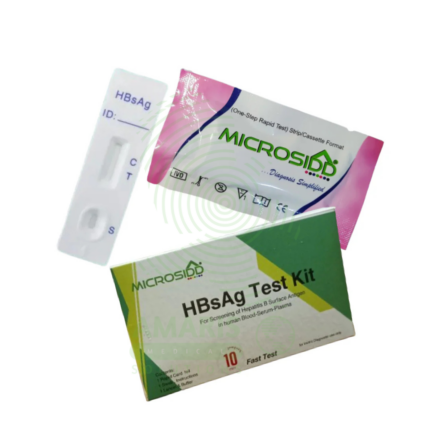
Hepatitis B Test Kit
The Hepatitis B Test Kit is an in vitro diagnostic device for the detection of Hepatitis B virus markers in human blood samples, available in rapid, ELISA, and molecular formats. It detects specific antigens (HBsAg) and antibodies (anti-HBc, anti-HBs) to diagnose acute and chronic infection, monitor treatment response, screen blood donations, and determine immunity status. With high sensitivity (>98%) and specificity (>99%), it provides results in 15 minutes to 4 hours depending on format. Essential applications include prenatal screening to prevent mother-to-child transmission, evaluation of acute hepatitis, pre-immunosuppression screening, and occupational health testing. All patient samples must be handled with universal precautions, and testing must include appropriate quality controls.
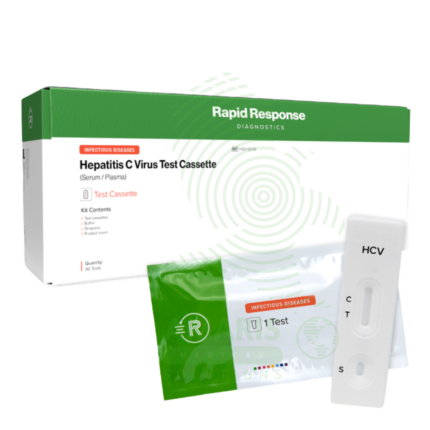
Hepatitis C Test Kit
The Hepatitis C Test Kit is an in vitro diagnostic device for the detection of Hepatitis C virus antibodies or RNA in human blood, serum, or plasma samples. Available in rapid, laboratory immunoassay, and molecular formats, it screens for HCV infection, confirms active infection with RNA testing, and monitors treatment response. With high sensitivity and specificity exceeding 99%, it is essential for identifying infected individuals, linking them to curative direct-acting antiviral therapy, and confirming cure. Essential applications include risk-based screening of high-risk populations, birth cohort screening of baby boomers, evaluation of acute hepatitis, management of occupational exposures, and monitoring of antiviral therapy that can cure over 95% of infections. All patient samples must be handled with universal precautions, and positive antibody results require confirmatory testing.
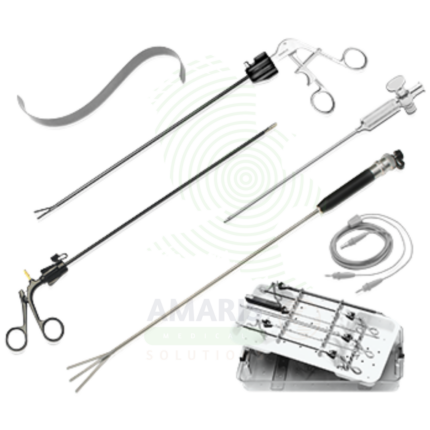
Laparoscopic Accessories
Laparoscopic accessories encompass a range of ancillary equipment and supplies essential for minimally invasive surgery, including cleaning brushes, sterilization containers, insufflation tubing, instrument storage systems, and single-use protective covers. These accessories support instrument care, procedural efficiency, and infection control, ensuring that laparoscopic instruments remain in optimal condition and that procedures run smoothly. Essential for operating rooms, sterile processing departments, and surgical suites.
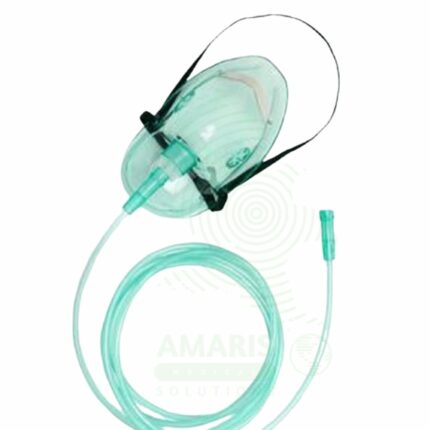
Oxygen Mask (Adult/Infant/Paediatric)
An Oxygen Mask is a disposable, single-use interface used to deliver supplemental oxygen from a medical gas supply to a patient's airways. Available in types for specific clinical needs—Simple Mask for low-flow therapy, Venturi Mask for precise FiO2 control (especially in COPD), and Non-Rebreather Mask for emergency high-flow delivery—and in sizes for adults, children, and infants. Correct selection and application, including ensuring the proper oxygen flow rate for the mask type, are essential for effective therapy and patient safety. Adherence to strict fire safety protocols is non-negotiable due to the combustion risk posed by enriched oxygen environments.
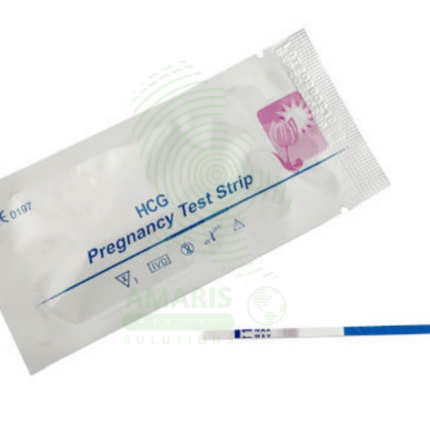
Pregnancy Test Strips
Pregnancy Test Strips are simple, dip-style lateral flow devices designed for the rapid, qualitative detection of human chorionic gonadotropin (hCG) in urine to indicate pregnancy. As the most fundamental format of home pregnancy tests, they offer high sensitivity (often from 10 mIU/mL), affordability, and a quick result within 3-5 minutes. Their ease of use makes them a widely accessible first step in pregnancy detection for personal use and clinical screening. A visible test line, even if faint, is a positive result, though confirmation with a healthcare provider is always recommended.