Dermatoscope and Magnifiers
 Diagnostic Kits
 Vital Signs Monitors
 Stethoscopes and Accessories
 Otoscopes, Ophthalmoscopes, and Retinoscopes
 Reflex Hammers and Neurological Tools
 Scales and Measuring Devices
 Spirometers and Pulmonary Function Tests
 Electrosurgical Units and Accessories
 Cutting Instruments
 Grasping and Holding Instruments
 Hemostatic Instruments
 Specialized Surgical Sets
 Single-Use Procedure Trays and Packs
 Surgical Drapes, Gowns, and Covers
 Tissue Unifying Instruments
 Radiation Protection
 X-Ray Machines and Accessories
 Ultrasound Systems and Probes
 MRI and CT Scanners
 Radiology Consumables
 Bone Densitometers
 Fluoroscopy Equipment
 Imaging Tables and Positioning Aids
 Microscopes and Accessories
 Centrifuges and Separators
 Analyzers
 Incubators and Ovens
 Pipettes, Dispensers, and Lab Glassware
 Refrigerators, Freezers, and Storage Units
 Lab Consumables
 Sterilizers and Autoclaves for Lab Use
 Multi-Parameter Monitors
 Ventilators and Respiratory Support Devices
 Defibrillators and AEDs
 Infusion Pumps and IV Systems
 Patient Warmers and Cooling Devices
 Central Monitoring Stations
 Accessories
 Anesthesia Machines and Workstations
 Oxygen Concentrators and Delivery Systems
 Nebulizers and Inhalers
 CPAP/BiPAP Machines
 Airway Management
 Anesthesia Masks, Circuits, and Bags
 Humidifiers and Heaters
 Respiratory Therapy Accessories
 First Aid Kits and Cabinets
 Emergency Resuscitation Equipment
 Trauma Supplies
 Emergency Carts and Crash Carts
 Burn Care Products
 Bleeding Control
 Automated External Defibrillators (AEDs)
 Transport and Evacuation
 Wheelchairs and Accessories
 Walkers, Crutches, and Canes
 Prosthetics and Orthotics
 Physical Therapy Equipment
 Transfer Devices
 Bathroom Safety
 Orthopedic Traction and Tables
 Hot/Cold Therapy Packs and Units
 Beds and Mattresses
 Chairs and Stools
 Tables
 Cabinets and Storage
 Privacy Screens & Curtains
 Stands and Racks
 Linens and Textiles
 Lighting
 Autoclaves and Sterilizers
 Ultrasonic Cleaners
 Disinfectant Solutions and Wipes
 Sterilization Pouches, Wraps, and Indicators
 Instrument Trays and Containers
 UV and Ozone Disinfection Devices
 Washer Disinfectors
 Wound Care
 Gloves
 Masks and Respirators
 Catheters and Tubing
 Swabs, Applicators, and Sponges
 Incontinence Products
 Personal Protective Equipment (PPE)
 Dental Chairs and Units
 Handpieces and Burs
 Instruments
 Consumables
 Sterilization for Dental Use
 Orthodontic Supplies
 Endodontic Tools
 Slit Lamps and Tonometers
 Lensometers and Phoropters
 Ophthalmic Surgical Instruments
 Eyewear Frames and Lenses
 Contact Lens Supplies
 Vision Testing Charts and Devices
 Eye Care Consumables
 Laser Systems for Eye Care
 ENT Exam Chairs and Tables
 Endoscopes
 Audiometers and Hearing Tests
 ENT Instruments
 Nasal and Throat Packs
 Hearing Aids and Accessories
 Otology Supplies
 Fetal Dopplers and Monitors
 Delivery Beds and Tables
 Gynecological Instruments
 Neonatal Incubators and Warmers
 Breast Pumps and Accessories
 Contraceptive Devices
 Maternity Supports and Pads
 Neonatal Consumables
 Cystoscopes and Urethroscopes
 Dialysis Machines and Supplies
 Urological Catheters and Bags
 Lithotripters
 Prostate Treatment Devices
 Urinary Incontinence Products
 Kidney Stone Management Tools
 Consumables & Disposables
 EEG and EMG Machines
 Neurosurgical Instruments
 Nerve Stimulators
 Headrests and Positioning Aids
 Lumbar Puncture Kits
 Seizure Monitoring Devices
 Consumables
 Rehabilitation for Neurological Conditions
 ECG Machines and Accessories
 Holter Monitors
 Stress Test Systems
 Pacemakers and Defibrillator Accessories
 Vascular Access Devices
 Cardiac Catheters and Guidewires
 Blood Flow Meters
 Consumables
 Orthopedic Instruments
 Casts, Splints, and Padding
 Joint Replacement Supplies
 Prosthetic Limbs and Components
 Bone Grafts and Substitutes
 Traction Devices
 Orthopedic Braces and Supports
 Rehabilitation Aids for Orthopedics
 Home Oxygen Therapy
 Hospital Beds for Home Use
 Mobility Aids
 Bathroom and Daily Living Aids
 Wound Care for Home
 Monitoring Devices
 Enteral Feeding Pumps and Tubes
 Hand Sanitizers and Dispensers
 Face Shields and Goggles
 Isolation Gowns and Suits
 Biohazard Waste Containers
 Air Purifiers and HEPA Filters
 Surface Disinfectants
 Sharps Containers
 Protective Barriers
 Cardiovascular & Endurance Training
 Strength Training & Weightlifting
 Functional Training & Core Conditioning
 Physical Therapy & Rehabilitation
 Sports & Outdoor Recreation
 Gym Flooring & Facility Equipment
 Fitness Monitoring & Accessories
 Kids & Novelties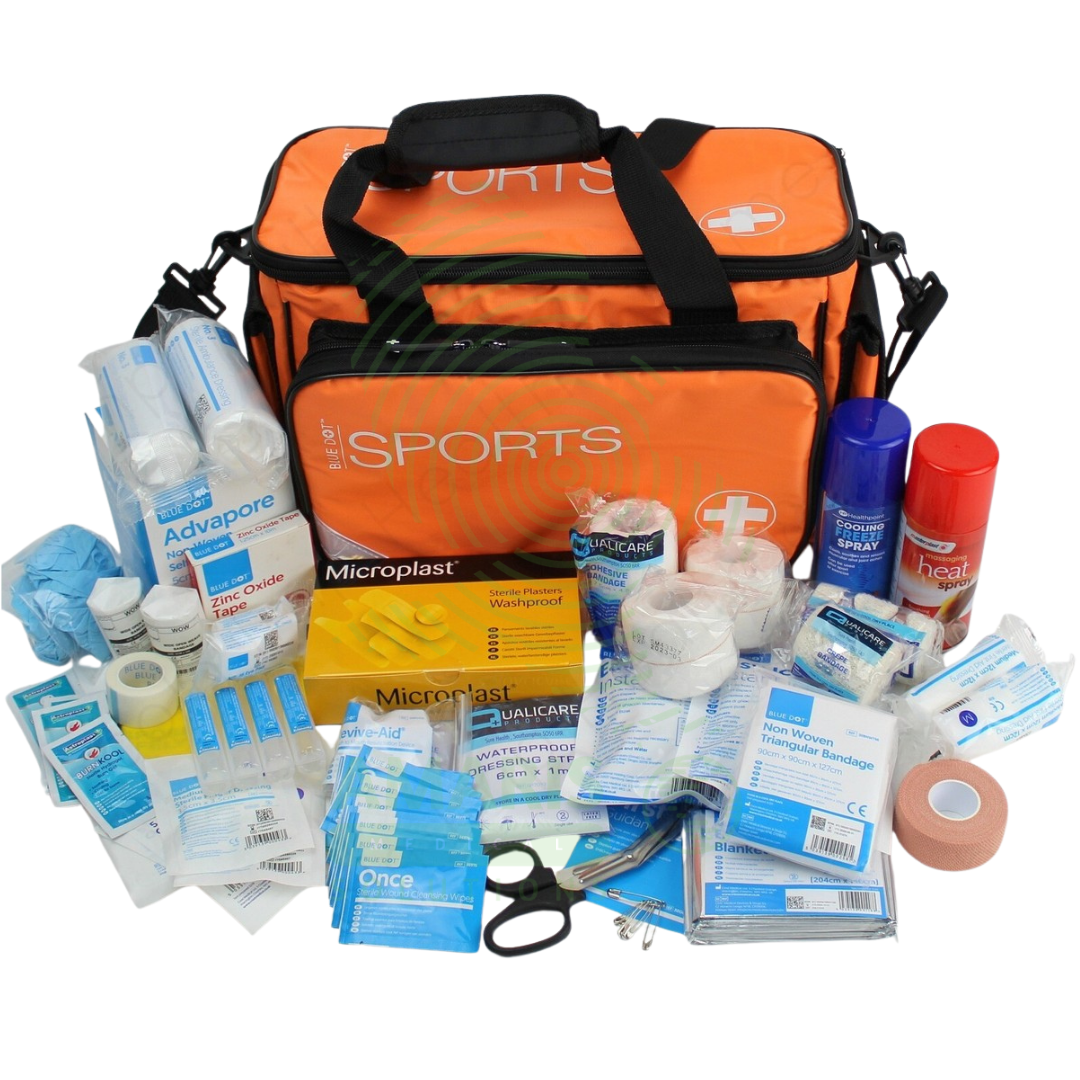
First Aid Kit For Sporting Places
$1.00
WhatsApp Order
A First Aid Kit for Sporting Places is a portable, organized medical kit specifically designed for the types and frequencies of injuries encountered in athletic and sporting environments. Available in various configurations including sideline kits for team use, personal sports pouches, team travel kits, and wall-mounted cabinets for gymnasiums. Constructed from ballistic nylon, polyester, ABS plastic, or aluminum with organized interior compartments, pouches, and elastic loops for rapid access to supplies. Contains sport-specific medical supplies including wound care materials, elastic bandages, instant cold packs, splinting materials, eye wash, blister care, concussion assessment tools, and personal protective equipment. Primary clinical applications include immediate treatment of common sports injuries (sprains, strains, contusions, abrasions, lacerations), concussion assessment, bleeding control, heat illness management, eye injury care, and emergency action plan implementation. Essential equipment for athletic teams, schools, fitness centers, recreational facilities, and sporting events, providing organized, accessible medical supplies for athlete safety and injury management.
Description
First Aid Kit for Sporting Places
PRIMARY CLINICAL & DIAGNOSTIC USES
1. Immediate Treatment of Sports-Related Injuries
-
Primary Use: Provides essential medical supplies for rapid on-site management of common athletic injuries including sprains, strains, contusions, abrasions, lacerations, and minor fractures during practices, games, and sporting events.
-
How it helps: For the athletic trainer, coach, and sports medicine professional, a well-stocked first aid kit transforms the sideline from a place of uncertainty into a place of prepared response—every common sports injury has its corresponding supply, allowing for immediate intervention that can mean the difference between a minor setback and a season-ending complication. For the athlete who goes down during play, knowing that a properly equipped kit is nearby provides reassurance that their injury will be addressed immediately, not after a frantic search for supplies.
2. Concussion and Head Injury Assessment
-
Primary Use: Contains basic diagnostic tools for initial evaluation of suspected concussions, enabling coaches and athletic trainers to identify athletes requiring further medical evaluation.
-
How it helps: For the sports medicine team and coaching staff, having standardized concussion assessment tools readily available ensures that every suspected head injury is evaluated consistently and objectively—removing guesswork from the decision to remove an athlete from play and protecting them from the devastating consequences of returning to sport too soon. For the athlete who has taken a blow to the head, a proper sideline assessment means their brain is protected, even when they cannot recognize the danger themselves.
3. Bleeding Control and Wound Management
-
Primary Use: Equipped with sterile gauze, pressure bandages, hemostatic agents, and antiseptic supplies for controlling bleeding from cuts, abrasions, and lacerations sustained during athletic competition.
-
How it helps: For the athletic trainer managing a bleeding athlete, having comprehensive wound care supplies immediately available means bleeding can be controlled, wounds can be properly cleaned, and the risk of infection can be minimized—all before the athlete even leaves the field. For the athlete with a bleeding injury, prompt, professional wound care means faster healing, reduced scarring, and confidence that their injury is being properly managed.
4. Sprain and Strain Management
-
Primary Use: Includes elastic bandages, compression wraps, instant cold packs, and splinting materials for immediate care of joint and soft tissue injuries common in sports.
-
How it helps: For the sports medicine professional responding to an ankle roll, hamstring pull, or knee injury, having compression wraps and cold packs immediately available allows for immediate implementation of the RICE protocol—the gold standard for acute soft tissue injury management that significantly reduces recovery time. For the injured athlete, immediate application of compression and ice means less swelling, less pain, and a faster return to the sport they love.
5. Eye Injury Care
-
Primary Use: Provides sterile eye wash, eye pads, and eye shields for managing foreign bodies, corneal abrasions, and blunt eye trauma occurring in sports.
-
How it helps: For the athletic trainer managing an athlete with a foreign body in the eye or a blow to the orbit, having specialized eye supplies available means the injury can be properly assessed, irrigated if needed, and protected during transport to definitive care—preventing the vision-threatening complications of improperly managed eye trauma. For the athlete with an eye injury, prompt, appropriate care protects their vision and their athletic future.
6. Heat-Related Illness Management
-
Primary Use: Contains oral rehydration salts, cooling towels, and instant cold packs for initial management of heat exhaustion and heat stroke during outdoor athletic activities.
-
How it helps: For the sports medicine team monitoring athletes during hot weather training, having heat illness supplies readily available allows for immediate intervention at the first signs of heat stress—rehydrating the athlete, cooling the body, and preventing progression to life-threatening heat stroke. For the athlete pushing their limits in the heat, knowing that the sideline kit contains the supplies needed to treat heat illness provides an essential safety net.
7. Emergency Action Plan Implementation
-
Primary Use: Serves as a readily accessible resource for executing emergency action plans, containing critical supplies for life-threatening emergencies including anaphylaxis, cardiac events, and severe bleeding.
-
How it helps: For the entire sports medicine team and coaching staff, the first aid kit is the physical embodiment of their emergency action plan—every supply needed for a life-threatening emergency is organized, accessible, and ready for immediate deployment when seconds count. For the athlete who suffers a catastrophic injury or medical event, a properly stocked and accessible first aid kit means the difference between life and death.
SECONDARY & SUPPORTIVE USES
1. Team Travel Medical Kit: Portable medical supply kit for athletic teams traveling to away games, tournaments, and competitions. For the traveling team, having their own medical supplies ensures continuity of care regardless of venue.
2. Training Room Backup Supply: Supplementary medical supplies for athletic training rooms during high-volume events. For the busy athletic trainer, backup supplies ensure they never run out during peak demand.
3. Youth Sports League Medical Station: Essential equipment for youth sports leagues, recreational facilities, and community athletic programs. For the young athlete, age-appropriate supplies ensure proper care.
4. Marathon and Endurance Event Medical Aid: Stationed at aid stations along race courses for runner medical support. For the endurance athlete, on-course medical stations provide critical support during events.
5. School Physical Education Department: Medical kit for school gymnasiums and physical education classes. For the student athlete, having a proper kit in the gym ensures prompt injury care.
6. Fitness Center and Gym Emergency Response: Readily accessible medical supplies for health clubs and fitness facilities. For the recreational exerciser, knowing the gym has proper medical supplies provides peace of mind.
7. Outdoor Adventure and Expedition Medicine: Portable medical kit for hiking, camping, and outdoor sporting activities. For the outdoor enthusiast, a well-stocked kit is essential when far from medical care.
KEY PRODUCT FEATURES
1. BASIC IDENTIFICATION ATTRIBUTES
-
Product Type: Portable, organized medical kit specifically designed for the types and frequencies of injuries encountered in athletic and sporting environments.
-
Common Names: Sports First Aid Kit, Athletic Trainer Kit, Sideline Medical Kit, Team First Aid Kit, Gym Medical Kit, Sports Medicine Kit.
-
Kit Configurations:
-
Sideline Kit: Comprehensive kit for team bench/sideline use during games and practices.
-
Personal Sports Kit: Compact kit for individual athletes for minor injury self-care.
-
Team Travel Kit: Portable, organized kit for away games and tournaments.
-
Gym/Fitness Center Kit: Wall-mounted or portable kit for health clubs.
-
Tournament/Event Kit: Multiple kits for large events with multiple playing fields.
-
-
Carrying Case Options:
-
Soft-Sided Bag: Nylon or polyester with multiple compartments; lightweight and portable.
-
Hard-Sided Case: Impact-resistant plastic or aluminum; protects contents.
-
Wall-Mounted Cabinet: Permanently mounted for gymnasiums and fitness centers.
-
Backpack Style: Hands-free carry for roving athletic trainers.
-
-
Case Material: Ballistic nylon, polyester, ABS plastic, or aluminium.
-
Closure: Zippers, buckles, or latches depending on case type.
-
Interior Organization: Clear pouches, elastic loops, adjustable dividers, removable trays.
-
Identification: Prominent medical cross symbol and "FIRST AID" text; some with sport-specific graphics.
-
Weight: 0.5-10 kg depending on size and contents.
-
Dimensions: Various sizes from personal pouches (15×10×5 cm) to large sideline kits (50×35×25 cm).
TECHNICAL & PERFORMANCE PROPERTIES
-
Portability: Designed for easy transport to playing fields, courts, and athletic venues.
-
Weather Resistance: Some models offer water-resistant or waterproof construction for outdoor sports.
-
Impact Resistance: Hard cases protect contents from impact during transport.
-
Organizational Efficiency: Clear labeling, color-coding, or compartmentalization for rapid access during emergencies.
-
Refillable: Designed for easy restocking of commonly used supplies.
-
Modularity: Some systems allow customization of contents based on sport-specific needs.
-
Durability: Withstands frequent transport, outdoor conditions, and repeated use.
-
Compliance: Meets relevant sports organization requirements for sideline medical equipment.
2. PHYSICAL & OPERATIONAL PROPERTIES
-
Carrying Options: Shoulder strap, handles, backpack straps, or belt loops.
-
Color Options: Bright colors (red, yellow, orange) for high visibility; team colors available.
-
Identification: Reflective strips for low-light conditions; clear labeling of compartments.
-
Mounting: Wall-mountable options for gymnasiums and fitness centers.
-
Interior: Removable first aid supplies; customizable compartments.
-
Documentation: Includes first aid guide specific to sports injuries.
-
Certifications: May meet specific sports organization or league requirements.
3. SPORTS-SPECIFIC FIRST AID CONTENTS
-
Common Sports Injuries and Corresponding Supplies:
-
Abrasions/Road Rash: Sterile gauze pads, antiseptic wipes, wound cleanser, non-adherent dressings, medical tape.
-
Lacerations/Cuts: Sterile gauze, pressure bandages, wound closure strips, hemostatic agents.
-
Sprains/Strains: Elastic bandages (2-inch, 3-inch, 4-inch, 6-inch), instant cold packs, compression wraps.
-
Contusions/Bruises: Instant cold packs, compression wraps, elastic bandages.
-
Blisters: Moleskin, blister pads, antiseptic wipes, small sterile dressings.
-
Splinters/Foreign Bodies: Tweezers, magnifying glass, antiseptic wipes.
-
Nosebleeds: Sterile gauze, nasal packs, ice packs.
-
Eye Injuries: Sterile eye wash, eye pads, eye shields, eye cups.
-
Dental Injuries: Dental preservation medium, gauze, small container.
-
Heat-Related Illness: Oral rehydration salts, instant cold packs, cooling towels, electrolyte packets.
-
Concussion Assessment: Penlight, pupil gauge, sideline concussion assessment cards, neurological assessment tools.
-
Fracture/Dislocation: Splints, triangular bandages, slings, instant cold packs.
-
Anaphylaxis: Antihistamines (if permitted), epinephrine auto-injector storage (medication not included).
-
-
Diagnostic Tools:
-
Penlight
-
Pupil gauge
-
Blood pressure cuff (manual)
-
Stethoscope
-
Thermometer (digital or non-contact)
-
Pulse oximeter
-
-
Personal Protective Equipment:
-
Disposable gloves (nitrile, latex-free)
-
Face mask
-
Eye protection
-
CPR mask with one-way valve
-
-
Documentation:
-
Injury report forms
-
Incident log
-
Emergency contact cards
-
First aid guide (sports-specific)
-
4. SAFETY & COMPLIANCE ATTRIBUTES
-
Regulatory Status: Complies with relevant sports organization, league, or facility requirements for first aid equipment.
-
Liability Considerations: Properly stocked kit demonstrates reasonable care in providing for athlete safety.
-
Expiration Date Management: Kit includes a system for tracking expiration dates of medications and sterile supplies.
-
Latex-Free: All patient-contact supplies should be latex-free for athletes with latex allergy.
-
Sharps Safety: If the kit contains sharps (scalpels, needles), an appropriate sharps container is required.
-
Biohazard Disposal: Protocol for disposal of blood-contaminated materials.
-
Bloodborne Pathogen Precautions: PPE included to protect first responders from exposure.
-
Medication Compliance: If including medications, comply with local regulations and organizational policies.
-
Documentation: Incident reporting forms for legal and insurance purposes.
5. STORAGE & HANDLING ATTRIBUTES
-
Storage: Store in accessible, designated location at sporting venue; protect from extreme temperatures.
-
Inspection: Regular inspection (weekly/monthly) for expired supplies, damaged packaging, and completeness.
-
Restocking: Immediately restock after use; maintain inventory checklist.
-
Cleaning: Wipe case with appropriate disinfectant; launder soft-sided bags as needed.
-
Decontamination: If exposed to blood or body fluids, decontaminate per infection control protocols.
-
Expiration Tracking: Maintain log of expiration dates; rotate stock (first-in, first-out).
-
Weather Protection: Protect from rain, extreme heat, and direct sunlight.
-
Security: Keep in a secure location but accessible during events; lockable case optional.
6. LABORATORY & CLINICAL APPLICATIONS
-
Primary Application: Organized, accessible medical supplies for immediate care of sports-related injuries at athletic venues.
-
Sport-Specific Considerations:
-
Football/Rugby: Larger quantities of ice packs, splints, wound care supplies (higher impact, more injuries).
-
Soccer/Basketball: Focus on ankle wraps, cold packs, wound care (sprains, strains, abrasions).
-
Baseball/Softball: Eye wash, dental supplies, contusion care (impact injuries, facial trauma).
-
Swimming/Aquatics: Water-resistant case; ear drops, eye wash, slip/fall supplies.
-
Gymnastics/Cheerleading: Joint wraps, cold packs, splints (sprains, fractures, contusions).
-
Wrestling/Martial Arts: Skin infection supplies, bleeding control, joint wraps (matside care).
-
Track and Field/Cross Country: Blister care, hydration supplies, heat illness management.
-
Cycling/Mountain Biking: Road rash supplies, fracture management, head injury assessment.
-
-
Venue Requirements:
-
School/University: Comprehensive kit for multiple sports; may need multiple kits for simultaneous events.
-
Professional Sports: Advanced equipment including AED, oxygen, advanced airway management.
-
Recreational Facilities: Basic to intermediate supplies for general public use.
-
Tournaments/Events: Multiple kits stationed at each field/court plus central medical area.
-
-
Personnel Considerations:
-
Certified Athletic Trainer: Comprehensive kit with advanced supplies.
-
Coach/Parent Volunteer: Basic kit with simple instructions and essential supplies.
-
Event Medical Staff: Advanced life support supplies including AED, oxygen, medications.
-
SAFETY HANDLING PRECAUTIONS
1. SAFETY PRECAUTIONS
-
Accessibility: Kit must be readily accessible during all sporting activities; not locked in inaccessible locations.
-
Expiration Dates: Regularly check and replace expired supplies; never use expired medications or sterile products.
-
Bloodborne Pathogens: Always wear gloves when handling blood or body fluids; use CPR masks for rescue breathing.
-
Sharps Disposal: If kit includes sharps, provide a puncture-resistant sharps container; never dispose of sharps in regular trash.
-
Medication Administration: Only administer medications per organizational policy and legal requirements; document all administrations.
-
Concussion Management: Follow return-to-play protocols; any suspected concussion requires medical evaluation before return.
-
Heat Illness: Know signs of heat exhaustion and heat stroke; have cooling measures available.
-
Emergency Action Plan: Kit should be part of a documented emergency action plan for the facility.
-
Training: Designated first aid providers should have appropriate training (CPR/AED, First Aid, Sports Safety).
-
Documentation: Document all injuries and treatments; maintain incident logs.
2. FIRST AID MEASURES
-
Severe Bleeding: Apply direct pressure with sterile gauze; use hemostatic agents if available; activate EMS.
-
Suspected Concussion: Remove athlete from play; assess using concussion assessment tool; do not return to play; seek medical evaluation.
-
Heat Stroke (altered mental status, hot skin): Activate EMS; rapid cooling with cold water immersion or ice packs; monitor airway.
-
Anaphylaxis (difficulty breathing, swelling): Activate EMS; administer epinephrine auto-injector if available and trained; position for shock.
-
Fracture/Dislocation: Immobilize with splint; apply ice; activate EMS for transport.
-
Eye Injury: Do not rub; flush with sterile eye wash; cover with eye shield; seek immediate medical attention.
-
Dental Avulsion: Preserve tooth in dental preservation medium or milk; seek immediate dental care.
3. FIRE FIGHTING MEASURES
-
Flammability: Plastic components and some supplies are combustible.
-
Extinguishing Media: Use water, foam, CO₂, or dry chemical as appropriate for surrounding fire.
Related products
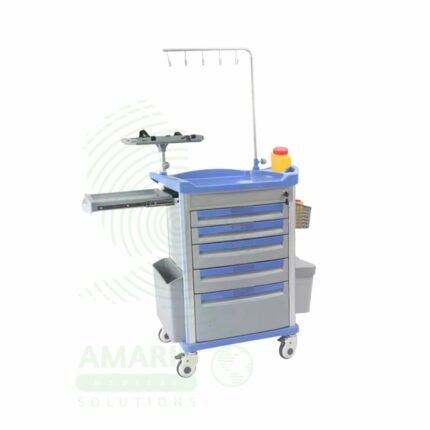
ABS Trolley (Crash Cart)
An ABS Trolley Crash Cart is a mobile, durable resuscitation station constructed from impact-resistant ABS plastic, designed for the immediate management of cardiac arrest and medical emergencies. It consolidates and organizes all essential equipment—including a defibrillator, emergency medications, airway management tools, and IV supplies—into a standardized, rapidly deployable unit following ACLS/PALS protocols. Its primary function is to eliminate treatment delays by delivering a complete set of resources directly to the patient's bedside. Rigorous daily checks and strict restocking protocols ensure it is always in a state of immediate readiness, making it a critical component of hospital safety infrastructure.
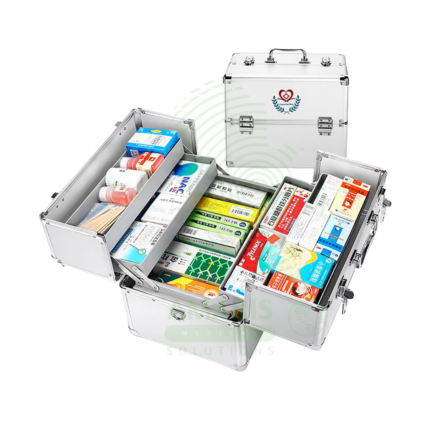
Aluminium First Aid Kit For Ambulance
An Aluminium First Aid Kit for Ambulance is a heavy-duty, weather-resistant storage case specifically designed for organizing, protecting, and securing medical supplies in emergency medical service vehicles. Constructed from 1.2-2.0 mm aluminium alloy with reinforced corners, durable latches, and rubber gaskets (IP54-IP67 rated), these cases protect contents from vibration, impact, moisture, and temperature extremes during emergency response. Available in various configurations including single compartment, multi-drawer, and clear-lid models with customizable interior dividers, elastic straps, and pouches. Designed to meet ambulance equipment mounting standards (KKK-A-1822, NFPA 1917, CEN 1789) with proper installation to withstand collision forces. Primary clinical applications include organized storage of airway management devices, bleeding control supplies, wound care materials, diagnostic equipment, emergency medications, IV supplies, splinting equipment, PPE, and obstetric supplies for BLS, ALS, and CCT ambulance services. Critical safety considerations include proper vehicle mounting to prevent projectile hazards, secure latching during transport, regular inventory management, expiration date monitoring, and decontamination after biohazard exposure. Essential equipment for organized, efficient, and safe emergency medical response.
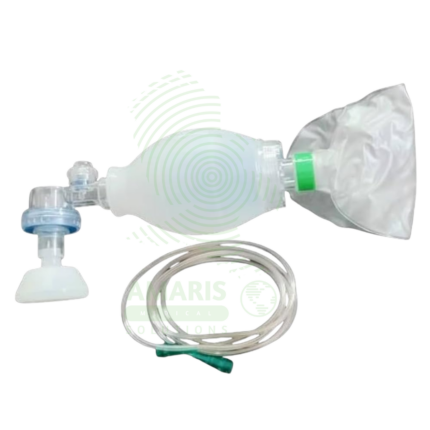
Breath Resuscitation Bag
A Breath Resuscitation Bag (manual resuscitator, bag-valve-mask) is a Class II medical device used to deliver positive-pressure ventilation to patients in respiratory arrest, cardiac arrest, or respiratory failure. Available in adult (1,500-2,000 mL), pediatric (450-750 mL), and infant/neonatal (200-350 mL) sizes with self-inflating silicone or PVC bags, one-way non-rebreathing valves, transparent cushioned masks, and oxygen reservoirs for high FiO2 delivery (90-100% with reservoir). Oxygen inlet allows connection to flow meter (10-15 L/min recommended). Pediatric/neonatal models include pressure-limiting valves (35-45 cmH2O) to prevent barotrauma. Essential for CPR (AHA guidelines: adult 10-12 breaths/min, child 12-20, infant 20-30), preoxygenation before intubation, transport ventilation, and recovery from anesthesia. Critical safety considerations include avoiding excessive ventilation pressure (prevents gastric insufflation), maintaining proper mask seal, monitoring chest rise, and having backup equipment readily available. Indispensable emergency airway equipment in hospitals, ambulances, crash carts, and emergency response kits worldwide.
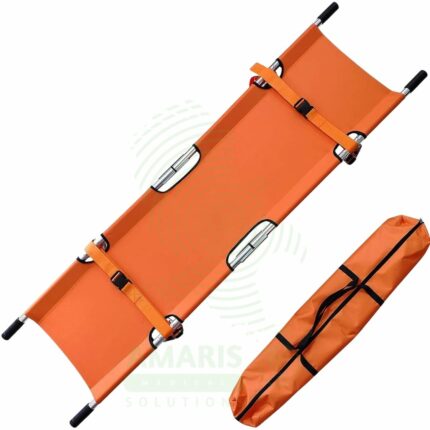
Foldable Stretcher
A Foldable Stretcher is a portable, manual patient-carrying device consisting of a hinged metal frame and a fabric sling, designed for compact storage and rapid deployment. Its primary use is for evacuating patients from confined spaces, rough terrain, or disaster scenes where wheeled trolleys cannot access. It is a fundamental piece of equipment for emergency medical services, search and rescue teams, industrial first aid, and mass casualty management, enabling a team of bearers to safely transport a patient to a point where advanced care or wheeled transport is available. Its key advantage is its minimal storage footprint, making it an essential logistical tool for any emergency response system.
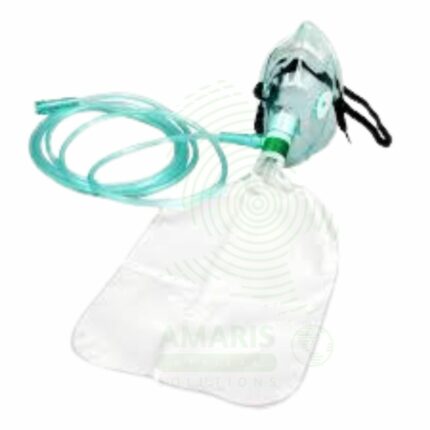
Non-Rebreathing Oxygen Mask
An Non-Rebreathing Oxygen Mask is a high-concentration oxygen delivery device designed for emergency use in critically hypoxic patients. It features a face mask with an attached reservoir bag and a system of one-way valves to prevent the rebreathing of exhaled carbon dioxide, allowing for the delivery of up to 95% FiO2. Its safe operation depends on a minimum oxygen flow of 10-15 L/min to keep the reservoir bag inflated. It is contraindicated where uncontrolled high-flow oxygen may be harmful (e.g., in some COPD patients) and carries a severe fire risk. It is a vital, immediate-intervention tool found in all emergency response settings.
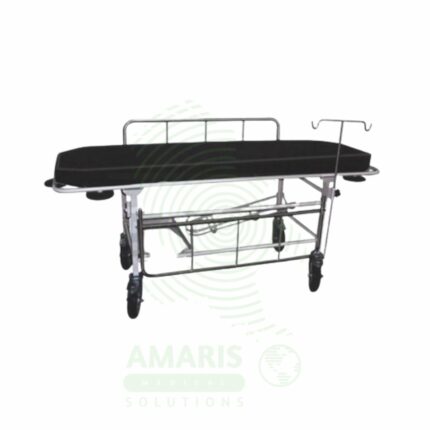
Patient Trolley
A Patient Trolley (also known as a hospital stretcher or gurney) is a mobile, height-adjustable wheeled bed essential for the safe transport and temporary holding of patients within a healthcare facility. Its core function is to serve as the primary link between clinical departments (e.g., Ward to Radiology, ED to OR), enabling efficient patient flow. Key features include locking casters, safety side rails, an IV pole, and a thin, cleanable mattress. Designed for maneuverability in corridors and elevators, it is the fundamental piece of equipment for patient logistics, emergency response, and serving as a mobile treatment platform in hospitals and large clinics.
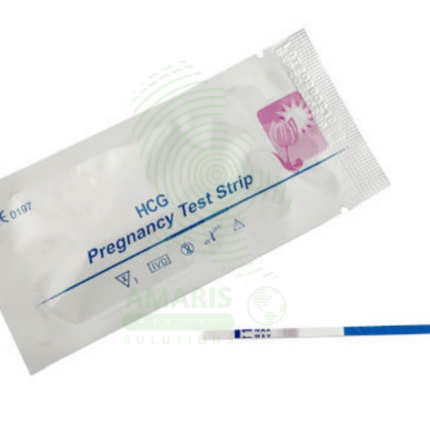
Pregnancy Test Strips
Pregnancy Test Strips are simple, dip-style lateral flow devices designed for the rapid, qualitative detection of human chorionic gonadotropin (hCG) in urine to indicate pregnancy. As the most fundamental format of home pregnancy tests, they offer high sensitivity (often from 10 mIU/mL), affordability, and a quick result within 3-5 minutes. Their ease of use makes them a widely accessible first step in pregnancy detection for personal use and clinical screening. A visible test line, even if faint, is a positive result, though confirmation with a healthcare provider is always recommended.