Dermatoscope and Magnifiers
 Diagnostic Kits
 Vital Signs Monitors
 Stethoscopes and Accessories
 Otoscopes, Ophthalmoscopes, and Retinoscopes
 Reflex Hammers and Neurological Tools
 Scales and Measuring Devices
 Spirometers and Pulmonary Function Tests
 Electrosurgical Units and Accessories
 Cutting Instruments
 Grasping and Holding Instruments
 Hemostatic Instruments
 Specialized Surgical Sets
 Single-Use Procedure Trays and Packs
 Surgical Drapes, Gowns, and Covers
 Tissue Unifying Instruments
 Radiation Protection
 X-Ray Machines and Accessories
 Ultrasound Systems and Probes
 MRI and CT Scanners
 Radiology Consumables
 Bone Densitometers
 Fluoroscopy Equipment
 Imaging Tables and Positioning Aids
 Microscopes and Accessories
 Centrifuges and Separators
 Analyzers
 Incubators and Ovens
 Pipettes, Dispensers, and Lab Glassware
 Refrigerators, Freezers, and Storage Units
 Lab Consumables
 Sterilizers and Autoclaves for Lab Use
 Multi-Parameter Monitors
 Ventilators and Respiratory Support Devices
 Defibrillators and AEDs
 Infusion Pumps and IV Systems
 Patient Warmers and Cooling Devices
 Central Monitoring Stations
 Accessories
 Anesthesia Machines and Workstations
 Oxygen Concentrators and Delivery Systems
 Nebulizers and Inhalers
 CPAP/BiPAP Machines
 Airway Management
 Anesthesia Masks, Circuits, and Bags
 Humidifiers and Heaters
 Respiratory Therapy Accessories
 First Aid Kits and Cabinets
 Emergency Resuscitation Equipment
 Trauma Supplies
 Emergency Carts and Crash Carts
 Burn Care Products
 Bleeding Control
 Automated External Defibrillators (AEDs)
 Transport and Evacuation
 Wheelchairs and Accessories
 Walkers, Crutches, and Canes
 Prosthetics and Orthotics
 Physical Therapy Equipment
 Transfer Devices
 Bathroom Safety
 Orthopedic Traction and Tables
 Hot/Cold Therapy Packs and Units
 Beds and Mattresses
 Chairs and Stools
 Tables
 Cabinets and Storage
 Privacy Screens & Curtains
 Stands and Racks
 Linens and Textiles
 Lighting
 Autoclaves and Sterilizers
 Ultrasonic Cleaners
 Disinfectant Solutions and Wipes
 Sterilization Pouches, Wraps, and Indicators
 Instrument Trays and Containers
 UV and Ozone Disinfection Devices
 Washer Disinfectors
 Wound Care
 Gloves
 Masks and Respirators
 Catheters and Tubing
 Swabs, Applicators, and Sponges
 Incontinence Products
 Personal Protective Equipment (PPE)
 Dental Chairs and Units
 Handpieces and Burs
 Instruments
 Consumables
 Sterilization for Dental Use
 Orthodontic Supplies
 Endodontic Tools
 Slit Lamps and Tonometers
 Lensometers and Phoropters
 Ophthalmic Surgical Instruments
 Eyewear Frames and Lenses
 Contact Lens Supplies
 Vision Testing Charts and Devices
 Eye Care Consumables
 Laser Systems for Eye Care
 ENT Exam Chairs and Tables
 Endoscopes
 Audiometers and Hearing Tests
 ENT Instruments
 Nasal and Throat Packs
 Hearing Aids and Accessories
 Otology Supplies
 Fetal Dopplers and Monitors
 Delivery Beds and Tables
 Gynecological Instruments
 Neonatal Incubators and Warmers
 Breast Pumps and Accessories
 Contraceptive Devices
 Maternity Supports and Pads
 Neonatal Consumables
 Cystoscopes and Urethroscopes
 Dialysis Machines and Supplies
 Urological Catheters and Bags
 Lithotripters
 Prostate Treatment Devices
 Urinary Incontinence Products
 Kidney Stone Management Tools
 Consumables & Disposables
 EEG and EMG Machines
 Neurosurgical Instruments
 Nerve Stimulators
 Headrests and Positioning Aids
 Lumbar Puncture Kits
 Seizure Monitoring Devices
 Consumables
 Rehabilitation for Neurological Conditions
 ECG Machines and Accessories
 Holter Monitors
 Stress Test Systems
 Pacemakers and Defibrillator Accessories
 Vascular Access Devices
 Cardiac Catheters and Guidewires
 Blood Flow Meters
 Consumables
 Orthopedic Instruments
 Casts, Splints, and Padding
 Joint Replacement Supplies
 Prosthetic Limbs and Components
 Bone Grafts and Substitutes
 Traction Devices
 Orthopedic Braces and Supports
 Rehabilitation Aids for Orthopedics
 Home Oxygen Therapy
 Hospital Beds for Home Use
 Mobility Aids
 Bathroom and Daily Living Aids
 Wound Care for Home
 Monitoring Devices
 Enteral Feeding Pumps and Tubes
 Hand Sanitizers and Dispensers
 Face Shields and Goggles
 Isolation Gowns and Suits
 Biohazard Waste Containers
 Air Purifiers and HEPA Filters
 Surface Disinfectants
 Sharps Containers
 Protective Barriers
 Cardiovascular & Endurance Training
 Strength Training & Weightlifting
 Functional Training & Core Conditioning
 Physical Therapy & Rehabilitation
 Sports & Outdoor Recreation
 Gym Flooring & Facility Equipment
 Fitness Monitoring & Accessories
 Kids & Novelties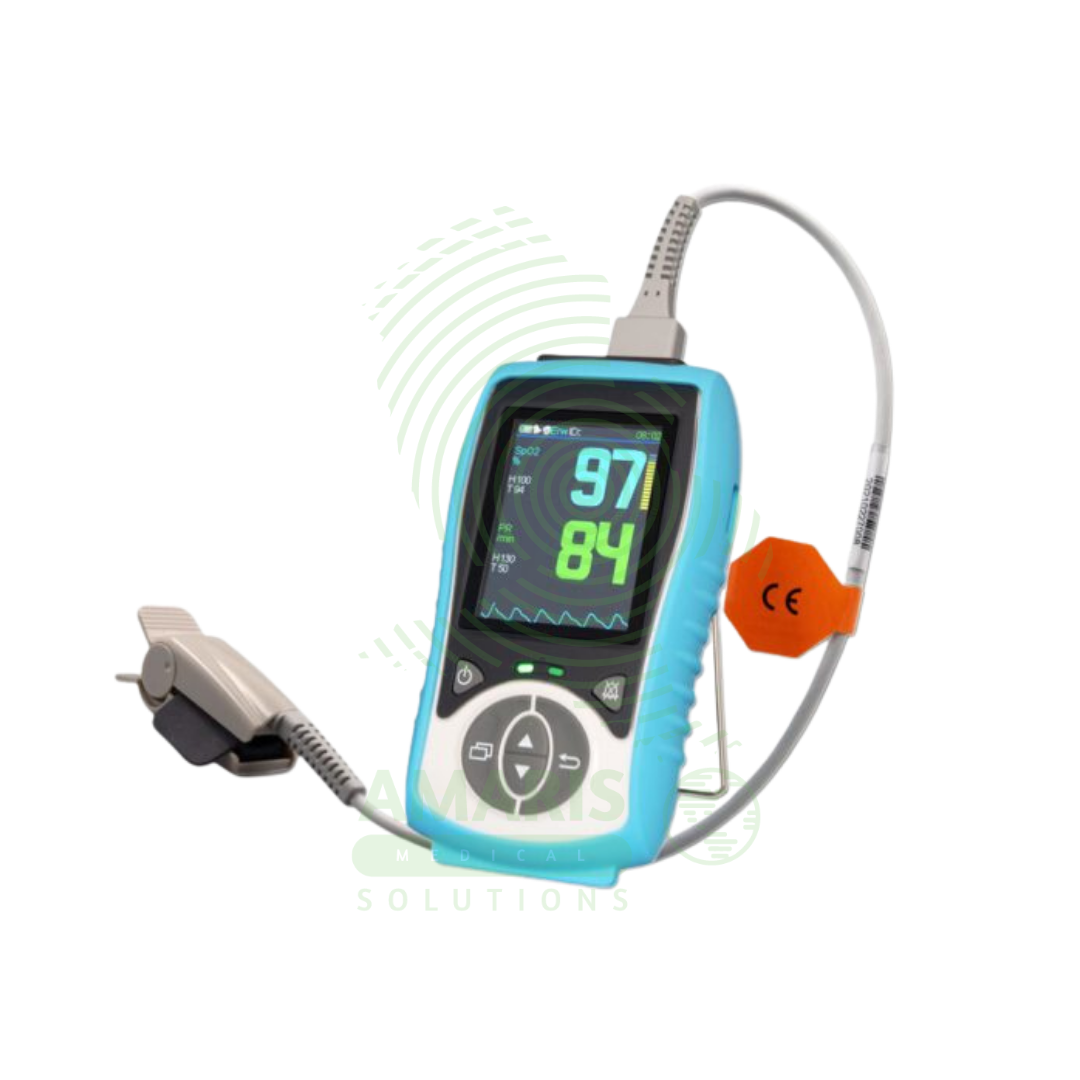
Handheld Pulse Oximeter
WhatsApp Order
A Handheld Pulse Oximeter is a professional-grade, portable medical device used by healthcare providers for accurate and reliable monitoring of blood oxygen saturation (SpO2) and pulse rate. It consists of a durable, feature-rich monitor unit and separate, interchangeable sensors for use on fingers, toes, or ears. Superior to basic fingertip models, it offers advanced functions like configurable alarms, detailed plethysmograph display, trend memory, and data connectivity. Its robust design, clinical accuracy under challenging conditions (motion, low perfusion), and versatility make it an essential tool in hospitals, clinics, ambulances, and home health for patient assessment and monitoring.
Description
Handheld Pulse Oximeter
PRIMARY CLINICAL & DIAGNOSTIC USES
1. Professional Clinical Spot-Check & Continuous Monitoring:
-
Primary Use: Designed for use by healthcare professionals across all care settings for both quick spot checks and short-term continuous monitoring of oxygen saturation (SpO2) and pulse rate. It is the standard tool in physician offices, clinics, and nursing stations.
-
How it helps: Provides healthcare professionals with a reliable, professional-grade instrument that delivers accurate readings they can trust for clinical decision-making, whether for a quick check during rounds or continuous monitoring of a patient with respiratory concerns.
2. Hospital Ward & Emergency Department Assessment:
-
Primary Use: Used for initial patient triage, routine vital sign rounds, and monitoring patients who require more frequent checks than those on bedside monitors but not continuous telemetry.
-
How it helps: Allows busy emergency and ward nurses to quickly assess oxygenation in every patient, identifying those who need immediate attention while providing routine monitoring for stable patients.
3. Respiratory Therapy & Pulmonary Function:
-
Primary Use: A core tool for respiratory therapists to assess patients with acute and chronic lung diseases (COPD, pneumonia, asthma exacerbations) before and after treatments like bronchodilator administration or oxygen therapy.
-
How it helps: Gives respiratory therapists immediate feedback on whether treatments are working, showing them in real-time how a patient’s oxygen levels respond to breathing treatments and adjustments in oxygen therapy.
4. Anesthesia & Sedation Monitoring:
-
Primary Use: Employed during procedural sedation, in post-anesthesia recovery (PACU), and by anesthetists for stable patients undergoing minor procedures as a reliable, portable monitor.
-
How it helps: Provides an extra layer of safety during procedures that require sedation, alerting the medical team immediately if a patient’s oxygen levels drop so they can intervene before any harm occurs.
5. Neonatal & Pediatric Care:
-
Primary Use: Often preferred over fingertip models for infants and small children due to the availability of durable, reusable sensors (e.g., wrap-style or adhesive) that are less likely to be dislodged and can be used on fingers, toes, or ears.
-
How it helps: Ensures that even the smallest patients receive accurate, continuous oxygen monitoring with sensors designed to stay in place on tiny fingers and toes, protecting vulnerable infants and children.
SECONDARY & SUPPORTIVE USES
1. Sleep Studies & Overnight Monitoring: Used in sleep labs or at home for overnight oximetry studies to screen for sleep-disordered breathing like obstructive sleep apnea, providing continuous trend data over many hours that can reveal dangerous drops in oxygen during sleep.
2. Patient Transport & Ambulance Services: Its robust build and reliable battery life make it ideal for monitoring patients during intra-hospital transfers (e.g., to Radiology) or in ambulances during emergency transport, ensuring continuous monitoring even when patients are moving.
3. Home Healthcare Visits: Used by visiting nurses and home health aides to obtain accurate readings for patients with advanced COPD, heart failure, or those recovering from serious illness at home, extending hospital-quality monitoring into the home.
4. Long-term Care Facility Rounds: A durable, professional-grade device for daily vital sign checks on elderly residents in nursing homes, helping detect early signs of respiratory decline in a vulnerable population.
5. Sports Medicine & High-Altitude Research: Used in controlled settings where a more robust device than a consumer fingertip model is required for accurate data collection during exercise physiology tests or altitude simulation, supporting athletic performance and scientific research.
KEY PRODUCT FEATURES
1. BASIC IDENTIFICATION ATTRIBUTES
-
Device Type: Handheld, Professional Medical Pulse Oximeter.
-
Form Factor: Consists of a separate, ruggedized main monitor unit and a detachable sensor probe connected via a flexible cable.
-
Sensor Types: Compatible with multiple reusable or disposable sensors: Finger clip probes (durable), Flexible wrap probes (for infants, children, or adult toes/ears), and Adhesive spot-check sensors.
-
Measurement Principle: Pulse spectrophotometry (red/infrared light).
2. TECHNICAL & PERFORMANCE PROPERTIES
-
Measurement Range: SpO2: Typically 0%-100%; Pulse Rate: 20-250 BPM or wider.
-
Accuracy: High accuracy, often SpO2: ±1-2% (70-100% range). Engineered for clinical reliability with better motion tolerance and low-perfusion performance than many fingertip models.
-
Display: Larger, high-resolution color or monochrome LCD screen displaying SpO2, Pulse Rate, Plethysmograph (pulse waveform), Perfusion Index (PI), and often signal strength indicators.
-
Advanced Features:
-
Adjustable Alarms: User-configurable high/low limits for SpO2 and pulse rate with audible and visual alerts.
-
Trend Data & Graphing: Stores hours of trend data with graphical display of SpO2 and pulse rate over time.
-
Multiple Display Modes: Can show real-time values, trend graphs, or plethysmograph.
-
Perfusion Index (PI): Displays numeric value for assessing signal quality and peripheral perfusion.
-
Plethysmograph (Pleth): A detailed waveform used to assess signal integrity and detect arrhythmias or motion artifact.
-
3. PHYSICAL & OPERATIONAL PROPERTIES
-
Durability: Housed in a rugged, impact-resistant casing designed for daily professional use.
-
Power Source: Uses rechargeable lithium-ion battery packs or standard alkaline batteries (e.g., 4xAA), offering extended operation (often 12+ hours continuous).
-
Connectivity: Many models feature Bluetooth, USB, or serial ports for downloading trend data to a computer, printer, or electronic medical record (EMR) system.
-
User Interface: More complex than fingertip models, with menus and buttons for setting alarms, selecting display modes, and reviewing data.
4. SAFETY & COMPLIANCE ATTRIBUTES
-
Regulatory Approvals: Holds full medical device approvals: FDA 510(k) Clearance, CE Marking (Class IIa/IIb), Health Canada License, etc.
-
Compliance Standards: Complies with ISO 80601-2-61 for pulse oximeter safety and performance, and IEC 60601-1 for general medical electrical equipment safety.
-
Quality System: Manufactured under ISO 13485 quality management.
5. STORAGE & HANDLING ATTRIBUTES
-
Storage: Store the main unit and sensors in a clean, dry, protective case or designated storage area.
-
Cleaning & Disinfection: The main unit casing can be wiped with hospital-grade disinfectant wipes. Reusable sensors must be cleaned and disinfected between patients according to manufacturer's instructions (often with 70% isopropyl alcohol or recommended disinfectants).
-
Sensor Care: Inspect sensor cables for fraying and LEDs for function. Store sensors without kinking the cables.
6. LABORATORY & CLINICAL APPLICATIONS
-
Primary Application: Professional-grade monitoring and data collection for clinical decision-making in hospital and outpatient settings.
-
Superior Performance: Generally offers better performance during patient motion, in low-perfusion states, and across a wider range of patients (neonates to adults) compared to basic fingertip oximeters.
SAFETY HANDLING PRECAUTIONS
1. SAFETY PRECAUTIONS
-
Personal Protective Equipment (PPE): Follow standard infection control. Clean and disinfect the sensor and monitor (as per protocol) between patients. Wear gloves if risk of exposure to bodily fluids.
-
Sensor Placement & Selection:
-
Choose the correct sensor type and size for the patient (adult, pediatric, neonatal, finger, toe, ear).
-
Ensure the sensor site is clean, dry, and has adequate perfusion. Rotate sites during long-term monitoring to prevent pressure sores.
-
Ensure the sensor is properly aligned (LEDs opposite the photodetector).
-
-
Device Interpretation: Understand that the plethysmograph is as important as the numbers. A poor or erratic waveform indicates an unreliable SpO2 reading, regardless of the displayed number. Correlate readings with the patient's clinical condition.
2. FIRST AID MEASURES
-
General: The device is a monitor. In case of a hypoxemic emergency (low SpO2 with distress), follow clinical protocols for airway management and oxygenation.
-
Device Malfunction: If the device fails, provides consistently implausible readings, or shows error messages, replace it with a known-working monitor immediately.
-
Battery Issues: If the rechargeable battery pack is damaged, swollen, or leaking, discontinue use and follow facility procedures for safe disposal.
3. FIRE FIGHTING MEASURES
-
Flammability: Plastic housing, display, and internal electronics are combustible. The lithium-ion battery poses a fire risk if damaged or improperly charged.
-
Extinguishing Media: For electrical/battery fires, use a CO₂ or dry chemical (Class C) extinguisher. A Lithium-ion battery fire may require a Class D extinguisher or large quantities of water to cool and prevent thermal runaway.
-
Hazardous Combustion Products: Toxic fumes from burning plastics and battery chemicals.
-
Firefighter Instructions: Wear full PPE and SCBA. If safe, remove the device from the vicinity of the patient. Be aware of the potential for battery explosion.
Related products
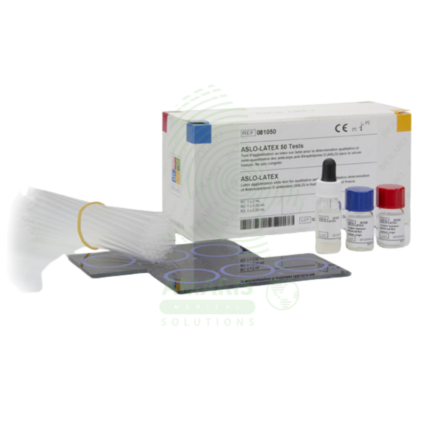
Anti-Streptol Olysin O Titer (ASOT)
Anti-Streptol Olysin O Titer (ASOT) is a quantitative or semi-quantitative serological test (latex agglutination, turbidimetry, nephelometry, or ELISA) for detecting antibodies against streptolysin O, an exotoxin produced by Group A Streptococcus. Elevated or rising titers indicate recent streptococcal infection and are essential for diagnosing post-streptococcal sequelae including acute rheumatic fever (Jones criteria) and post-streptococcal glomerulonephritis. The test requires serum samples; acute and convalescent (2-4 weeks apart) with fourfold rise confirms recent infection. Reference range typically <200-250 Todd units/mL (adults), varies by age and population. Primary clinical applications include diagnosis of Group A streptococcal infections, acute rheumatic fever evaluation, post-streptococcal glomerulonephritis diagnosis, differentiation of acute vs. past infection, evaluation of unexplained arthritis or carditis, pediatric inflammatory conditions (PANDAS), and monitoring disease activity in rheumatic fever. Critical safety precautions include proper timing of acute and convalescent samples, awareness of false negatives/positives, clinical correlation for diagnosis, and standard biohazard precautions. Essential test for rheumatology, nephrology, cardiology, and infectious disease practice.
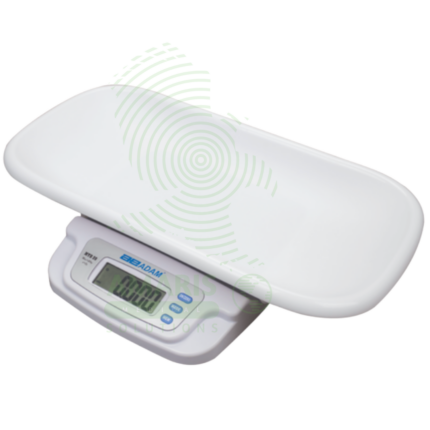
Digital Baby Weighing Scale
A Digital Baby Weighing Scale is a high-precision medical device designed exclusively for the safe and accurate measurement of infant and toddler weight. Featuring a stable, hygienic platform with gram-level precision, it is indispensable in hospitals (especially NICUs), pediatric clinics, and community health settings. Its core functions—such as hold, tare, and zeroing—ensure reliable readings even with a moving child. Accurate weight data is foundational for assessing growth, calculating medication doses, managing nutrition, and detecting early signs of health issues, making this scale a critical tool for safeguarding infant health and development.
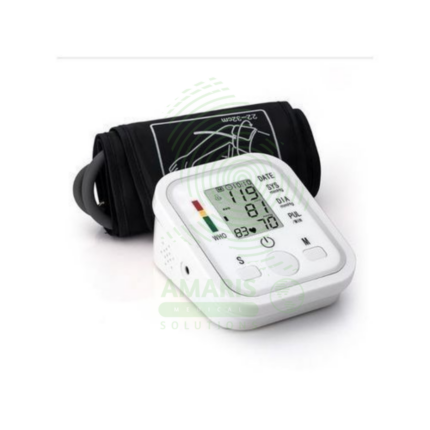
Digital Blood Pressure Monitor
A Digital Blood Pressure Monitor is an automatic electronic device that measures and displays systolic pressure, diastolic pressure, and pulse rate using the oscillometric method. Designed primarily for home and clinical use, it offers a user-friendly alternative to manual aneroid devices, requiring minimal training. Key features often include irregular heartbeat detection, multi-user memory, and connectivity for data tracking. Its accuracy, when clinically validated and used with correct technique, makes it an indispensable tool for the diagnosis and management of hypertension, empowering patients and supporting healthcare providers with reliable ambulatory data.
Height Board
A Height Board, or stadiometer, is a precision medical instrument designed for the accurate measurement of human stature. As a wall-mounted or portable device featuring a vertical scale and a sliding horizontal headpiece, it is the clinical standard for obtaining height. This measurement is foundational for calculating Body Mass Index (BMI), tracking growth in children, screening for nutritional issues, and assessing adults for conditions like osteoporosis. Its accuracy, dependent on proper installation and technique, makes it an indispensable tool in pediatrics, primary care, nutrition, and public health
MUAC Tape
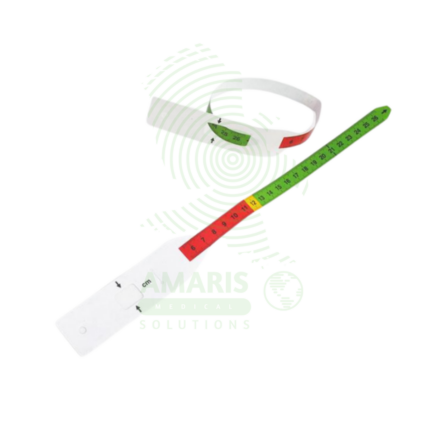
A MUAC Tape (Mid-Upper Arm Circumference) is a specialized, color-coded measuring tape used globally as the primary field tool for screening children aged 6-59 months for acute malnutrition. Its simple design—featuring red, yellow, and green zones corresponding to Severe Acute Malnutrition, Moderate Acute Malnutrition, and normal nutritional status—allows for instant, non-invasive assessment without the need for scales, calculation, or literacy. Durable, portable, and inexpensive, it is the cornerstone of community-based nutrition programs, emergency relief efforts, and public health surveillance, enabling early detection and life-saving intervention for malnourished children in even the most resource-constrained settings.
Ophthalmoscope
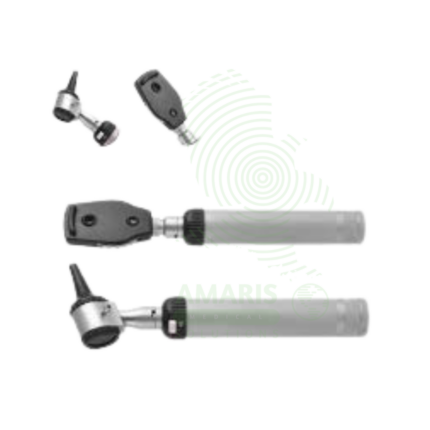
An Ophthalmoscope is a handheld diagnostic instrument used to examine the interior of the eye, specifically the fundus (retina, optic disc, blood vessels, and macula). By providing illuminated magnification, it serves as a vital screening tool for detecting ocular diseases like glaucoma and retinal disorders, and more importantly, for identifying signs of systemic conditions such as diabetes, hypertension, and increased intracranial pressure. Its operation involves selecting appropriate apertures and compensating lenses to obtain a clear view. While offering a detailed but narrow field of vision, mastery of the direct ophthalmoscope remains a cornerstone skill in general medicine, neurology, and ophthalmology for assessing vascular and neurological health.
Patient Monitor
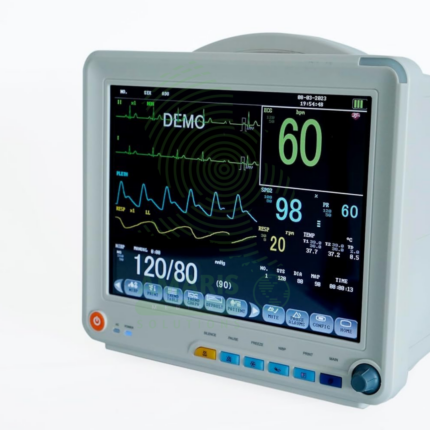
The Patient Monitor (6 Parameters BCCMS8000) is a versatile multi-parameter monitor designed for continuous surveillance of core vital signs in various clinical settings. It tracks six essential parameters—ECG, SpO2, Non-Invasive Blood Pressure (NIBP), Respiration, Temperature, and Pulse Rate—providing clinicians with real-time waveforms and numerical data on a clear color display. With its robust alarm system, battery backup for transport, and reliable performance, it is a fundamental tool for ensuring patient safety on general hospital wards, during procedures, and in emergency departments. Its design balances comprehensive monitoring capability with user-friendly operation.