Dermatoscope and Magnifiers
 Diagnostic Kits
 Vital Signs Monitors
 Stethoscopes and Accessories
 Otoscopes, Ophthalmoscopes, and Retinoscopes
 Reflex Hammers and Neurological Tools
 Scales and Measuring Devices
 Spirometers and Pulmonary Function Tests
 Electrosurgical Units and Accessories
 Cutting Instruments
 Grasping and Holding Instruments
 Hemostatic Instruments
 Specialized Surgical Sets
 Single-Use Procedure Trays and Packs
 Surgical Drapes, Gowns, and Covers
 Tissue Unifying Instruments
 Radiation Protection
 X-Ray Machines and Accessories
 Ultrasound Systems and Probes
 MRI and CT Scanners
 Radiology Consumables
 Bone Densitometers
 Fluoroscopy Equipment
 Imaging Tables and Positioning Aids
 Microscopes and Accessories
 Centrifuges and Separators
 Analyzers
 Incubators and Ovens
 Pipettes, Dispensers, and Lab Glassware
 Refrigerators, Freezers, and Storage Units
 Lab Consumables
 Sterilizers and Autoclaves for Lab Use
 Multi-Parameter Monitors
 Ventilators and Respiratory Support Devices
 Defibrillators and AEDs
 Infusion Pumps and IV Systems
 Patient Warmers and Cooling Devices
 Central Monitoring Stations
 Accessories
 Anesthesia Machines and Workstations
 Oxygen Concentrators and Delivery Systems
 Nebulizers and Inhalers
 CPAP/BiPAP Machines
 Airway Management
 Anesthesia Masks, Circuits, and Bags
 Humidifiers and Heaters
 Respiratory Therapy Accessories
 First Aid Kits and Cabinets
 Emergency Resuscitation Equipment
 Trauma Supplies
 Emergency Carts and Crash Carts
 Burn Care Products
 Bleeding Control
 Automated External Defibrillators (AEDs)
 Transport and Evacuation
 Wheelchairs and Accessories
 Walkers, Crutches, and Canes
 Prosthetics and Orthotics
 Physical Therapy Equipment
 Transfer Devices
 Bathroom Safety
 Orthopedic Traction and Tables
 Hot/Cold Therapy Packs and Units
 Beds and Mattresses
 Chairs and Stools
 Tables
 Cabinets and Storage
 Privacy Screens & Curtains
 Stands and Racks
 Linens and Textiles
 Lighting
 Autoclaves and Sterilizers
 Ultrasonic Cleaners
 Disinfectant Solutions and Wipes
 Sterilization Pouches, Wraps, and Indicators
 Instrument Trays and Containers
 UV and Ozone Disinfection Devices
 Washer Disinfectors
 Wound Care
 Gloves
 Masks and Respirators
 Catheters and Tubing
 Swabs, Applicators, and Sponges
 Incontinence Products
 Personal Protective Equipment (PPE)
 Dental Chairs and Units
 Handpieces and Burs
 Instruments
 Consumables
 Sterilization for Dental Use
 Orthodontic Supplies
 Endodontic Tools
 Slit Lamps and Tonometers
 Lensometers and Phoropters
 Ophthalmic Surgical Instruments
 Eyewear Frames and Lenses
 Contact Lens Supplies
 Vision Testing Charts and Devices
 Eye Care Consumables
 Laser Systems for Eye Care
 ENT Exam Chairs and Tables
 Endoscopes
 Audiometers and Hearing Tests
 ENT Instruments
 Nasal and Throat Packs
 Hearing Aids and Accessories
 Otology Supplies
 Fetal Dopplers and Monitors
 Delivery Beds and Tables
 Gynecological Instruments
 Neonatal Incubators and Warmers
 Breast Pumps and Accessories
 Contraceptive Devices
 Maternity Supports and Pads
 Neonatal Consumables
 Cystoscopes and Urethroscopes
 Dialysis Machines and Supplies
 Urological Catheters and Bags
 Lithotripters
 Prostate Treatment Devices
 Urinary Incontinence Products
 Kidney Stone Management Tools
 Consumables & Disposables
 EEG and EMG Machines
 Neurosurgical Instruments
 Nerve Stimulators
 Headrests and Positioning Aids
 Lumbar Puncture Kits
 Seizure Monitoring Devices
 Consumables
 Rehabilitation for Neurological Conditions
 ECG Machines and Accessories
 Holter Monitors
 Stress Test Systems
 Pacemakers and Defibrillator Accessories
 Vascular Access Devices
 Cardiac Catheters and Guidewires
 Blood Flow Meters
 Consumables
 Orthopedic Instruments
 Casts, Splints, and Padding
 Joint Replacement Supplies
 Prosthetic Limbs and Components
 Bone Grafts and Substitutes
 Traction Devices
 Orthopedic Braces and Supports
 Rehabilitation Aids for Orthopedics
 Home Oxygen Therapy
 Hospital Beds for Home Use
 Mobility Aids
 Bathroom and Daily Living Aids
 Wound Care for Home
 Monitoring Devices
 Enteral Feeding Pumps and Tubes
 Hand Sanitizers and Dispensers
 Face Shields and Goggles
 Isolation Gowns and Suits
 Biohazard Waste Containers
 Air Purifiers and HEPA Filters
 Surface Disinfectants
 Sharps Containers
 Protective Barriers
 Cardiovascular & Endurance Training
 Strength Training & Weightlifting
 Functional Training & Core Conditioning
 Physical Therapy & Rehabilitation
 Sports & Outdoor Recreation
 Gym Flooring & Facility Equipment
 Fitness Monitoring & Accessories
 Kids & Novelties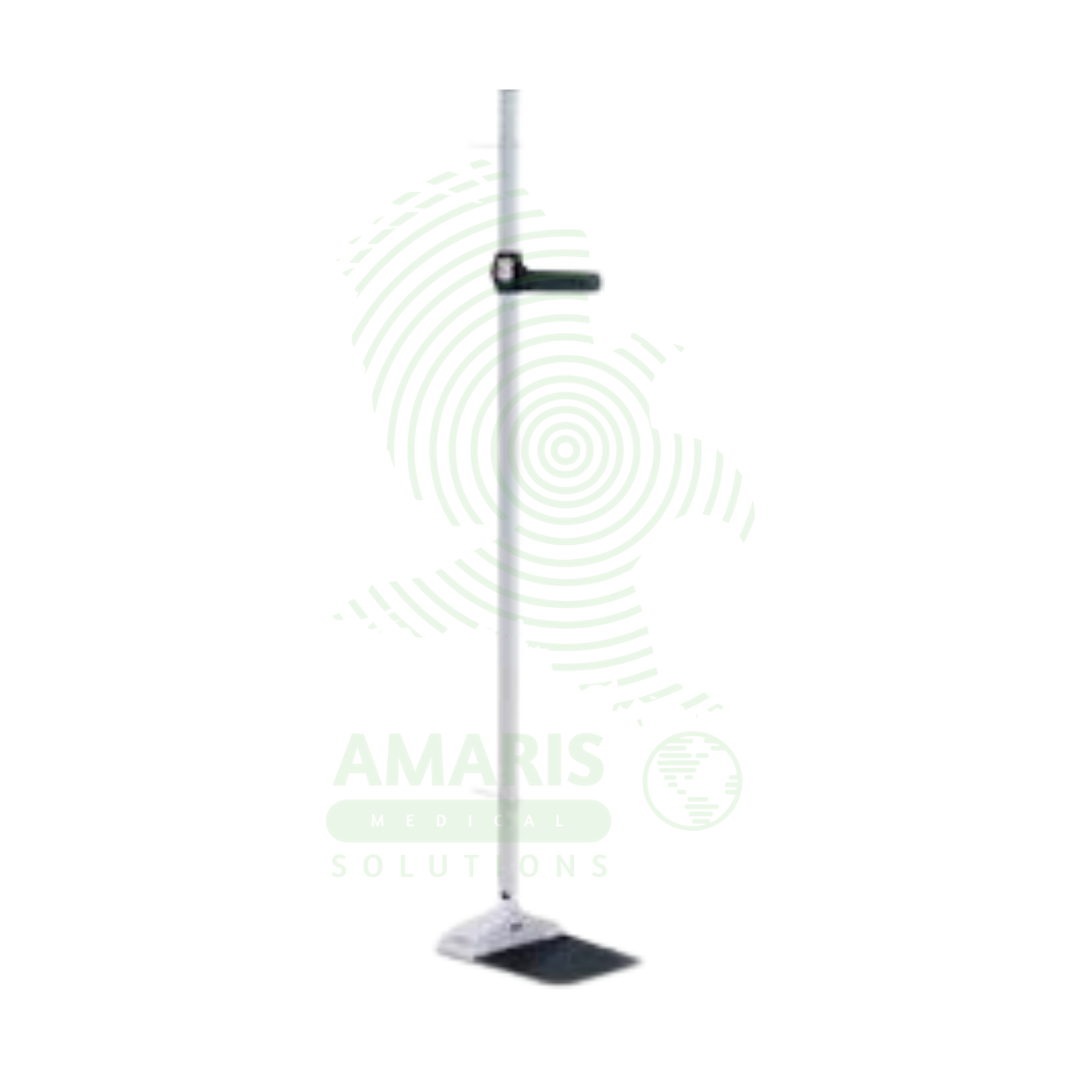
Height Board
WhatsApp Order
A Height Board, or stadiometer, is a precision medical instrument designed for the accurate measurement of human stature. As a wall-mounted or portable device featuring a vertical scale and a sliding horizontal headpiece, it is the clinical standard for obtaining height. This measurement is foundational for calculating Body Mass Index (BMI), tracking growth in children, screening for nutritional issues, and assessing adults for conditions like osteoporosis. Its accuracy, dependent on proper installation and technique, makes it an indispensable tool in pediatrics, primary care, nutrition, and public health
Description
Height Board
PRIMARY CLINICAL & DIAGNOSTIC USES
1. Accurate Stature Measurement:
-
Primary Use: The primary and definitive use is for the precise measurement of a standing individual’s height (stature). This is a core component of the anthropometric assessment for patients of all ages, from toddlers to the elderly.
-
How it helps: Provides the fundamental measurement that anchors countless medical decisions, ensuring that everything from medication dosing to nutritional assessment is based on accurate, reliable data.
2. Growth Monitoring & Pediatric Development:
-
Primary Use: Essential in pediatrics for tracking a child’s linear growth over time. Serial height measurements plotted on standardized growth charts (e.g., WHO, CDC) are critical for assessing normal growth patterns, diagnosing growth disorders (e.g., growth hormone deficiency, Turner syndrome), and evaluating the nutritional status of children and adolescents.
-
How it helps: Gives parents and pediatricians a clear picture of how a child is developing, spotting potential problems early when interventions can be most effective and reassuring families when growth is on track.
3. Body Mass Index (BMI) Calculation:
-
Primary Use: Provides the accurate height value required, together with weight, to calculate the Body Mass Index (BMI). BMI is a key screening tool for underweight, overweight, and obesity in both clinical and public health settings.
-
How it helps: Transforms height measurement into a powerful health screening tool, helping doctors identify patients at risk for weight-related conditions and guiding conversations about nutrition and lifestyle.
4. Geriatric & Adult Health Assessment:
-
Primary Use: Used to monitor for height loss in older adults, which can be an indicator of osteoporosis, vertebral compression fractures, or postural changes. Accurate height is also necessary for determining nutritional requirements, pulmonary function predictions, and medication dosing in adults.
-
How it helps: Protects elderly patients by detecting subtle height loss that may signal weakening bones, allowing for early intervention to prevent falls and fractures.
5. Pre-operative & Pre-procedural Assessment:
-
Primary Use: A standard measurement taken as part of pre-surgical workups, as height is a factor in anesthesia dosing, surgical planning, and risk assessment.
-
How it helps: Ensures surgical patients receive the correct doses of anesthesia and that surgical teams have all the information they need to plan safe, effective procedures.
SECONDARY & SUPPORTIVE USES
1. Sports Medicine & Athletic Screening: Used to measure athletes for talent identification, to monitor growth in young athletes, and to calculate parameters like BMI and body surface area relevant to performance and health.
2. Nutritional & Dietetic Assessment: Dietitians use accurate height to estimate caloric needs, assess nutritional status, and monitor the effectiveness of dietary interventions.
3. Ergonomics & Workplace Health: Used in occupational health to assess worker anthropometry for workstation design and ergonomic assessments, helping prevent repetitive strain injuries.
4. Public Health Surveys & Research: A fundamental tool in epidemiological studies and national health surveys for collecting population-level anthropometric data, contributing to public health policy and research.
KEY PRODUCT FEATURES
1. BASIC IDENTIFICATION ATTRIBUTES
-
Device Type: Mechanical, wall-mounted or portable stadiometer.
-
Design: Consists of a vertical ruler or tape, a fixed horizontal headpiece, and a movable horizontal footplate or base. The individual stands with heels, buttocks, and shoulders against the vertical board.
-
Common Types:
-
Wall-Mounted Stadiometer: Permanently fixed to a wall for clinical use. Often includes a sliding horizontal headboard that is brought down to contact the crown of the head.
-
Portable/Mechanical Stadiometer: A freestanding unit or one that folds for transport. May have a roll-up tape measure and a separate headboard.
-
2. TECHNICAL & PERFORMANCE PROPERTIES
-
Measurement Range: Typically measures from 60 cm to 210 cm (2 to 7 feet) to accommodate children and adults.
-
Accuracy & Precision: High-quality medical boards have a precision of 0.1 cm (1 mm). The scale should be clearly marked in both centimeters and inches.
-
Headpiece: The headboard must be rigid and perpendicular to the vertical scale. It should slide smoothly and lock easily into place to obtain an accurate reading.
-
Construction: The vertical surface must be perfectly flat and straight. The base must be level and stable.
3. PHYSICAL & OPERATIONAL PROPERTIES
-
Durability: Constructed from durable materials such as anodized aluminum, steel, or high-impact plastic to withstand frequent clinical use.
-
Installation: Wall-mounted models must be installed perfectly vertical (plumb) on a flat wall, using a spirit level during installation. The base must be flush with the floor.
-
Portability: Portable models are lightweight, foldable, and often include a carrying case for use in multiple locations or community outreach.
4. SAFETY & COMPLIANCE ATTRIBUTES
-
Regulatory Status: Considered a Class I medical device (low-risk measuring instrument) in most regions. Must meet general safety and accuracy requirements.
-
Calibration: Should be verified periodically for accuracy against a certified standard ruler or tape measure. The "zero point" must be at the level of the standing surface.
-
Material Safety: Surfaces should be smooth, without sharp edges, and made of cleanable, non-toxic materials.
5. STORAGE & HANDLING ATTRIBUTES
-
Storage (Portable): Store in its case or folded position in a clean, dry area. Protect from impacts that could bend the vertical ruler or headpiece.
-
Storage (Wall-Mounted): Keep the area around it clear for proper use. Protect from physical damage.
-
Cleaning: Wipe down the vertical board, headpiece, and base regularly with a disinfectant wipe or a cloth dampened with mild detergent. This is especially important for the footplate and areas of frequent contact.
6. LABORATORY & CLINICAL APPLICATIONS
-
Primary Application: The gold-standard method for obtaining an accurate, reproducible standing height measurement in clinical practice.
-
Technique-Dependent: Accuracy is highly dependent on proper technique: the patient must stand erect with heels together, looking straight ahead (Frankfort plane horizontal), with the headpiece making firm contact with the crown of the head.
SAFETY HANDLING PRECAUTIONS
1. SAFETY PRECAUTIONS
-
Patient Safety: Ensure the board is stable (portable models) or securely mounted (wall models) to prevent tipping. The headboard should be lowered gently onto the head, not slammed.
-
Correct Positioning: The most common source of error is incorrect patient posture. Ensure heels, buttocks, scapulae, and back of head touch the vertical board. Remove shoes and bulky hairstyles.
-
Infection Control: Clean the headboard and footplate between patients, especially if used barefoot.
2. FIRST AID MEASURES
-
General: The device is low-risk. If the headboard falls and hits a patient, assess for minor injury. If a portable unit falls over, ensure no one is injured.
3. FIRE FIGHTING MEASURES
-
Flammability: Plastic and foam components may be combustible.
-
Extinguishing Media: Use standard extinguishing media appropriate for the surrounding fire.
Related products
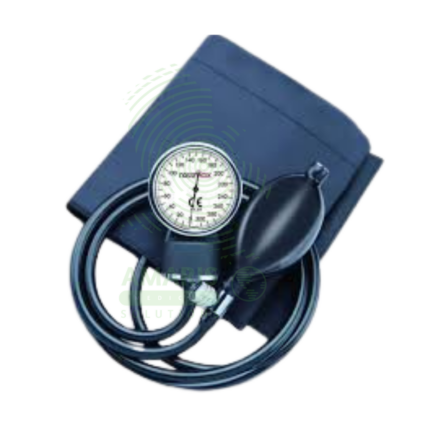
Aneroid Blood Pressure Monitor
The Aneroid Blood Pressure Monitor is a manual, mechanical sphygmomanometer used for the accurate, non-invasive measurement of arterial blood pressure. Operating on the auscultatory method, it consists of an inflatable cuff, a pump bulb with a release valve, and a calibrated dial gauge. Renowned for its reliability, durability, and independence from electrical power, it serves as a clinical gold standard and essential tool in physician offices, hospitals, and for guided home monitoring. Its accuracy is dependent on proper technique, correct cuff size, and regular calibration, making it a fundamental device for diagnosing and managing hypertension and assessing cardiovascular health.
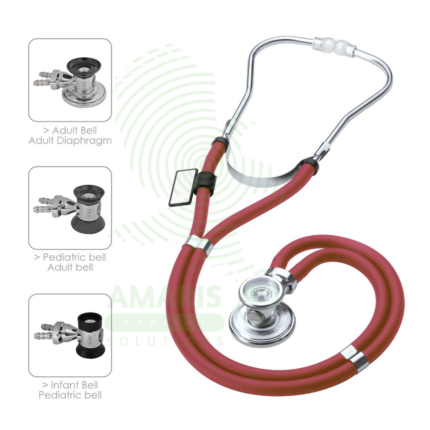
Dual Head Stethoscope
The Dual Head Stethoscope is the classic, essential acoustic diagnostic tool used by healthcare professionals worldwide. Its defining feature is a two-sided chestpiece, combining a diaphragm for high-frequency sounds (breath sounds, normal heart tones) and a bell for low-frequency sounds (heart murmurs, abnormal heart tones). Through mechanical sound conduction, it provides critical information for assessing cardiac, pulmonary, and vascular systems during physical examinations and manual blood pressure measurement. Its effectiveness relies on proper technique, a good acoustic seal, and consistent cleaning. As a fundamental symbol of medical practice, it balances functionality, durability, and affordability.
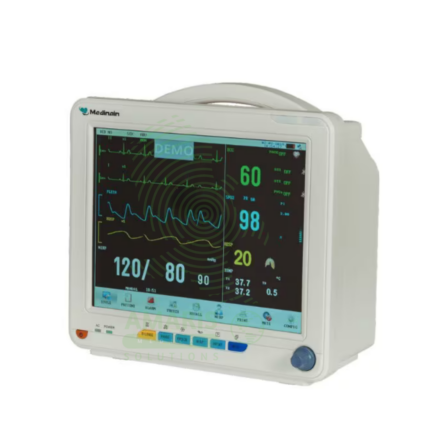
ECG Machine
An ECG Machine is a Class II medical device that records and displays the electrical activity of the heart through surface electrodes, producing an electrocardiogram for diagnosis of cardiac conditions. Standard diagnostic machines record 12 simultaneous leads (3 limb, 6 precordial, 1 ground) with frequency response 0.05-150 Hz, sampling rate 500-1,000 Hz, and high-resolution (5-10 µV) signal acquisition. Features include color touchscreen display, thermal array printer, computerized interpretation algorithms, internal memory (50-500+ ECGs), and network connectivity for EMR integration. Lead wires (AHA or IEC color coding) connect to disposable adhesive electrodes. Portable models (5-15 kg) with rechargeable batteries enable bedside and mobile use; cart-mounted units provide full diagnostic capability. Primary clinical applications include diagnosis of arrhythmias (AF, VT, bradycardia), detection of myocardial ischemia/infarction (STEMI, NSTEMI), evaluation of chest pain, preoperative cardiac risk assessment, monitoring electrolyte imbalances, assessment of chamber enlargement, and drug effect/toxicity monitoring. Essential diagnostic equipment in emergency departments, cardiology clinics, ICUs, operating rooms, and primary care settings worldwide.
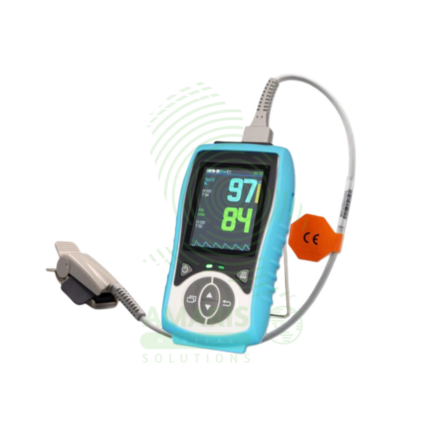
Handheld Pulse Oximeter
A Handheld Pulse Oximeter is a professional-grade, portable medical device used by healthcare providers for accurate and reliable monitoring of blood oxygen saturation (SpO2) and pulse rate. It consists of a durable, feature-rich monitor unit and separate, interchangeable sensors for use on fingers, toes, or ears. Superior to basic fingertip models, it offers advanced functions like configurable alarms, detailed plethysmograph display, trend memory, and data connectivity. Its robust design, clinical accuracy under challenging conditions (motion, low perfusion), and versatility make it an essential tool in hospitals, clinics, ambulances, and home health for patient assessment and monitoring.
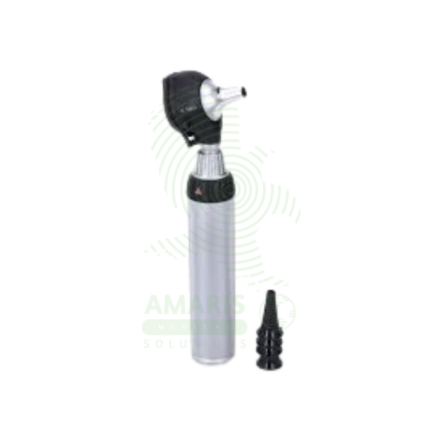
LED Otoscope
An LED Otoscope is a handheld medical device used for illuminating and magnifying the external ear canal and tympanic membrane. Featuring a bright, cool, and long-lasting LED light source, it provides superior visualization for diagnosing common conditions like ear infections, wax impaction, and perforations. Its design, incorporating a reusable handle/head and disposable specula, ensures hygiene and patient safety. As an essential tool in family medicine, pediatrics, and ENT, it enables clinicians to perform accurate otoscopic examinations and, when equipped with an insufflator, crucial pneumatic otoscopy to assess middle ear function.
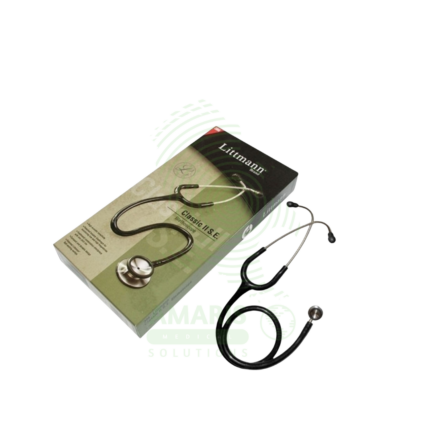
Littmann Stethoscope (Classic II)
A Littmann Stethoscope (Classic II) is a premium, acoustic dual-head stethoscope renowned for its diagnostic clarity, durability, and innovative tunable diaphragm technology. It allows healthcare professionals to hear both high and low-frequency sounds by simply adjusting pressure on the single-sided chestpiece, eliminating the need to rotate it. With its superior acoustics, comfortable fit, and wide range of colors, it is the instrument of choice for medical students, nurses, and physicians across all specialties who require reliable performance for physical assessment, auscultation of heart and lung sounds, and manual blood pressure measurement.
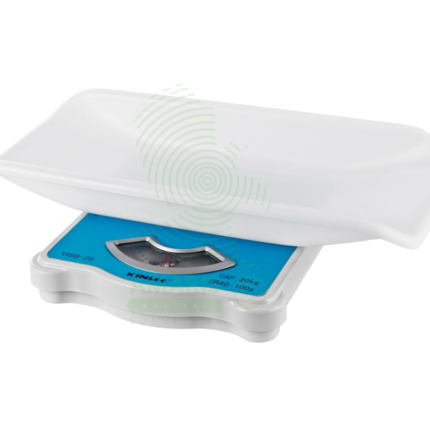
Manual Baby Weighing Scale
A Manual Baby Weighing Scale is a simple, mechanical device used to measure infant weight without the need for electricity or batteries. Operating on a spring or balance principle, it features a suspended sling or seat and a dial display. Its primary advantage is durability and portability for use in community health, outreach programs, and areas with unreliable power. While less precise than digital scales, it provides a reliable and accessible means to monitor growth trends and screen for undernutrition in resource-limited settings, making it a vital tool for basic pediatric care in the field.