Dermatoscope and Magnifiers
 Diagnostic Kits
 Vital Signs Monitors
 Stethoscopes and Accessories
 Otoscopes, Ophthalmoscopes, and Retinoscopes
 Reflex Hammers and Neurological Tools
 Scales and Measuring Devices
 Spirometers and Pulmonary Function Tests
 Electrosurgical Units and Accessories
 Cutting Instruments
 Grasping and Holding Instruments
 Hemostatic Instruments
 Specialized Surgical Sets
 Single-Use Procedure Trays and Packs
 Surgical Drapes, Gowns, and Covers
 Tissue Unifying Instruments
 Radiation Protection
 X-Ray Machines and Accessories
 Ultrasound Systems and Probes
 MRI and CT Scanners
 Radiology Consumables
 Bone Densitometers
 Fluoroscopy Equipment
 Imaging Tables and Positioning Aids
 Microscopes and Accessories
 Centrifuges and Separators
 Analyzers
 Incubators and Ovens
 Pipettes, Dispensers, and Lab Glassware
 Refrigerators, Freezers, and Storage Units
 Lab Consumables
 Sterilizers and Autoclaves for Lab Use
 Multi-Parameter Monitors
 Ventilators and Respiratory Support Devices
 Defibrillators and AEDs
 Infusion Pumps and IV Systems
 Patient Warmers and Cooling Devices
 Central Monitoring Stations
 Accessories
 Anesthesia Machines and Workstations
 Oxygen Concentrators and Delivery Systems
 Nebulizers and Inhalers
 CPAP/BiPAP Machines
 Airway Management
 Anesthesia Masks, Circuits, and Bags
 Humidifiers and Heaters
 Respiratory Therapy Accessories
 First Aid Kits and Cabinets
 Emergency Resuscitation Equipment
 Trauma Supplies
 Emergency Carts and Crash Carts
 Burn Care Products
 Bleeding Control
 Automated External Defibrillators (AEDs)
 Transport and Evacuation
 Wheelchairs and Accessories
 Walkers, Crutches, and Canes
 Prosthetics and Orthotics
 Physical Therapy Equipment
 Transfer Devices
 Bathroom Safety
 Orthopedic Traction and Tables
 Hot/Cold Therapy Packs and Units
 Beds and Mattresses
 Chairs and Stools
 Tables
 Cabinets and Storage
 Privacy Screens & Curtains
 Stands and Racks
 Linens and Textiles
 Lighting
 Autoclaves and Sterilizers
 Ultrasonic Cleaners
 Disinfectant Solutions and Wipes
 Sterilization Pouches, Wraps, and Indicators
 Instrument Trays and Containers
 UV and Ozone Disinfection Devices
 Washer Disinfectors
 Wound Care
 Gloves
 Masks and Respirators
 Catheters and Tubing
 Swabs, Applicators, and Sponges
 Incontinence Products
 Personal Protective Equipment (PPE)
 Dental Chairs and Units
 Handpieces and Burs
 Instruments
 Consumables
 Sterilization for Dental Use
 Orthodontic Supplies
 Endodontic Tools
 Slit Lamps and Tonometers
 Lensometers and Phoropters
 Ophthalmic Surgical Instruments
 Eyewear Frames and Lenses
 Contact Lens Supplies
 Vision Testing Charts and Devices
 Eye Care Consumables
 Laser Systems for Eye Care
 ENT Exam Chairs and Tables
 Endoscopes
 Audiometers and Hearing Tests
 ENT Instruments
 Nasal and Throat Packs
 Hearing Aids and Accessories
 Otology Supplies
 Fetal Dopplers and Monitors
 Delivery Beds and Tables
 Gynecological Instruments
 Neonatal Incubators and Warmers
 Breast Pumps and Accessories
 Contraceptive Devices
 Maternity Supports and Pads
 Neonatal Consumables
 Cystoscopes and Urethroscopes
 Dialysis Machines and Supplies
 Urological Catheters and Bags
 Lithotripters
 Prostate Treatment Devices
 Urinary Incontinence Products
 Kidney Stone Management Tools
 Consumables & Disposables
 EEG and EMG Machines
 Neurosurgical Instruments
 Nerve Stimulators
 Headrests and Positioning Aids
 Lumbar Puncture Kits
 Seizure Monitoring Devices
 Consumables
 Rehabilitation for Neurological Conditions
 ECG Machines and Accessories
 Holter Monitors
 Stress Test Systems
 Pacemakers and Defibrillator Accessories
 Vascular Access Devices
 Cardiac Catheters and Guidewires
 Blood Flow Meters
 Consumables
 Orthopedic Instruments
 Casts, Splints, and Padding
 Joint Replacement Supplies
 Prosthetic Limbs and Components
 Bone Grafts and Substitutes
 Traction Devices
 Orthopedic Braces and Supports
 Rehabilitation Aids for Orthopedics
 Home Oxygen Therapy
 Hospital Beds for Home Use
 Mobility Aids
 Bathroom and Daily Living Aids
 Wound Care for Home
 Monitoring Devices
 Enteral Feeding Pumps and Tubes
 Hand Sanitizers and Dispensers
 Face Shields and Goggles
 Isolation Gowns and Suits
 Biohazard Waste Containers
 Air Purifiers and HEPA Filters
 Surface Disinfectants
 Sharps Containers
 Protective Barriers
 Cardiovascular & Endurance Training
 Strength Training & Weightlifting
 Functional Training & Core Conditioning
 Physical Therapy & Rehabilitation
 Sports & Outdoor Recreation
 Gym Flooring & Facility Equipment
 Fitness Monitoring & Accessories
 Kids & Novelties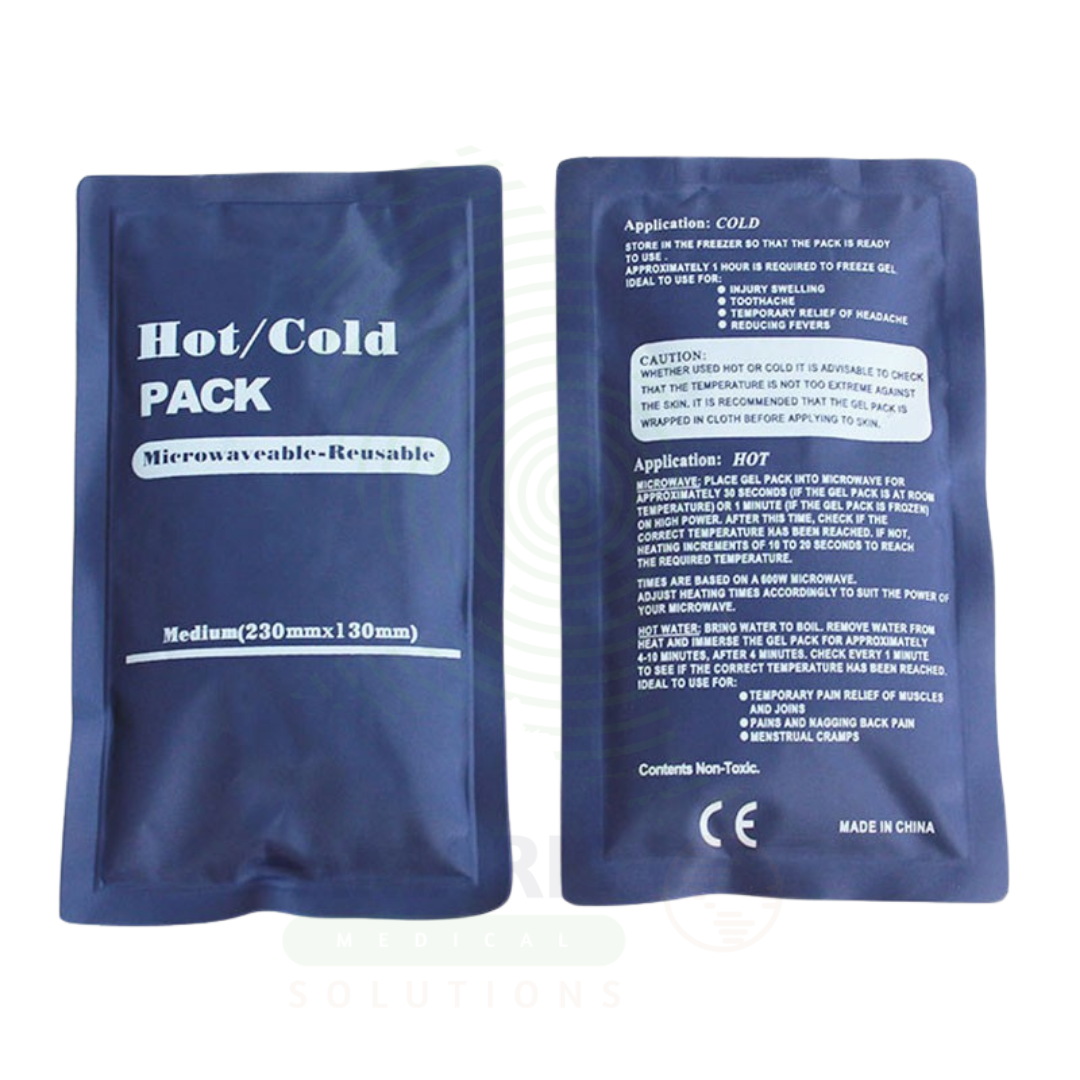

Hot & Cold Pack
$1.00
WhatsApp Order
A Hot Cold Pack is a reusable, gel-filled flexible pack that provides therapeutic temperature therapy for acute injury management (cold application) and chronic pain relief (heat application). The non-toxic gel filling remains flexible when frozen, conforming to body contours for optimal tissue contact, and can be heated in a microwave or hot water for deep tissue warming. Cold application induces vasoconstriction, reduces capillary permeability, and limits secondary tissue injury following acute sprains, strains, contusions, and post-surgical edema. Heat application increases blood flow, reduces muscle spasm, increases tissue extensibility, and alleviates chronic pain from osteoarthritis, rheumatoid arthritis, chronic low back pain, and myofascial pain syndromes. Available in multiple sizes and shapes for different body areas, with removable fabric covers for comfort and hygiene, the hot cold pack is a versatile, non-pharmacological therapy device. For the emergency physician and physical therapist, the hot cold pack provides an essential first-line intervention for pain and inflammation. For the patient, regular use reduces pain medication requirements, improves functional mobility, and supports recovery from acute injury, surgery, or chronic musculoskeletal conditions.
Description
Hot & Cold Pack
PRIMARY CLINICAL & DIAGNOSTIC USES
1. Acute Injury Management for Pain and Swelling Reduction
-
Primary Use: Provides a gel-filled pack that can be applied cold (after refrigeration or freezing) to reduce acute inflammation, swelling, and pain following soft tissue injuries such as sprains, strains, and contusions.
-
How it helps: For the emergency physician, sports medicine clinician, and physical therapist, the cold application from the pack induces vasoconstriction, reduces capillary permeability, and decreases metabolic demand—limiting the extent of secondary tissue injury following acute trauma. For the patient with an acute ankle sprain, knee strain, or contusion, immediate cold therapy using a hot cold pack reduces pain, limits swelling, and accelerates return to function.
2. Chronic Pain Management with Heat Therapy
-
Primary Use: Provides a gel-filled pack that can be heated (in microwave or hot water) to deliver therapeutic warmth that reduces muscle spasms, increases tissue extensibility, and alleviates chronic pain.
-
How it helps: For the rheumatologist and physical therapist, heat application increases blood flow, reduces muscle spindle activity, and decreases joint stiffness—providing symptomatic relief for patients with chronic musculoskeletal conditions. For the patient with osteoarthritis, rheumatoid arthritis, chronic low back pain, or fibromyalgia, regular heat therapy using a hot cold pack reduces morning stiffness, decreases pain medication requirements, and improves functional mobility.
3. Post-Surgical Edema and Hematoma Reduction
-
Primary Use: Applied cold to surgical sites during the acute post-operative period to reduce edema, minimize hematoma formation, and provide local anesthesia for incisional pain.
-
How it helps: For the surgeon and post-operative nurse, targeted cold therapy using a flexible, conformable pack reduces post-operative swelling and bleeding—improving surgical outcomes, reducing complication rates, and facilitating earlier mobilization. For the patient recovering from orthopedic surgery, dental extraction, or soft tissue procedure, cold pack application reduces incisional pain, decreases narcotic requirements, and supports faster return to normal activities.
4. Spasm and Trigger Point Relief
-
Primary Use: Heat application relaxes muscle spasms, reduces trigger point activity, and decreases myofascial pain in patients with chronic muscle tension syndromes.
-
How it helps: For the physical therapist and pain management specialist, heat penetration into muscle tissue reduces gamma motor neuron activity, decreases muscle spindle sensitivity, and increases collagen extensibility—breaking the pain-spasm-pain cycle. For the patient with chronic neck pain, tension headaches, or myofascial pain syndrome, targeted heat therapy using a conformable hot cold pack provides non-pharmacological relief that complements manual therapy and exercise.
SECONDARY & SUPPORTIVE USES
1. Tendinopathy Management (Cold): Applied after activity to reduce inflammation in patients with tennis elbow, golfer’s elbow, patellar tendinopathy, or Achilles tendinopathy.
2. Tendinopathy Management (Heat): Applied before stretching and exercise to increase tissue extensibility and reduce stiffness in chronic tendinopathy.
3. Dental Post-Extraction Care: Applied externally to the cheek following tooth extraction to reduce facial swelling and provide comfort.
4. Headache and Migraine Management: Cold pack applied to forehead or temples for tension headaches; cold applied to neck for migraine relief.
5. Post-Cesarean Section Pain Management: Cold pack applied to incision site to reduce pain and narcotic requirements.
6. Episiotomy and Perineal Care: Small cold packs used for perineal discomfort following vaginal delivery.
7. Delayed Onset Muscle Soreness (DOMS) Management: Cold packs applied to muscles following intense exercise to reduce DOMS severity.
8. Gout Flare Management: Cold pack applied to affected joint (great toe, ankle, knee) to reduce acute inflammation and pain.
9. Raynaud’s Phenomenon Warming: Heat pack used to warm extremities and terminate vasospastic episodes.
10. Arthritic Joint Morning Stiffness: Heat pack applied before morning activities to reduce stiffness and improve function.
11. Sports Injury First Aid: Used on sidelines for immediate cold application following athletic injuries.
12. Home Healthcare and Self-Management: Provides patients with a reusable, non-pharmacological pain management tool for home use.
13. Physical Therapy Adjunct: Used before therapeutic exercise to warm tissues or after exercise to reduce inflammation.
14. Pediatric Pain Management: Child-appropriate sized packs for minor injuries, growing pains, or post-immunization discomfort.
KEY PRODUCT FEATURES
1. BASIC IDENTIFICATION ATTRIBUTES
-
Device Type: A reusable, gel-filled flexible pack that can be applied cold (after refrigeration or freezing) or hot (after microwave or water heating) for therapeutic temperature therapy in acute and chronic musculoskeletal conditions.
-
Designation: Hot Cold Pack, Gel Pack, Reusable Hot Cold Pack, Therapy Pack, Cold Pack, Ice Pack, Heat Pack, Hot Pack, Cold Therapy Pack, Heat Therapy Pack, Moist Heat Pack, Flexible Gel Pack.
-
Key Components:
o Outer Cover: Durable PVC, vinyl, or TPU material.
o Gel Filling: Non-toxic, non-toxic gel or silica-based filling.
o Closure: Sealed edges; some have screw caps for filling.
o Fabric Cover: Removable, washable fabric cover (on premium models).
o Size: Various sizes for different body areas.
2. TECHNICAL & PERFORMANCE PROPERTIES
-
Gel Type: Non-toxic, non-flammable gel (carboxymethylcellulose, silica, or glycol-based).
-
Freezing Point: Remains flexible below freezing; does not freeze solid.
-
Heat Retention: Maintains therapeutic temperature for extended periods (typically twenty to thirty minutes).
-
Cold Retention: Maintains cold temperature for extended periods (typically twenty to thirty minutes).
-
Heat Method: Microwave heating or hot water submersion.
-
Cold Method: Refrigerator (cool) or freezer (cold).
-
Temperature Range: Heat: up to appropriate therapeutic temperature; Cold: down to appropriate therapeutic temperature.
-
Flexibility: Remains flexible when cold to conform to body contours.
-
Latex-Free: Manufactured without natural rubber latex.
3. PHYSICAL & OPERATIONAL PROPERTIES
-
Sizes: Small (eye, finger, toe), medium (wrist, ankle, elbow), large (knee, shoulder, low back), extra large (full back, hip).
-
Shapes: Rectangular, round, contoured (neck/shoulder), eye mask, or wrap-around designs.
-
Weight: Varies by size.
-
Cover: Some include soft fabric cover for comfort against skin.
-
Durability: Reusable hundreds of times with proper care.
-
Portability: Some models designed for transport with insulated carriers.
4. SAFETY & COMPLIANCE ATTRIBUTES
-
Regulatory Status: Class I medical device when labeled for therapeutic temperature therapy.
-
Non-Toxic: Gel is non-toxic and safe if accidental contact occurs.
-
Leak-Proof: Sealed construction prevents gel leakage.
-
Latex-Free: Standard in quality hot cold packs.
-
Phthalate-Free: Available in phthalate-free materials.
5. STORAGE & HANDLING ATTRIBUTES
-
Storage: Store in a clean, dry location at room temperature when not in use.
-
Freezer Storage: Can be stored in the freezer for ready cold application.
-
Cleaning: Wipe outer surface with damp cloth and mild soap; fabric cover machine washable if removable.
-
Inspection: Inspect before each use for leaks, cracks, or damage; discard if compromised.
-
Heating Time: Follow manufacturer instructions for microwave heating (typically twenty to thirty seconds depending on wattage).
-
Cooling Time: Allow twenty to thirty minutes in the freezer for cold application; two hours for maximum cold retention.
6. LABORATORY & CLINICAL APPLICATIONS
-
Primary Application: Temperature therapy for acute injury management (cold), chronic pain relief (heat), post-operative edema reduction, and muscle spasm treatment.
-
Clinical Role: Essential non-pharmacological therapy device in emergency medicine, sports medicine, orthopedics, rheumatology, physical therapy, dentistry, post-operative care, labor and delivery, and home healthcare for pain and inflammation management.
SAFETY HANDLING PRECAUTIONS
1. SAFETY PRECAUTIONS
-
Skin Barrier: Always place a cloth or towel between pack and skin; never apply directly to bare skin to prevent burns or frostbite.
-
Application Time: Limit application to fifteen to twenty minutes per session; remove immediately if numbness, excessive redness, or pain occurs.
-
Do Not Microwave Dry: Never microwave an empty pack or pack without gel; follow manufacturer heating instructions.
-
Do Not Boil: Do not boil hot cold packs to heat them; use microwave or hot water as directed.
-
Do Not Puncture: Do not puncture or cut the pack; gel may be irritating to skin or eyes.
-
Do Not Ingest: Gel is non-toxic but not for ingestion; keep away from children.
-
Sensory Impairment: Patients with peripheral neuropathy, diabetes, or sensory deficits should use caution and more frequent skin checks.
-
Circulatory Impairment: Patients with peripheral vascular disease should use cold therapy with caution.
-
Open Wounds: Do not apply to open wounds or broken skin without appropriate barriers.
-
Not for Certain Conditions: Do not use heat on acutely inflamed or bleeding areas; do not use cold on areas with poor circulation or Raynaud's phenomenon without medical guidance.
2. FIRST AID MEASURES
-
Gel Contact with Skin: If gel leaks and contacts skin, wash with soap and water.
-
Gel Contact with Eyes: If gel contacts eyes, rinse with plenty of water for fifteen minutes; seek medical attention if irritation persists.
-
Gel Ingestion: If gel is ingested, drink water; seek medical attention if a large amount is ingested.
-
Burn or Frostbite: If skin burn or frostbite occurs from improper use, discontinue application, treat appropriately, and seek medical attention if severe.
3. FIRE FIGHTING MEASURES
-
Flammability: Gel is non-flammable; outer cover may be combustible.
-
Extinguishing Media: Use water, foam, dry chemical, or carbon dioxide for fire involving pack materials.
-
Fire Response: No special fire hazards beyond typical combustible materials.
Related products
Detachable Wheelchair
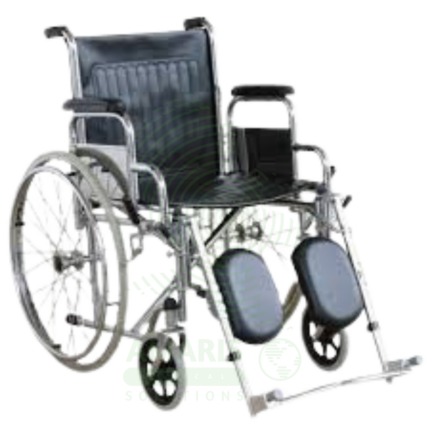
A Detachable Wheelchair is a manual wheelchair designed for easy disassembly and transport. Its key feature is a folding X-frame and quick-release wheels, allowing it to break down into compact parts for storage in car trunks or small spaces. While offering superior portability and convenience for travel and occasional use, it is generally less efficient for long-distance self-propulsion than a rigid-frame wheelchair. Safety depends on ensuring all components, especially wheels and frame locks, are securely assembled before each use.
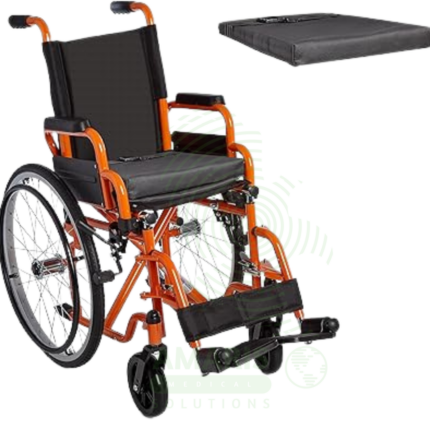
Pediatric Wheelchair
A Pediatric Wheelchair is a specially sized and designed mobility device for children with long-term physical disabilities. Its core functions are to provide independent or assisted mobility, deliver critical postural support to promote proper skeletal development and prevent deformities, and serve as a platform for inclusion in home, school, and community life. Unlike adult chairs, it features extensive adjustability to accommodate growth and modular seating systems tailored to each child's specific postural and medical needs. Prescription and fitting by a rehabilitation team are essential for safe and effective use.
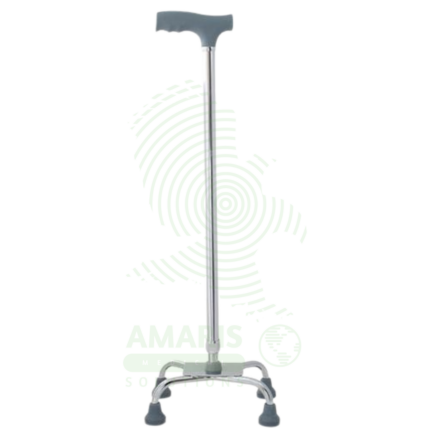
Quadpod Walking Stick
A Quadpod Walking Stick (Quad Cane) is a mobility aid featuring a four-legged base attached to a single shaft, providing significantly greater stability than a standard cane. It is designed for individuals with moderate balance issues or who need to safely offload weight from one leg due to pain or injury. Its wide base offers multi-directional support but requires a specific "lift-and-place" gait technique. While offering more security, its wider footprint can be cumbersome in tight spaces. Proper fitting and user training are essential for safe and effective use as a medically prescribed aid.
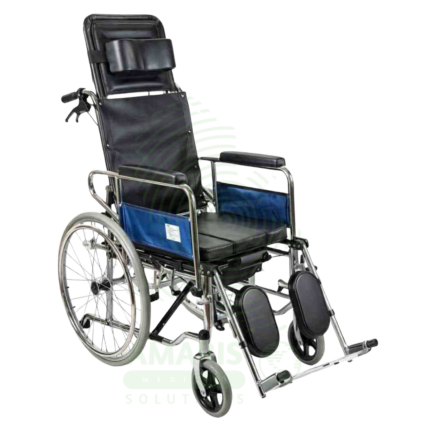
Reclining Commode Wheelchair
A Reclining Commode Wheelchair is a complex manual chair that integrates a reclining backrest with a commode seat. It is designed for patients who require adjustable positioning for pressure relief, respiratory support, or comfort, and who need a built-in toileting solution. It addresses the needs of individuals with severe neurological conditions, spinal injuries, or advanced illnesses. Critical safety features include anti-tip levers, a mandatory seat belt, and a robust recline lock. Its use requires vigilant attention to stability and shear prevention, making it a specialized tool for high-dependency care settings.
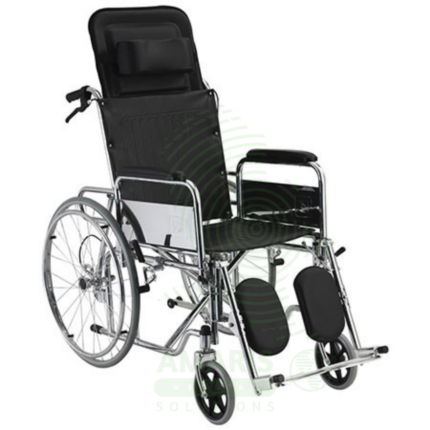
Reclining Wheelchair
A Reclining Wheelchair is a manual wheelchair with a backrest that can be manually adjusted to various angles. It is designed for users who need to change their sitting position for pressure relief, circulatory management, respiratory support, or comfort but do not require powered mobility. Key safety features include a robust locking mechanism, mandatory use of anti-tip levers and a seat belt when reclined, and synchronized elevating leg rests to prevent sliding. It is heavier and less maneuverable than a standard wheelchair but provides essential positioning options for individuals with specific postural and medical needs.
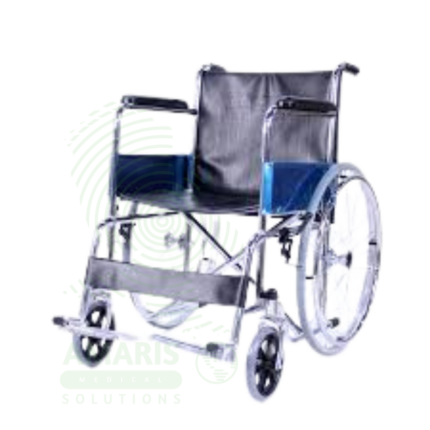
Standard Wheelchair
The Standard Wheelchair is a manually operated, folding or rigid-frame chair with two large rear wheels and two front casters, designed for basic patient mobility. It is used to transport non-ambulatory patients within healthcare facilities, support recovery from injury or surgery, and provide temporary mobility assistance. Key features include handrims for self-propulsion, attendant push handles, flip-up footrests, and wheel locks. As a fundamental piece of equipment in hospitals, clinics, and communities, it requires proper use of brakes and safe transfer techniques to prevent accidents.
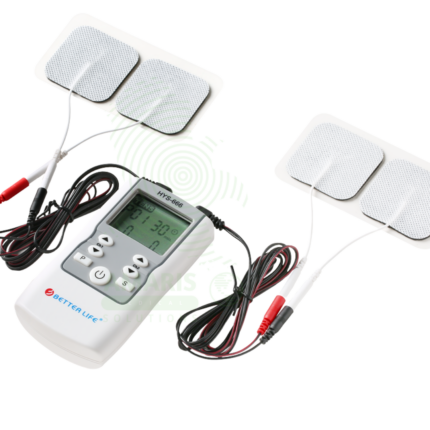
TENS Machine
A TENS Machine is an electronic device used for non-invasive pain management, capable of independently controlling up to four pairs of electrodes (eight total) to treat multiple or complex pain areas simultaneously. By delivering adjustable, low-voltage electrical pulses through the skin, it modulates pain signals via the Gate Control mechanism and may stimulate the body's natural painkillers. Its key adjustable parameters—pulse rate, width, and amplitude—allow for personalized therapy for conditions ranging from arthritis to post-surgical pain. Safe operation requires strict adherence to electrode placement guidelines and contraindications, making it a versatile tool for clinical and prescribed home use.