Dermatoscope and Magnifiers
 Diagnostic Kits
 Vital Signs Monitors
 Stethoscopes and Accessories
 Otoscopes, Ophthalmoscopes, and Retinoscopes
 Reflex Hammers and Neurological Tools
 Scales and Measuring Devices
 Spirometers and Pulmonary Function Tests
 Electrosurgical Units and Accessories
 Cutting Instruments
 Grasping and Holding Instruments
 Hemostatic Instruments
 Specialized Surgical Sets
 Single-Use Procedure Trays and Packs
 Surgical Drapes, Gowns, and Covers
 Tissue Unifying Instruments
 Radiation Protection
 X-Ray Machines and Accessories
 Ultrasound Systems and Probes
 MRI and CT Scanners
 Radiology Consumables
 Bone Densitometers
 Fluoroscopy Equipment
 Imaging Tables and Positioning Aids
 Microscopes and Accessories
 Centrifuges and Separators
 Analyzers
 Incubators and Ovens
 Pipettes, Dispensers, and Lab Glassware
 Refrigerators, Freezers, and Storage Units
 Lab Consumables
 Sterilizers and Autoclaves for Lab Use
 Multi-Parameter Monitors
 Ventilators and Respiratory Support Devices
 Defibrillators and AEDs
 Infusion Pumps and IV Systems
 Patient Warmers and Cooling Devices
 Central Monitoring Stations
 Accessories
 Anesthesia Machines and Workstations
 Oxygen Concentrators and Delivery Systems
 Nebulizers and Inhalers
 CPAP/BiPAP Machines
 Airway Management
 Anesthesia Masks, Circuits, and Bags
 Humidifiers and Heaters
 Respiratory Therapy Accessories
 First Aid Kits and Cabinets
 Emergency Resuscitation Equipment
 Trauma Supplies
 Emergency Carts and Crash Carts
 Burn Care Products
 Bleeding Control
 Automated External Defibrillators (AEDs)
 Transport and Evacuation
 Wheelchairs and Accessories
 Walkers, Crutches, and Canes
 Prosthetics and Orthotics
 Physical Therapy Equipment
 Transfer Devices
 Bathroom Safety
 Orthopedic Traction and Tables
 Hot/Cold Therapy Packs and Units
 Beds and Mattresses
 Chairs and Stools
 Tables
 Cabinets and Storage
 Privacy Screens & Curtains
 Stands and Racks
 Linens and Textiles
 Lighting
 Autoclaves and Sterilizers
 Ultrasonic Cleaners
 Disinfectant Solutions and Wipes
 Sterilization Pouches, Wraps, and Indicators
 Instrument Trays and Containers
 UV and Ozone Disinfection Devices
 Washer Disinfectors
 Wound Care
 Gloves
 Masks and Respirators
 Catheters and Tubing
 Swabs, Applicators, and Sponges
 Incontinence Products
 Personal Protective Equipment (PPE)
 Dental Chairs and Units
 Handpieces and Burs
 Instruments
 Consumables
 Sterilization for Dental Use
 Orthodontic Supplies
 Endodontic Tools
 Slit Lamps and Tonometers
 Lensometers and Phoropters
 Ophthalmic Surgical Instruments
 Eyewear Frames and Lenses
 Contact Lens Supplies
 Vision Testing Charts and Devices
 Eye Care Consumables
 Laser Systems for Eye Care
 ENT Exam Chairs and Tables
 Endoscopes
 Audiometers and Hearing Tests
 ENT Instruments
 Nasal and Throat Packs
 Hearing Aids and Accessories
 Otology Supplies
 Fetal Dopplers and Monitors
 Delivery Beds and Tables
 Gynecological Instruments
 Neonatal Incubators and Warmers
 Breast Pumps and Accessories
 Contraceptive Devices
 Maternity Supports and Pads
 Neonatal Consumables
 Cystoscopes and Urethroscopes
 Dialysis Machines and Supplies
 Urological Catheters and Bags
 Lithotripters
 Prostate Treatment Devices
 Urinary Incontinence Products
 Kidney Stone Management Tools
 Consumables & Disposables
 EEG and EMG Machines
 Neurosurgical Instruments
 Nerve Stimulators
 Headrests and Positioning Aids
 Lumbar Puncture Kits
 Seizure Monitoring Devices
 Consumables
 Rehabilitation for Neurological Conditions
 ECG Machines and Accessories
 Holter Monitors
 Stress Test Systems
 Pacemakers and Defibrillator Accessories
 Vascular Access Devices
 Cardiac Catheters and Guidewires
 Blood Flow Meters
 Consumables
 Orthopedic Instruments
 Casts, Splints, and Padding
 Joint Replacement Supplies
 Prosthetic Limbs and Components
 Bone Grafts and Substitutes
 Traction Devices
 Orthopedic Braces and Supports
 Rehabilitation Aids for Orthopedics
 Home Oxygen Therapy
 Hospital Beds for Home Use
 Mobility Aids
 Bathroom and Daily Living Aids
 Wound Care for Home
 Monitoring Devices
 Enteral Feeding Pumps and Tubes
 Hand Sanitizers and Dispensers
 Face Shields and Goggles
 Isolation Gowns and Suits
 Biohazard Waste Containers
 Air Purifiers and HEPA Filters
 Surface Disinfectants
 Sharps Containers
 Protective Barriers
 Cardiovascular & Endurance Training
 Strength Training & Weightlifting
 Functional Training & Core Conditioning
 Physical Therapy & Rehabilitation
 Sports & Outdoor Recreation
 Gym Flooring & Facility Equipment
 Fitness Monitoring & Accessories
 Kids & Novelties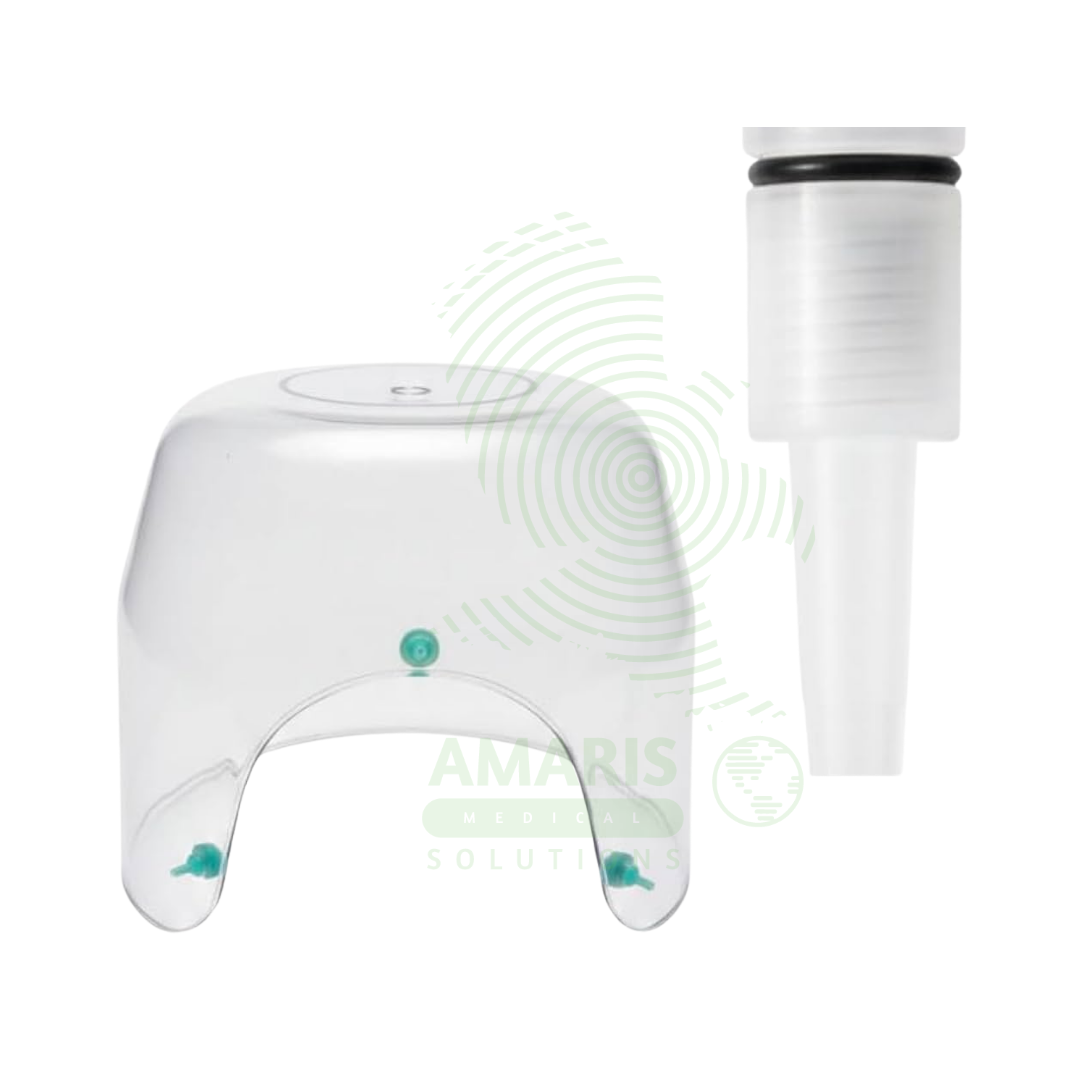
Infant Oxygen Hood
$1.00
WhatsApp Order
An Infant Oxygen Hood is a Class II medical device used to deliver controlled concentrations of supplemental oxygen to spontaneously breathing newborns and infants. Made of transparent medical-grade acrylic or polycarbonate, the hood fits over the infant’s head with a soft foam or rubber neck seal, creating an oxygen-enriched environment while allowing easy access for monitoring and care. Available in premature/neonatal, infant, and older infant sizes with gas inlet ports (22 mm) for connection to air/oxygen blenders (FiO2 21-100%), access ports for monitoring leads and IV lines, and outlet vents to prevent CO2 accumulation. Requires minimum flow rate of 5 L/min to ensure adequate CO2 washout. Used with heated humidifiers for prolonged therapy to prevent airway drying. Primary clinical applications include management of respiratory distress syndrome (RDS) in premature infants, neonatal pneumonia, post-extubation oxygen support, congenital heart disease, and palliative care. Critical safety considerations include maintaining adequate flow rate to prevent rebreathing, monitoring FiO2 at hood level, ensuring proper neck seal without constriction, and preventing hyperoxia to reduce retinopathy of prematurity (ROP) risk. Essential equipment in NICUs and special care nurseries for controlled oxygen delivery to vulnerable infants.
Description
Infant Oxygen Hood
PRIMARY CLINICAL & DIAGNOSTIC USES
1. Controlled Oxygen Delivery to Newborns and Infants
-
Primary Use: Provides a precisely controlled oxygen-enriched environment that fits over the infant’s head, delivering prescribed FiO2 while allowing easy access to the body for care and monitoring.
-
How it helps: For the neonatologist and NICU nurse, the hood design offers the best of both worlds—tight control of oxygen concentration around the airway while leaving the infant’s torso and limbs completely accessible for lines, monitors, and procedures. For the fragile infant, this means receiving precise oxygen support without being enclosed in a full-body chamber, reducing feelings of restriction while maintaining comfort.
2. Management of Respiratory Distress Syndrome (RDS)
-
Primary Use: Used in premature infants with RDS to maintain adequate oxygenation while minimizing the risk of oxygen toxicity and retinopathy of prematurity (ROP).
-
How it helps: For the neonatal team, the hood allows for rapid adjustment of oxygen concentration based on continuous saturation monitoring, responding immediately to the infant’s fluctuating needs. For the premature baby with underdeveloped lungs, the clear hood allows the medical team to constantly observe their face, color, and work of breathing—subtle signs that guide treatment—while delivering the precise oxygen their immature retinas and lungs require.
3. Treatment of Hypoxemia in Neonatal Pneumonia
-
Primary Use: Provides supplemental oxygen for infants with pneumonia, bronchiolitis, or other respiratory infections causing hypoxemia.
-
How it helps: For the respiratory therapist, the hood creates a stable oxygen reservoir around the infant’s airway, ensuring consistent delivery even if the baby moves or cries. For the infant fighting a respiratory infection, this stability means no dangerous drops in oxygen during moments of agitation, supporting their recovery while they breathe spontaneously.
4. Post-Extubation Oxygen Support
-
Primary Use: Used after extubation from mechanical ventilation to provide supplemental oxygen during the transition to spontaneous breathing.
-
How it helps: For the clinical team, the oxygen hood provides a predictable, non-invasive bridge from the ventilator, reducing the “step-down” stress on the infant. For the baby adjusting to breathing without a tube, the hood eliminates the irritation of nasal prongs or masks on sensitive facial skin, allowing them to focus energy on strengthening their respiratory muscles.
5. Congenital Heart Disease Management
-
Primary Use: Delivers supplemental oxygen to infants with cyanotic or acyanotic congenital heart lesions requiring increased oxygen delivery while awaiting intervention.
-
How it helps: For the cardiologist, the hood provides precise control over oxygen delivery, which is critical in some heart lesions where too much oxygen can be as problematic as too little. For the infant with a heart defect, it ensures optimal oxygen saturation for vital organ perfusion while protecting the delicate balance of pulmonary and systemic blood flow.
6. Neonatal Transport
-
Primary Use: Used during intra-hospital or inter-hospital transport of oxygen-dependent infants, providing a controlled oxygen environment within transport incubators.
-
How it helps: For the transport team, the hood’s design is ideal for moving infants—it maintains oxygen concentration while allowing continuous visualization of the baby’s face and airway during transit. For the critically ill infant being transported, the clear hood means the team can spot cyanosis, airway obstruction, or distress immediately, without disturbing the oxygen environment to check on them.
7. Palliative and Comfort Care
-
Primary Use: Provides oxygen therapy for infants with terminal conditions where aggressive intervention is not indicated, ensuring comfort.
-
How it helps: For the palliative team and family, the oxygen hood offers a gentle, non-invasive method of easing air hunger that allows for unlimited parental holding and bonding. For the infant at the end of life, and for parents cherishing every moment, the hood provides comfort without creating physical barriers—parents can see their baby’s face clearly, speak to them, and touch them without interrupting oxygen delivery.
SECONDARY & SUPPORTIVE USES
1. Weaning from Oxygen Therapy: For the respiratory team, the hood allows for precise, stepwise reduction of FiO2 based on the infant’s tolerance. For the growing baby, this controlled weaning challenges their respiratory system safely, building strength for independent breathing.
2. Humidified Oxygen Delivery: For the nurse, integrated humidification prevents drying of delicate nasal and airway tissues. For the infant, warm, moist oxygen is more comfortable and less irritating than dry gas, improving tolerance of prolonged therapy.
3. Sleep Studies and Oxygen Monitoring: For the sleep specialist, the hood maintains stable oxygen delivery during diagnostic studies without disturbing the infant’s natural sleep position. For the baby undergoing evaluation, it ensures accurate data about their breathing patterns while keeping them safe throughout the study.
4. Research and Clinical Studies: For the neonatal researcher, the oxygen hood provides a standardized, reproducible method of oxygen delivery for study protocols. For future infants, this research advances understanding of optimal oxygen therapy and improves outcomes for generations to come.
5. Teaching and Training: For the neonatology educator, the oxygen hood demonstrates a fundamental technique in neonatal respiratory support. For the trainee—whether nurse or physician—understanding hood therapy builds foundational skills for managing the smallest, most vulnerable patients.
6. Home Oxygen Therapy (Select Cases): For the discharge planning team, an oxygen hood may enable some infants with specific needs to go home earlier. For parents finally bringing their baby home, it represents another tool that makes this milestone possible while ensuring their child continues to receive appropriate respiratory support.
KEY PRODUCT FEATURES
1. BASIC IDENTIFICATION ATTRIBUTES
-
Product Type: Clear, rigid hood placed over infant's head to deliver controlled concentrations of supplemental oxygen.
-
Common Names: Infant Oxygen Hood, Oxygen Hood, Oxyhood, Neonatal Oxygen Hood, Pediatric Oxygen Hood, Head Box.
-
Components:
-
Hood: Transparent rigid plastic (acrylic or polycarbonate) cylinder or dome that fits over infant's head and neck.
-
Base/Neck Plate: Contoured opening at base with soft foam or rubber seal to fit around the infant's neck.
-
Gas Inlet Port(s): Standard 22 mm fittings for connection to oxygen tubing from blender or flow meter.
-
Gas Outlet/Exhaust Port: Openings to allow escape of exhaled gases and prevent CO2 accumulation.
-
Access Ports: Sealed ports (usually with removable caps) for passing monitoring leads, IV lines, or suction catheters without removing hood.
-
Temperature Probe Port: Some models include port for temperature monitoring probe.
-
-
Sizes:
-
Premature/Neonatal: Small (for infants <1,500 g)
-
Infant: Medium (for infants 1,500-3,500 g)
-
Older Infant: Large (for infants >3,500 g up to approximately 6-12 months)
-
-
Materials: Medical-grade acrylic, polycarbonate, or poly(methyl methacrylate) (PMMA); clear for visibility.
-
Configuration: Single-use disposable or reusable (sterilizable between patients).
2. TECHNICAL & PERFORMANCE PROPERTIES
-
FiO2 Range: 21-100% (dependent on gas source and blender).
-
Flow Rate Requirements: Typically 5-10 L/min (minimum 5 L/min to prevent CO2 accumulation; maximum limited by patient tolerance).
-
CO2 Washout: Hood design ensures adequate gas flow to prevent accumulation of exhaled CO2 (rebreathing).
-
Gas Mixing: When connected to an air/oxygen blender, delivers precise FiO2 (±5-10% accuracy depending on flow rate).
-
Humidification: Can be used with a heated humidifier to deliver warm, humidified oxygen (essential for prolonged use).
-
Temperature Stability: Hood maintains stable temperature when used with a heated humidifier and in a controlled environment (incubator or warmer).
-
Visibility: Clear construction allows continuous visualization of an infant's head, face, and airway.
-
Access: Ports allow monitoring leads and IV lines to pass through while maintaining oxygen concentration.
-
Neck Seal: Soft foam or rubber seal minimizes gas leak while preventing skin irritation and pressure on neck.
-
Dead Space: Minimal when properly sized and positioned.
3. PHYSICAL & OPERATIONAL PROPERTIES
-
Dimensions (Typical):
-
Length: 20-35 cm
-
Diameter: 15-25 cm
-
Neck Opening: 8-15 cm diameter (contoured)
-
-
Weight: 200-800 grams (varies by size and material).
-
Material Thickness: 2-5 mm transparent plastic.
-
Color: Clear or transparent (may have slight tint).
-
Neck Seal: Removable/replaceable foam or rubber ring.
-
Ports: 2-4 access ports (1-2 cm diameter) with removable caps.
-
Gas Inlet: Standard 22 mm female taper (fits oxygen tubing).
-
Outlet Vents: Multiple small holes or slots to prevent CO2 accumulation.
-
Cleaning: Smooth, non-porous surfaces for disinfection.
-
Storage: Stackable for efficient storage; some disposable models individually wrapped.
4. SAFETY & COMPLIANCE ATTRIBUTES
-
Regulatory Status: Class II medical device requiring FDA 510(k) clearance; CE marked.
-
Clinical Standards: Complies with relevant standards for oxygen therapy devices (ISO 80601-2-12, ISO 8185 for humidifiers if used).
-
Material Safety: Medical-grade plastics; biocompatible; latex-free; phthalate-free.
-
CO2 Washout: Design must prevent CO2 accumulation (rebreathing) at recommended flow rates (minimum 5 L/min).
-
Neck Seal: Soft, non-irritating material; must not constrict neck or impede circulation.
-
Access Ports: Allow passage of lines while minimizing gas leak.
-
Visibility: Clear material allows continuous observation of an infant's color, breathing, and airway.
-
Stability: Hood sits securely in the incubator or on bed surface; should not tip easily.
-
Temperature: Must not retain heat excessively; compatible with heated humidification.
-
Cleaning/Disinfection: Reusable models withstand repeated disinfection; disposable models single-use only.
-
Quality Management: Manufactured under ISO 13485 certified processes.
5. STORAGE & HANDLING ATTRIBUTES
-
Storage: Store in a clean, dry environment; protect from dust, scratches, and physical damage.
-
Size Selection: Choose appropriate size based on infant's weight and head circumference; hood should fit comfortably without pressure on shoulders or neck.
-
Preparation: Connect to oxygen source (blender or flow meter) via appropriate tubing; verify gas flow before placing it on infant.
-
Humidification: For prolonged use, connect to a heated humidifier to deliver warm, humidified gas (prevents drying of airways).
-
Neck Seal: Ensure foam seal is intact and properly positioned; replace if damaged.
-
Access Ports: Use ports for monitoring leads and IV lines; keep caps in place when not in use.
-
Cleaning (Reusable): Disassemble; clean with mild detergent; rinse thoroughly; disinfect per manufacturer instructions.
-
Disposable Units: Single-use only; discard after use; do not resterilize or reuse.
-
Inspection: Before each use, check for cracks, clouding, or damage; verify ports and seals intact.
-
Expiration: Check expiration date on disposable units; do not use expired devices.
6. LABORATORY & CLINICAL APPLICATIONS
-
Primary Application: Controlled oxygen delivery to spontaneously breathing infants requiring supplemental oxygen.
-
Indications for Use:
-
Premature Infants with RDS: Delivering precise FiO2 while minimizing risk of ROP.
-
Neonatal Pneumonia/Bronchiolitis: Supporting oxygenation during acute respiratory infection.
-
Post-Extubation: Transitional oxygen support after mechanical ventilation.
-
Congenital Heart Disease: Supplemental oxygen for infants with cyanotic heart lesions.
-
Apnea of Prematurity: Oxygen support during apneic episodes.
-
-
Oxygen Delivery Protocol:
-
Select appropriately sized hoods based on the infant's weight.
-
Connect to an air/oxygen blender set to prescribed FiO2.
-
Adjust flow rate to 5-10 L/min (minimum 5 L/min to prevent CO2 accumulation).
-
Use a heated humidifier for prolonged therapy (prevents airway drying).
-
Place the hood over the infant's head, ensuring the neck seal is comfortable.
-
Route monitoring leads and IV lines through access ports.
-
Monitor infant's SpO2, respiratory rate, and work of breathing.
-
Adjust FiO2 to maintain target saturation (per neonatology guidelines).
-
Monitoring:
-
Oxygen Saturation: Continuous pulse oximetry.
-
FiO2: Measure with oxygen analyzer at hood level.
-
Temperature: Monitor infant temperature; adjust incubator/warmer as needed.
-
CO2 Levels: Consider capnography or transcutaneous CO2 monitoring in unstable infants.
-
-
Weaning: Gradually reduce FiO2 as infant's respiratory status improves; transition to nasal cannula when appropriate.
SAFETY HANDLING PRECAUTIONS
1. SAFETY PRECAUTIONS
-
Minimum Flow Rate: Maintain flow rate ≥5 L/min to prevent CO2 accumulation (rebreathing). Lower flows may allow exhaled CO2 to build up in the hood.
-
FiO2 Monitoring: Always measure oxygen concentration at hood level with calibrated analyzer; blender settings may not reflect actual FiO2 delivered.
-
Neck Seal: Ensure seal is snug but not tight; should not constrict neck or impede venous return. Check skin under seal regularly for irritation.
-
Temperature Monitoring: Oxygen hood can trap heat; monitor infant's temperature closely. Use heated humidification to deliver warm gas (prevents cooling).
-
Access Ports: Use ports for lines; keep ports covered when not in use to maintain FiO2.
-
Positioning: Ensure hood is stable and infant's head is in neutral position; avoid neck flexion or extension.
-
Skin Integrity: Check skin around neck and under seal regularly for breakdown.
-
Oxygen Analyzer: Verify FiO2 with calibrated analyzer at least every 4-8 hours and after any changes.
-
Alarms: Use oxygen analyzer with alarms for high/low FiO2 and pulse oximeter with SpO2 alarms.
-
Emergency Preparedness: Have alternative oxygen delivery methods (nasal cannula, mask) available in case the hood cannot be used.
-
Retinopathy of Prematurity (ROP): In preterm infants, maintain FiO2 within target range to minimize ROP risk; avoid hyperoxia.
2. FIRST AID MEASURES
-
Infant Distress/Agitation: Check for proper fit, ensure neck seal not too tight, verify gas flow adequate, consider need for sedation if agitated (per protocol).
-
Skin Irritation Under Seal: Remove hood; assess skin; clean area; apply barrier if needed; consider alternative oxygen delivery method.
-
Vomiting/Regurgitation: Immediately remove hood; turn infant to side; clear airway; suction if needed; resume oxygen therapy with alternative method.
-
Desaturation Despite High FiO2: Check connections; verify oxygen source; assess infant; consider need for escalation of respiratory support.
-
Equipment Failure: Switch to alternative oxygen delivery method; replace hood.
3. FIRE FIGHTING MEASURES
-
Flammability: Plastic hood is combustible; oxygen supports combustion.
-
Extinguishing Media: Use CO₂ or dry chemical extinguisher for electrical fires; water for surrounding materials.
-
Oxygen Source: Shut off oxygen if fire is suspected.
-
Evacuation: Evacuate infant if fire risk; follow NICU fire evacuation protocols.
Related products
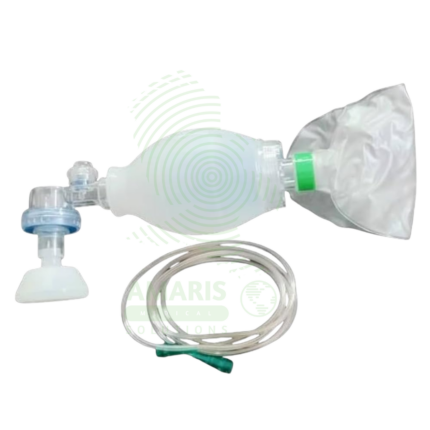
Breath Resuscitation Bag
A Breath Resuscitation Bag (manual resuscitator, bag-valve-mask) is a Class II medical device used to deliver positive-pressure ventilation to patients in respiratory arrest, cardiac arrest, or respiratory failure. Available in adult (1,500-2,000 mL), pediatric (450-750 mL), and infant/neonatal (200-350 mL) sizes with self-inflating silicone or PVC bags, one-way non-rebreathing valves, transparent cushioned masks, and oxygen reservoirs for high FiO2 delivery (90-100% with reservoir). Oxygen inlet allows connection to flow meter (10-15 L/min recommended). Pediatric/neonatal models include pressure-limiting valves (35-45 cmH2O) to prevent barotrauma. Essential for CPR (AHA guidelines: adult 10-12 breaths/min, child 12-20, infant 20-30), preoxygenation before intubation, transport ventilation, and recovery from anesthesia. Critical safety considerations include avoiding excessive ventilation pressure (prevents gastric insufflation), maintaining proper mask seal, monitoring chest rise, and having backup equipment readily available. Indispensable emergency airway equipment in hospitals, ambulances, crash carts, and emergency response kits worldwide.
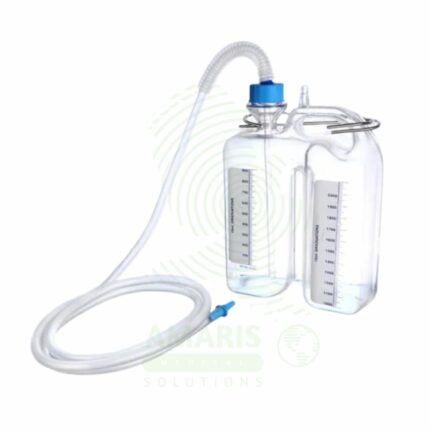
Chest Bottle
A Chest Bottle (Underwater Seal Drainage System) is a three-chamber disposable device used to drain air and fluid from the pleural space via a chest tube. Its critical component is a water seal chamber that acts as a one-way valve, preventing air from re-entering the chest while allowing drainage. It is used to treat pneumothorax, hemothorax, and pleural effusions, and is mandatory post-thoracic surgery. The system must always be kept upright and below the patient's chest level. It provides essential clinical information through tidaling in the water seal (indicating tube patency and lung expansion) and bubbling (indicating an air leak), making it both a therapeutic and diagnostic tool.
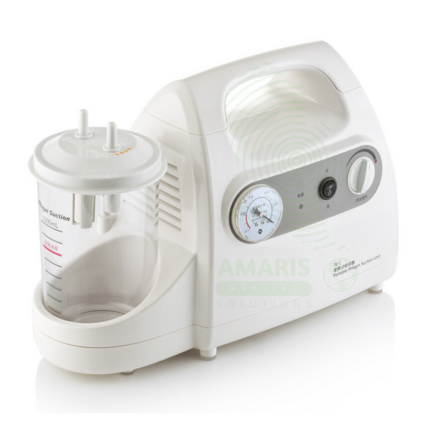
Electric Suction Machine
An Electric Suction Machine is a portable, electrically-powered medical device that generates vacuum pressure to remove fluids and secretions from a patient's airway, surgical site, or wound. It is a critical tool for maintaining a patent airway in emergency, surgical, post-operative, and chronic home care settings. The unit consists of a vacuum pump, a disposable collection canister with overflow protection, connecting tubing, and patient-end accessories. Key performance features include adjustable suction pressure, adequate airflow, and often battery backup for reliability. Strict adherence to pressure settings, suction duration, and single-use disposable components is essential for patient safety and infection control.
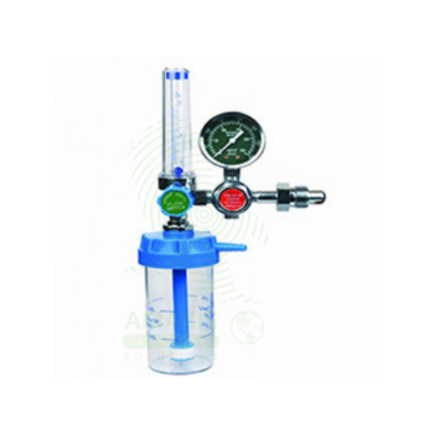
Oxygen Regulator Set
An Oxygen Regulator Set is a critical pressure control device that attaches to a medical oxygen cylinder, reducing its extremely high internal pressure to a safe, usable level and providing precise control over the flow rate delivered to the patient. Consisting of a pin-indexed yoke, high-pressure gauge, adjustable flowmeter, and safety outlet, it is the essential interface for safe oxygen delivery from cylinders in emergencies, during transport, and in home care. Its safe operation hinges on absolute adherence to oil-free handling procedures, correct connection techniques, and regular inspection for leaks or damage to prevent catastrophic oxygen-fuelled fires or equipment failure.
Portable Oxygen Concentrator
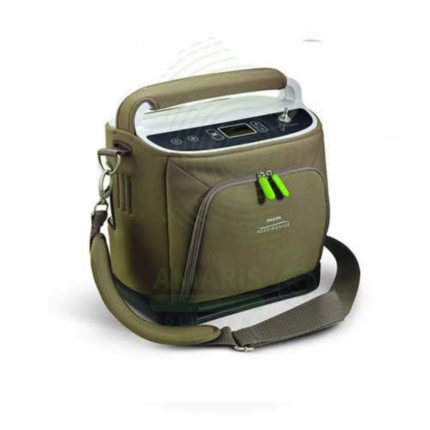
A Portable Oxygen Concentrator (POC) is a lightweight, battery-powered device that delivers oxygen via pulse dose technology, enabling active, mobile lifestyles for patients with chronic lung disease. By providing oxygen on-demand with each breath, it maximizes battery efficiency and portability, allowing users to travel, exercise, and socialize freely. It is a prescription-only device that requires careful titration to match a patient's needs during activity and is not a substitute for a stationary concentrator used at home and during sleep. Key considerations include FAA approval for air travel, battery life management, and understanding its specific use case as an ambulatory aid, not a primary oxygen source.
Suction Catheters
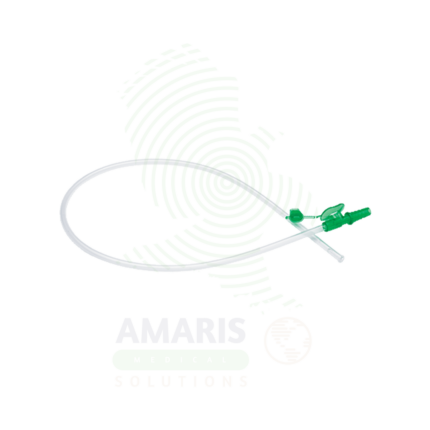
Suction Catheters are sterile, single-use flexible tubes designed for aspiration of pulmonary secretions from the airways of intubated, tracheostomized, or spontaneously breathing patients unable to clear their own secretions. Available in French sizes 5 Fr-18 Fr, with whistle-tip or coude configurations, single or multiple eyelets, and thumb-controlled suction valves. Open suction catheters are single-pass devices requiring strict sterile technique and immediate disposal. Closed (in-line) suction catheters are enclosed in a sterile sheath, permitting suctioning without ventilator disconnection, maintaining PEEP, and reducing aerosolization of pathogens—essential for high-frequency ventilation, ARDS, and airborne precautions. Critical safety parameters include catheter gauge not exceeding one-half the endotracheal tube internal diameter, suction duration ≤15 seconds, and vacuum pressure ≤150 mmHg. Proper technique prevents hypoxemia, mucosal trauma, and ventilator-associated pneumonia.
Video Laryngoscope
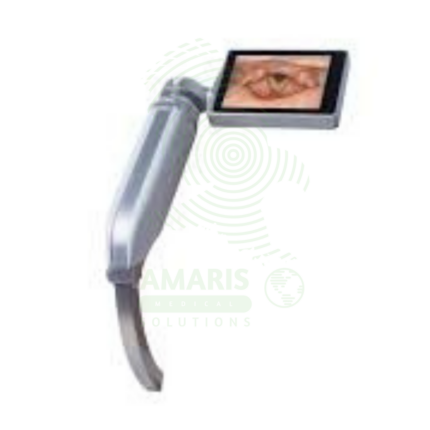
A Video Laryngoscope is an intubation device combining a laryngoscope blade with an integrated video camera and display, providing indirect visualization of the glottis for difficult airway management, emergency intubation, cervical spine precautions, and teaching applications. Available with reusable or disposable blades (Macintosh, Miller, hyperangulated) in sizes 0 (neonatal) to 4 (large adult). Features high-resolution camera (640×480 to 1920×1080), LED illumination, anti-fog system, and 2–7-inch display with recording capability. Primary clinical applications include difficult airway management (anatomical variations, obesity, cervical spine injury), emergency intubation in trauma and critical care, intubation with cervical spine precautions (minimal neck movement), teaching and training (real-time instructor view), documentation of airway anatomy, bariatric patient intubation, and neonatal/pediatric intubation. Class II medical device requiring FDA clearance. Critical safety considerations include anti-fog preparation, clearance of oral secretions, appropriate blade selection, maintaining direct laryngoscopy skills as backup, gentle tissue handling, infection control (disposable blades or sterilization), and battery verification before use.