Dermatoscope and Magnifiers
 Diagnostic Kits
 Vital Signs Monitors
 Stethoscopes and Accessories
 Otoscopes, Ophthalmoscopes, and Retinoscopes
 Reflex Hammers and Neurological Tools
 Scales and Measuring Devices
 Spirometers and Pulmonary Function Tests
 Electrosurgical Units and Accessories
 Cutting Instruments
 Grasping and Holding Instruments
 Hemostatic Instruments
 Specialized Surgical Sets
 Single-Use Procedure Trays and Packs
 Surgical Drapes, Gowns, and Covers
 Tissue Unifying Instruments
 Radiation Protection
 X-Ray Machines and Accessories
 Ultrasound Systems and Probes
 MRI and CT Scanners
 Radiology Consumables
 Bone Densitometers
 Fluoroscopy Equipment
 Imaging Tables and Positioning Aids
 Microscopes and Accessories
 Centrifuges and Separators
 Analyzers
 Incubators and Ovens
 Pipettes, Dispensers, and Lab Glassware
 Refrigerators, Freezers, and Storage Units
 Lab Consumables
 Sterilizers and Autoclaves for Lab Use
 Multi-Parameter Monitors
 Ventilators and Respiratory Support Devices
 Defibrillators and AEDs
 Infusion Pumps and IV Systems
 Patient Warmers and Cooling Devices
 Central Monitoring Stations
 Accessories
 Anesthesia Machines and Workstations
 Oxygen Concentrators and Delivery Systems
 Nebulizers and Inhalers
 CPAP/BiPAP Machines
 Airway Management
 Anesthesia Masks, Circuits, and Bags
 Humidifiers and Heaters
 Respiratory Therapy Accessories
 First Aid Kits and Cabinets
 Emergency Resuscitation Equipment
 Trauma Supplies
 Emergency Carts and Crash Carts
 Burn Care Products
 Bleeding Control
 Automated External Defibrillators (AEDs)
 Transport and Evacuation
 Wheelchairs and Accessories
 Walkers, Crutches, and Canes
 Prosthetics and Orthotics
 Physical Therapy Equipment
 Transfer Devices
 Bathroom Safety
 Orthopedic Traction and Tables
 Hot/Cold Therapy Packs and Units
 Beds and Mattresses
 Chairs and Stools
 Tables
 Cabinets and Storage
 Privacy Screens & Curtains
 Stands and Racks
 Linens and Textiles
 Lighting
 Autoclaves and Sterilizers
 Ultrasonic Cleaners
 Disinfectant Solutions and Wipes
 Sterilization Pouches, Wraps, and Indicators
 Instrument Trays and Containers
 UV and Ozone Disinfection Devices
 Washer Disinfectors
 Wound Care
 Gloves
 Masks and Respirators
 Catheters and Tubing
 Swabs, Applicators, and Sponges
 Incontinence Products
 Personal Protective Equipment (PPE)
 Dental Chairs and Units
 Handpieces and Burs
 Instruments
 Consumables
 Sterilization for Dental Use
 Orthodontic Supplies
 Endodontic Tools
 Slit Lamps and Tonometers
 Lensometers and Phoropters
 Ophthalmic Surgical Instruments
 Eyewear Frames and Lenses
 Contact Lens Supplies
 Vision Testing Charts and Devices
 Eye Care Consumables
 Laser Systems for Eye Care
 ENT Exam Chairs and Tables
 Endoscopes
 Audiometers and Hearing Tests
 ENT Instruments
 Nasal and Throat Packs
 Hearing Aids and Accessories
 Otology Supplies
 Fetal Dopplers and Monitors
 Delivery Beds and Tables
 Gynecological Instruments
 Neonatal Incubators and Warmers
 Breast Pumps and Accessories
 Contraceptive Devices
 Maternity Supports and Pads
 Neonatal Consumables
 Cystoscopes and Urethroscopes
 Dialysis Machines and Supplies
 Urological Catheters and Bags
 Lithotripters
 Prostate Treatment Devices
 Urinary Incontinence Products
 Kidney Stone Management Tools
 Consumables & Disposables
 EEG and EMG Machines
 Neurosurgical Instruments
 Nerve Stimulators
 Headrests and Positioning Aids
 Lumbar Puncture Kits
 Seizure Monitoring Devices
 Consumables
 Rehabilitation for Neurological Conditions
 ECG Machines and Accessories
 Holter Monitors
 Stress Test Systems
 Pacemakers and Defibrillator Accessories
 Vascular Access Devices
 Cardiac Catheters and Guidewires
 Blood Flow Meters
 Consumables
 Orthopedic Instruments
 Casts, Splints, and Padding
 Joint Replacement Supplies
 Prosthetic Limbs and Components
 Bone Grafts and Substitutes
 Traction Devices
 Orthopedic Braces and Supports
 Rehabilitation Aids for Orthopedics
 Home Oxygen Therapy
 Hospital Beds for Home Use
 Mobility Aids
 Bathroom and Daily Living Aids
 Wound Care for Home
 Monitoring Devices
 Enteral Feeding Pumps and Tubes
 Hand Sanitizers and Dispensers
 Face Shields and Goggles
 Isolation Gowns and Suits
 Biohazard Waste Containers
 Air Purifiers and HEPA Filters
 Surface Disinfectants
 Sharps Containers
 Protective Barriers
 Cardiovascular & Endurance Training
 Strength Training & Weightlifting
 Functional Training & Core Conditioning
 Physical Therapy & Rehabilitation
 Sports & Outdoor Recreation
 Gym Flooring & Facility Equipment
 Fitness Monitoring & Accessories
 Kids & Novelties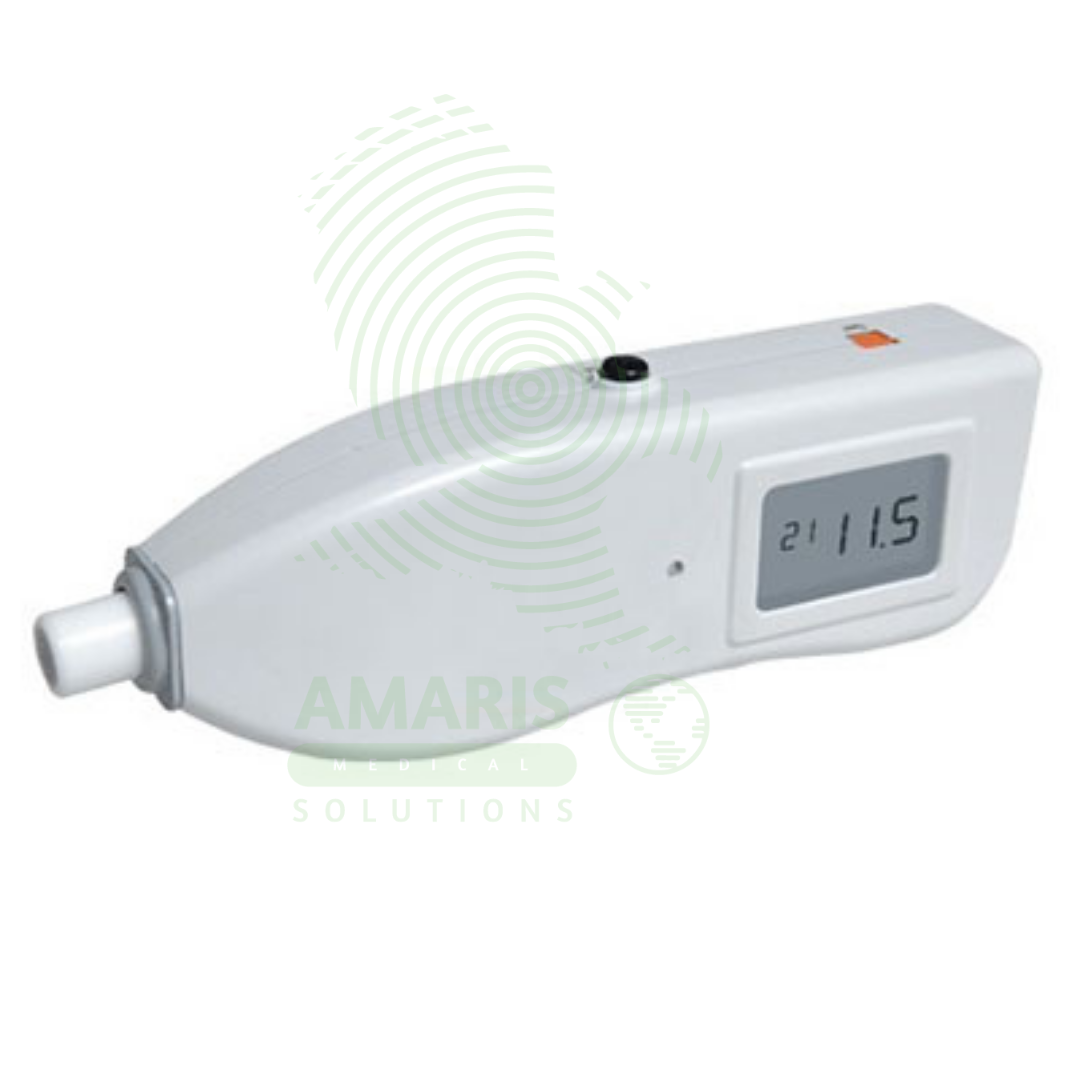
Transcutaneous Jaundice Detector
$1.00
WhatsApp Order
A Transcutaneous Jaundice Detector (TcB meter) is a Class II medical device that non-invasively estimates serum bilirubin levels in newborns using reflectance spectrophotometry or multi-wavelength optical analysis, providing rapid (1-5 seconds), painless screening for neonatal hyperbilirubinemia. Handheld, battery-operated device measures yellow coloration of subcutaneous tissue at the forehead or sternum, displaying results in mg/dL or µmol/L. Features include digital display, data storage (100-1,000 readings), USB/Bluetooth connectivity, and disposable probe covers for infection control. Correlation with serum bilirubin typically R² >0.9. Primary clinical applications include universal newborn screening before hospital discharge (AAP guidelines), monitoring bilirubin trends in at-risk infants, assessing phototherapy efficacy, and post-discharge follow-up in community settings. Critical safety considerations include mandatory confirmatory serum testing for abnormal values, daily calibration verification, use of disposable probe covers to prevent cross-contamination, avoidance of measurement on phototherapy-exposed skin, and proper technique (site selection, gentle pressure, averaging multiple readings). Essential screening tool in newborn nurseries, NICUs, and community healthcare settings for preventing kernicterus through early detection and management of neonatal jaundice.
Description
Transcutaneous Jaundice Detector
PRIMARY CLINICAL & DIAGNOSTIC USES
1. Non-Invasive Neonatal Bilirubin Screening
-
Primary Use: Provides rapid, painless measurement of bilirubin levels in newborns by measuring the yellow coloration of subcutaneous tissue.
-
How it helps: For the pediatrician, nurse, or midwife, it transforms jaundice assessment from a subjective visual guess (“does this baby look yellow?”) into an objective, quantifiable measurement in seconds. For the newborn, it means no painful heel sticks for routine screening—simply a gentle probe placed on the skin, eliminating the trauma and crying associated with blood draws for millions of babies every year.
2. Risk Assessment for Severe Hyperbilirubinemia
-
Primary Use: Identifies infants at risk of developing significant jaundice before hospital discharge, allowing early intervention.
-
How it helps: For the discharging provider, it provides objective data to determine which babies need a blood test, which need follow-up tomorrow, and which can safely go home with routine care. For the parents and their newborn, it offers protection against the “silent danger” of jaundice—identifying at-risk infants before bilirubin reaches dangerous levels, preventing the devastating and entirely preventable brain damage of kernicterus.
3. Monitoring Bilirubin Trends in At-Risk Infants
-
Primary Use: Serial transcutaneous measurements track bilirubin progression in infants receiving phototherapy or those with hemolytic conditions.
-
How it helps: For the NICU team managing a baby under the lights, it allows frequent checks without draining the infant’s blood volume through repeated lab draws. For the fragile infant, particularly preterm babies with tiny blood volumes, every spared heel stick preserves precious red blood cells and reduces the anemia that prolonged NICU stays can cause.
4. Post-Discharge Follow-Up in Community Settings
-
Primary Use: Portable devices enable home health nurses, midwives, and community healthcare workers to monitor jaundice after early hospital discharge.
-
How it helps: For the community healthcare provider visiting a newborn at home, it brings hospital-level assessment capability directly to the family’s door. For the new parents navigating the anxiety of early discharge, it means their baby can be monitored for jaundice in the comfort of their own home—catching rising bilirubin early without multiple stressful trips back to the hospital.
5. Phototherapy Efficacy Assessment
-
Primary Use: Measurements taken before, during, and after phototherapy help evaluate treatment response, guiding decisions on therapy duration.
-
How it helps: For the neonatologist, serial measurements provide clear evidence of whether the lights are working or if therapy needs to be intensified. For the infant under phototherapy, it means treatment continues only as long as necessary—not a moment longer—reducing separation from parents and allowing them to return to normal feeding and bonding as soon as it’s safe.
6. Maternity Ward and Newborn Nursery Screening
-
Primary Use: Routine screening of all newborns before discharge implements universal screening protocols recommended by pediatric academies worldwide.
-
How it helps: For the maternity ward team, it enables efficient, high-volume screening of every baby before they go home, integrating seamlessly into the discharge workflow. For every newborn, regardless of whether they look “yellow” to the naked eye, this universal screening ensures no baby slips through the cracks with undetected jaundice.
7. Emergency Department and Urgent Care Evaluation
-
Primary Use: Rapid assessment of jaundiced infants presenting to emergency settings helps determine the need for immediate blood testing and potential admission.
-
How it helps: For the emergency physician seeing a worried parent with a yellow baby, it provides immediate risk stratification—identifying which infants need stat labs and admission versus those who can follow up with their pediatrician. For the anxious parent and their fussy infant, it often means avoiding a long emergency department stay for bloodwork and waiting for results, providing quick answers and peace of mind.
SECONDARY & SUPPORTIVE USES
1. Clinical Research and Epidemiological Studies: For the neonatal researcher, it enables large-scale studies of bilirubin metabolism without subjecting thousands of infants to painful blood draws. For the scientific community, this data advances understanding of jaundice and improves screening protocols worldwide.
2. Telemedicine and Remote Monitoring: For the community hospital without a neonatologist on site, it allows transmission of objective bilirubin measurements for specialist consultation. For the infant born in a smaller hospital, it brings expert assessment to their bedside without the need for transfer to a larger center.
3. Parental Education and Reassurance: For the pediatrician counseling concerned parents, an objective number is far more powerful than “he looks a little yellow.” For the worried mother, seeing the actual measurement and where it falls on the risk curve provides concrete reassurance or clear understanding of why treatment is needed.
4. International Health and Resource-Limited Settings: For the global health worker in a low-resource clinic, a portable, battery-operated device enables jaundice screening where laboratory testing is unavailable. For families in underserved regions, it brings a modern standard of care to communities where kernicterus previously went unchecked.
5. Teaching and Training: For the neonatal nursing instructor, it demonstrates modern, evidence-based jaundice assessment. For the trainee—whether medical student or resident—hands-on experience builds competence in screening and managing one of the most common conditions in newborn medicine.
6. Newborn Transport Services: For the neonatal transport team, it enables continuous monitoring of bilirubin trends during long transfers. For the critically ill infant being moved between facilities, it ensures that rising jaundice is detected and addressed during transport, not discovered upon arrival.
KEY PRODUCT FEATURES
1. BASIC IDENTIFICATION ATTRIBUTES
-
Product Type: Non-invasive medical device that estimates serum bilirubin level by measuring the yellow color of subcutaneous tissue using reflectance spectrophotometry or multi-wavelength analysis.
-
Common Names: Transcutaneous Jaundice Detector, Transcutaneous Bilirubinometer, TcB Meter, Bilirubinometer, Jaundice Meter, Transcutaneous Bilirubin Analyzer.
-
Measurement Principle: Reflectance spectrophotometry or multi-wavelength optical analysis measuring the yellow color of bilirubin in subcutaneous tissue.
-
Measurement Site: Typically forehead or sternum (over bony prominence to avoid pressure on soft tissue).
-
Measurement Time: 1-5 seconds per reading.
-
Display: Digital LCD showing bilirubin value in mg/dL or µmol/L.
-
Measurement Range: Typically 0-20 mg/dL (0-340 µmol/L).
-
Accuracy: Correlation with serum bilirubin typically R² >0.9; used as screening tool, not diagnostic replacement.
-
Calibration: Factory calibrated; some models require periodic calibration verification with provided standard.
-
Power Source: Rechargeable batteries, replaceable batteries (AA), or AC power.
2. TECHNICAL & PERFORMANCE PROPERTIES
-
Measurement Technology:
-
Reflectance Spectrophotometry: Measures light reflected from skin at wavelengths specific to bilirubin absorption (typically 450-460 nm).
-
Multi-Wavelength Analysis: Uses multiple wavelengths to compensate for melanin, hemoglobin, and other interfering pigments.
-
Optical Fiber Probe: Delivers light to skin and collects reflected light for analysis.
-
-
Correlation with Serum Bilirubin: 0.90-0.95 correlation coefficient (varies by device and population).
-
Measurement Precision: CV <5-10% for repeated measurements.
-
Interference Compensation: Algorithms to adjust for skin pigmentation (melanin) and gestational age.
-
Temperature Stability: Accurate across typical clinical temperature ranges (15-35°C).
-
Battery Life: 100-500 measurements per charge depending on model and battery type.
-
Data Storage: Internal memory for 100-1,000 measurements with date/time stamps.
-
Data Output: USB, Bluetooth, or infrared for data transfer to EMR or PC.
-
Operating Temperature: 10-40°C (50-104°F).
-
Operating Humidity: 10-90% non-condensing.
3. PHYSICAL & OPERATIONAL PROPERTIES
-
Dimensions: 15-20 cm × 5-8 cm × 3-5 cm (handheld).
-
Weight: 150-400 grams (lightweight, portable).
-
Housing: Medical-grade ABS plastic; impact-resistant; easy-clean surfaces.
-
Probe Tip: Optical measurement tip; may have disposable covers to prevent cross-contamination.
-
Display: Backlit LCD with large numerals; shows measurement value and battery status.
-
Controls: Minimal buttons (power, measure) for ease of use; some models with menu navigation.
-
Calibration Cuvette: Provided for daily calibration verification (varies by model).
-
Storage Case: Protective case for transport and storage.
-
Power Options: Rechargeable lithium-ion (with charging cradle) or AA batteries.
-
Certifications: CE marked; FDA cleared; ISO 13485 manufacturing.
4. SAFETY & COMPLIANCE ATTRIBUTES
-
Regulatory Status: Class II medical device requiring FDA 510(k) clearance; CE marked for IVD use.
-
Clinical Standards: Meets applicable standards for non-invasive bilirubin measurement devices (CLSI C46-A guidelines).
-
Optical Safety: Low-intensity light safe for neonatal skin and eyes; no known adverse effects.
-
Electrical Safety: Compliant with IEC 60601-1 for medical electrical equipment.
-
Biocompatibility: Probe tip materials meet ISO 10993 for skin contact.
-
Latex-Free: All patient-contact materials latex-free.
-
Data Security: Compliant with relevant data protection regulations.
-
Calibration: Factory calibrated; verification with calibration standard recommended daily.
-
Infection Control: Disposable probe covers available for single-patient use to prevent cross-contamination.
-
Quality Management: Manufactured under ISO 13485 certified processes.
5. STORAGE & HANDLING ATTRIBUTES
-
Storage: Store in a clean, dry environment at room temperature (15-35°C); protect from dust, moisture, and direct sunlight.
-
Battery Maintenance: Keep batteries charged; rechargeable models should be docked when not in use.
-
Probe Care: Keep measurement tips clean; use disposable probe covers for each patient; do not scratch the optical surface.
-
Calibration Verification: Perform daily calibration check using provided standard cuvette; document results.
-
Cleaning: Wipe exterior with EPA-registered hospital disinfectant; do not immerse; clean probe tip with soft, lint-free cloth.
-
Disinfection: Use approved disinfectant wipes compatible with device materials.
-
Inspection: Before each use, check for damage to probe tip, housing, or display; verify calibration status.
-
Probe Covers: Ensure adequate supply of disposable covers; do not reuse covers between patients.
-
Data Download: Periodically download stored measurements for documentation and EMR integration.
-
Expiration: Check expiration date of calibration cuvette; replace as needed.
6. LABORATORY & CLINICAL APPLICATIONS
-
Primary Application: Non-invasive screening and monitoring of neonatal hyperbilirubinemia.
-
American Academy of Pediatrics (AAP) Guidelines:
-
Universal Screening: All newborns should be assessed for risk of severe hyperbilirubinemia before discharge.
-
TcB Screening: Transcutaneous bilirubin measurement is acceptable for screening; values above certain thresholds require confirmatory serum testing.
-
Monitoring: Serial TcB measurements can track bilirubin trends in infants receiving phototherapy.
-
Discharge Planning: TcB helps determine safe timing of discharge and need for follow-up.
-
-
Measurement Protocol:
-
Select measurement site (forehead or sternum - over bony prominence).
-
Ensure skin is clean, dry, and free of lotions or ointments.
-
Apply disposable probe cover (if used).
-
Place the probe gently against skin; avoid pressing too hard.
-
Press the measurement button; hold steady for 1-5 seconds.
-
Read displayed bilirubin value.
-
Repeat for 2-3 measurements and average for accuracy.
-
Interpretation:
-
Screening Values: Values below age-specific threshold indicate low risk; values above threshold require confirmatory serum bilirubin.
-
Phototherapy Thresholds: Compare to hour-specific nomograms (AAP) to determine need for phototherapy.
-
Trend Monitoring: Rising values indicate need for closer follow-up or intervention.
-
-
Limitations:
-
Less accurate in infants >35 weeks gestational age after the first week of life.
-
May be affected by skin pigmentation (though modern devices compensate).
-
Not reliable in infants receiving phototherapy (bleaches skin).
-
Cannot replace serum bilirubin for diagnosis or treatment decisions.
-
SAFETY HANDLING PRECAUTIONS
1. SAFETY PRECAUTIONS
-
Confirmatory Testing Required: TcB is a screening tool; abnormal values must be confirmed with serum bilirubin before initiating treatment.
-
Site Selection: Measure over bony prominence (forehead, sternum) to avoid pressure on soft tissue.
-
Skin Condition: Ensure skin is clean, dry, and free of lotions, ointments, or meconium.
-
Phototherapy Interference: Do not measure on skin exposed to phototherapy light; bilirubin is degraded by light, giving falsely low readings.
-
Probe Covers: Use disposable covers for each patient to prevent cross-contamination.
-
Calibration: Verify calibration daily; out-of-calibration devices give inaccurate results.
-
Pressure: Do not press the probe too firmly; excessive pressure may affect readings.
-
Multiple Readings: Take 2-3 readings and average for best accuracy.
-
Documentation: Record values in medical record; note use of TcB vs. serum bilirubin.
-
Training: Operators should be trained on proper technique and interpretation.
2. FIRST AID MEASURES
-
Device Malfunction: If device fails to measure or displays error, troubleshoot per manual; use alternative method (serum bilirubin).
-
Probe Tip Damage: If the optical tip scratched or damaged, discontinue use; return for service.
-
Battery Failure: If battery depleted, use an AC adapter or replace batteries; have a backup device available.
-
Patient Reaction: No known adverse reactions; if skin irritation occurs, discontinue use and assess.
3. FIRE FIGHTING MEASURES
-
Flammability: Plastic housing and components are combustible.
-
Extinguishing Media: For electrical fire, use CO₂ or dry chemical (Class C) extinguisher.
-
Power Off: Disconnect power if safe to do so.
Related products
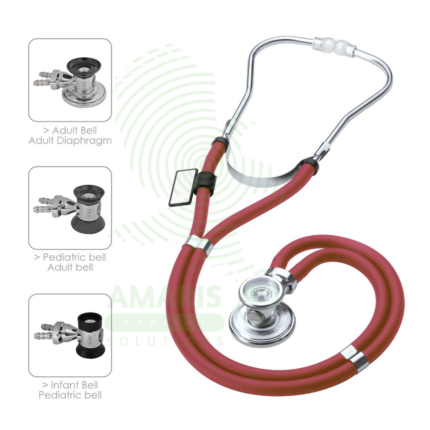
Dual Head Stethoscope
The Dual Head Stethoscope is the classic, essential acoustic diagnostic tool used by healthcare professionals worldwide. Its defining feature is a two-sided chestpiece, combining a diaphragm for high-frequency sounds (breath sounds, normal heart tones) and a bell for low-frequency sounds (heart murmurs, abnormal heart tones). Through mechanical sound conduction, it provides critical information for assessing cardiac, pulmonary, and vascular systems during physical examinations and manual blood pressure measurement. Its effectiveness relies on proper technique, a good acoustic seal, and consistent cleaning. As a fundamental symbol of medical practice, it balances functionality, durability, and affordability.
LED Otoscope
An LED Otoscope is a handheld medical device used for illuminating and magnifying the external ear canal and tympanic membrane. Featuring a bright, cool, and long-lasting LED light source, it provides superior visualization for diagnosing common conditions like ear infections, wax impaction, and perforations. Its design, incorporating a reusable handle/head and disposable specula, ensures hygiene and patient safety. As an essential tool in family medicine, pediatrics, and ENT, it enables clinicians to perform accurate otoscopic examinations and, when equipped with an insufflator, crucial pneumatic otoscopy to assess middle ear function.
Littmann Stethoscope (Classic II)
A Littmann Stethoscope (Classic II) is a premium, acoustic dual-head stethoscope renowned for its diagnostic clarity, durability, and innovative tunable diaphragm technology. It allows healthcare professionals to hear both high and low-frequency sounds by simply adjusting pressure on the single-sided chestpiece, eliminating the need to rotate it. With its superior acoustics, comfortable fit, and wide range of colors, it is the instrument of choice for medical students, nurses, and physicians across all specialties who require reliable performance for physical assessment, auscultation of heart and lung sounds, and manual blood pressure measurement.
Ophthalmoscope
An Ophthalmoscope is a handheld diagnostic instrument used to examine the interior of the eye, specifically the fundus (retina, optic disc, blood vessels, and macula). By providing illuminated magnification, it serves as a vital screening tool for detecting ocular diseases like glaucoma and retinal disorders, and more importantly, for identifying signs of systemic conditions such as diabetes, hypertension, and increased intracranial pressure. Its operation involves selecting appropriate apertures and compensating lenses to obtain a clear view. While offering a detailed but narrow field of vision, mastery of the direct ophthalmoscope remains a cornerstone skill in general medicine, neurology, and ophthalmology for assessing vascular and neurological health.
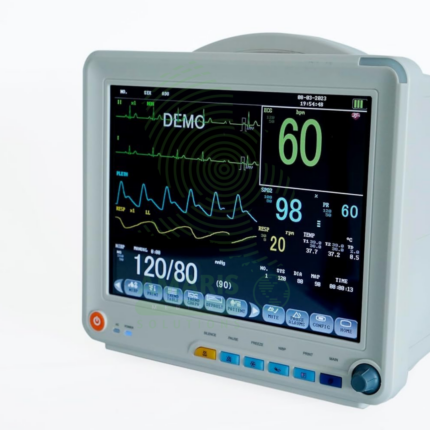
Patient Monitor
The Patient Monitor (6 Parameters BCCMS8000) is a versatile multi-parameter monitor designed for continuous surveillance of core vital signs in various clinical settings. It tracks six essential parameters—ECG, SpO2, Non-Invasive Blood Pressure (NIBP), Respiration, Temperature, and Pulse Rate—providing clinicians with real-time waveforms and numerical data on a clear color display. With its robust alarm system, battery backup for transport, and reliable performance, it is a fundamental tool for ensuring patient safety on general hospital wards, during procedures, and in emergency departments. Its design balances comprehensive monitoring capability with user-friendly operation.
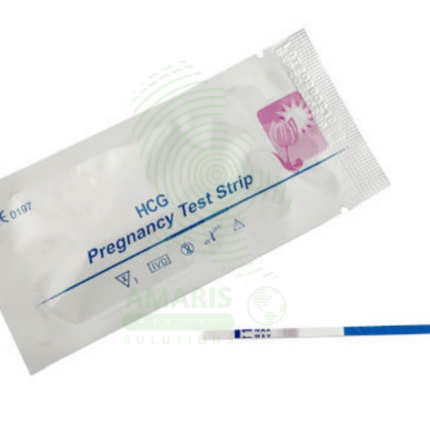
Pregnancy Test Strips
Pregnancy Test Strips are simple, dip-style lateral flow devices designed for the rapid, qualitative detection of human chorionic gonadotropin (hCG) in urine to indicate pregnancy. As the most fundamental format of home pregnancy tests, they offer high sensitivity (often from 10 mIU/mL), affordability, and a quick result within 3-5 minutes. Their ease of use makes them a widely accessible first step in pregnancy detection for personal use and clinical screening. A visible test line, even if faint, is a positive result, though confirmation with a healthcare provider is always recommended.
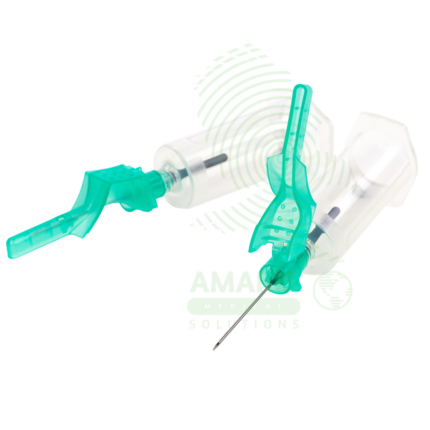
SAFE SERIES Blood Collection Needles
The SAFE SERIES (AM-SAFE) by Beijing Precil (Mindray subsidiary) is a comprehensive line of safety-engineered blood collection devices designed to prevent accidental needlestick injuries in healthcare workers. The series includes venous blood collection needles (AM-SAFE-V), standard safety needles (AM-SAFE1), winged infusion sets/butterfly needles (AM-SAFE2), high-gauge thin-wall needles for fragile veins (AM-SAFE3), premium coated needles for enhanced patient comfort (AM-GOLD), and nurse-friendly one-handed safety variants (AM-NURSE). All devices incorporate integral safety mechanisms that shield the contaminated needle immediately after withdrawal, complying with OSHA Needlestick Safety and Prevention Act requirements. Available in various gauges (18G-25G) and configurations for routine venipuncture, difficult vein access, pediatric/geriatric patients, and frequent blood draws. Sterile, single-use, latex-free, and color-coded for easy gauge identification. Essential safety devices for blood collection in hospitals, clinics, laboratories, and home healthcare settings.