Dermatoscope and Magnifiers
 Diagnostic Kits
 Vital Signs Monitors
 Stethoscopes and Accessories
 Otoscopes, Ophthalmoscopes, and Retinoscopes
 Reflex Hammers and Neurological Tools
 Scales and Measuring Devices
 Spirometers and Pulmonary Function Tests
 Electrosurgical Units and Accessories
 Cutting Instruments
 Grasping and Holding Instruments
 Hemostatic Instruments
 Specialized Surgical Sets
 Single-Use Procedure Trays and Packs
 Surgical Drapes, Gowns, and Covers
 Tissue Unifying Instruments
 Radiation Protection
 X-Ray Machines and Accessories
 Ultrasound Systems and Probes
 MRI and CT Scanners
 Radiology Consumables
 Bone Densitometers
 Fluoroscopy Equipment
 Imaging Tables and Positioning Aids
 Microscopes and Accessories
 Centrifuges and Separators
 Analyzers
 Incubators and Ovens
 Pipettes, Dispensers, and Lab Glassware
 Refrigerators, Freezers, and Storage Units
 Lab Consumables
 Sterilizers and Autoclaves for Lab Use
 Multi-Parameter Monitors
 Ventilators and Respiratory Support Devices
 Defibrillators and AEDs
 Infusion Pumps and IV Systems
 Patient Warmers and Cooling Devices
 Central Monitoring Stations
 Accessories
 Anesthesia Machines and Workstations
 Oxygen Concentrators and Delivery Systems
 Nebulizers and Inhalers
 CPAP/BiPAP Machines
 Airway Management
 Anesthesia Masks, Circuits, and Bags
 Humidifiers and Heaters
 Respiratory Therapy Accessories
 First Aid Kits and Cabinets
 Emergency Resuscitation Equipment
 Trauma Supplies
 Emergency Carts and Crash Carts
 Burn Care Products
 Bleeding Control
 Automated External Defibrillators (AEDs)
 Transport and Evacuation
 Wheelchairs and Accessories
 Walkers, Crutches, and Canes
 Prosthetics and Orthotics
 Physical Therapy Equipment
 Transfer Devices
 Bathroom Safety
 Orthopedic Traction and Tables
 Hot/Cold Therapy Packs and Units
 Beds and Mattresses
 Chairs and Stools
 Tables
 Cabinets and Storage
 Privacy Screens & Curtains
 Stands and Racks
 Linens and Textiles
 Lighting
 Autoclaves and Sterilizers
 Ultrasonic Cleaners
 Disinfectant Solutions and Wipes
 Sterilization Pouches, Wraps, and Indicators
 Instrument Trays and Containers
 UV and Ozone Disinfection Devices
 Washer Disinfectors
 Wound Care
 Gloves
 Masks and Respirators
 Catheters and Tubing
 Swabs, Applicators, and Sponges
 Incontinence Products
 Personal Protective Equipment (PPE)
 Dental Chairs and Units
 Handpieces and Burs
 Instruments
 Consumables
 Sterilization for Dental Use
 Orthodontic Supplies
 Endodontic Tools
 Slit Lamps and Tonometers
 Lensometers and Phoropters
 Ophthalmic Surgical Instruments
 Eyewear Frames and Lenses
 Contact Lens Supplies
 Vision Testing Charts and Devices
 Eye Care Consumables
 Laser Systems for Eye Care
 ENT Exam Chairs and Tables
 Endoscopes
 Audiometers and Hearing Tests
 ENT Instruments
 Nasal and Throat Packs
 Hearing Aids and Accessories
 Otology Supplies
 Fetal Dopplers and Monitors
 Delivery Beds and Tables
 Gynecological Instruments
 Neonatal Incubators and Warmers
 Breast Pumps and Accessories
 Contraceptive Devices
 Maternity Supports and Pads
 Neonatal Consumables
 Cystoscopes and Urethroscopes
 Dialysis Machines and Supplies
 Urological Catheters and Bags
 Lithotripters
 Prostate Treatment Devices
 Urinary Incontinence Products
 Kidney Stone Management Tools
 Consumables & Disposables
 EEG and EMG Machines
 Neurosurgical Instruments
 Nerve Stimulators
 Headrests and Positioning Aids
 Lumbar Puncture Kits
 Seizure Monitoring Devices
 Consumables
 Rehabilitation for Neurological Conditions
 ECG Machines and Accessories
 Holter Monitors
 Stress Test Systems
 Pacemakers and Defibrillator Accessories
 Vascular Access Devices
 Cardiac Catheters and Guidewires
 Blood Flow Meters
 Consumables
 Orthopedic Instruments
 Casts, Splints, and Padding
 Joint Replacement Supplies
 Prosthetic Limbs and Components
 Bone Grafts and Substitutes
 Traction Devices
 Orthopedic Braces and Supports
 Rehabilitation Aids for Orthopedics
 Home Oxygen Therapy
 Hospital Beds for Home Use
 Mobility Aids
 Bathroom and Daily Living Aids
 Wound Care for Home
 Monitoring Devices
 Enteral Feeding Pumps and Tubes
 Hand Sanitizers and Dispensers
 Face Shields and Goggles
 Isolation Gowns and Suits
 Biohazard Waste Containers
 Air Purifiers and HEPA Filters
 Surface Disinfectants
 Sharps Containers
 Protective Barriers
 Cardiovascular & Endurance Training
 Strength Training & Weightlifting
 Functional Training & Core Conditioning
 Physical Therapy & Rehabilitation
 Sports & Outdoor Recreation
 Gym Flooring & Facility Equipment
 Fitness Monitoring & Accessories
 Kids & Novelties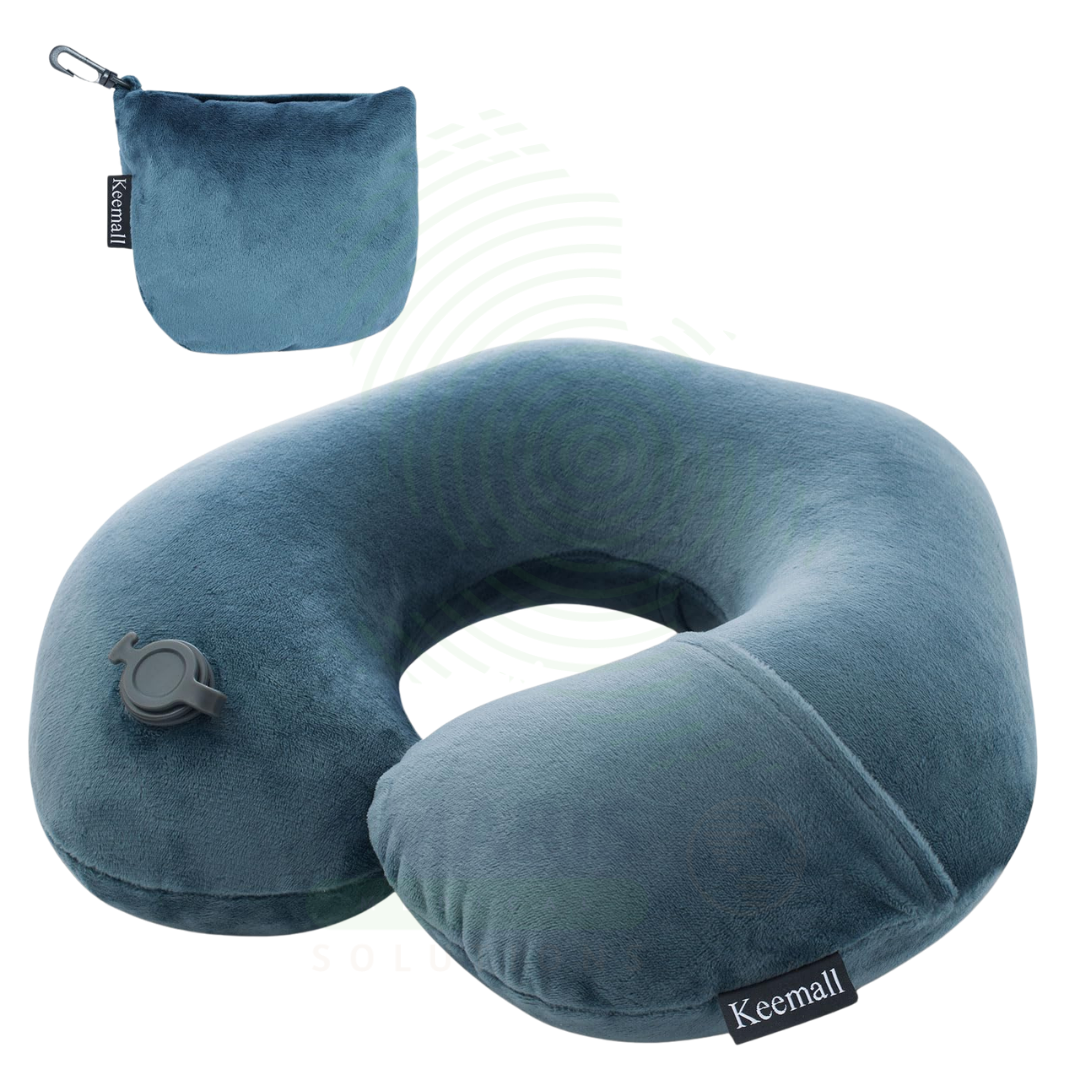
Inflatable Travel Pillow
$1.00
WhatsApp Order
An Inflatable Travel Pillow is a U-shaped, inflatable pillow designed to support the cervical spine and maintain neutral neck alignment during upright seated travel in vehicles, airplanes, trains, or medical transport. The horseshoe-shaped design wraps around the neck with the opening at the front, providing bilateral support that prevents the head from falling into painful lateral flexion or rotation positions during sleep. The inflatable construction allows users to adjust firmness to their preferred support level—accommodating individual neck contours and varying support needs while deflating to a compact size for easy packing and transport. For the orthopedic specialist and physical therapist, the inflatable travel pillow protects patients with cervical spondylosis, chronic neck pain, whiplash history, or post-operative cervical surgery during necessary or leisure travel. For the patient with cervical radiculopathy, fibromyalgia, or cervical degenerative disease, an inflatable travel pillow allows them to undertake long-distance journeys without suffering days of exacerbated symptoms, maintaining quality of life and independence despite chronic neck pathology. Lightweight, portable, and adjustable, the inflatable travel pillow provides reliable cervical support for travel without the bulk of traditional foam pillows.
Description
Inflatable Travel Pillow
PRIMARY CLINICAL & DIAGNOSTIC USES
1. Cervical Support During Upright Sitting and Travel
-
Primary Use: Provides an inflatable, horseshoe-shaped or contoured pillow that wraps around the neck, supporting the cervical spine and preventing abnormal lateral bending during upright sitting in vehicles, airplanes, and trains.
-
How it helps: For the orthopedic specialist and physical therapist, the inflatable travel pillow maintains neutral cervical alignment when the user falls asleep in an upright position—preventing excessive lateral flexion, rotation, or forward head posture that can strain cervical facet joints, ligaments, and muscles. For the patient with cervical spondylosis, chronic neck pain, or a history of whiplash, using a travel pillow during long journeys reduces pain flares, prevents morning-after stiffness, and protects the cervical spine from sustained abnormal postures.
2. Adjustable Support for Individual Neck Contours
-
Primary Use: The inflatable design allows the user to adjust firmness to their preferred support level, accommodating individual neck contours and varying support needs.
-
How it helps: For the rehabilitation specialist and frequent traveler with cervical pathology, the adjustable inflation allows precise customization of support firmness—providing optimal cervical alignment without excessive pressure on sensitive structures. For the patient with cervical radiculopathy, fibromyalgia, or myofascial pain syndrome, the ability to adjust firmness ensures comfortable support that does not exacerbate symptoms during travel.
3. Portable and Compact for Travel Convenience
-
Primary Use: Deflates to a compact size for easy packing and transport, making it ideal for patients requiring cervical support during air travel, car trips, or train journeys.
-
How it helps: For the physical therapist and patient, the compact, lightweight design allows patients to carry their cervical support device wherever they travel—ensuring consistent neck protection during all journeys without the bulk of traditional foam pillows. For the patient with chronic neck pain who travels frequently, the inflatable travel pillow provides reliable support without adding significant weight or bulk to luggage.
4. Prevention of Cervical Radiculopathy Exacerbation
-
Primary Use: The U-shaped design provides bilateral support that prevents the head from falling into painful positions that may exacerbate cervical nerve root compression during seated sleep.
-
How it helps: For the neurologist and neurosurgeon, maintaining neutral cervical alignment during sleep in a seated position prevents foraminal narrowing and nerve root impingement in patients with cervical radiculopathy from disc herniation or foraminal stenosis. For the patient with radiating arm pain, numbness, or weakness from nerve root compression, an inflatable travel pillow allows them to undertake long-distance travel without suffering days of exacerbated symptoms.
SECONDARY & SUPPORTIVE USES
1. Post-Whiplash and Concussion Recovery Travel: Provides cervical support during necessary travel for patients recovering from whiplash-associated disorder or concussion.
2. Post-Operative Cervical Spine Surgery Patients: Used by patients recovering from anterior cervical discectomy and fusion or cervical disc replacement during medically necessary travel.
3. Elderly Patients with Cervical Degenerative Disease: Supports the aging cervical spine during family visits, medical appointments, or recreational travel.
4. Patients with Chronic Tension Headaches: Reduces suboccipital muscle tension during prolonged seated travel, preventing headache triggers.
5. Temporomandibular Joint Disorder (TMD) Management: Supports the jaw and cervical spine, reducing strain on the temporomandibular joint during travel.
6. Multiple Sclerosis-Related Fatigue Travel: Allows patients with MS to rest comfortably during transport, preserving energy for activities.
7. Parkinson’s Disease Travel Support: Provides cervical stability for patients with postural instability or neck rigidity during journeys.
8. Rheumatoid Arthritis Cervical Involvement: Protects the unstable atlantoaxial joint during vehicle motion and sudden acceleration or deceleration.
9. Ankylosing Spondylitis Travel Support: Prevents chin-on-chest deformity progression during prolonged seated travel.
10. Pregnancy-Related Neck Pain Support: Supports the changing cervical alignment during travel for pregnant patients with musculoskeletal discomfort.
11. Chemotherapy and Radiation Therapy Patient Transport: Provides comfort during frequent travel to treatment centers for cancer patients.
12. Home Healthcare Patient Transport: Supports patients being transported to medical appointments in ambulances or medical transport vehicles.
13. Caregiver and Healthcare Worker Travel Comfort: Prevents travel-related neck pain in healthcare professionals who travel frequently between facilities.
14. General Travel and Leisure: Provides cervical support for all travelers seeking neck comfort during long journeys.
KEY PRODUCT FEATURES
1. BASIC IDENTIFICATION ATTRIBUTES
-
Device Type: An inflatable, U-shaped or contoured pillow designed to support the cervical spine and maintain neutral neck alignment during upright seated travel in vehicles, airplanes, trains, or medical transport.
-
Designation: Inflatable Travel Pillow, Inflatable Neck Pillow, Travel Neck Pillow, U-Shaped Inflatable Pillow, Cervical Travel Pillow, Air Travel Pillow, Portable Neck Pillow, Compact Travel Pillow, Inflatable Cervical Support.
-
Key Components:
o Pillow Body: U-shaped, horseshoe, or wrap-around inflatable bladder.
o Material: PVC, TPU, or flocked vinyl.
o Valve: Inflation and deflation valve.
o Cover: Removable, washable fabric cover (velour, microfleece, cotton).
o Closure: Snap buttons, toggle cord, or Velcro at front.
2. TECHNICAL & PERFORMANCE PROPERTIES
-
Material: PVC (economical), TPU (durable, eco-friendly), flocked vinyl (soft texture), or polyester with coating.
-
Firmness: Adjustable via inflation volume.
-
Inflation: Manual or built-in pump; some require mouth inflation.
-
Deflation: Rapid deflation valve for compact storage.
-
Cover: Removable, machine-washable fabric cover.
-
Portability: Compact when deflated; fits in carry-on luggage.
-
Weight: Very lightweight (typically 3-8 ounces).
-
Latex-Free: Available in latex-free materials.
3. PHYSICAL & OPERATIONAL PROPERTIES
-
Construction: Seamless or welded seams for air retention.
-
Shape: U-shaped with opening at front; some models have chin support.
-
Closure: Snap buttons or toggle cord for secure fit.
-
Packaging: Some include travel bags or stuff sacks.
-
Cleaning: Wipe inflatable bladder with damp cloth; cover machine washable.
-
Storage: Deflate and fold compactly; store in provided pouch.
4. SAFETY & COMPLIANCE ATTRIBUTES
-
Regulatory Status: Class I medical device when labeled for therapeutic cervical support; general travel accessory if not making medical claims.
-
Non-Toxic: Materials are non-toxic for safe handling.
-
Latex-Free: Available in latex-free options.
-
Air Retention: Sealed valve prevents air leakage.
-
Flammability: Meets standard flammability requirements.
5. STORAGE & HANDLING ATTRIBUTES
-
Storage: Deflate, fold, and store in a clean, dry location; keep away from sharp objects.
-
Cleaning: Wipe inflatable bladder with damp cloth; machine wash cover per manufacturer instructions; air dry.
-
Inspection: Inspect for air leaks, valve damage, or cover wear before each use; discard if compromised.
-
Inflation: Inflate to desired firmness; do not over-inflate.
-
Valve Check: Ensure valve is fully closed after inflation.
6. LABORATORY & CLINICAL APPLICATIONS
-
Primary Application: Cervical spine support during upright seated travel to prevent neck pain, maintain neutral alignment, and protect against radiculopathy exacerbation in patients with cervical spine conditions.
-
Clinical Role: Supportive device for patients with cervical spine conditions, chronic neck pain, whiplash history, or post-operative cervical surgery during necessary or leisure travel.
SAFETY HANDLING PRECAUTIONS
1. SAFETY PRECAUTIONS
-
Proper Positioning: Position pillow with opening at front of neck, thicker support under chin and behind neck; ensure correct orientation.
-
Inflation Level: Inflate to comfortable firmness; excessive inflation may cause discomfort or airway constriction.
-
Tightness: Pillow should support without constricting airway or jugular veins.
-
Not for Infants: Inflatable travel pillows are not safe for infants or young children due to suffocation risk; use age-appropriate products.
-
Material Sensitivity: Patients with latex allergy should verify latex-free materials.
-
Cleaning Between Patients: For shared use in medical transport, clean cover between patients per facility protocol.
-
Inspect Before Use: Check for air leaks, valve damage, or cover wear before each use.
-
Not for Sleeping in Bed: Designed for upright seated travel; not intended for bed use.
-
Medical Advice: Patients with unstable cervical spine conditions should consult a physician before use.
2. FIRST AID MEASURES
-
Air Leak: If pillow deflates during use, check valve; if damaged, discontinue use; use alternative support if available.
-
Skin Irritation: If skin irritation occurs from cover material, discontinue use; wash skin; consider alternative cover fabric.
-
Allergic Reaction: If signs of allergic reaction occur, discontinue use and seek medical attention if needed.
-
Increased Pain: If neck pain worsens after use, discontinue and consult a healthcare provider.
3. FIRE FIGHTING MEASURES
-
Flammability: PVC, TPU, and fabric materials are combustible; may melt or burn if exposed to flame or high heat.
-
Extinguishing Media: Use water, foam, dry chemical, or carbon dioxide for fire involving pillow materials.
-
Fire Response: No special fire hazards beyond typical combustible materials.
Related products
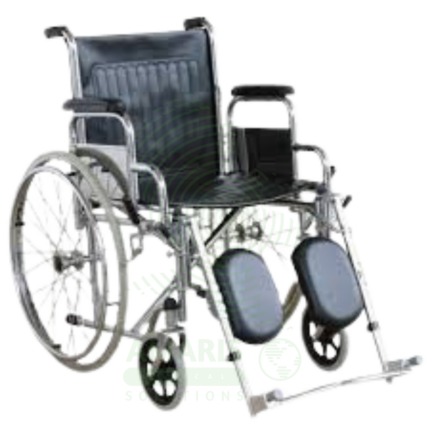
Detachable Wheelchair
A Detachable Wheelchair is a manual wheelchair designed for easy disassembly and transport. Its key feature is a folding X-frame and quick-release wheels, allowing it to break down into compact parts for storage in car trunks or small spaces. While offering superior portability and convenience for travel and occasional use, it is generally less efficient for long-distance self-propulsion than a rigid-frame wheelchair. Safety depends on ensuring all components, especially wheels and frame locks, are securely assembled before each use.
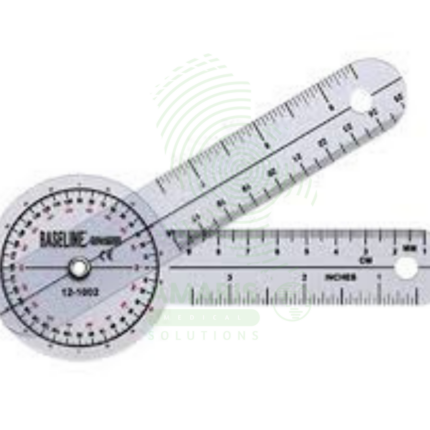
Goniometer
A goniometer is a calibrated, handheld measuring instrument designed to precisely quantify joint range of motion in degrees. Essential for physical and occupational therapy, orthopedic assessment, and rehabilitation medicine, it consists of a protractor-like body with two arms—one stationary, one movable—that align with the patient's limb segments. Available in various sizes for different joints (from fingers to hips) and in materials including transparent plastic, stainless steel, and digital formats, it transforms subjective observations of mobility into objective, reproducible data. This fundamental clinical tool guides diagnosis, documents treatment progress, supports disability determinations, and provides the evidence base for therapeutic interventions.
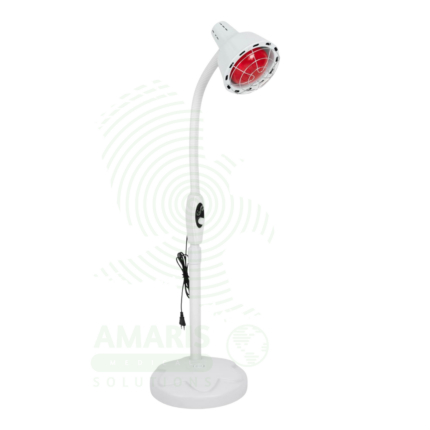
Infrared Therapy Lamp Stand
An Infrared Therapy Lamp Stand is a professional-grade, floor-standing device that emits broad-spectrum infrared radiation to deliver deep-heat therapy to large areas of the body. Designed for clinical use in physical therapy, chiropractic, and pain management clinics, it features adjustable height and tilt panels on a stable, mobile stand for targeted treatment of the back, shoulders, and legs. Its primary uses include pain relief for musculoskeletal conditions, tissue warming for rehabilitation, and promoting muscle relaxation. Safe operation requires strict adherence to contraindications, treatment time/distance guidelines, and continuous patient monitoring to prevent burns or overheating.
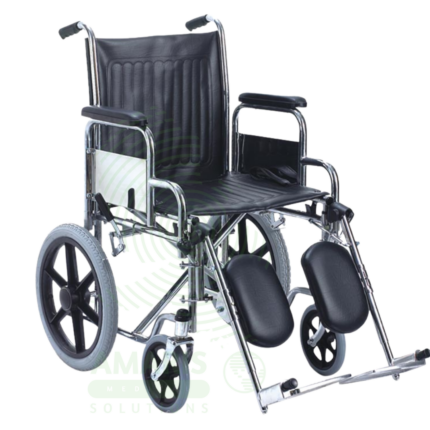
Orthopedic Commode Wheelchair With Flipping Armrest
The Orthopedic Commode Wheelchair with Flipping Armrest is a specialized hybrid device designed for patients with lower limb injuries or surgeries requiring non-weight-bearing status. It combines an extended-frame orthopedic wheelchair with an elevating leg rest, a commode seat opening, and a flipping armrest for lateral transfers. This allows for simultaneous fracture management (leg elevation/immobilization), pressure sore prevention (heel off-loading), and safe, hygienic toileting without dangerous transfers. Its use mandates the constant engagement of anti-tip levers due to a high risk of backwards tipping and requires careful navigation of its substantial length.
Orthopedic Wheelchair
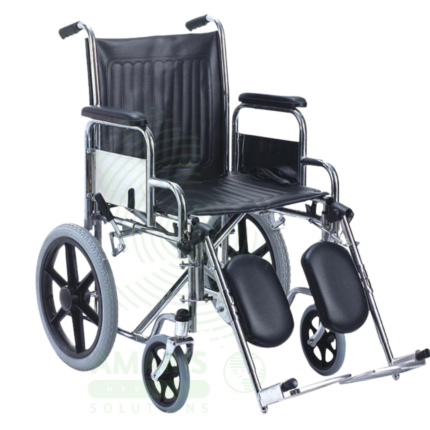
An Orthopedic Wheelchair is a specialized manual wheelchair with an extended frame and elevating leg rests, designed to support patients who must keep one or both lower limbs in a straight, non-weight-bearing position. It is primarily used for managing lower limb fractures, post-operative recovery (e.g., hip replacements), and conditions requiring heel-off-loading to prevent pressure sores. Its key safety consideration is a heightened risk of tipping backwards due to the forward weight of the extended leg, requiring cautious use, engagement of anti-tip levers, and awareness of its increased length during navigation.
Pediatric Walking Frame
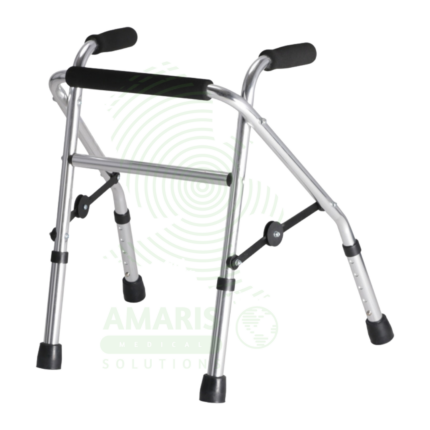
A Pediatric Walking Frame (Gait Trainer) is a supportive wheeled frame specifically designed to facilitate walking and standing for children with physical disabilities such as cerebral palsy. It provides adjustable postural support through a harness, trunk pad, and pelvic guide, enabling safe practice of gait patterns, weight-bearing, and upright mobility. Its primary role is therapeutic, aiming to develop ambulation skills, improve postural control, and promote independence and participation. Correct professional setup and supervision are essential for safety and to ensure it reinforces proper movement rather than abnormal patterns.
Pediatric Wheelchair
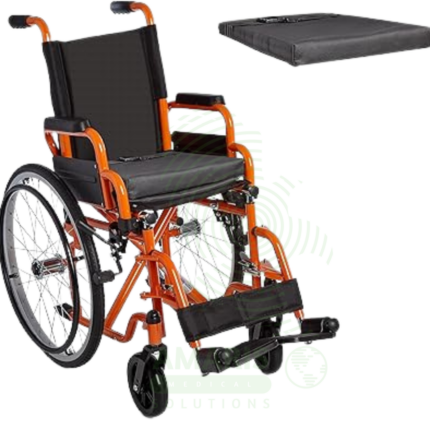
A Pediatric Wheelchair is a specially sized and designed mobility device for children with long-term physical disabilities. Its core functions are to provide independent or assisted mobility, deliver critical postural support to promote proper skeletal development and prevent deformities, and serve as a platform for inclusion in home, school, and community life. Unlike adult chairs, it features extensive adjustability to accommodate growth and modular seating systems tailored to each child's specific postural and medical needs. Prescription and fitting by a rehabilitation team are essential for safe and effective use.